
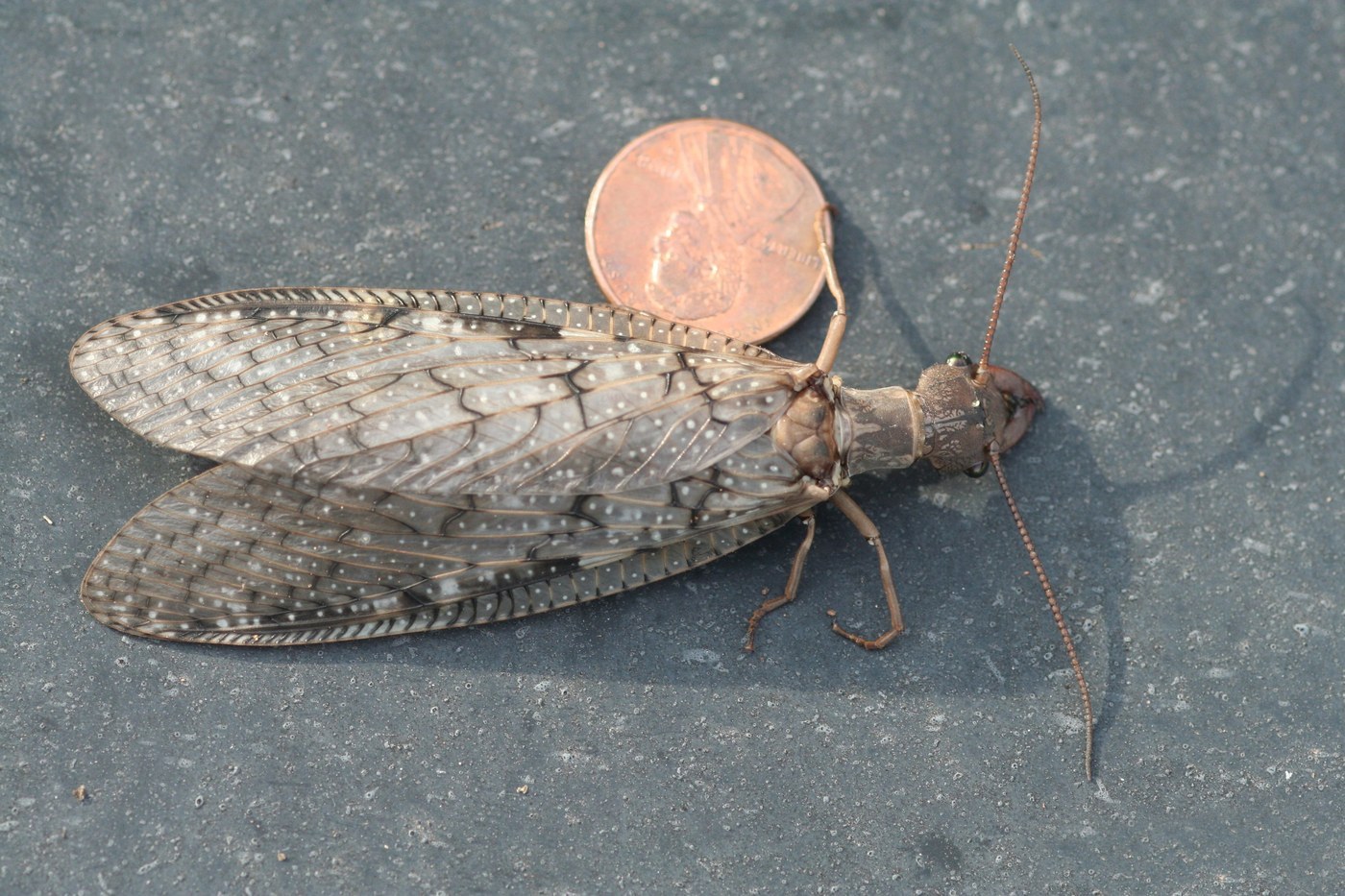
Eastern Dobsonfly
Corydalus cornutus
The classic dobsonfly of eastern North America, famous for the male's outsized, tusk-like jaws and for its aquatic larva, the hellgrammite, a favorite live-bait fishing lure.
- Size
- Body length 5–6.5 cm (2–2.5 in); males' mandibles add up to another 2.5 cm; wingspan up to 13 cm (5 in)
- Habitat
- Clean, gravel-bottomed streams and rivers across eastern and central North America
- Danger
- Bites
Spotted a bug like this?
Identify any bug or insect from a photo, free.
Overview
The eastern dobsonfly, Corydalus cornutus, is the best-known dobsonfly species in North America and the one most anglers and stream-side hikers encounter. It ranges across much of the eastern half of the continent, from the Great Plains to the Atlantic coast, wherever swift, clean streams provide suitable larval habitat.
Males are unmistakable thanks to mandibles that can be nearly as long as the rest of the body, used in jousting matches with rival males rather than for biting prey. Females carry shorter, more powerful jaws capable of a noticeably firmer pinch.
The species' larval stage, the hellgrammite, is well known to freshwater fishermen as one of the most effective natural baits for bass and trout, a testament to how important these larvae are in the diets of stream fish.
How to Identify
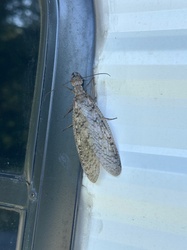
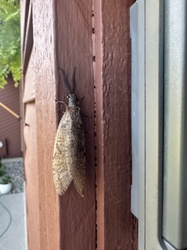
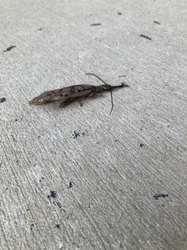
- Large grayish-brown insect with long, smoky, net-veined wings folded roof-like over the abdomen
- Males: mandibles dramatically elongated, curved, and toothless-looking, often longer than the head and thorax combined
- Females: shorter, thicker mandibles capable of a stronger pinch
- Four spots (ocelli-like markings) sometimes visible near the base of the wings
- Larva (hellgrammite): dark, flattened, wormlike body with eight pairs of lateral filaments and terminal hooked prolegs
- Distinguished from other dobsonflies mainly by range and the specific proportions of the male's mandibles
Habitat & Range
Ranges through eastern and central North America, from southern Canada to the Gulf states, centered on regions with clean, rocky, well-oxygenated streams and rivers. Larvae live for one to three years beneath submerged stones in riffle zones; adults appear from late spring into summer and are commonly found resting near stream banks, bridges, and porch lights after dark.
Behavior & Diet
Adults feed rarely, if at all, and devote their brief lives to finding mates; males compete for females by grappling with their elongated mandibles in tests of strength rather than combat meant to injure. The hellgrammite larva is an active nocturnal predator, crawling among stream-bottom rocks to hunt aquatic insect larvae and other small invertebrates, and it is itself a major prey item for game fish, making it a key link between invertebrate and fish communities.
Life Cycle
Females deposit egg masses containing up to several thousand eggs on overhanging surfaces above the water. Newly hatched larvae fall or crawl into the stream and burrow among rocks, growing through numerous instars over one to three years. Full-grown hellgrammites leave the water to pupate in soil or under debris nearby, and emerge weeks later as short-lived winged adults that mate and lay eggs to complete the cycle.
Frequently asked questions
How is the eastern dobsonfly different from other dobsonflies?
It is distinguished mainly by its range across eastern and central North America and by the specific size and shape of the male's mandibles.
Why do fishermen seek out hellgrammites?
The larvae are a highly effective natural bait because they are a natural, high-value food source for stream fish such as bass and trout.
Can an eastern dobsonfly fly well despite its size?
Yes, adults are capable fliers, though they are mostly active at night and rarely travel far from the stream where they developed.
How long do hellgrammites live before becoming adults?
They typically remain in the aquatic larval stage for one to three years before pupating and emerging as winged adults.
Eastern Dobsonfly guides
In-depth guides for identifying, understanding, and living alongside Eastern Dobsonfly.
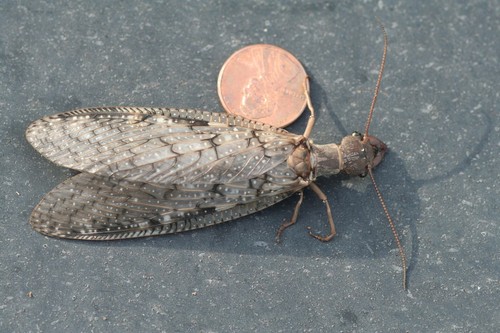
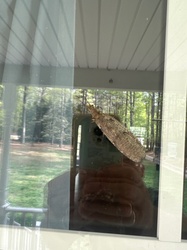
Eastern Dobsonfly identified by the community
Real finds identified with Bug Identifier.
Other bugs you may enjoy
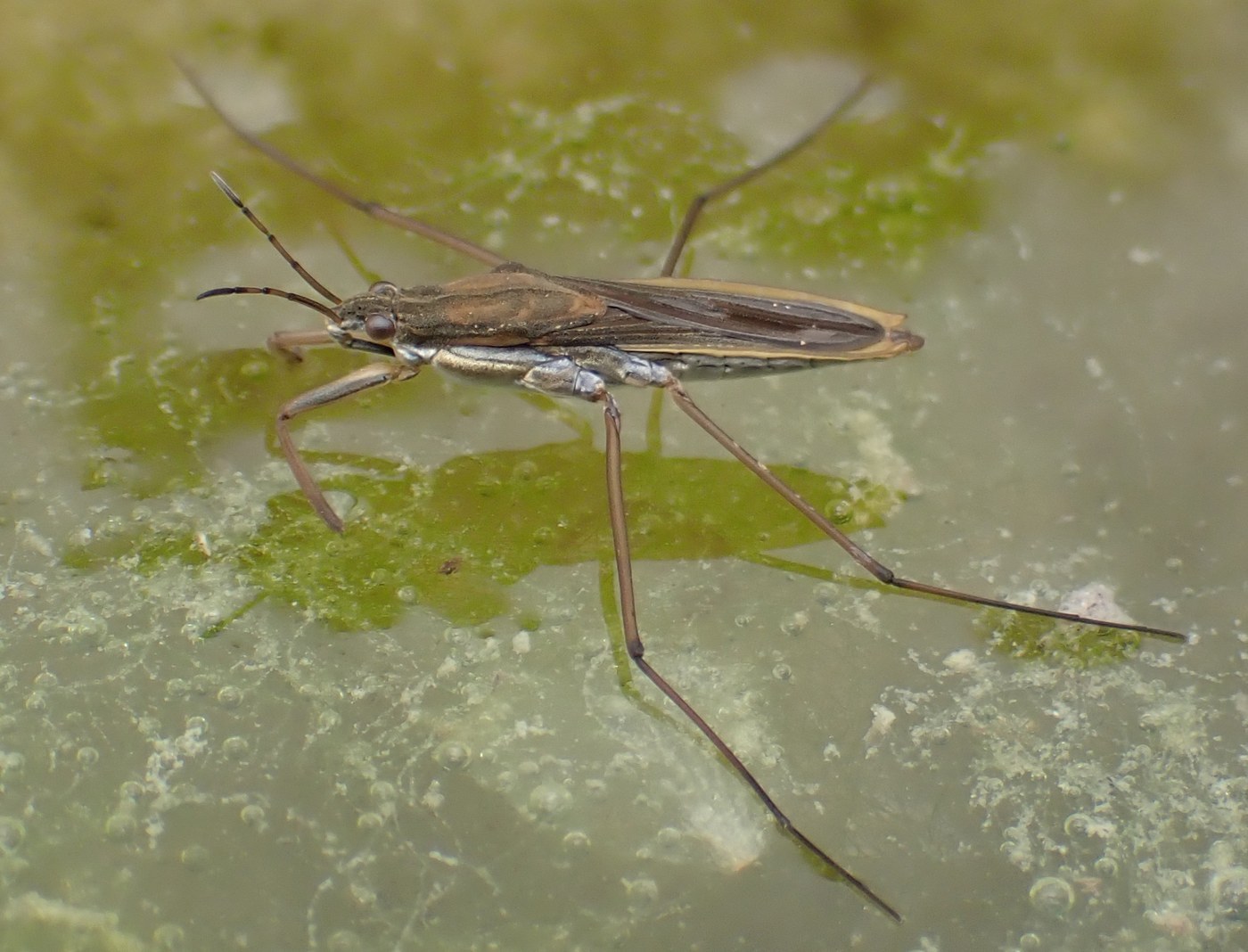
Water Strider
Still or slow-moving fresh water: ponds, lake edges, slow streams, puddles
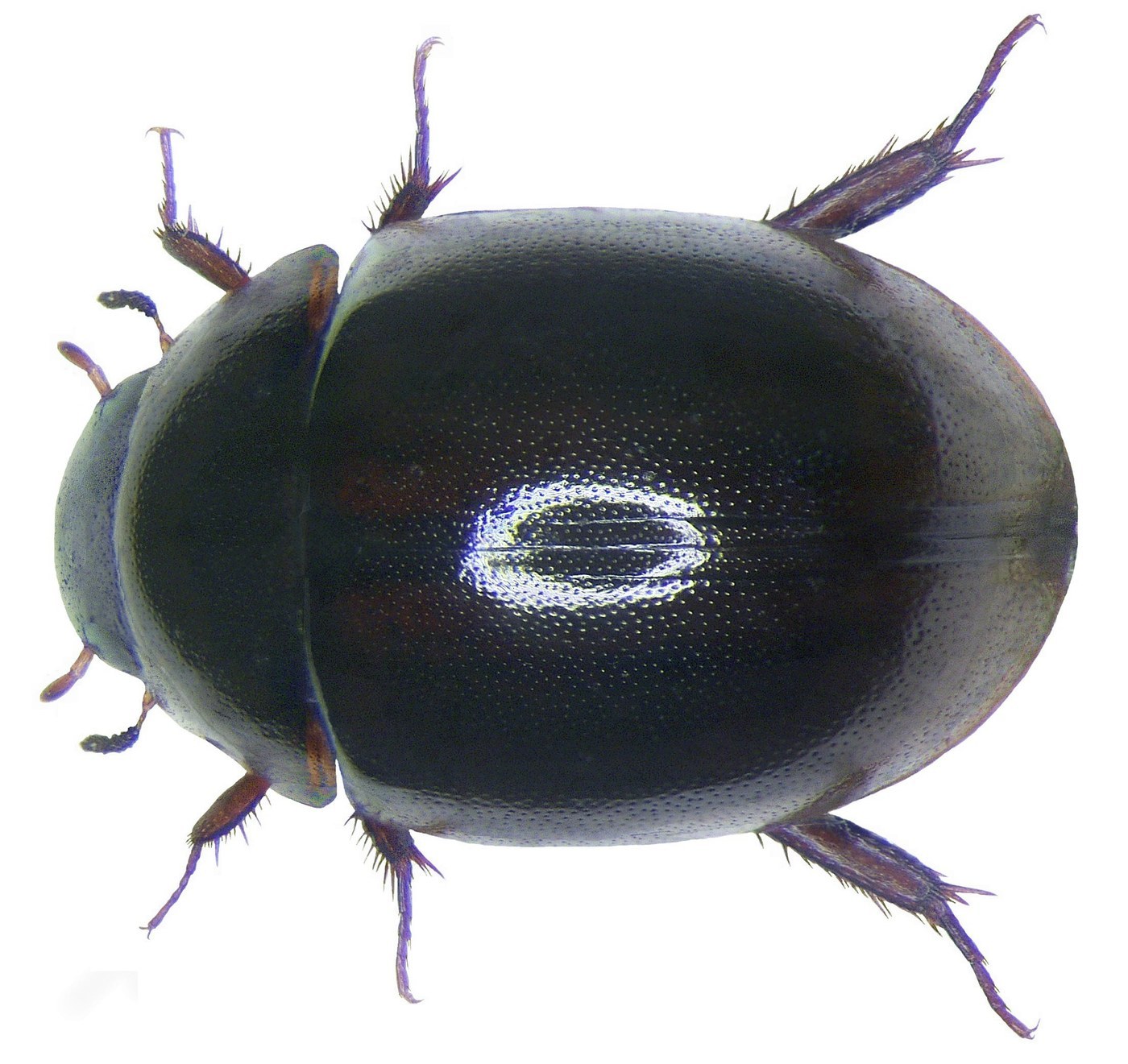
Water Beetle
Ponds, slow streams, marshes, still fresh water
Water Penny Beetle
Fast, rocky, well-oxygenated streams
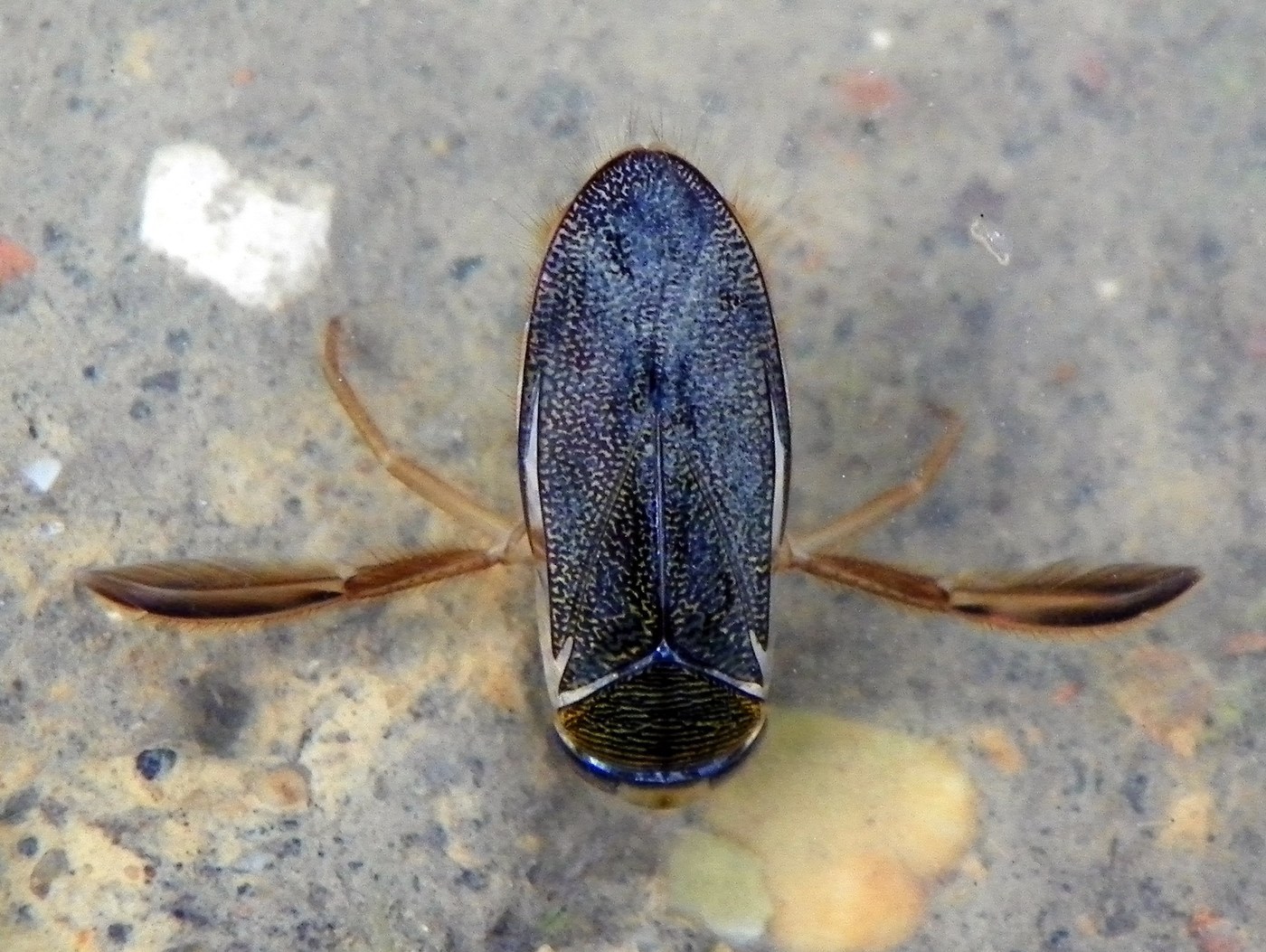
Water Boatman
Ponds, lakes, slow streams, freshwater with vegetation
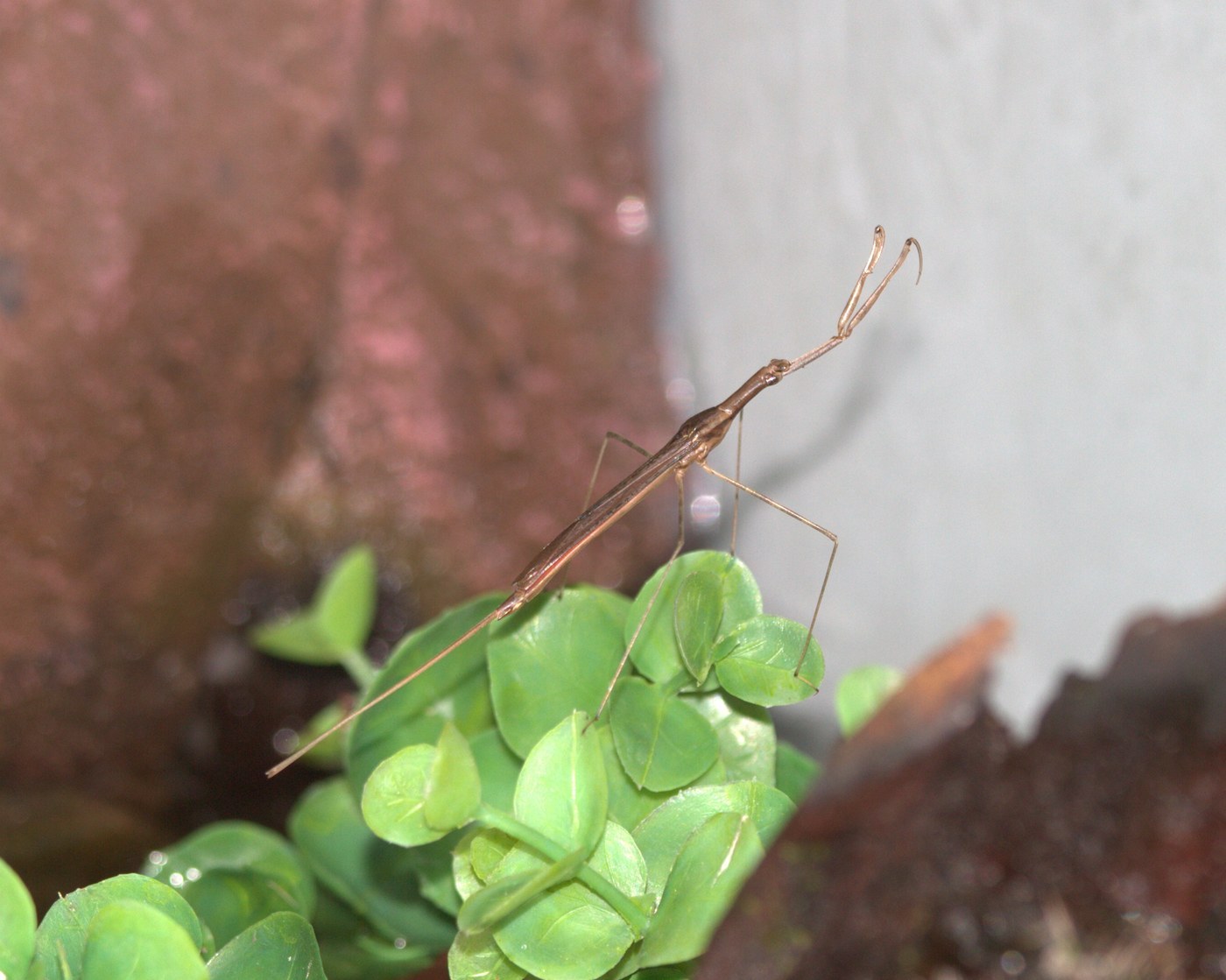
Water Scorpion
Still or slow-moving water with submerged vegetation
Stonefly
Cold, clean, well-oxygenated streams and rivers
Stonefly Nymph
Cold, fast-flowing, well-oxygenated streams
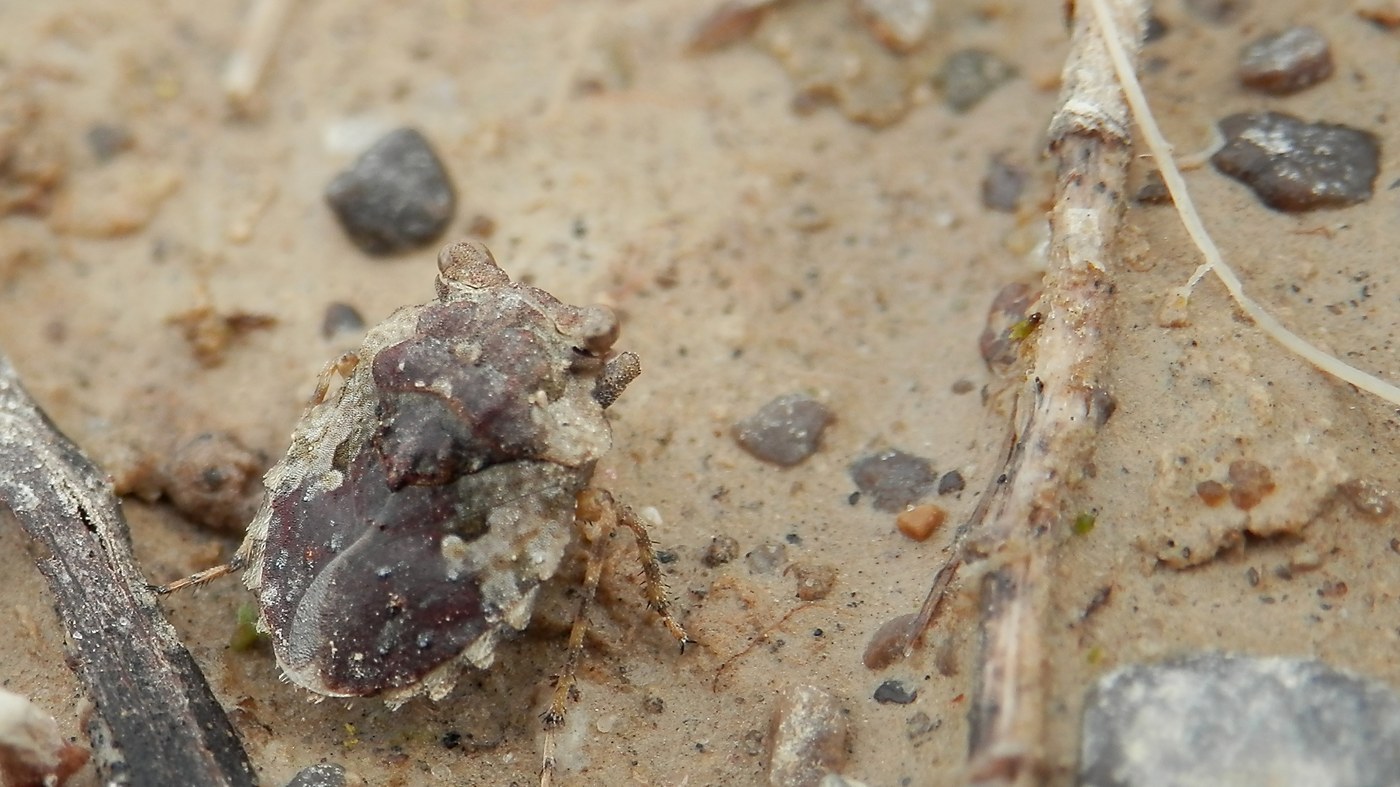
Toad Bug
Muddy or sandy shorelines of ponds, streams, and rivers
Soldier Fly Larva
Ponds, marshes, and slow streams with organic sediment
Mosquito Larva
Standing water in ponds, ditches, containers, and puddles
Whirligig Beetle
Surface of ponds, lakes, and slow streams
Rat-Tailed Maggot
Stagnant, oxygen-poor water such as manure pools, drains, and compost