
Dobsonfly
Corydalus spp.
A massive, primitive-looking insect whose males brandish absurdly long, curved mandibles used for wrestling rivals rather than for feeding.
- Size
- Body 5–8 cm (2–3 in); wingspan to about 13 cm (5 in) in large males
- Habitat
- Clean, fast-flowing streams and rivers; adults rest on nearby vegetation and bridges
- Danger
- Bites
Spotted a bug like this?
Identify any bug or insect from a photo, free.
Overview
Dobsonflies (genus Corydalus) are among the largest flying insects in North America, instantly recognizable by their smoky, net-veined wings and, in males, a pair of sickle-shaped tusks that can rival the length of the body itself. Despite their fearsome appearance, adult dobsonflies live only a week or two, during which they rarely feed and exist mainly to mate.
The aquatic larvae, known as hellgrammites, spend one to several years hidden under stones in swift, oxygen-rich streams, where they are voracious predators of other aquatic invertebrates. Because hellgrammites require clean, well-aerated water, their presence is often taken as a sign of good stream health.
Adults are nocturnal and strongly attracted to porch and streetlights near waterways in summer, which is when most people encounter them.
How to Identify
- Very large, soft-bodied insect with two pairs of long, smoky-gray, net-veined wings held roof-like over the body at rest
- Males have enormously elongated, curved mandibles (tusks) that can exceed the length of the body
- Females have much shorter but stouter, pincer-like jaws
- Body is brownish-gray with a flattened head and long, segmented antennae
- Larvae (hellgrammites) are dark brown-black, wormlike, with strong legs, pincer jaws, and paired filaments along the abdomen ending in hooked prolegs
- Lookalikes: fishflies and alderflies are smaller relatives without the extreme mandibles
Habitat & Range
Found throughout much of North America wherever clean, rocky, fast-moving streams and rivers occur. Larvae live for one to several years under submerged rocks in riffles, while winged adults emerge in late spring through summer and stay close to the water's edge, often found clinging to bridge railings, tree trunks, or walls near lights at night.
Behavior & Diet
Adult dobsonflies feed little or not at all, relying on energy reserves built up as larvae. Males use their oversized mandibles in ritualized combat with rival males and to grip females during mating rather than for capturing prey. The aquatic larvae are aggressive ambush predators, feeding on mayfly and stonefly nymphs, small crustaceans, and other invertebrates, and in turn serve as an important food source for fish, which is why anglers prize them as bait. Both larvae and adults are important links in freshwater and riparian food webs.
Life Cycle
Females lay large chalky-white egg masses containing hundreds to thousands of eggs on surfaces overhanging water, such as rocks or bridge supports. Hatchlings drop into the stream and develop through many instars as hellgrammites, a stage that can last one to five years depending on species and conditions. Mature larvae crawl onto land to pupate in a chamber under logs, bark, or stones, emerging as winged adults that live only about a week to ten days, just long enough to mate and lay the next generation of eggs.
Frequently asked questions
Why do male dobsonflies have such long jaws?
The elongated mandibles are used mainly for sparring with other males and for holding onto females during mating, not for feeding or defense.
What is a hellgrammite?
Hellgrammite is the common name for the aquatic larval stage of the dobsonfly, a fierce predator that lives under rocks in streams.
Do dobsonflies bite?
They can pinch defensively if handled, with females generally delivering a firmer bite than the long-jawed males.
Where are dobsonflies most often seen?
Adults are most often noticed at night near lights close to clean, rocky rivers and streams during warmer months.
Dobsonfly guides
In-depth guides for identifying, understanding, and living alongside Dobsonfly.
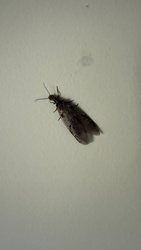
Dobsonfly identified by the community
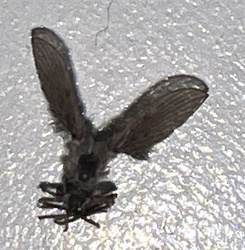
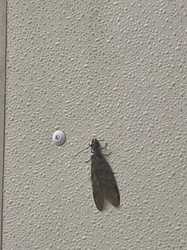
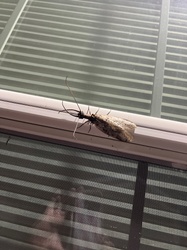
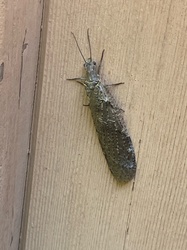
Real finds identified with Bug Identifier.
Other bugs you may enjoy
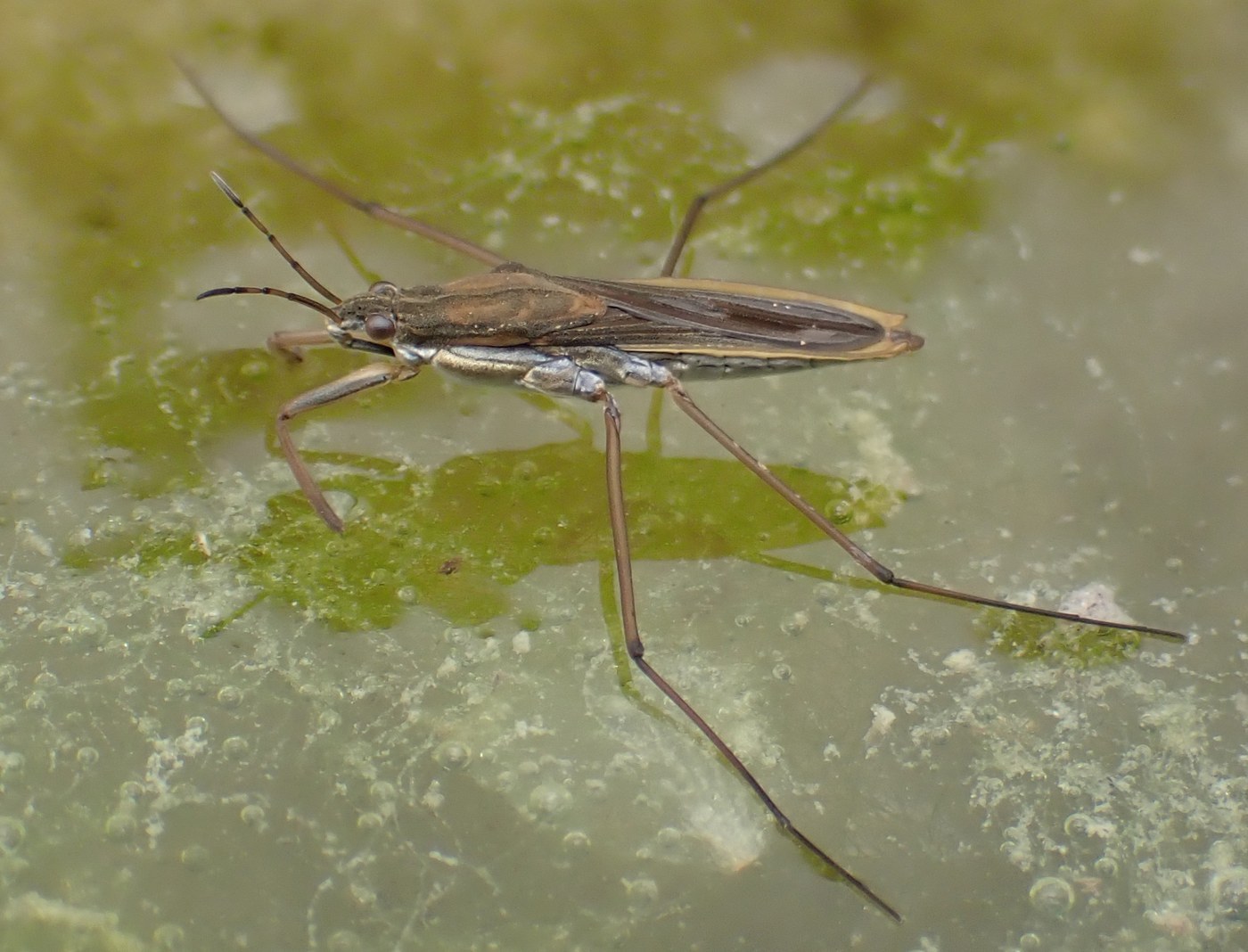
Water Strider
Still or slow-moving fresh water: ponds, lake edges, slow streams, puddles
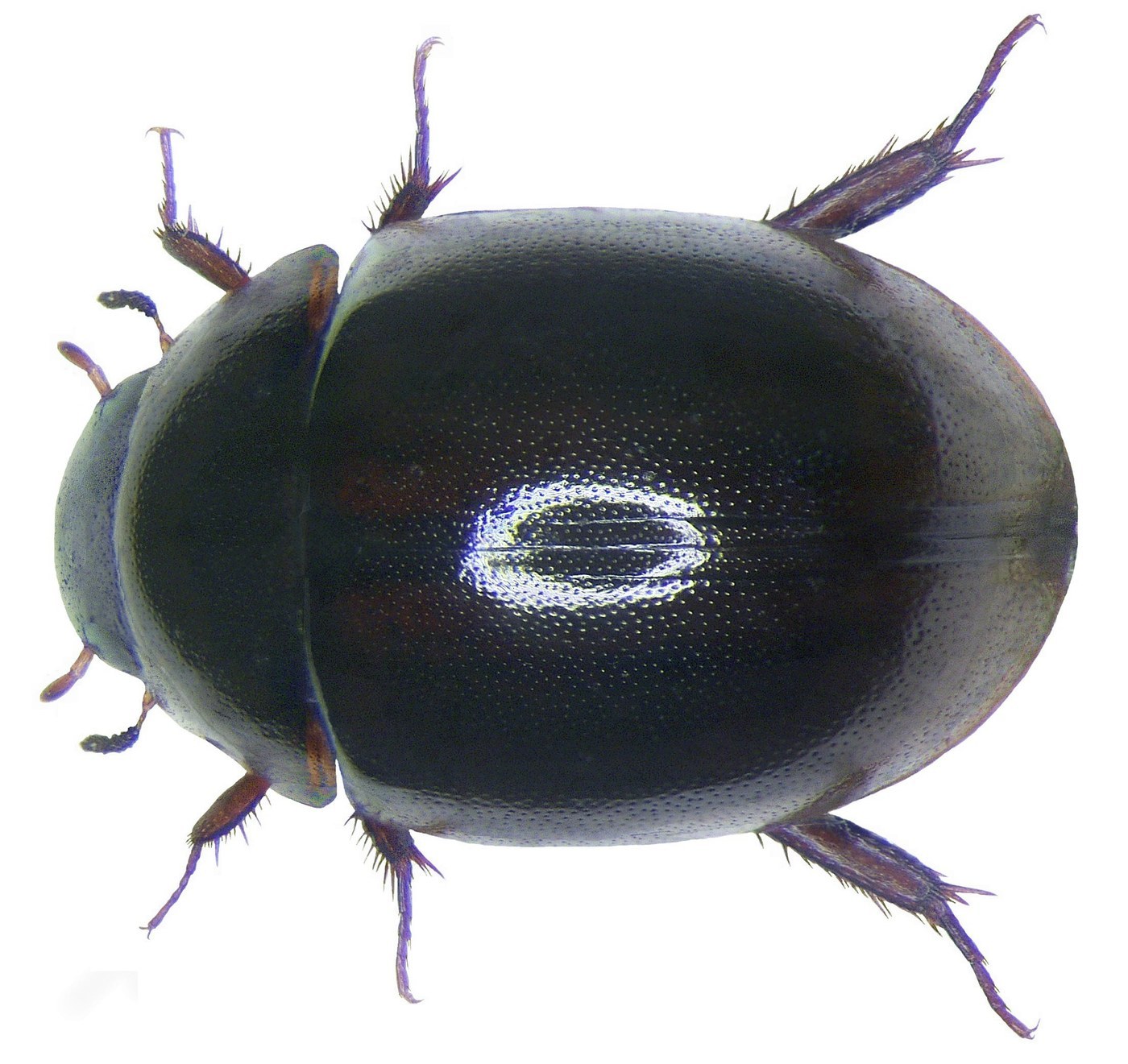
Water Beetle
Ponds, slow streams, marshes, still fresh water
Water Penny Beetle
Fast, rocky, well-oxygenated streams
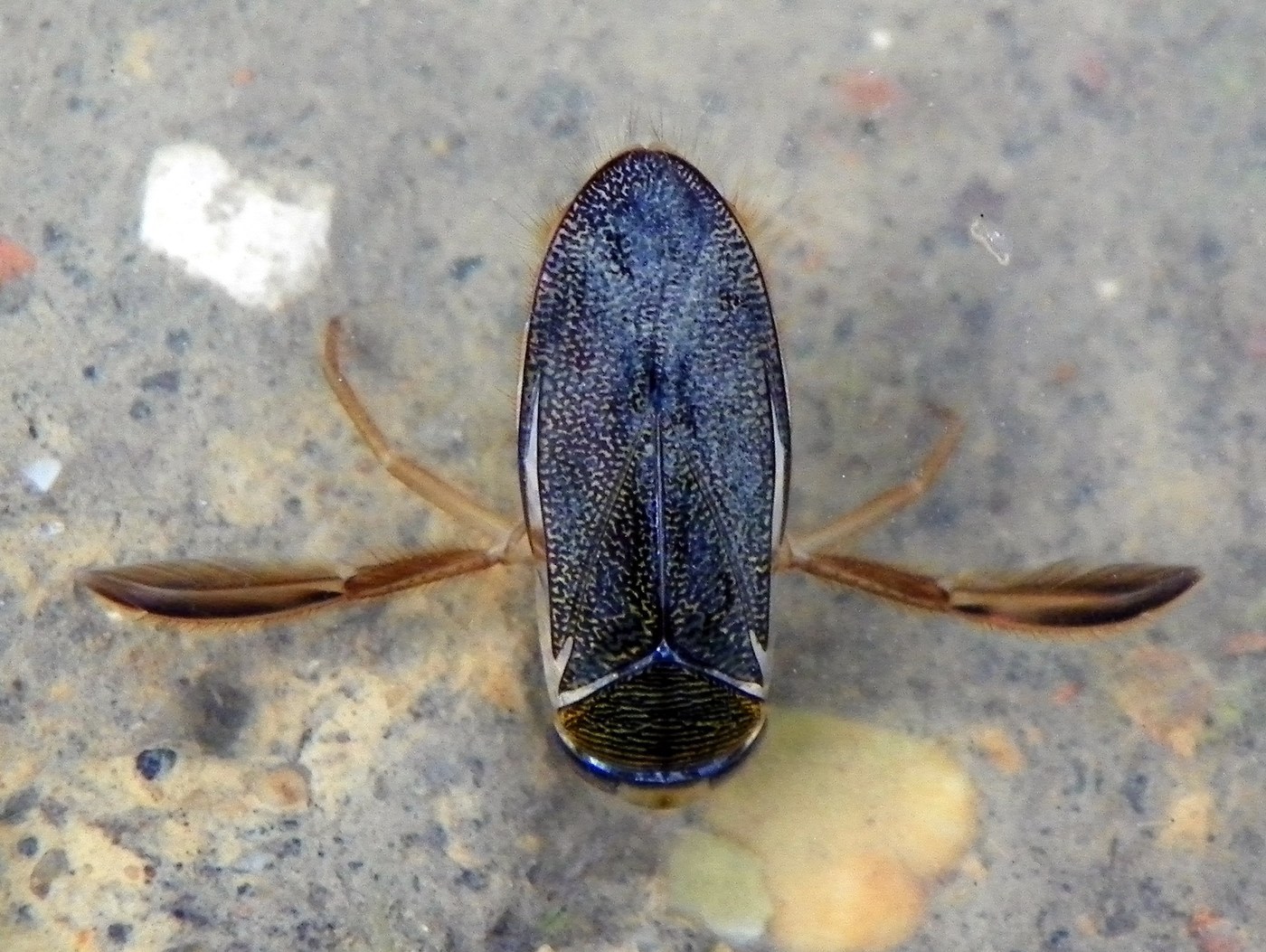
Water Boatman
Ponds, lakes, slow streams, freshwater with vegetation
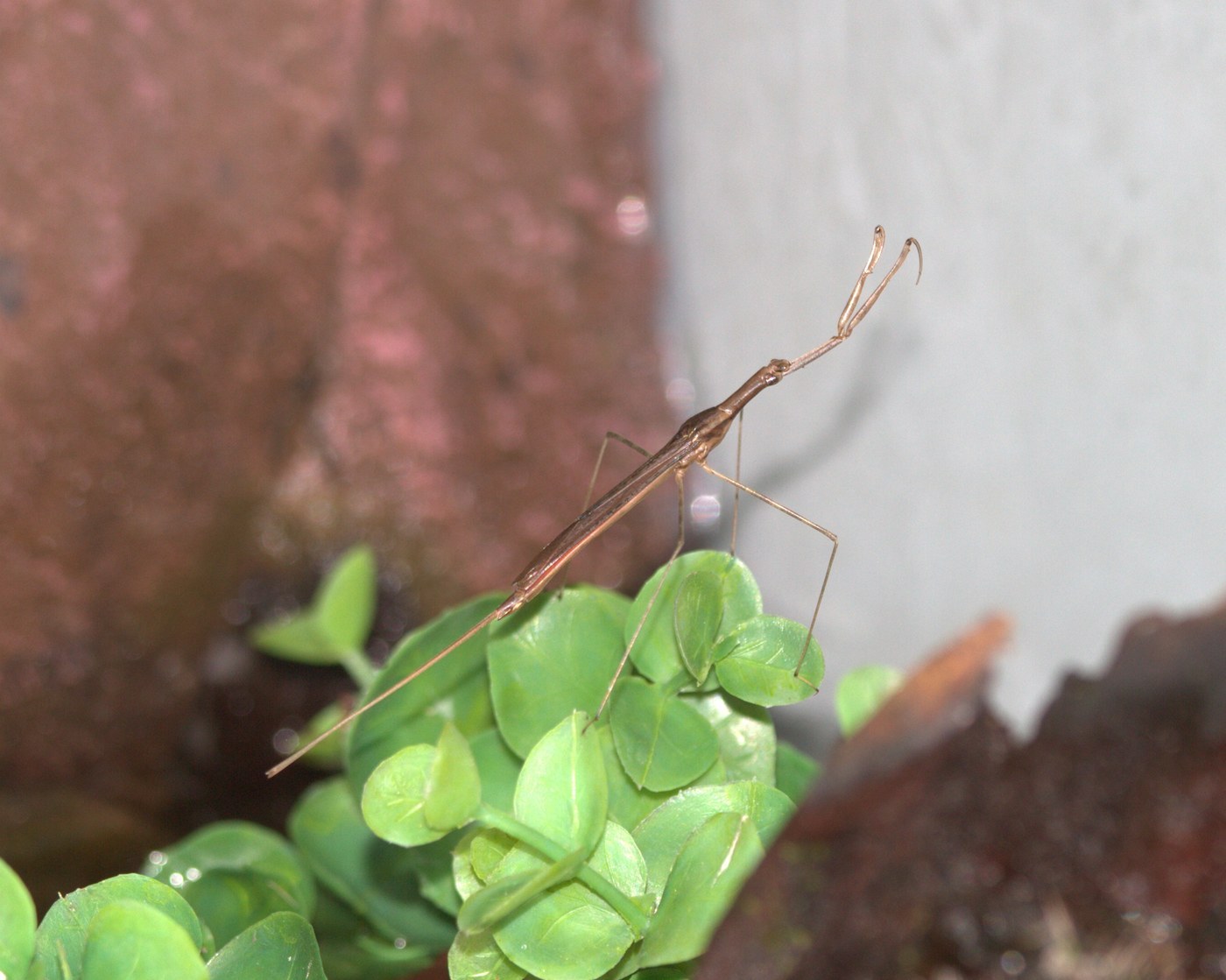
Water Scorpion
Still or slow-moving water with submerged vegetation
Stonefly
Cold, clean, well-oxygenated streams and rivers
Stonefly Nymph
Cold, fast-flowing, well-oxygenated streams
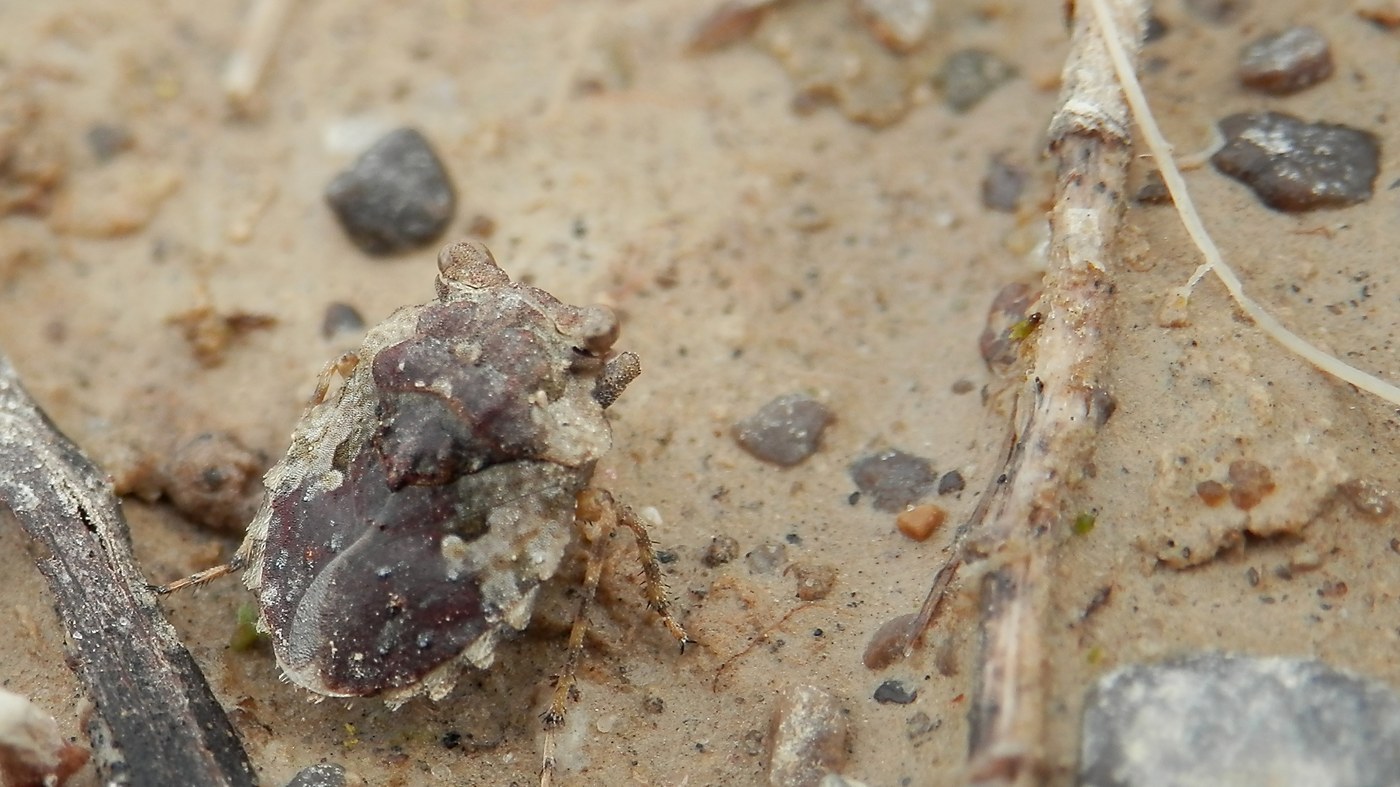
Toad Bug
Muddy or sandy shorelines of ponds, streams, and rivers
Soldier Fly Larva
Ponds, marshes, and slow streams with organic sediment
Mosquito Larva
Standing water in ponds, ditches, containers, and puddles
Whirligig Beetle
Surface of ponds, lakes, and slow streams
Rat-Tailed Maggot
Stagnant, oxygen-poor water such as manure pools, drains, and compost