
Alderfly
Sialis spp.
A small, dusky-winged insect that flutters weakly among streamside alders and shrubs, the diminutive relative of the mighty dobsonfly.
- Size
- Body length about 1–1.5 cm (0.4–0.6 in)
- Habitat
- Slow-moving streams, ponds, and lake margins with muddy or silty bottoms
- Danger
- Harmless
Spotted a bug like this?
Identify any bug or insect from a photo, free.
Overview
Alderflies (genus Sialis) are small, drab members of the order Megaloptera, sharing ancestry with the much larger dobsonflies and fishflies but lacking their imposing size and jaw structures. They are named for their habit of resting on alder and other streamside shrubs as weak-flying adults.
The aquatic larvae are found in the silty or muddy sediments of slow streams, ponds, and lake edges rather than the fast, rocky riffles favored by dobsonfly larvae, giving alderflies a somewhat different ecological niche within the same insect order.
Adults are short-lived, clumsy fliers usually seen resting on vegetation near water in spring, and they are frequently used by researchers and educators as an indicator of the broader health of slow-water freshwater habitats.
How to Identify
- Small, dark brown to black insect with a single pair of held-together, smoky, heavily veined wings that appear as one when folded roof-like over the body
- Head and body somewhat flattened, with moderately long antennae
- No elongated mandibles; jaws are small and inconspicuous in both sexes
- Weak, fluttery flight compared to fishflies and dobsonflies
- Larvae are elongated, brownish, with seven pairs of tapering lateral filaments along the abdomen and a single long tail filament (unlike the paired terminal hooks of hellgrammites)
- Lookalikes: small fishflies, though alderflies are smaller and duller with a single terminal larval filament
Habitat & Range
Alderflies occur across much of North America, Europe, and Asia in association with slow streams, ponds, and the silty margins of lakes. Larvae burrow into soft sediment or hide among detritus and roots, tolerating lower oxygen conditions than many dobsonfly larvae. Adults appear in spring, typically clustering on alder, willow, and other waterside vegetation close to their larval habitat.
Behavior & Diet
Adult alderflies rarely feed and live only a short time, mainly to reproduce, and they are weak fliers that stay close to the water where they emerged. Larvae are active predators and scavengers, feeding on small aquatic invertebrates and organic detritus within bottom sediments, contributing to the breakdown of organic matter and serving as prey for fish and other predators in slow-water ecosystems.
Life Cycle
Females lay tightly packed rows of eggs on vegetation or structures overhanging water. Hatchling larvae drop into the water and burrow into sediment, developing through several instars over about one year. When mature, larvae crawl out onto land to pupate in damp soil near the shoreline, emerging weeks later as short-lived winged adults that mate and lay eggs to renew the cycle.
Frequently asked questions
Why are they called alderflies?
The name comes from their habit of resting on alder trees and other shrubs growing along the streams and ponds where they develop.
How do alderfly larvae differ from hellgrammites?
Alderfly larvae are smaller, live in soft sediment rather than fast rocky riffles, and have a single long terminal tail filament instead of paired hooked prolegs.
Are alderflies strong fliers?
No, adults are weak, fluttery fliers that stay close to the water's edge rather than traveling far.
What do alderfly larvae eat?
They feed on small aquatic invertebrates and organic detritus within pond and stream sediments.
Alderfly guides
In-depth guides for identifying, understanding, and living alongside Alderfly.
Other bugs you may enjoy
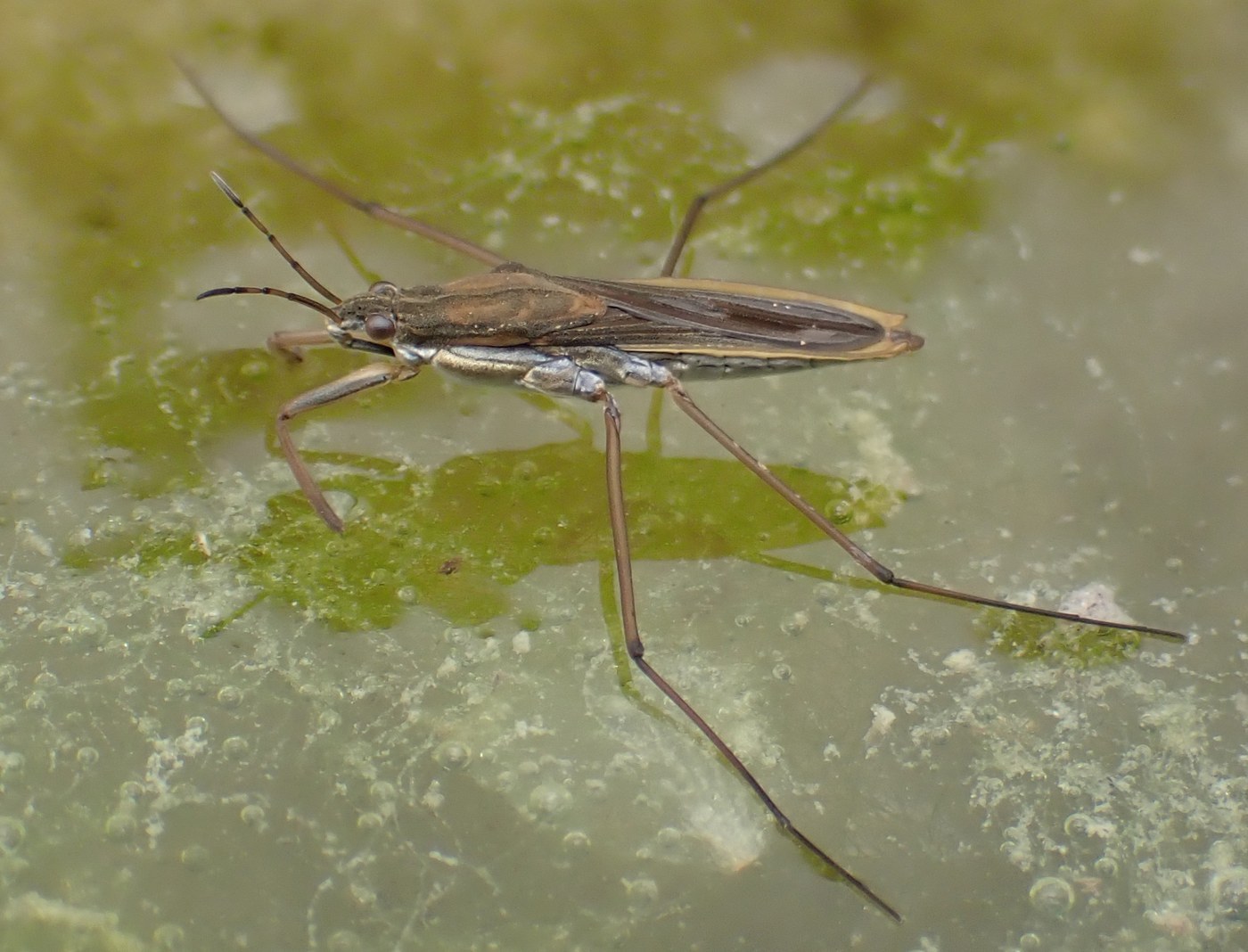
Water Strider
Still or slow-moving fresh water: ponds, lake edges, slow streams, puddles
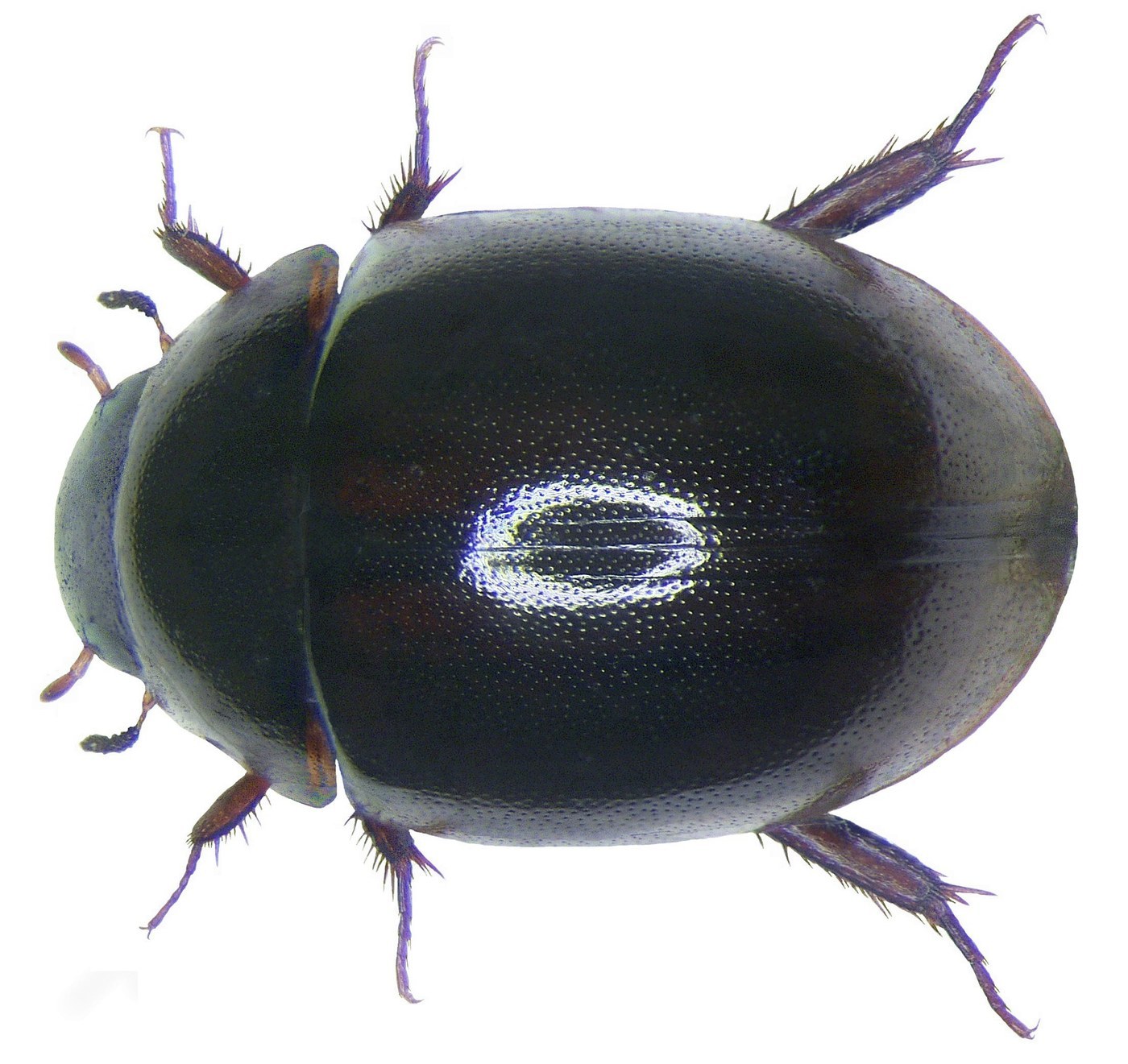
Water Beetle
Ponds, slow streams, marshes, still fresh water
Water Penny Beetle
Fast, rocky, well-oxygenated streams
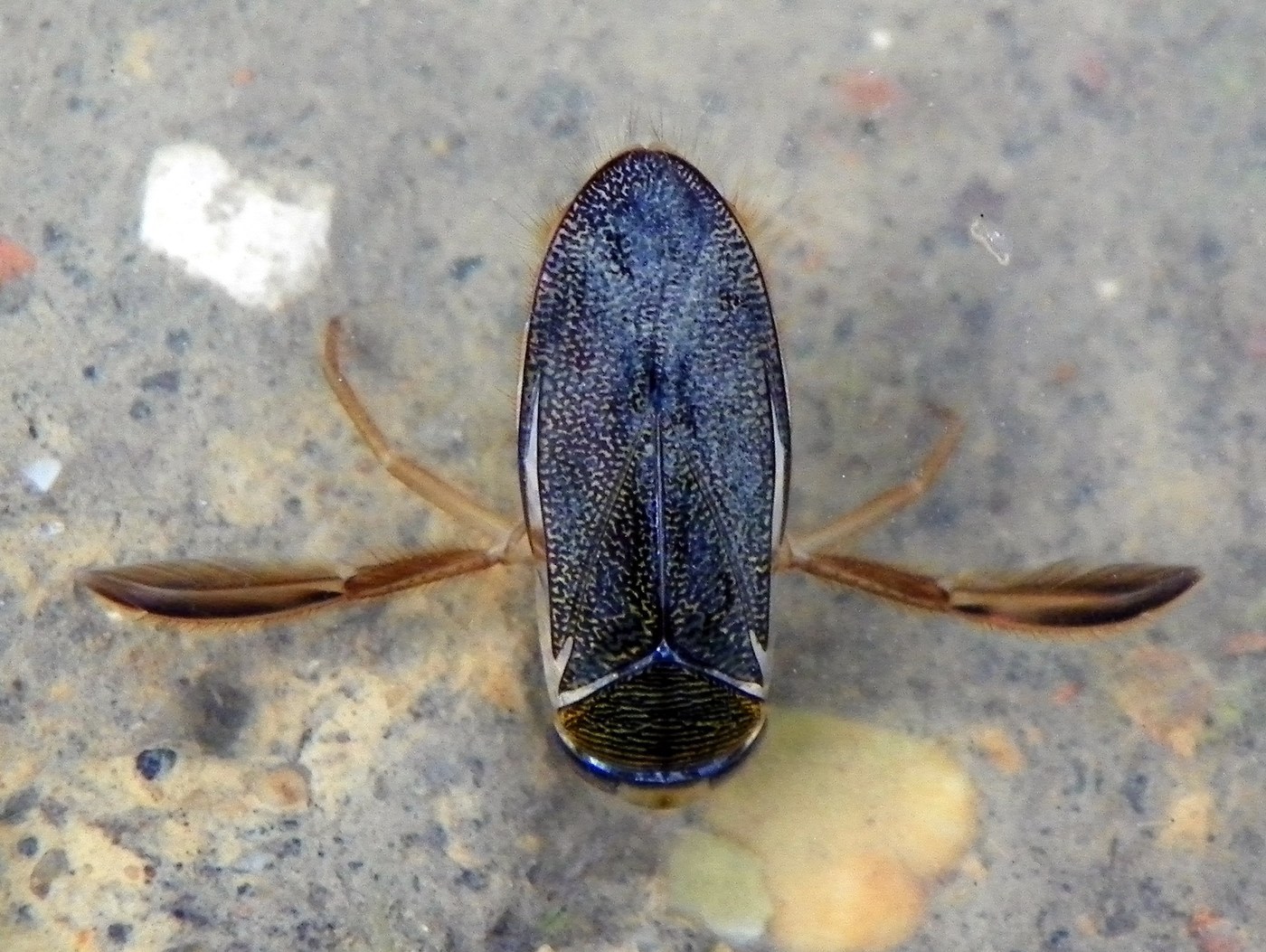
Water Boatman
Ponds, lakes, slow streams, freshwater with vegetation
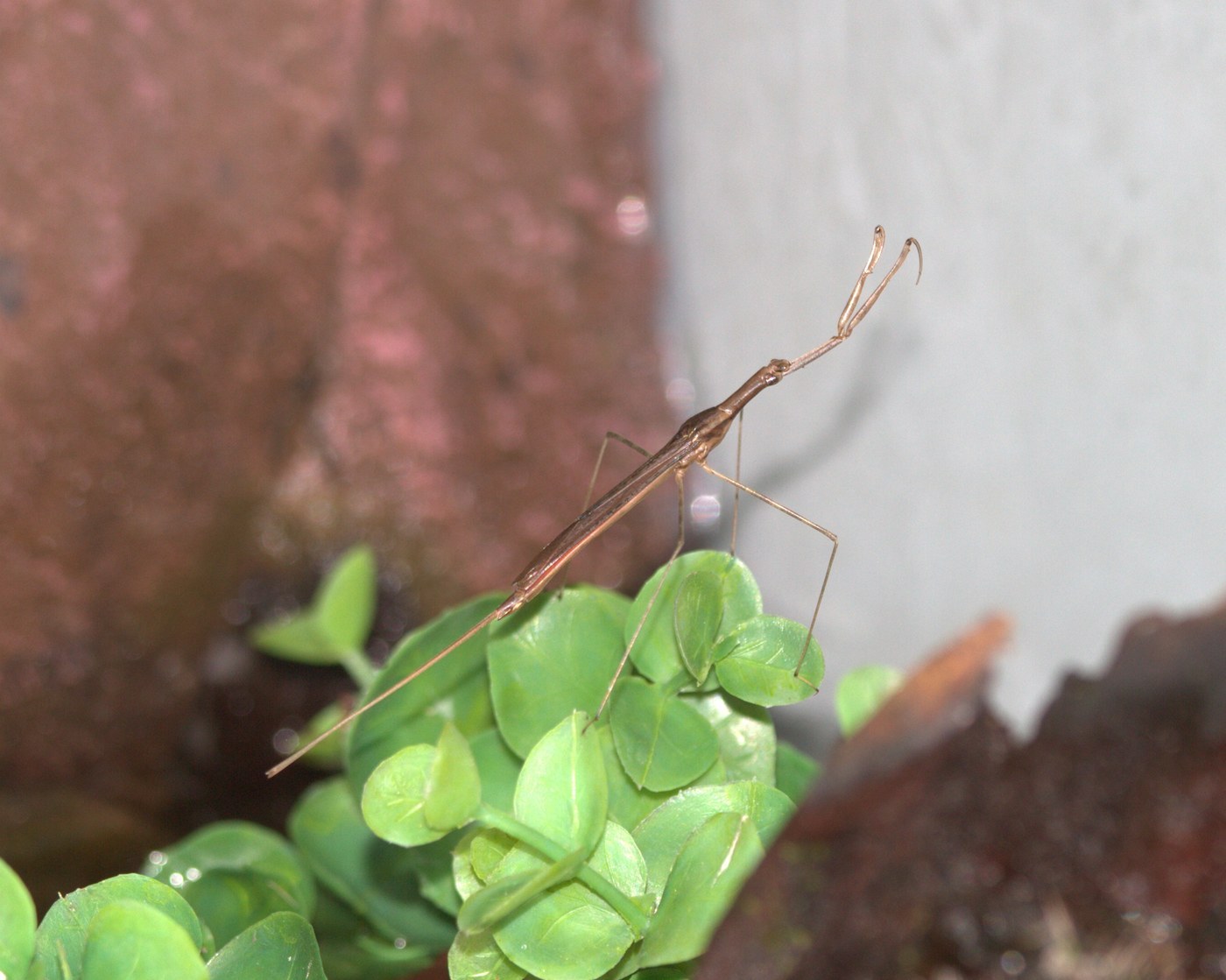
Water Scorpion
Still or slow-moving water with submerged vegetation
Stonefly
Cold, clean, well-oxygenated streams and rivers
Stonefly Nymph
Cold, fast-flowing, well-oxygenated streams
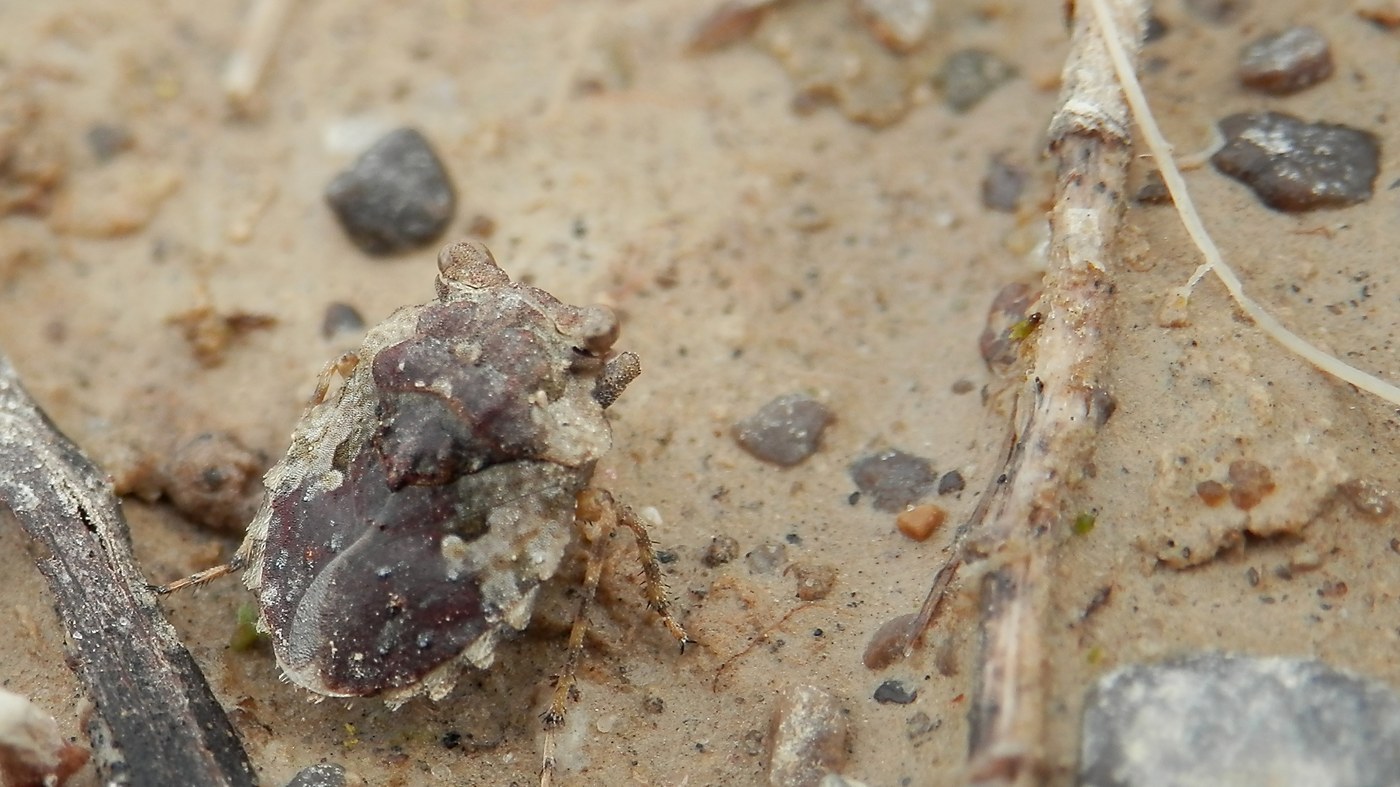
Toad Bug
Muddy or sandy shorelines of ponds, streams, and rivers
Soldier Fly Larva
Ponds, marshes, and slow streams with organic sediment
Mosquito Larva
Standing water in ponds, ditches, containers, and puddles
Whirligig Beetle
Surface of ponds, lakes, and slow streams
Rat-Tailed Maggot
Stagnant, oxygen-poor water such as manure pools, drains, and compost