
Fishfly
Chauliodes spp.
A smaller, more modestly built cousin of the dobsonfly, often mistaken for its larger relative but lacking the dramatic elongated mandibles of male dobsonflies.
- Size
- Body length about 2–4 cm (0.8–1.6 in)
- Habitat
- Streams, rivers, and the margins of lakes and ponds
- Danger
- Harmless
Spotted a bug like this?
Identify any bug or insect from a photo, free.
Overview
Fishflies belong to the same order as dobsonflies and alderflies (Megaloptera) and share the same general body plan of long, veined wings and a soft, elongated body, but they are considerably smaller and males lack the exaggerated tusk-like jaws that make dobsonflies so distinctive. Several genera, including Chauliodes and Nigronia, are grouped under the common name fishfly.
Like their relatives, fishflies begin life as aquatic larvae that live among submerged debris, rocks, and vegetation in streams and along lake margins, where they hunt smaller invertebrates. Adults are short-lived and mainly nocturnal, often gathering near lights close to water in spring and early summer.
Fishflies play a similar ecological role to dobsonflies and stoneflies, serving as both predators and prey within freshwater food webs, and their larvae are sometimes used as fishing bait much like hellgrammites.
How to Identify
- Moderate-sized insect with two pairs of smoky, mottled or plain, net-veined wings held tent-like over the body
- Antennae often feathery or comb-like (pectinate) in males of some species, unlike the simple antennae of dobsonflies
- Mandibles short and roughly equal in both sexes, without the extreme elongation seen in male dobsonflies
- Body typically brown, gray, or blackish
- Larvae resemble small hellgrammites but often lack the terminal hooked prolegs or have a single long filament at the tip of the abdomen
- Lookalikes: dobsonflies (larger, males with long mandibles) and alderflies (smaller, single wing pair appearance at rest)
Habitat & Range
Fishflies occur widely across North America near streams, rivers, and the shallow, weedy margins of ponds and lakes. Larvae live in slower currents and debris-rich areas than dobsonfly hellgrammites often prefer, tolerating a somewhat broader range of water conditions. Adults emerge in spring and early summer and stay close to their natal waters, resting on streamside vegetation by day and flying to lights at night.
Behavior & Diet
Adult fishflies feed little during their brief flight period, focusing energy on finding mates. Males of some species use their feathery antennae to detect female pheromones. Larvae are active predators that crawl or swim among submerged debris hunting midge larvae, small crustaceans, and other soft-bodied invertebrates, and they in turn provide food for fish and other aquatic predators, making them a meaningful part of freshwater food chains.
Life Cycle
Females glue flat masses of eggs to leaves, bark, or structures overhanging water. Hatchling larvae drop into the water and develop over roughly one to two years through several instars while hunting among submerged debris. Mature larvae crawl onto land to pupate in damp soil or under bark near the water's edge, later emerging as adults that live only a few weeks to mate and lay eggs.
Frequently asked questions
How can I tell a fishfly from a dobsonfly?
Fishflies are smaller overall and males lack the greatly elongated mandibles seen in male dobsonflies.
Do fishflies bite?
They are not known to bite people; their jaws are modest and mainly used for feeding on other small invertebrates as larvae.
Where do fishfly larvae live?
They live in streams, rivers, and along the margins of ponds and lakes, often among submerged debris and vegetation.
Are fishflies related to stoneflies?
No, despite similar habitats, fishflies belong to the order Megaloptera while stoneflies belong to the separate order Plecoptera.
Fishfly guides
In-depth guides for identifying, understanding, and living alongside Fishfly.
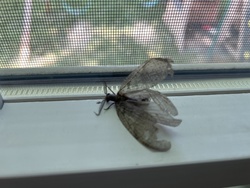
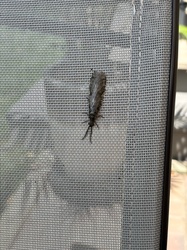
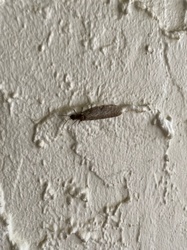
Fishfly identified by the community
Real finds identified with Bug Identifier.
Other bugs you may enjoy
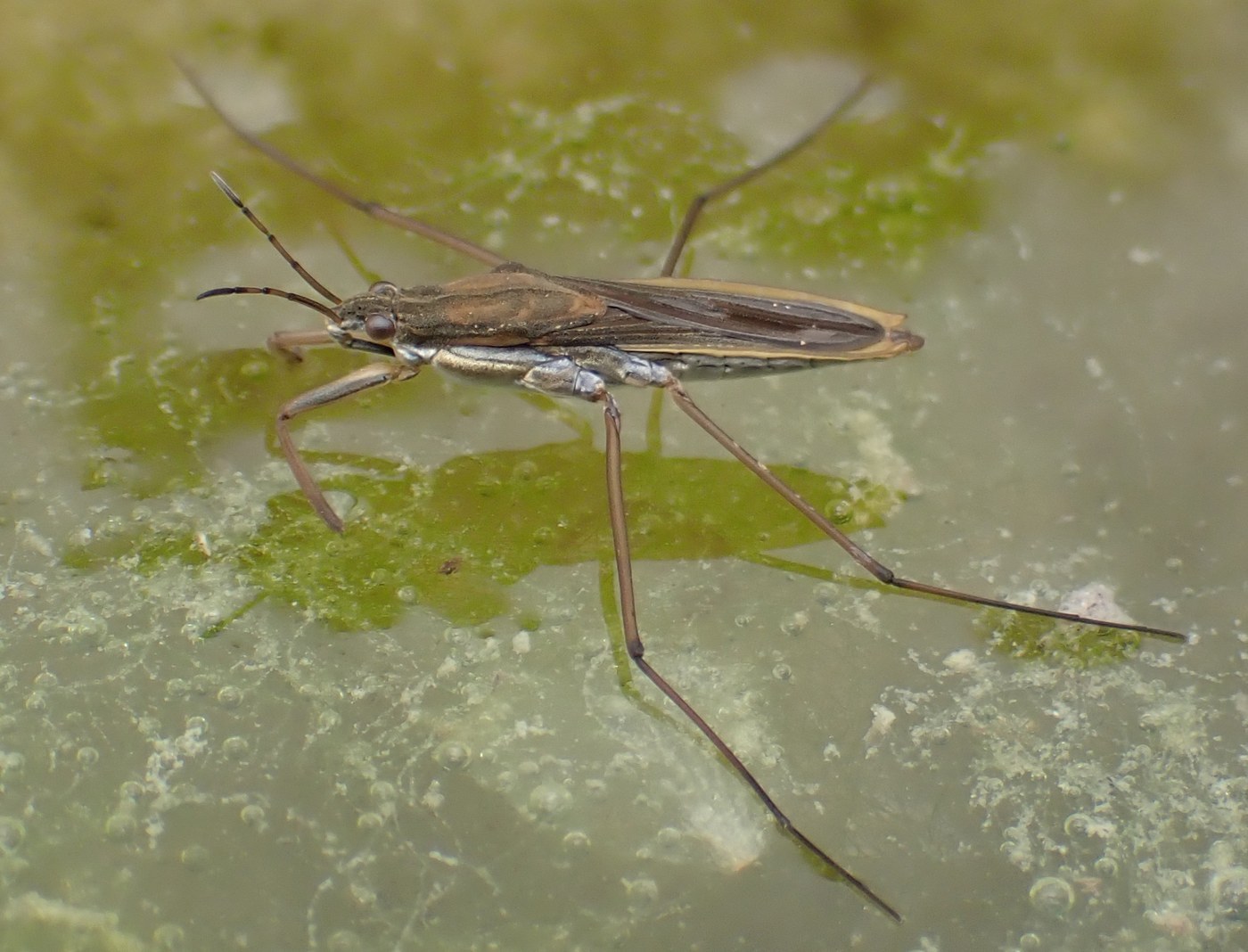
Water Strider
Still or slow-moving fresh water: ponds, lake edges, slow streams, puddles
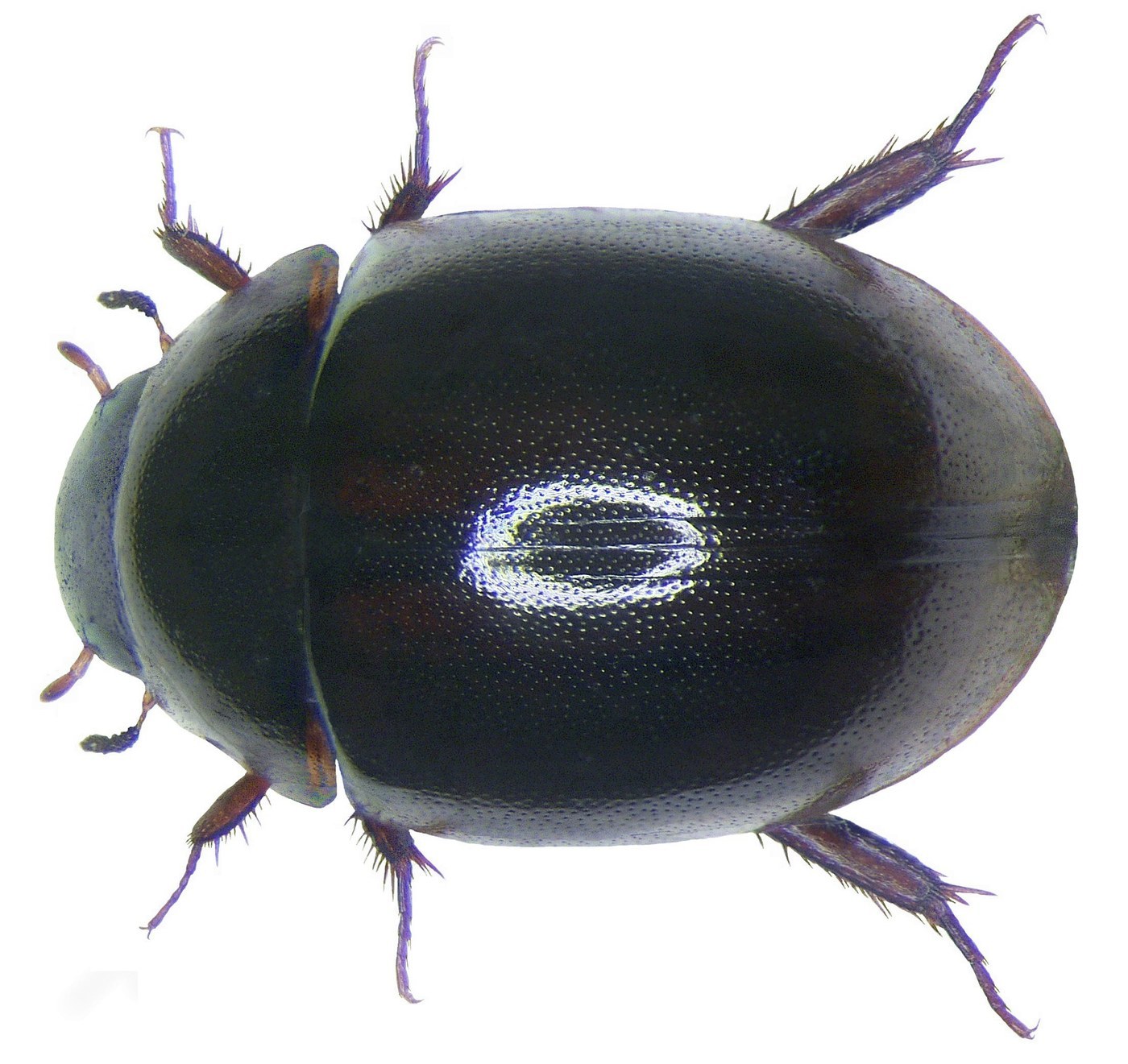
Water Beetle
Ponds, slow streams, marshes, still fresh water
Water Penny Beetle
Fast, rocky, well-oxygenated streams
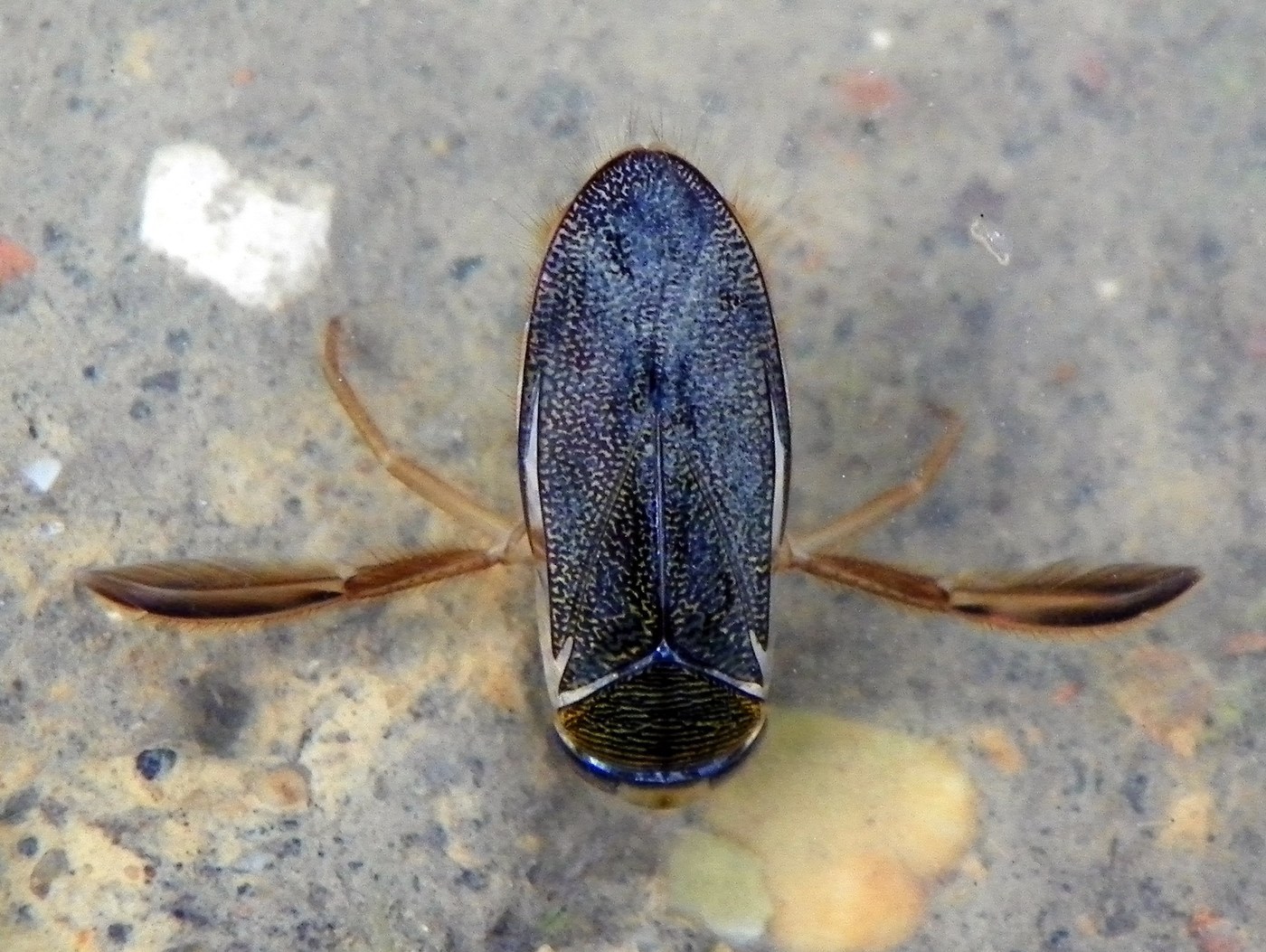
Water Boatman
Ponds, lakes, slow streams, freshwater with vegetation
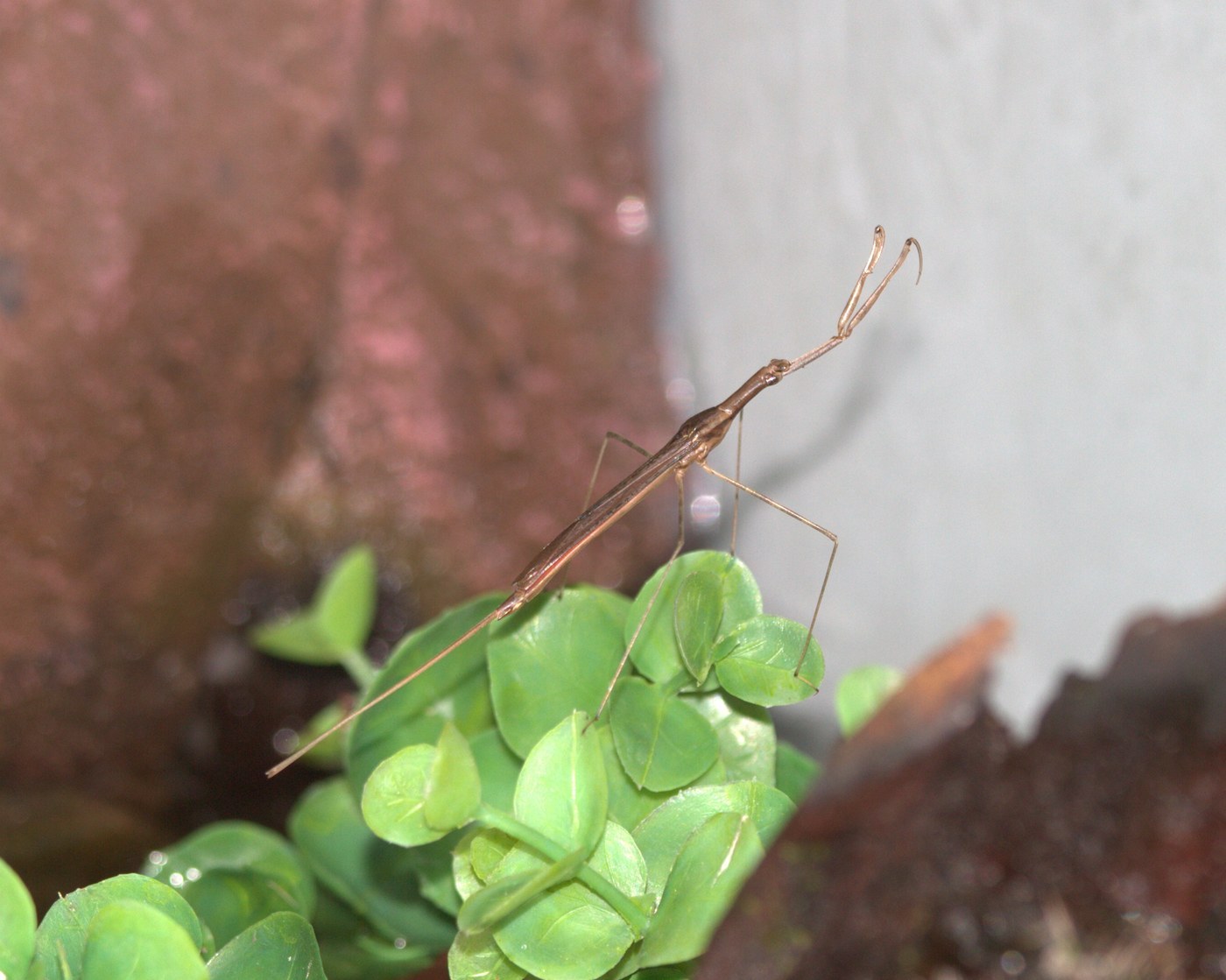
Water Scorpion
Still or slow-moving water with submerged vegetation
Stonefly
Cold, clean, well-oxygenated streams and rivers
Stonefly Nymph
Cold, fast-flowing, well-oxygenated streams
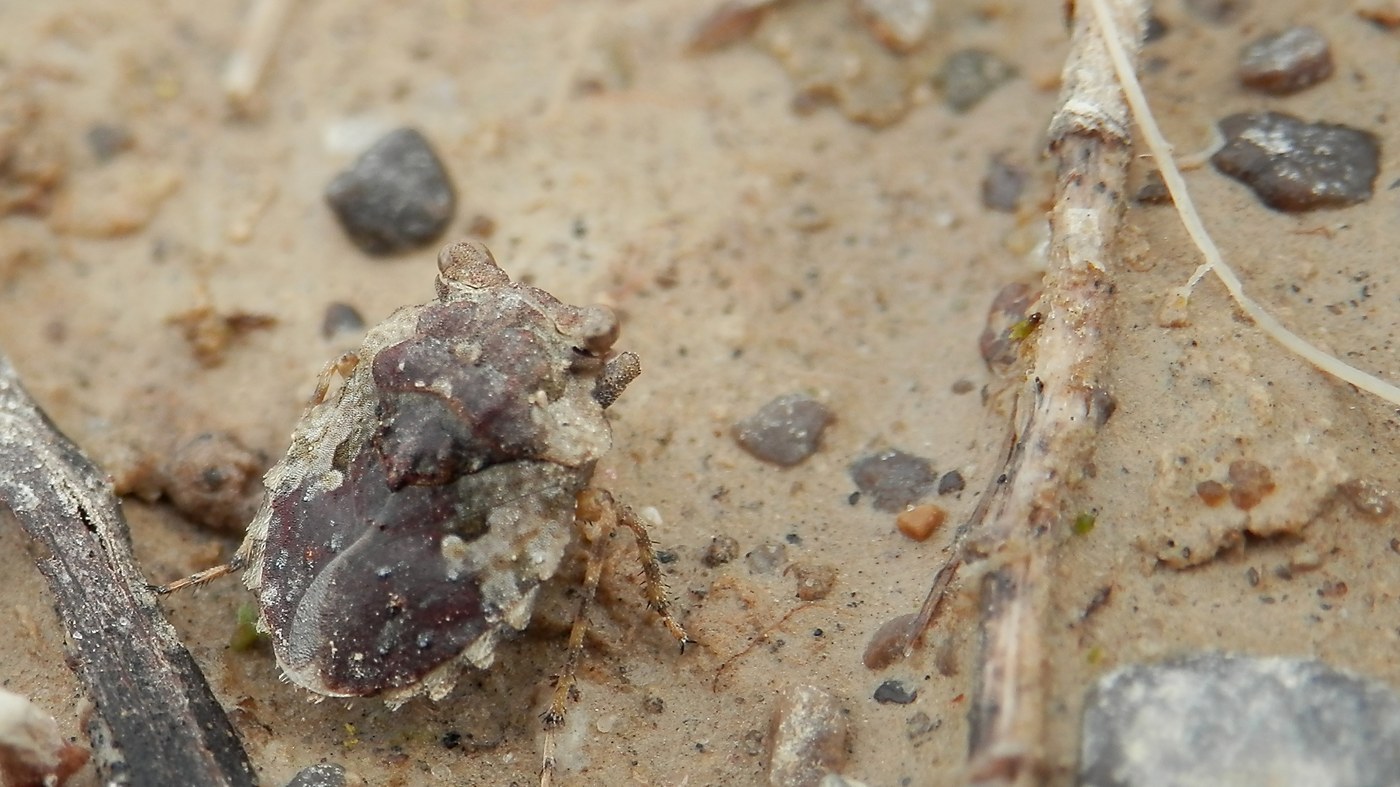
Toad Bug
Muddy or sandy shorelines of ponds, streams, and rivers
Soldier Fly Larva
Ponds, marshes, and slow streams with organic sediment
Mosquito Larva
Standing water in ponds, ditches, containers, and puddles
Whirligig Beetle
Surface of ponds, lakes, and slow streams
Rat-Tailed Maggot
Stagnant, oxygen-poor water such as manure pools, drains, and compost