
Stonefly
Pteronarcys spp.
A flattened, drab-winged insect whose nymphs are among the most reliable living indicators of pristine, well-oxygenated stream water.
- Size
- Body length about 1–5 cm (0.4–2 in) depending on species
- Habitat
- Cold, clean, well-oxygenated streams and rivers
- Danger
- Harmless
Spotted a bug like this?
Identify any bug or insect from a photo, free.
Overview
Stoneflies belong to the order Plecoptera, an ancient lineage of insects closely tied to cold, clean, fast-flowing freshwater throughout their nymphal life. They are considered one of the most pollution-sensitive insect groups, and biologists routinely survey stonefly nymphs to gauge the health of streams and rivers.
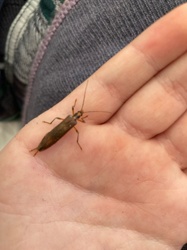
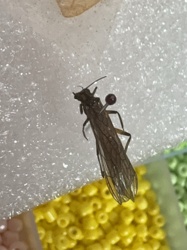
Adults are relatively drab, flattened insects with two pairs of membranous wings that fold flat over the body, giving them a somewhat plain, unassuming look compared to showier aquatic insects like dragonflies. They are generally weak, clumsy fliers and stay close to the water where they developed.
Stonefly nymphs, sometimes called naiads, are flattened and streamlined for life clinging to rocks in strong currents, equipped with gills that in many species are visible as tufts on the body or legs, another useful identification clue tied directly to their need for highly oxygenated water.
How to Identify
- Adult body flattened and elongated, typically brown, black, or yellowish, with two pairs of membranous wings folded flat over the back at rest (not tent-like)
- Long antennae and two long, thread-like tail filaments (cerci) at the abdomen tip
- Weak, clumsy flier; often seen walking or resting on streamside rocks and vegetation rather than in flight
- Nymphs are flattened, gilled, and cling tightly to the undersides of submerged rocks in fast current
- Some species have visible gill tufts near the legs or thorax on the nymph
- Lookalikes: mayflies (nymphs have three tail filaments and gills along the abdomen rather than near the legs) and caddisfly larvae (soft-bodied, often cased, not flattened)
Habitat & Range
Stoneflies are found on every continent except Antarctica, with the greatest diversity in cold, clean mountain and northern streams. Nymphs require consistently cold, highly oxygenated, unpolluted water and cling to rocks in riffles and rapids, making them scarce or absent in warm, slow, or degraded waterways. Adults emerge along stream banks and remain close to the water, active mainly in cooler months or early morning and evening depending on species and region.
Behavior & Diet
Adult stoneflies feed little; some species do not feed at all as adults, while others graze on algae or lichen on streamside rocks and vegetation. They are generally sluggish fliers and spend much of their short adult life resting on rocks, bridges, or plants near the water. Nymphs graze on algae and decaying plant matter or, in some larger species, prey on other aquatic invertebrates, and their sensitivity to oxygen levels and pollution makes them one of the most valuable biological indicators of stream water quality, in addition to being an important food source for trout and other stream fish.
Life Cycle
Females typically drop or dip egg masses directly into the water while in flight. Nymphs develop underwater through numerous instars over a period ranging from about one year to as long as three years in larger, cold-water species, clinging to submerged rocks and gradually growing wing pads. When ready to emerge, nymphs crawl out of the water onto rocks or vegetation, where the final molt to a winged adult takes place directly, without a pupal stage. Adults live for only a few weeks, focused on mating and egg-laying before dying.
Frequently asked questions
Why are stoneflies used to test water quality?
Their nymphs require cold, clean, highly oxygenated water and disappear quickly when streams become polluted or warm, making them a reliable indicator species.
How do stonefly nymphs differ from mayfly nymphs?
Stonefly nymphs typically have two tail filaments and gills concentrated near the legs, while mayfly nymphs usually have three tail filaments and gills along the abdomen.
Are adult stoneflies strong fliers?
No, they are generally weak, clumsy fliers that stay close to the stream banks where they emerged.
Do stoneflies have a pupal stage?
No, they undergo incomplete metamorphosis, so nymphs molt directly into winged adults without pupating.
Stonefly guides
In-depth guides for identifying, understanding, and living alongside Stonefly.
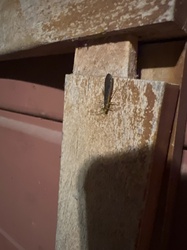
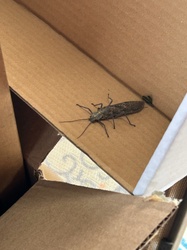
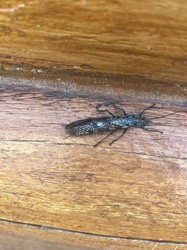
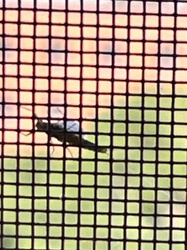
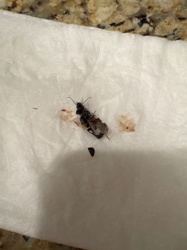
Stonefly identified by the community
Real finds identified with Bug Identifier.
Other bugs you may enjoy
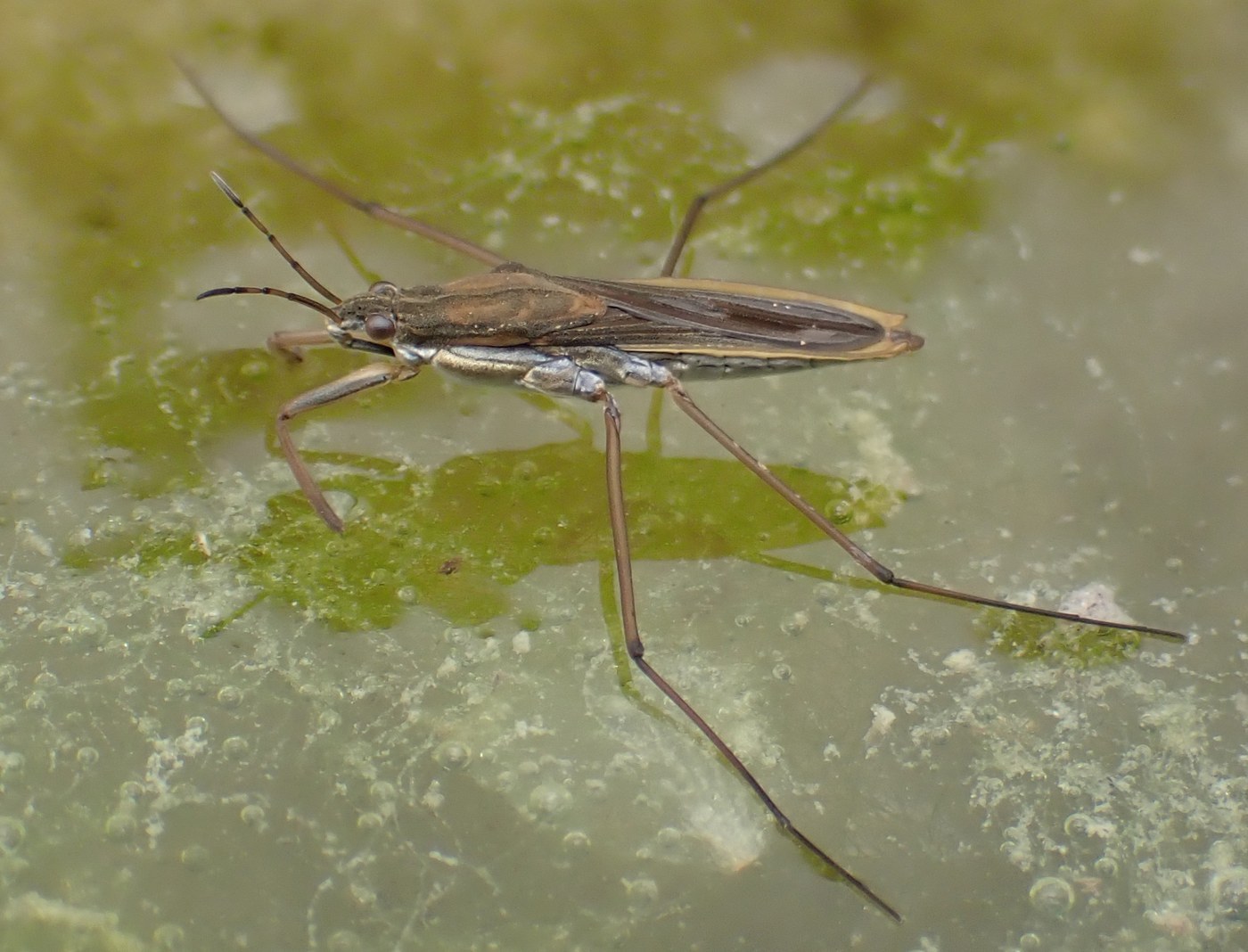
Water Strider
Still or slow-moving fresh water: ponds, lake edges, slow streams, puddles
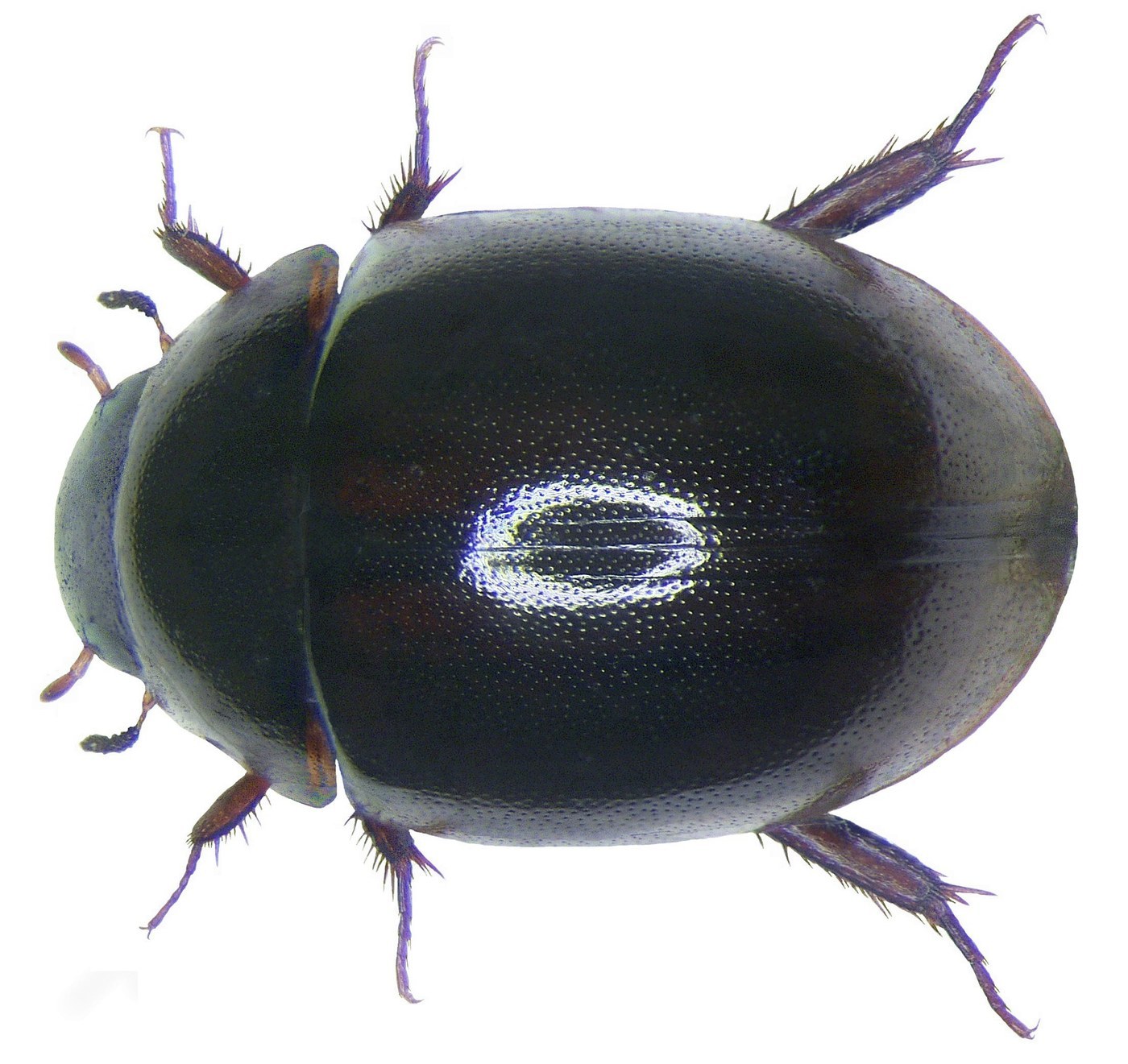
Water Beetle
Ponds, slow streams, marshes, still fresh water
Water Penny Beetle
Fast, rocky, well-oxygenated streams
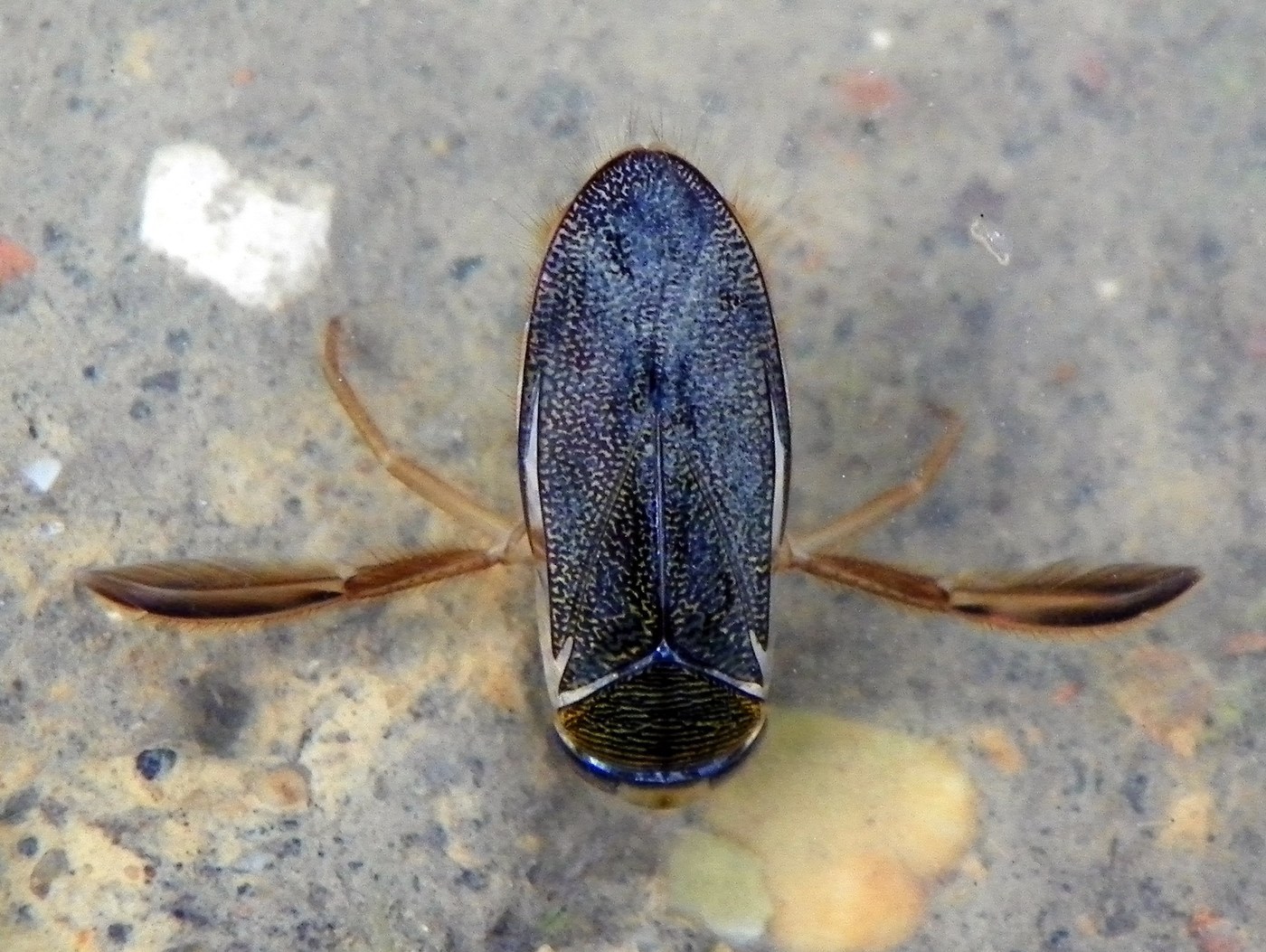
Water Boatman
Ponds, lakes, slow streams, freshwater with vegetation
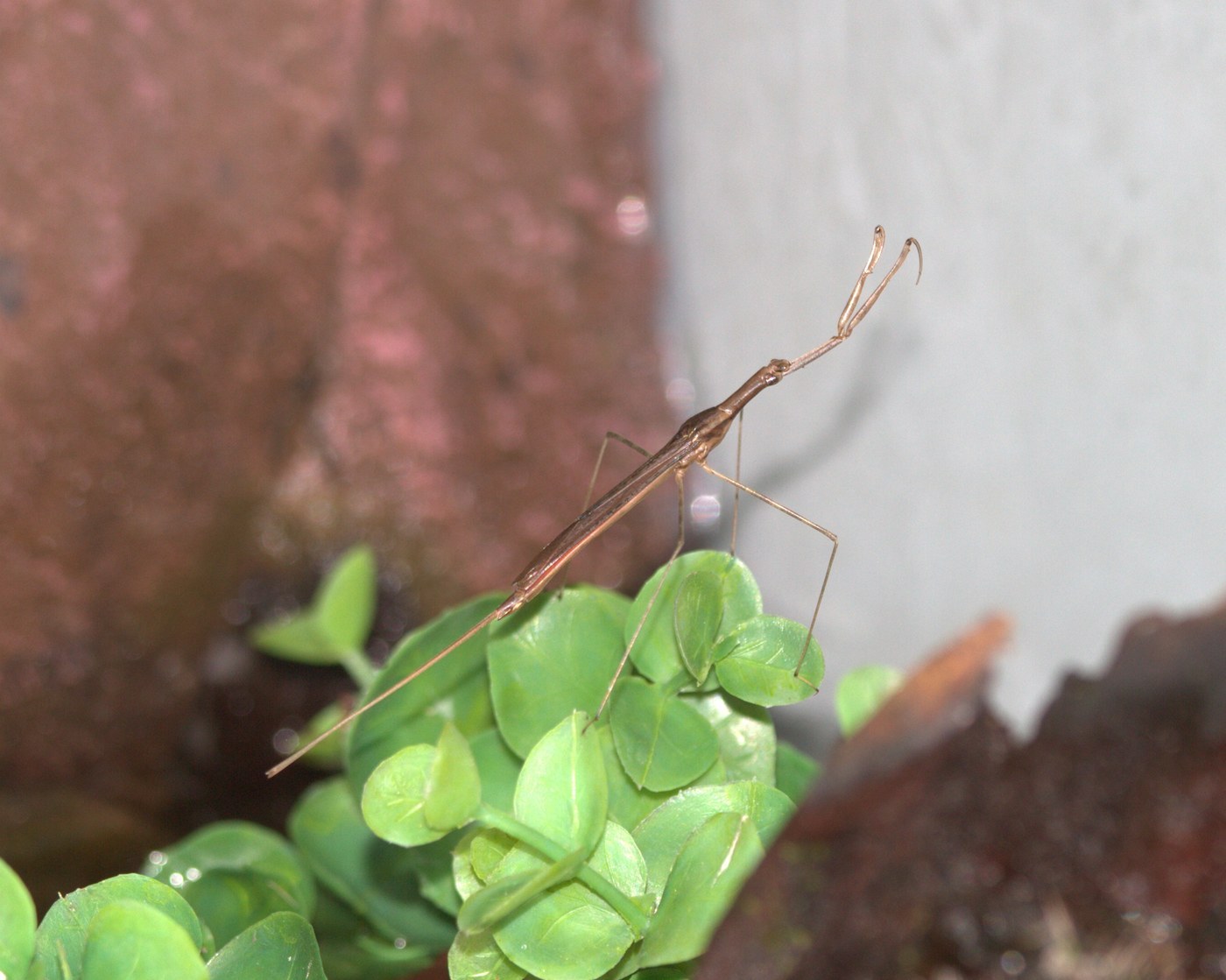
Water Scorpion
Still or slow-moving water with submerged vegetation
Stonefly Nymph
Cold, fast-flowing, well-oxygenated streams
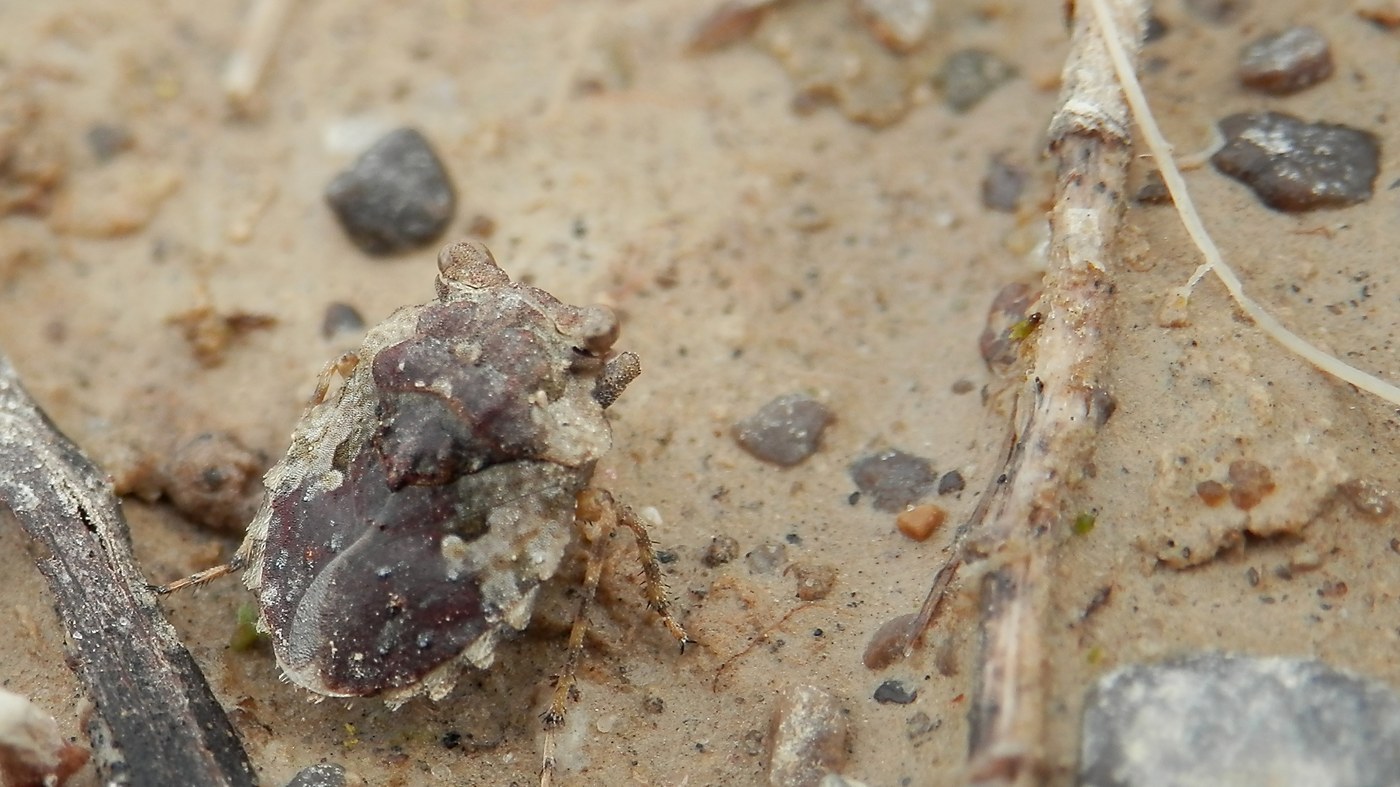
Toad Bug
Muddy or sandy shorelines of ponds, streams, and rivers
Soldier Fly Larva
Ponds, marshes, and slow streams with organic sediment
Mosquito Larva
Standing water in ponds, ditches, containers, and puddles
Whirligig Beetle
Surface of ponds, lakes, and slow streams
Rat-Tailed Maggot
Stagnant, oxygen-poor water such as manure pools, drains, and compost
Predaceous Diving Beetle
Ponds, lakes, and slow-moving freshwater