
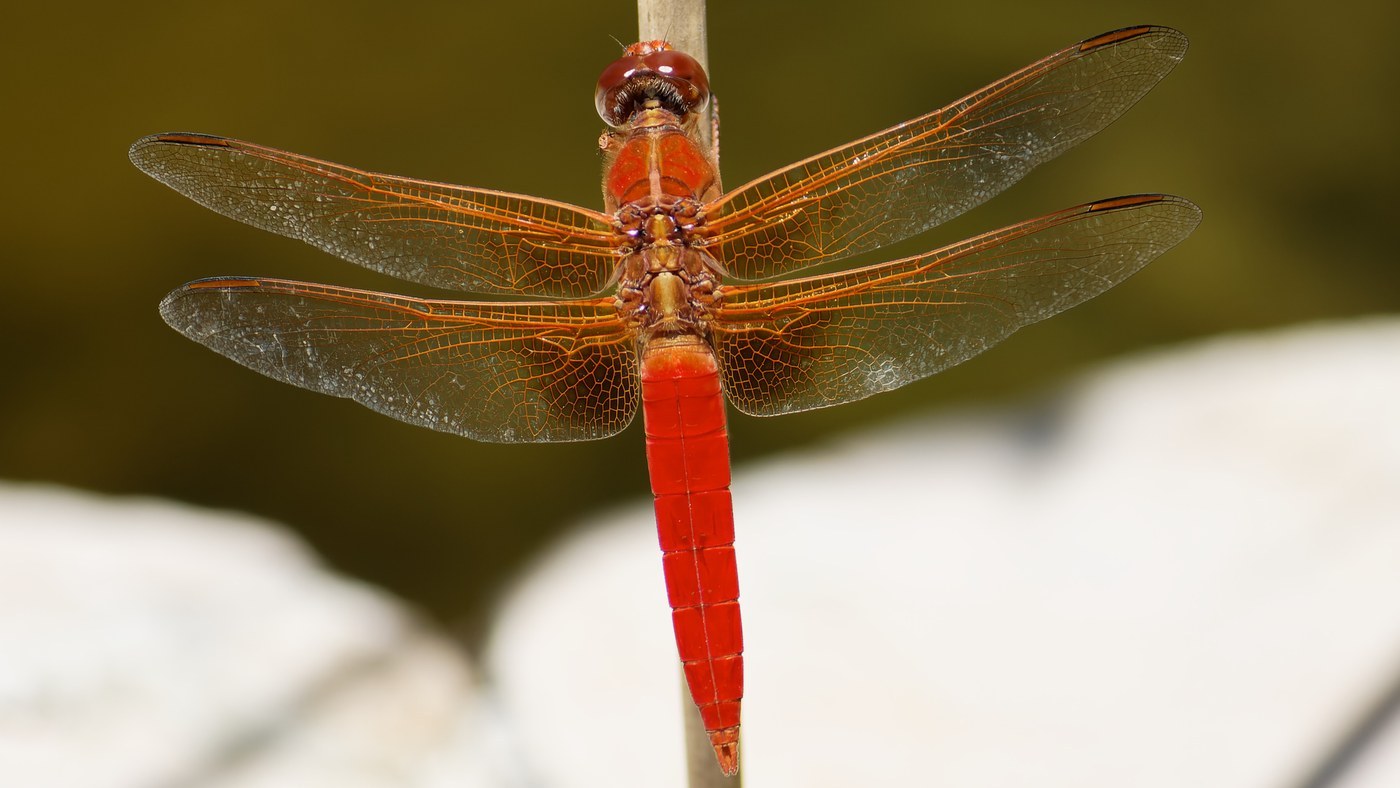
Flame Skimmer
Libellula saturata
A blazing orange-red dragonfly of western waterways, the Flame Skimmer perches boldly on sunlit rocks and twigs, its amber-tinted wings glowing like embers in flight.
- Size
- Body about 2–2.2 in (50–56 mm) long; wingspan roughly 3.3–3.7 in (85–94 mm)
- Habitat
- Ponds, streams, and desert oases across the western United States
- Danger
- Harmless
Spotted a bug like this?
Identify any bug or insect from a photo, free.
Overview
The Flame Skimmer is a large, brilliantly colored dragonfly in the family Libellulidae, named for the fiery orange-red hue of the mature male's body. Its wings carry a warm amber tint, especially near the base, adding to the fiery impression as it flies over water in bright sunlight.
Females and immature males are somewhat more subdued, showing yellowish-brown body tones paired with amber-washed wing bases, but they still share the family's stocky, robust build. This species is particularly associated with the warm, sunny watercourses of the western United States, including desert streams and spring-fed oases.
A common and conspicuous species across California and much of the Southwest, the Flame Skimmer is often one of the most vividly colored dragonflies encountered along western ponds and streams.
How to Identify
- Large, robust dragonfly with mature males a vivid orange-red across the body
- Wings tinted amber, particularly toward the base, adding to the fiery coloration
- Females and immatures are yellowish-brown with amber wing bases, less intensely colored than mature males
- Broad-based hindwings typical of the genus Libellula
- Lookalikes: Neon Skimmer (Libellula croceipennis) is similarly fiery red but has more extensively amber-tinted wings and a slightly different range overlap in the Southwest
Habitat & Range
Common across California and much of the western United States into the Southwest, the Flame Skimmer breeds in ponds, slow streams, and spring-fed desert oases, often in warm, sunny locations. Adults frequently perch on rocks, twigs, and bare branches directly over or beside water, and the species is active from spring through fall depending on local climate.
Behavior & Diet
Males are territorial, perching prominently in the sun near water and patrolling short stretches of stream or pond edge to defend against rivals. Adults hunt small to medium flying insects on the wing, snatching prey with their leg basket before returning to a favored perch. As efficient predators, Flame Skimmers help regulate flying insect populations around the warm, often sparse desert and foothill water sources they favor, while their nymphs are important invertebrate predators within these aquatic habitats.
Life Cycle
After mating, the female typically flies low over the water alone, tapping the abdomen tip to the surface to scatter eggs, while the male may guard nearby from a perch. Eggs hatch into aquatic nymphs that live among silty sediment and submerged debris in ponds and slow stream sections, preying on other invertebrates as they grow through repeated molts. Nymphs eventually climb onto shoreline rocks or vegetation to complete their final molt into winged adults, typically emerging from spring into summer depending on regional climate.
Frequently asked questions
What gives the Flame Skimmer its fiery color?
Mature males develop an intense orange-red body along with amber-tinted wings, especially near the base, creating a flame-like appearance.
Where is the Flame Skimmer commonly found?
It is widespread across California and the western United States, favoring sunny ponds, streams, and spring-fed desert oases.
How does the Flame Skimmer differ from the Neon Skimmer?
The Neon Skimmer has wings tinted amber over a larger portion of their surface and overlaps with the Flame Skimmer mainly in the Southwest, where careful comparison of wing coloration helps separate the two.
What do Flame Skimmer nymphs eat?
The aquatic nymphs prey on other invertebrates while living among silty sediment and submerged debris in ponds and slow-moving streams.
Flame Skimmer guides
In-depth guides for identifying, understanding, and living alongside Flame Skimmer.
Other bugs you may enjoy
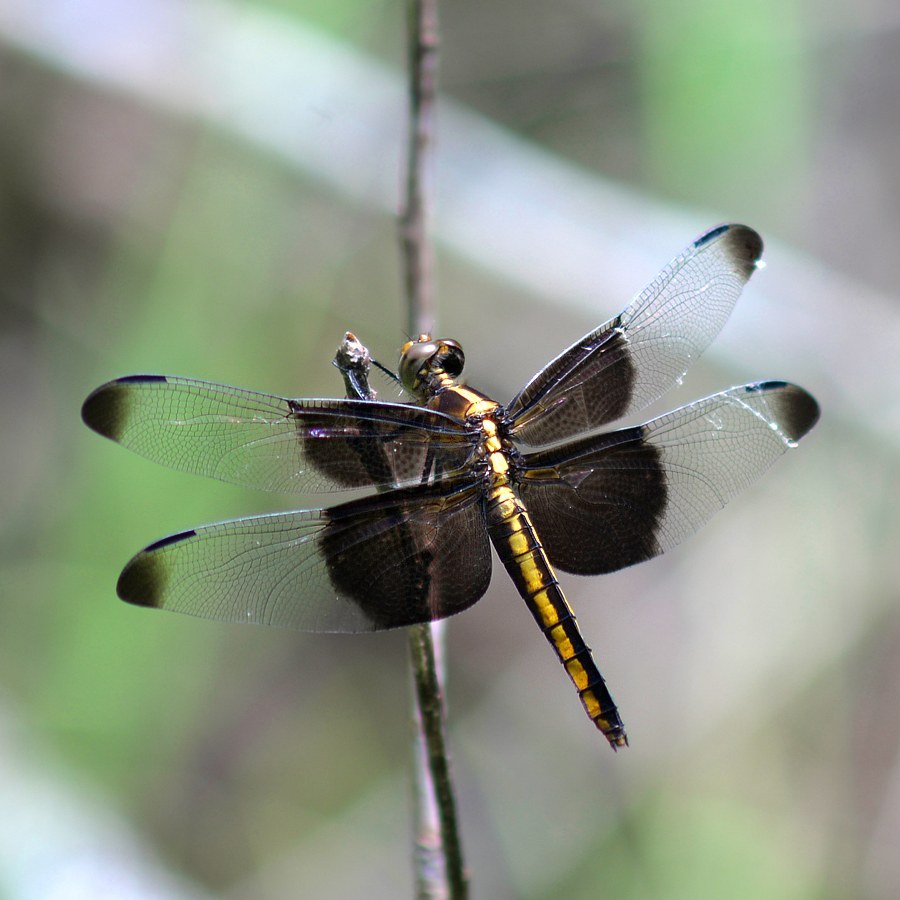
Widow Skimmer
ponds, lakes, and slow-moving streams with open shoreline vegetation across much of the United States
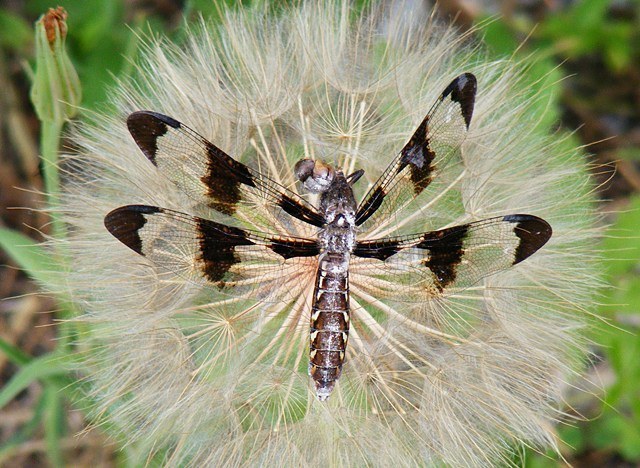
Twelve-spotted Skimmer
Ponds, lakes, and slow streams with open, sunny shorelines
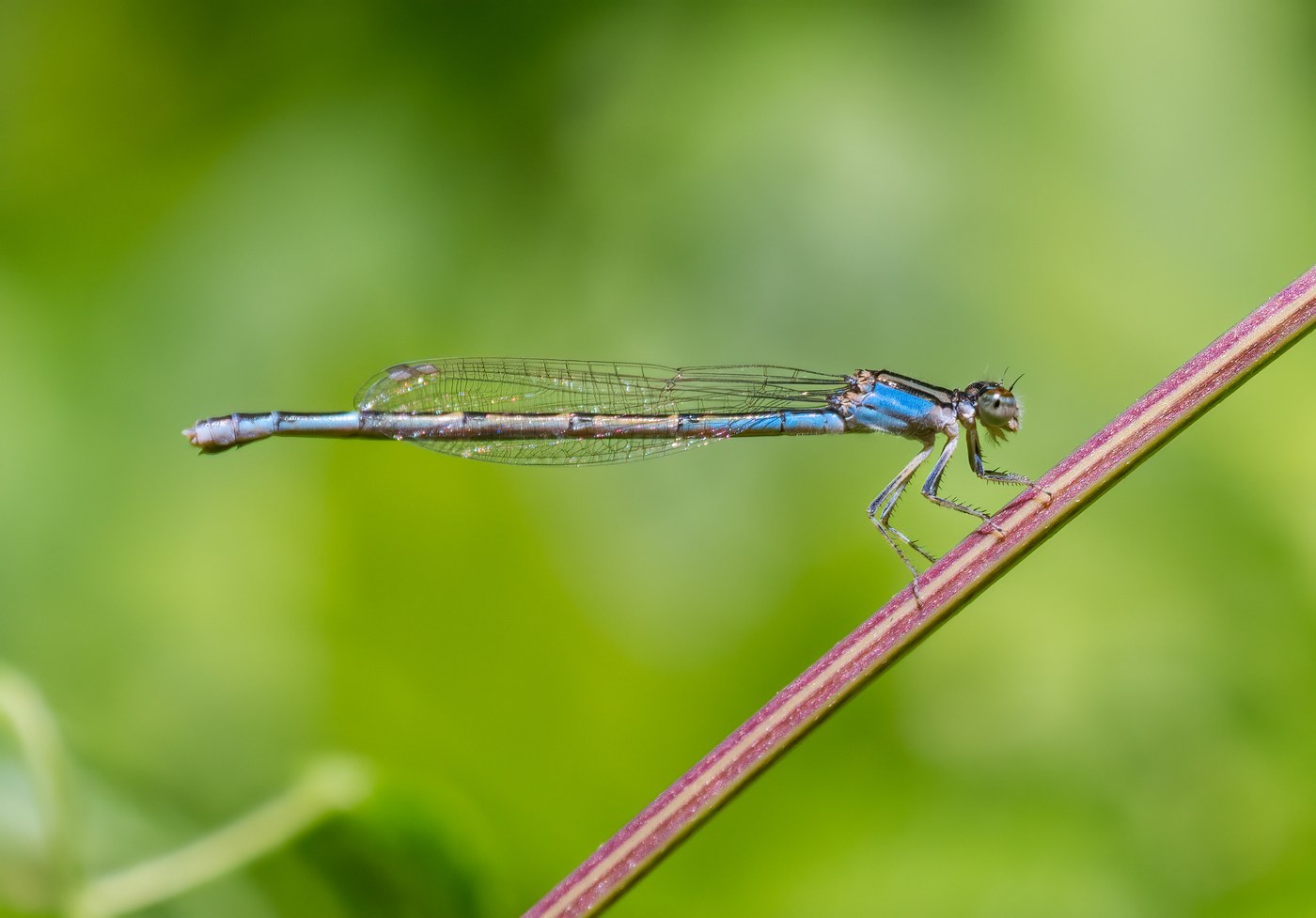
Azure Bluet
ponds, lakes, and slow streams with abundant aquatic vegetation
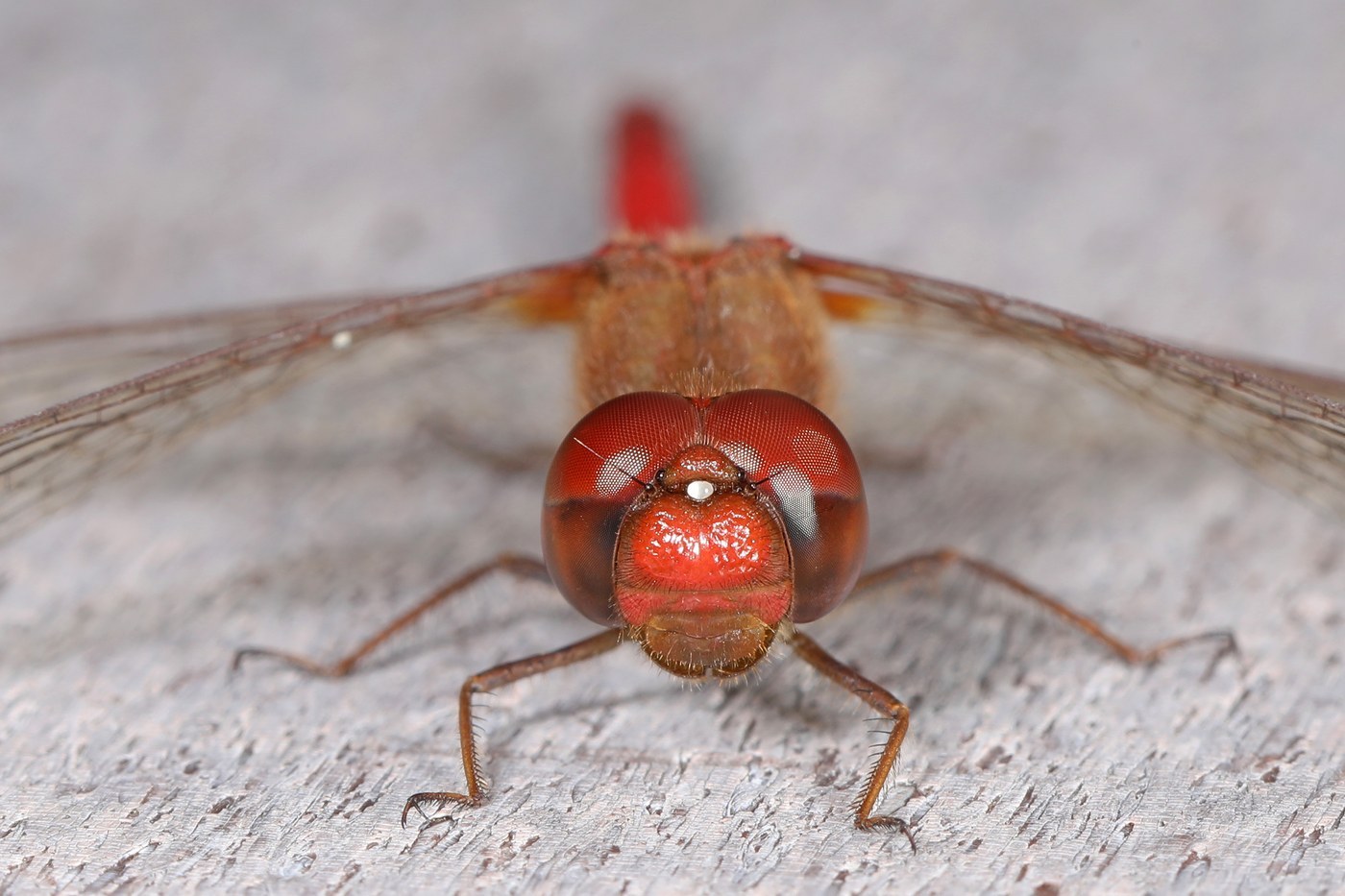
Autumn Meadowhawk
Ponds, marshes, and slow streams, often lingering into late fall
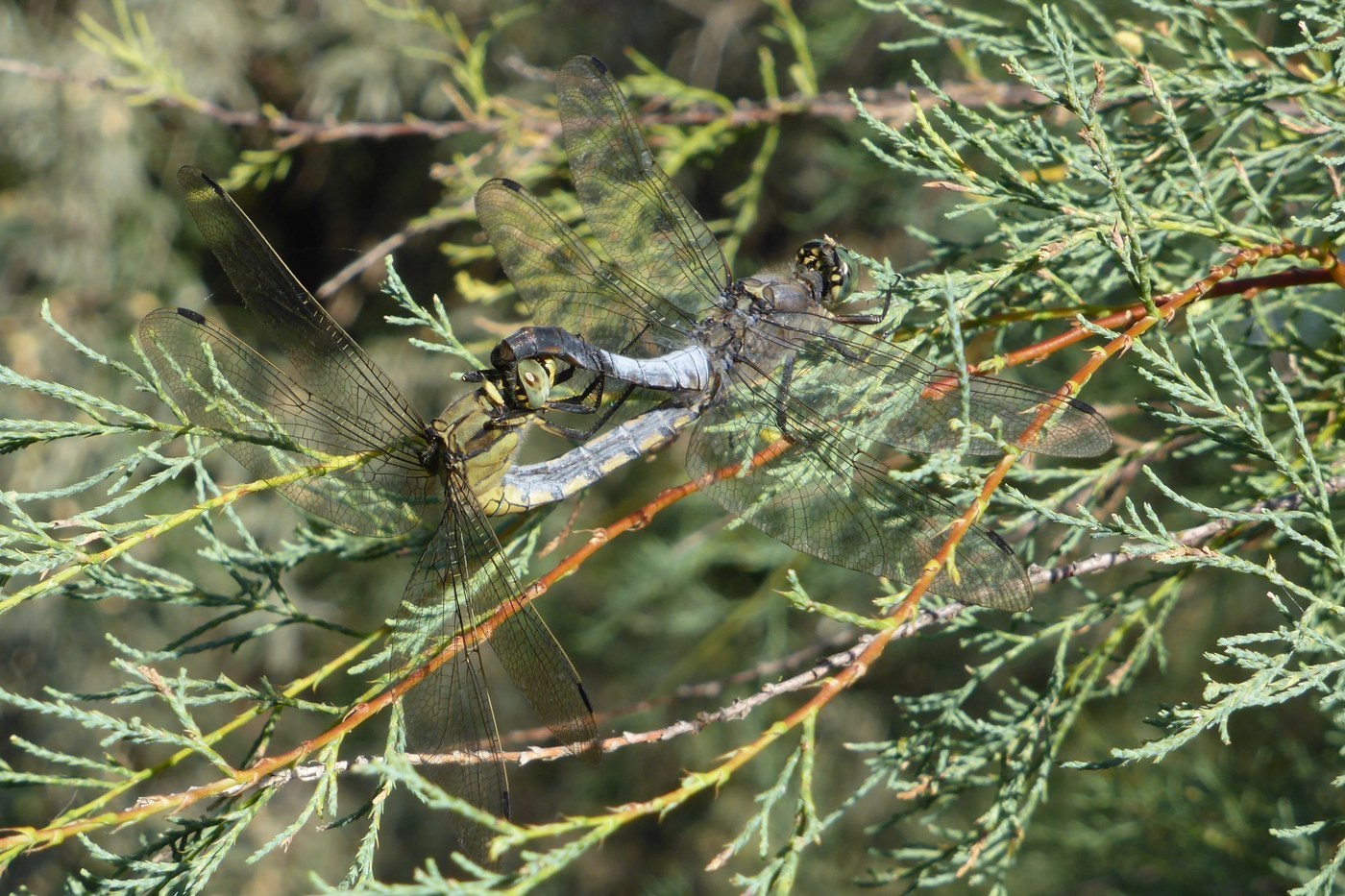
Spangled Skimmer
Ponds, lakes, and marshes with open sunny shorelines
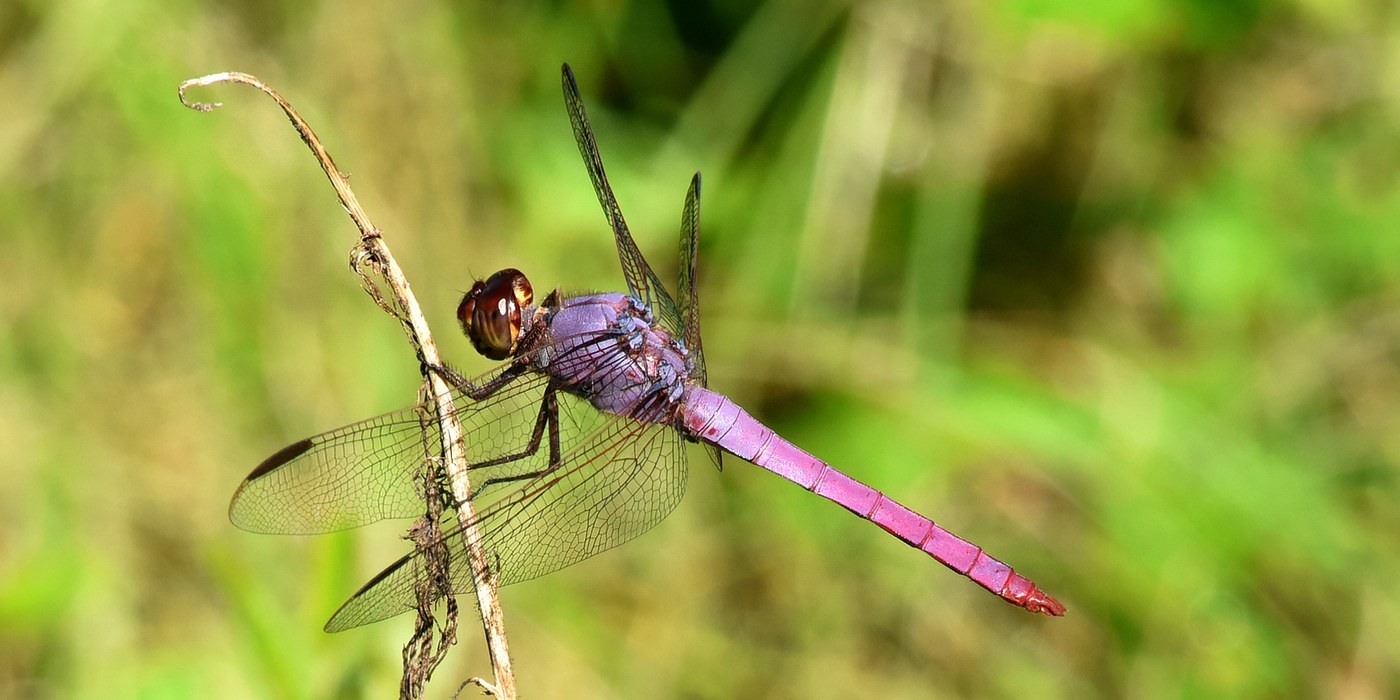
Roseate Skimmer
Ponds, ditches, and canals across the southern United States
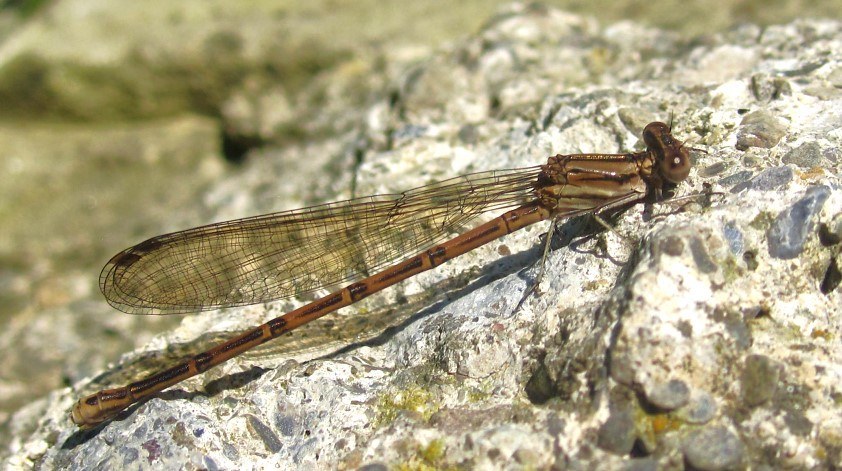
Variable Dancer
streams, rivers, and pond margins, especially in wooded or partly shaded settings
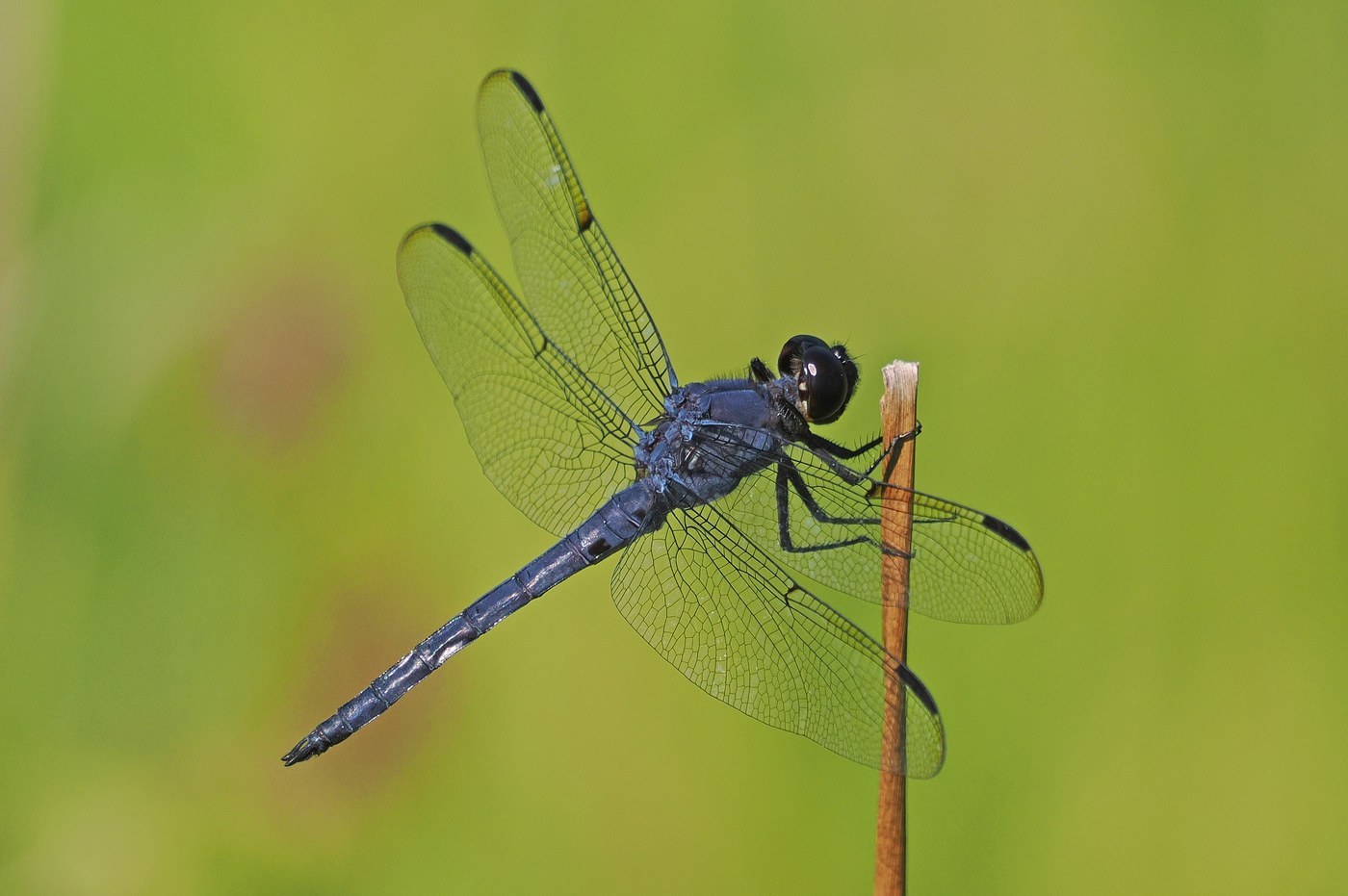
Slaty Skimmer
Still or slow-moving ponds, lakes, and marshes with open shoreline
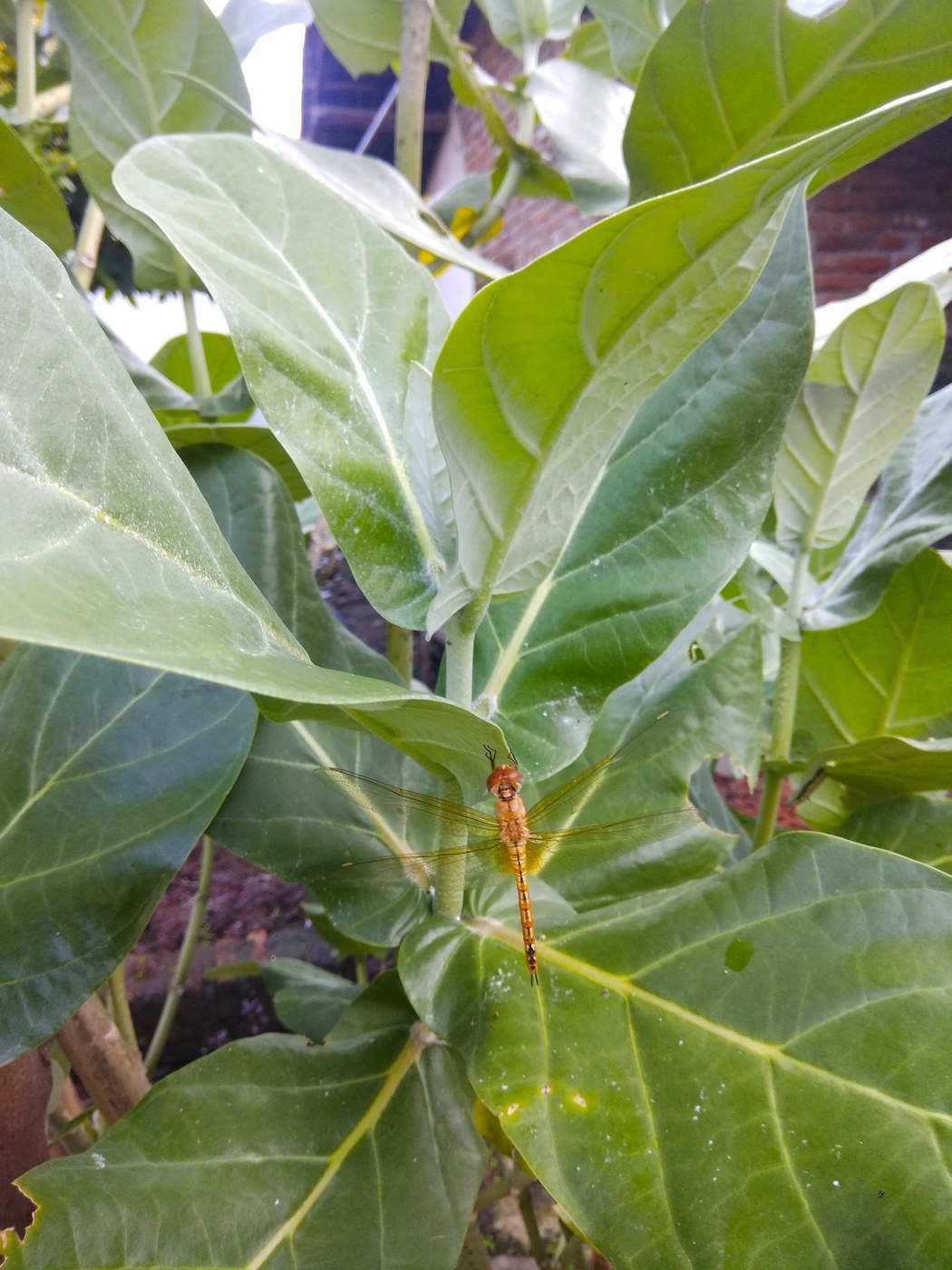
Wandering Glider
Temporary pools, open fields, and coastlines nearly worldwide
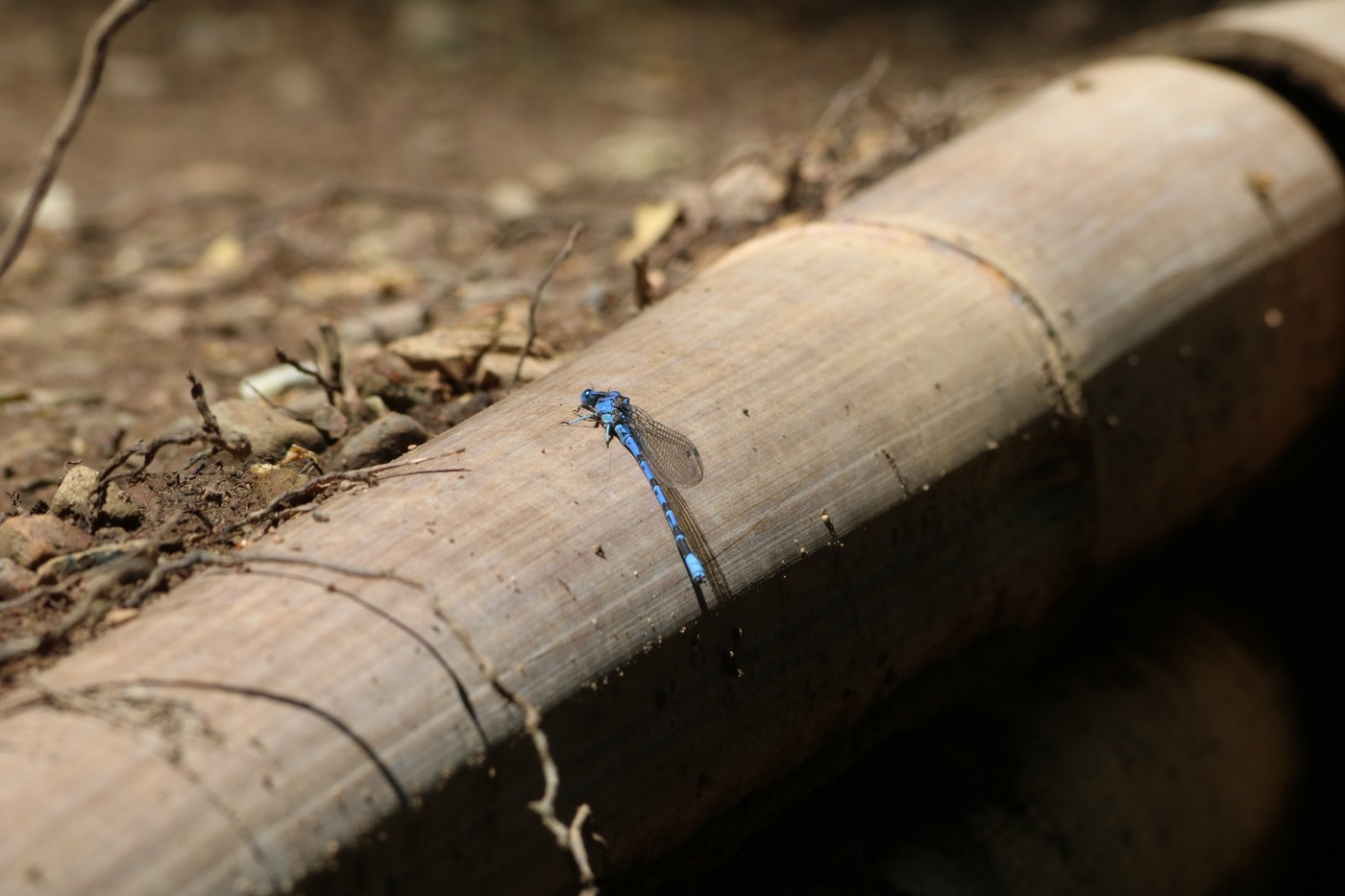
Vivid Dancer
rocky streams, seeps, and spring-fed creeks, often near thermal or warm springs
Painted Skimmer
Ponds, marshes, and slow-moving vegetated waters, including temporary pools
Powdered Dancer
rocky and gravelly rivers, streams, and lake shorelines