
Follicle Mite
Demodex spp.
An elongated, microscopic mite shaped almost like a tiny worm, living deep within hair follicles and oil glands of mammal skin where it spends its entire life largely unnoticed.
- Size
- 0.15-0.4 mm, elongated and worm-like
- Habitat
- Hair follicles and sebaceous glands of mammalian skin
- Danger
- Harmless
Spotted a bug like this?
Identify any bug or insect from a photo, free.
Overview
Follicle mites are extremely small, elongated parasitic mites in the genus Demodex that live within the hair follicles and associated sebaceous (oil) glands of mammalian skin. Their unusual, tapered, semi-transparent body shape sets them apart from most other mites, which tend to have a more rounded or oval form, and reflects a high degree of adaptation to life within the narrow confines of a hair follicle.
Demodex mites are highly host-specific, with many mammal species hosting their own distinct Demodex species that are not typically shared between different host animals. They feed on skin cell debris and secretions produced within the follicle and gland environment, remaining largely hidden from view due to both their microscopic size and their deep, protected habitat within the skin.
Found on mammals worldwide, follicle mites are considered a normal component of mammalian skin microfauna in many species, existing in low numbers on healthy skin as part of the natural skin ecosystem.
How to Identify
- Extremely small and elongated, worm-like or cigar-shaped body typically 0.15 to 0.4 mm long, unlike the rounder shape of most mites
- Semi-transparent, pale whitish to translucent coloration
- Stubby, reduced legs clustered near the front portion of the body, an adaptation for life within a narrow follicle
- Body tapers toward the rear into a slender, elongated abdomen
- Requires microscopic examination for identification, as individuals are far too small to see with the naked eye
- Different Demodex species are typically specific to particular host mammal species and even particular body regions
Habitat & Range
Follicle mites live within the hair follicles and sebaceous glands of mammalian skin, a highly specialized microhabitat found across virtually all regions where their mammal hosts occur worldwide. Because they reside inside the follicle itself, their distribution is tied entirely to the presence and range of their specific host species.
They are typically concentrated in skin areas with a high density of hair follicles and oil glands, and their environment within the follicle provides consistent warmth, moisture, and a steady supply of the sebum and skin cell debris on which they feed.
Behavior & Diet
Follicle mites feed on skin cell debris and secretions within the follicle and gland environment, spending nearly their entire life cycle hidden within this narrow habitat rather than moving freely across the skin surface. Their sluggish movement and deeply embedded lifestyle mean they are rarely, if ever, visible without specialized examination.
They are generally considered part of the normal microfauna associated with mammalian skin, present in small numbers on many healthy individuals as a natural component of the skin ecosystem. Transmission between hosts typically occurs through close, direct contact, particularly during early life stages.
Life Cycle
The follicle mite life cycle progresses through egg, larva, nymphal stages, and adult, with the entire cycle occurring within the hair follicle and gland environment. Development from egg to adult typically takes around two to three weeks depending on conditions and species.
Eggs are laid within the follicle, and the resulting larvae and nymphs continue to feed and develop in the same protected space before reaching the elongated adult form. Because mites complete their whole life cycle in this sheltered microhabitat, populations can persist stably at low levels within a host over long periods.
Frequently asked questions
What makes follicle mites different from other mites in shape?
Follicle mites have an unusually elongated, worm-like body that tapers toward the rear, quite different from the rounder or oval shape typical of most other mite species.
Where exactly do follicle mites live?
They live within hair follicles and the associated sebaceous (oil) glands of mammalian skin, spending nearly their entire life cycle in this narrow, protected environment.
What do follicle mites feed on?
They feed on skin cell debris and secretions produced within the hair follicle and gland environment where they reside.
Are follicle mites found on many different mammal species?
Yes, Demodex mites are found across a wide range of mammal species worldwide, with many hosts carrying their own distinct, host-specific Demodex species.
Follicle Mite guides
In-depth guides for identifying, understanding, and living alongside Follicle Mite.
Follicle Mite identified by the community
Real finds identified with Bug Identifier.
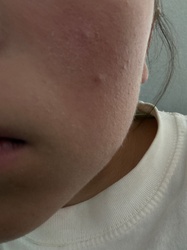
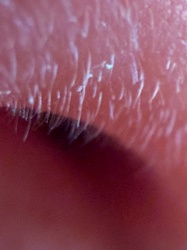
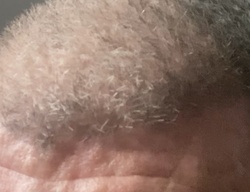
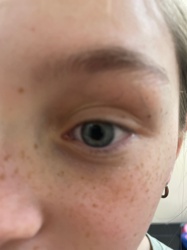
Other bugs you may enjoy
Wood Tick
Grassland, shrub-steppe, and open woodland of western North America
Yellow Scorpion
Arid scrubland, rocky slopes, and desert margins
Whip Spider
Tropical caves, rainforest leaf litter, and under bark
Water Mite
Ponds, lakes, streams, and other freshwater bodies
American Dog Tick
Grassy fields, trails, and low vegetation near woodlands
Arizona Bark Scorpion
Rocky desert terrain, tree bark, and structures in the Southwest
Tick
Tall grass, brush, woodland edges, and animal trails
Soil Mite
Soil, leaf litter, moss, and decaying organic matter worldwide
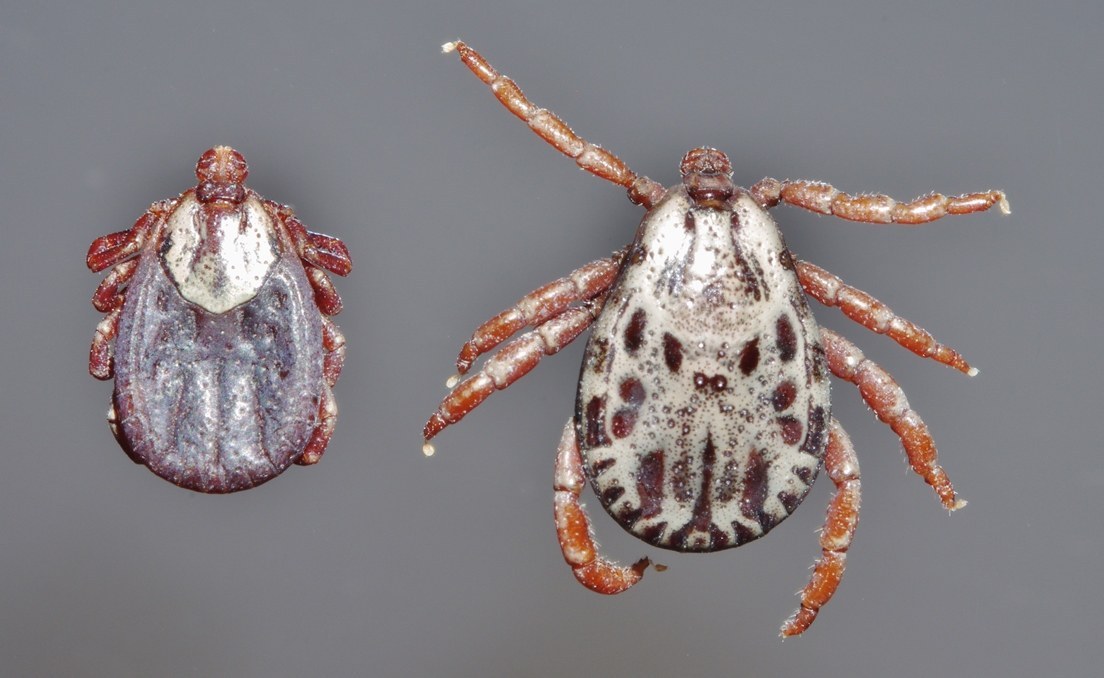
Rocky Mountain Wood Tick
Sagebrush shrublands, grasslands, and montane forest edges
Two-Spotted Spider Mite
Undersides of leaves on garden plants, crops, and houseplants
Spider Mite
Undersides of leaves on garden plants, houseplants, and field and orchard crops worldwide
Whip Scorpion
Tropical and subtropical caves, tree bark, and rock crevices worldwide