
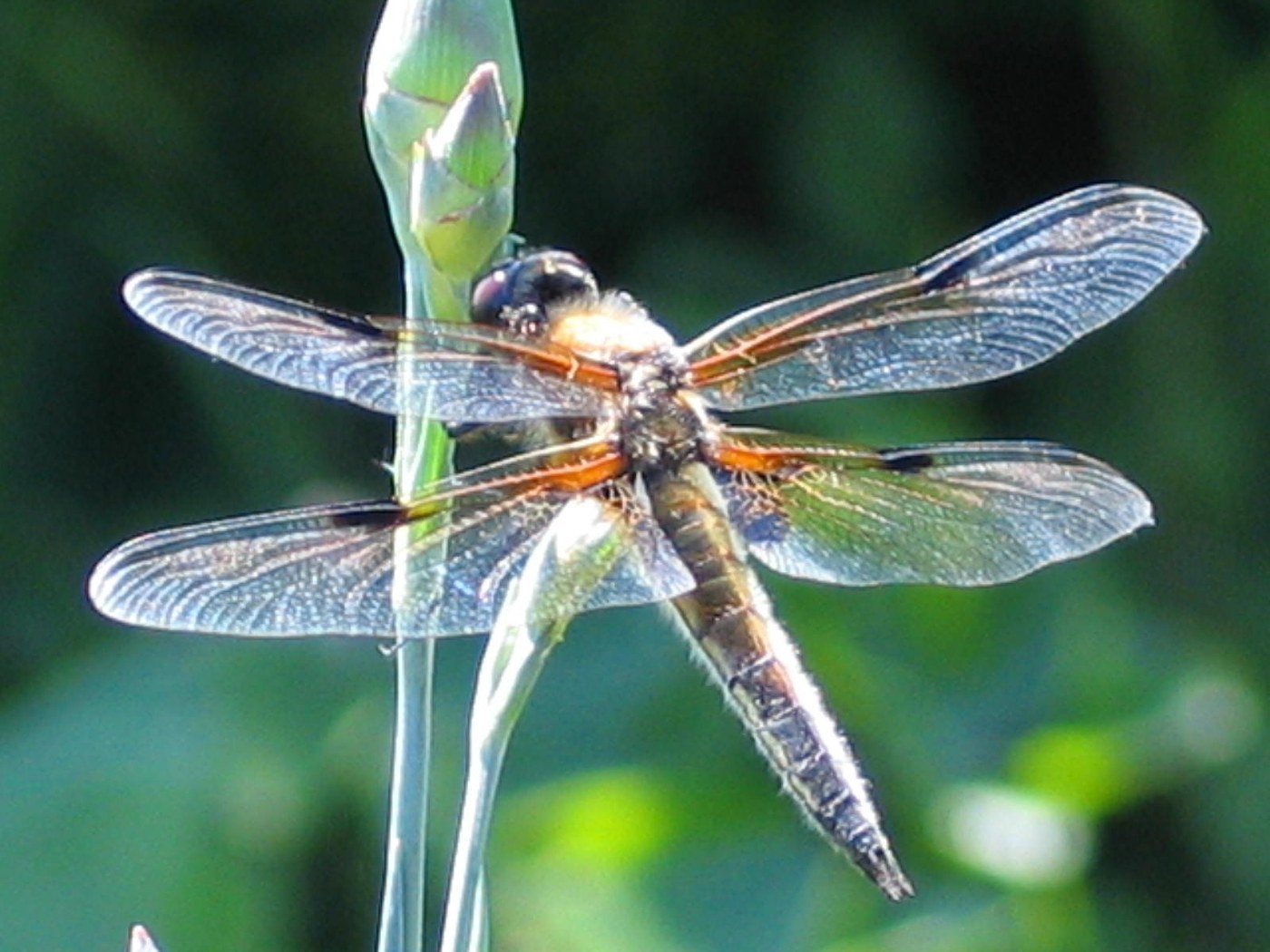
Four-spotted Skimmer
Libellula quadrimaculata
A brown, sturdily built dragonfly marked with a single dark spot on each wing, this holarctic species is famous for occasional mass emergences and long-distance swarming flights.
- Size
- Body about 1.7–2 in (43–50 mm) long; wingspan roughly 2.8–3.3 in (72–84 mm)
- Habitat
- Bogs, marshes, and ponds across the Northern Hemisphere
- Danger
- Harmless
Spotted a bug like this?
Identify any bug or insect from a photo, free.
Overview
The Four-spotted Skimmer is a medium-sized dragonfly in the family Libellulidae and one of the relatively few dragonfly species found across both North America and Eurasia, making it a true holarctic species. Its common name refers to the single dark spot located roughly at the midpoint (the nodus) of each of its four wings, along with small basal patches at the wing bases.
Both sexes share a similar brown body coloration without the strong sexual difference in color seen in many other skimmers, making males and females relatively easy to tell apart mainly by subtle differences in abdomen shape rather than color. The species is strongly associated with acidic bog and fen habitats, particularly in the northern part of its range.
The Four-spotted Skimmer holds cultural significance in some regions, including being recognized as the state insect of Alaska, and it has a long history of documented mass migratory swarms in parts of Europe.
How to Identify
- Medium-sized, sturdy dragonfly with an overall brown body
- A single dark spot at the nodus (midpoint of the leading edge) on each of the four wings, plus small dark patches at the wing bases
- Wings sometimes show a light amber tint near the base
- Sexes are similar in color, unlike many skimmers where males become brightly pruinose
- Lookalikes: few North American or European species share this exact combination of four nodal spots plus basal patches, making it relatively distinctive once the wing pattern is examined closely
Habitat & Range
One of the most widely distributed dragonflies in the world, the Four-spotted Skimmer is found across North America, Europe, and Asia, with a strong association with acidic bogs, fens, and peatland pools, though it also occurs at ordinary ponds and marshes. It is common in cooler and northern climates, including much of Canada, Alaska, and northern Europe, and is on the wing mainly from late spring through summer.
Behavior & Diet
Adults perch on reeds, twigs, or low shrubs near water, making short patrol flights to defend territory and catch small flying insects before returning to the same perch. This species is well known in parts of Europe for occasional mass emergences followed by long-distance swarming flights involving huge numbers of individuals moving together, a phenomenon documented in historical records over many decades. As predators, Four-spotted Skimmers help control flying insect populations around bogs and wetlands, while their nymphs are significant invertebrate predators within acidic peatland pools.
Life Cycle
Females oviposit by tapping the abdomen against the water surface, releasing eggs while flying, sometimes accompanied briefly by the male. Eggs hatch into aquatic nymphs that live as sprawlers among sediment and vegetation in bog pools and pond margins, tolerating the acidic, tannin-stained water typical of peatland habitats. Depending on climate, the nymph stage can last one to two years, with nymphs typically overwintering before completing their final molt into winged adults in late spring or early summer.
Frequently asked questions
Why is the Four-spotted Skimmer unusual among dragonflies?
It is one of the relatively few dragonfly species found naturally across both North America and Eurasia, giving it a holarctic distribution shared by few other species.
What does the name "four-spotted" refer to?
It refers to the single dark spot located at the nodus on each of the four wings, in addition to smaller patches at the wing bases.
Has the Four-spotted Skimmer been known to swarm?
Yes, parts of Europe have long-documented historical records of mass emergences followed by large migratory swarms of this species.
What kind of water do Four-spotted Skimmer nymphs prefer?
They are strongly associated with acidic, tannin-stained bog and fen pools, though they also occur in more ordinary ponds and marshes.
Four-spotted Skimmer guides
In-depth guides for identifying, understanding, and living alongside Four-spotted Skimmer.
Other bugs you may enjoy
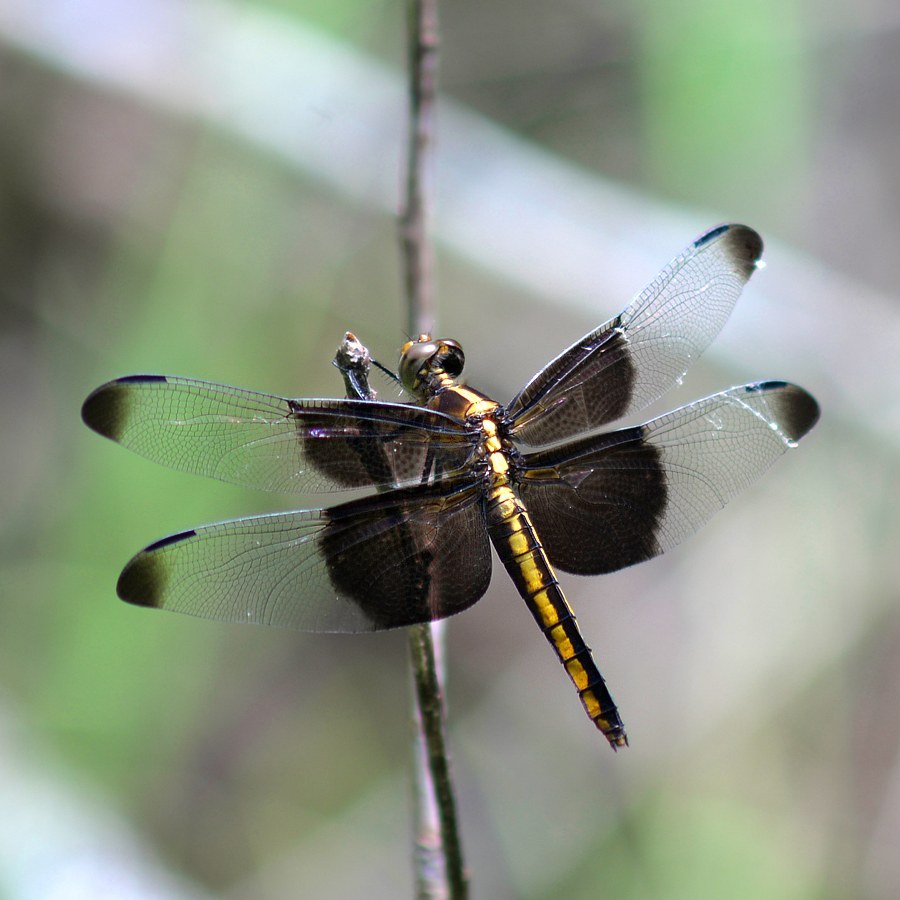
Widow Skimmer
ponds, lakes, and slow-moving streams with open shoreline vegetation across much of the United States
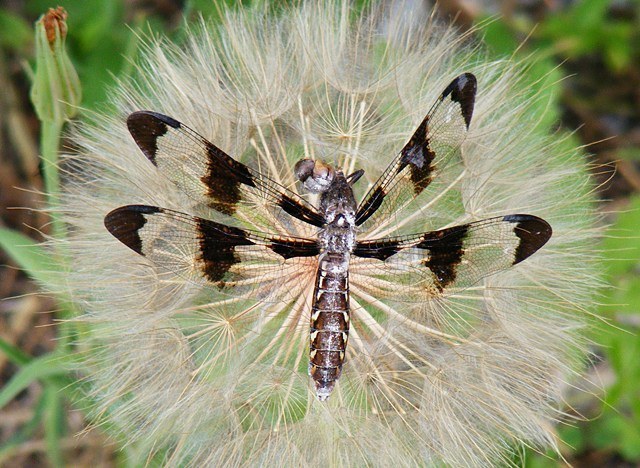
Twelve-spotted Skimmer
Ponds, lakes, and slow streams with open, sunny shorelines
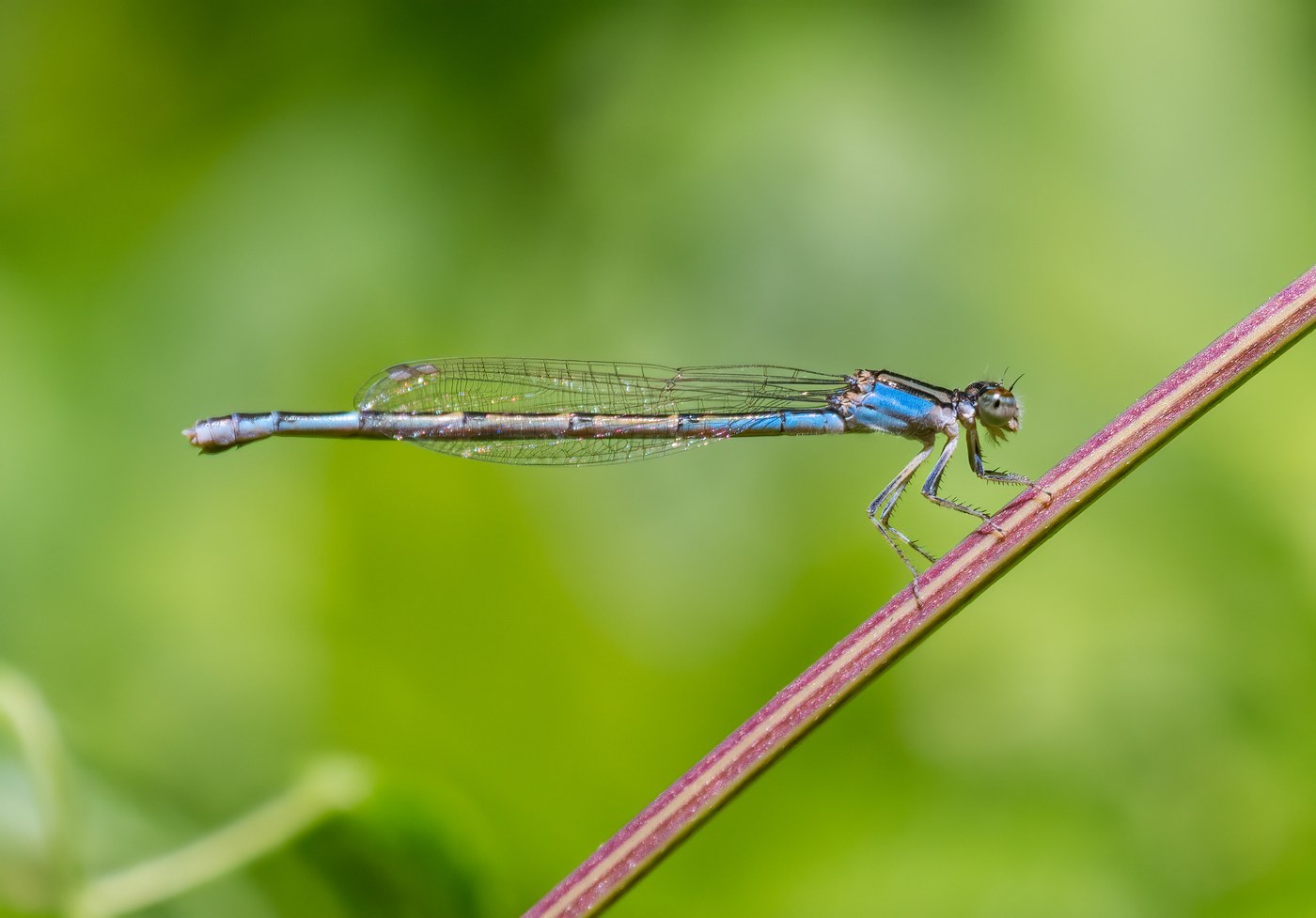
Azure Bluet
ponds, lakes, and slow streams with abundant aquatic vegetation
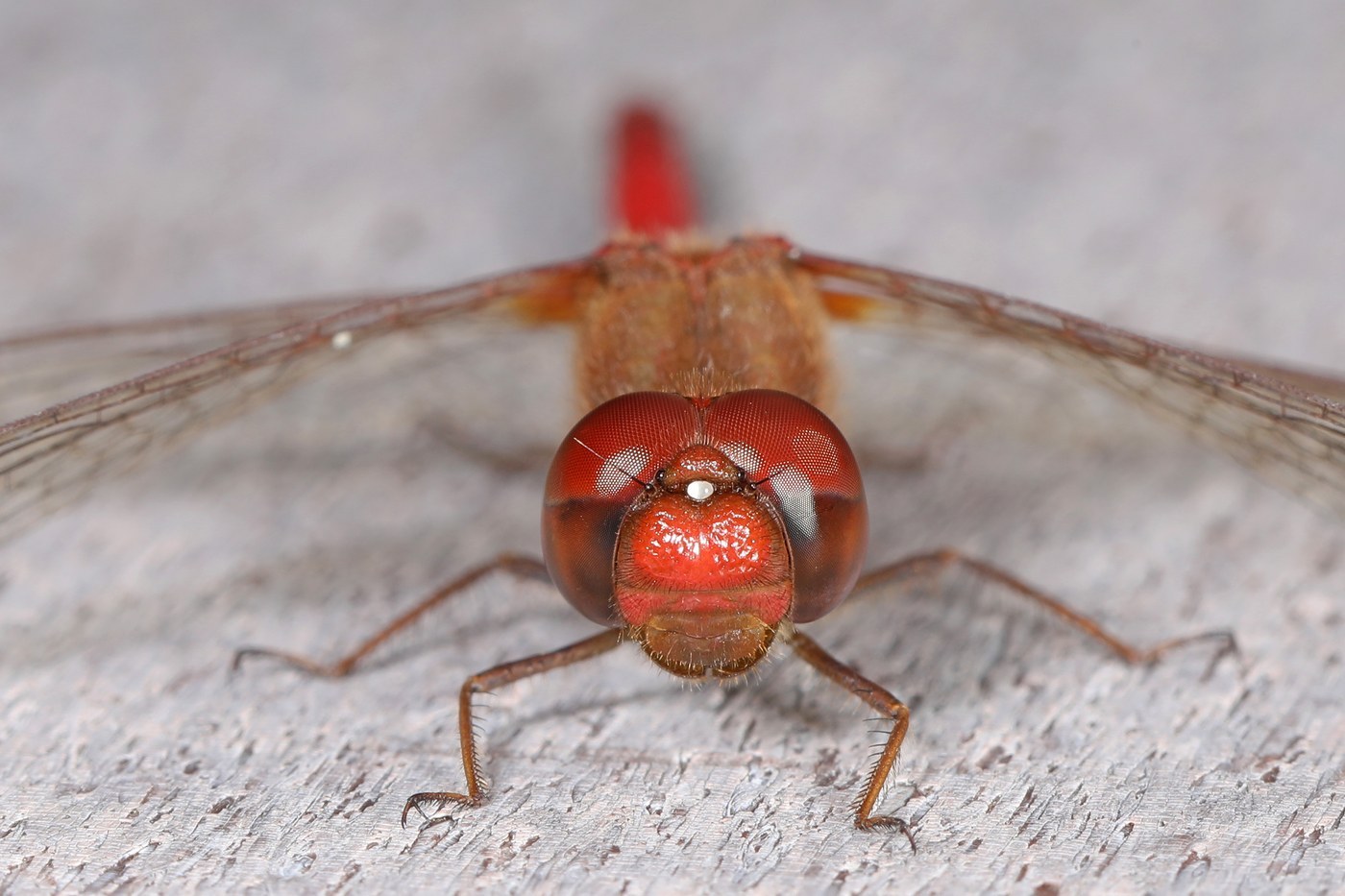
Autumn Meadowhawk
Ponds, marshes, and slow streams, often lingering into late fall
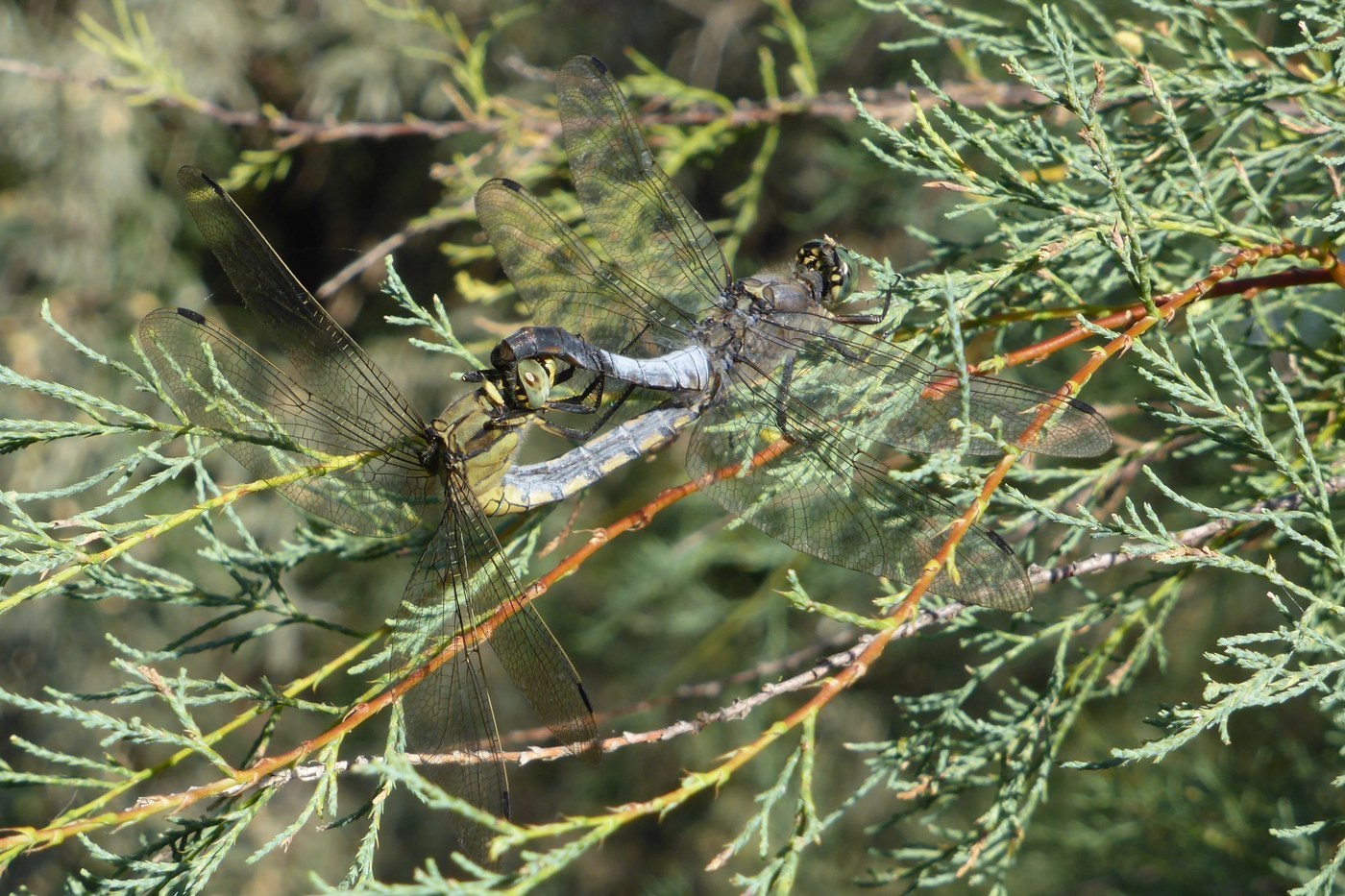
Spangled Skimmer
Ponds, lakes, and marshes with open sunny shorelines
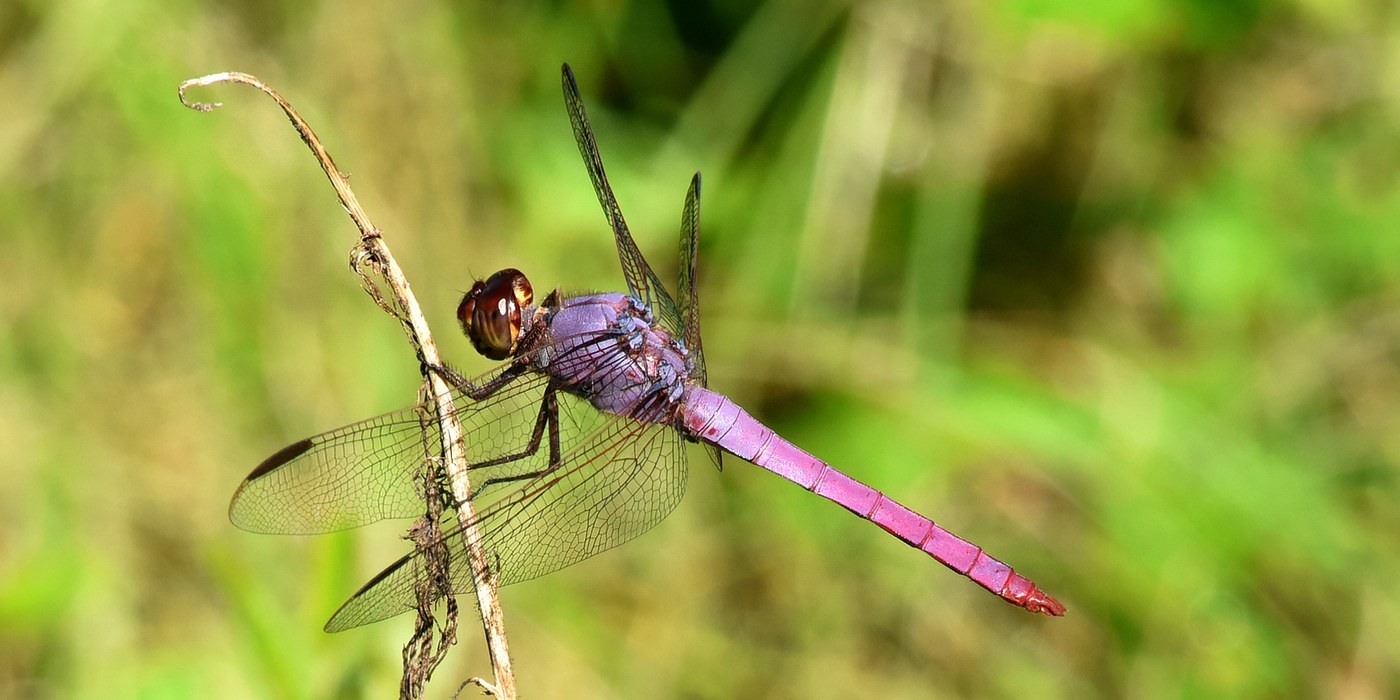
Roseate Skimmer
Ponds, ditches, and canals across the southern United States
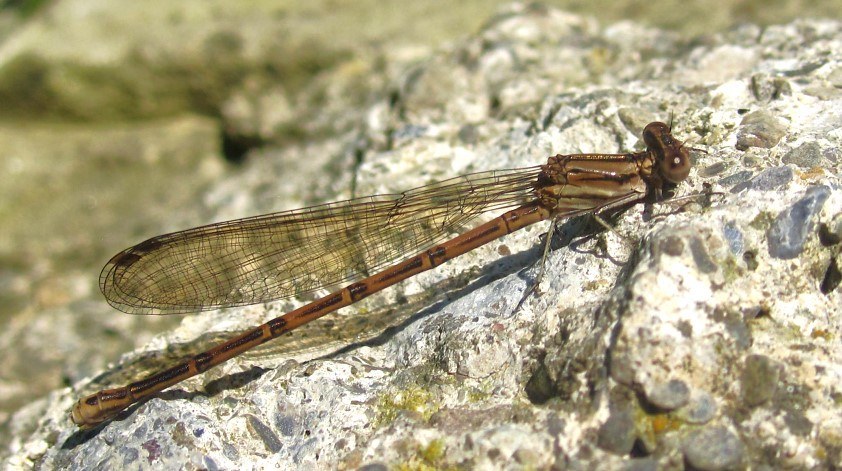
Variable Dancer
streams, rivers, and pond margins, especially in wooded or partly shaded settings
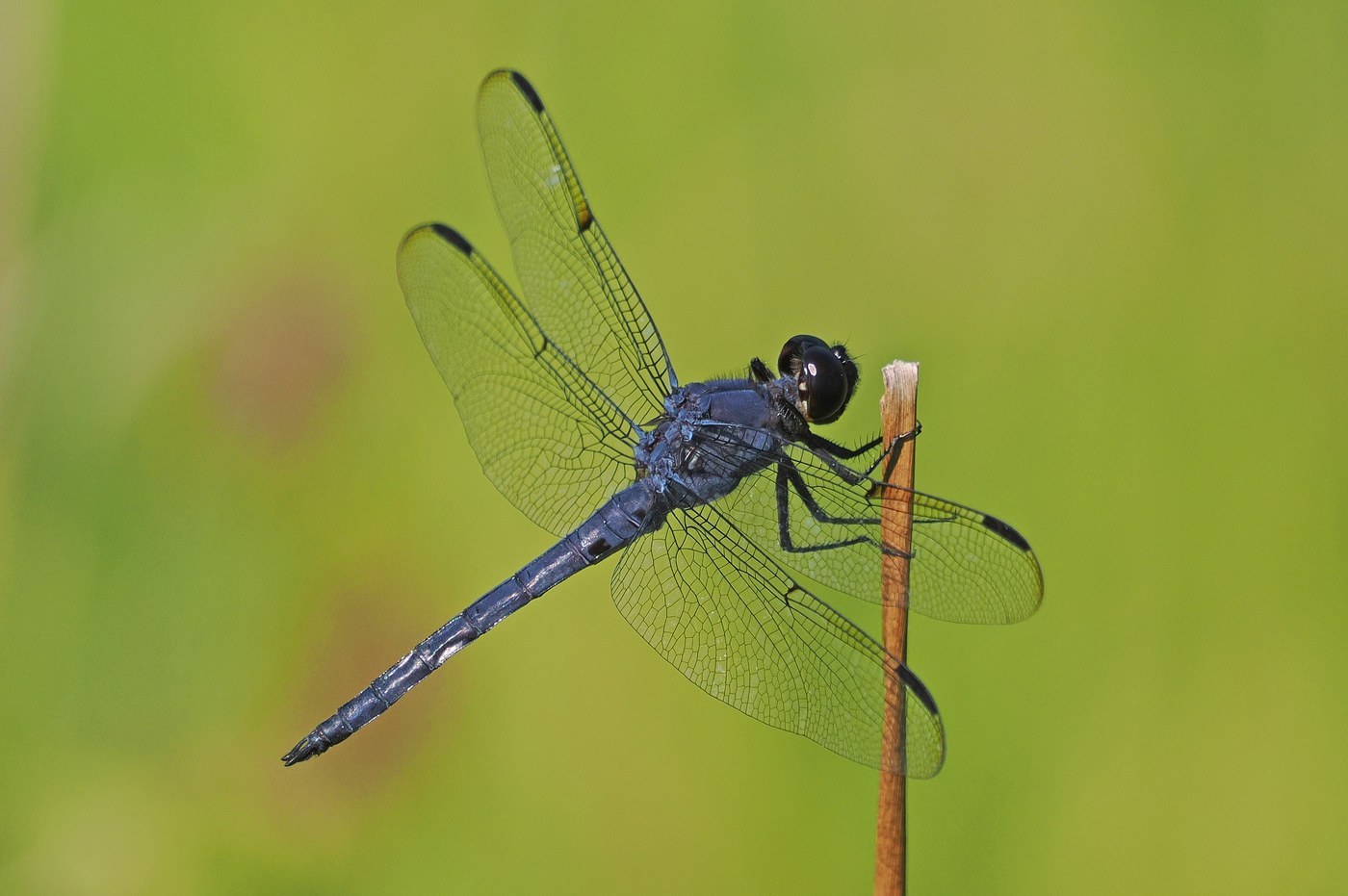
Slaty Skimmer
Still or slow-moving ponds, lakes, and marshes with open shoreline
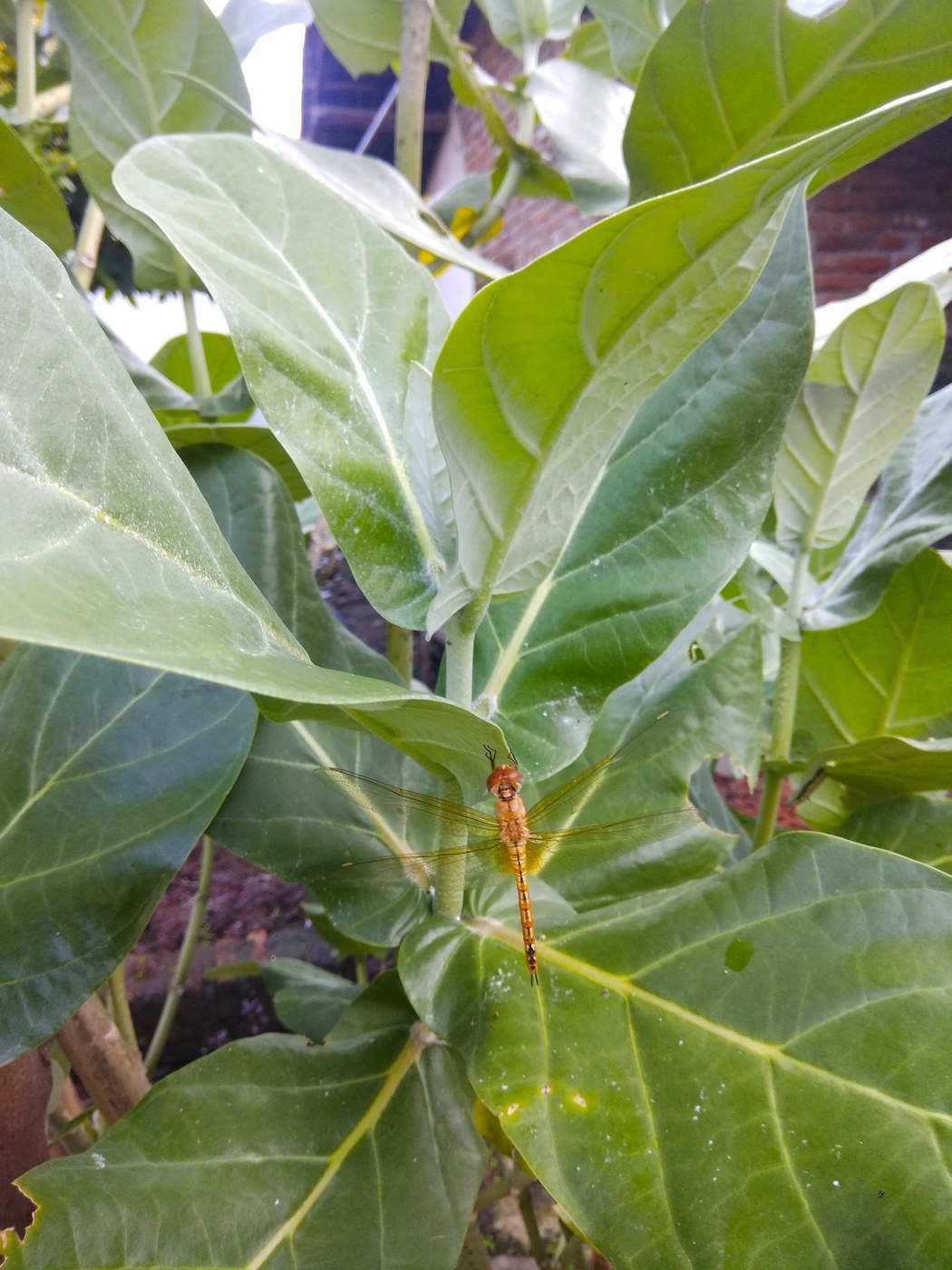
Wandering Glider
Temporary pools, open fields, and coastlines nearly worldwide
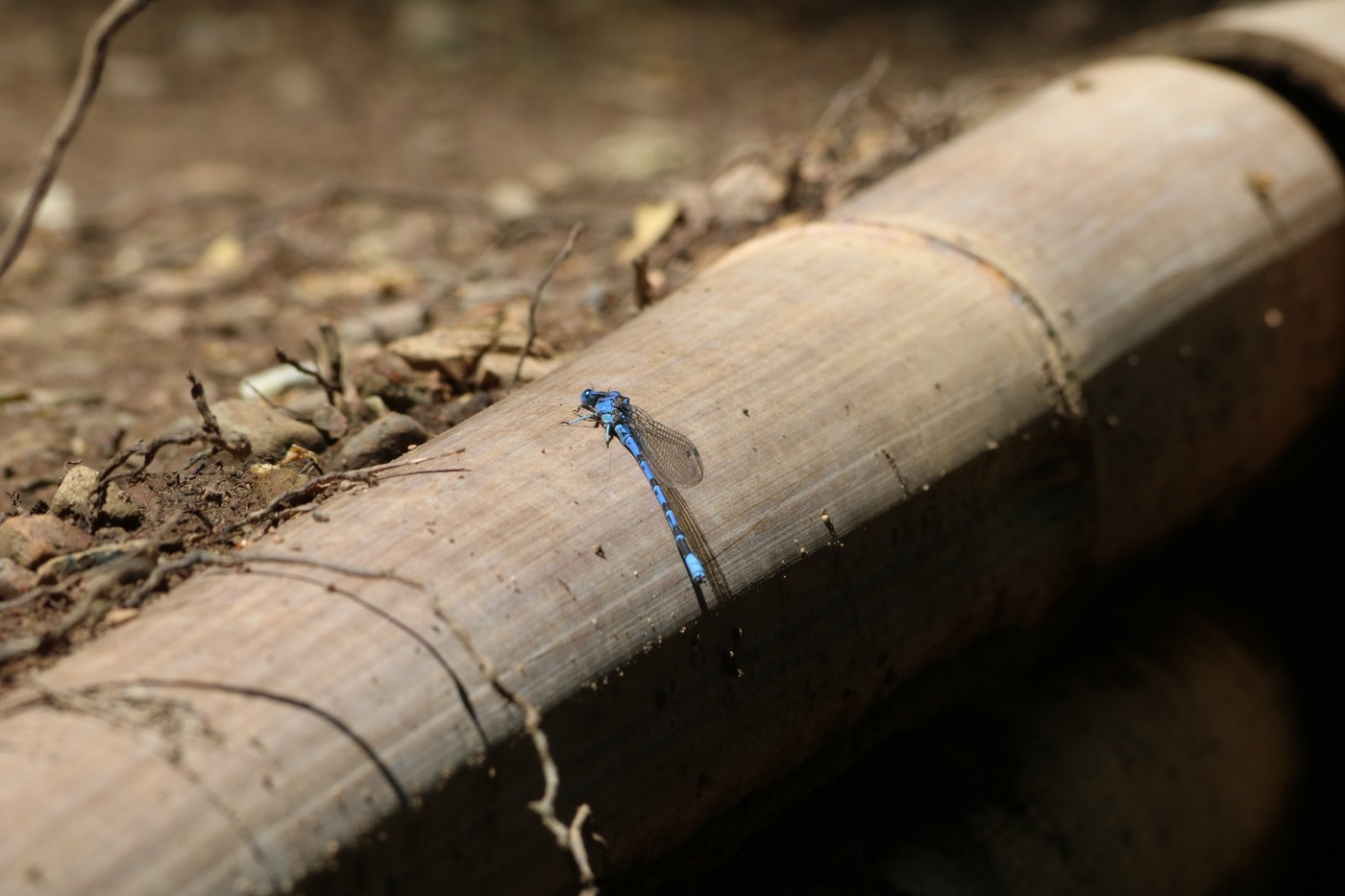
Vivid Dancer
rocky streams, seeps, and spring-fed creeks, often near thermal or warm springs
Painted Skimmer
Ponds, marshes, and slow-moving vegetated waters, including temporary pools
Powdered Dancer
rocky and gravelly rivers, streams, and lake shorelines