
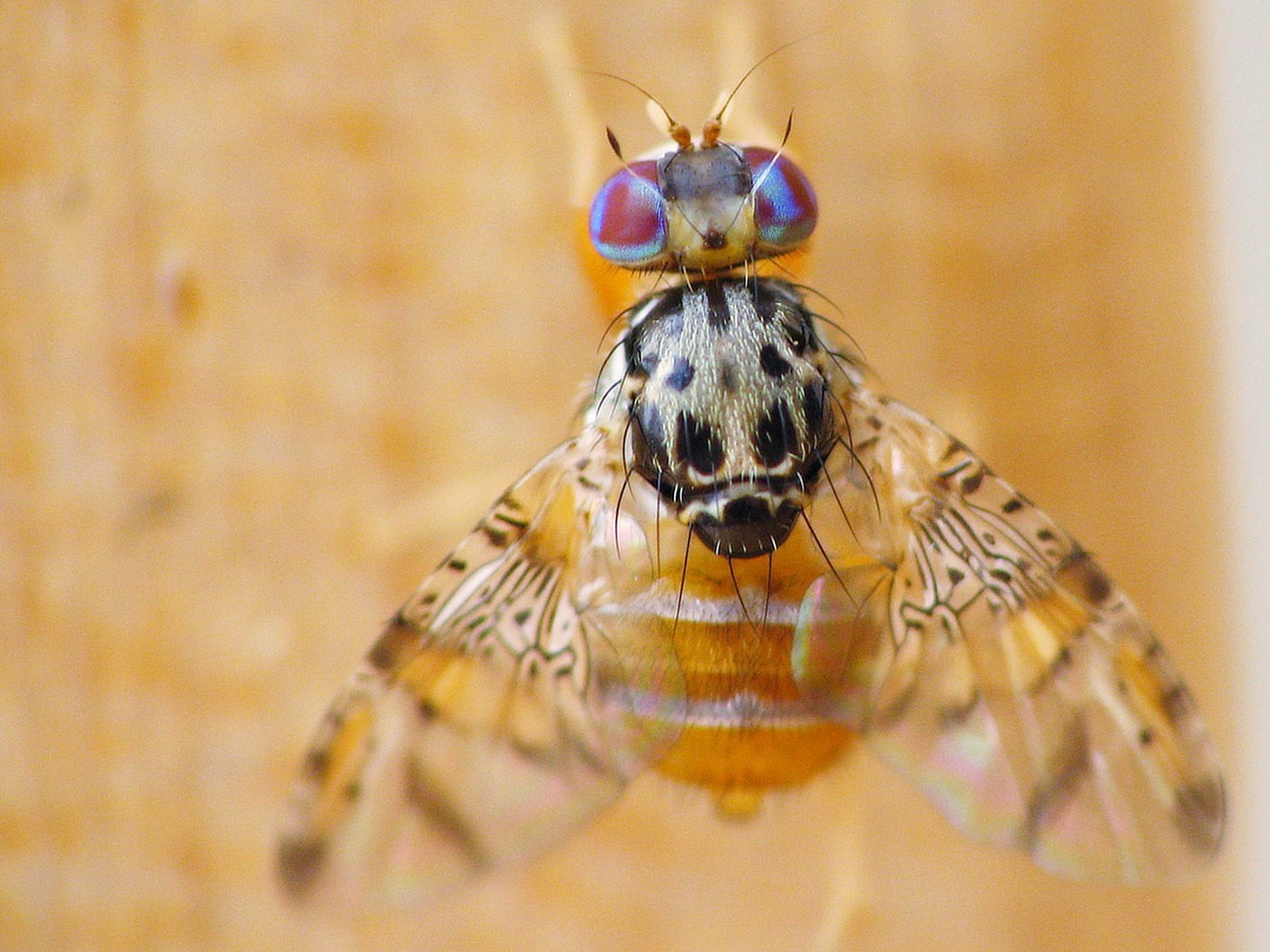
Fruit Fly (Mediterranean)
Ceratitis capitata
A small but strikingly patterned fly with mottled, banded wings held out to the sides in a fan and a body dotted with silvery spots, best known for larvae that tunnel through ripening fruit. Native to sub-Saharan Africa, it has spread with human trade to become one of the most widely recognized fruit-infesting insects in the world.
- Size
- 4–5 mm, boldly patterned wings
- Habitat
- Orchards, gardens, and fruit-growing regions in warm temperate and subtropical climates worldwide
- Danger
- Nuisance pest
Spotted a bug like this?
Identify any bug or insect from a photo, free.
Overview
The Mediterranean fruit fly, or medfly, Ceratitis capitata, is a small tephritid fly native to sub-Saharan Africa that has become established across much of the Mediterranean basin, parts of the Americas, Australia, and other warm regions through accidental transport in fruit shipments. Adults are noticeably more colorful than a typical house fly, with a body marked in black, yellow, and silvery-white and wings patterned with bold brown bands and streaks.
Female medflies use a sharp, retractable egg-laying organ to insert eggs just beneath the skin of ripening or nearly ripe fruit, and the developing larvae tunnel through the flesh as they feed, a habit that has made the species a well-studied agricultural pest of citrus, stone fruit, and many other crops in regions where it has become established. Because of its economic significance, the medfly has also become one of the most intensively researched fruit flies in applied entomology, particularly for detection trapping and area-wide management programs.
Outside of agricultural contexts, the species is simply one of hundreds of tephritid fruit flies worldwide that specialize on fleshy fruit as larval habitat, an ecological role shared by many native, non-pest species in the same family.
How to Identify
- Small fly, about 4–5 mm long, with a tan to black body marked with pale yellow patches and rows of fine silvery hairs on the thorax
- Wings are broad, clear, and marked with distinctive brown and yellow bands and streaks arranged in a mottled pattern
- At rest, wings are held out and slightly down, often waved slowly from side to side, a behavior typical of tephritid fruit flies
- Females have a slender, pointed ovipositor visible at the tip of the abdomen, used to pierce fruit skin
- Distinguished from the common vinegar fly (Drosophila) by its larger size, patterned wings, and lack of red eyes
Habitat & Range
The Mediterranean fruit fly is found in warm temperate to subtropical climates worldwide, wherever host fruit trees grow and winters remain mild enough to support year-round activity. It is closely associated with orchards, home gardens, and areas where cultivated or ornamental fruit trees are present, and adults are most abundant during the fruit ripening season in a given region. In climates with cold winters the species generally cannot persist outdoors, limiting its established range to milder regions.
Behavior & Diet
Adult medflies feed on plant sap, nectar, and other sugary substances, while females seek out ripening fruit to insert eggs beneath the skin using their pointed ovipositor. Males gather on leaves within a host tree to perform courtship displays involving wing movements and pheromone release, attracting females to mate before egg-laying begins. Within its introduced range the species is recognized as a significant pest of many fruit crops, since larval feeding causes fruit to rot and drop prematurely, though in its native African range it exists alongside a wide diversity of other fruit-feeding tephritids as part of the natural fruit-fly community.
Life Cycle
Eggs are laid in small batches just under the skin of host fruit and hatch within a few days, after which larvae tunnel through the fruit flesh, feeding and molting through three stages over one to two weeks depending on temperature. Mature larvae exit the fruit, often after it has fallen, and burrow into the soil to pupate for one to two weeks. Adults emerge, mature over several days, and begin the cycle again, with warm climates supporting many overlapping generations throughout the year.
Frequently asked questions
How can I tell a medfly from a common vinegar fly?
The medfly is noticeably larger with strongly patterned brown and yellow wings, while the vinegar fly is smaller, plainer, and typically has bright red eyes.
What fruits does the Mediterranean fruit fly use for larvae?
It develops in a very wide range of fleshy fruits, including citrus, stone fruits, and many other cultivated and wild fruit types, making it one of the most polyphagous fruit flies known.
Where did the Mediterranean fruit fly originate?
It is native to sub-Saharan Africa and has since spread to the Mediterranean basin and other warm regions of the world through fruit trade.
Why do male medflies gather on leaves?
Males form small aggregations on host-plant leaves where they perform courtship displays to attract females for mating.
Fruit Fly (Mediterranean) guides
In-depth guides for identifying, understanding, and living alongside Fruit Fly (Mediterranean).
Other bugs you may enjoy
Aphid Midge
Gardens, greenhouses, and crops with aphids
Yellow Fever Mosquito
Urban and peri-urban areas near small artificial water containers in tropical and subtropical regions worldwide
Root Maggot
Garden and field soil around the roots of cole crops and other vegetables
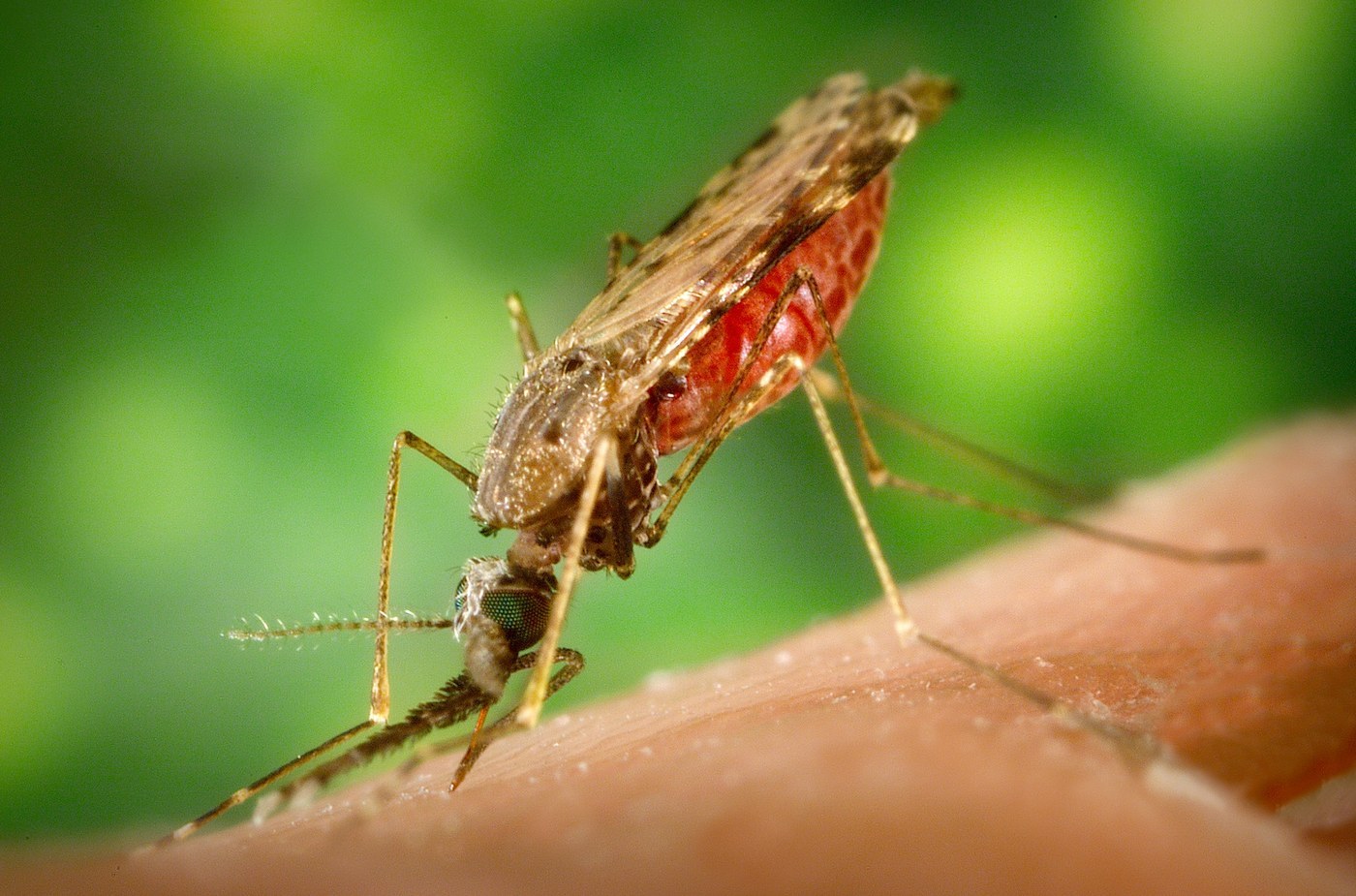
Anopheles Mosquito
Clean, still or slow-moving freshwater habitats such as marshes, ponds, and rice paddies
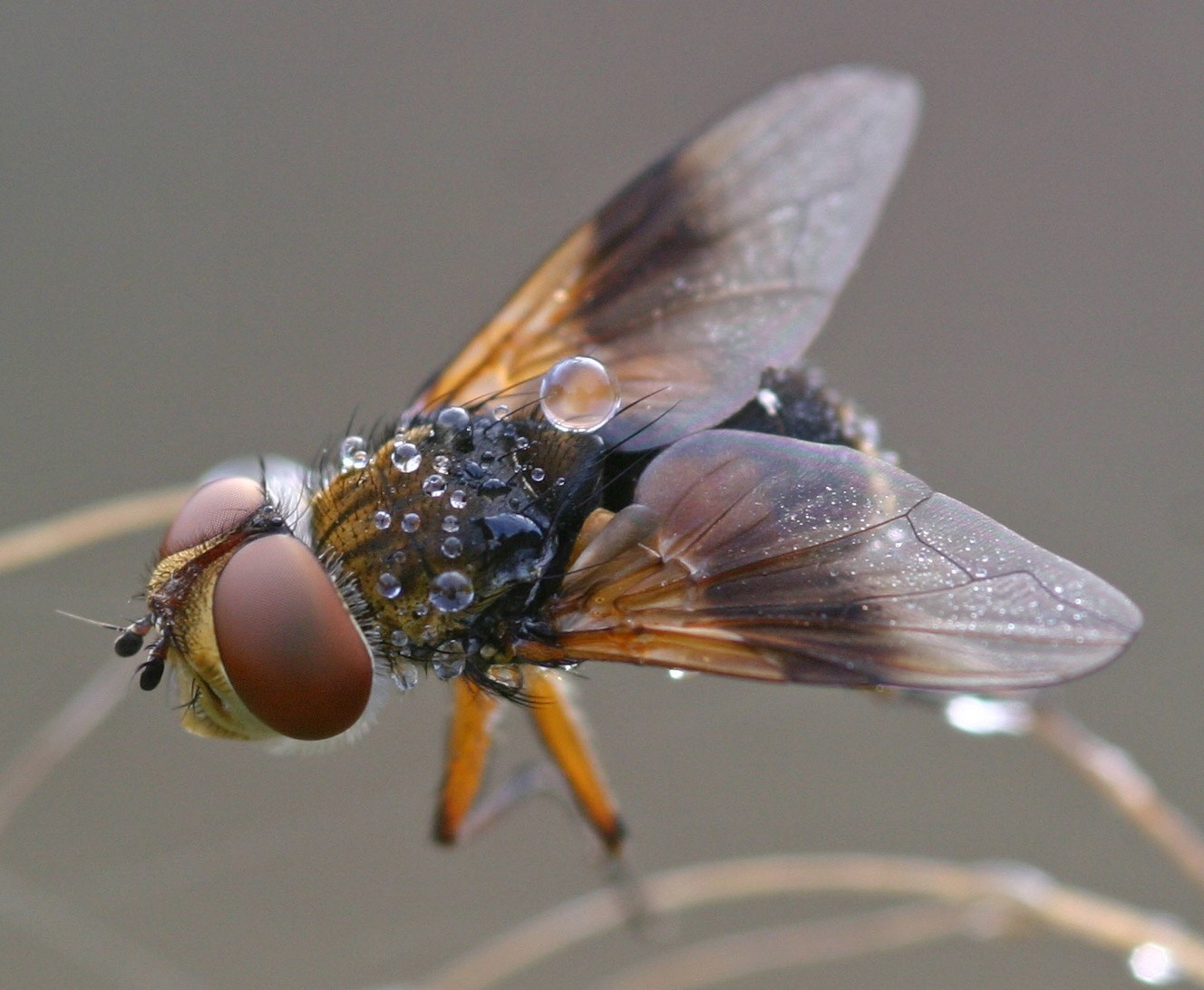
Tachinid Fly
Gardens, meadows, and woodlands wherever host caterpillars and other insects occur
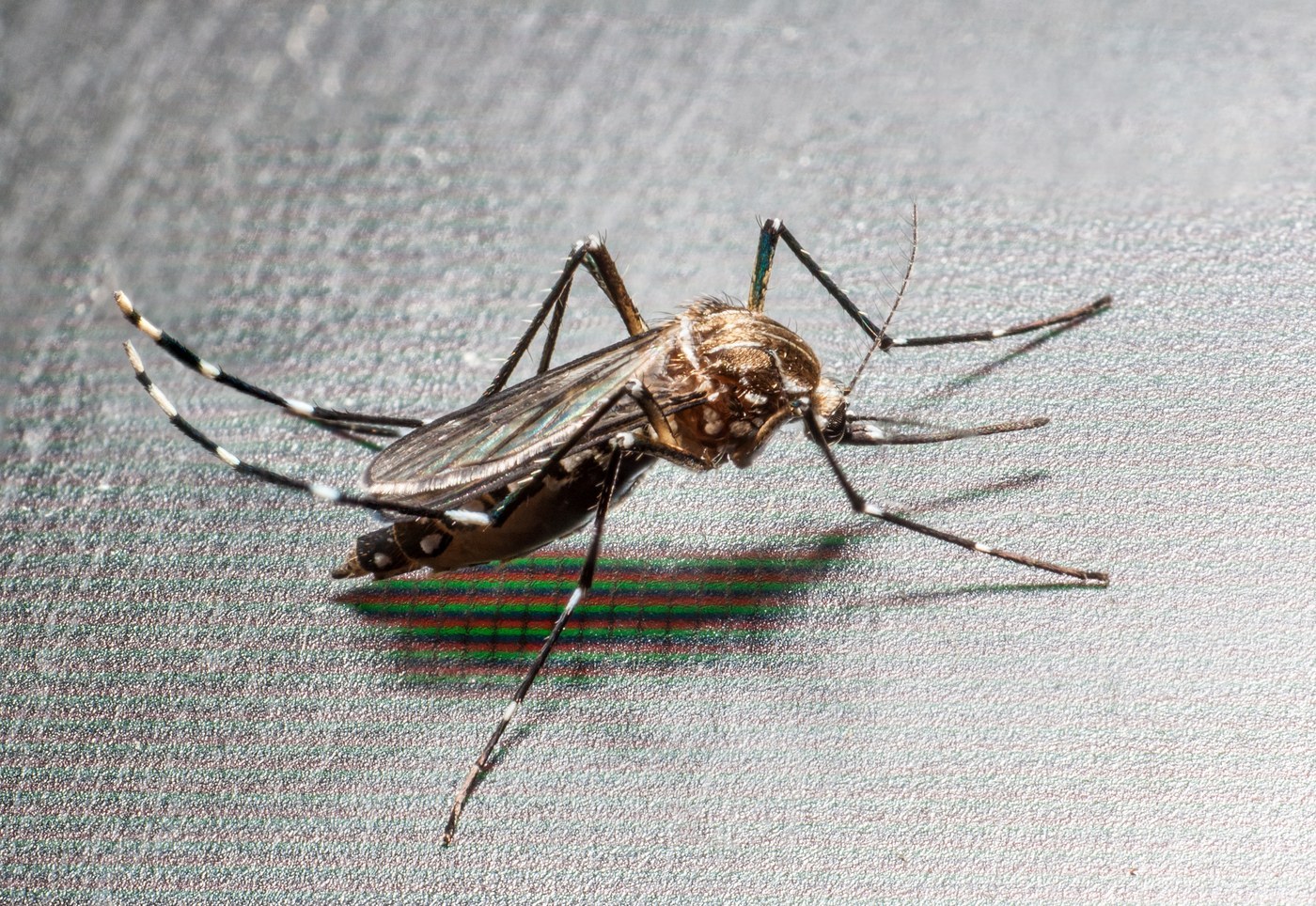
Asian Tiger Mosquito
Shaded urban and suburban areas near small water-holding containers, tires, and tree holes; native to Southeast Asia, now widespread
Tsetse Fly
Wooded savanna, riverine thickets, and forest edges across sub-Saharan Africa
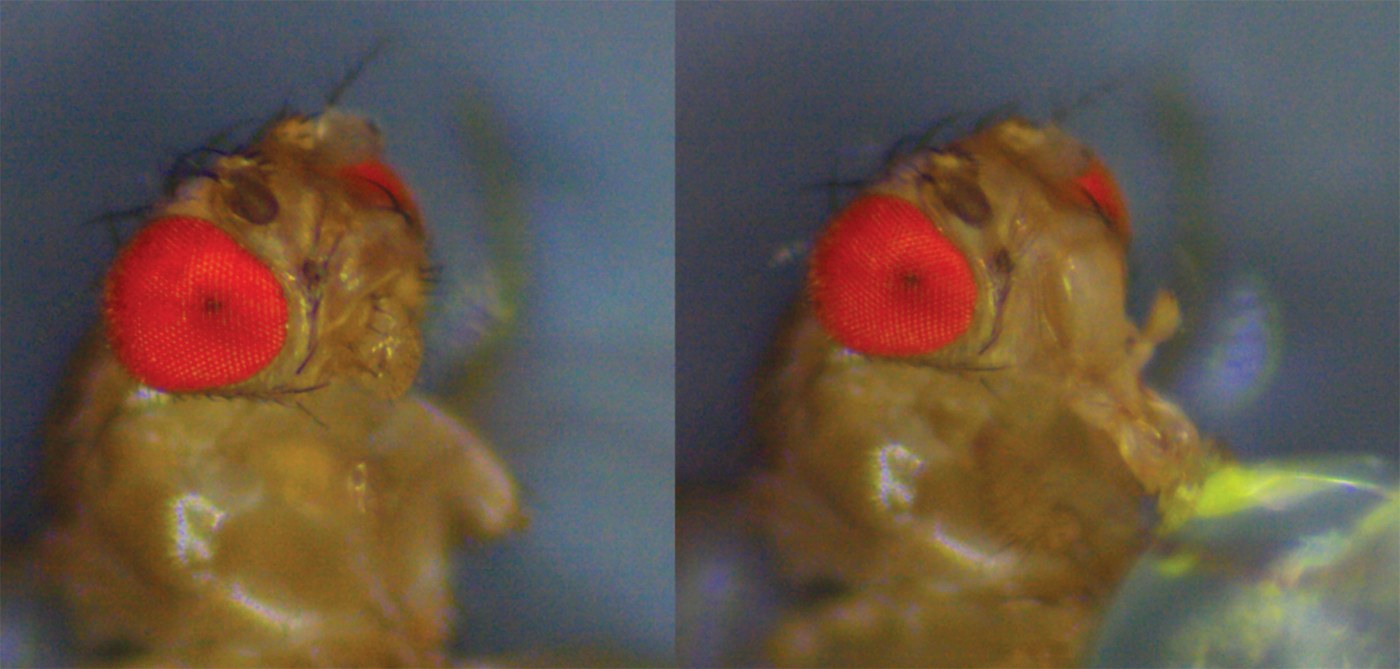
Vinegar Fly
Around overripe fruit, compost, and fermenting materials worldwide
Yellow Dung Fly
Pastures and fields with fresh cattle dung
Screwworm Fly
Warm, humid lowlands of the Americas, especially near livestock and wildlife wounds
Soldier Fly
Wetland margins, decaying organic matter, and vegetation near water
Punkie
near marshes, mudflats, ponds, and other standing water