
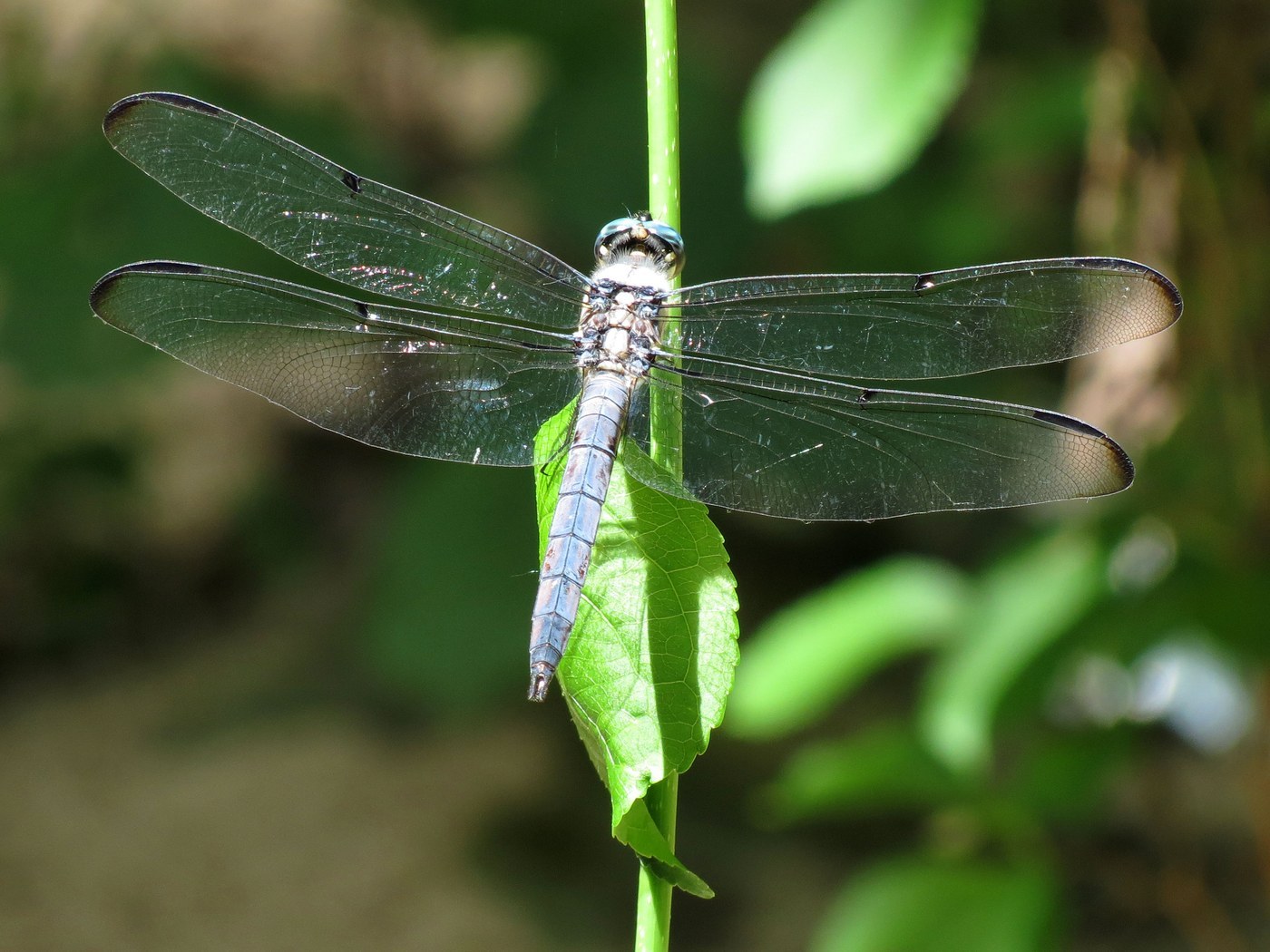
Great Blue Skimmer
Libellula vibrans
One of North America's largest skimmers, the Great Blue Skimmer's powdery sky-blue body and pale green eyes make it stand out as it cruises woodland pond edges.
- Size
- Body length 2.1-2.4 in (53-61 mm), one of the larger skimmers
- Habitat
- Shaded ponds, wooded swamps, and slow streams
- Danger
- Harmless
Spotted a bug like this?
Identify any bug or insect from a photo, free.
Overview
The Great Blue Skimmer is a large, robust dragonfly of the skimmer family, notable for its size and striking blue coloration in mature males. It ranges through the southeastern and mid-Atlantic United States, often favoring shadier, more wooded wetland habitats than many of its skimmer relatives.
Adult males develop a rich powder-blue pruinescence over the thorax and abdomen with age, paired with pale green to blue-green eyes, while females and immatures show a browner body with pale lateral stripes. Its notably large size, even among skimmers, helps set it apart in the field.
How to Identify
- Mature males: pale to medium blue pruinose body with a blue-green face and eyes
- Females and immatures: brown thorax with cream side stripes, brown abdomen with pale markings
- Wings mostly clear, sometimes with a faint brownish tinge at the base
- Notably large and heavy-bodied compared to most other skimmers
- Similar to the Slaty Skimmer but larger overall, with a paler blue-green face rather than black
Habitat & Range
This species favors shaded or partly shaded wetlands, including wooded swamps, spring-fed ponds, and slow, vegetated streams. It is most common in the southeastern United States and mid-Atlantic region, extending north into parts of New England and west toward Texas. Adults fly from late spring through summer into early fall.
Behavior & Diet
Males patrol and perch along shaded shorelines, often choosing sunlit gaps within otherwise wooded wetlands, and defend territory from rival males with fast chases. Like other skimmers, adults are agile aerial hunters that capture mosquitoes, gnats, and other small flying insects. The aquatic nymphs are ambush predators among submerged debris and roots, feeding on aquatic insect larvae and other small invertebrates, and both nymph and adult stages help regulate insect populations in and around their wetland habitats.
Life Cycle
Females deposit eggs by dipping the abdomen tip into the water while in flight, often while accompanied or guarded by the male. The eggs hatch into nymphs that live submerged among leaf litter, roots, and debris, growing through a series of molts over roughly one to two years depending on climate and food availability. Mature nymphs crawl out of the water onto emergent vegetation or nearby structures to complete metamorphosis, emerging as winged adults that leave the aquatic stage behind. Adults are active fliers for several weeks, focused on feeding, mating, and egg-laying before the life cycle repeats.
Frequently asked questions
What makes the Great Blue Skimmer 'great'?
It is one of the largest skimmer species in North America, noticeably bigger and bulkier than most related species like the Slaty or Painted Skimmer.
Where does the Great Blue Skimmer prefer to live?
It favors shaded or partly shaded wetlands such as wooded swamps and spring-fed ponds, more so than many open-pond skimmers.
How do you tell males from females?
Mature males show a powdery blue body and blue-green face, while females and young males are brown with pale cream side stripes on the thorax.
What do adult Great Blue Skimmers eat?
They catch small flying insects such as mosquitoes and gnats on the wing, hunting from perches near the water.
Great Blue Skimmer guides
In-depth guides for identifying, understanding, and living alongside Great Blue Skimmer.
Other bugs you may enjoy
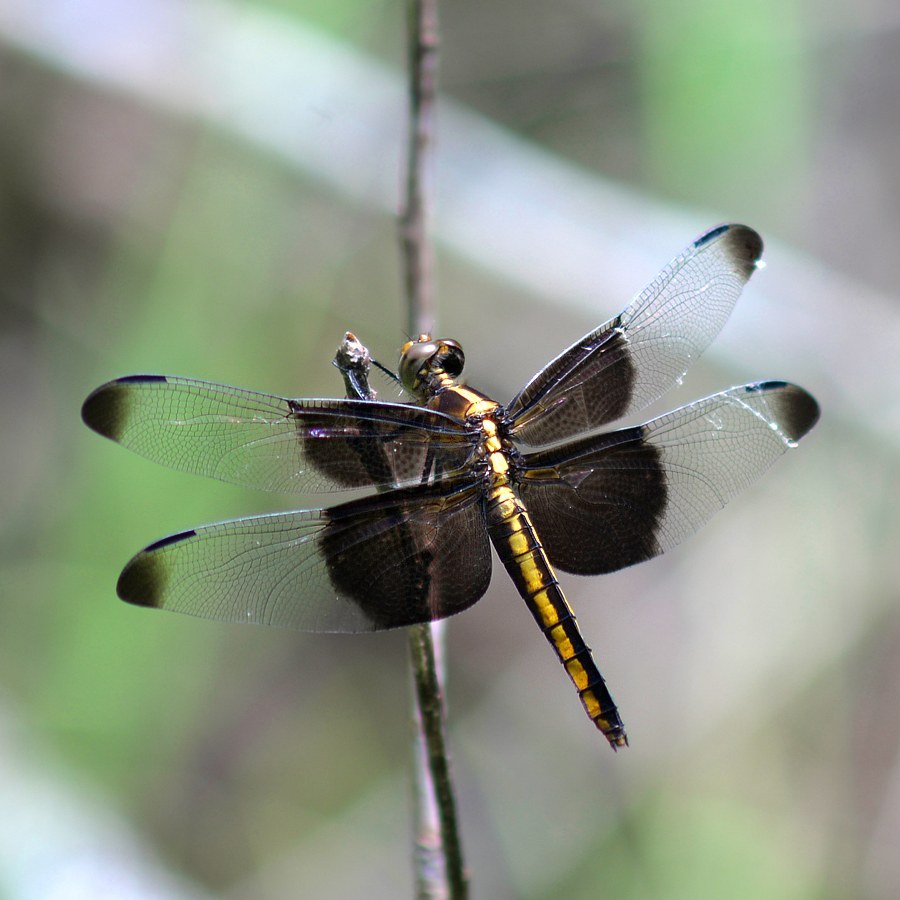
Widow Skimmer
ponds, lakes, and slow-moving streams with open shoreline vegetation across much of the United States
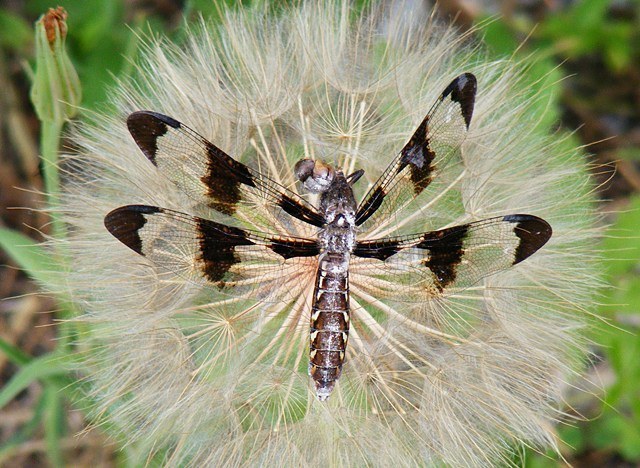
Twelve-spotted Skimmer
Ponds, lakes, and slow streams with open, sunny shorelines
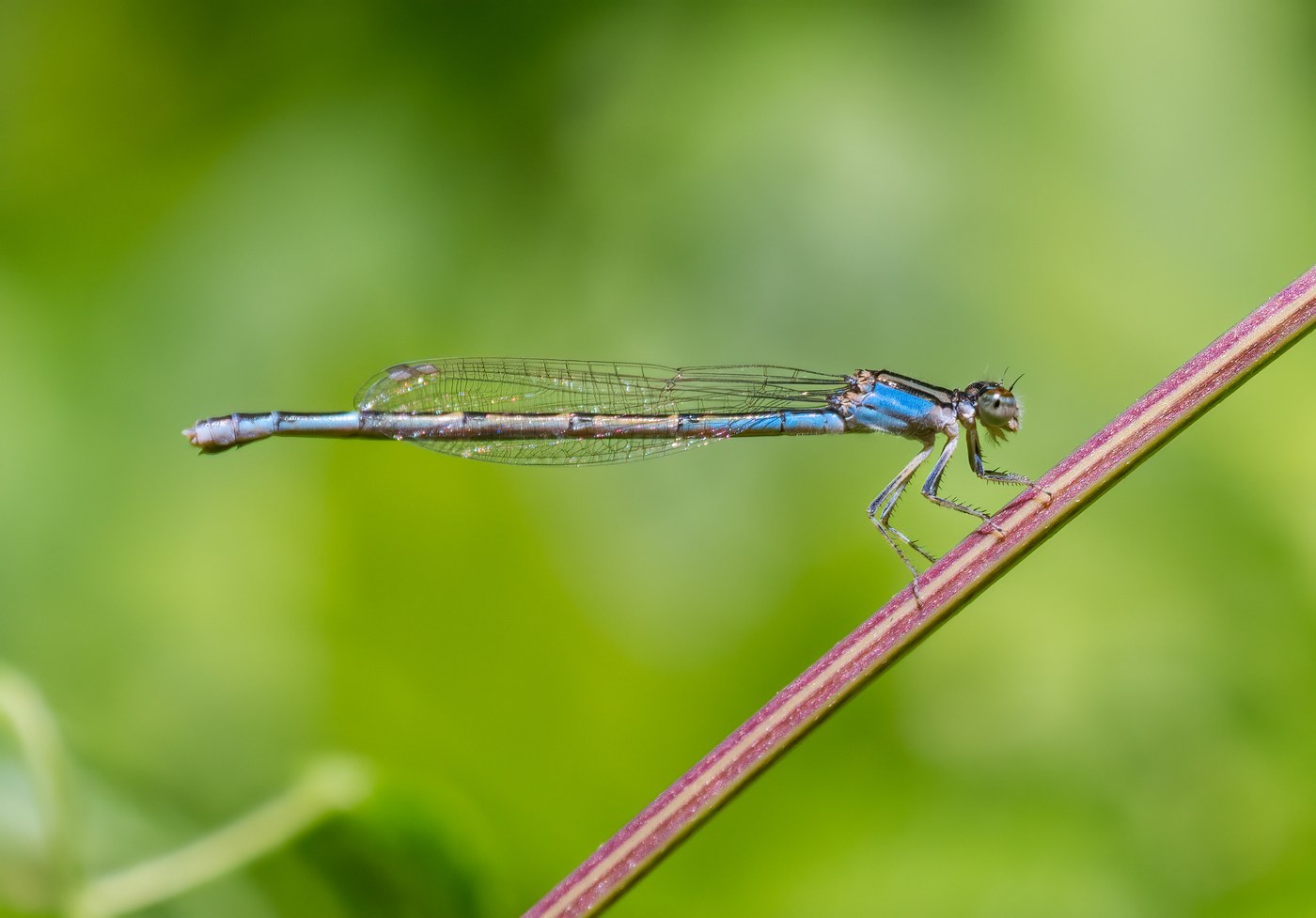
Azure Bluet
ponds, lakes, and slow streams with abundant aquatic vegetation
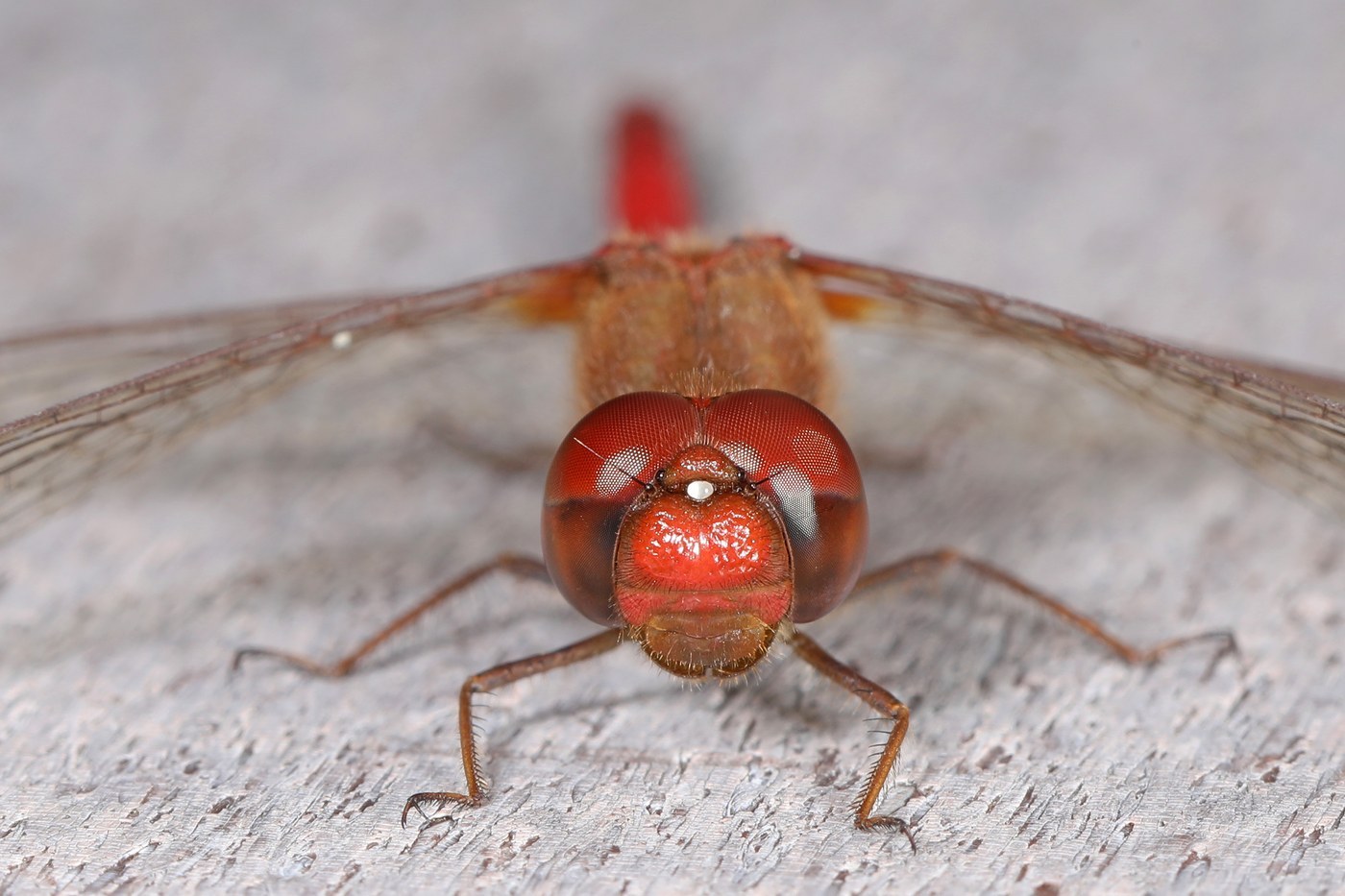
Autumn Meadowhawk
Ponds, marshes, and slow streams, often lingering into late fall
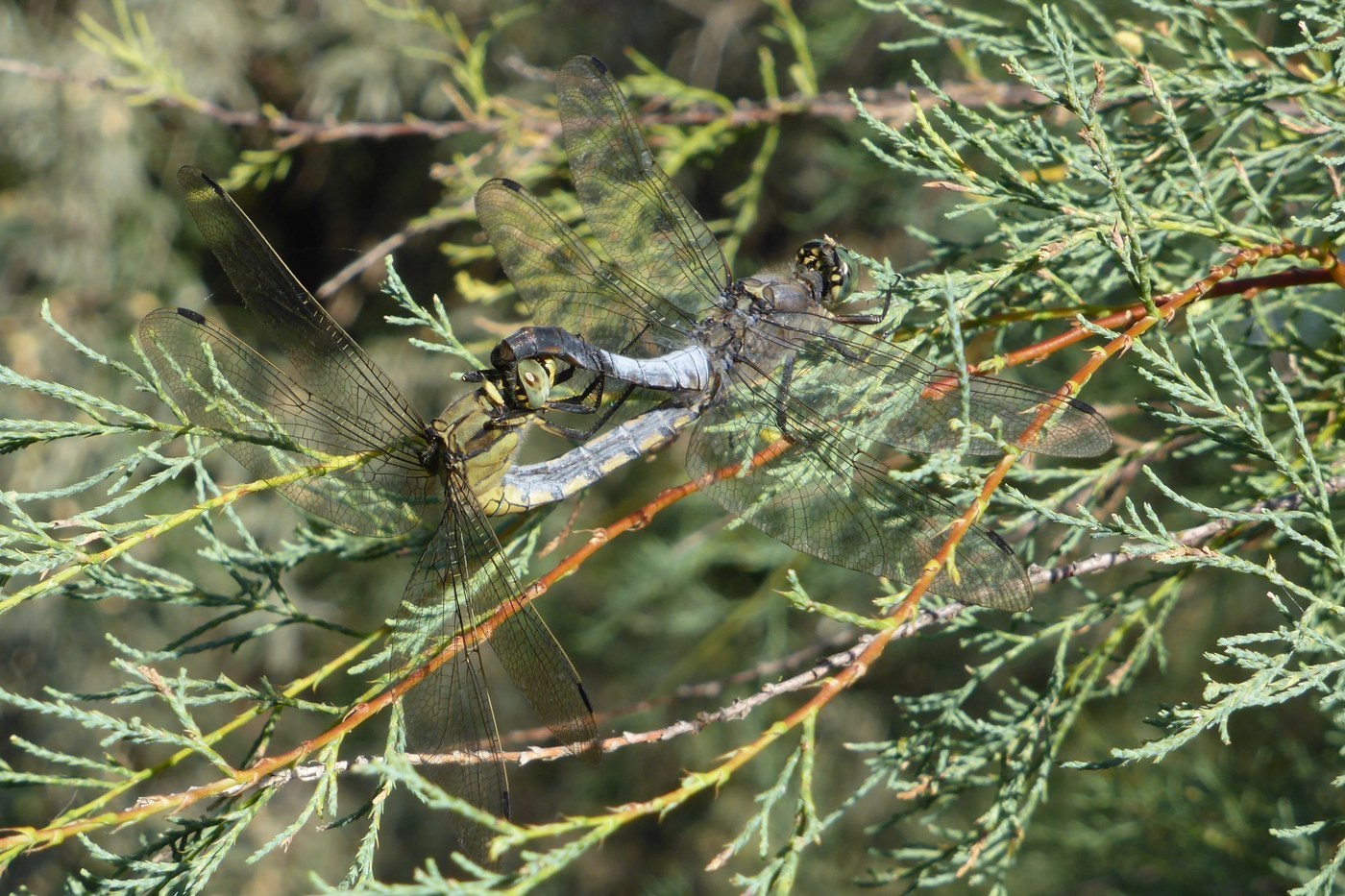
Spangled Skimmer
Ponds, lakes, and marshes with open sunny shorelines
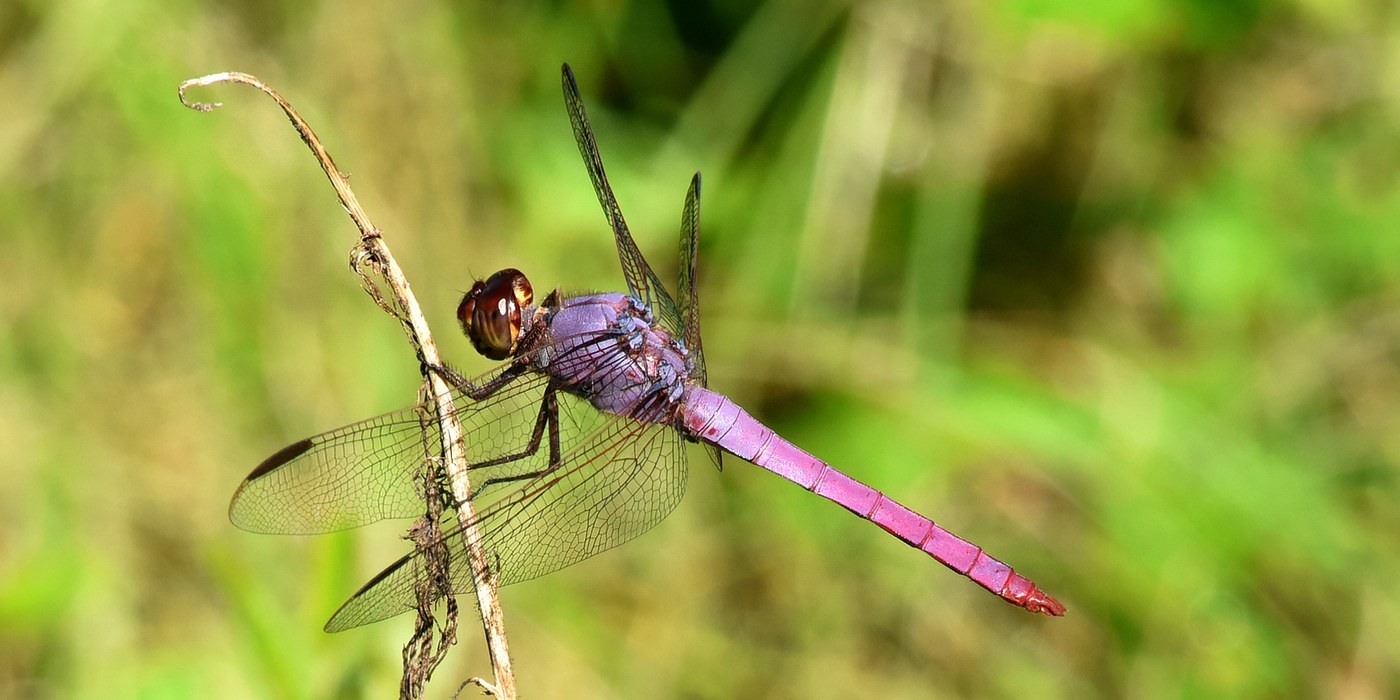
Roseate Skimmer
Ponds, ditches, and canals across the southern United States
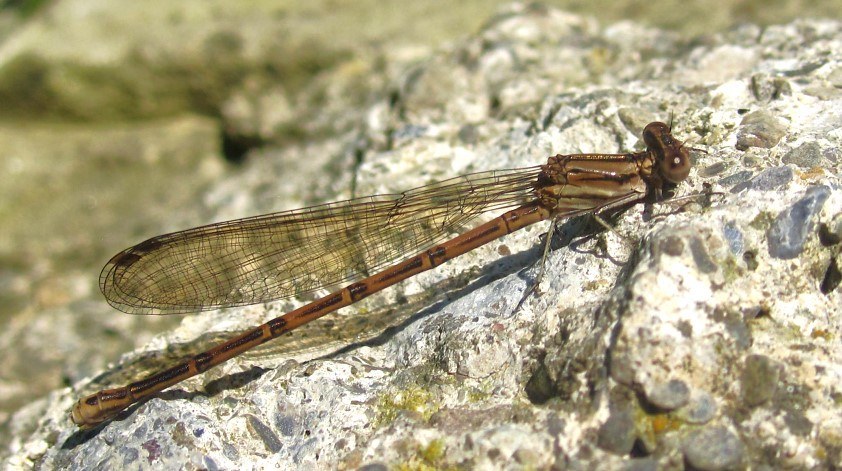
Variable Dancer
streams, rivers, and pond margins, especially in wooded or partly shaded settings
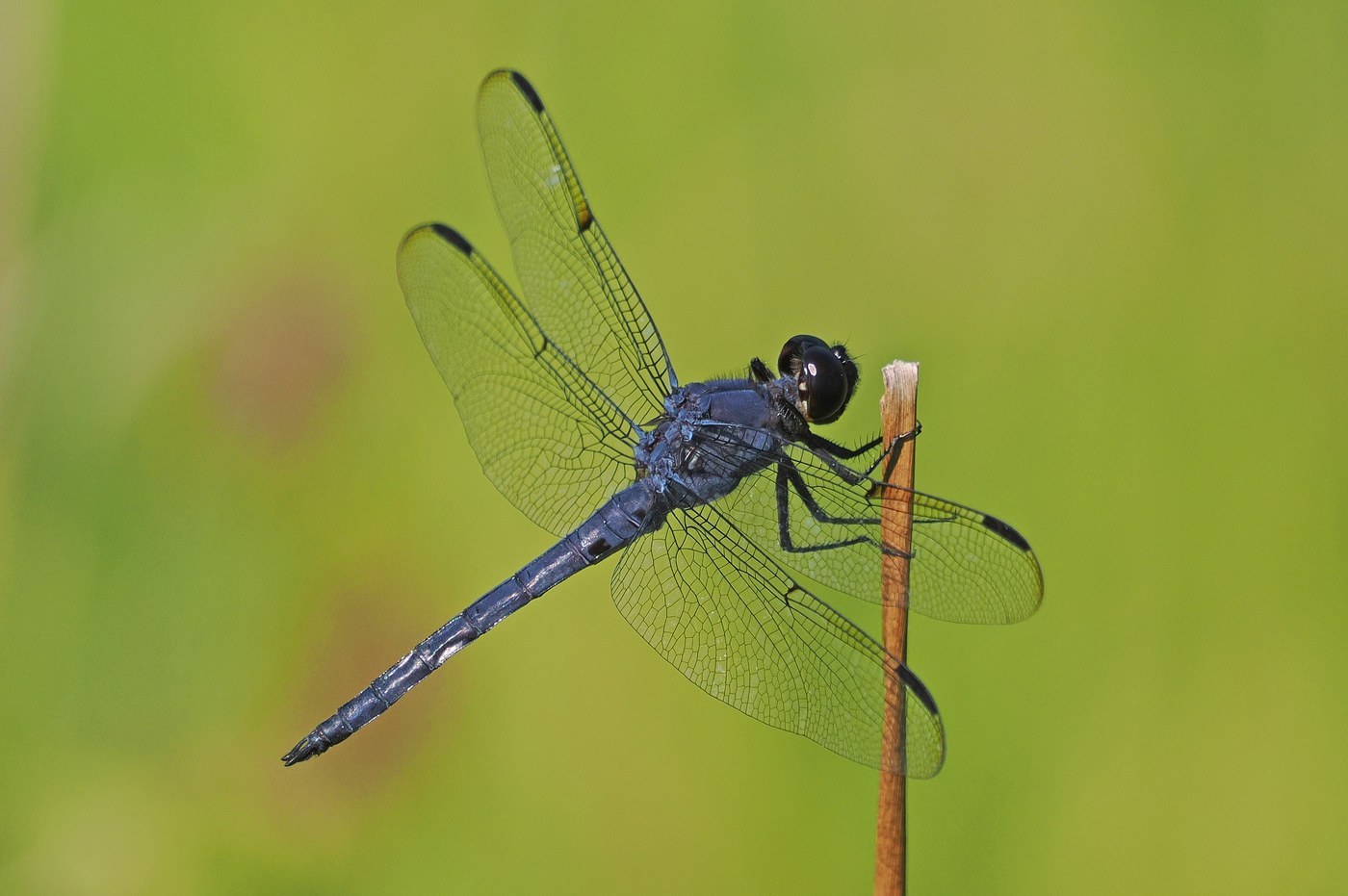
Slaty Skimmer
Still or slow-moving ponds, lakes, and marshes with open shoreline
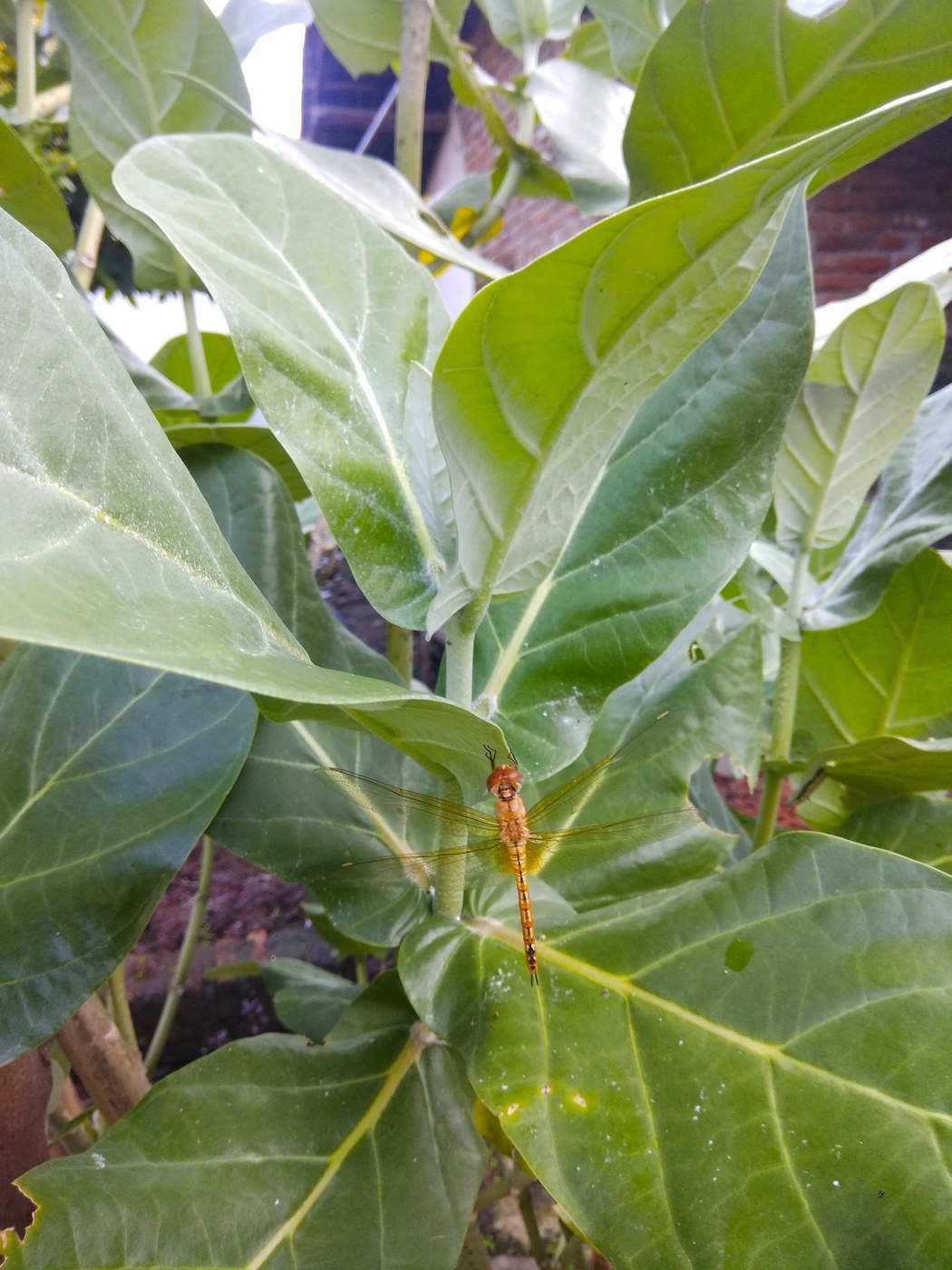
Wandering Glider
Temporary pools, open fields, and coastlines nearly worldwide
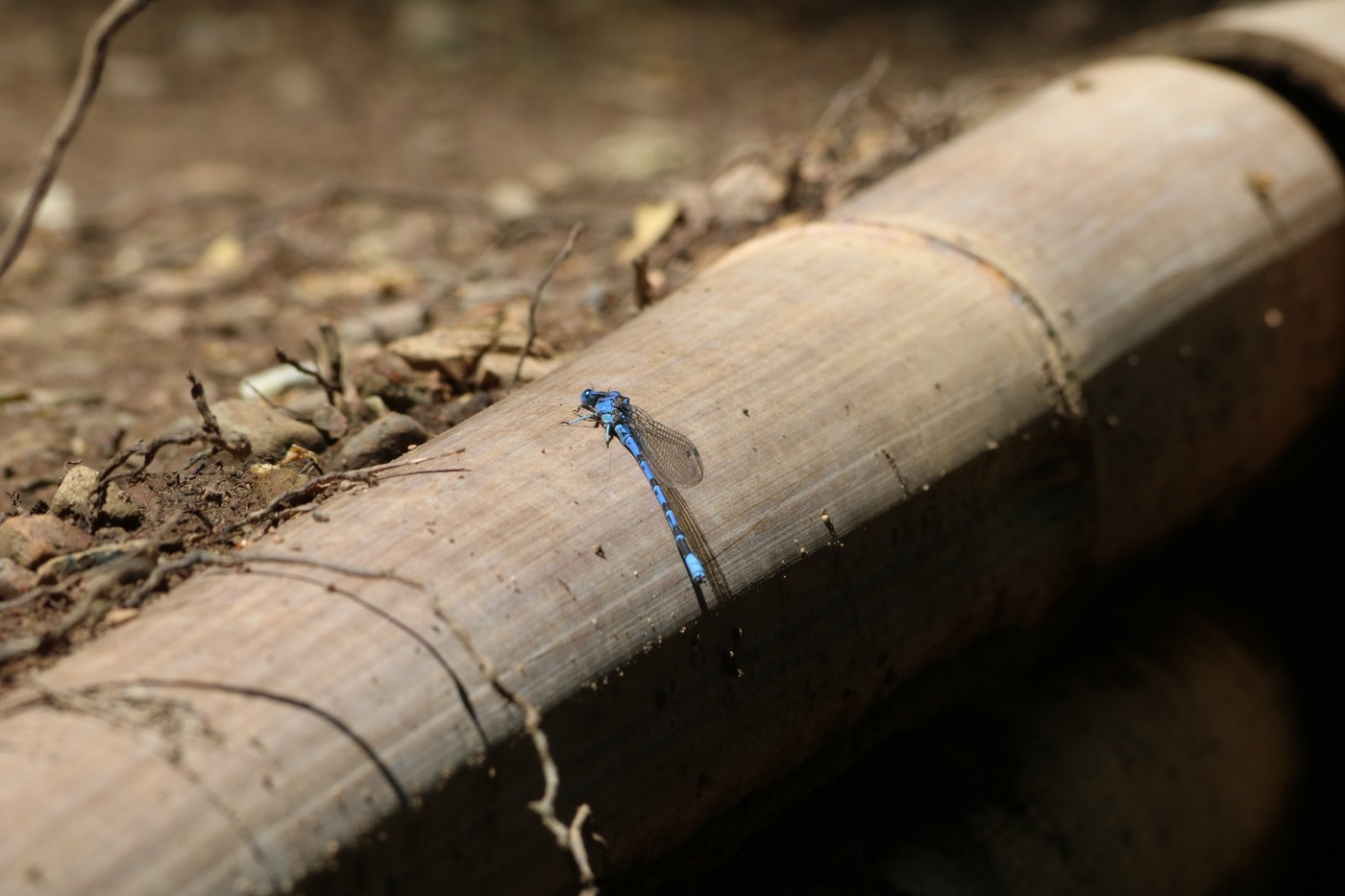
Vivid Dancer
rocky streams, seeps, and spring-fed creeks, often near thermal or warm springs
Painted Skimmer
Ponds, marshes, and slow-moving vegetated waters, including temporary pools
Powdered Dancer
rocky and gravelly rivers, streams, and lake shorelines