
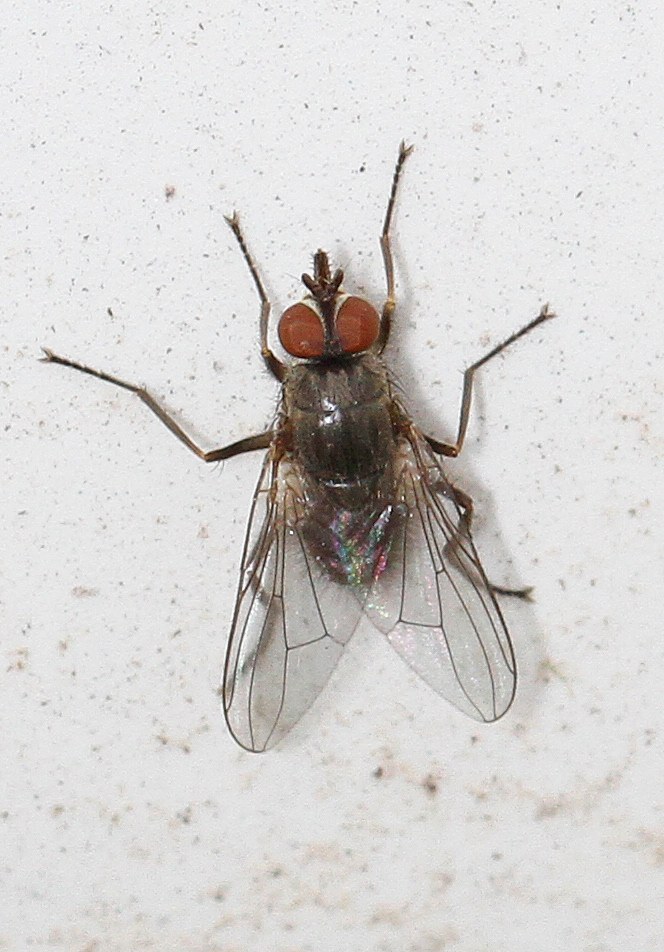
Horn Fly
Haematobia irritans
A tiny, dark fly that clusters in dense patches on the backs and shoulders of grazing cattle, using piercing mouthparts to take frequent small blood meals.
- Size
- 3-5 mm (about 0.1-0.2 in) long
- Habitat
- Pastures with grazing cattle
- Danger
- Bites
Spotted a bug like this?
Identify any bug or insect from a photo, free.
Overview
The horn fly is a small, dark fly closely associated with cattle, on which it spends nearly its entire adult life, leaving hosts only briefly to lay eggs. About half the size of a common house fly, it is easily overlooked individually but becomes conspicuous when hundreds gather in dense clusters on the backs, shoulders, and sides of grazing animals.
Unlike the face fly, which laps up secretions with sponging mouthparts, the horn fly has piercing mouthparts that project forward from the head, allowing it to take frequent, small blood meals directly from its host's skin throughout the day. This close, near-constant association with cattle distinguishes it from most other flies found in pastures.
Originally from Europe, the horn fly has become established across much of North America and other temperate cattle-raising regions since its introduction, and it remains one of the most abundant flies found directly on grazing livestock.
How to Identify
- Small size, roughly half the length of a common house fly
- Dark gray to black body with a stout build
- Piercing mouthparts that project forward from the head, visible at close range
- Typically found in dense clusters on the backs, shoulders, and sides of cattle
- Distinguished from face flies and stable flies by its small size and habit of remaining on the host almost continuously
Habitat & Range
Horn flies are found throughout temperate and subtropical cattle-raising regions worldwide, having spread widely from their native European range. They are almost always found directly on or very near grazing cattle in pastures rather than dispersed broadly across the landscape.
Populations peak during the warm grazing season and decline sharply with the onset of cold weather in temperate climates.
Behavior & Diet
Adult horn flies remain on their host for most of their life, using piercing mouthparts to take frequent small blood meals throughout the day, and leaving the animal only briefly, mainly to lay eggs in fresh dung. Both males and females feed on blood, a trait less common among flies overall.
Because of their near-constant presence on cattle, horn flies form one of the most persistent insect associations found in pastures, with large numbers often clustering together on a single animal. Their larvae, in contrast, develop away from the host entirely, within fresh dung deposits.
Life Cycle
Females briefly leave the host to lay eggs in very fresh cattle dung, often within minutes of it being deposited. Eggs hatch quickly, and larvae develop within the dung over about one to two weeks, passing through three instars.
Mature larvae pupate in the soil beneath the dung pat, and adults emerge within one to two weeks to seek out a host. Many generations occur during a single grazing season due to the short life cycle, and horn flies typically overwinter as pupae in the soil in temperate climates, with adults emerging the following spring.
Frequently asked questions
How is a horn fly different from a face fly?
Horn flies are smaller, have forward-projecting piercing mouthparts, and remain on the host almost continuously, while face flies lack piercing mouthparts and cluster mainly around the face.
Do both male and female horn flies feed on blood?
Yes, unlike many flies, both sexes of horn fly take blood meals from their host.
Where do horn fly larvae develop?
Larvae develop exclusively in very fresh cattle dung, away from the host animal.
How long do horn flies stay on their host?
Adults remain on cattle for the majority of their life, leaving only briefly to lay eggs in fresh dung nearby.
Horn Fly guides
In-depth guides for identifying, understanding, and living alongside Horn Fly.
Other bugs you may enjoy
Aphid Midge
Gardens, greenhouses, and crops with aphids
Yellow Fever Mosquito
Urban and peri-urban areas near small artificial water containers in tropical and subtropical regions worldwide
Root Maggot
Garden and field soil around the roots of cole crops and other vegetables
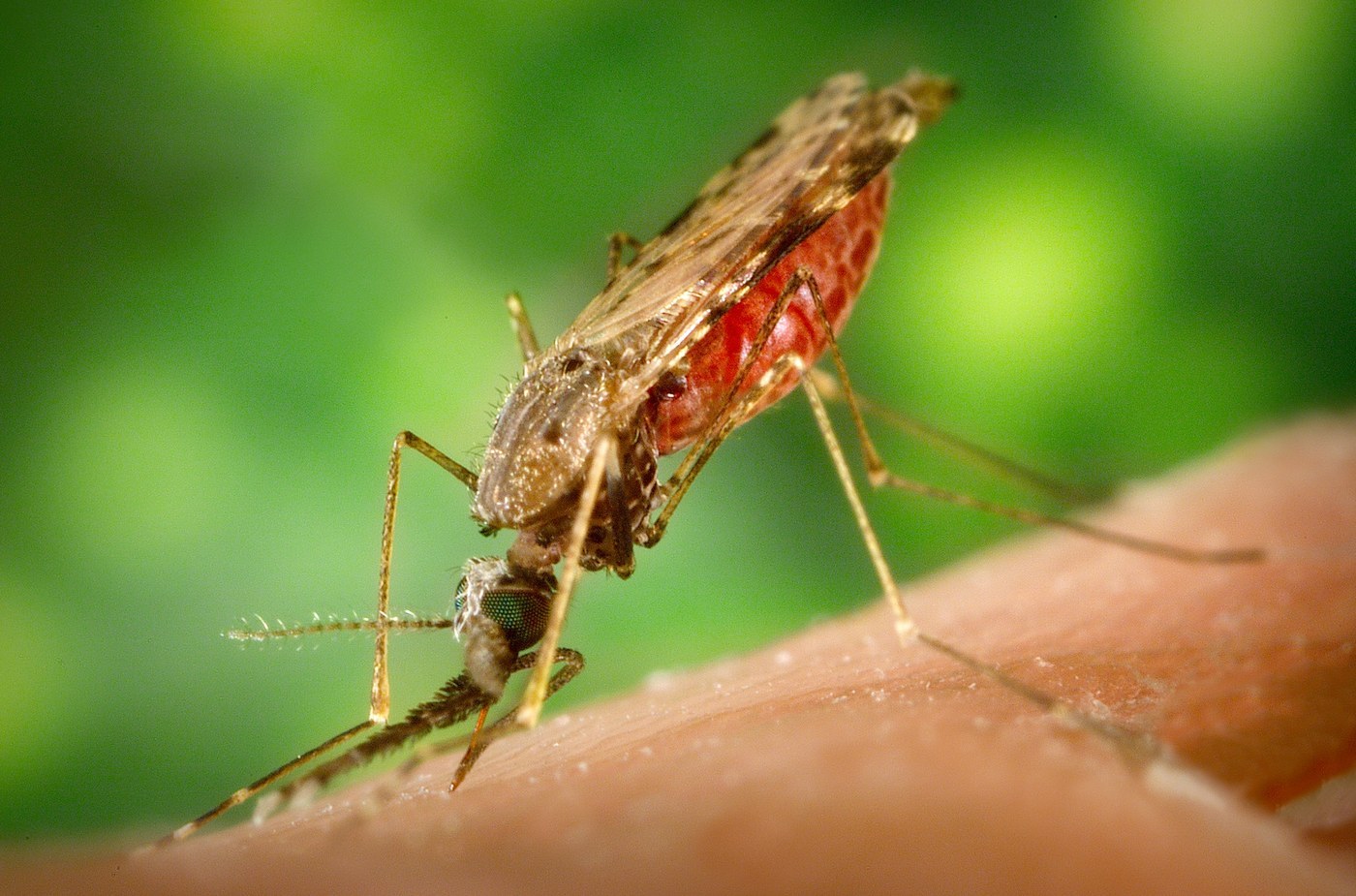
Anopheles Mosquito
Clean, still or slow-moving freshwater habitats such as marshes, ponds, and rice paddies
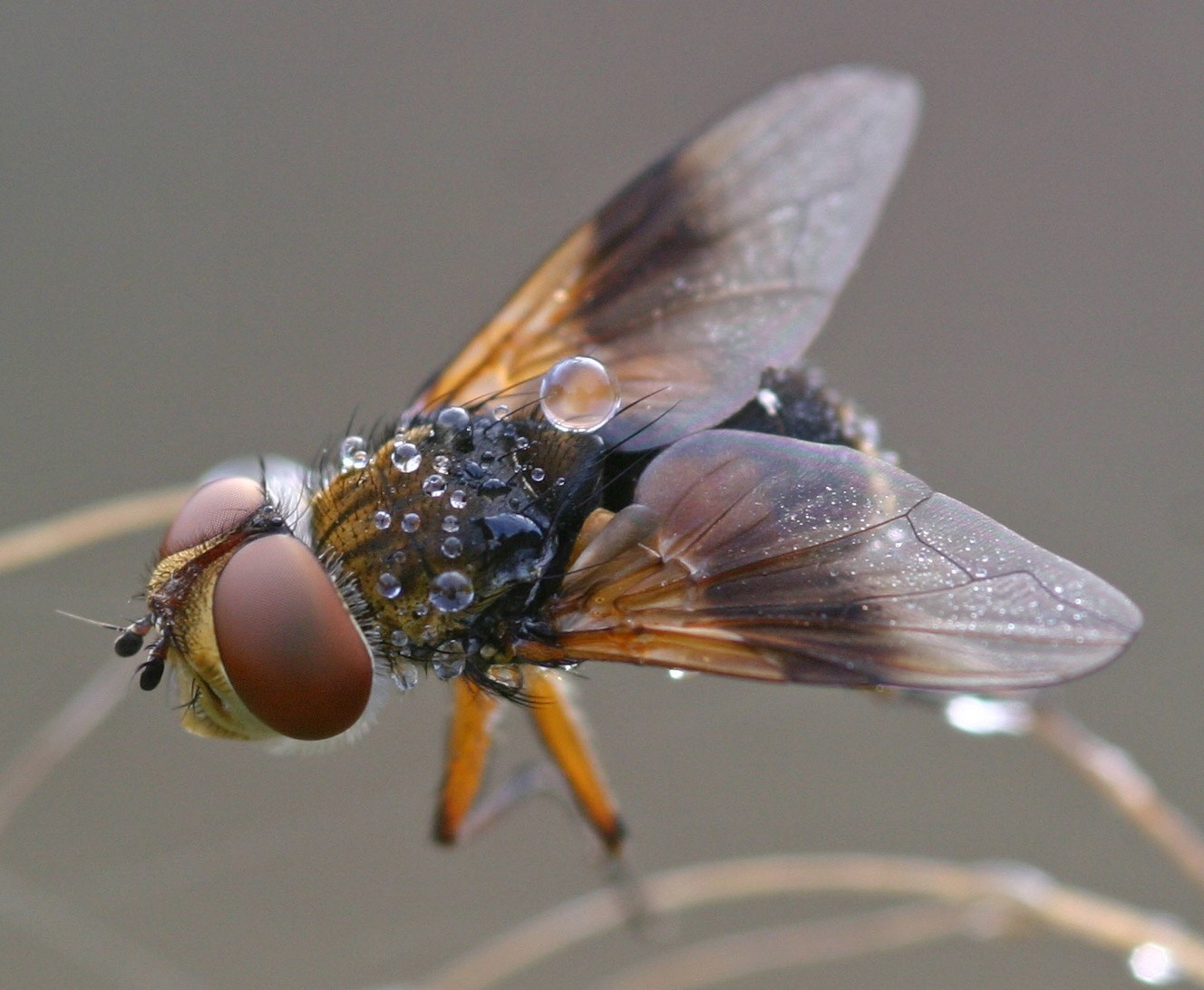
Tachinid Fly
Gardens, meadows, and woodlands wherever host caterpillars and other insects occur
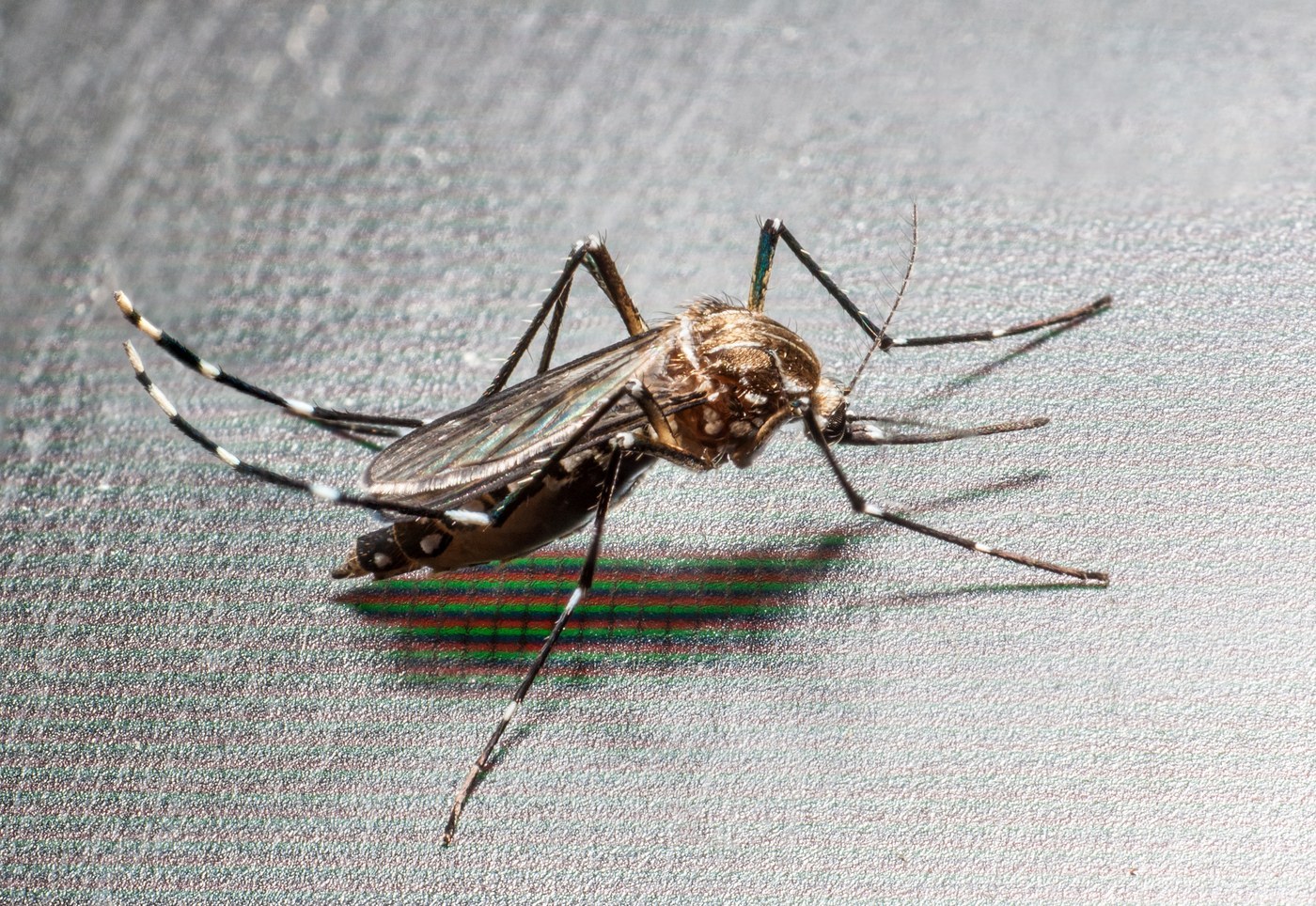
Asian Tiger Mosquito
Shaded urban and suburban areas near small water-holding containers, tires, and tree holes; native to Southeast Asia, now widespread
Tsetse Fly
Wooded savanna, riverine thickets, and forest edges across sub-Saharan Africa
Vinegar Fly
Around overripe fruit, compost, and fermenting materials worldwide
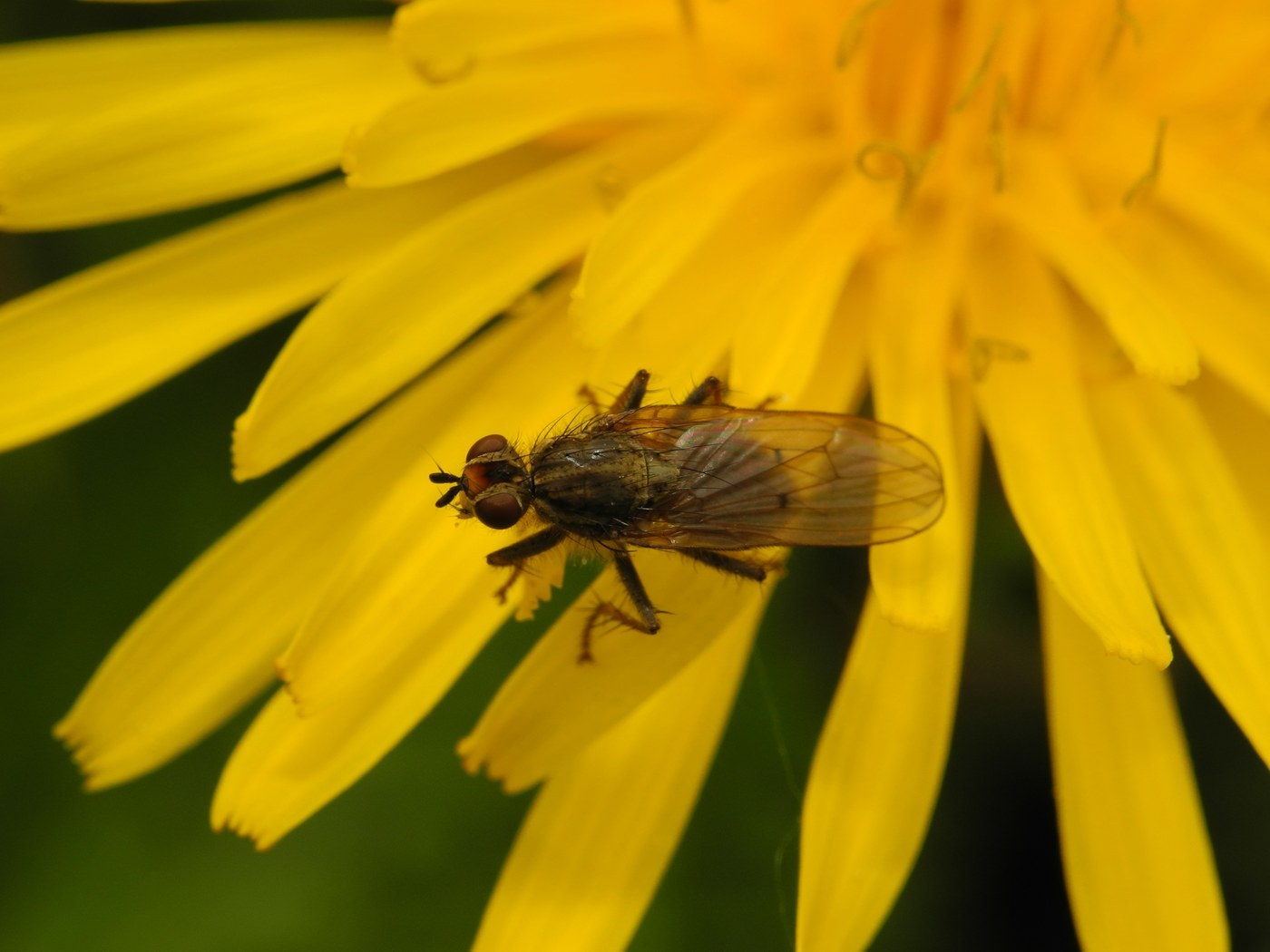
Yellow Dung Fly
Pastures and fields with fresh cattle dung
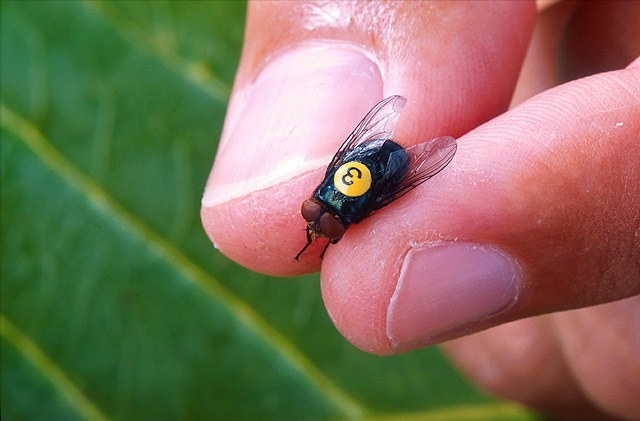
Screwworm Fly
Warm, humid lowlands of the Americas, especially near livestock and wildlife wounds
Soldier Fly
Wetland margins, decaying organic matter, and vegetation near water
Punkie
near marshes, mudflats, ponds, and other standing water