
Louse Fly
Hippoboscidae spp.
A flattened, leathery-bodied fly that clamps onto fur or feathers with stout claws and scuttles sideways like a tiny crab rather than taking flight when disturbed. Several species shed their wings for good once they settle on a permanent host, spending the rest of their lives buried in fleece or plumage.
- Size
- 4–10 mm, flattened leathery body
- Habitat
- Fur or feathers of birds and mammals; woodlands, pastures, and nests
- Danger
- Bites
Spotted a bug like this?
Identify any bug or insect from a photo, free.
Overview
Louse flies make up the family Hippoboscidae, a group of blood-feeding ectoparasites that live directly on the bodies of birds and mammals. Their dorsoventrally flattened, tough exoskeleton lets them slip between hairs or feather shafts and resist being groomed or pecked away, an adaptation shared with true lice even though the two groups are not closely related.
Most species are host-specific at the genus or family level: deer keds (Lipoptena) favor deer, sheep keds (Melophagus ovinus) live on sheep, and various winged genera parasitize songbirds, raptors, swallows, and pigeons. Some species retain fully functional wings throughout life, while others fly only briefly to find a host before breaking off their own wings at a weakened suture, committing permanently to that animal.
Louse flies occur worldwide wherever their host species range, and they are frequently collected by researchers examining bird nests, bat roosts, or mammal pelage. Because they spend nearly their entire life cycle on or very near the host, they are more often noticed by wildlife biologists and hunters than by casual observers.
How to Identify
- Body strongly flattened top-to-bottom, tan to dark brown, with a tough, almost armored cuticle
- Head small and sunk into the thorax; legs short, thick, and tipped with strong grasping claws
- Wings variable: fully developed and functional in many bird-associated species, greatly reduced or entirely absent in the sheep ked and some bat-associated genera
- Moves in quick sideways scuttles rather than walking straight, an easy field clue when one is found on a host or in fur
- Lookalikes include bat flies (families Nycteribiidae and Streblidae), which are similarly flattened but restricted to bats and often even more spider-like in shape
Habitat & Range
Louse flies live directly on their hosts, tucked into fur, wool, or feathers, and are also found in the nests, roosts, and bedding areas where hosts spend time. Winged species disperse short distances by flying from one host to another, especially around nesting colonies, while wingless species like the sheep ked rarely leave the animal at all. They occur on every continent with terrestrial vertebrates and can be present year-round on their hosts, since a warm, sheltered body offers a stable microhabitat regardless of outside weather.
Behavior & Diet
All louse flies are obligate blood feeders as adults, piercing host skin with a stiff proboscis to take periodic blood meals. Their flattened shape, backward-raked bristles, and gripping claws let them cling on even as a host grooms, scratches, shakes, or preens, and they are notoriously difficult to dislodge by hand. Within an ecosystem they act as a minor drain on host energy reserves, though their overall ecological footprint is small compared to mosquitoes or ticks.
Life Cycle
Louse flies are pupiparous, an unusual reproductive strategy shared with tsetse flies: the female retains a single fertilized egg internally, and the larva develops and feeds inside her body rather than in the environment. When fully grown, the larva is deposited already mature and immediately hardens into a puparium, often dropped into a nest, burrow, or patch of soil near the host rather than left on the animal itself. The pupa may rest for weeks before an adult emerges, ready to seek out a host of the appropriate species, and because each female produces only a handful of offspring over her lifetime, populations grow slowly compared with most other flies.
Frequently asked questions
Is a louse fly the same thing as a true louse?
No. Louse flies are true flies (order Diptera, family Hippoboscidae) that only resemble lice in their flattened shape and parasitic lifestyle; true lice belong to a completely different insect order.
Why do some louse flies have no wings?
Species like the sheep ked settle permanently on one host animal and shed or never fully develop wings, since flight is unnecessary once they have found a stable place to live and feed.
What do louse flies eat?
Adult louse flies feed exclusively on the blood of their bird or mammal host, taking small meals directly from the skin.
Where would I typically encounter a louse fly?
Most people encounter them while handling wild deer, birds, or livestock, where the flies are found clinging in the fur or feathers rather than flying freely in the open.
Louse Fly guides
In-depth guides for identifying, understanding, and living alongside Louse Fly.
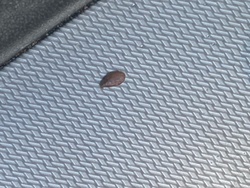
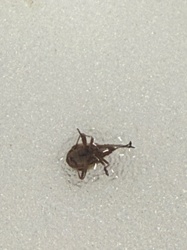
Louse Fly identified by the community
Real finds identified with Bug Identifier.
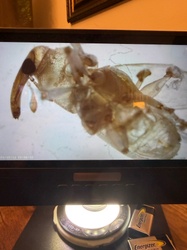

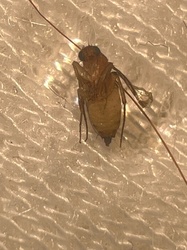
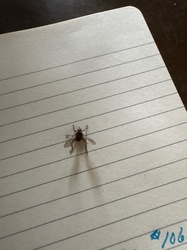
Other bugs you may enjoy
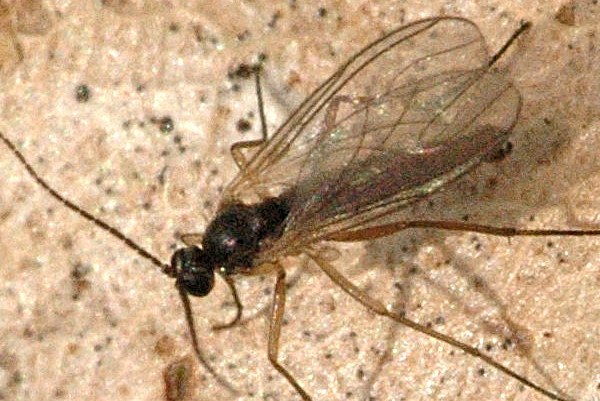
Aphid Midge
Gardens, greenhouses, and crops with aphids
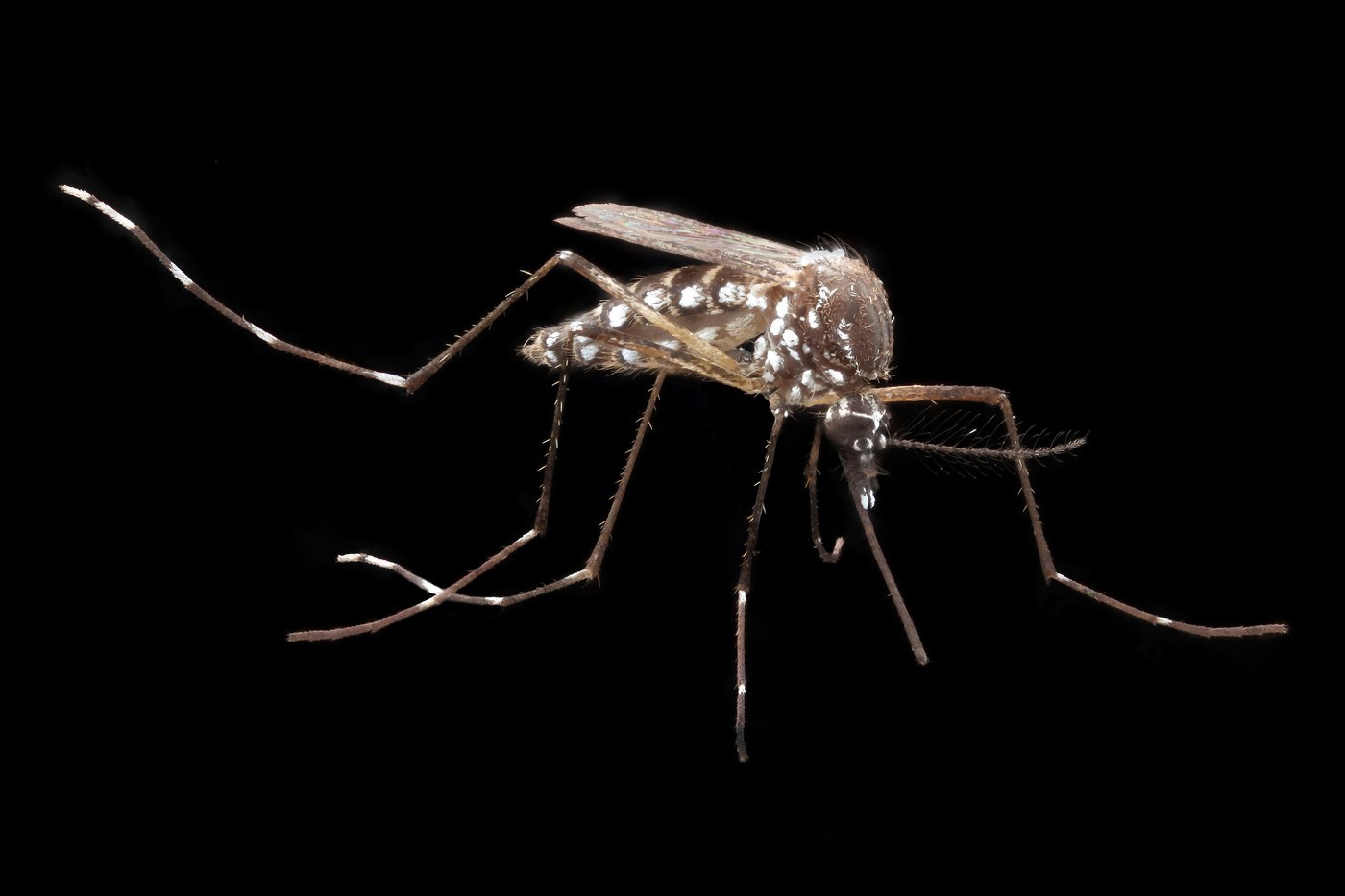
Yellow Fever Mosquito
Urban and peri-urban areas near small artificial water containers in tropical and subtropical regions worldwide
Root Maggot
Garden and field soil around the roots of cole crops and other vegetables
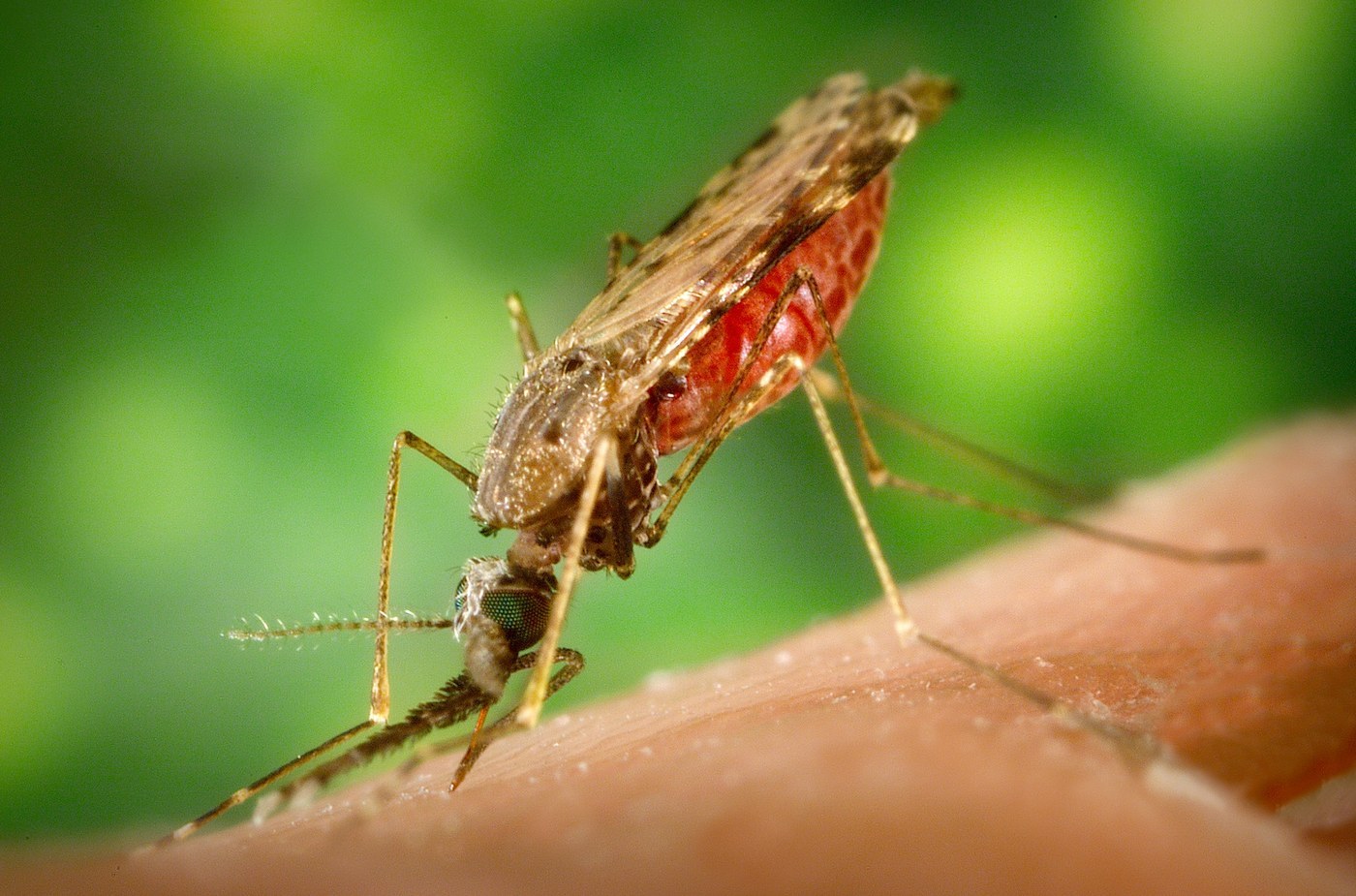
Anopheles Mosquito
Clean, still or slow-moving freshwater habitats such as marshes, ponds, and rice paddies
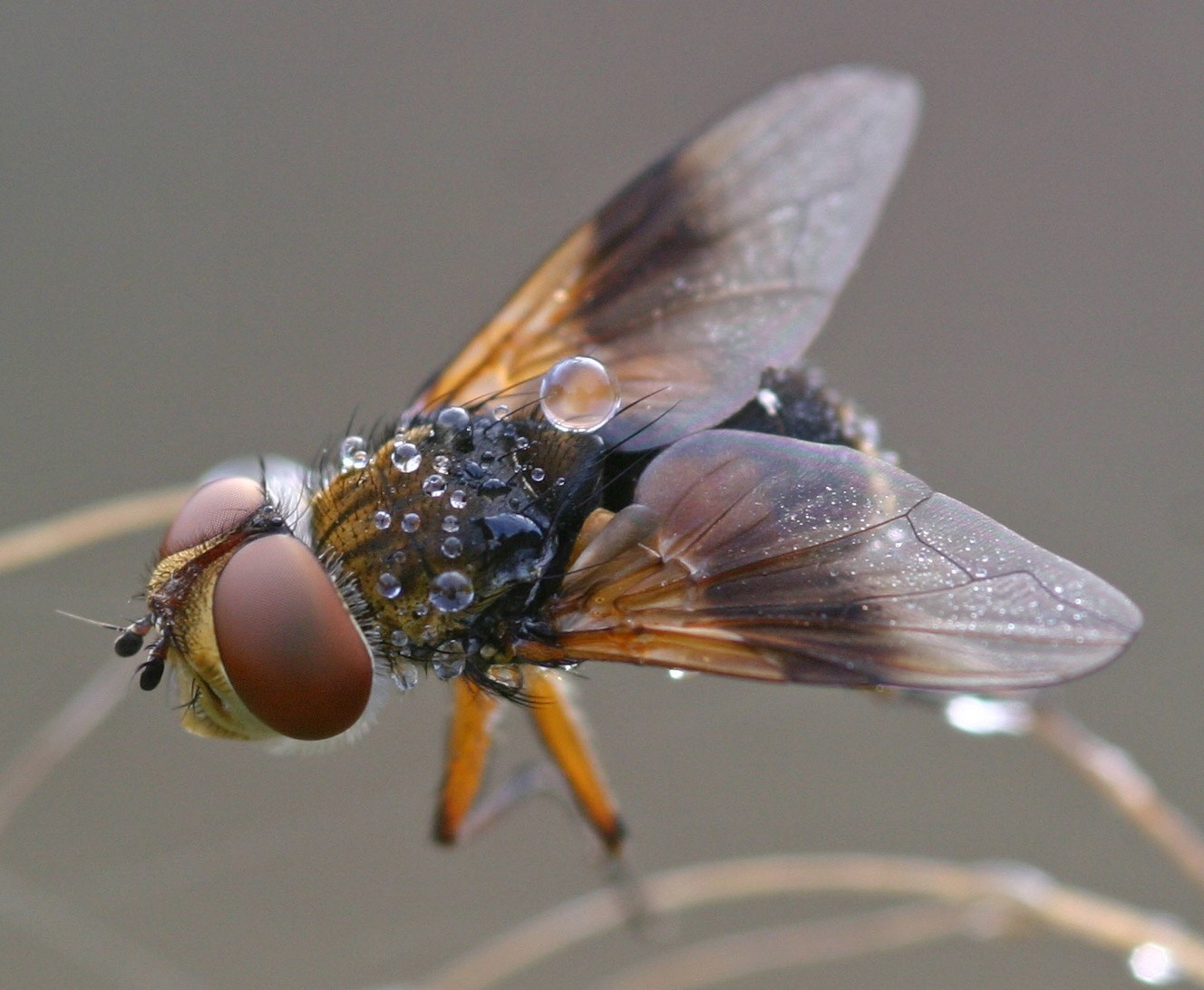
Tachinid Fly
Gardens, meadows, and woodlands wherever host caterpillars and other insects occur
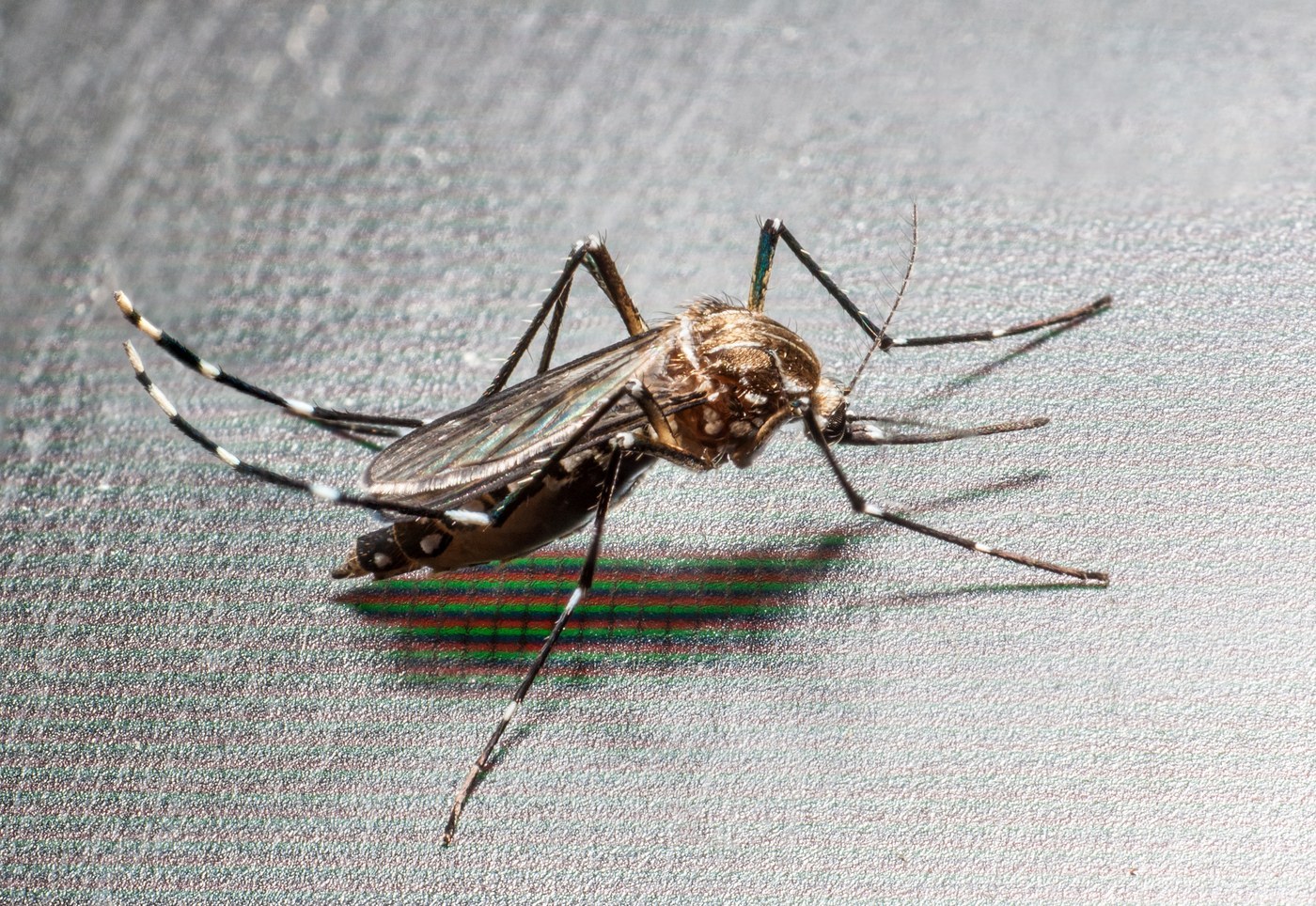
Asian Tiger Mosquito
Shaded urban and suburban areas near small water-holding containers, tires, and tree holes; native to Southeast Asia, now widespread
Tsetse Fly
Wooded savanna, riverine thickets, and forest edges across sub-Saharan Africa
Vinegar Fly
Around overripe fruit, compost, and fermenting materials worldwide
Yellow Dung Fly
Pastures and fields with fresh cattle dung
Screwworm Fly
Warm, humid lowlands of the Americas, especially near livestock and wildlife wounds
Soldier Fly
Wetland margins, decaying organic matter, and vegetation near water
Punkie
near marshes, mudflats, ponds, and other standing water