
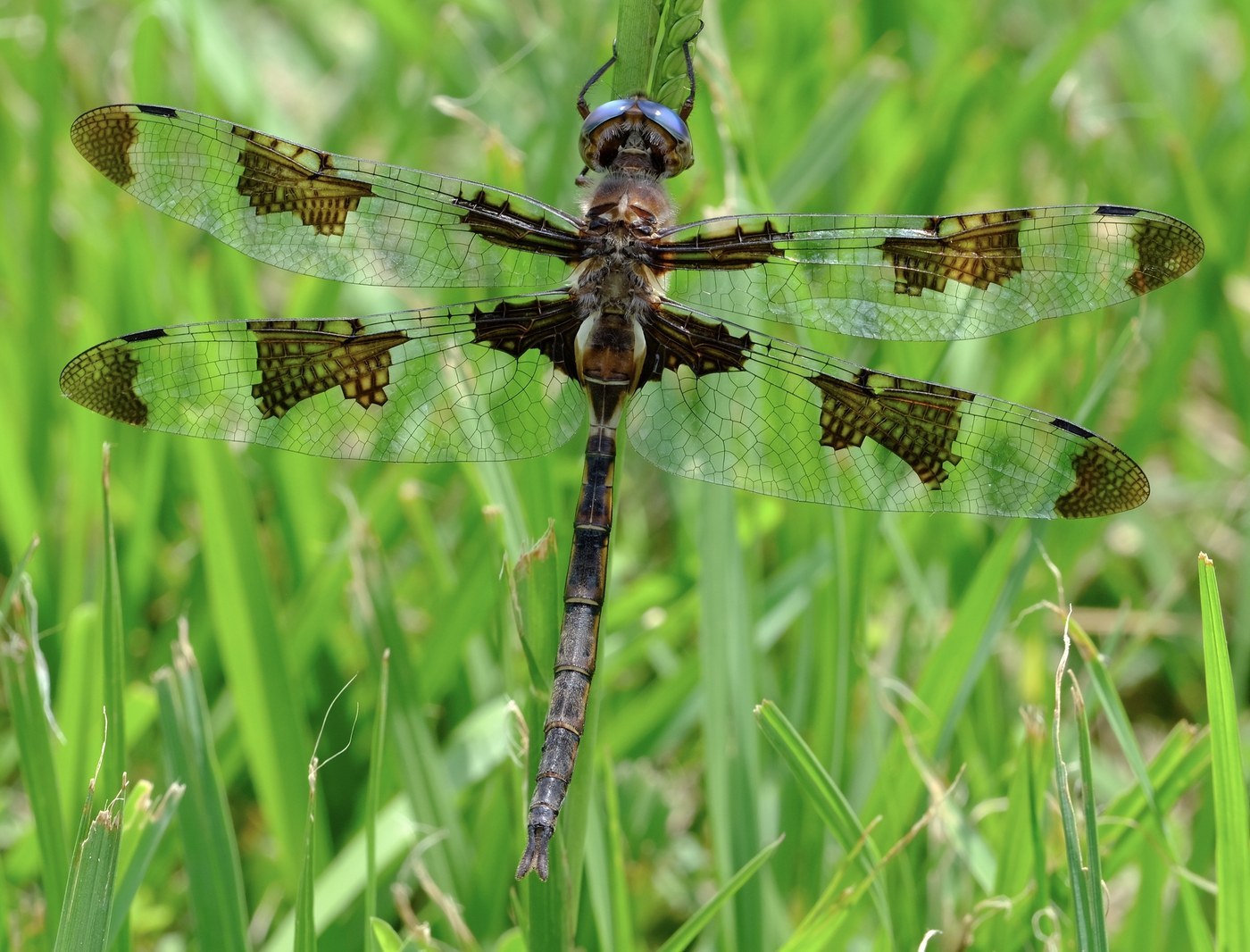
Prince Baskettail
Epitheca princeps
One of the largest baskettail dragonflies, the Prince Baskettail is often seen tirelessly patrolling back and forth over water and open fields, rarely pausing to land.
- Size
- Body length about 2.4-2.8 in (60-70 mm)
- Habitat
- Lakes, ponds, and slow rivers, foraging over open areas
- Danger
- Harmless
Spotted a bug like this?
Identify any bug or insect from a photo, free.
Overview
The Prince Baskettail is a large dragonfly in the emerald family (Corduliidae), notable for its near-constant flight behavior and its habit of foraging well away from water over meadows and clearings. It occurs across much of the eastern and central United States.
The species has a brownish body with pale markings and distinctive brown patches at the base of each wing, and its large size combined with almost continuous, patrolling flight makes it one of the more recognizable large dragonflies where it occurs.
How to Identify
- Brown to dark body with pale yellow or greenish markings along the thorax and abdomen
- Brownish patches at the base of each wing, sometimes with additional spotting further out
- Green or blue-green eyes typical of many emerald family dragonflies
- Notably large size and long, slender abdomen
- Distinguished from smaller baskettail species by its larger size and more extensive wing markings
Habitat & Range
Prince Baskettails breed in lakes, ponds, and slow-moving rivers, but adults frequently forage far from water over meadows, woodland edges, and open fields. The species ranges across much of the eastern and central United States. Adults are typically seen from late spring through summer.
Behavior & Diet
This dragonfly is known for its almost tireless flight, cruising back and forth over open areas for extended periods while catching small flying insects such as gnats, mosquitoes, and flies. It rarely perches for long, making it easier to identify by its flight behavior and silhouette than by close inspection. The aquatic nymphs are sit-and-wait predators among submerged debris and vegetation in their home lake or pond, preying on other invertebrates and contributing to the aquatic food web.
Life Cycle
Females lay eggs in a distinctive manner, releasing a long, gelatinous string of eggs that they dip repeatedly into the water while flying over the pond or lake surface. The eggs hatch into nymphs that live among bottom debris and vegetation, growing through a series of molts over roughly one to two years while preying on small aquatic invertebrates. When development is complete, mature nymphs climb out of the water to undergo a final molt into the winged adult form. Adults live for several weeks, spending much of that time in near-continuous foraging flight before mating and egg-laying occur.
Frequently asked questions
Why does the Prince Baskettail rarely seem to land?
It forages by flying almost continuously over open water and fields to catch small flying insects, only briefly perching to rest.
What does 'baskettail' refer to?
The name comes from the way females release eggs in a long, basket- or string-like gelatinous strand while dipping the abdomen into the water.
Where can Prince Baskettails be seen away from water?
Adults often forage over meadows, fields, and woodland clearings well away from the ponds or lakes where they breed.
How large is a Prince Baskettail compared to other baskettails?
It is one of the largest baskettail species, noticeably bigger than most of its relatives in the genus.
Prince Baskettail guides
In-depth guides for identifying, understanding, and living alongside Prince Baskettail.
Other bugs you may enjoy
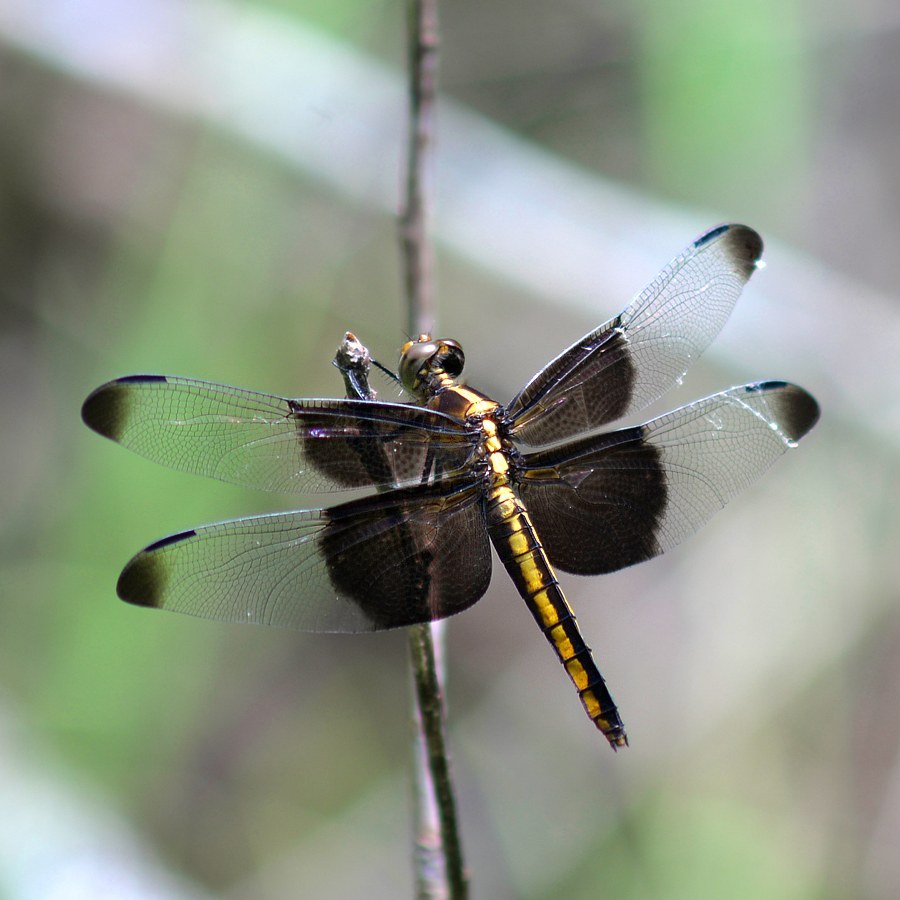
Widow Skimmer
ponds, lakes, and slow-moving streams with open shoreline vegetation across much of the United States
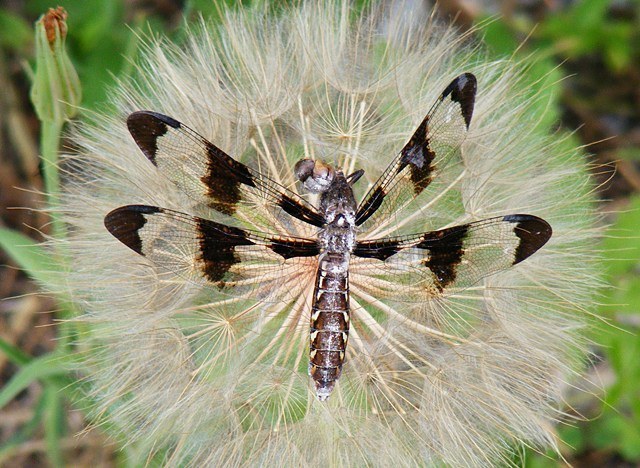
Twelve-spotted Skimmer
Ponds, lakes, and slow streams with open, sunny shorelines
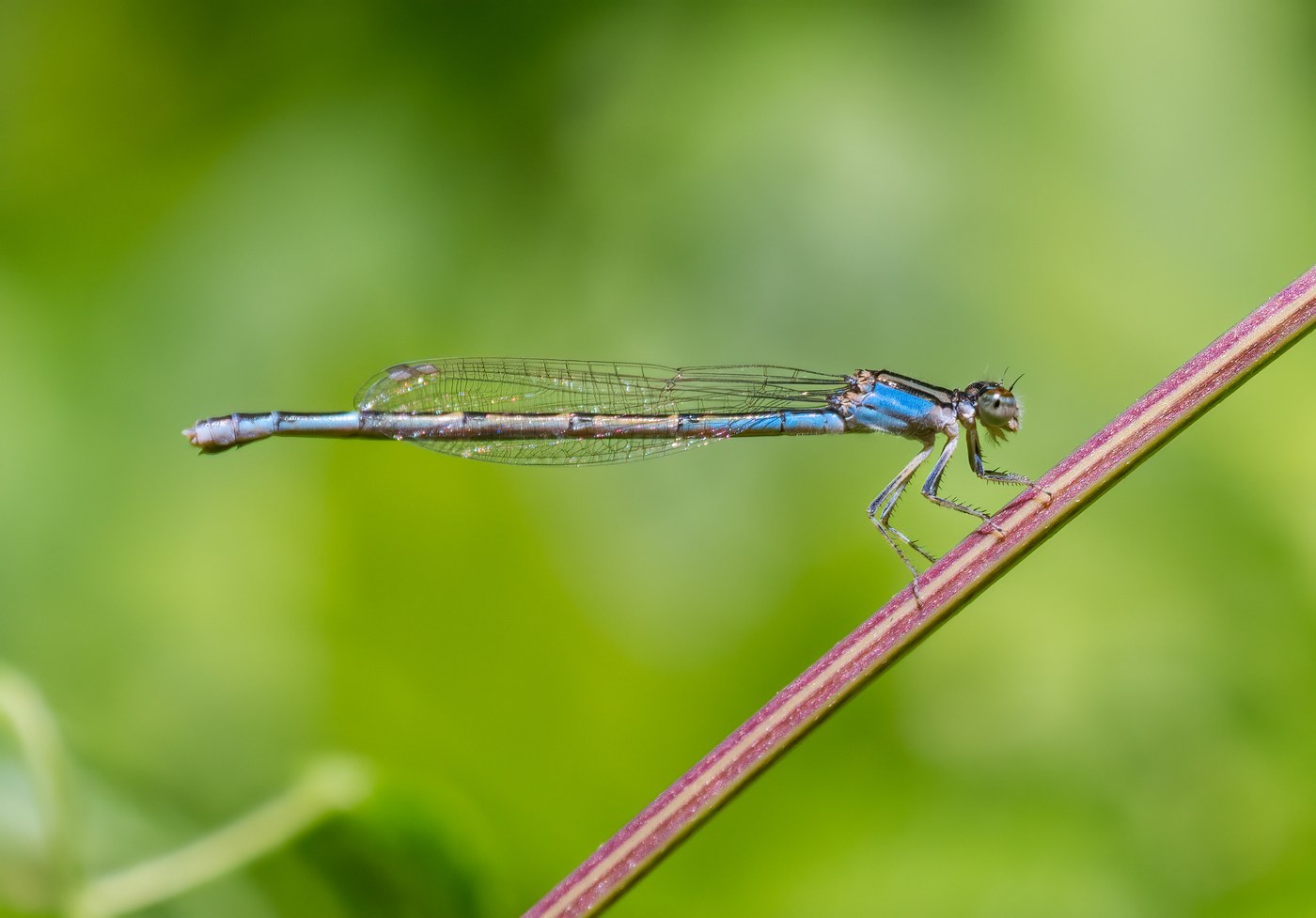
Azure Bluet
ponds, lakes, and slow streams with abundant aquatic vegetation
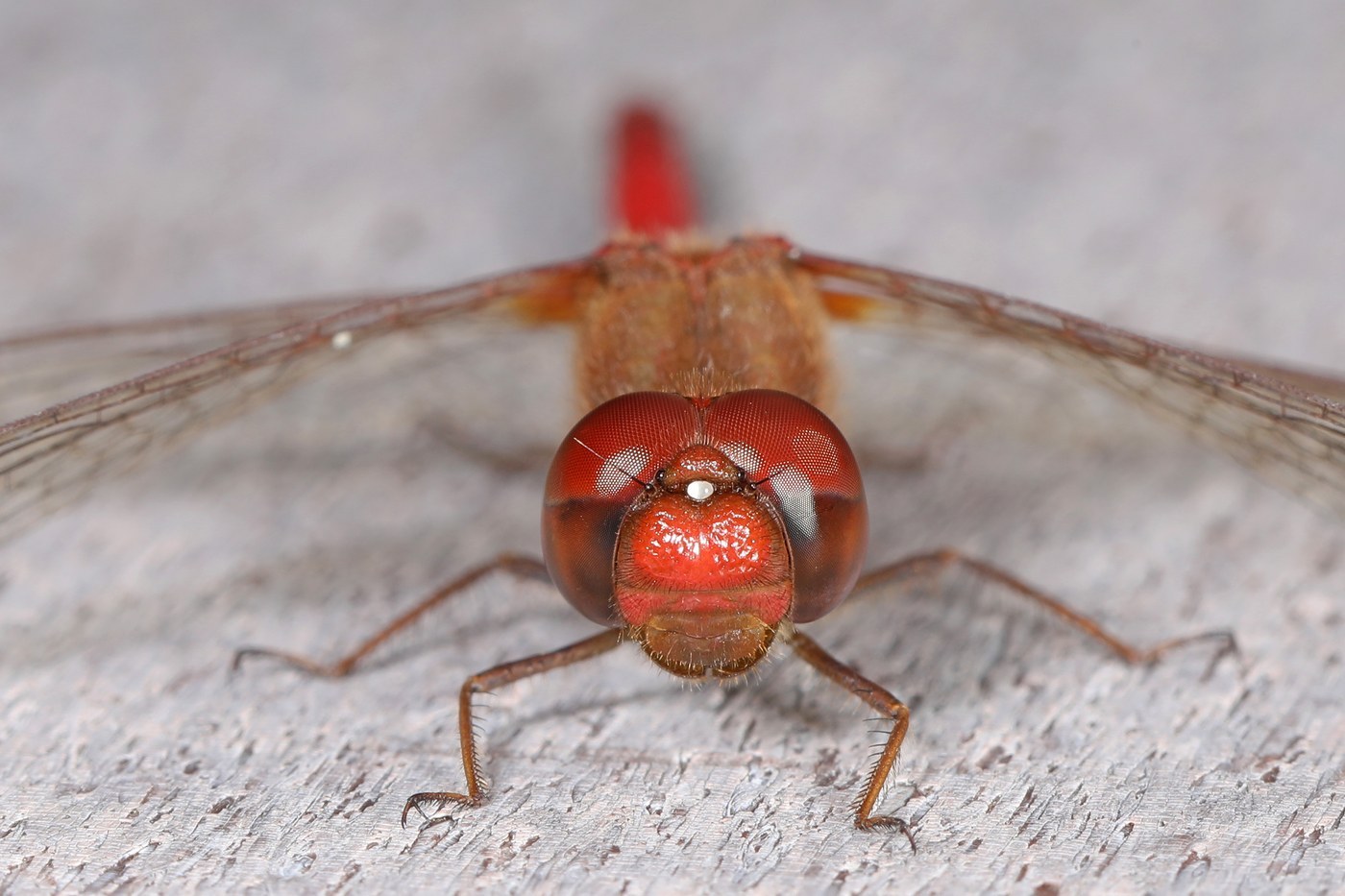
Autumn Meadowhawk
Ponds, marshes, and slow streams, often lingering into late fall
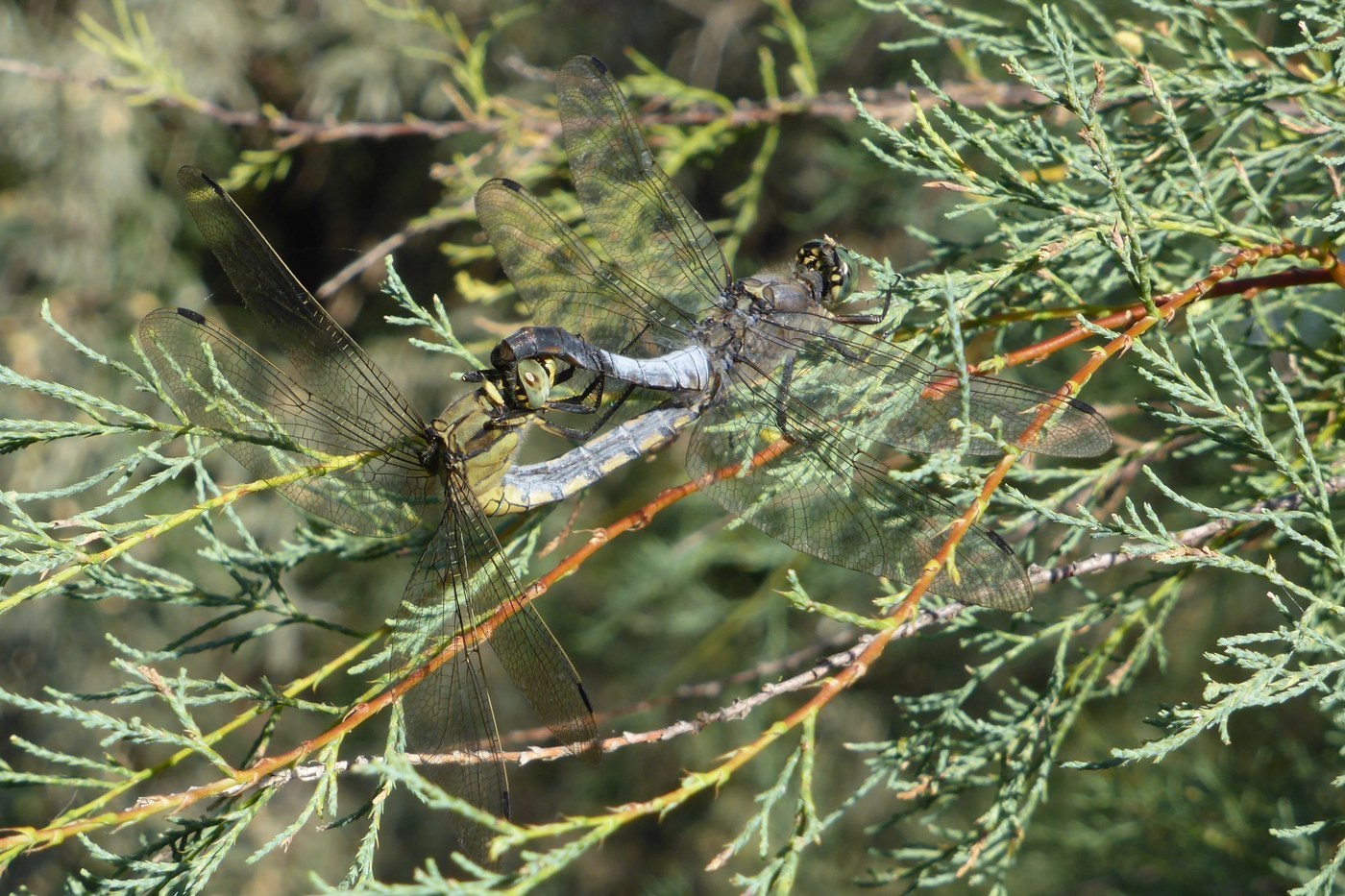
Spangled Skimmer
Ponds, lakes, and marshes with open sunny shorelines
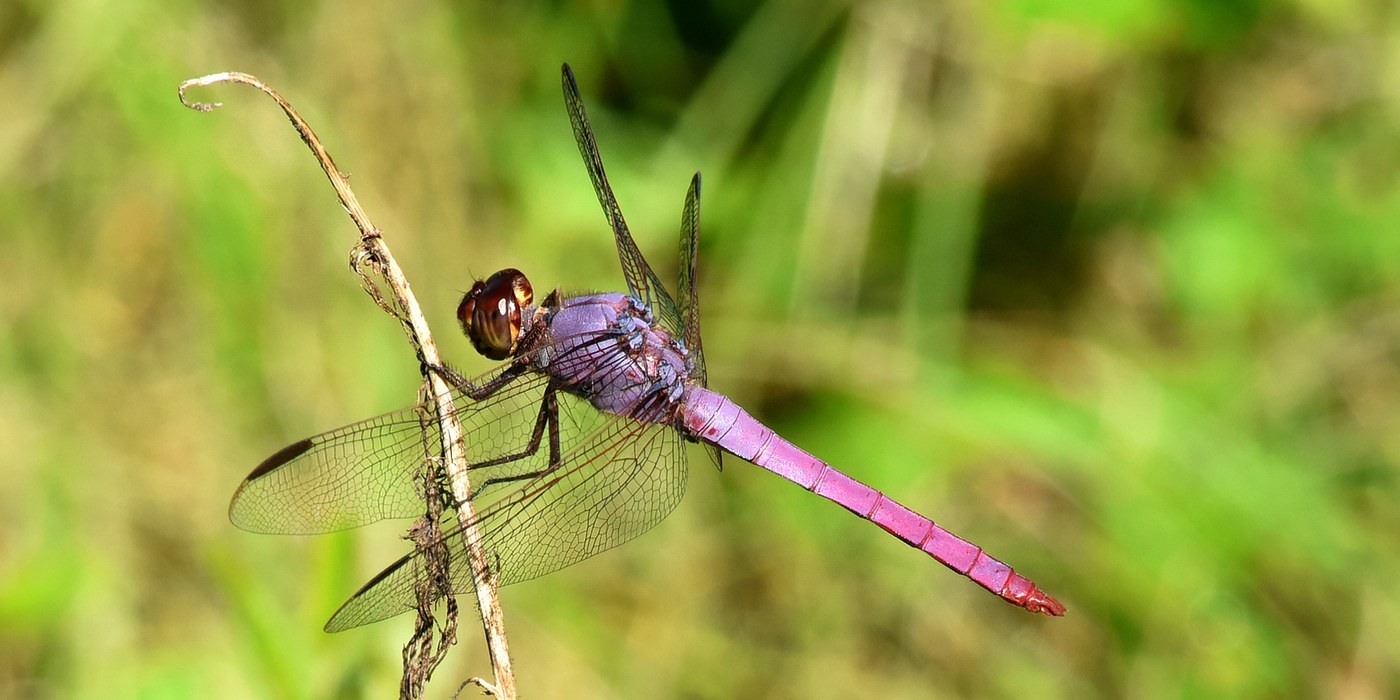
Roseate Skimmer
Ponds, ditches, and canals across the southern United States
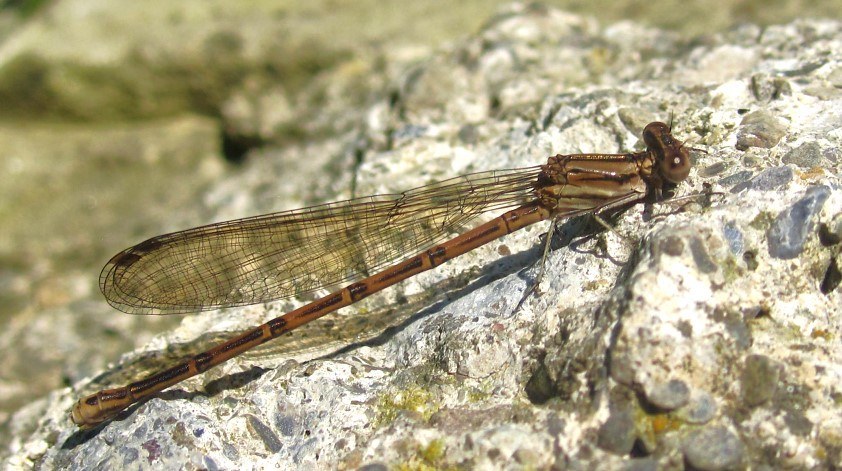
Variable Dancer
streams, rivers, and pond margins, especially in wooded or partly shaded settings
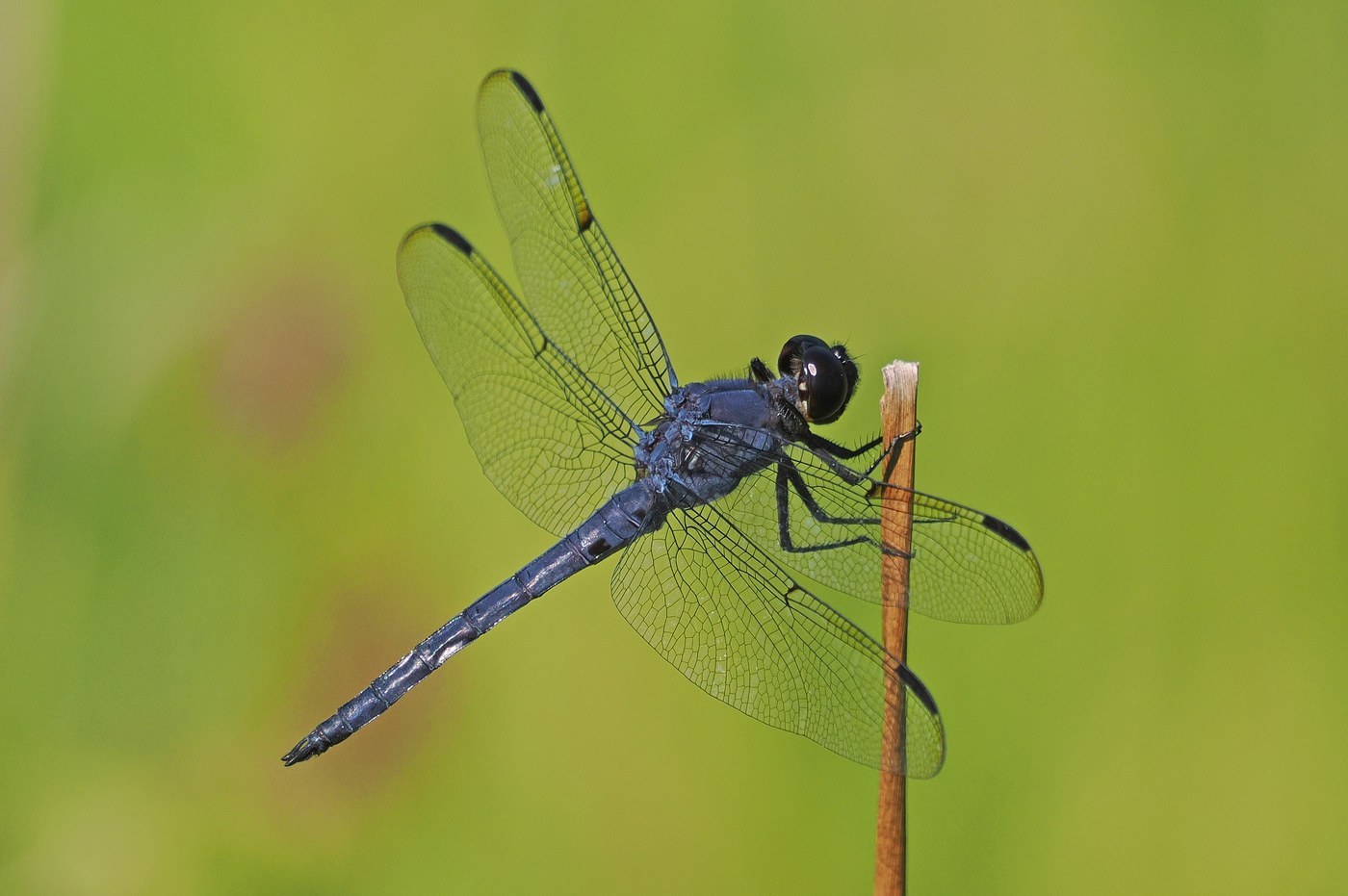
Slaty Skimmer
Still or slow-moving ponds, lakes, and marshes with open shoreline
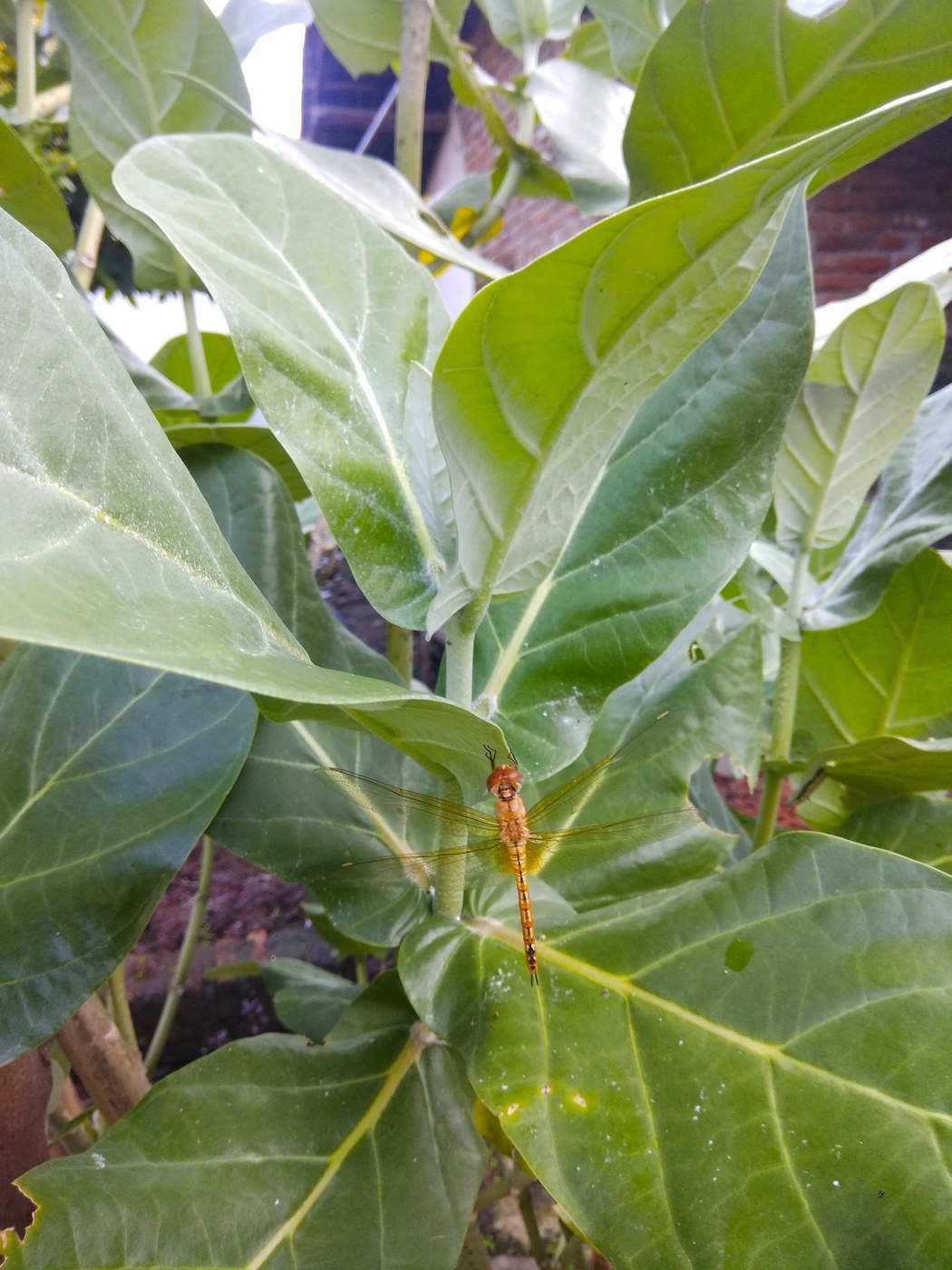
Wandering Glider
Temporary pools, open fields, and coastlines nearly worldwide
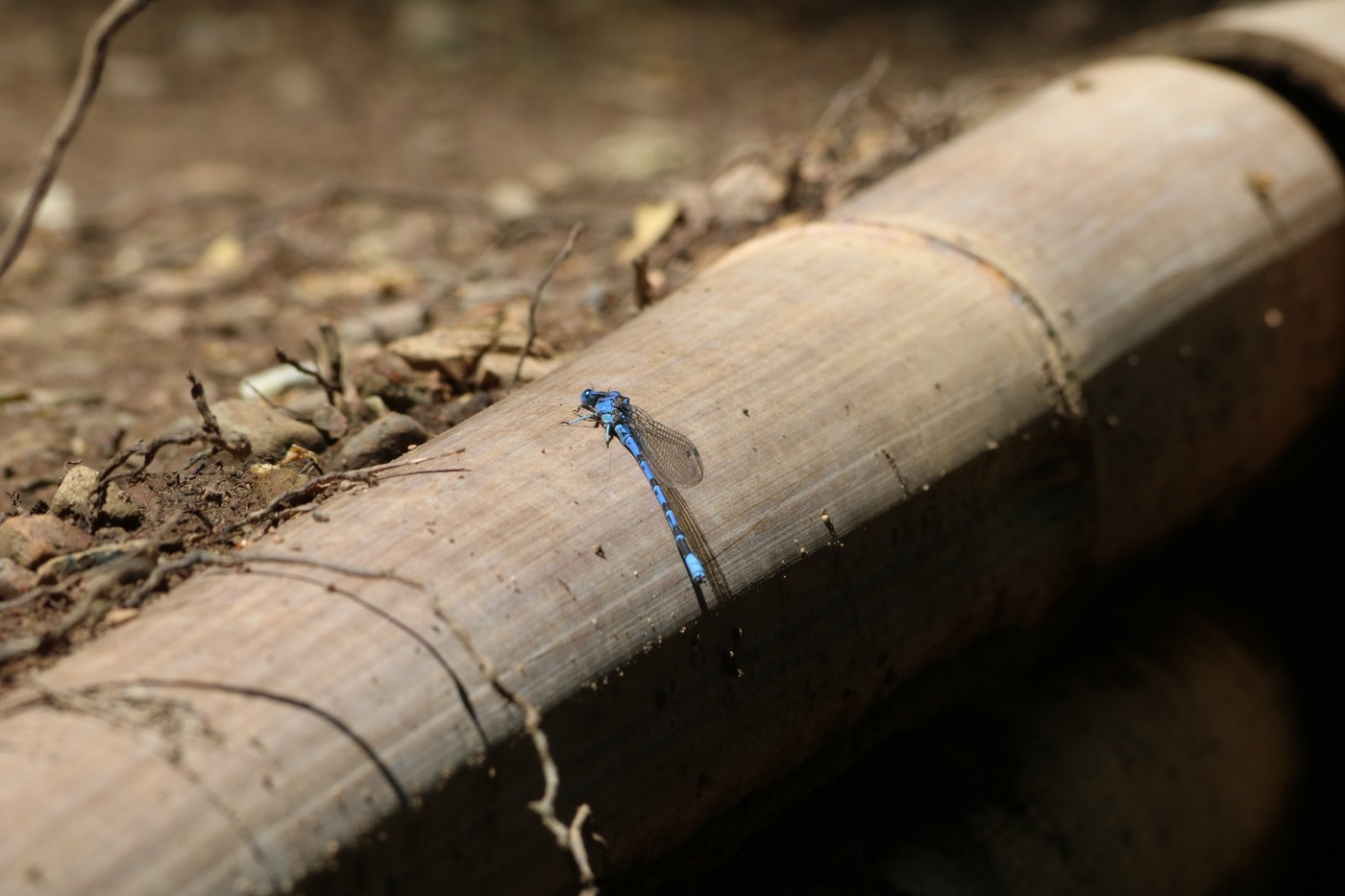
Vivid Dancer
rocky streams, seeps, and spring-fed creeks, often near thermal or warm springs
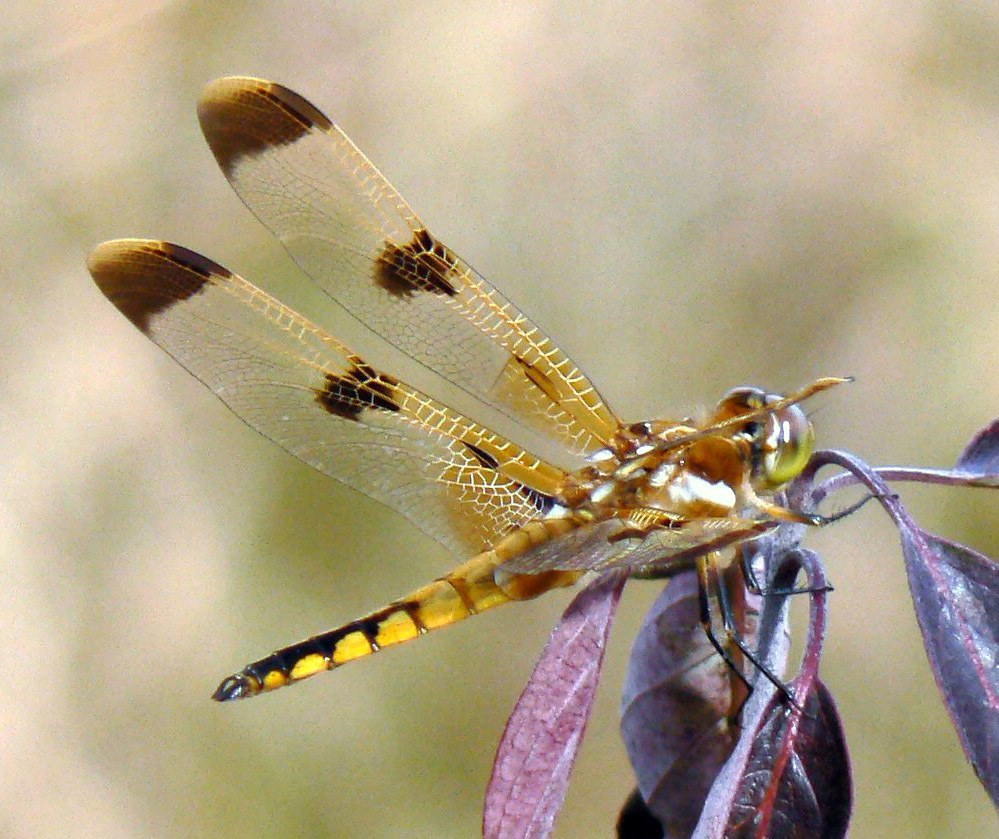
Painted Skimmer
Ponds, marshes, and slow-moving vegetated waters, including temporary pools
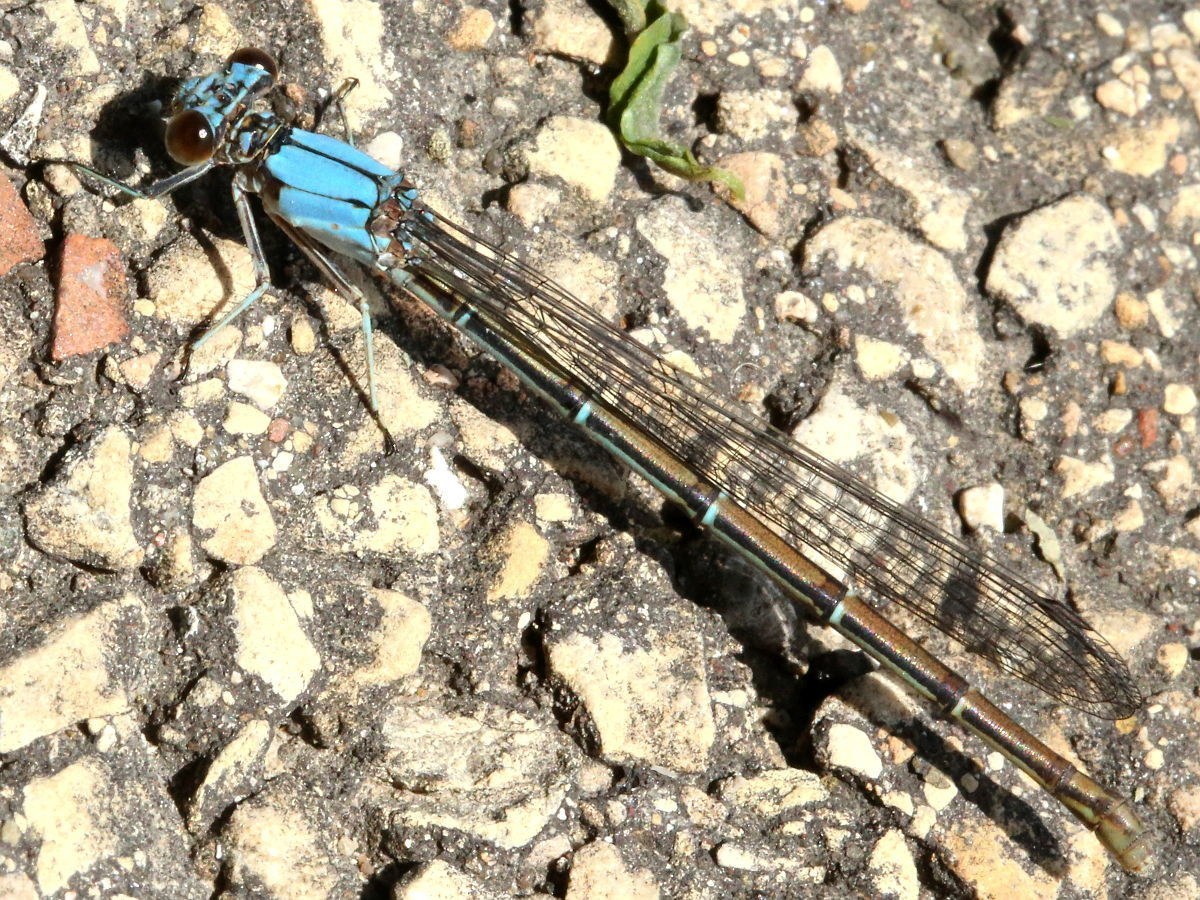
Powdered Dancer
rocky and gravelly rivers, streams, and lake shorelines