
Red Paper Wasp
Polistes carolina
A large, rusty-red paper wasp that builds open, umbrella-shaped nests under eaves and in sheltered structures, often seen hovering near its comb.
- Size
- 20–25 mm
- Habitat
- Eaves, porch ceilings, sheds, open woodland edges, gardens
- Danger
- Stings
Spotted a bug like this?
Identify any bug or insect from a photo, free.
Overview
The Red Paper Wasp is a robust member of the genus Polistes, the paper wasps, within the family Vespidae. It is one of the largest common paper wasps in North America, easily recognized by its overall brick-red to mahogany body color, which sets it apart from the more familiar black-and-yellow paper wasp species.
Like other Polistes, it is a social wasp that builds small, open-comb nests rather than the enclosed papery balls made by hornets and yellowjackets. These nests are constructed from chewed wood fibers mixed with saliva, giving them a gray, papery texture.
Ecologically, the Red Paper Wasp is valued as a predator of caterpillars and other soft-bodied insect pests, which it captures to feed its developing larvae, making colonies a natural check on garden and crop pests through the warmer months.
How to Identify
- Body almost entirely reddish-brown to dark mahogany, sometimes with dark wings that show a faint bluish or purplish sheen.
- Slender waist (petiole) typical of paper wasps, with long legs that dangle noticeably during flight.
- Smooth, hairless-looking exoskeleton compared to the fuzzier bumblebee-mimicking bees.
- Nest is an open, umbrella-shaped comb of hexagonal cells with no outer envelope, usually attached by a single stalk.
- Lookalikes: can be confused with the smaller, more common Polistes exclamans or with velvet ants, but its size and uniform red coloring are distinctive.
Habitat & Range
Found across the southeastern and central United States, favoring warm climates. Colonies are commonly built under roof eaves, porch ceilings, window frames, in sheds, and among dense shrubbery. Activity peaks from late spring through early fall, with wasps becoming inactive and seeking shelter once cold weather arrives.
Behavior & Diet
Red Paper Wasps live in small, cooperative colonies founded by one or more overwintered queens (foundresses) each spring. Workers forage for nectar as an energy source and hunt caterpillars and other insect larvae, which they chew into a pulp to feed the brood. Colonies are generally not aggressive away from the nest but will defend it if disturbed, and adults can sting in defense of the colony. Their steady, hovering flight pattern near a nest site is a common way people first notice them.
Life Cycle
Mated queens overwinter individually in bark crevices or wall voids, then emerge in spring to found new nests alone. The queen lays eggs in individual cells; these hatch into legless larvae that are fed chewed insect prey, then pupate and emerge as workers. Workers take over foraging and nest-building, allowing the queen to focus on egg-laying. Colonies grow through summer, producing new queens and males in late summer, after which the old colony declines and only new mated queens survive winter, giving the species one generation per year.
Frequently asked questions
Is the Red Paper Wasp the same as a hornet?
No. True hornets build enclosed papery nests, while the Red Paper Wasp builds an open, umbrella-shaped comb with no outer covering.
How can I tell it apart from other paper wasps?
Its almost entirely reddish-brown body and larger size distinguish it from the more common black-and-yellow patterned paper wasp species.
Where are Red Paper Wasp nests usually found?
Under roof eaves, porch ceilings, in sheds, and tucked into dense shrubs or structural overhangs.
What does it eat?
Adults feed on nectar, while the larvae are fed chewed caterpillars and other soft-bodied insects gathered by the workers.
Red Paper Wasp guides
In-depth guides for identifying, understanding, and living alongside Red Paper Wasp.
Other bugs you may enjoy
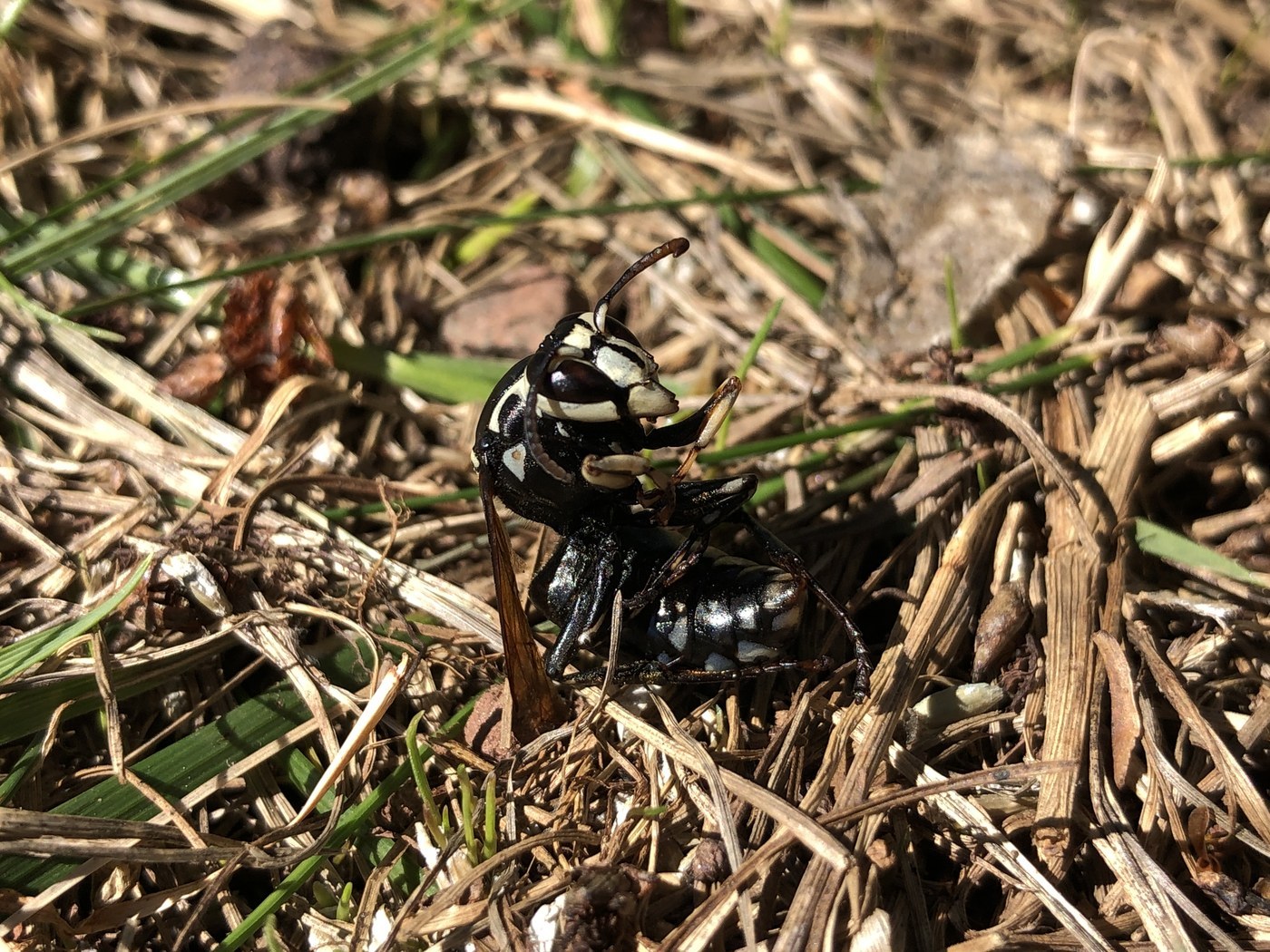
Bald-faced Hornet
Woodland edges, shrubs, and tree branches across North America
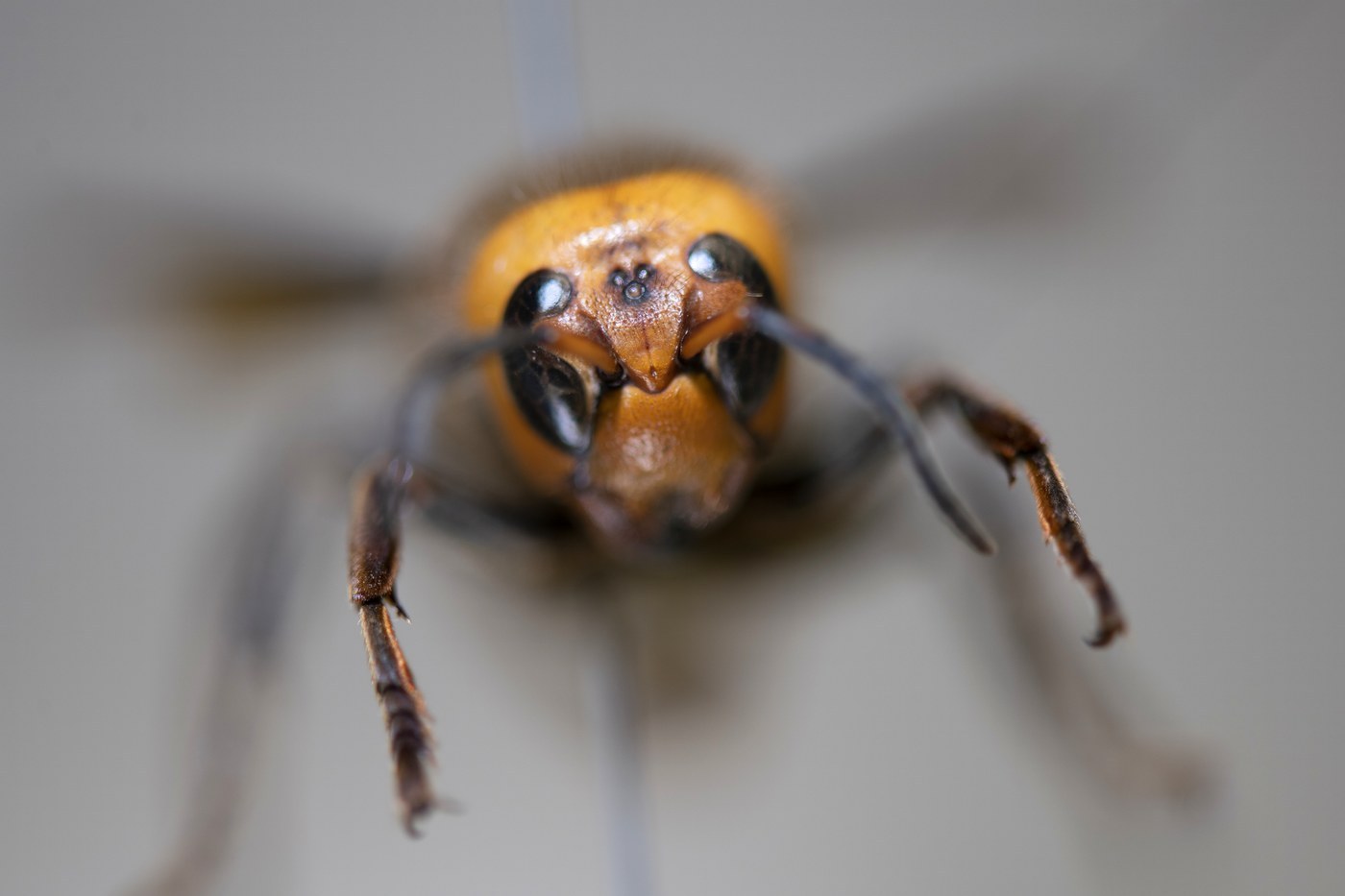
Asian Giant Hornet
Forested lowlands and mountains of East and South Asia; low tree hollows
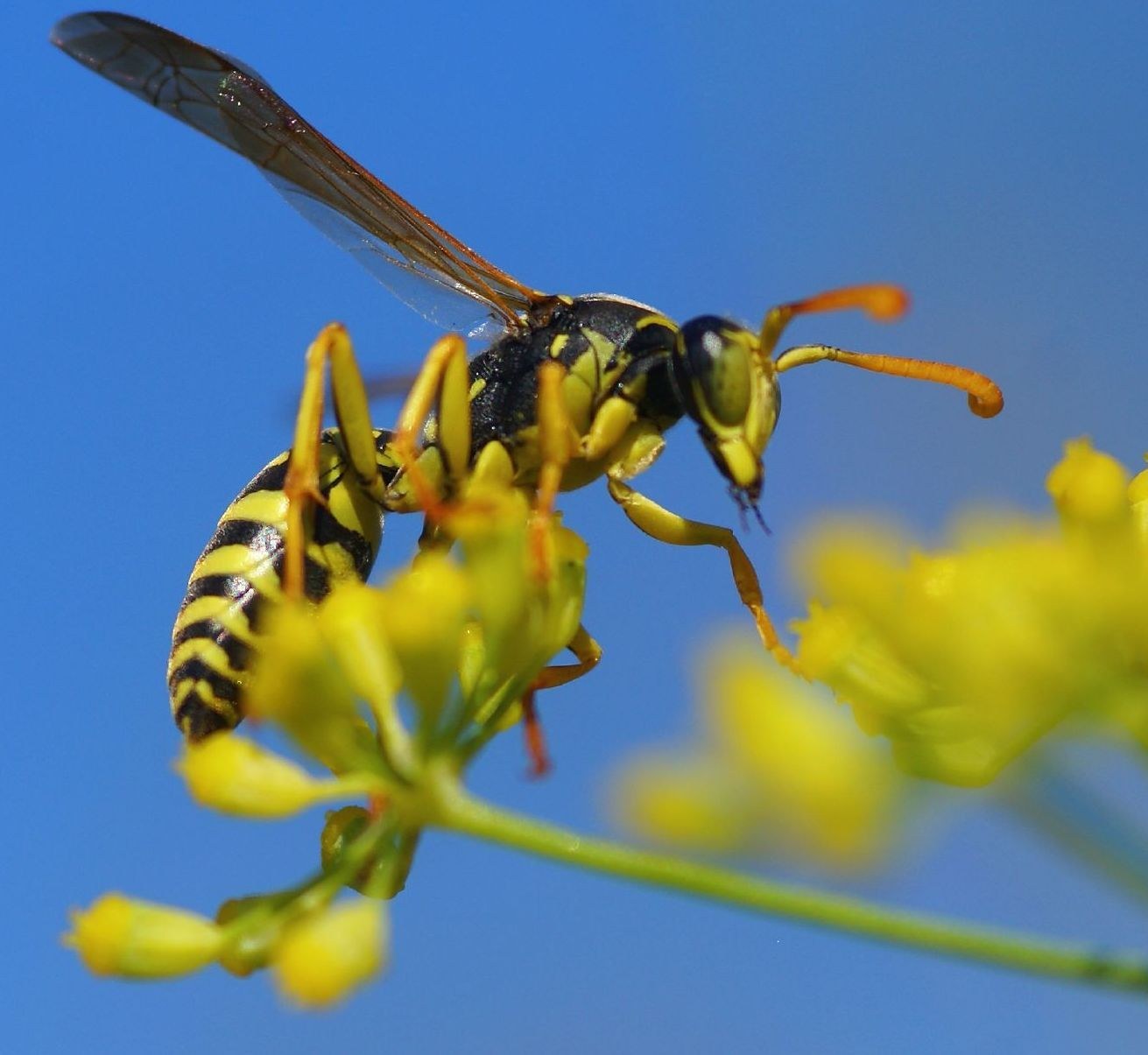
Yellowjacket
Underground nests, wall voids, gardens, picnic areas
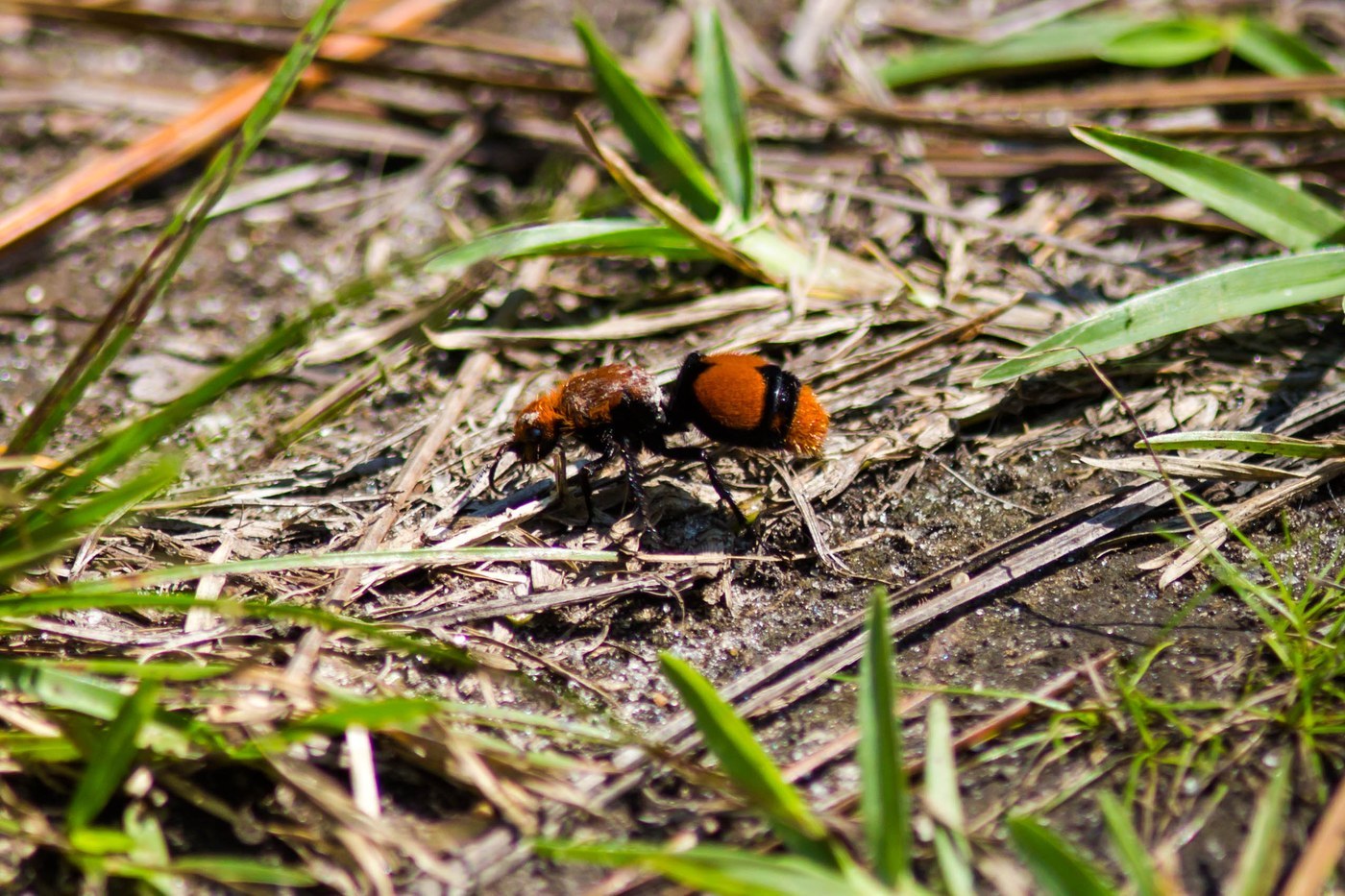
Velvet Ant
Sandy soils, open fields, dunes, roadsides in warm regions
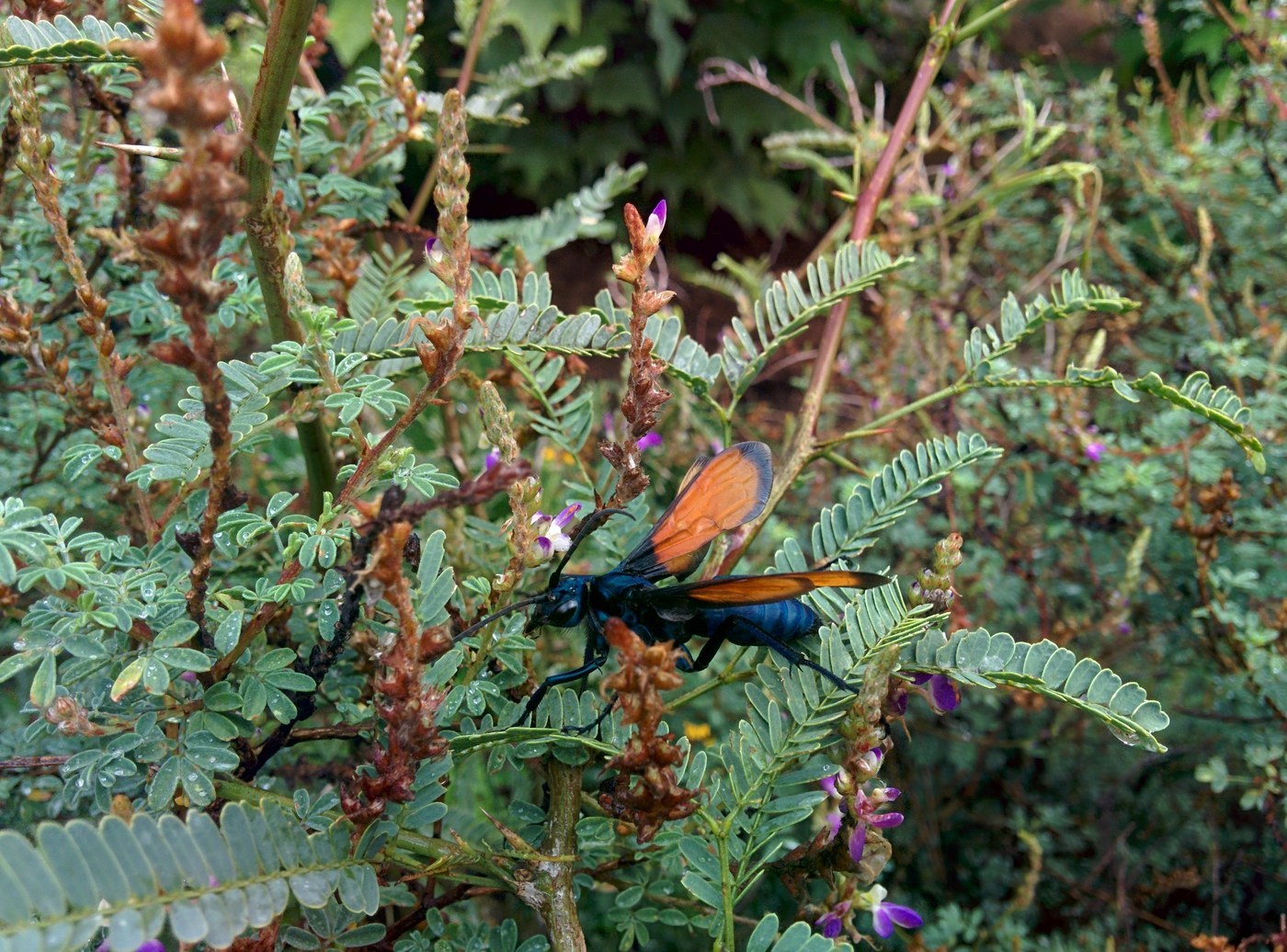
Tarantula Hawk
Deserts, arid scrublands, and dry grasslands
Tarantula Hawk Wasp
Deserts, grasslands, and scrub of the Americas
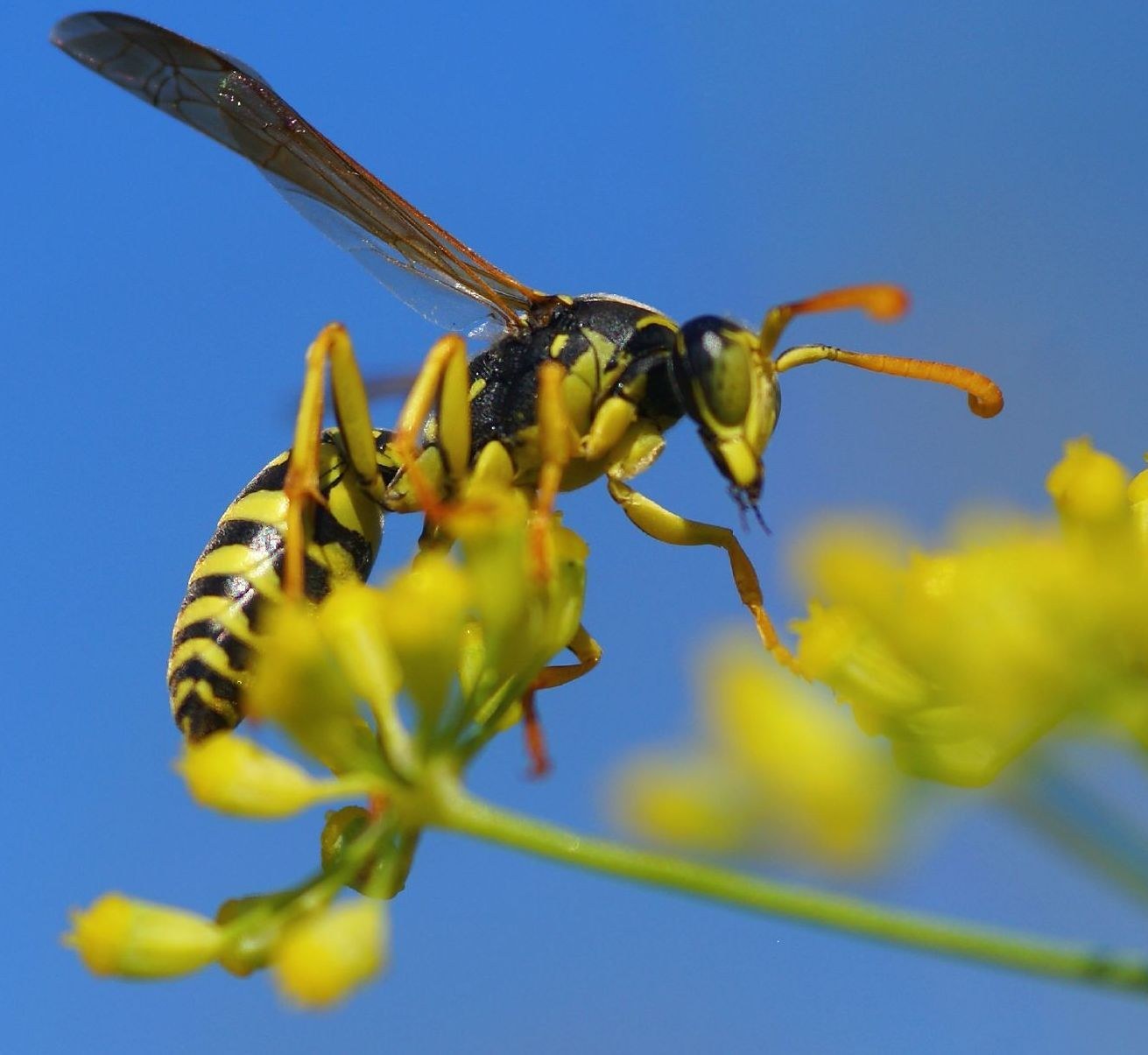
Wasp
Gardens, woodlands, eaves, and urban areas worldwide
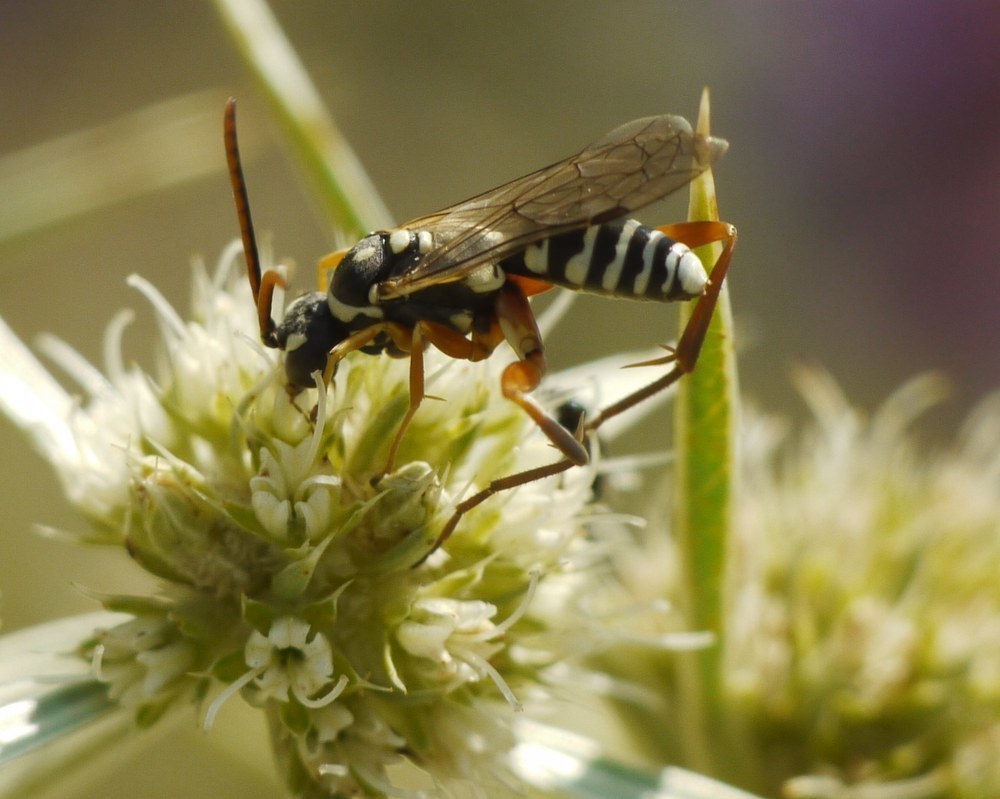
Spider Wasp
Gardens, grasslands, and sandy open areas worldwide
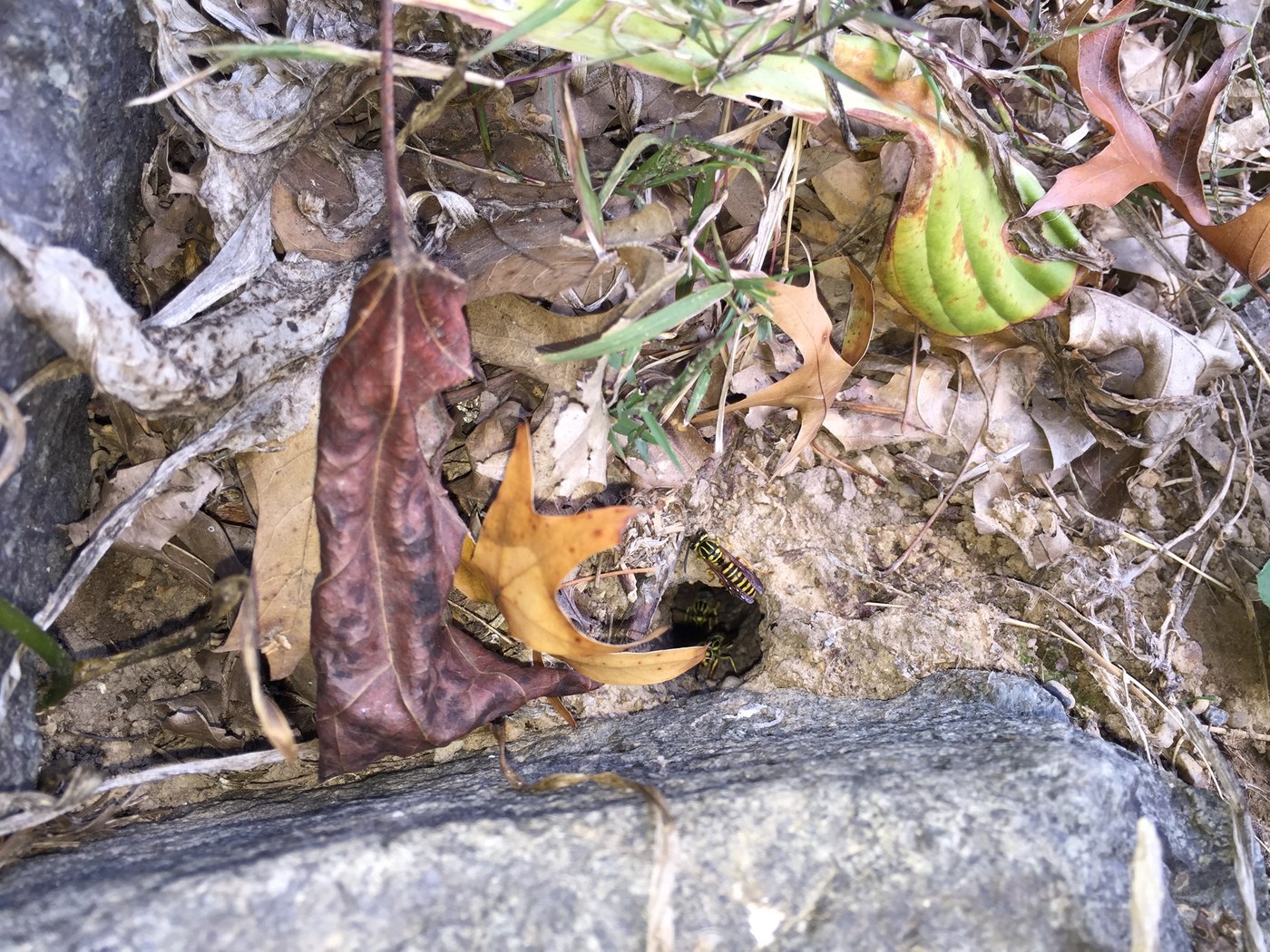
Yellow Jacket
Ground nests, wall voids, parks, and areas near food sources
Sawfly
Gardens, woodlands, and orchards on host foliage
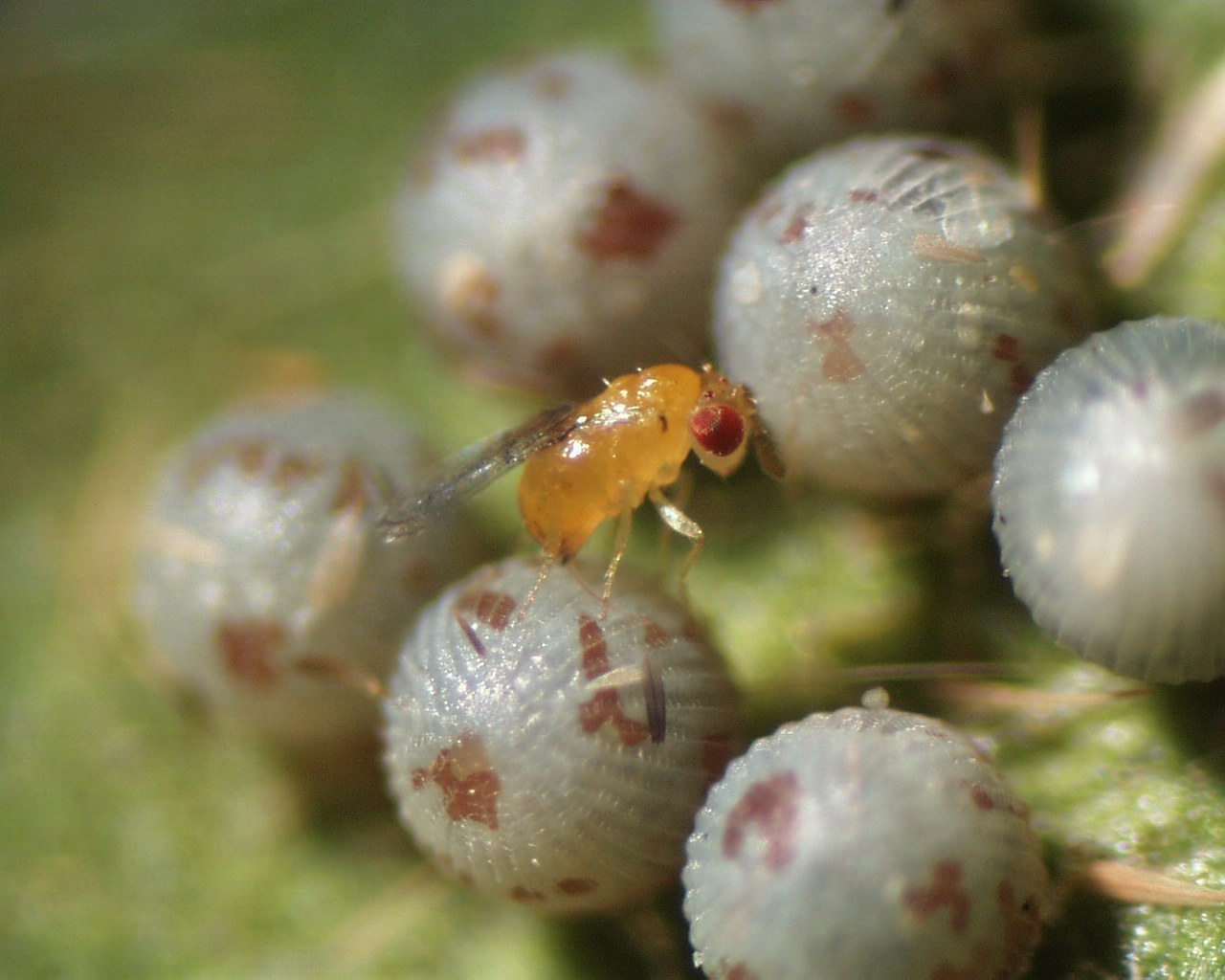
Trichogramma Wasp
Fields, gardens, and crops worldwide
Sand Wasp
Sandy soils, dunes, beaches, and bare open ground