
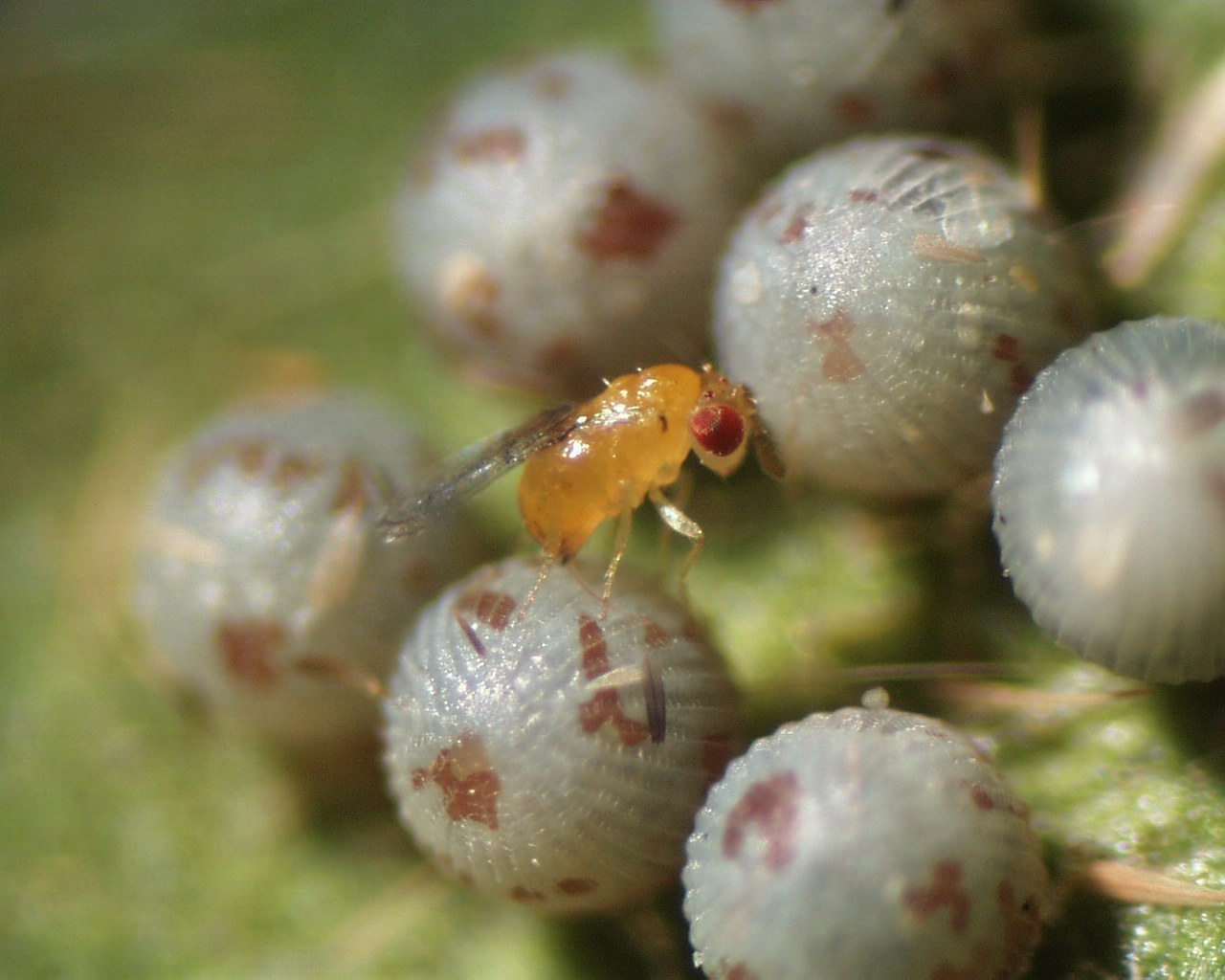
Trichogramma Wasp
Genus Trichogramma
Barely larger than a speck of dust, the trichogramma wasp is one of the tiniest insects known. These minute parasitoids lay their eggs inside the eggs of moths and butterflies.
- Size
- About 0.3-0.5 mm
- Habitat
- Fields, gardens, and crops worldwide
- Danger
- Harmless
Spotted a bug like this?
Identify any bug or insect from a photo, free.
Overview
Trichogramma wasps are among the smallest insects in the world, with adults measuring only a fraction of a millimeter. They belong to a genus of minute parasitoid wasps that develop entirely inside the eggs of other insects, chiefly moths and butterflies.
These wasps have a nearly global distribution and are found wherever their host insects live, from farm fields to gardens and wild habitats. Because they attack the eggs of many caterpillar species before those pests can hatch and feed, trichogramma wasps are widely used as biological control agents in agriculture.
Despite their tiny size, these wasps are efficient hunters, with females detecting host eggs by scent and touch. A single moth egg can host the complete development of one or more trichogramma wasps.
How to Identify
Look for these features:
- Extremely tiny size, roughly 0.3 to 0.5 mm, near the limit of unaided vision
- Stout body, usually yellowish to brownish
- Short, few-segmented antennae
- Fringed wings visible only under magnification
- Almost always associated with the eggs of moths or butterflies
Due to their size they are hard to distinguish from other minute wasps without a microscope, but their association with host eggs is characteristic.
Habitat & Range
Trichogramma wasps occur worldwide in nearly every terrestrial habitat where their host insects are present, including croplands, orchards, gardens, grasslands, and forests. They are active in warm growing seasons and are commonly reared and released in agricultural settings for pest management.
Behavior & Diet
Female trichogramma wasps search foliage for the eggs of moths and butterflies, then lay their own eggs inside them. The developing wasp larva consumes the host egg contents, preventing the pest caterpillar from hatching. This egg-parasitoid behavior makes them valuable natural enemies of many crop pests and important regulators of insect populations.
Life Cycle
Trichogramma wasps undergo complete metamorphosis entirely within a single host egg. A female inserts one or more eggs into a host egg; the larva hatches inside, feeds on the contents, and pupates there, often turning the host egg dark. The adult then chews its way out. The full cycle is very rapid, sometimes only a week or two in warm conditions, allowing many overlapping generations per season.
Frequently asked questions
How small is a trichogramma wasp?
Adults are only about 0.3 to 0.5 mm, making them among the tiniest known insects.
What do they parasitize?
They lay their eggs inside the eggs of moths and butterflies, where their larvae develop.
Why are they used in agriculture?
By destroying pest eggs before caterpillars hatch, they act as natural biological control agents.
Can they harm people?
No. They are harmless to people and attack only the eggs of other insects.
Trichogramma Wasp guides
In-depth guides for identifying, understanding, and living alongside Trichogramma Wasp.
Other bugs you may enjoy
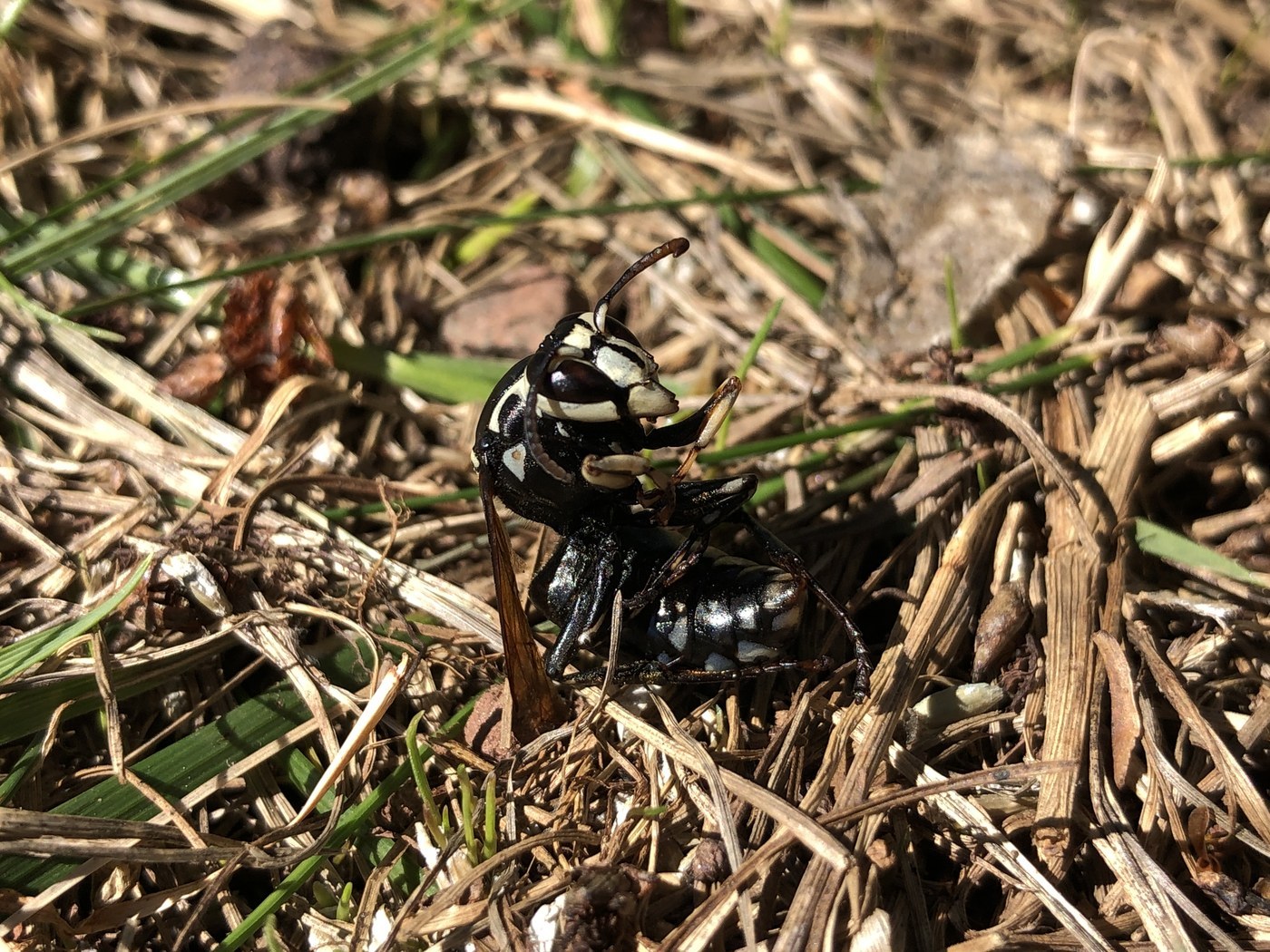
Bald-faced Hornet
Woodland edges, shrubs, and tree branches across North America
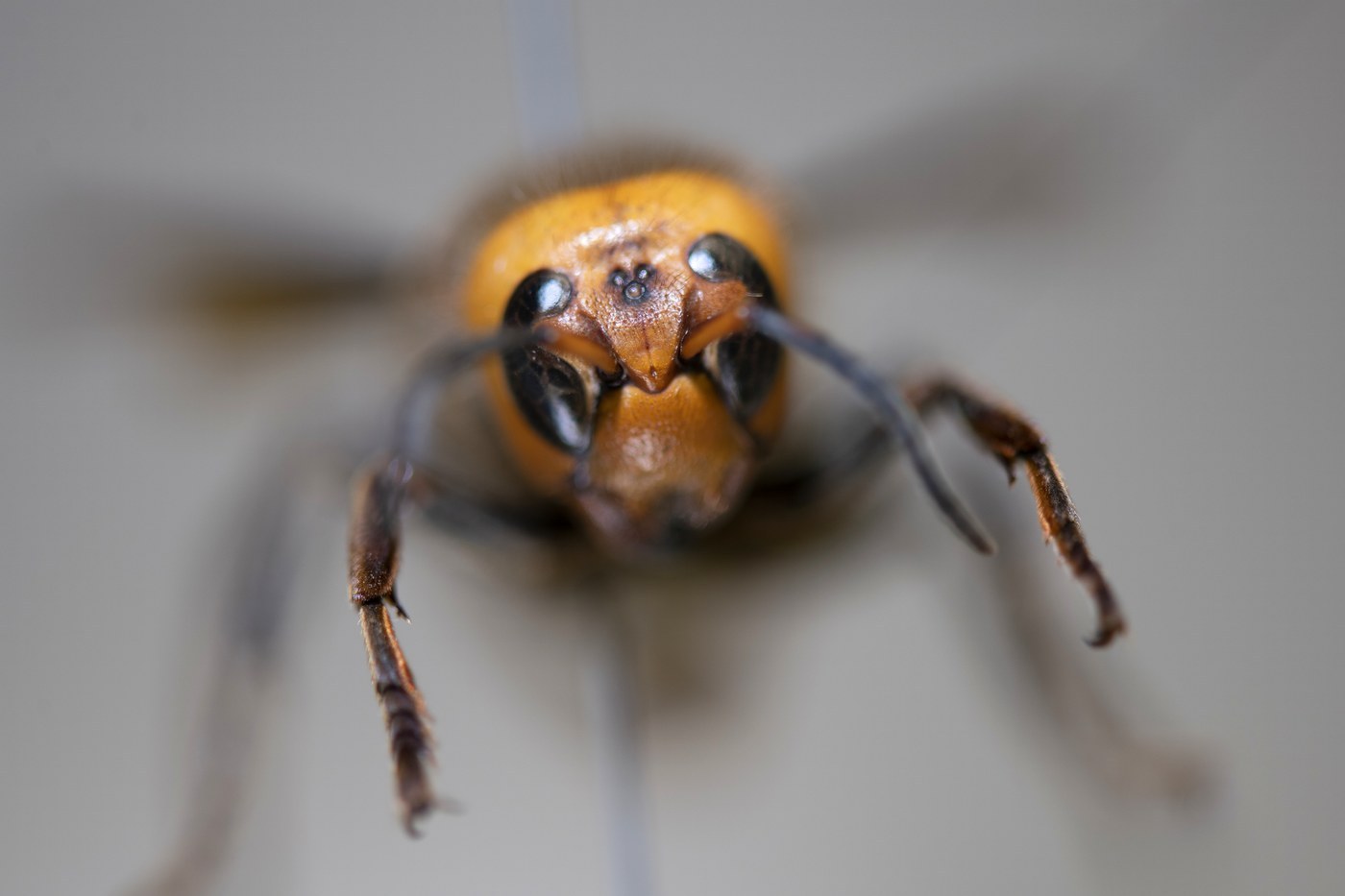
Asian Giant Hornet
Forested lowlands and mountains of East and South Asia; low tree hollows
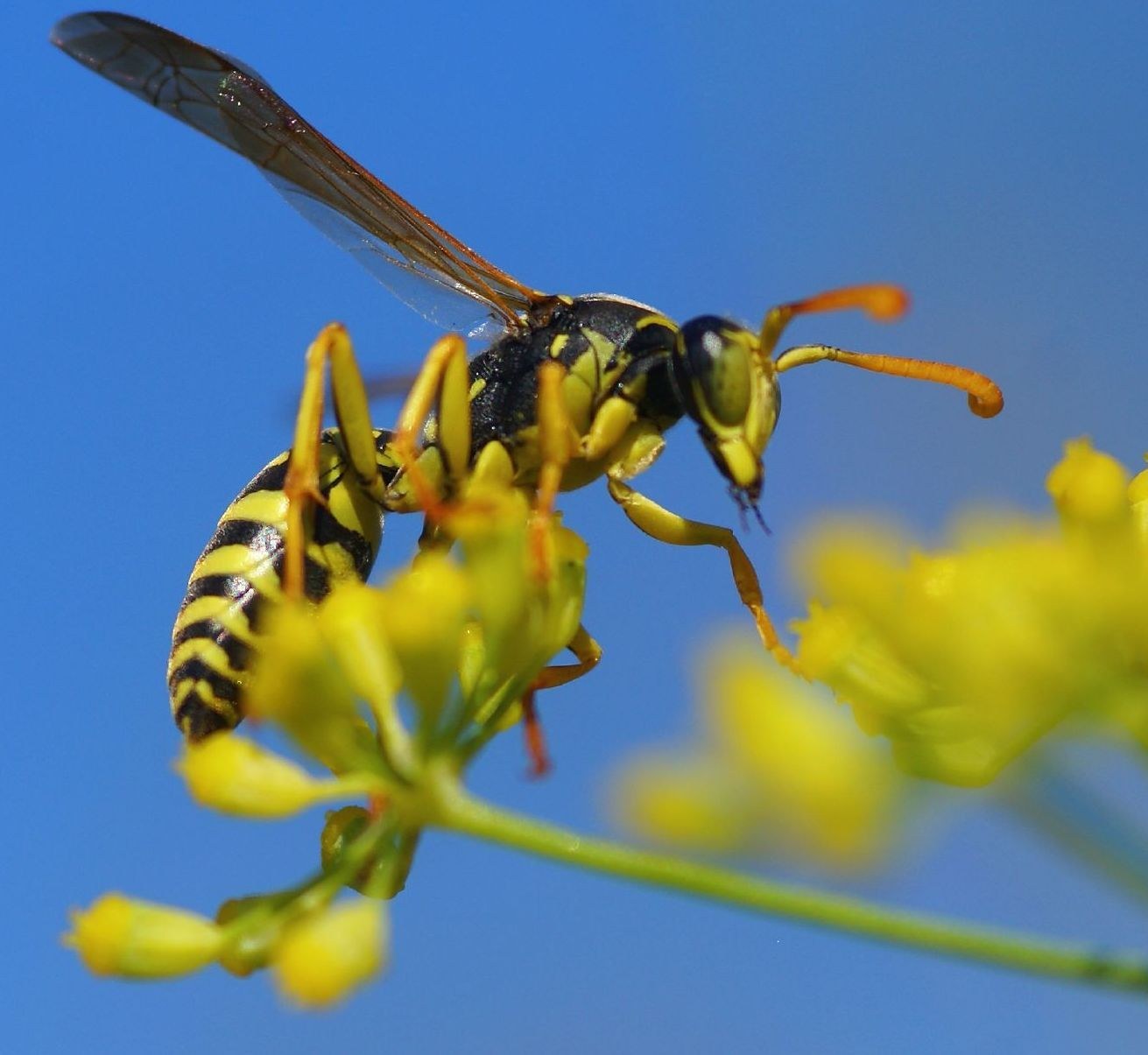
Yellowjacket
Underground nests, wall voids, gardens, picnic areas
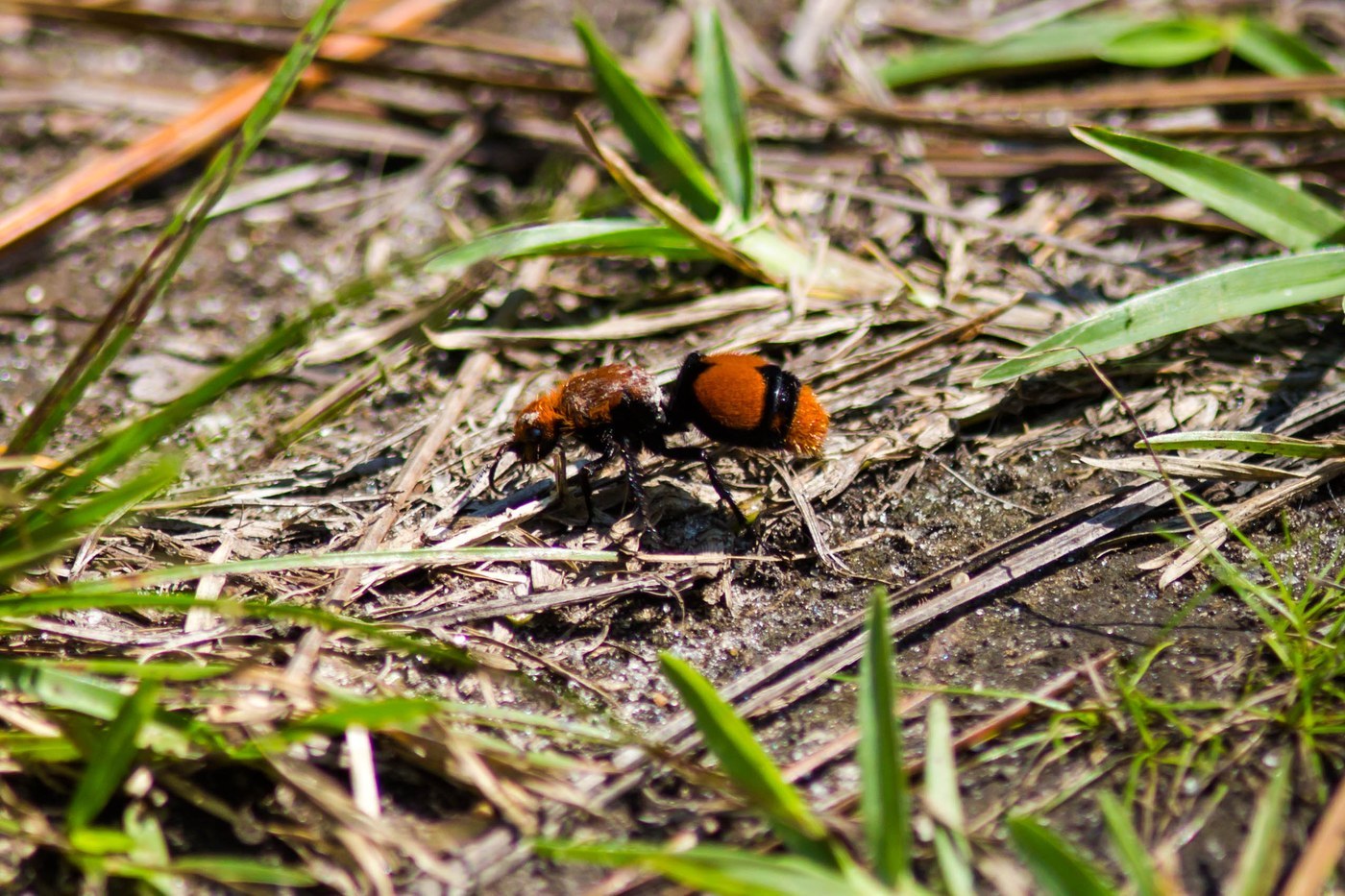
Velvet Ant
Sandy soils, open fields, dunes, roadsides in warm regions
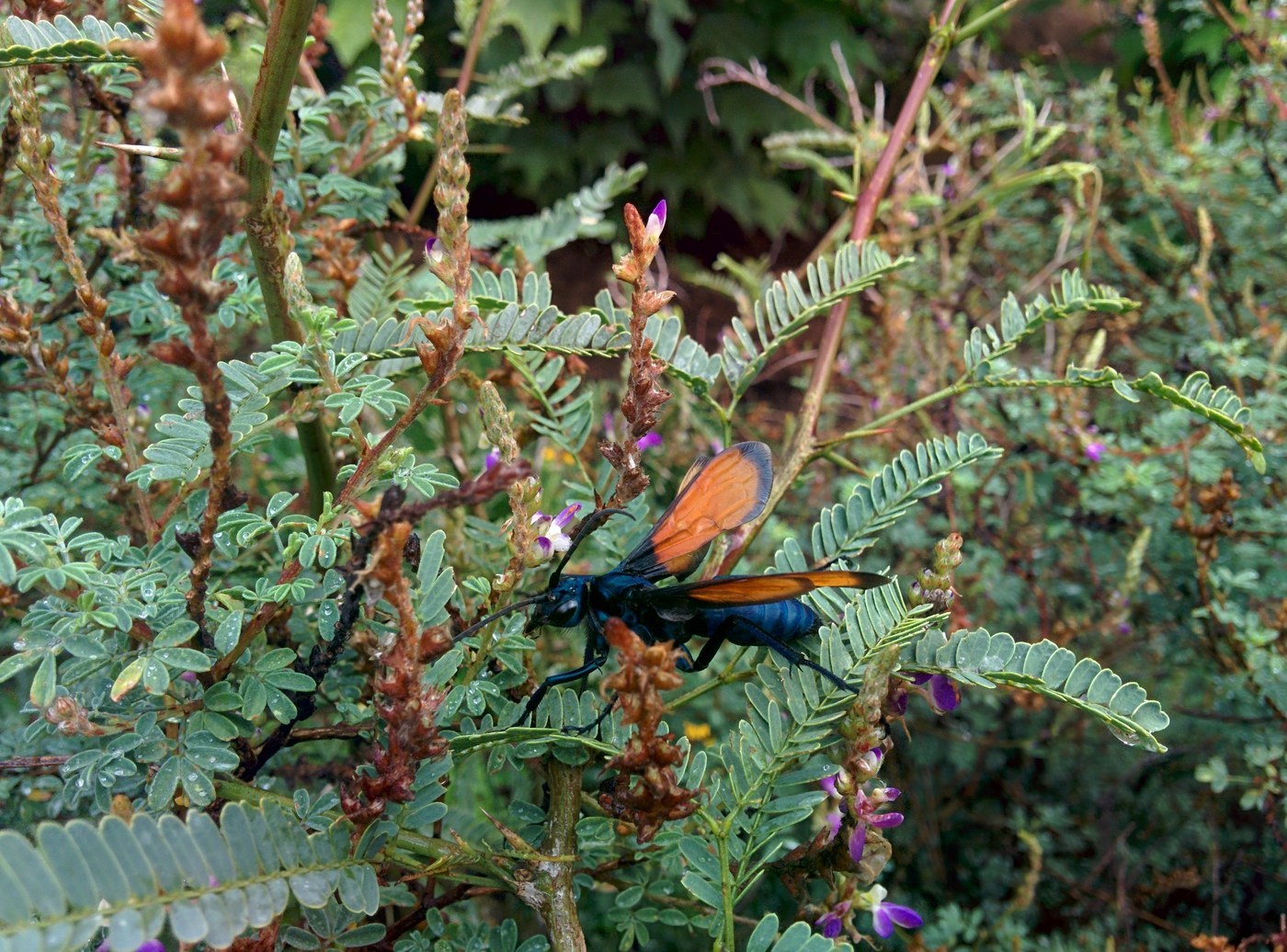
Tarantula Hawk
Deserts, arid scrublands, and dry grasslands
Tarantula Hawk Wasp
Deserts, grasslands, and scrub of the Americas
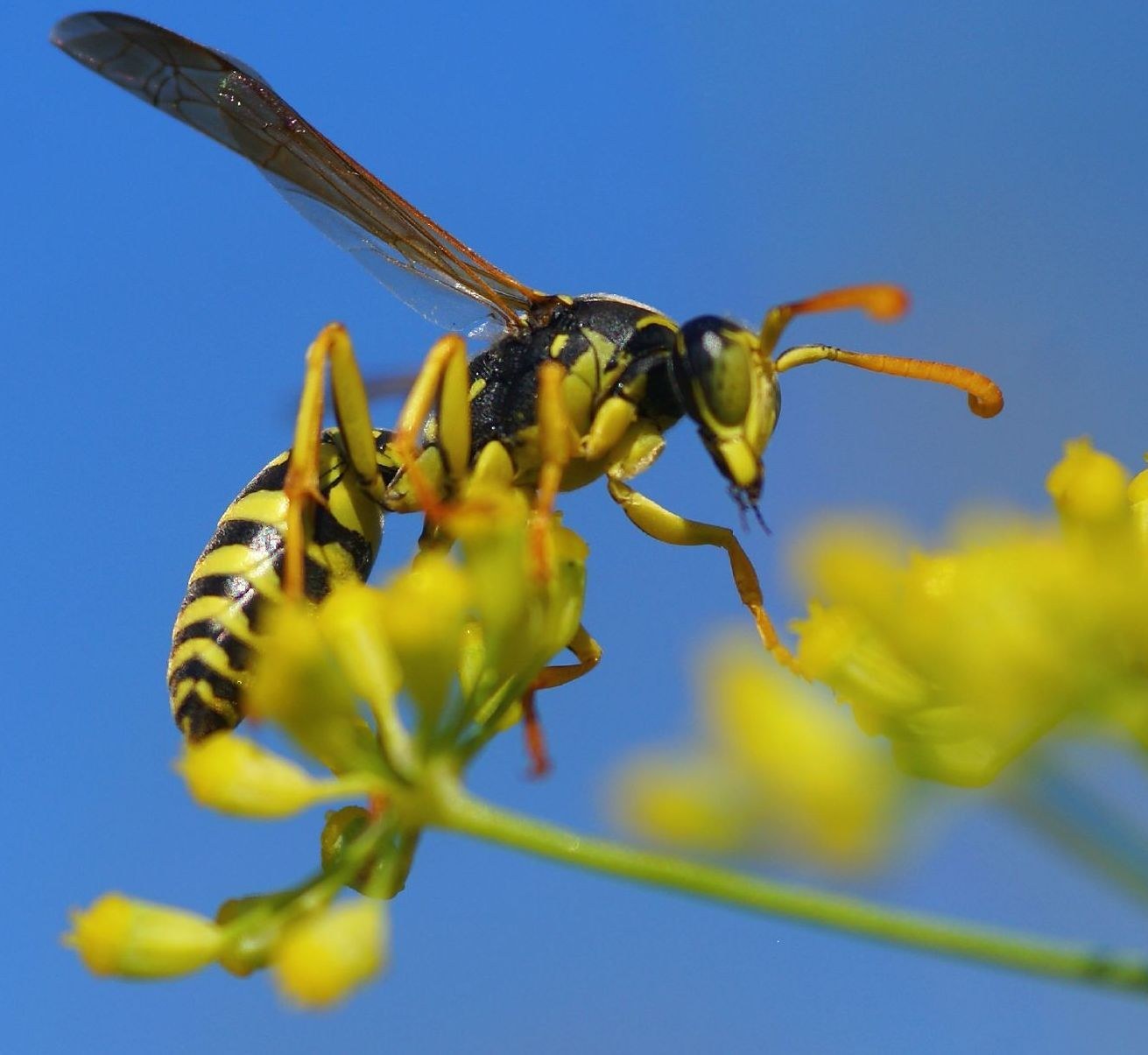
Wasp
Gardens, woodlands, eaves, and urban areas worldwide
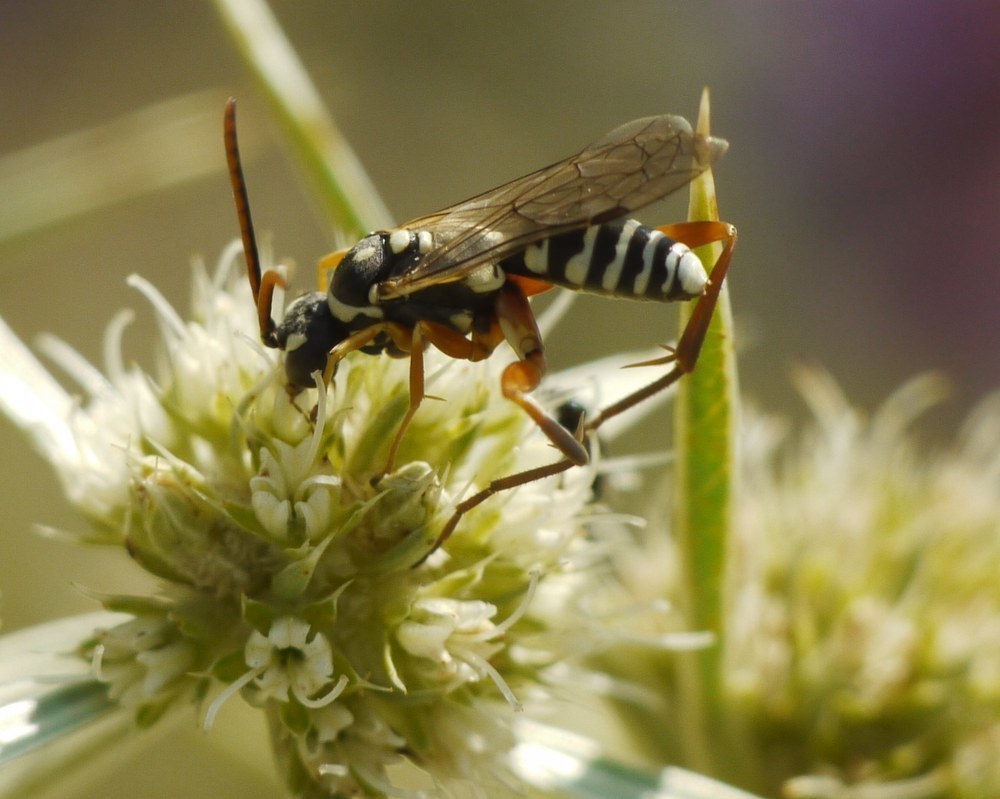
Spider Wasp
Gardens, grasslands, and sandy open areas worldwide
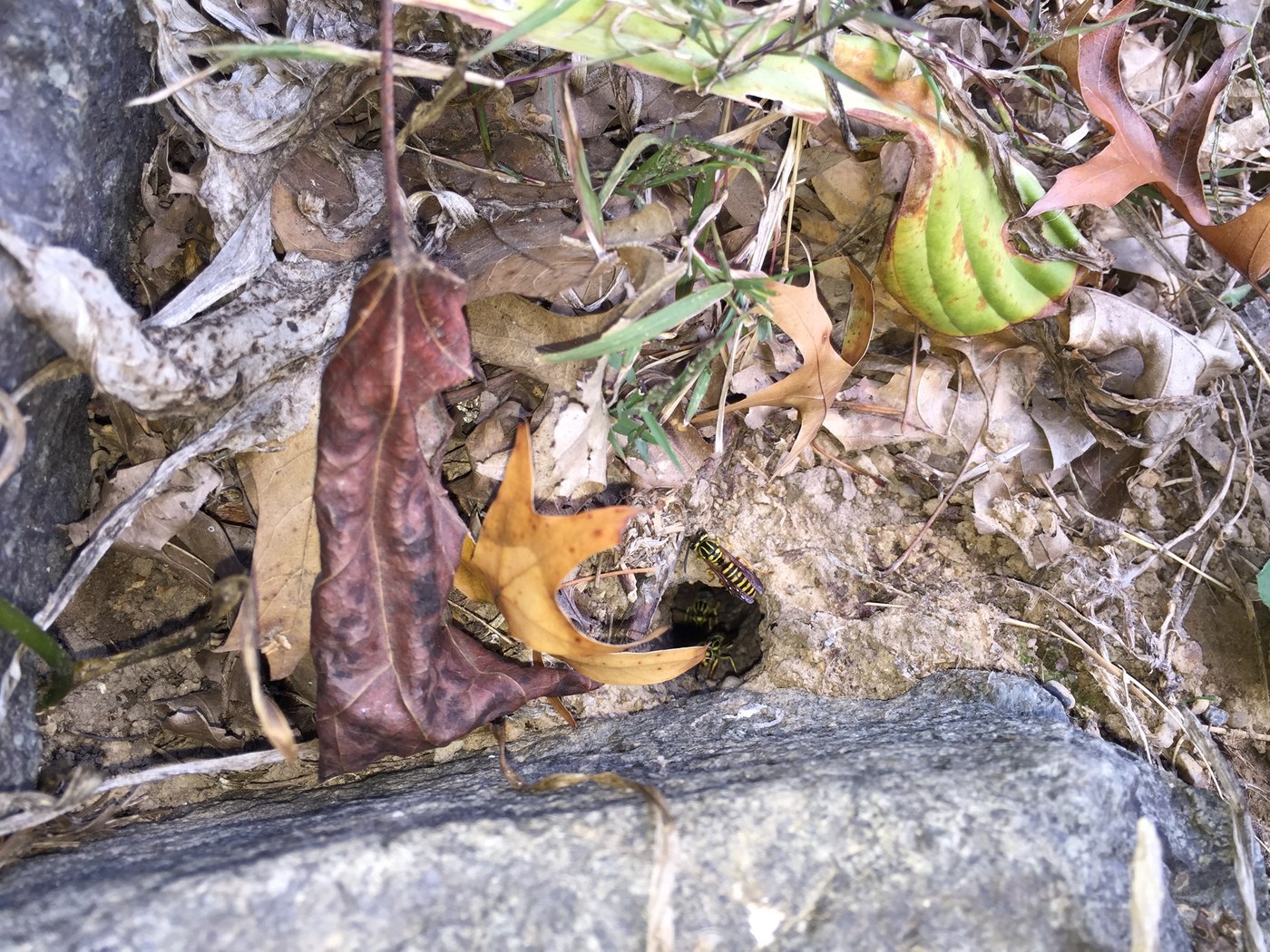
Yellow Jacket
Ground nests, wall voids, parks, and areas near food sources
Sawfly
Gardens, woodlands, and orchards on host foliage
Red Paper Wasp
Eaves, porch ceilings, sheds, open woodland edges, gardens
Sand Wasp
Sandy soils, dunes, beaches, and bare open ground