
Sawfly
Symphyta spp.
A wasp relative that never stings, best known for its caterpillar-like larvae that strip leaves from roses, pines, and other garden plants in tidy rows.
- Size
- Adults 5-20 mm; larvae up to 25 mm
- Habitat
- Gardens, woodlands, and orchards on host foliage
- Danger
- Harmless
Spotted a bug like this?
Identify any bug or insect from a photo, free.
Overview
Sawflies belong to the suborder Symphyta within the order Hymenoptera, making them close relatives of wasps, bees, and ants, though they lack the narrow "wasp waist" that defines most other members of the group. Instead, a sawfly's abdomen is broadly joined to its thorax, giving the body a thicker, more robust profile than a typical wasp.
The name "sawfly" comes from the female's saw-toothed ovipositor, which she uses to cut slits into leaves, stems, or needles where she deposits her eggs. It is the larval stage, not the adult, that gardeners notice most, since sawfly larvae feed openly on foliage and can strip a rose bush or pine branch in a matter of days when present in numbers.
There are thousands of described sawfly species worldwide, with larvae specialized on particular host plants ranging from roses and willows to conifers and ferns. Despite the resemblance of their larvae to butterfly and moth caterpillars, sawflies are true Hymenoptera and go through complete metamorphosis with a pupal stage.
How to Identify
- Adults are stout-bodied insects, 5-20 mm long, with two pairs of clear or smoky membranous wings and elbowed or thread-like antennae.
- Unlike wasps, sawflies show no pinched "waist" between the thorax and abdomen.
- Coloring varies by species: many are black, dark metallic blue, or combinations of black and orange/yellow.
- Larvae resemble butterfly or moth caterpillars but can be told apart by counting prolegs: sawfly larvae typically have six or more pairs of fleshy prolegs on the abdomen, while lepidopteran caterpillars have five or fewer.
- Larvae often feed in groups and may raise their rear ends in unison when disturbed, a defensive posture rarely seen in true caterpillars.
Habitat & Range
Sawflies are found nearly worldwide wherever their host plants grow, including gardens, hedgerows, orchards, and forests. Larvae are concentrated on specific host plants such as roses, willows, birches, pines, and other conifers, with different sawfly species specializing on different trees and shrubs. Adults are most active in spring and summer, while larvae appear as feeding damage becomes visible on foliage.
Behavior & Diet
Female sawflies use their saw-like ovipositor to cut small pockets into leaf tissue, bark, or needles, inserting eggs directly into the plant. Once hatched, larvae feed externally on leaves or needles, often in tight clusters that can quickly skeletonize foliage, making the species a recognized garden and forestry pest in some regions. Adults are less conspicuous than larvae; many feed on nectar or pollen, while others do not feed at all during their short adult lives. Sawfly larvae are an important food source for birds, and both larvae and adults are attacked by parasitoid wasps and flies that help regulate their populations in the wild.
Life Cycle
Eggs are inserted into slits cut in plant tissue by the female's ovipositor. Larvae hatch and pass through several instars while feeding on foliage, often eating far more than an equivalent caterpillar due to rapid growth. When mature, larvae drop to the ground or leaf litter to spin a cocoon, where they pupate. Most species overwinter as a prepupa or pupa within the cocoon, emerging as adults the following season; many sawflies complete one to several generations per year depending on climate and species.
Frequently asked questions
Can a sawfly sting like a wasp?
No. Despite being related to wasps, sawflies lack a stinger; the female's saw-like organ is used only for cutting plant tissue to lay eggs.
How do you tell a sawfly larva from a butterfly caterpillar?
Count the fleshy prolegs on the abdomen: sawfly larvae usually have six or more pairs, while butterfly and moth caterpillars have five or fewer.
What do sawfly larvae eat?
They feed on the foliage of their specific host plants, such as rose leaves, pine needles, or willow leaves, often in groups.
Do adult sawflies eat leaves too?
Rarely. Most adults feed on nectar or pollen if they feed at all; it is the larval stage that consumes plant foliage.
Sawfly guides
In-depth guides for identifying, understanding, and living alongside Sawfly.
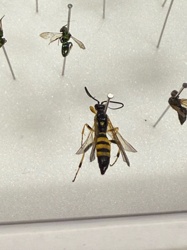
Sawfly identified by the community
Real finds identified with Bug Identifier.
Other bugs you may enjoy
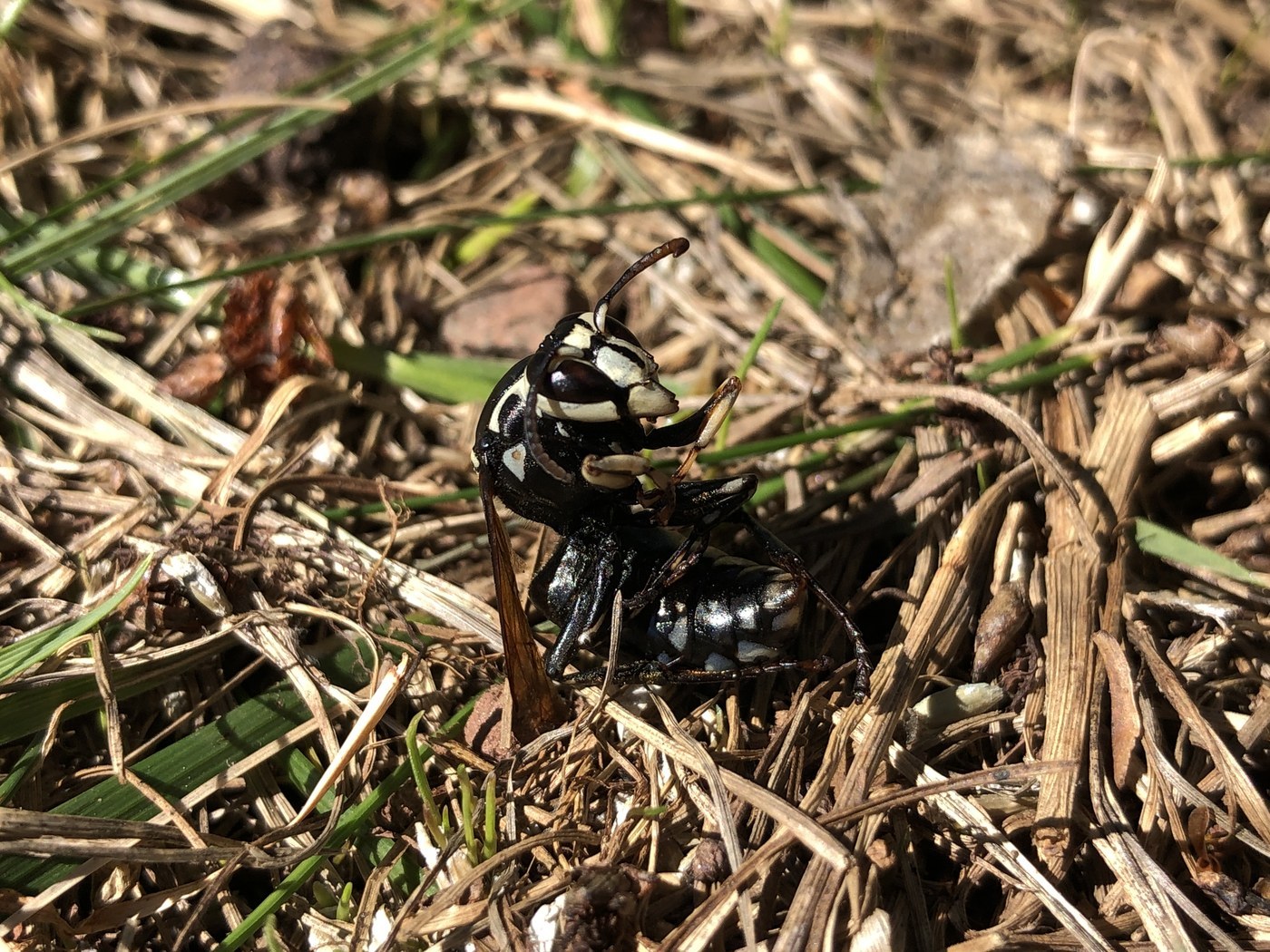
Bald-faced Hornet
Woodland edges, shrubs, and tree branches across North America
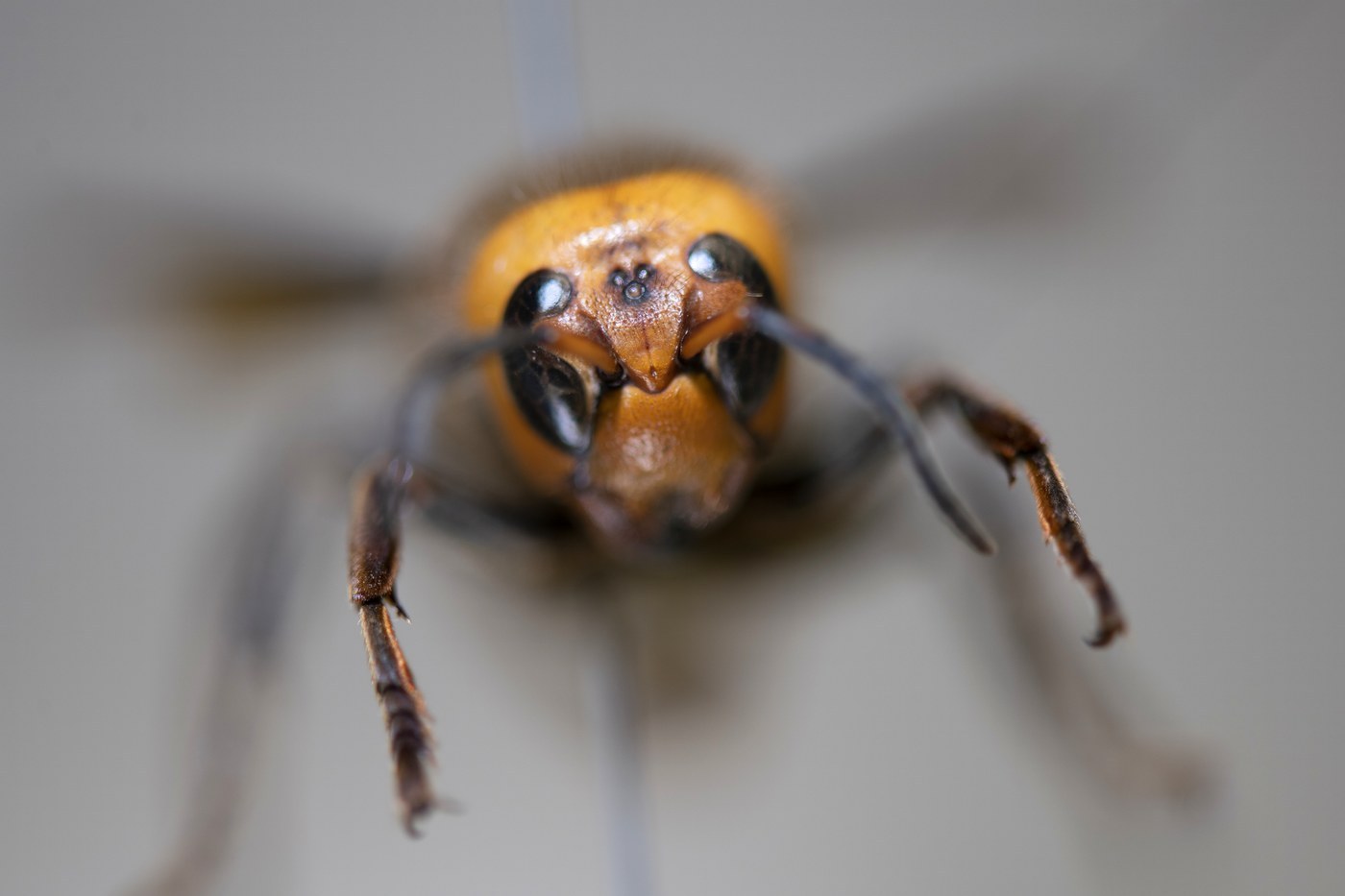
Asian Giant Hornet
Forested lowlands and mountains of East and South Asia; low tree hollows
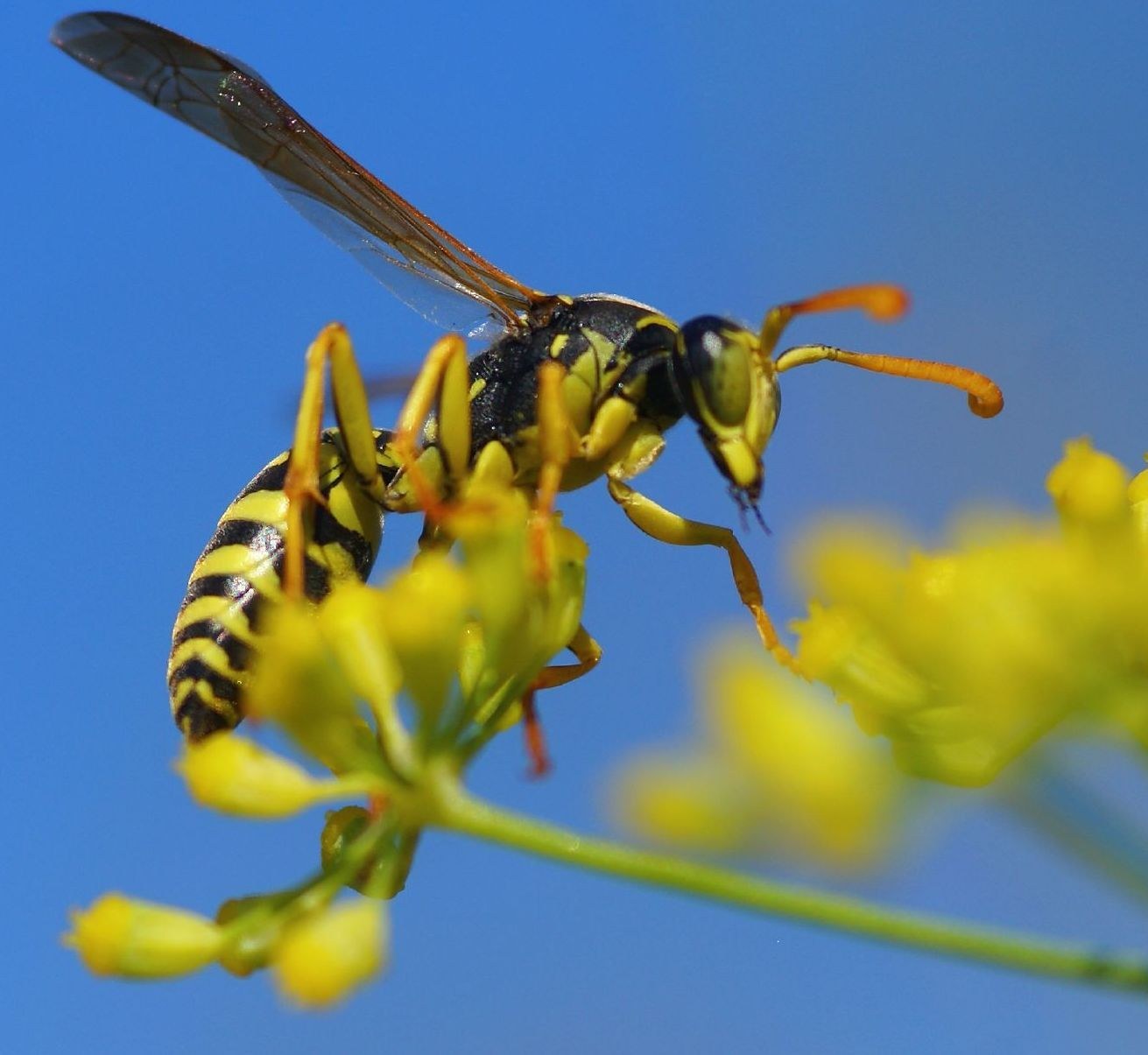
Yellowjacket
Underground nests, wall voids, gardens, picnic areas
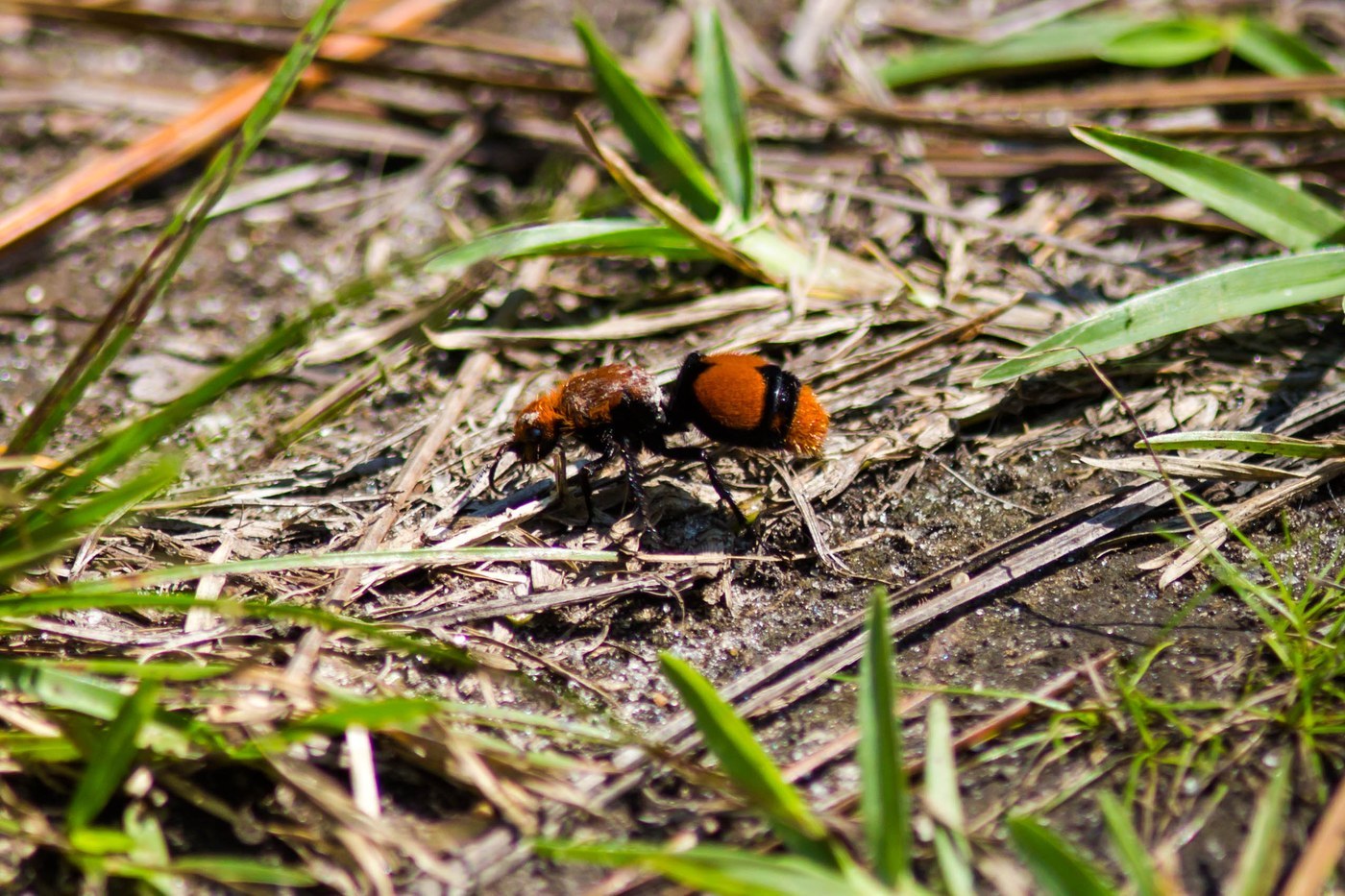
Velvet Ant
Sandy soils, open fields, dunes, roadsides in warm regions
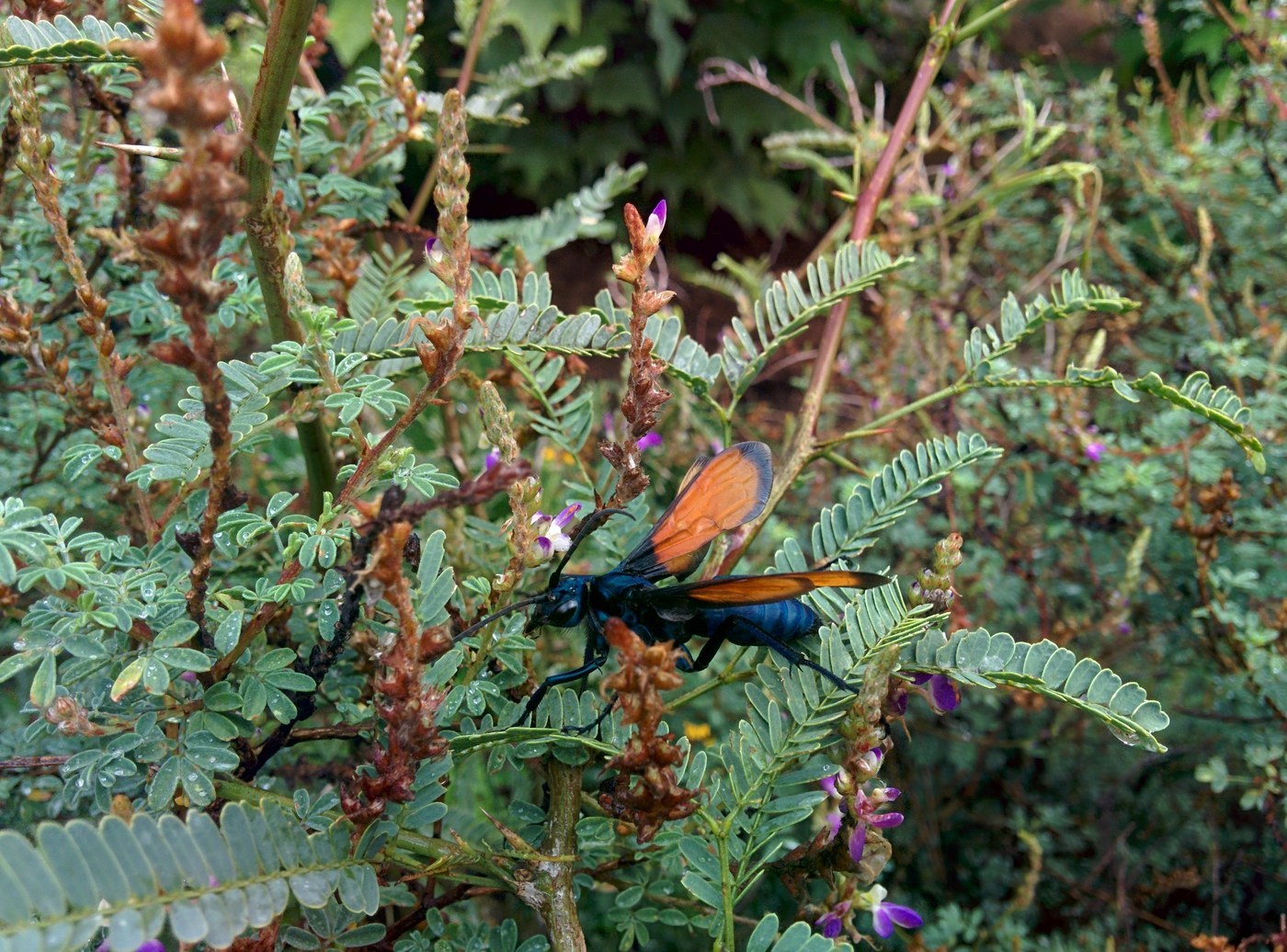
Tarantula Hawk
Deserts, arid scrublands, and dry grasslands
Tarantula Hawk Wasp
Deserts, grasslands, and scrub of the Americas
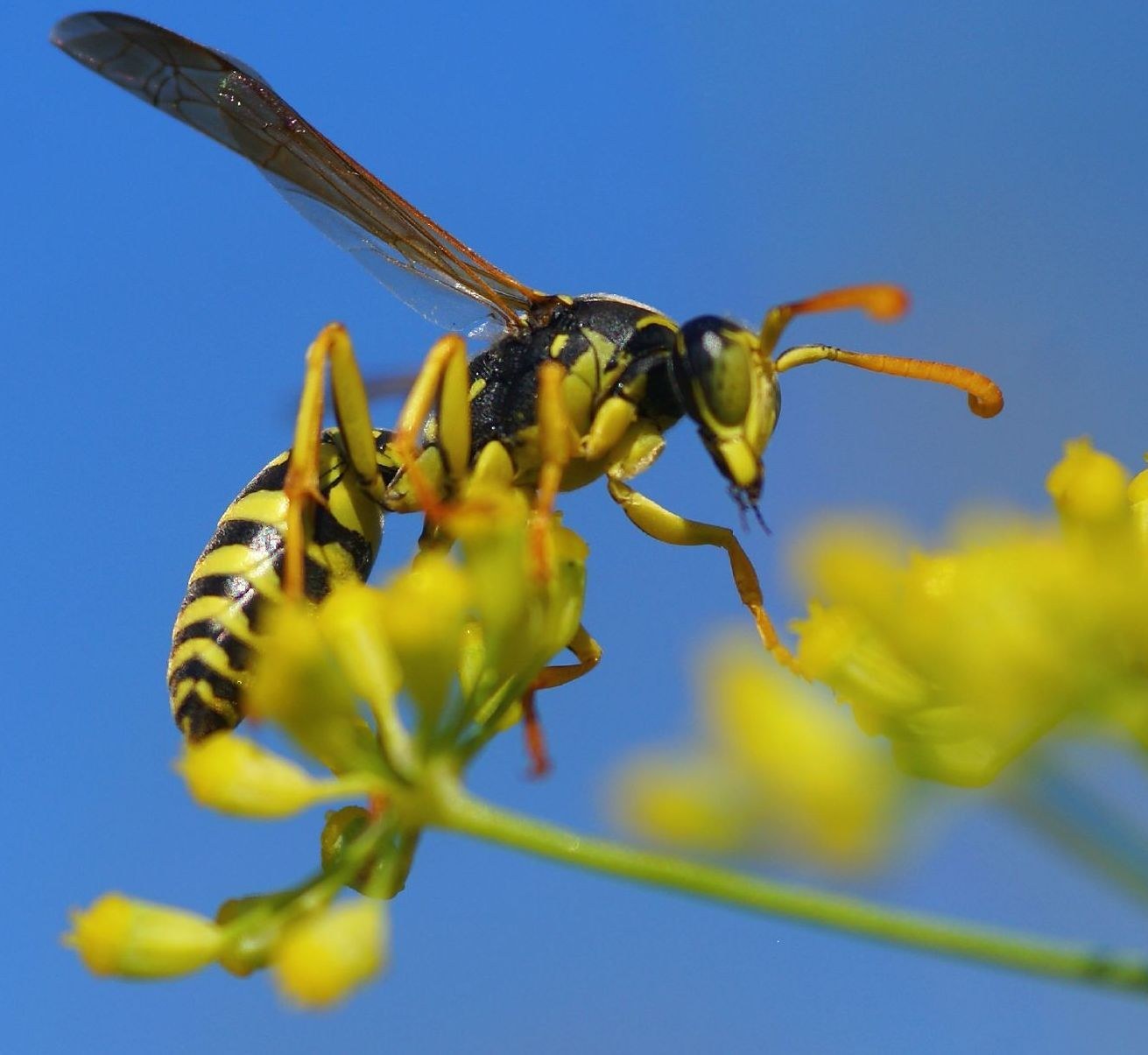
Wasp
Gardens, woodlands, eaves, and urban areas worldwide
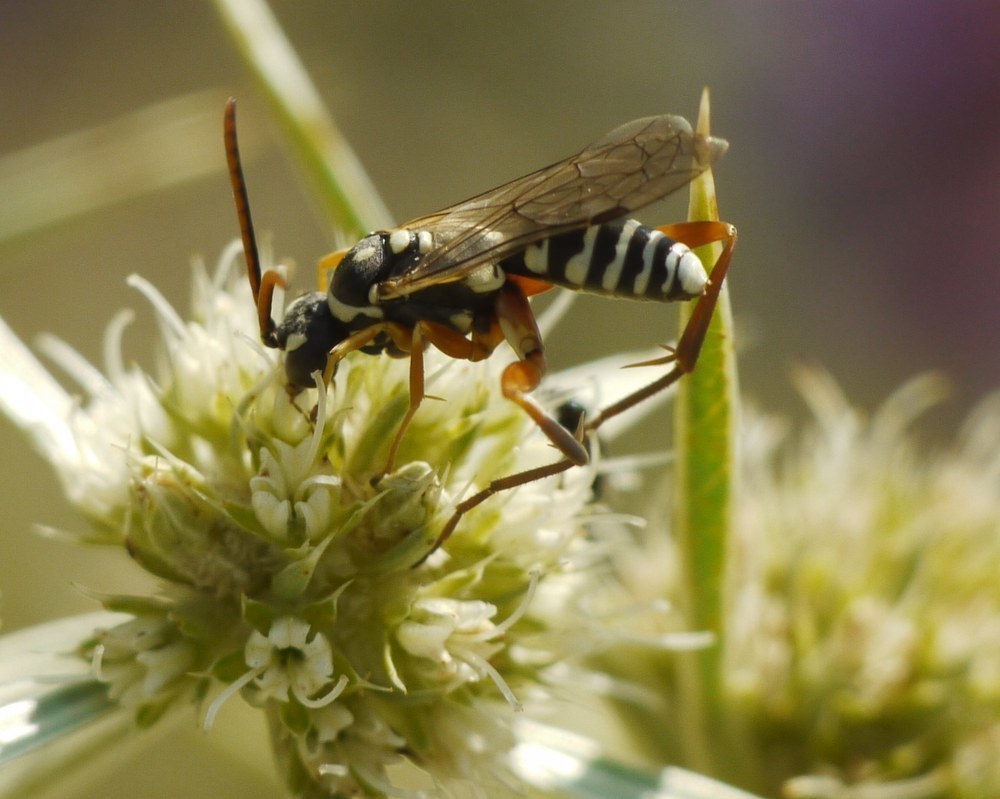
Spider Wasp
Gardens, grasslands, and sandy open areas worldwide
Yellow Jacket
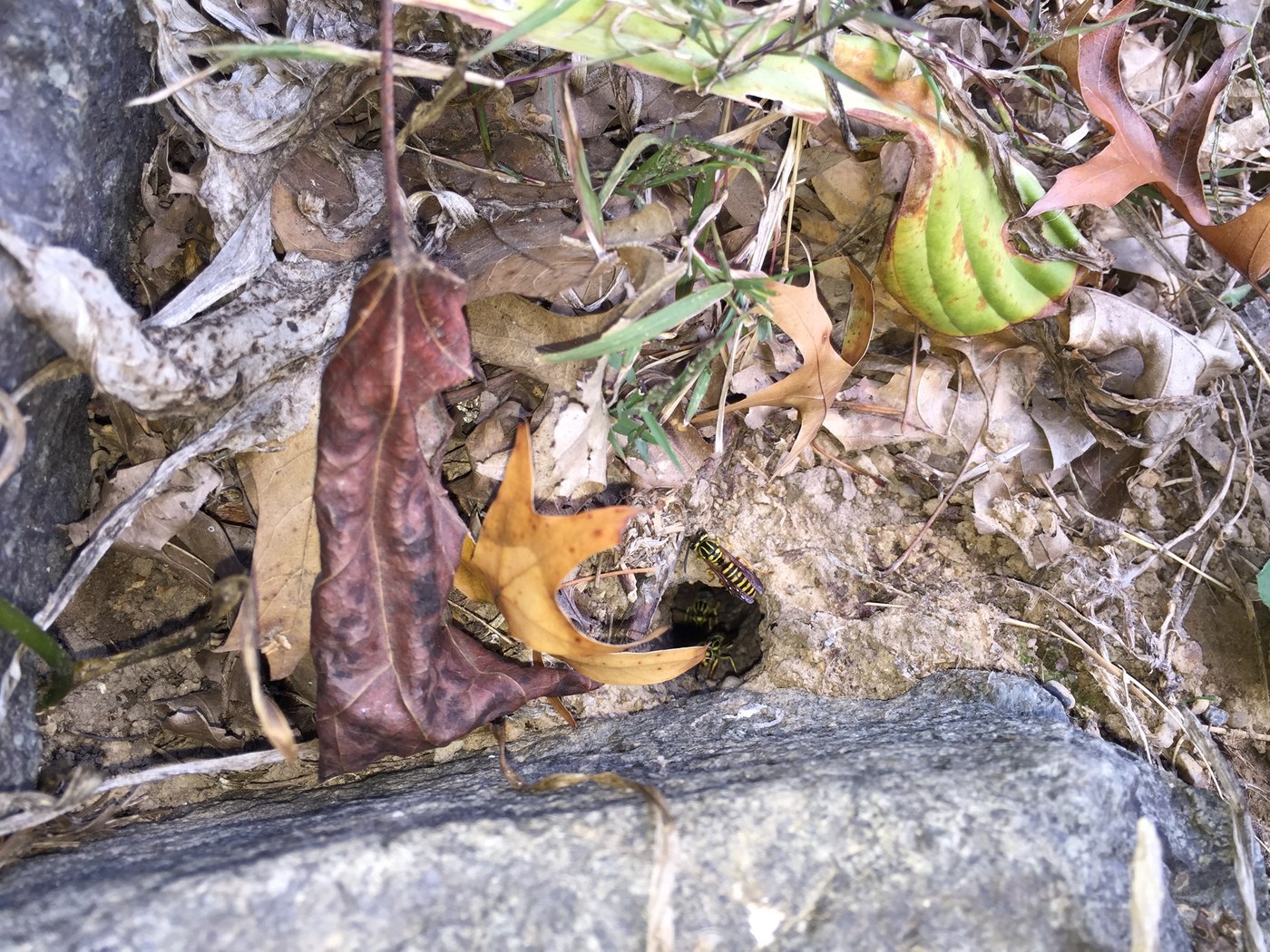
Ground nests, wall voids, parks, and areas near food sources
Red Paper Wasp
Eaves, porch ceilings, sheds, open woodland edges, gardens
Trichogramma Wasp
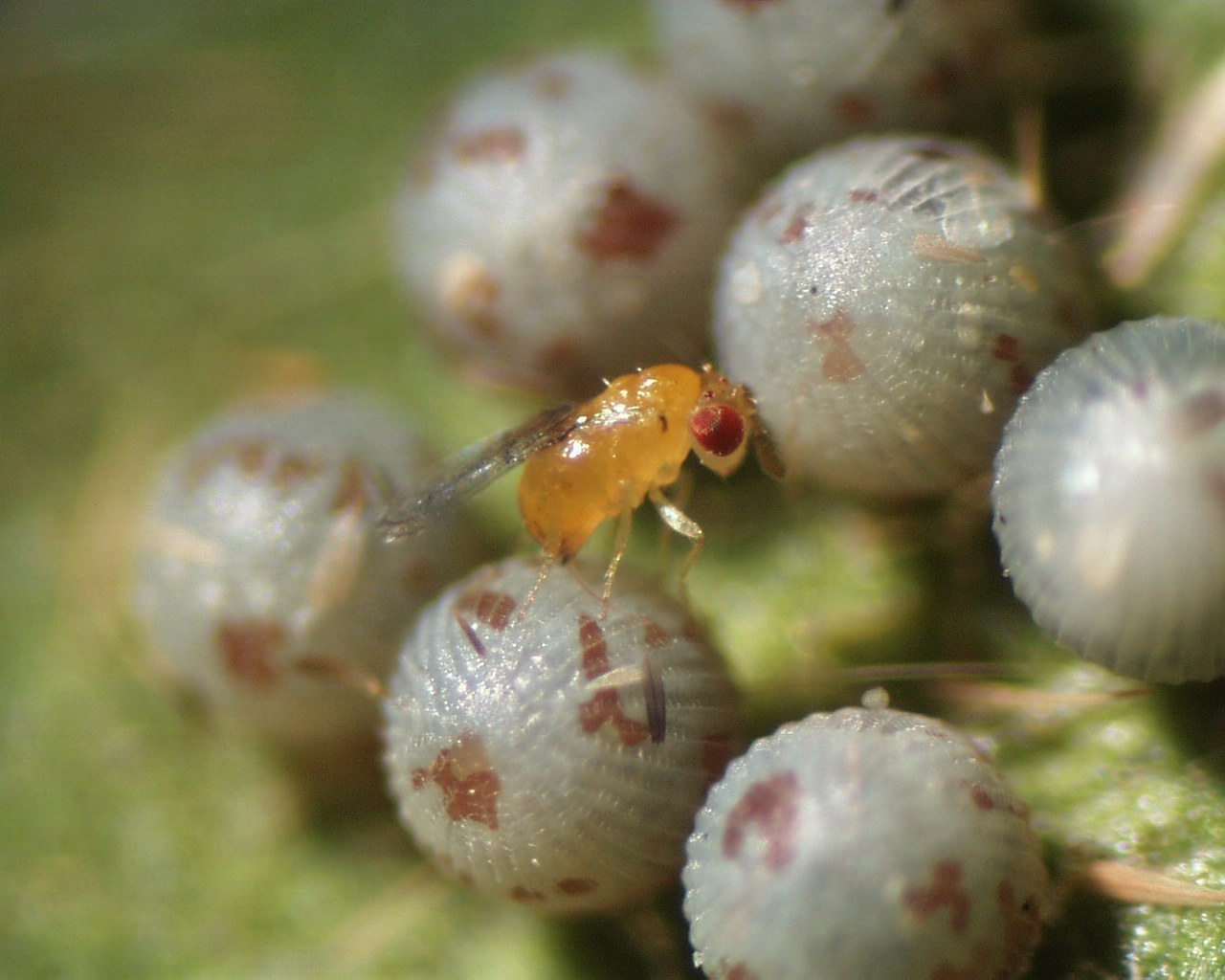
Fields, gardens, and crops worldwide
Sand Wasp
Sandy soils, dunes, beaches, and bare open ground