
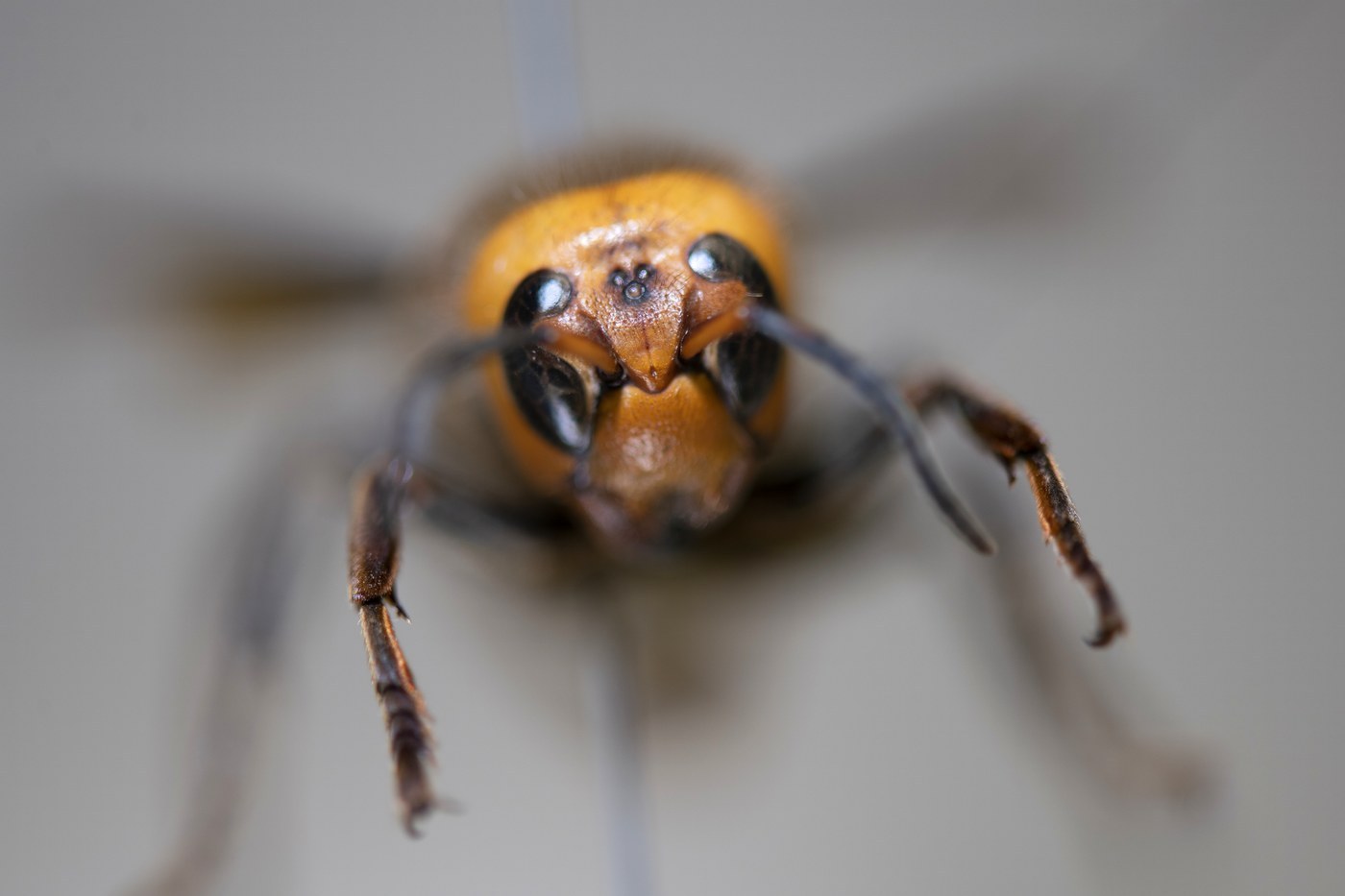
Asian Giant Hornet
Vespa mandarinia
The world's largest hornet, an imposing orange-and-black wasp with a wide head and long stinger, best known for raiding honey bee colonies to feed its brood.
- Size
- 35–50 mm
- Habitat
- Forested lowlands and mountains of East and South Asia; low tree hollows
- Danger
- Stings
Spotted a bug like this?
Identify any bug or insect from a photo, free.
Overview
The Asian giant hornet is the largest known hornet species, a member of the social wasp family Vespidae found across East and South Asia. Queens can exceed 5 cm in length, dwarfing most other wasps, and colonies build underground or in low tree-cavity nests rather than the exposed paper nests of some other hornet species.
The species drew international attention after isolated detections in North America in the late 2010s, where local and state agencies undertook nest-eradication efforts; established populations were subsequently eliminated from the areas where they were found. In its native range it is a well-known, long-studied insect, notable for its size, its distinctive group-hunting behavior against honey bee colonies, and its role as a top invertebrate predator in its ecosystem.
Ecologically, Asian giant hornets are important predators of large insects and, in group "slaughter phase" raids, can rapidly kill and decapitate the workers of a honey bee colony to seize the brood as food for their own larvae, a behavior that has made them a significant concern for beekeepers where the species occurs.
How to Identify
- Very large wasp, 35–50 mm long, with a broad, orange, drop-shaped head, large eyes, and strong mandibles.
- Thorax dark brown to black; abdomen banded in alternating bright orange-yellow and dark brown stripes.
- Wings are smoky brown and held flat over the body at rest; legs are long and orange-brown.
- Distinguished from smaller hornets and yellowjackets chiefly by its exceptional size and unusually large, rounded orange head.
Habitat & Range
Native to forested lowlands and mountains across Japan, Korea, China, Taiwan, and other parts of East and South Asia, the Asian giant hornet nests underground in abandoned rodent burrows or in cavities at the base of trees, rarely in fully exposed locations. Adults are active from spring through autumn, with colony activity, including honey bee raids, peaking in late summer and early autumn as colonies grow and require more food for developing brood.
Behavior & Diet
Asian giant hornets are social insects living in colonies founded by a single queen each spring, with workers foraging for other insects, tree sap, and fruit to feed the colony. Their most distinctive behavior is coordinated raiding of honey bee colonies in late summer, when small groups of hornets can overwhelm and kill large numbers of bees to carry off larvae and pupae as protein for their own brood. They communicate hunting sites via pheromone marking and are capable of sustained, fast flight when foraging or defending the nest.
Life Cycle
Colonies follow an annual cycle typical of social vespid wasps: a mated, overwintered queen emerges in spring to found a small nest and raise the first brood of workers alone, after which workers take over foraging and nest-building while the queen focuses on egg-laying. The colony grows through summer, producing new queens and males in late summer and autumn, which disperse to mate. Only newly mated queens survive the winter, hibernating in sheltered ground sites before founding new colonies the following spring; the old colony, including the founding queen, dies off with the onset of cold weather.
Frequently asked questions
Is this the same insect once called the 'murder hornet'?
Yes, that nickname was used in media coverage of isolated North American detections, though it is not a scientific name.
How big does an Asian giant hornet get?
Queens can reach roughly 5 cm in length, making it the largest hornet species in the world.
Where does it live?
It is native to forested areas of Japan, Korea, China, and other parts of East and South Asia.
Why is it associated with honey bees?
Groups of hornets are known to raid honey bee colonies in late summer to obtain brood as food, a behavior well documented in its native range.
Asian Giant Hornet guides
In-depth guides for identifying, understanding, and living alongside Asian Giant Hornet.
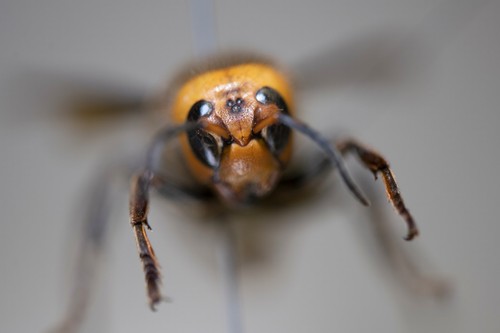
Asian Giant Hornet identified by the community
Real finds identified with Bug Identifier.
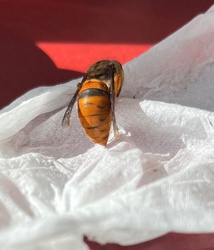
Other bugs you may enjoy
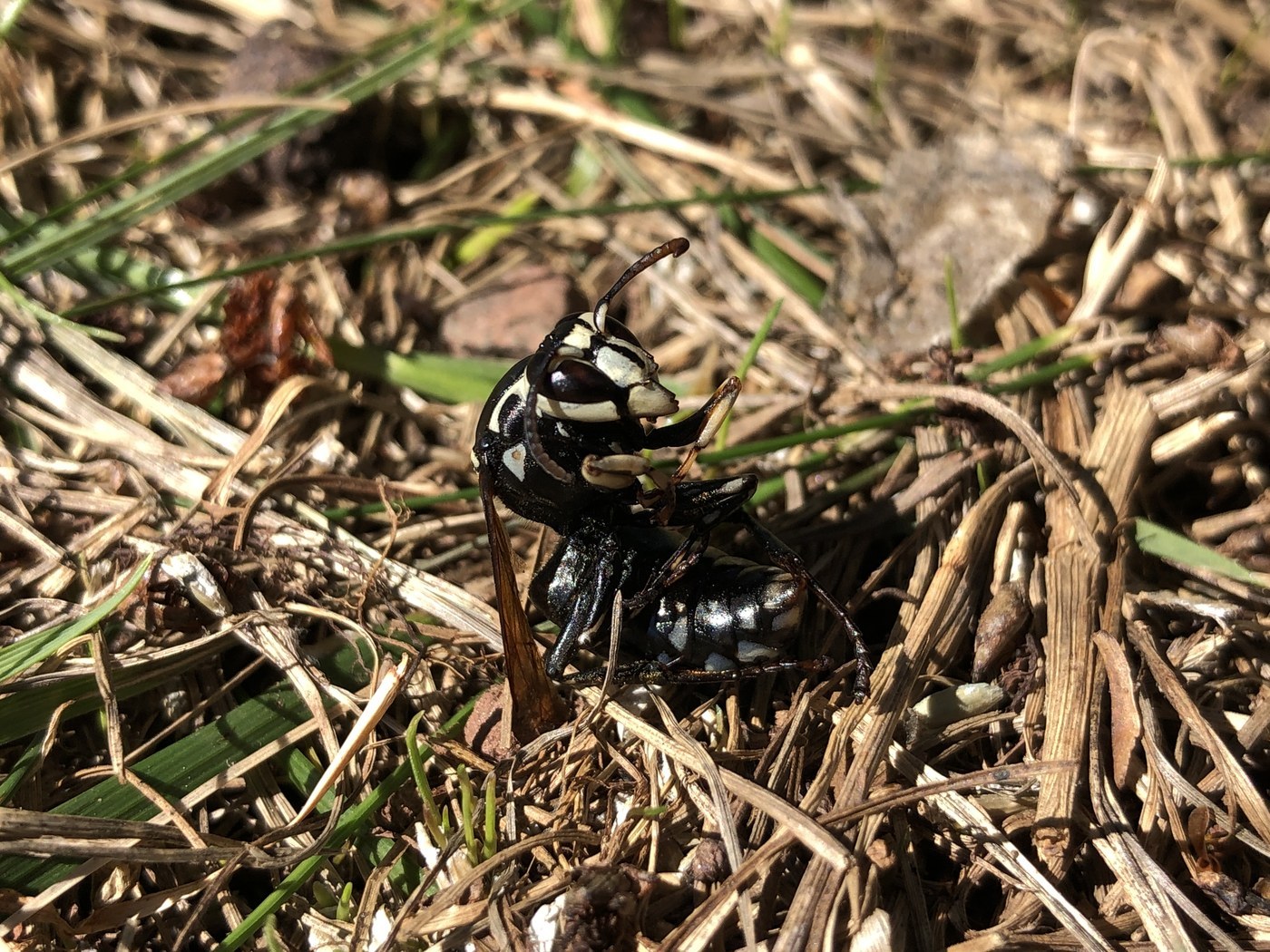
Bald-faced Hornet
Woodland edges, shrubs, and tree branches across North America
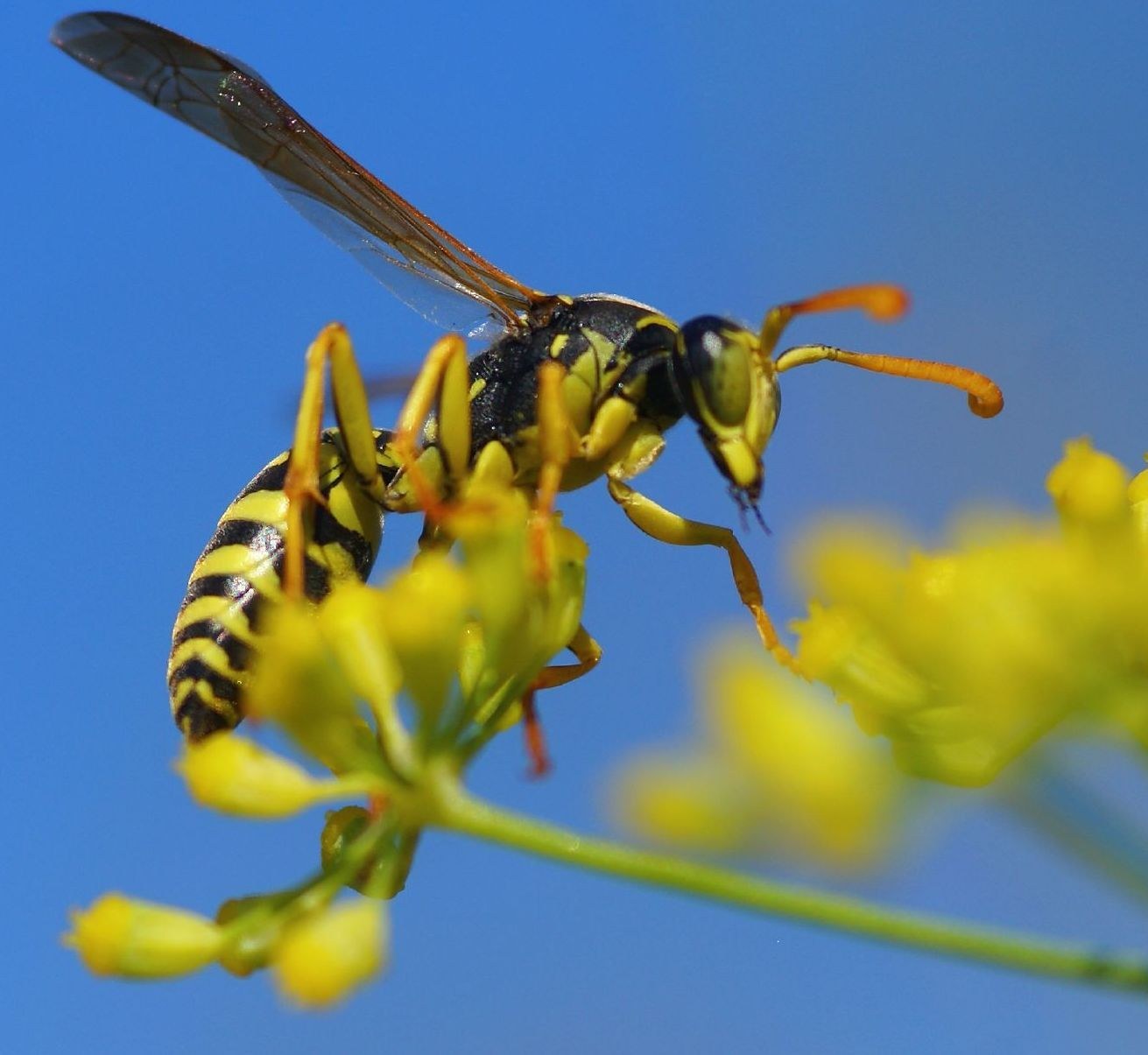
Yellowjacket
Underground nests, wall voids, gardens, picnic areas
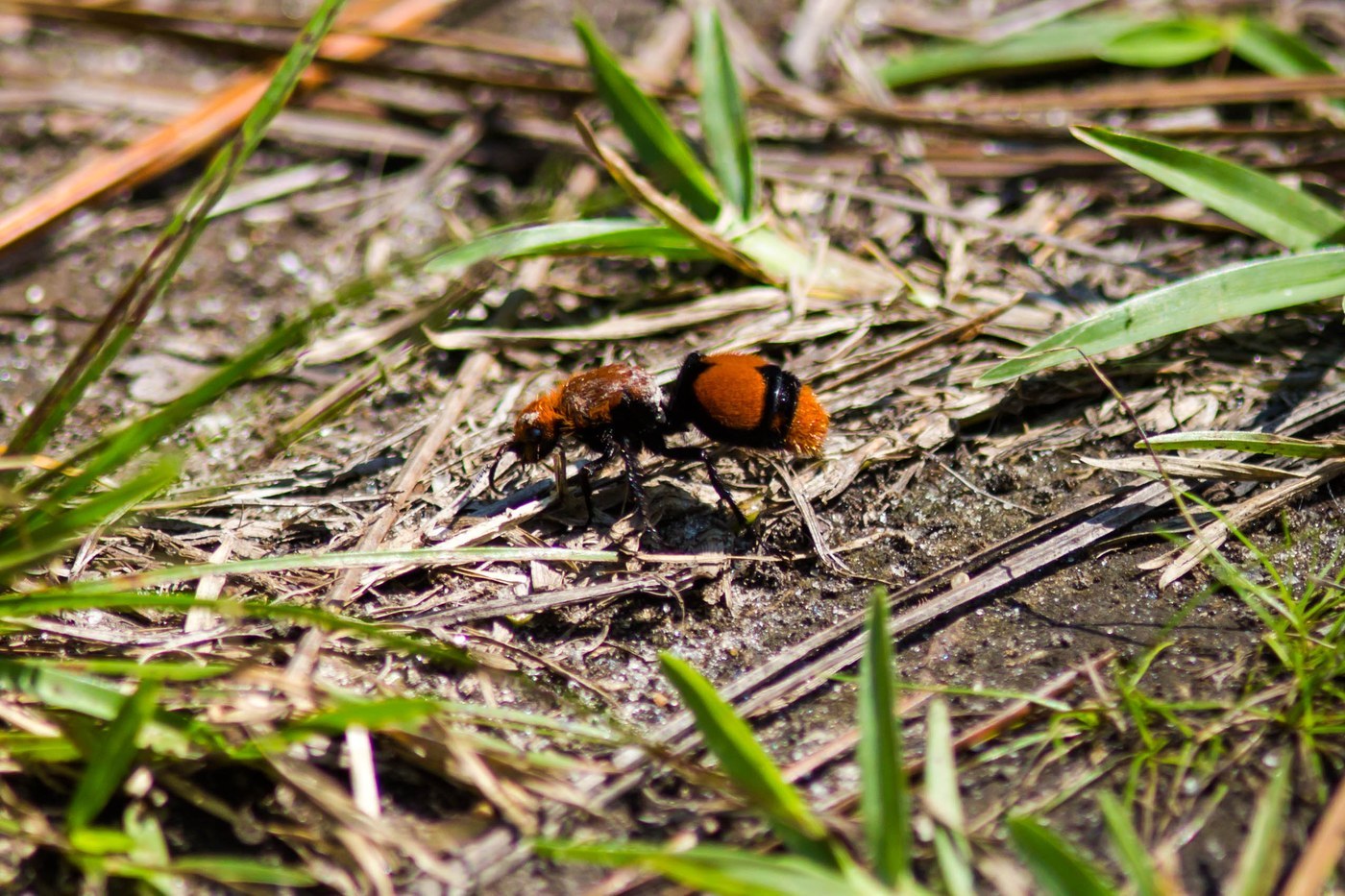
Velvet Ant
Sandy soils, open fields, dunes, roadsides in warm regions
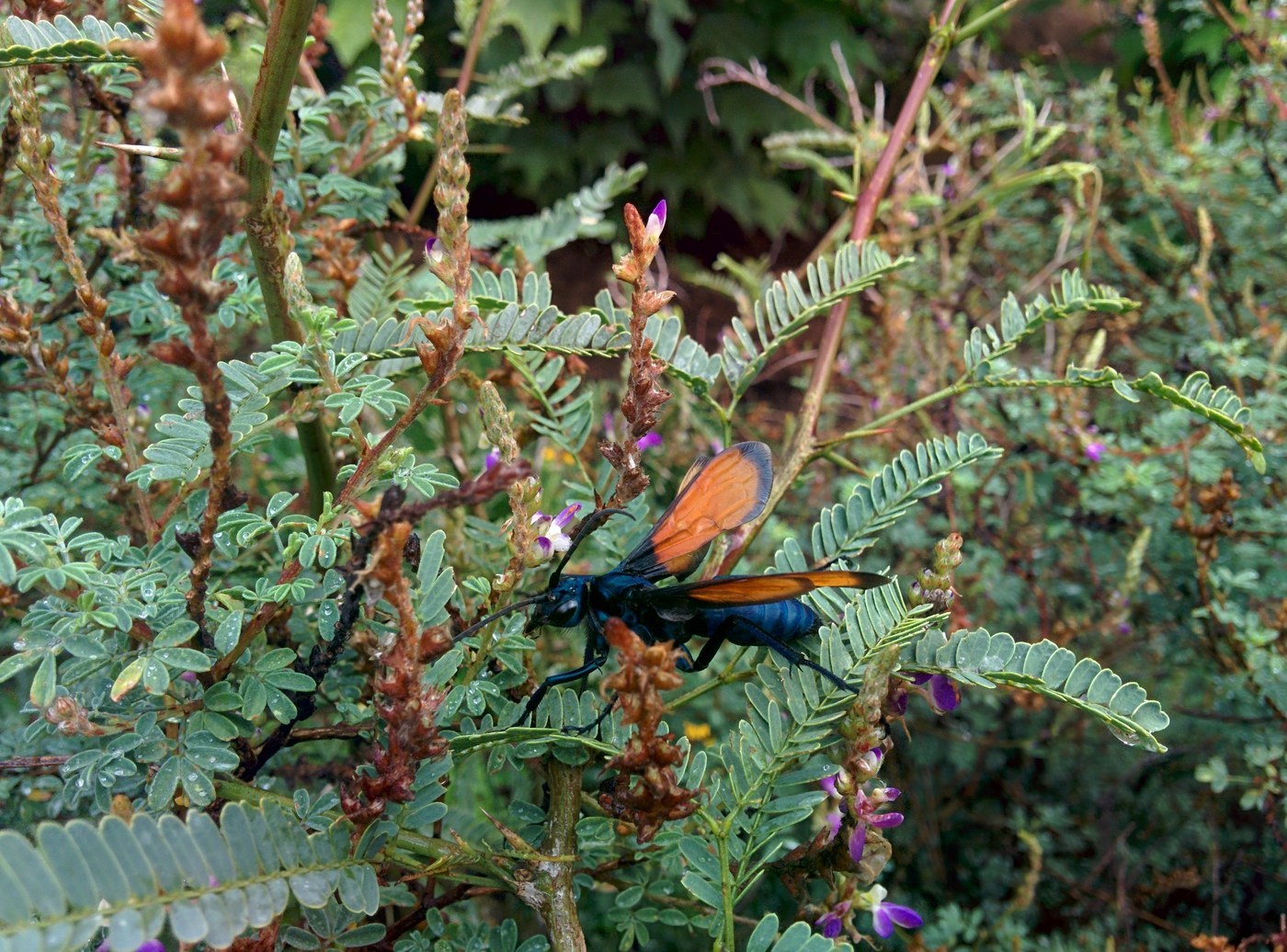
Tarantula Hawk
Deserts, arid scrublands, and dry grasslands
Tarantula Hawk Wasp
Deserts, grasslands, and scrub of the Americas
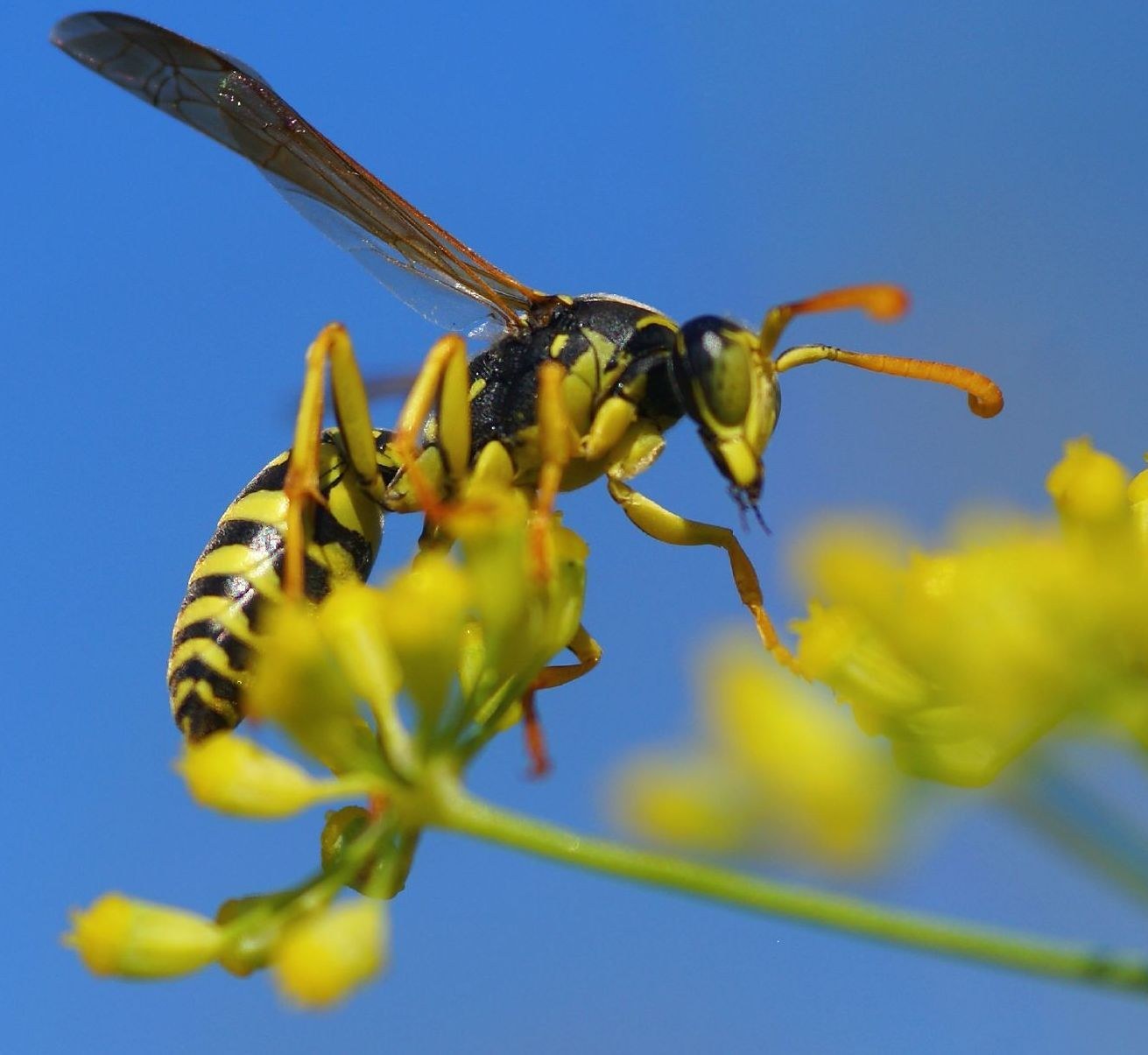
Wasp
Gardens, woodlands, eaves, and urban areas worldwide
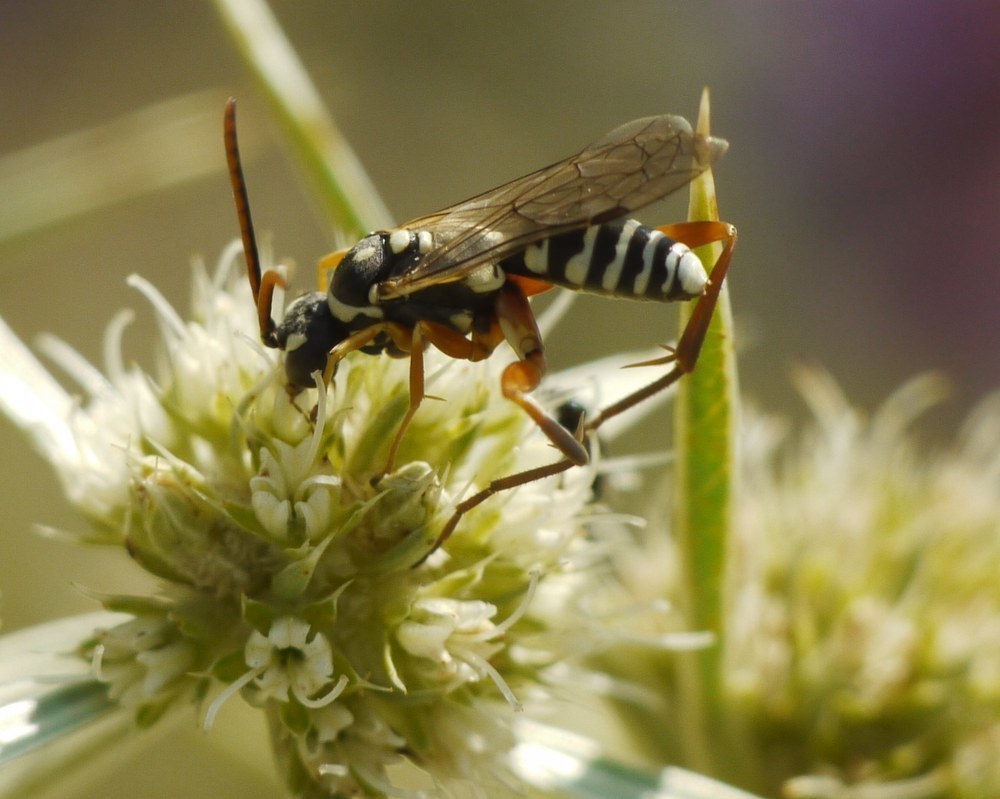
Spider Wasp
Gardens, grasslands, and sandy open areas worldwide
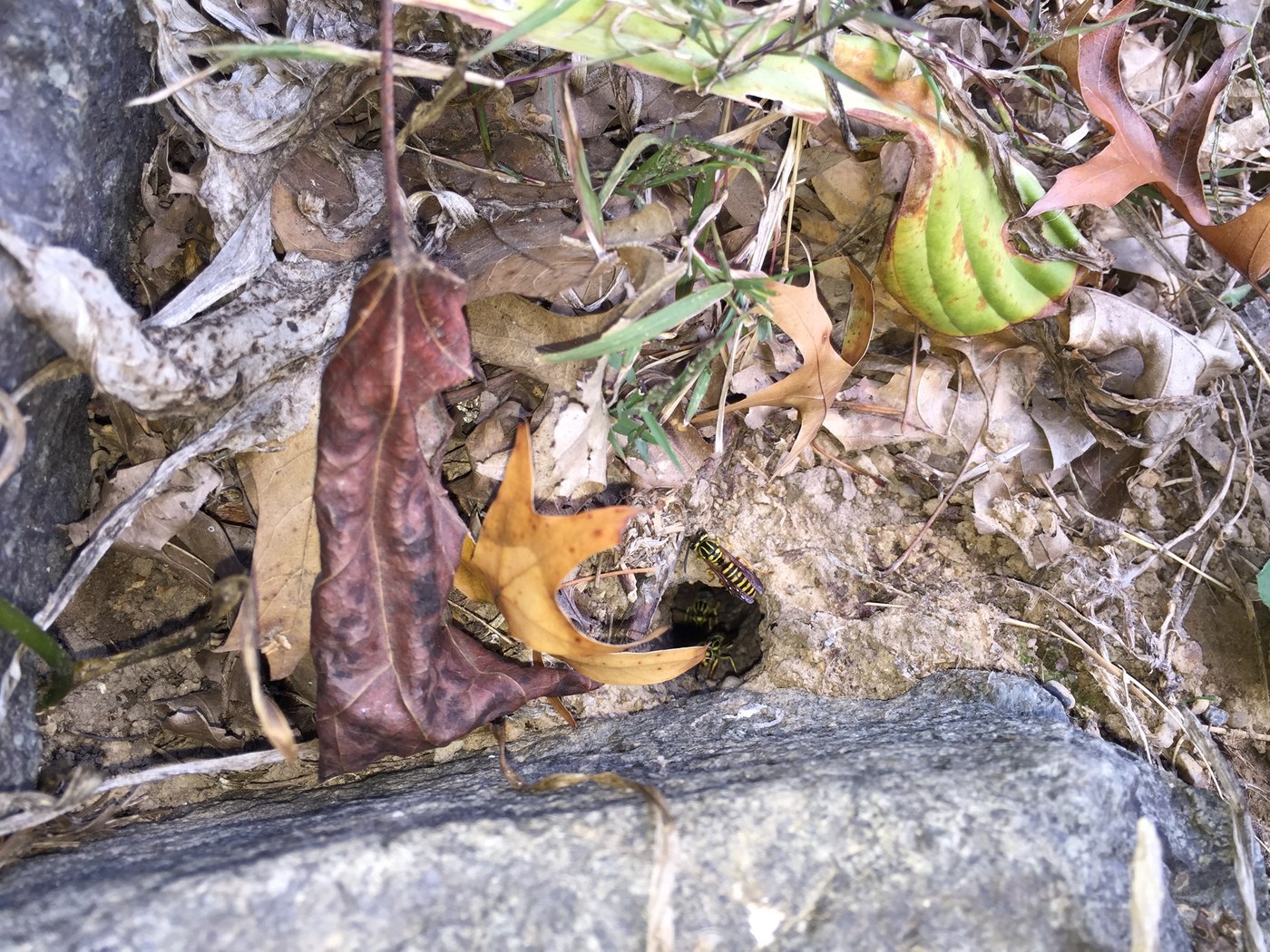
Yellow Jacket
Ground nests, wall voids, parks, and areas near food sources
Sawfly
Gardens, woodlands, and orchards on host foliage
Red Paper Wasp
Eaves, porch ceilings, sheds, open woodland edges, gardens
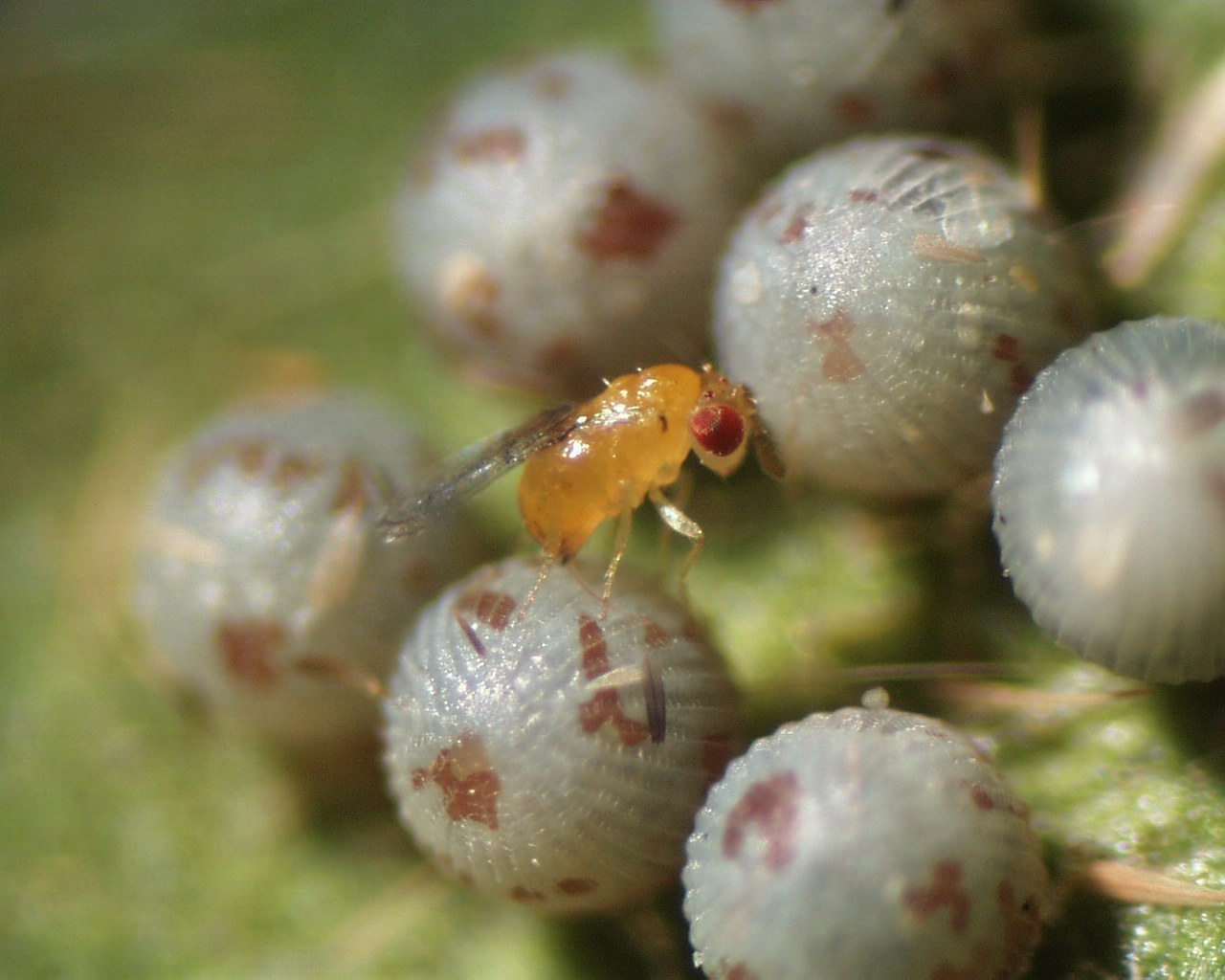
Trichogramma Wasp
Fields, gardens, and crops worldwide
Sand Wasp
Sandy soils, dunes, beaches, and bare open ground