
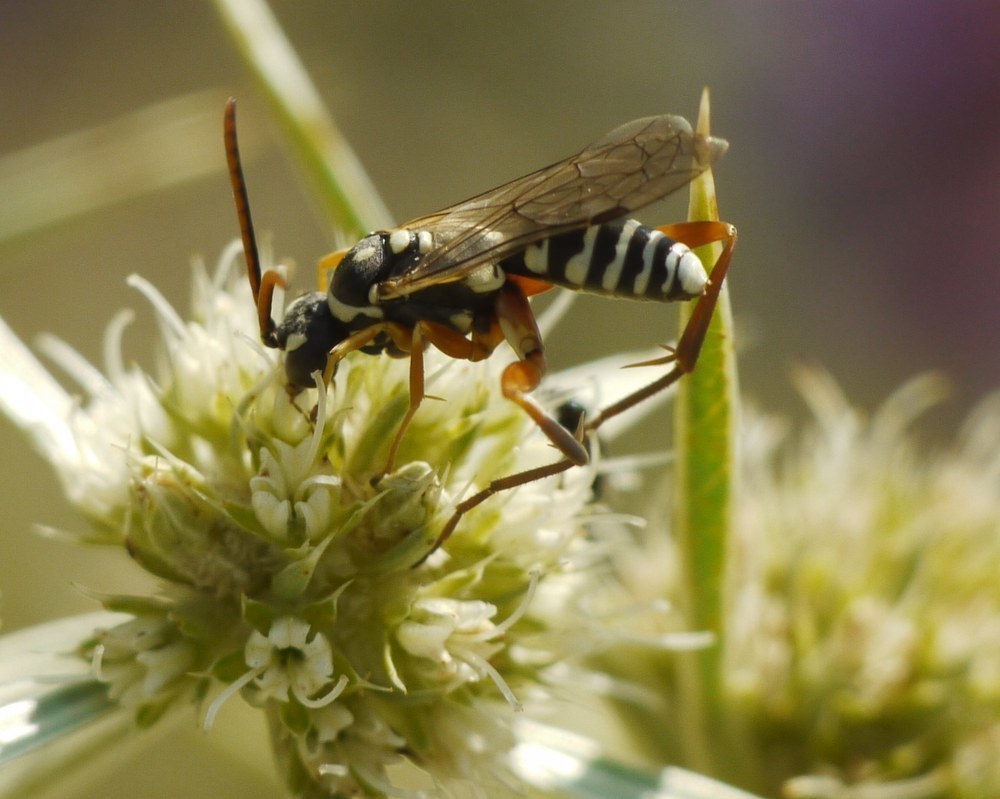
Spider Wasp
Pompilidae spp.
A quick, nervous-flying solitary wasp with long spiny legs and constantly flicking wings, recognized for its habit of running across open ground in short bursts while hunting spiders to paralyze and store for its young.
- Size
- 10–25 mm
- Habitat
- Gardens, grasslands, and sandy open areas worldwide
- Danger
- Stings
Spotted a bug like this?
Identify any bug or insect from a photo, free.
Overview
Spider wasps make up the family Pompilidae, a large and worldwide group of solitary wasps whose defining trait, as the name suggests, is hunting spiders exclusively to provision their nests. The family includes the giant tarantula hawks as well as far more numerous small to medium-sized species that hunt web-building and ground spiders of many kinds.
Most spider wasps are dark-bodied with long legs adapted for chasing and grappling with prey that can be nearly as large as themselves. Their characteristic jerky, high-energy walking and flicking wing movements while searching the ground or vegetation for spiders make them fairly easy to recognize even without a close look.
As specialized spider predators, pompilid wasps help regulate spider populations in the habitats where they occur, filling an ecological niche distinct from the caterpillar- and fly-hunting wasps in other families.
How to Identify
- Slender to moderately robust body with notably long, spiny legs suited for grappling and carrying spider prey.
- Typically dark blue-black, brown, or black, sometimes with orange or amber-tinted wings or leg markings depending on species.
- Wings often held out to the sides and flicked or fluttered rapidly, especially while walking, a useful behavioral field mark.
- Long antennae that are frequently curled or coiled at rest in many species.
- Lookalikes: tarantula hawks are essentially oversized spider wasps in the same family; smaller mud daubers also have a thin waist but hunt spiders to store in mud tubes rather than ground burrows and lack the characteristic wing-flicking gait.
Habitat & Range
Spider wasps are found on every continent except Antarctica, occupying almost any habitat that supports spiders, including gardens, grasslands, forest edges, and sandy open ground. They are most often seen running rapidly across bare soil, sand, or low vegetation in search of prey, with peak activity during the warmer months of the year in temperate regions.
Behavior & Diet
Females actively search the ground and vegetation for spiders, sometimes entering a spider's own web or burrow to confront it. After a sting paralyzes the spider, the wasp drags or carries it to a nest site, which may be a burrow dug in soil, an existing cavity, or the spider's own retreat. A single egg is laid on the paralyzed spider before the nest is sealed. Adults themselves feed on nectar and are not known to defend a shared nest, since each female works alone.
Life Cycle
The larva that hatches from the egg feeds on the paralyzed spider over roughly one to two weeks, then spins a cocoon and pupates within the nest chamber, completing metamorphosis. Depending on species and climate, spider wasps may produce one or more generations per year, typically overwintering as a larva or pupa in a protected cell underground or in plant debris.
Frequently asked questions
Why is this wasp running across the ground so fast?
Spider wasps characteristically search open ground in quick bursts, flicking their wings, while hunting for spiders to paralyze and provision their nest.
Are tarantula hawks a type of spider wasp?
Yes, tarantula hawks belong to the same family, Pompilidae, but are much larger species specialized on tarantulas.
Do spider wasps build their own nests?
Many dig burrows or use existing cavities, and some even use the paralyzed spider's own burrow or web retreat as the nest site.
Are spider wasps dangerous to have around a garden?
They are solitary and not aggressive toward people, generally only stinging in self-defense if handled, and they help control spider populations.
Spider Wasp guides
In-depth guides for identifying, understanding, and living alongside Spider Wasp.
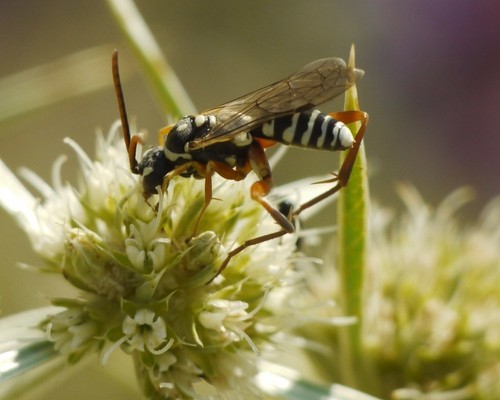
Spider Wasp identified by the community
Real finds identified with Bug Identifier.
Other bugs you may enjoy
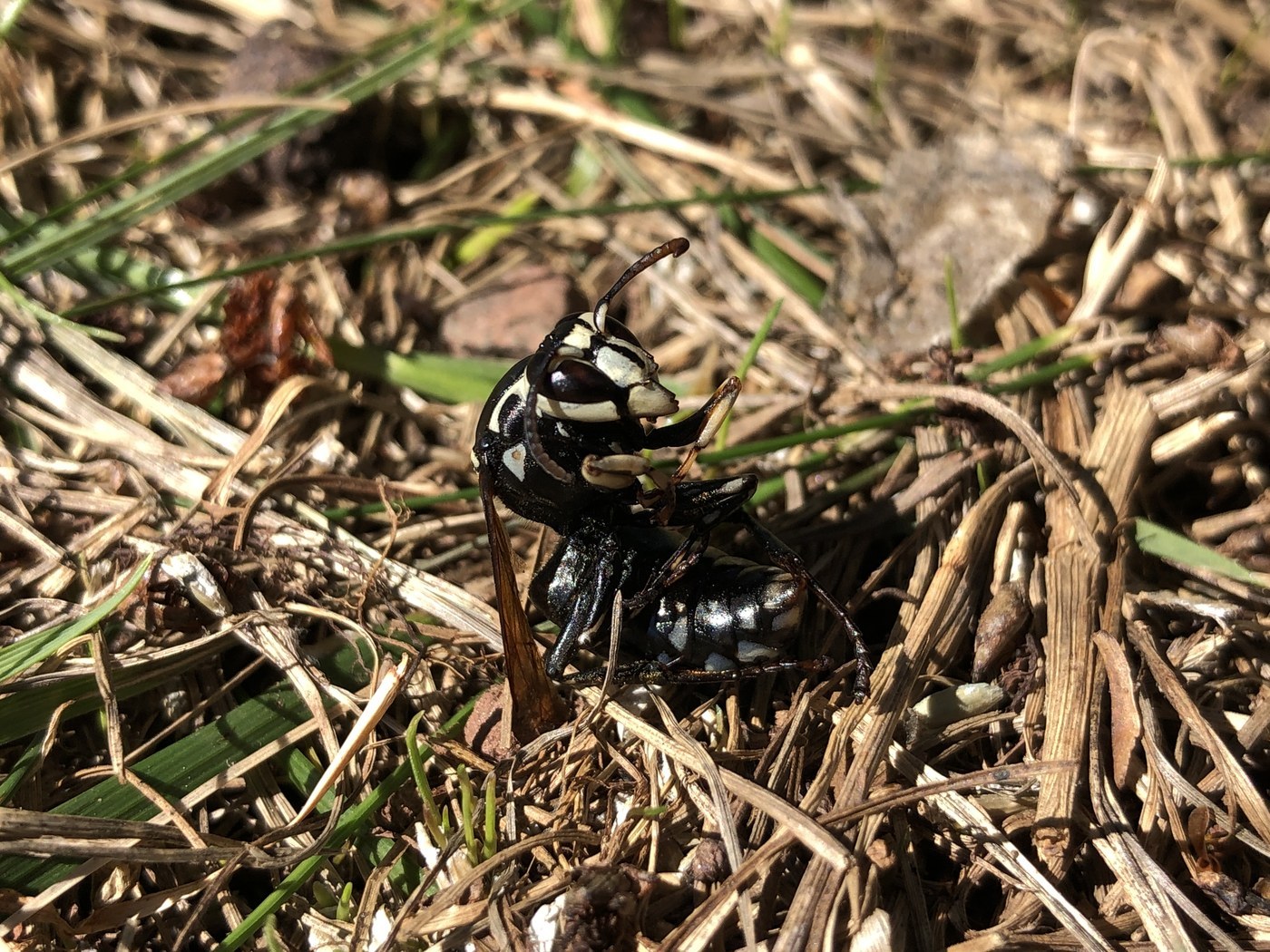
Bald-faced Hornet
Woodland edges, shrubs, and tree branches across North America
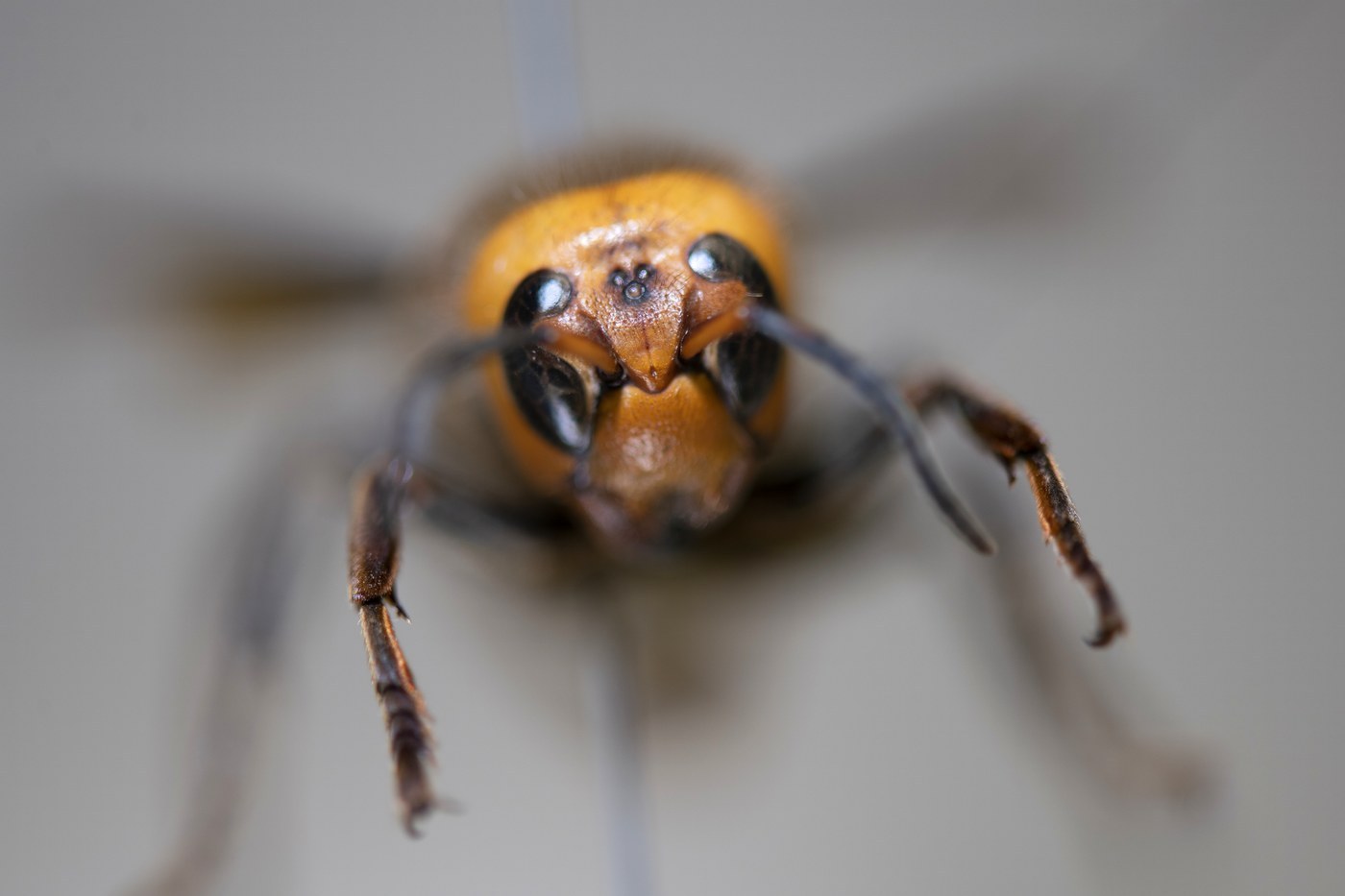
Asian Giant Hornet
Forested lowlands and mountains of East and South Asia; low tree hollows
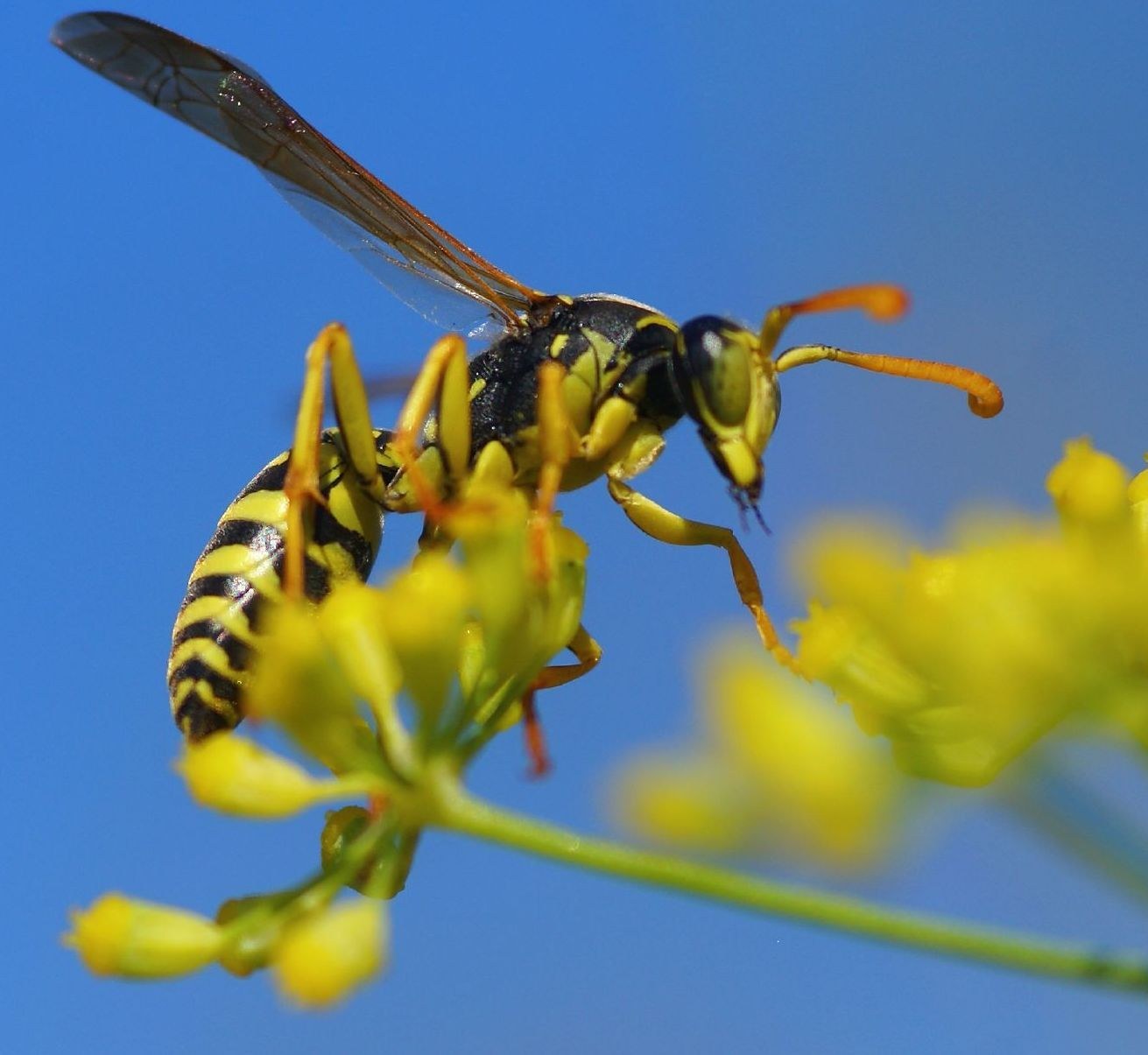
Yellowjacket
Underground nests, wall voids, gardens, picnic areas
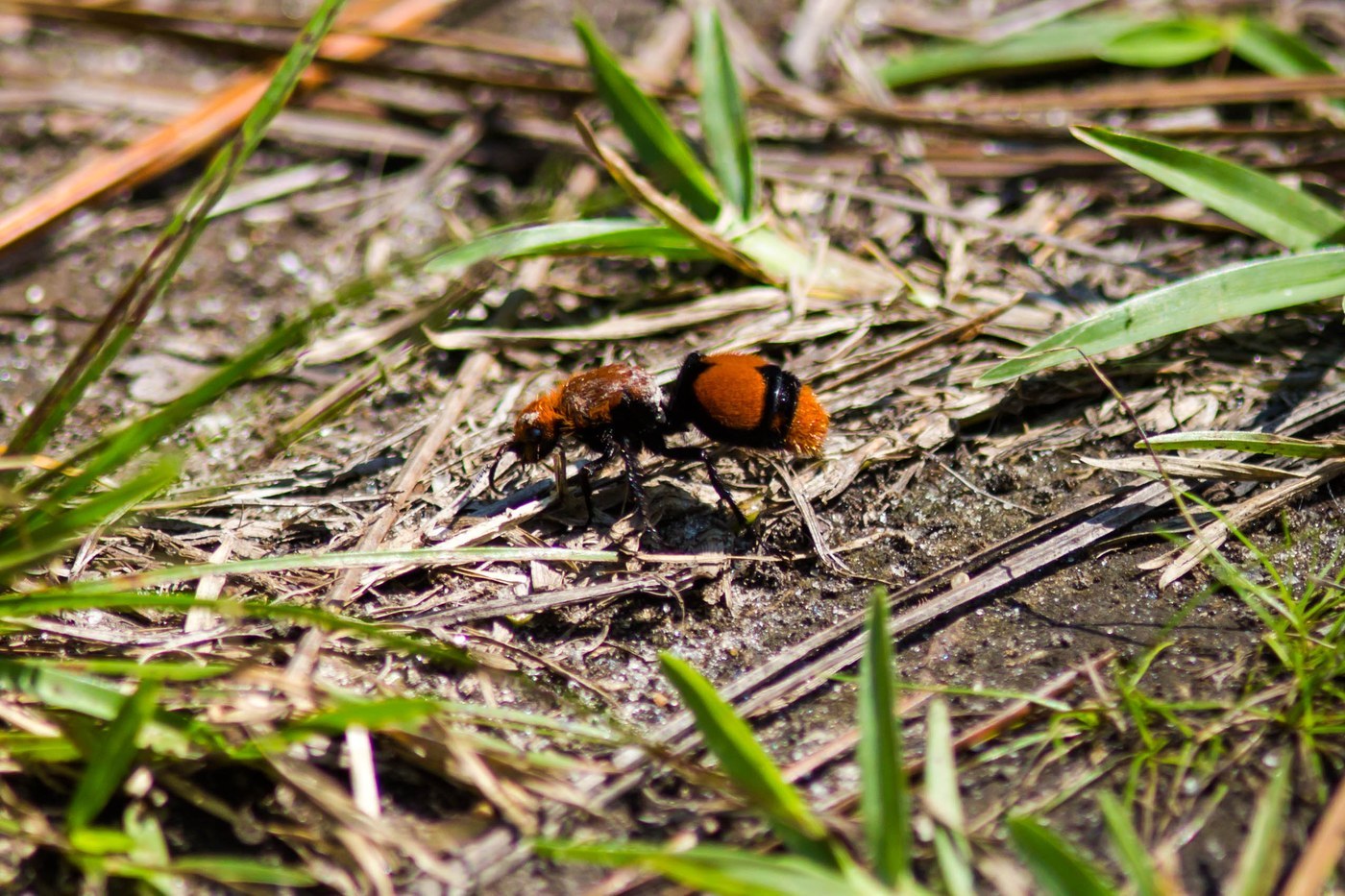
Velvet Ant
Sandy soils, open fields, dunes, roadsides in warm regions
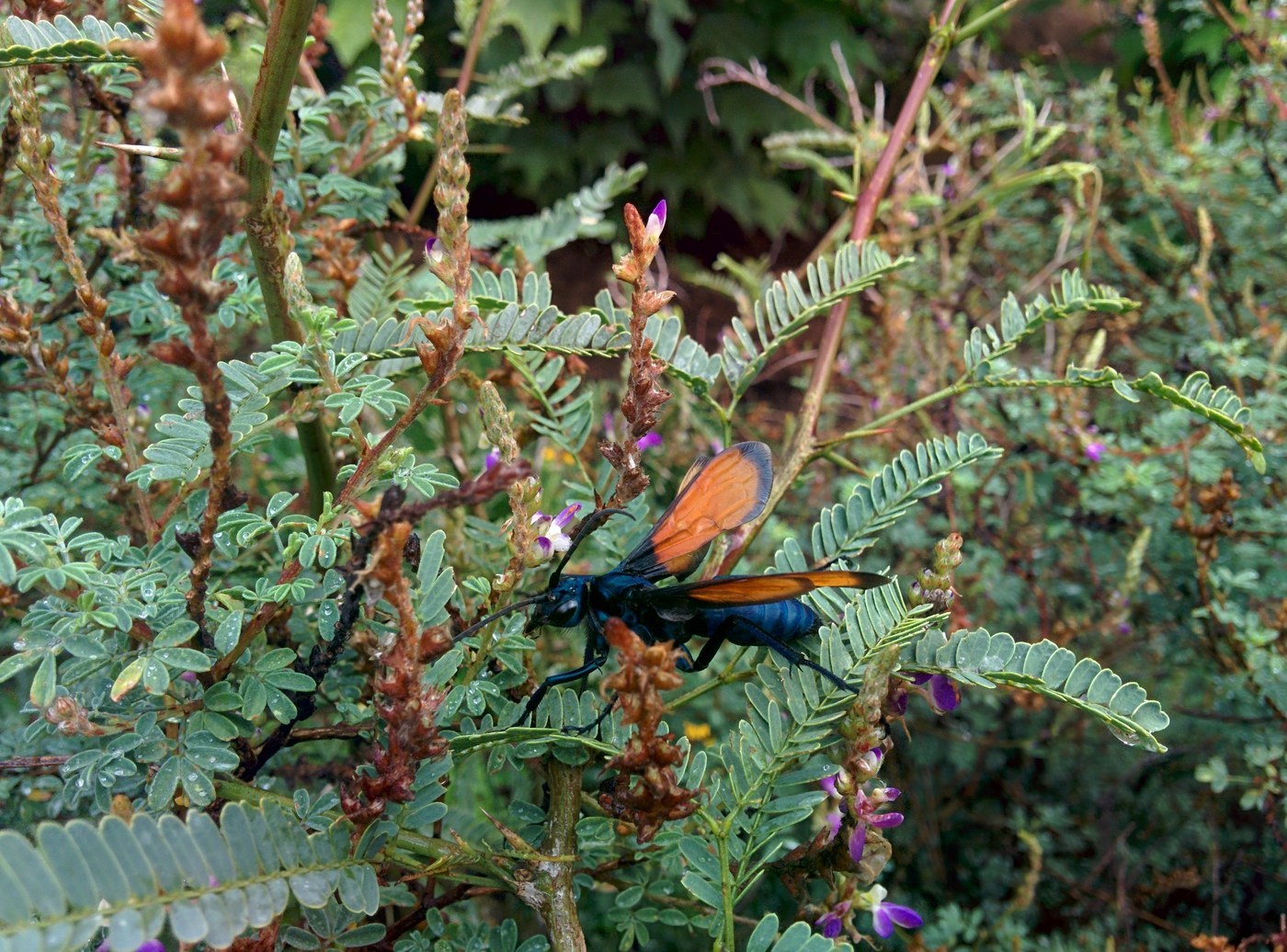
Tarantula Hawk
Deserts, arid scrublands, and dry grasslands
Tarantula Hawk Wasp
Deserts, grasslands, and scrub of the Americas
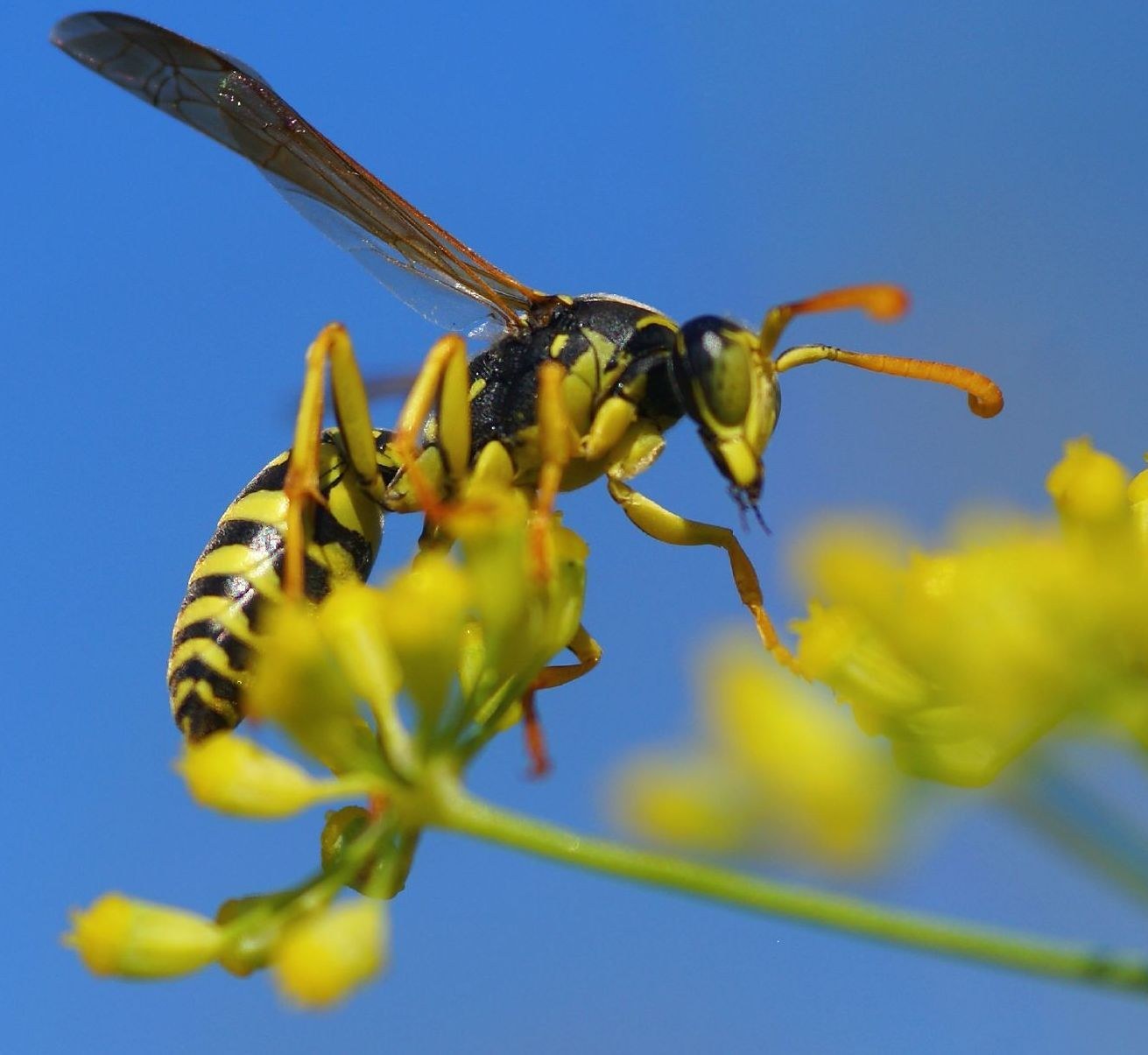
Wasp
Gardens, woodlands, eaves, and urban areas worldwide
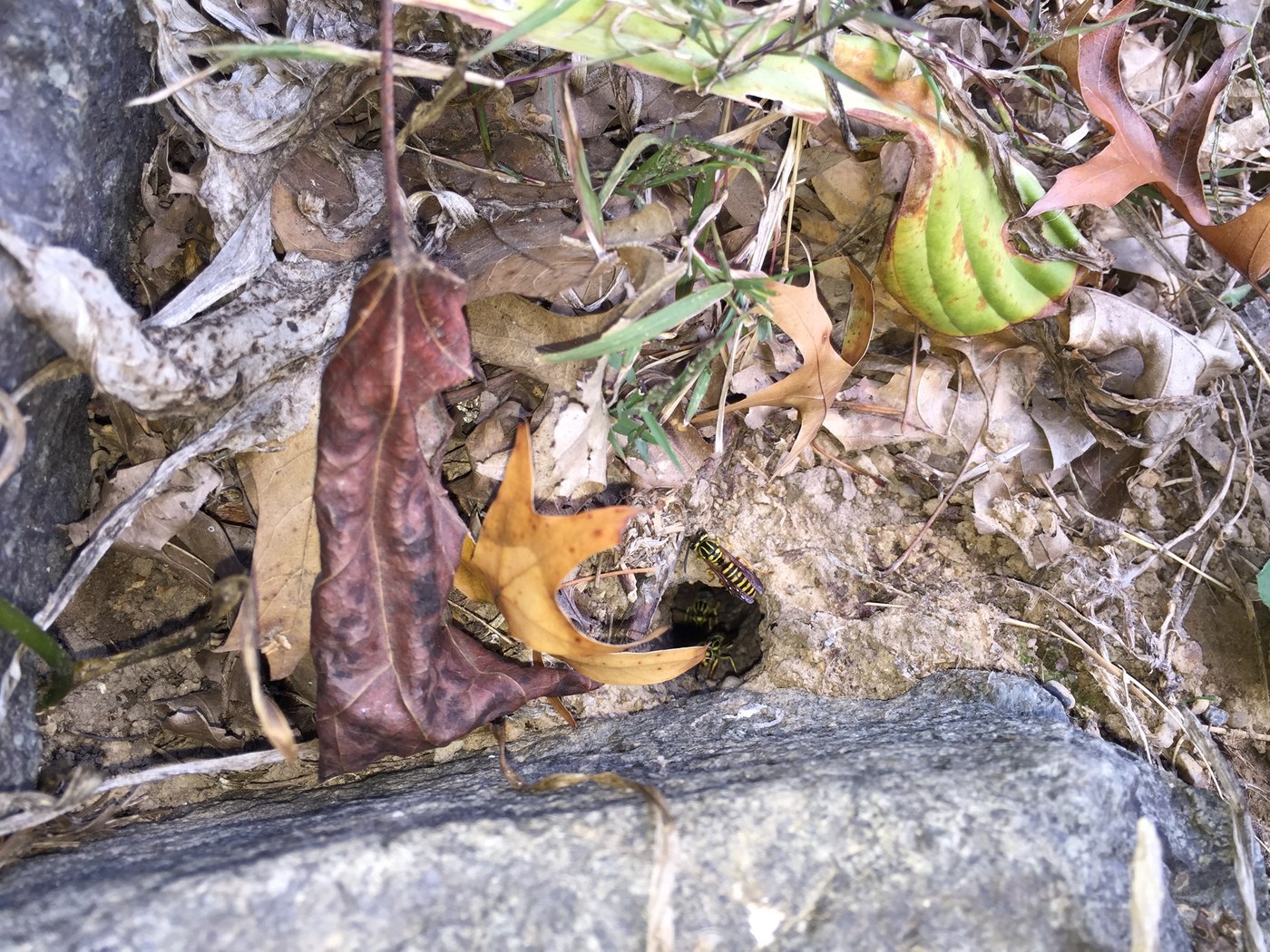
Yellow Jacket
Ground nests, wall voids, parks, and areas near food sources
Sawfly
Gardens, woodlands, and orchards on host foliage
Red Paper Wasp
Eaves, porch ceilings, sheds, open woodland edges, gardens
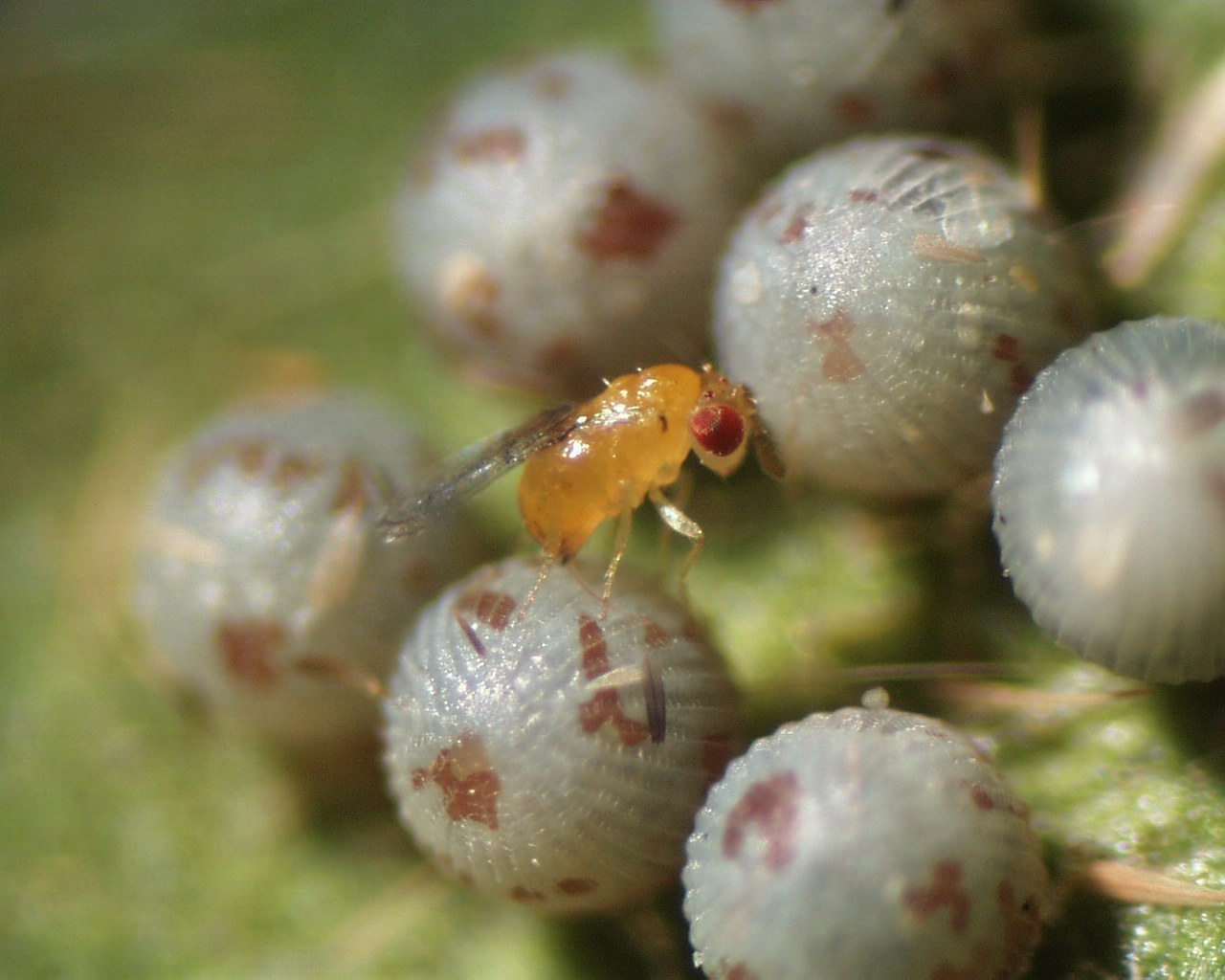
Trichogramma Wasp
Fields, gardens, and crops worldwide
Sand Wasp
Sandy soils, dunes, beaches, and bare open ground