
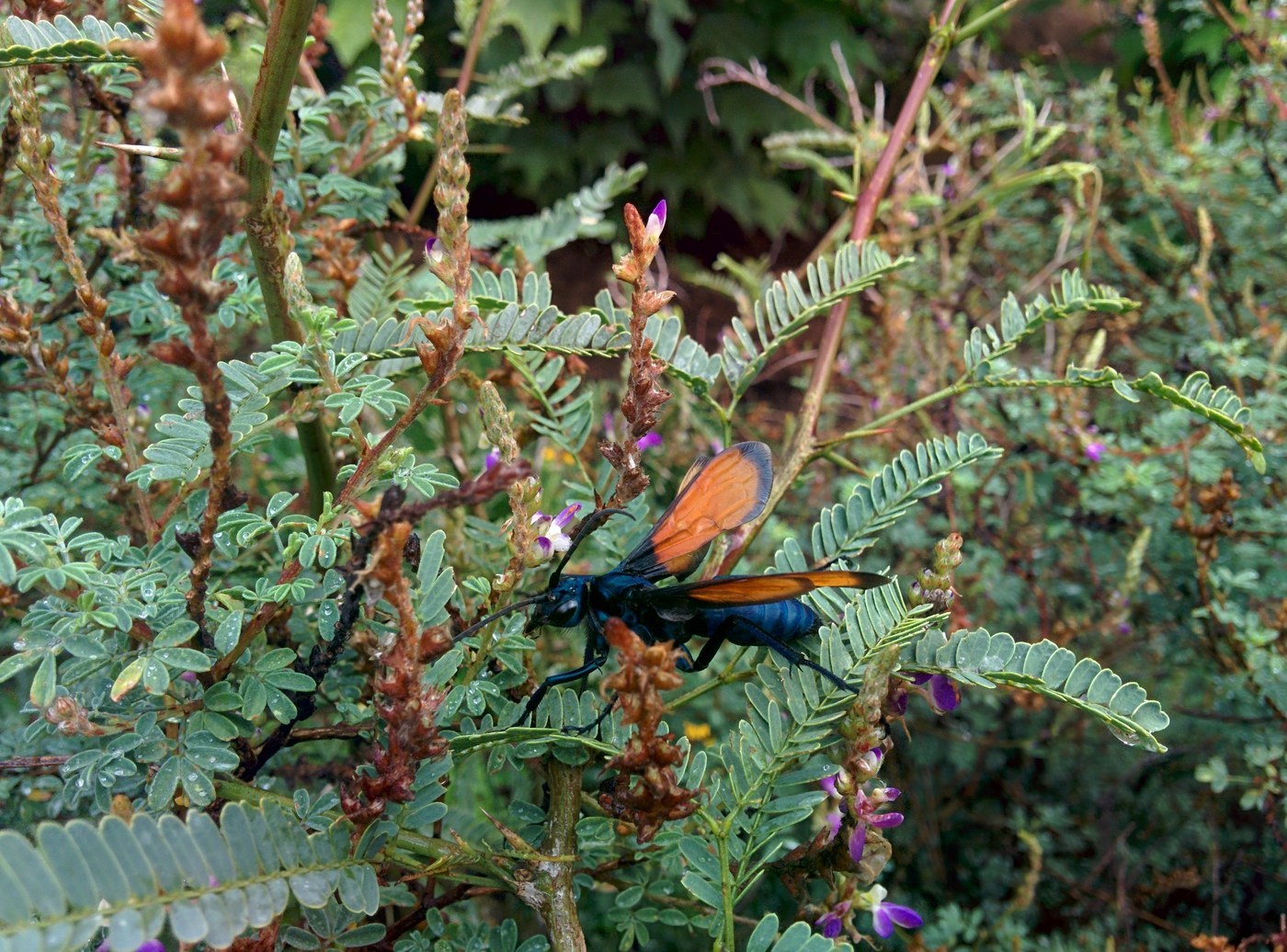
Tarantula Hawk
Pepsis grossa
One of the largest wasps in the world, with a glossy metallic blue-black body and vivid burnt-orange wings, famous for hunting tarantulas to provision a single underground burrow for its larva.
- Size
- 25–50 mm
- Habitat
- Deserts, arid scrublands, and dry grasslands
- Danger
- Stings
Spotted a bug like this?
Identify any bug or insect from a photo, free.
Overview
Tarantula hawks are large spider wasps in the family Pompilidae, genus Pepsis, renowned as some of the biggest wasps on Earth alongside their close relatives in the genus Hemipepsis. Their striking size and bold coloration make them one of the most recognizable insects in the arid regions where they live.
As their name suggests, tarantula hawks specialize in hunting large ground-dwelling tarantulas rather than smaller spiders. A female locates a tarantula, engages it in a brief struggle, and delivers a sting that paralyzes the spider, which she then drags into a burrow to serve as a single, enormous food source for one larva.
Despite their formidable hunting behavior toward tarantulas, adult tarantula hawks are primarily nectar feeders and are considered relatively docile toward people, generally avoiding conflict unless provoked or trapped.
How to Identify
- Very large wasp, among the biggest in the world, with a robust body often exceeding an inch in length.
- Glossy metallic blue-black body contrasting sharply with bright rust-orange or amber wings (though some individuals show dark wing forms).
- Long, curled antennae and long legs adapted for grappling with large spider prey.
- Slow, deliberate flight punctuated by fast bursts, often seen low over open ground or nectaring at flowers such as milkweed.
- Lookalikes: other large spider wasps in genus Hemipepsis look similar but tend to be somewhat smaller; overall size and vivid orange wings are the most reliable identification clues.
Habitat & Range
Tarantula hawks are found across warm, arid regions of the Americas, including deserts and dry scrublands of the southwestern United States, Mexico, and Central and South America, wherever ground-dwelling tarantulas occur. They favor open sandy or rocky terrain with sparse vegetation, and adults are most active during the warmer months, especially summer, when they can be seen visiting flowering plants for nectar.
Behavior & Diet
Females actively search the ground for tarantulas, and upon finding one, engage in a rapid confrontation ending in a sting that paralyzes the spider. The wasp then drags the immobilized tarantula into a burrow, either one she digs or one taken from the spider itself, lays a single egg on it, and seals the chamber. Adults of both sexes feed on nectar and are important pollinators of certain desert plants. They are not aggressive toward people and generally reserve their sting for subduing prey or defending themselves if handled.
Life Cycle
The single egg laid on a paralyzed tarantula hatches into a larva that feeds on the still-living spider over several weeks, carefully avoiding vital organs to keep it alive as long as possible before finishing its meal. The larva then pupates within the burrow, undergoing complete metamorphosis. There is typically one generation per year, with the wasp overwintering as a larva or pupa underground before emerging as an adult in the following warm season.
Frequently asked questions
Is a tarantula hawk the largest wasp in the world?
It is among the largest, often cited as one of the biggest wasps, though a few related large spider-hunting wasps rival it in size.
Does it actually hunt tarantulas?
Yes, females specifically hunt large ground-dwelling tarantulas, paralyzing one to provision a single underground nest chamber.
What do adult tarantula hawks eat day to day?
Adults feed on flower nectar, using their spider-hunting behavior only for provisioning offspring, not for their own diet.
Are tarantula hawks aggressive toward people?
No, they are generally docile and tend to avoid confrontation with people unless directly handled or trapped.
Tarantula Hawk guides
In-depth guides for identifying, understanding, and living alongside Tarantula Hawk.
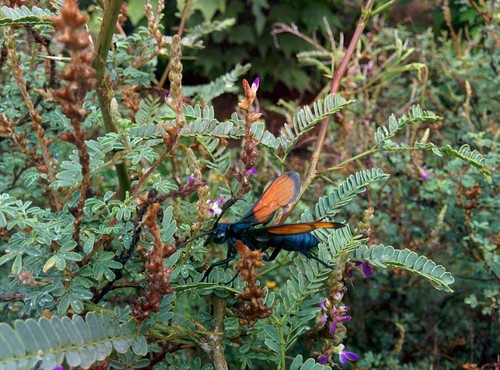
Tarantula Hawk identified by the community
Real finds identified with Bug Identifier.
Other bugs you may enjoy
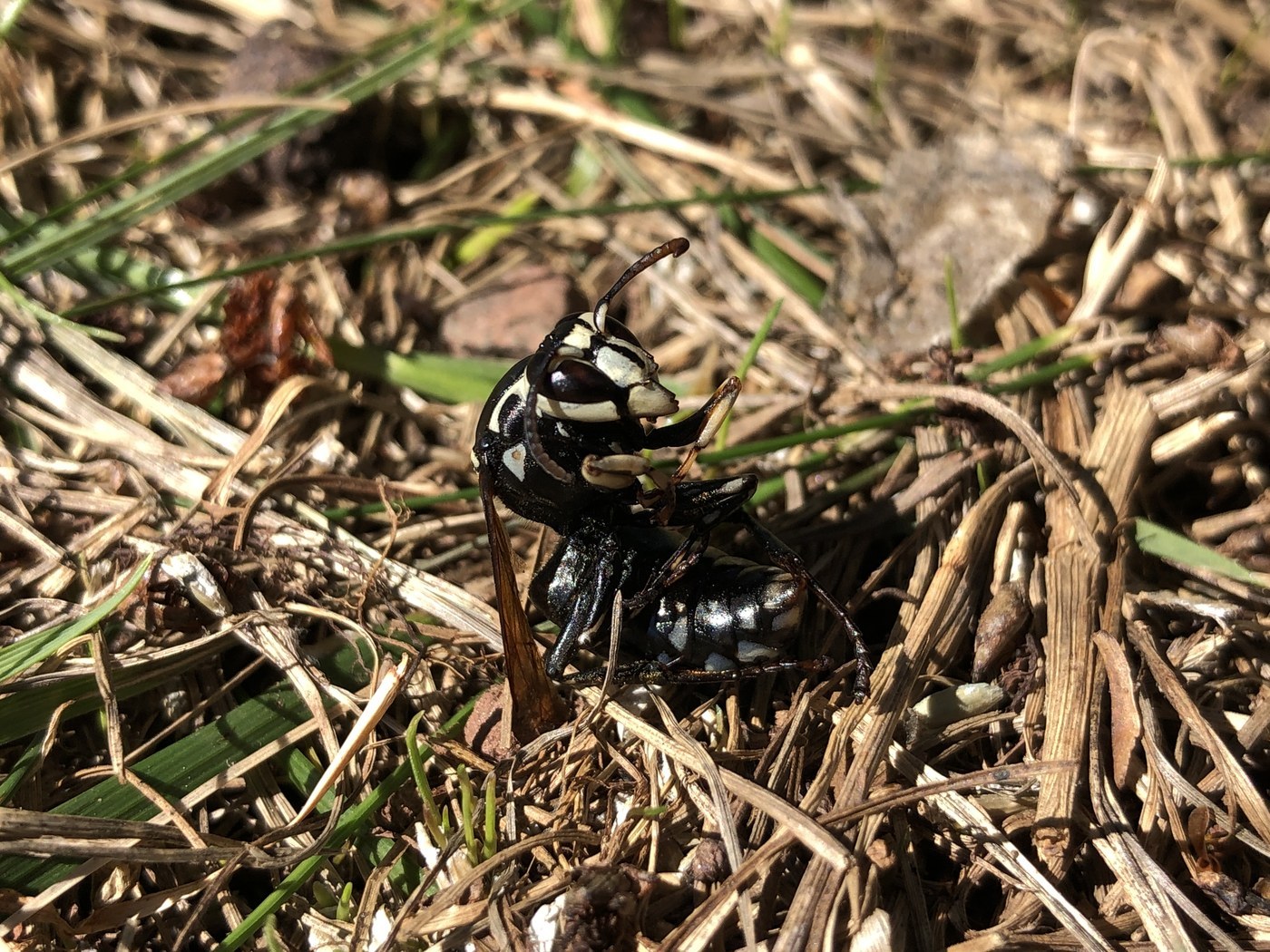
Bald-faced Hornet
Woodland edges, shrubs, and tree branches across North America
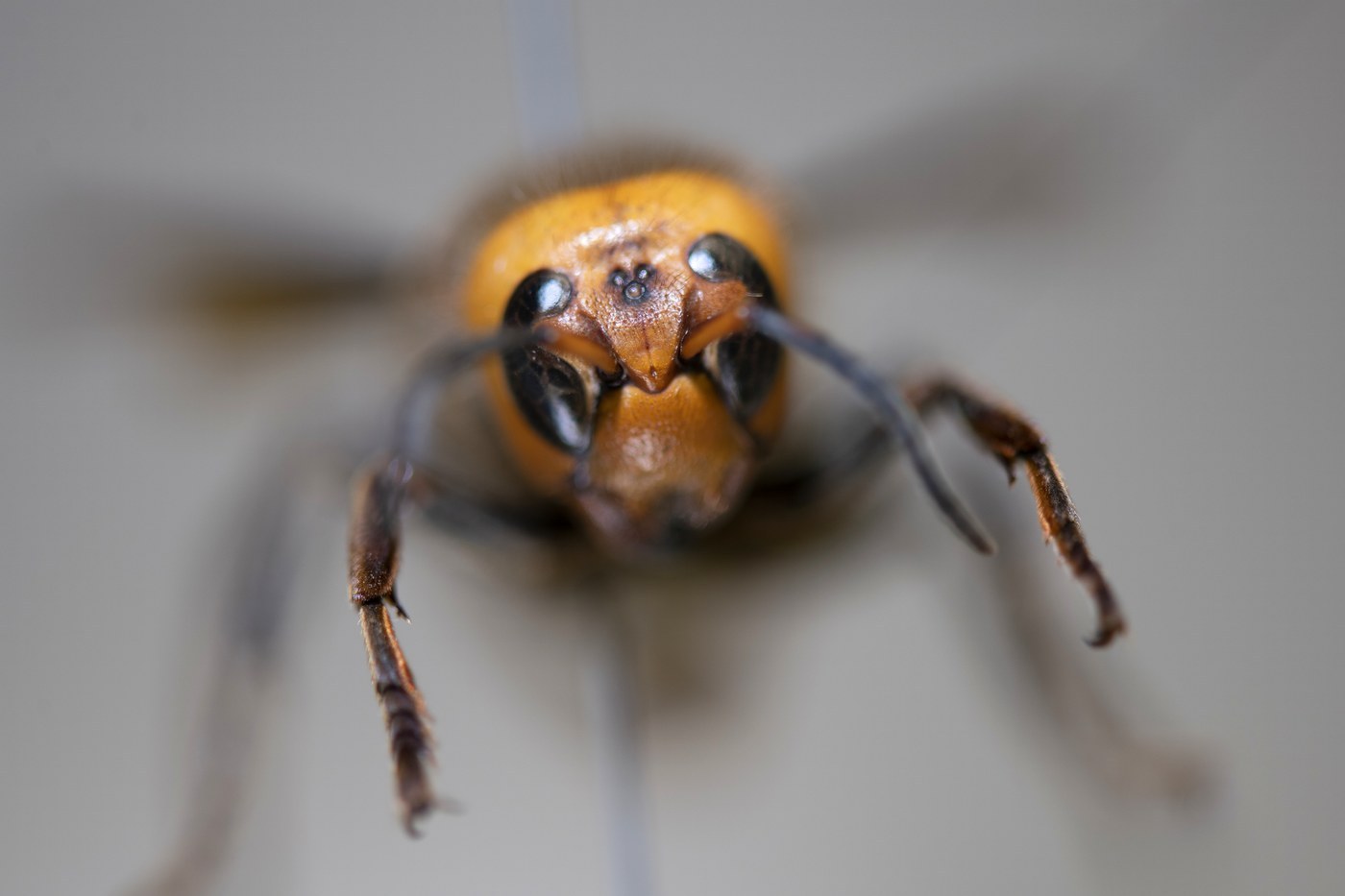
Asian Giant Hornet
Forested lowlands and mountains of East and South Asia; low tree hollows
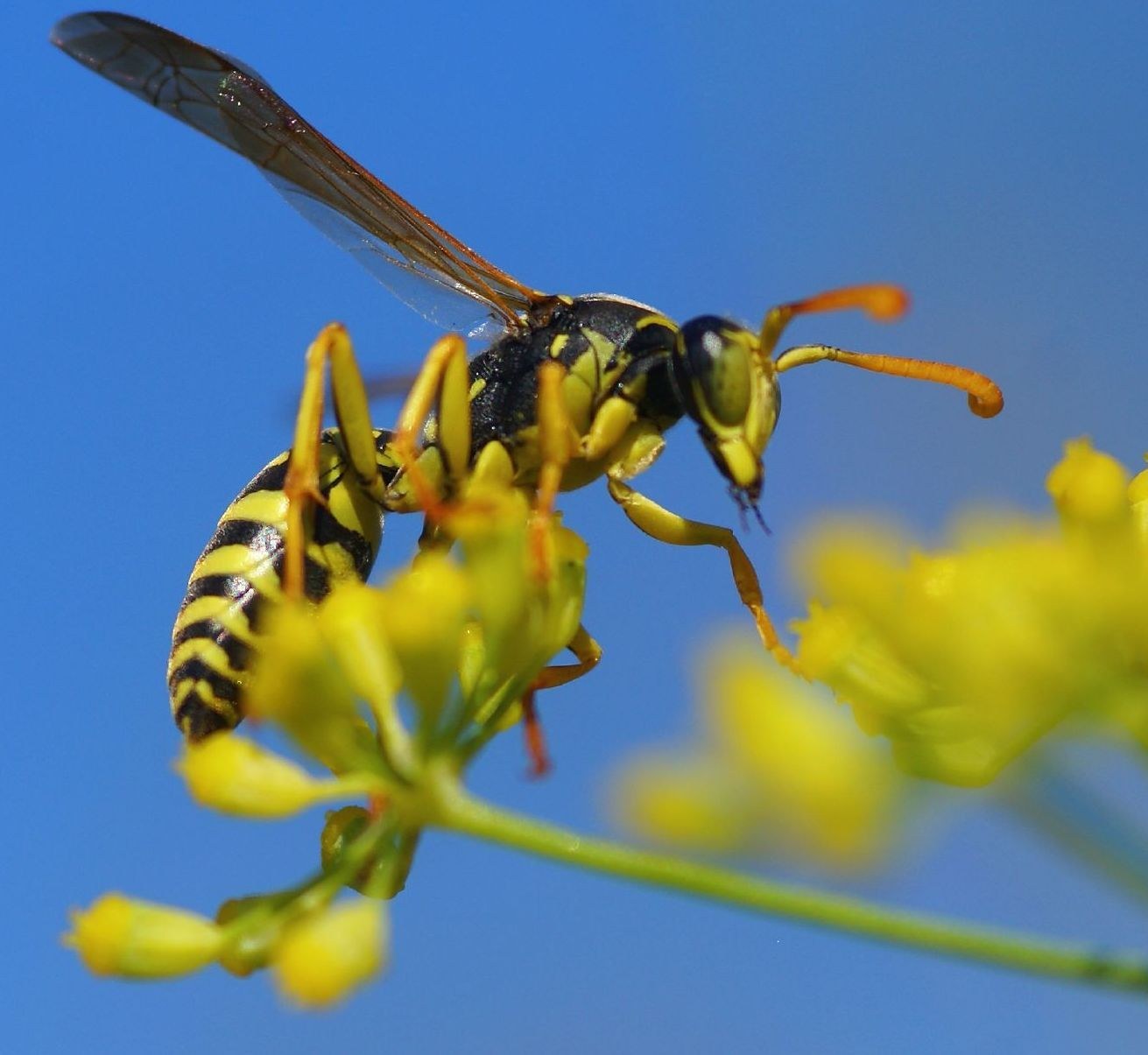
Yellowjacket
Underground nests, wall voids, gardens, picnic areas
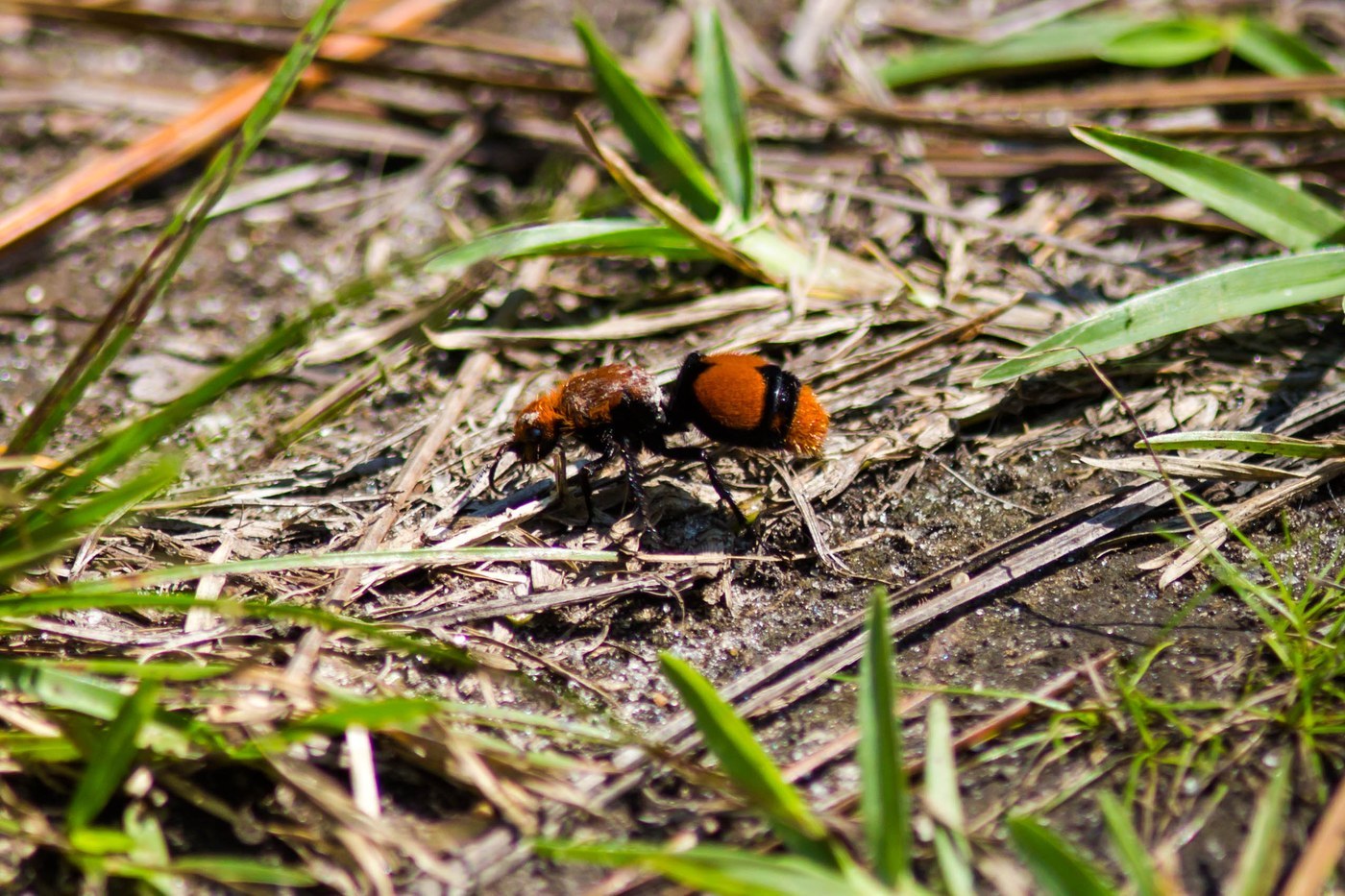
Velvet Ant
Sandy soils, open fields, dunes, roadsides in warm regions
Tarantula Hawk Wasp
Deserts, grasslands, and scrub of the Americas
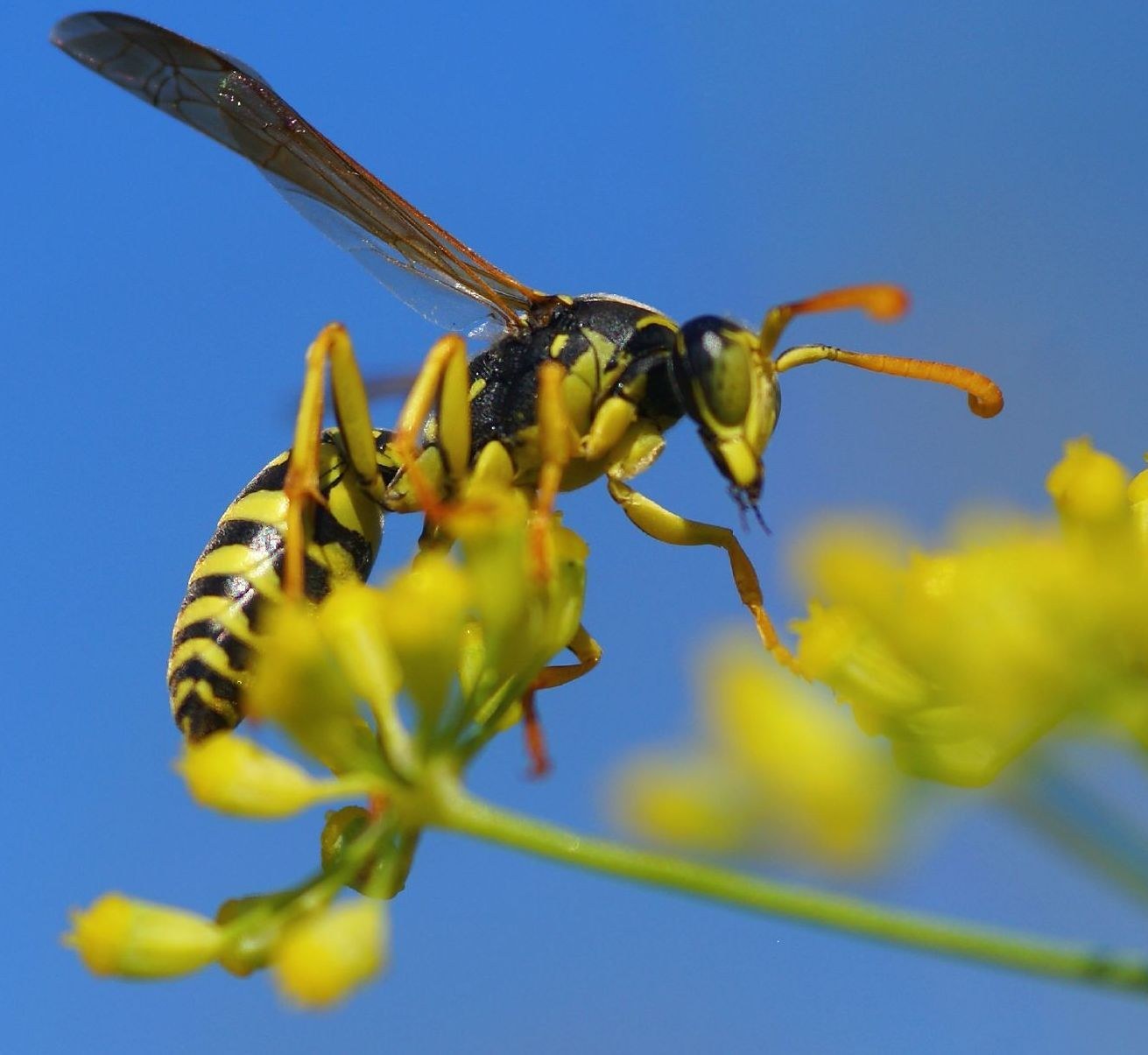
Wasp
Gardens, woodlands, eaves, and urban areas worldwide
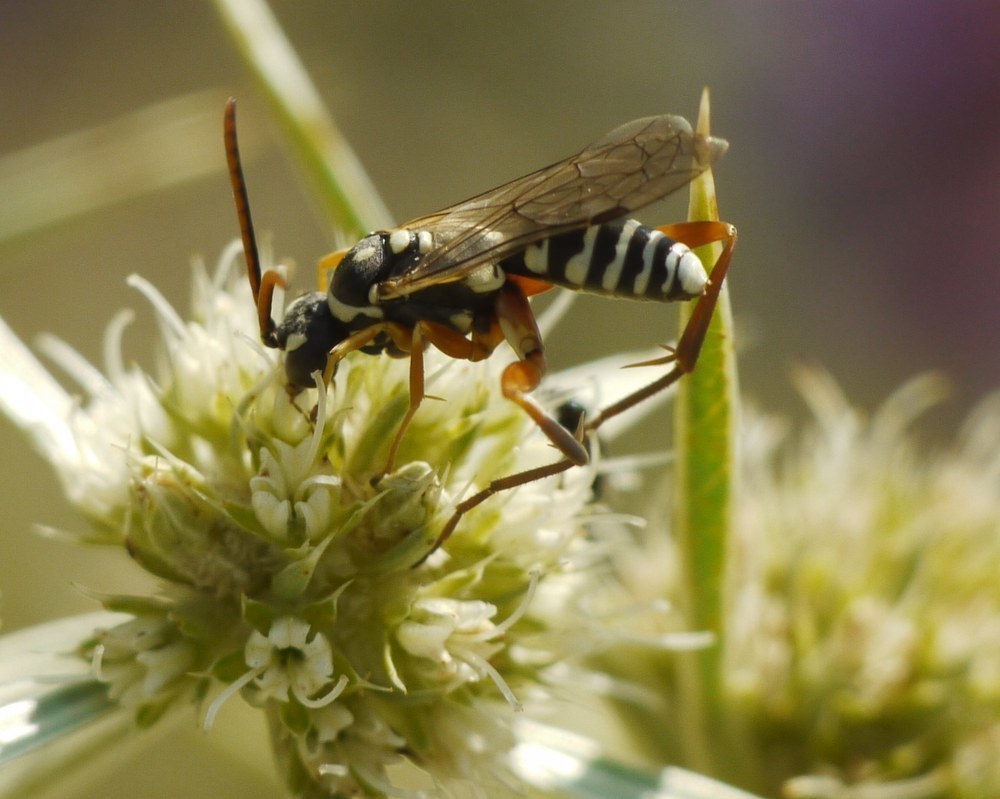
Spider Wasp
Gardens, grasslands, and sandy open areas worldwide
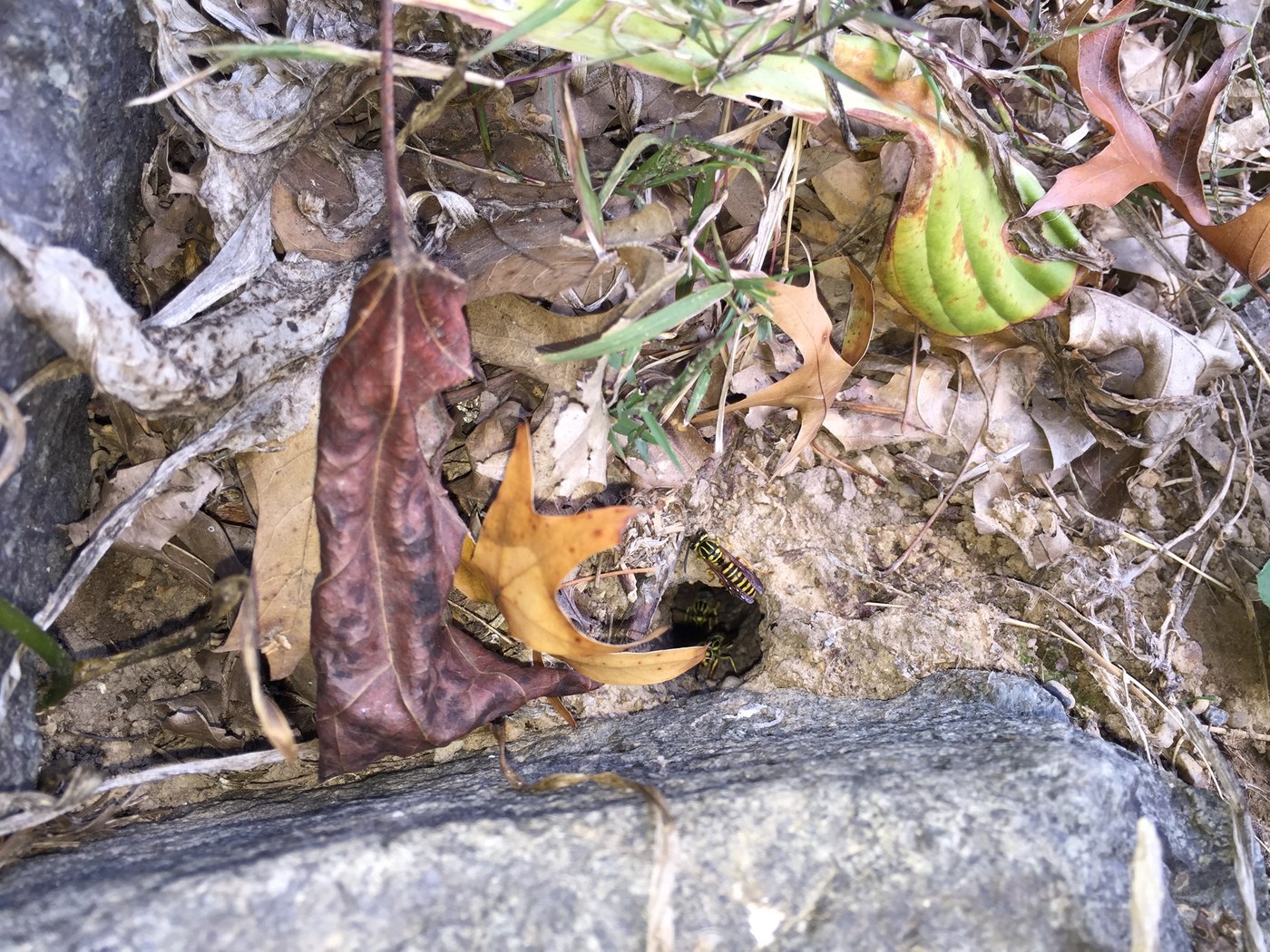
Yellow Jacket
Ground nests, wall voids, parks, and areas near food sources
Sawfly
Gardens, woodlands, and orchards on host foliage
Red Paper Wasp
Eaves, porch ceilings, sheds, open woodland edges, gardens
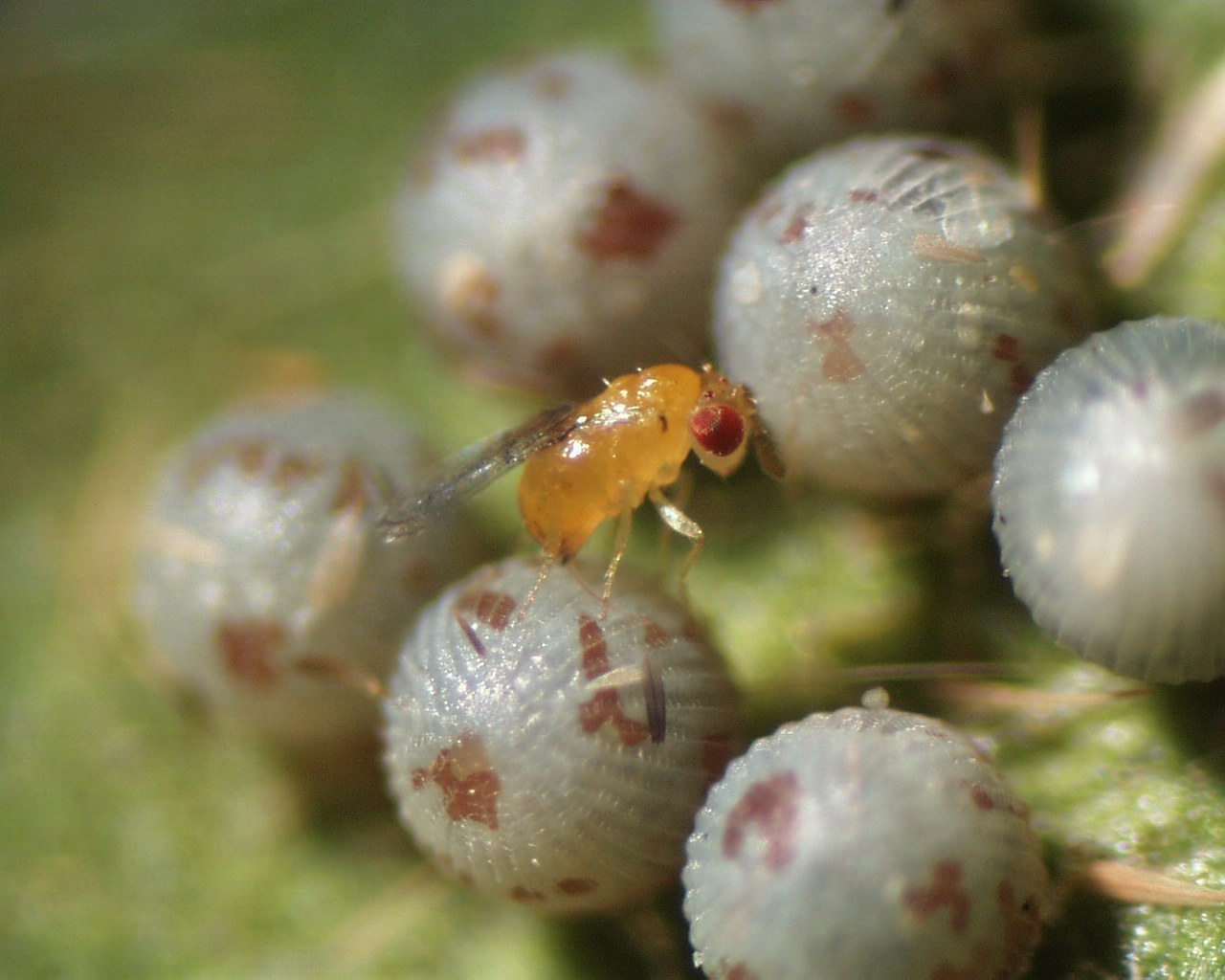
Trichogramma Wasp
Fields, gardens, and crops worldwide
Sand Wasp
Sandy soils, dunes, beaches, and bare open ground