
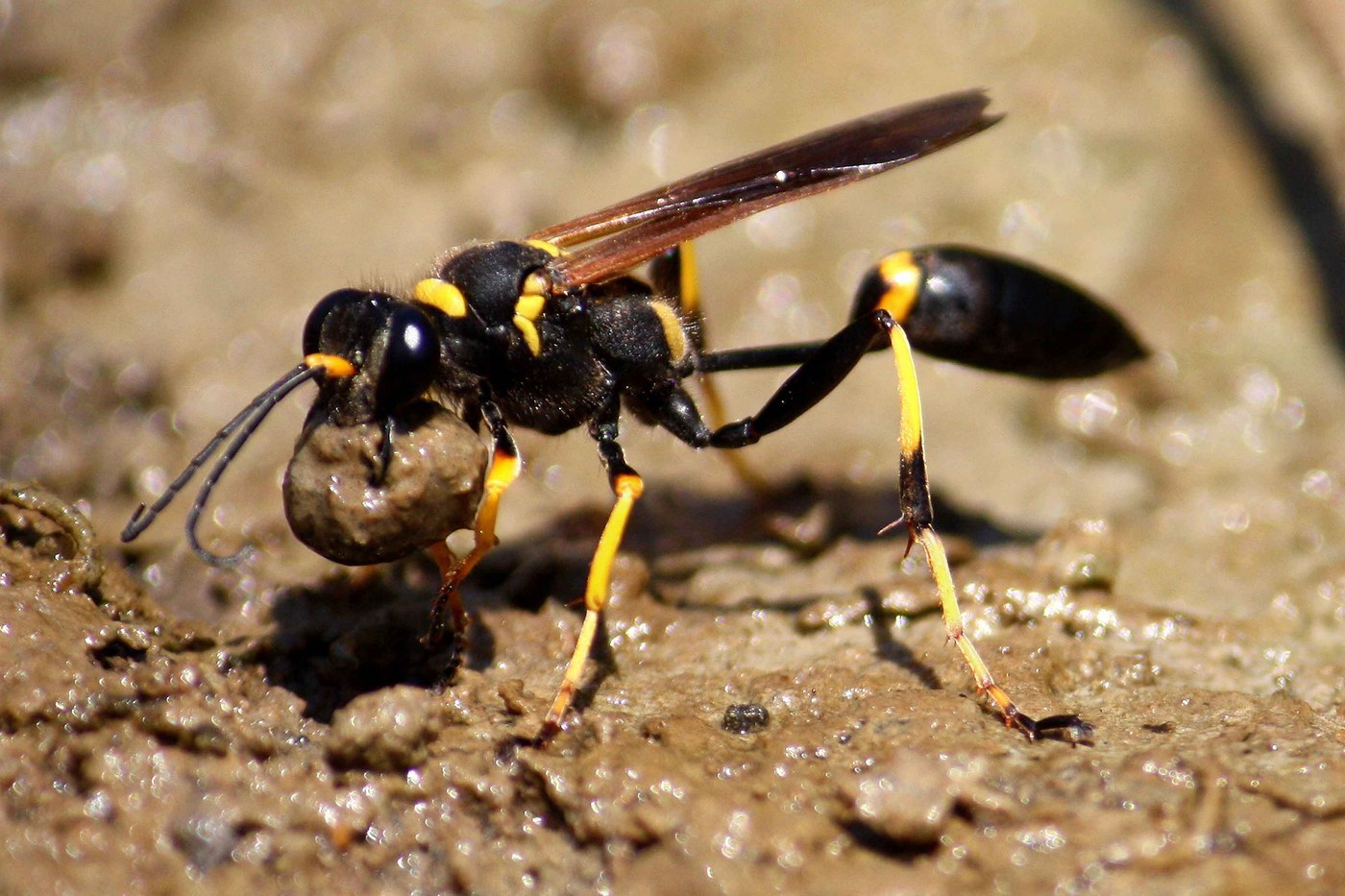
Mud Dauber
Sceliphron caementarium
A slender, non-aggressive solitary wasp with a distinctively long, thread-like waist, known for constructing tube- or pot-shaped nests out of mud pellets on walls and eaves.
- Size
- 20–28 mm
- Habitat
- Building eaves, sheds, and open structures near mud sources worldwide
- Danger
- Stings
Spotted a bug like this?
Identify any bug or insect from a photo, free.
Overview
Mud daubers are solitary wasps in the family Sphecidae (or Crabronidae, depending on classification), named for their habit of building nests entirely from mud they gather and shape themselves. The Black and Yellow Mud Dauber is the most familiar and widespread species across North America, recognized by its unusually elongated, thread-thin waist.
Unlike social wasps, mud daubers live and work alone, with each female independently building and provisioning her own nest without help from other wasps and without forming a colony or defending a shared nest. This solitary lifestyle generally makes them far less defensive than social species such as yellowjackets.
Ecologically, mud daubers play a valuable role as spider predators, since females hunt and paralyze spiders to stock their nest cells as food for developing larvae, making them a natural check on local spider populations.
How to Identify
- Extremely long, narrow, thread-like waist connecting the thorax and abdomen, more pronounced than in most other wasps.
- Body is typically black with yellow markings on the legs and thorax, though some related species are entirely metallic blue-black.
- Wings are smoky or amber-tinted and folded along the body at rest; legs are long and often trail visibly in flight.
- Nests are a key identification clue: cylindrical mud tubes or clustered mud cells resembling small pipe organs, attached to walls, eaves, or sheltered surfaces.
Habitat & Range
Mud daubers are found across most of North America and introduced in parts of other continents, favoring areas with both a mud source, such as puddle edges or damp soil, and sheltered vertical surfaces like building eaves, sheds, garages, or bridges for nest-building. They are active in warm months from late spring through summer and fall, often seen visiting mud puddles to gather nest material.
Behavior & Diet
Females work alone to construct nests, rolling mud into pellets and carrying them to a sheltered site to form tube-shaped cells. Each female hunts spiders, paralyzing them with a sting and packing several into a single mud cell before laying an egg and sealing it, repeating this process across multiple cells. Adults themselves feed on nectar, and because they are solitary and non-colonial, they show little nest-defense behavior compared to social wasps.
Life Cycle
After a cell is provisioned with paralyzed spiders and an egg is laid, the wasp seals the cell with mud, and the hatched larva feeds on the stored spiders as it develops through several instars. It then pupates within the sealed mud cell, emerging as an adult after several weeks depending on temperature. Multiple generations can occur in a season in warmer climates, and the species typically overwinters as a mature larva or pupa inside the protected mud nest, emerging as an adult the following season.
Frequently asked questions
Are mud daubers aggressive?
They are solitary wasps that generally show little nest-defense behavior and tend to be far less defensive around their nests than social wasps like yellowjackets.
What do mud dauber nests look like?
Nests are made of mud pellets shaped into cylindrical tubes or clustered pipe-like cells, typically attached to walls, eaves, or other sheltered surfaces.
What do mud daubers hunt?
Females hunt and paralyze spiders, packing them into mud cells as a food supply for their developing larvae.
Do mud daubers live in colonies?
No, each female builds and provisions her own nest independently, without cooperating with other wasps or forming a shared colony.
Mud Dauber guides
In-depth guides for identifying, understanding, and living alongside Mud Dauber.
Mud Dauber identified by the community
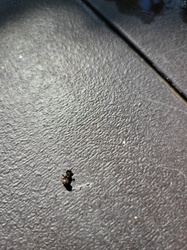
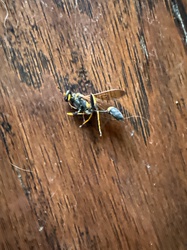
Real finds identified with Bug Identifier.
Other bugs you may enjoy
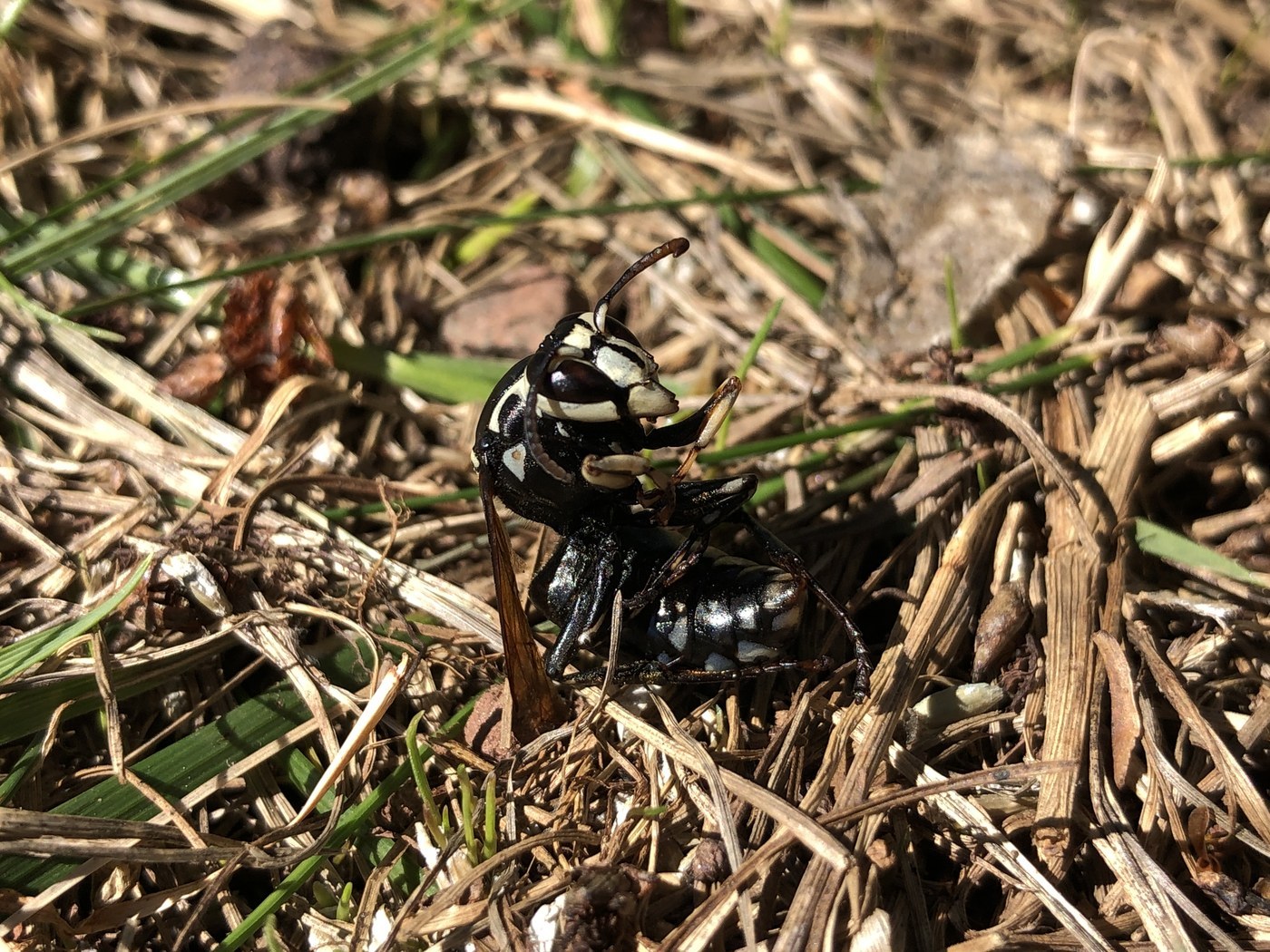
Bald-faced Hornet
Woodland edges, shrubs, and tree branches across North America
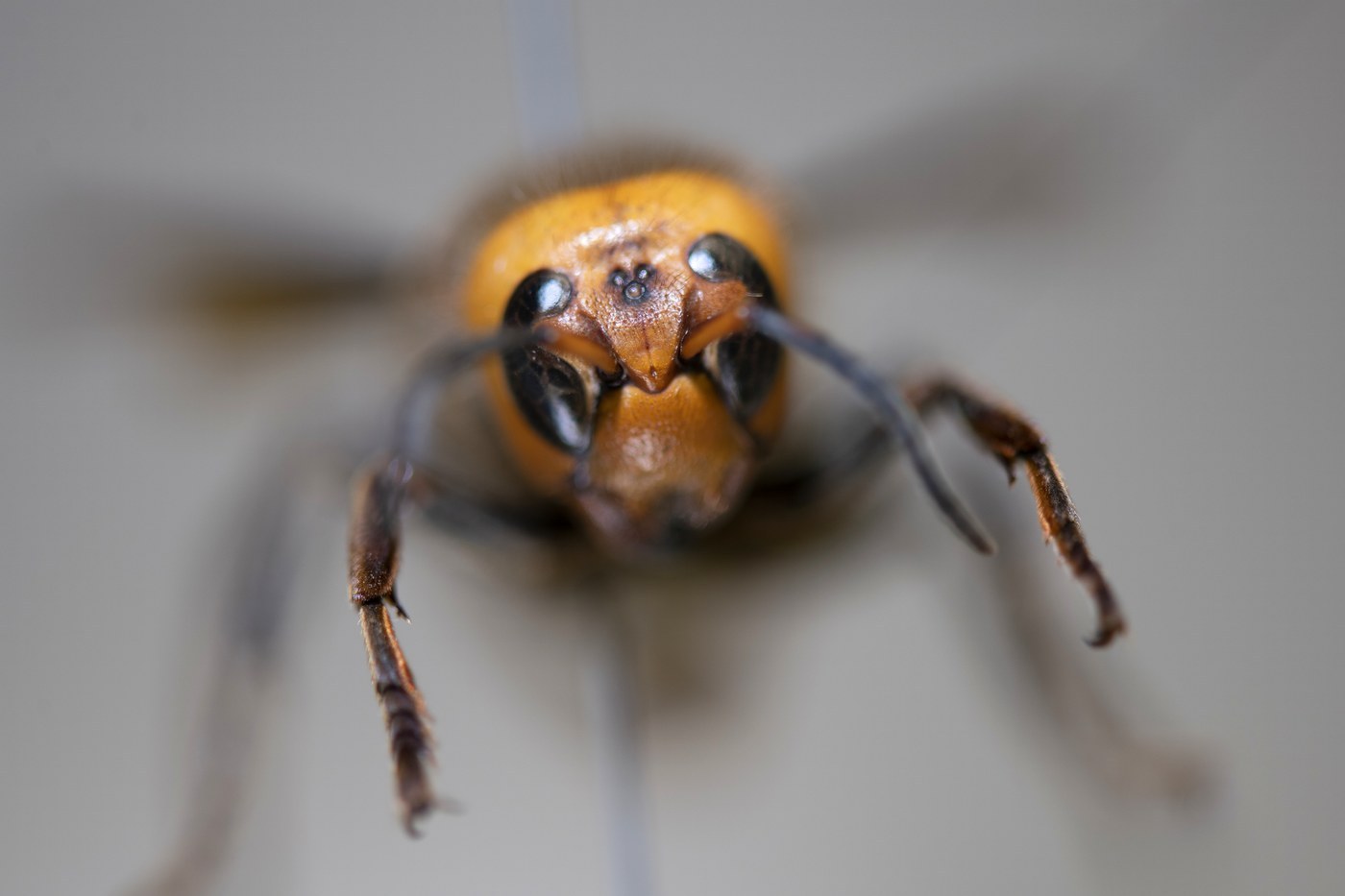
Asian Giant Hornet
Forested lowlands and mountains of East and South Asia; low tree hollows
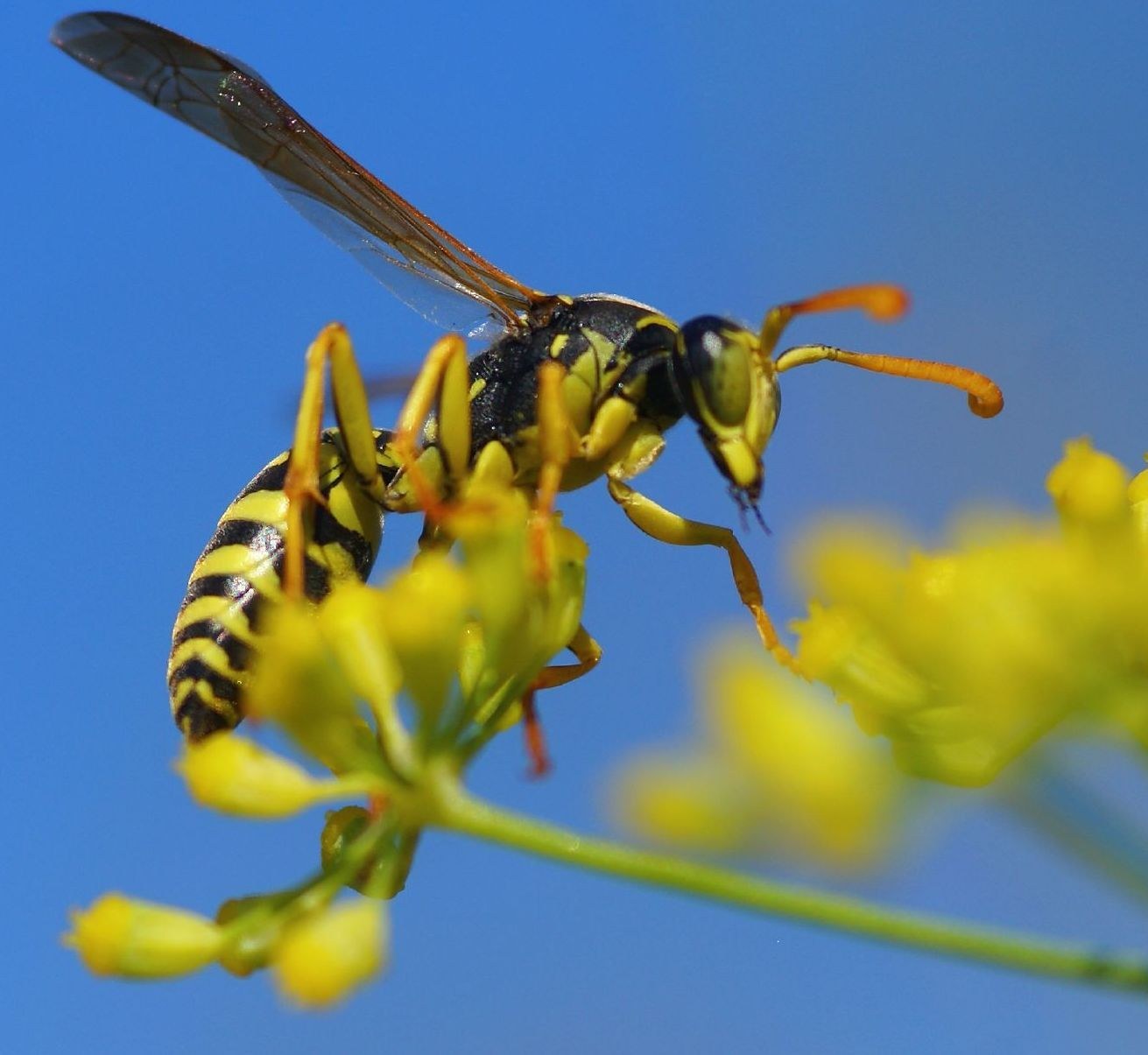
Yellowjacket
Underground nests, wall voids, gardens, picnic areas
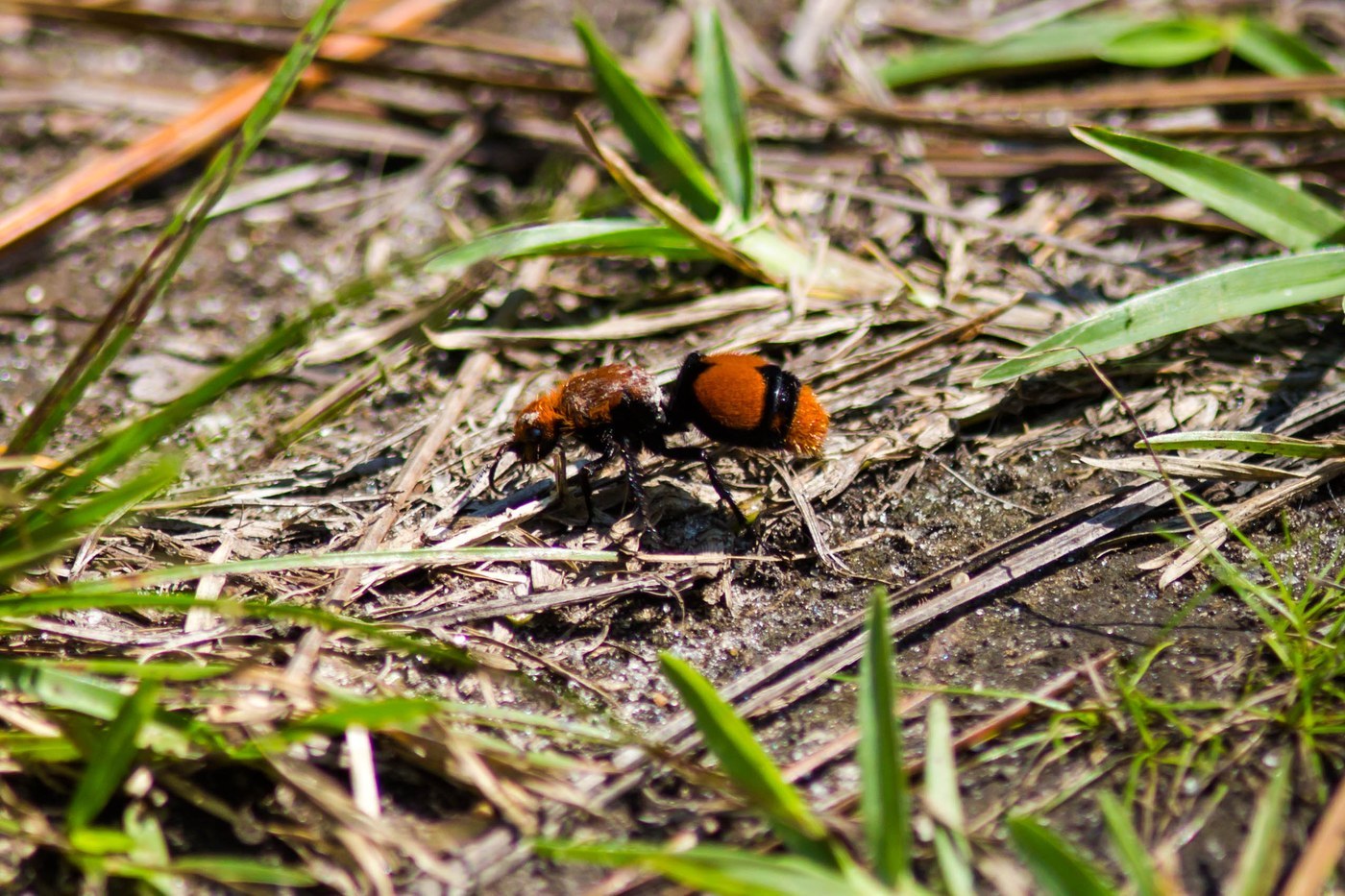
Velvet Ant
Sandy soils, open fields, dunes, roadsides in warm regions
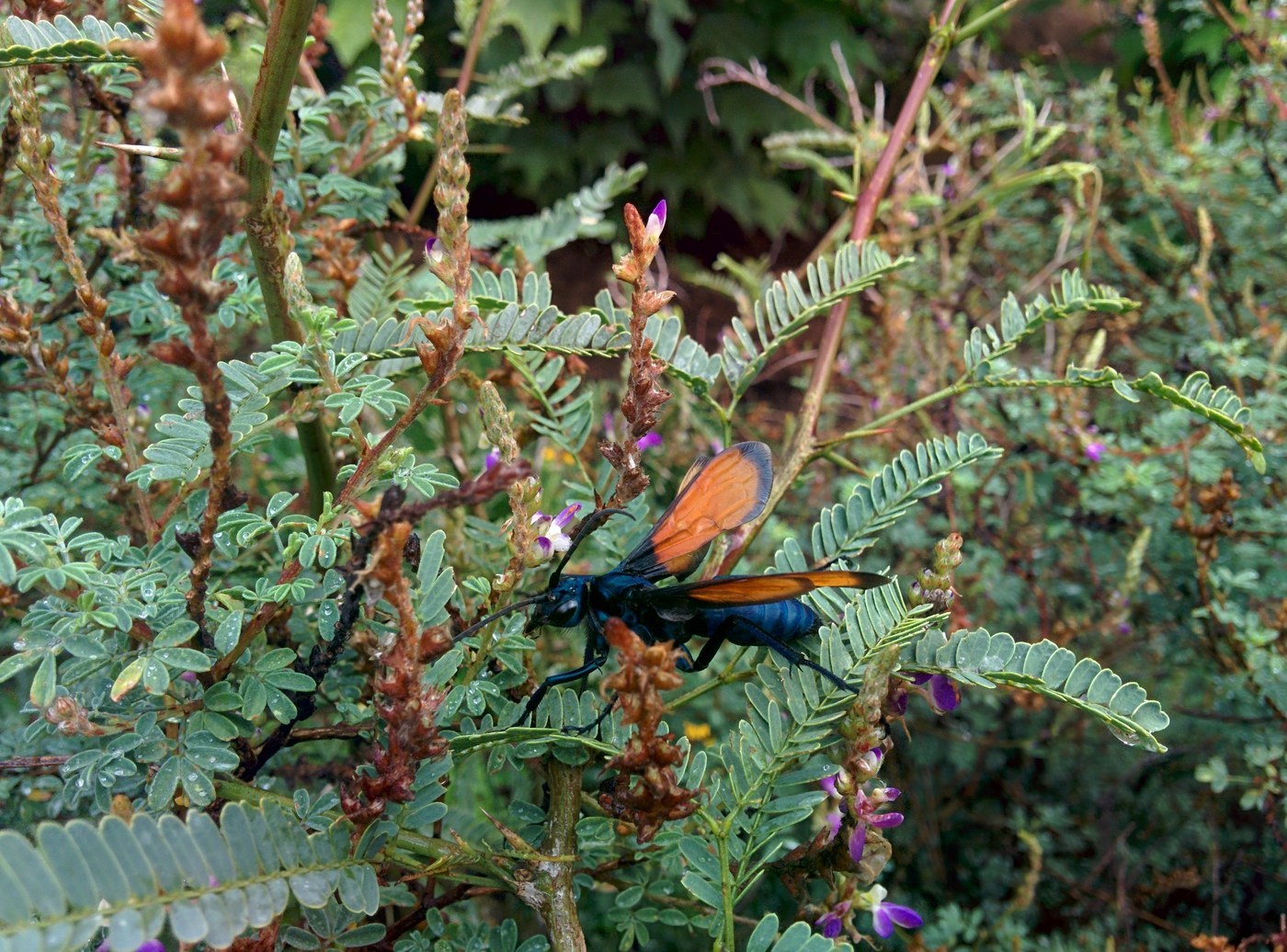
Tarantula Hawk
Deserts, arid scrublands, and dry grasslands
Tarantula Hawk Wasp
Deserts, grasslands, and scrub of the Americas
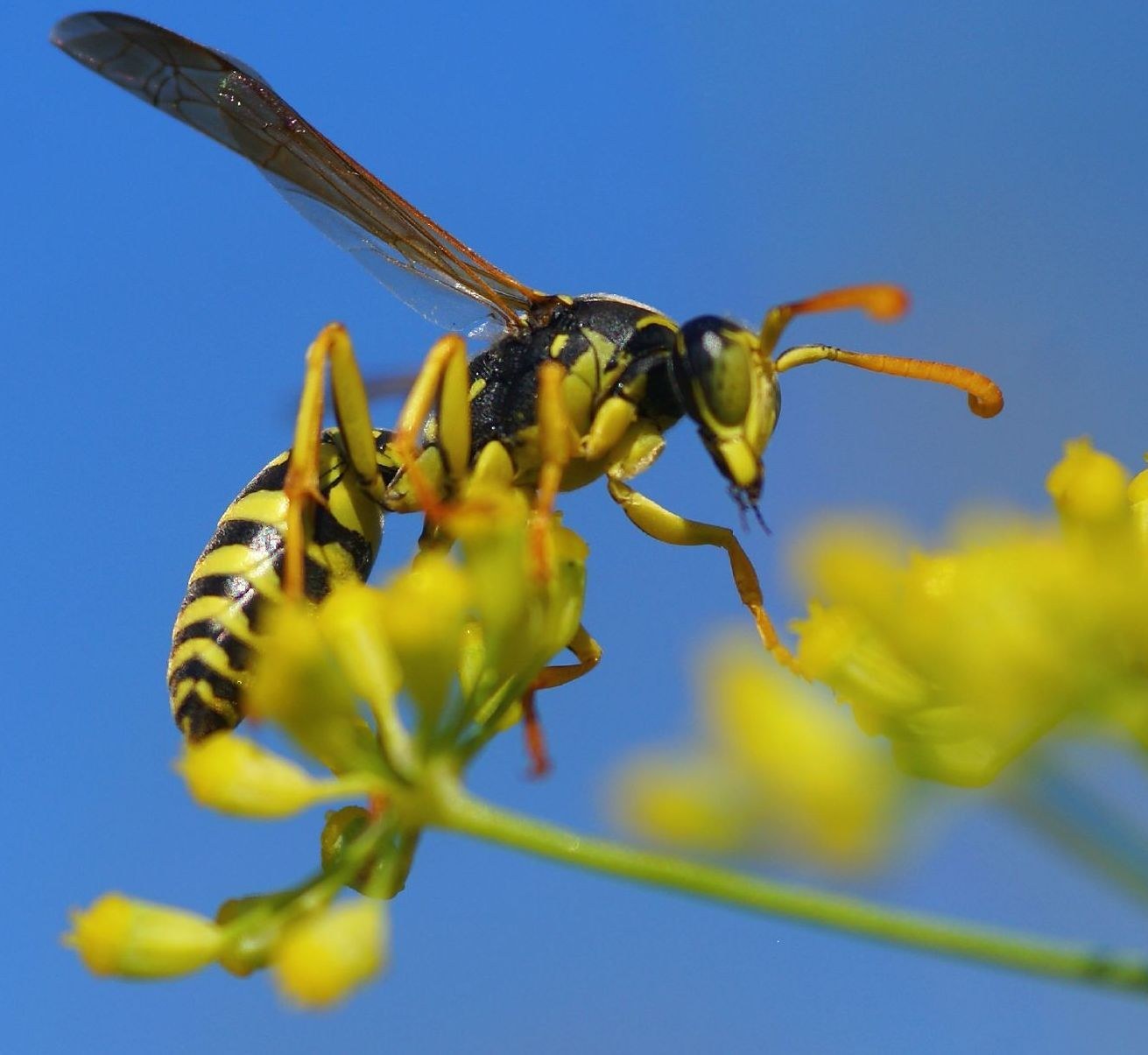
Wasp
Gardens, woodlands, eaves, and urban areas worldwide
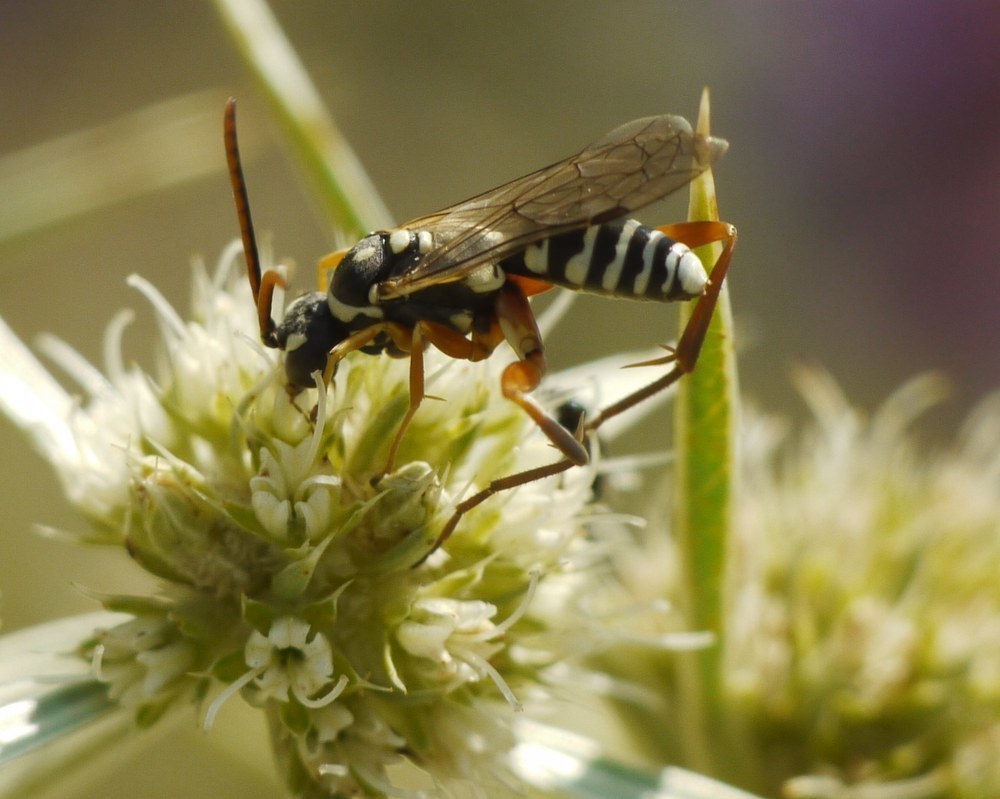
Spider Wasp
Gardens, grasslands, and sandy open areas worldwide
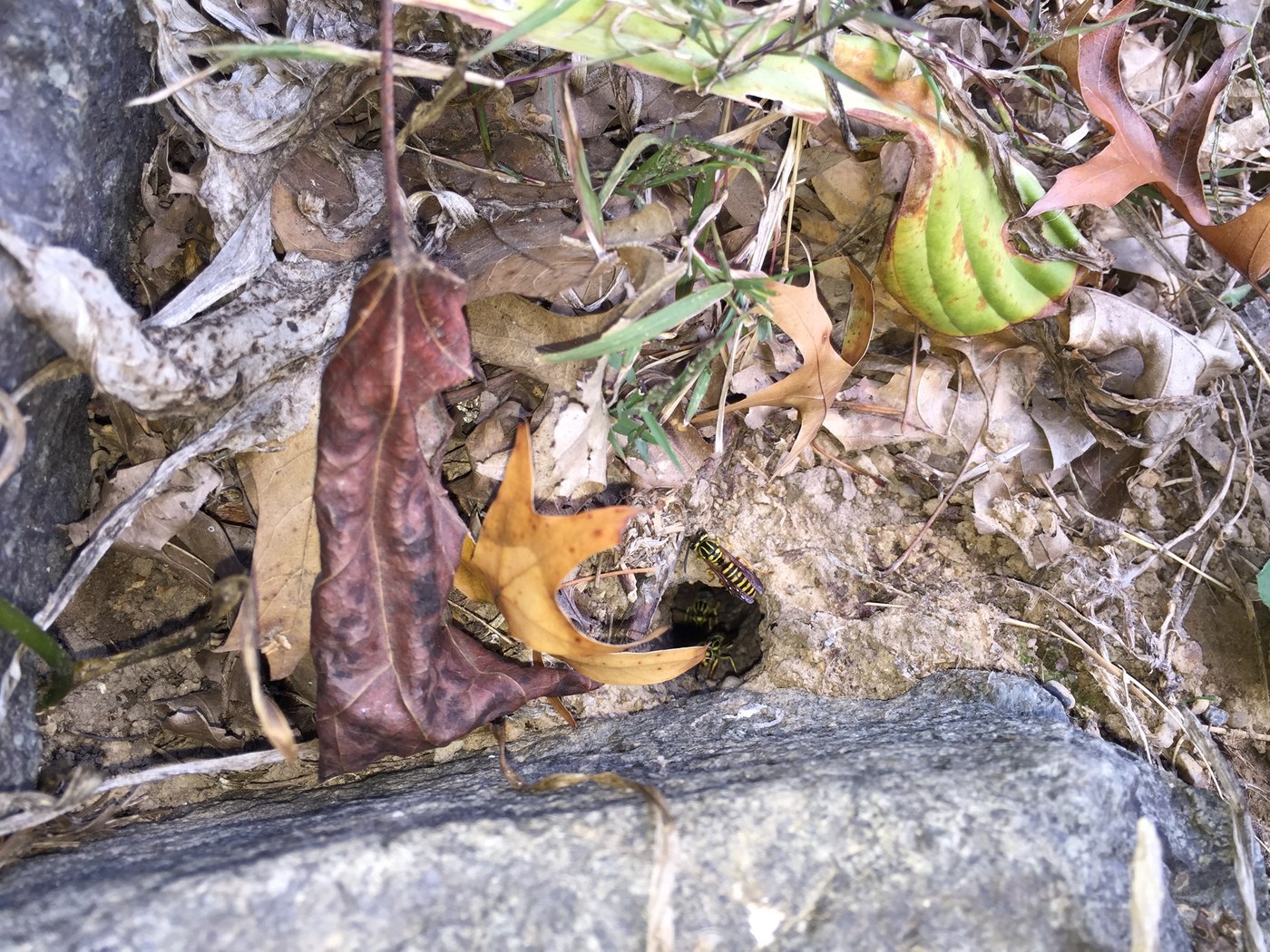
Yellow Jacket
Ground nests, wall voids, parks, and areas near food sources
Sawfly
Gardens, woodlands, and orchards on host foliage
Red Paper Wasp
Eaves, porch ceilings, sheds, open woodland edges, gardens
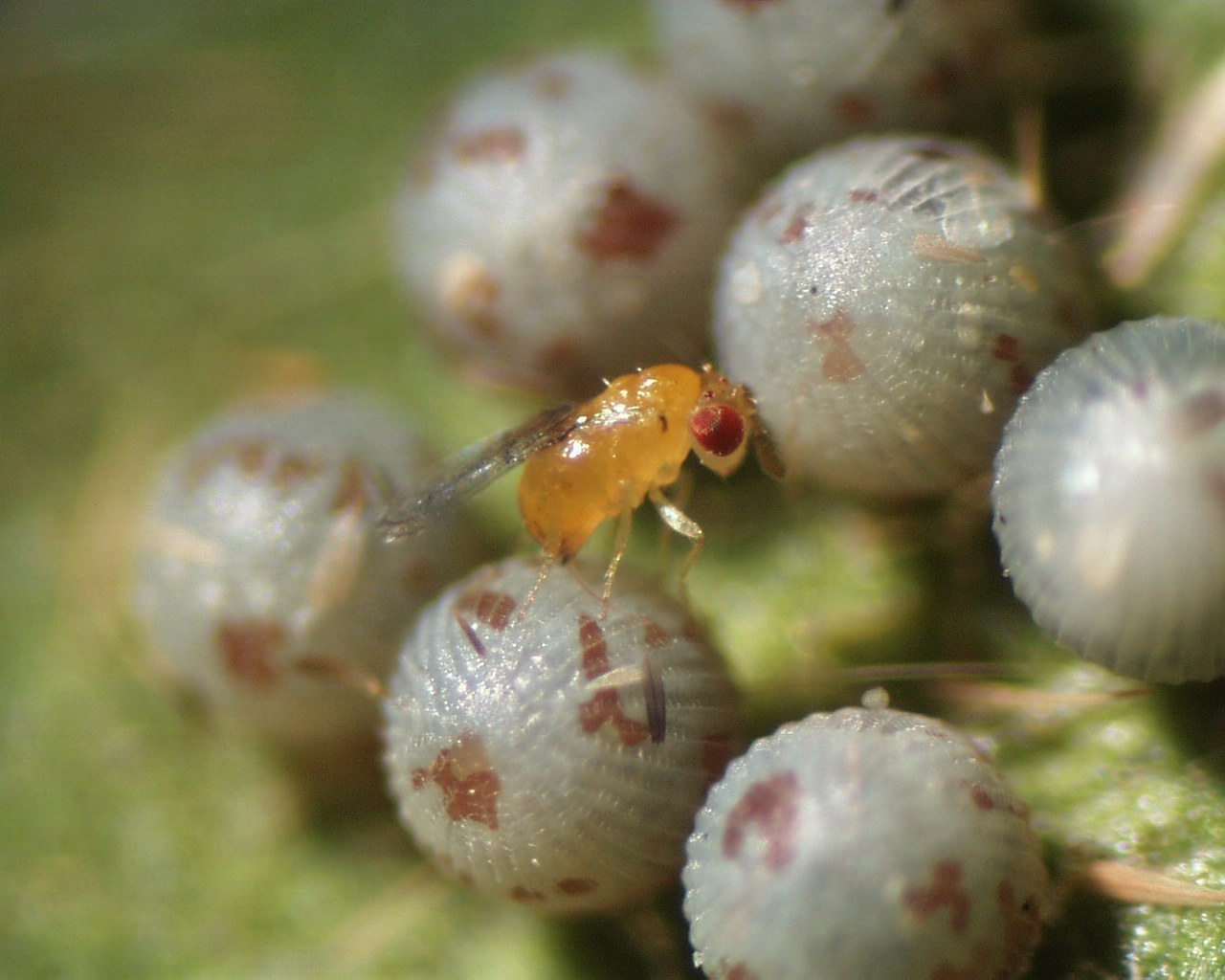
Trichogramma Wasp
Fields, gardens, and crops worldwide