
Tarantula Hawk Wasp
Genera Pepsis and Hemipepsis
A giant metallic-blue wasp with rust-orange wings, the tarantula hawk is one of the largest wasps in the world. Females hunt tarantulas as living food for their single offspring.
- Size
- Up to 5 cm
- Habitat
- Deserts, grasslands, and scrub of the Americas
- Danger
- Stings
Spotted a bug like this?
Identify any bug or insect from a photo, free.
Overview
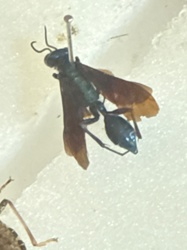
Tarantula hawk wasps are large spider wasps in the genera Pepsis and Hemipepsis, named for their dramatic habit of hunting tarantulas. They are among the largest wasps, with some species reaching 5 cm in length, and are instantly recognizable by their dark iridescent bodies and bright orange or amber wings.
These wasps are found throughout the warmer regions of the Americas, especially in deserts and dry grasslands. The adults are actually gentle nectar-feeders that spend much of their time visiting flowers, particularly milkweeds. It is the females' reproductive behavior that gives them their fearsome reputation.
A female tarantula hawk seeks out a tarantula, paralyzes it with a sting, and drags the immobilized spider to a burrow. She lays a single egg on the spider, and the hatching larva consumes the living but helpless host, an extreme example of parasitoid strategy.
How to Identify
Look for these features:
- Very large body, often 3-5 cm long
- Blue-black or purplish iridescent body
- Bright rust-orange or amber wings
- Long legs with hooked claws for grappling spiders
- Curling antennae in females
Lookalikes include other spider wasps and large digger wasps, but the combination of huge size, dark metallic body, and orange wings is distinctive.
Habitat & Range
Tarantula hawks range across the southern United States, Mexico, Central America, and South America, with related species in other warm regions. They favor deserts, arid grasslands, and scrublands where tarantulas are common. Adults are frequently seen feeding at flowers during the day in warm months.
Behavior & Diet
Adult tarantula hawks feed on flower nectar and are important pollinators, sometimes becoming sluggish after feeding on fermented nectar. Females hunt tarantulas, paralyze them with a sting, and provision a burrow with the living spider for their larva. Males patrol and perch on vegetation to find mates. This parasitoid relationship helps regulate tarantula populations.
Life Cycle
Tarantula hawks undergo complete metamorphosis. After paralyzing a tarantula, the female drags it into a burrow and lays a single egg on its body. The larva hatches and feeds on the immobilized spider, saving vital organs for last so the host stays fresh. It then pupates within the burrow and emerges as an adult, typically producing one generation focused on the warm season.
Frequently asked questions
Do tarantula hawks really hunt tarantulas?
Yes. Females paralyze a tarantula with a sting and use it as living food for a single larva sealed in a burrow.
What do adult tarantula hawks eat?
Adults feed on flower nectar and are notable pollinators, especially of milkweeds.
Are they aggressive toward people?
They are generally not aggressive and only the females can sting, doing so in defense if handled.
How big do they get?
Some species reach about 5 cm long, making them among the largest wasps in the world.
Tarantula Hawk Wasp guides
In-depth guides for identifying, understanding, and living alongside Tarantula Hawk Wasp.
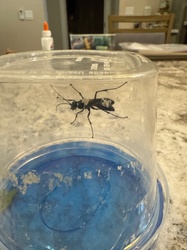
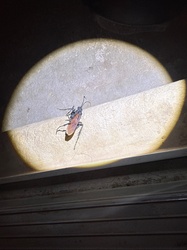
Tarantula Hawk Wasp identified by the community
Real finds identified with Bug Identifier.

Other bugs you may enjoy
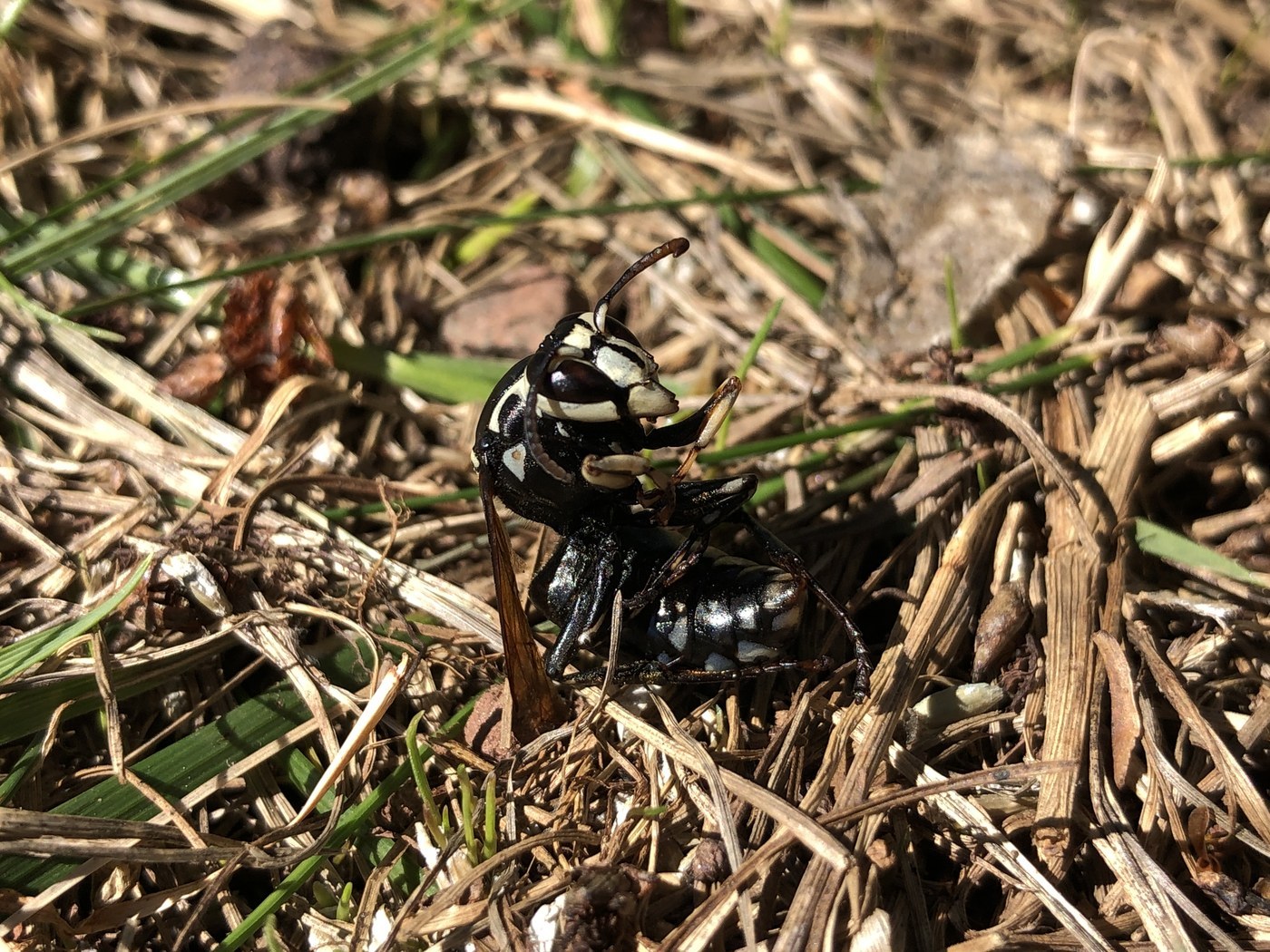
Bald-faced Hornet
Woodland edges, shrubs, and tree branches across North America
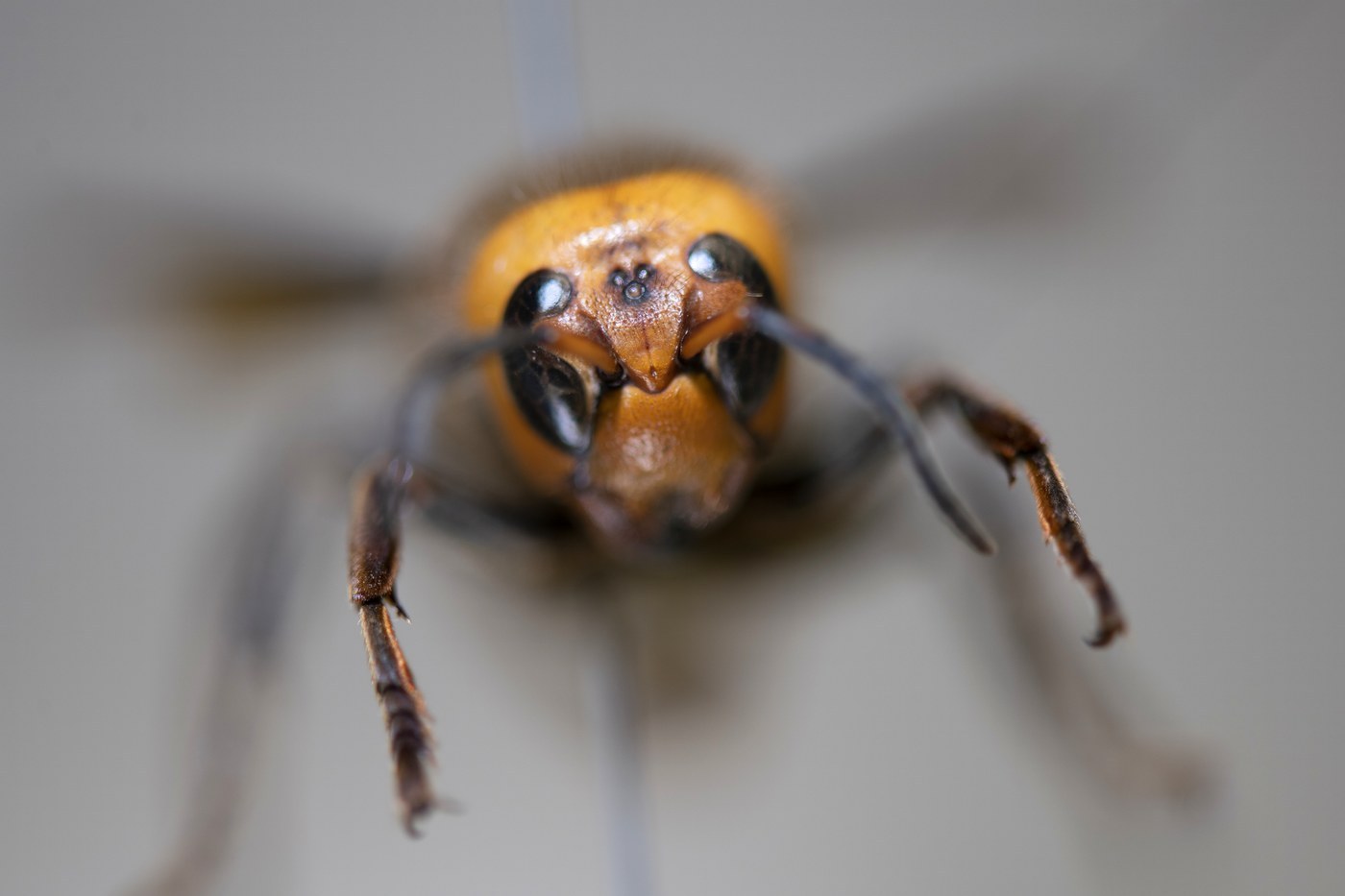
Asian Giant Hornet
Forested lowlands and mountains of East and South Asia; low tree hollows
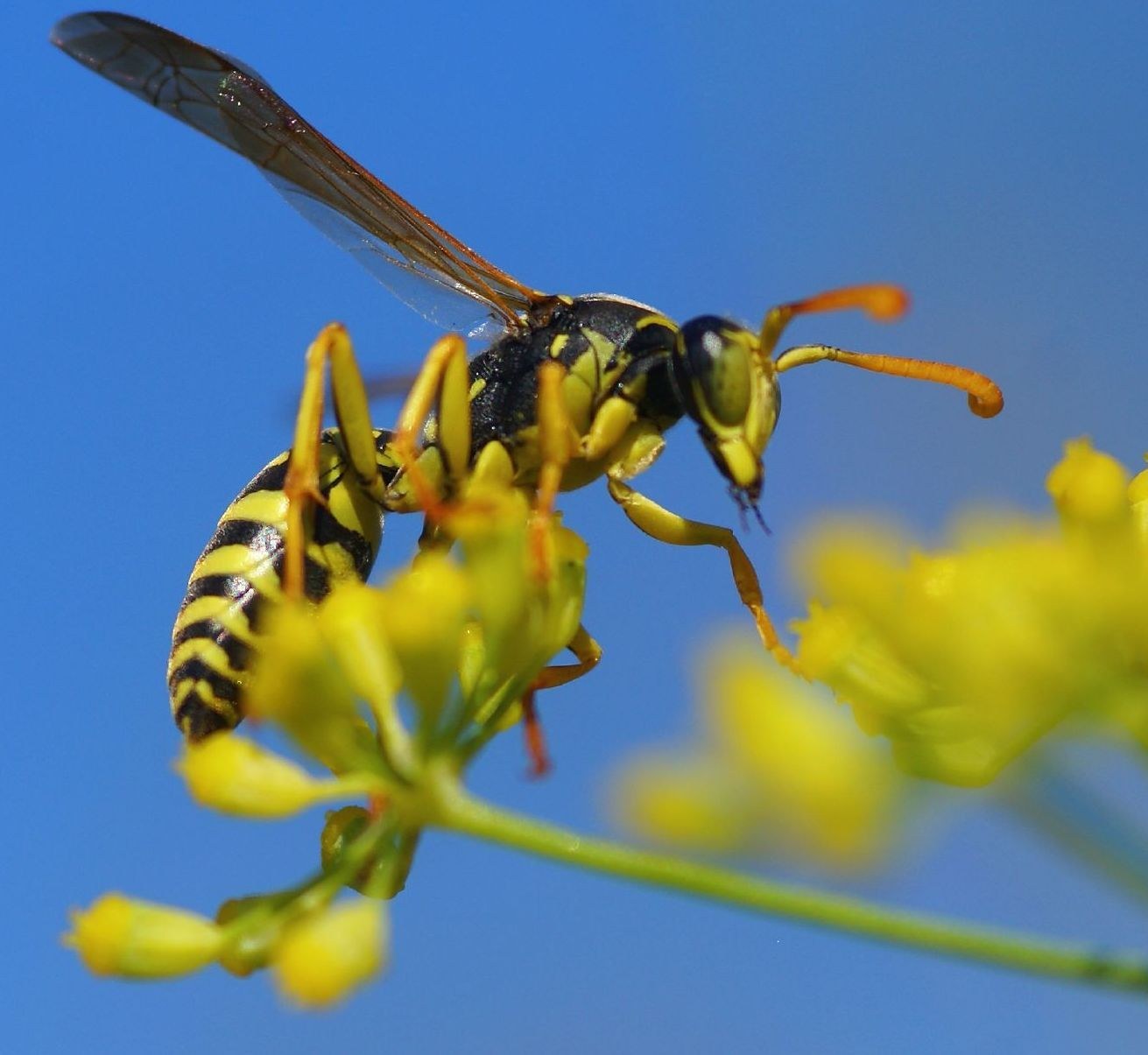
Yellowjacket
Underground nests, wall voids, gardens, picnic areas
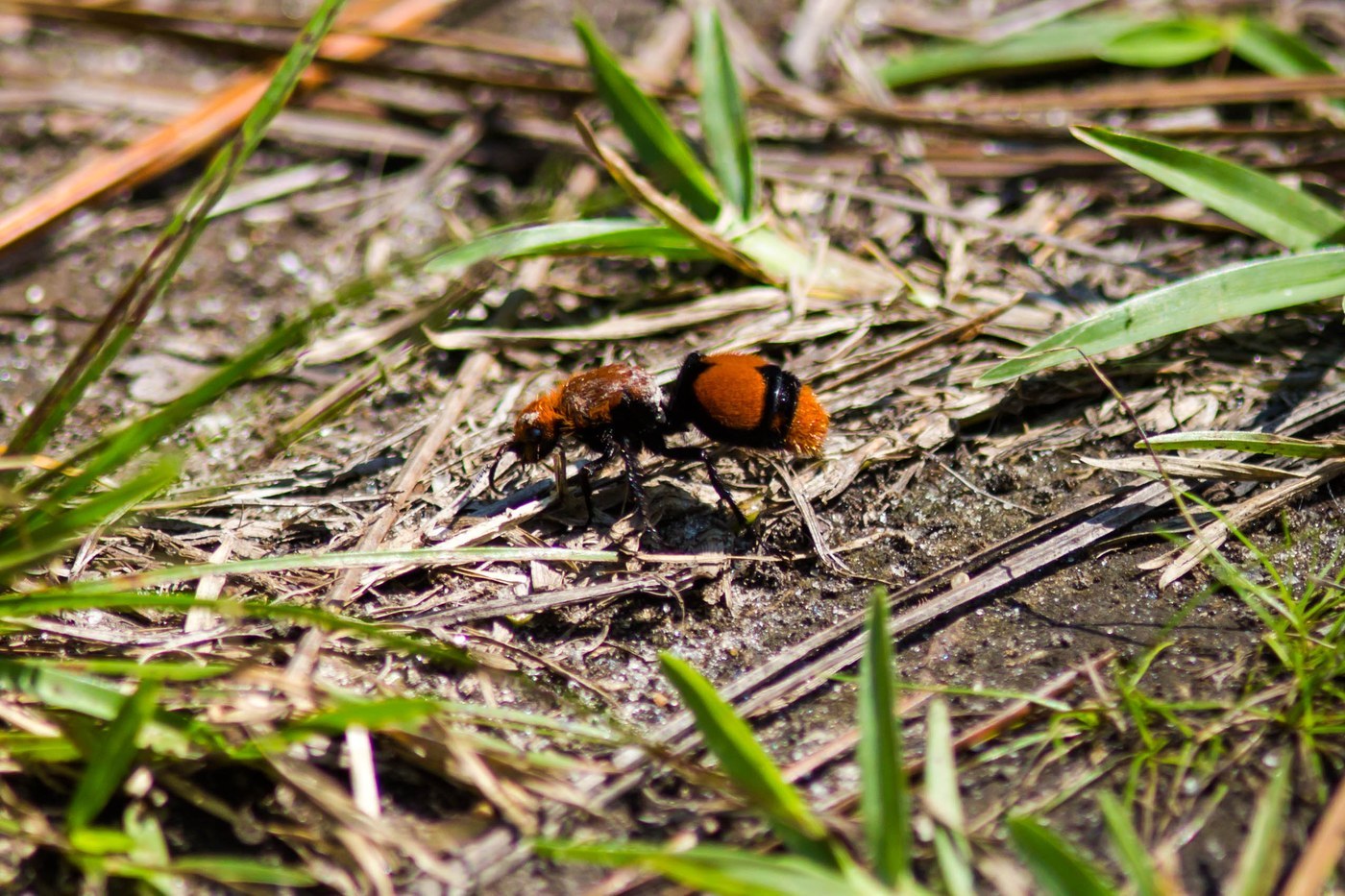
Velvet Ant
Sandy soils, open fields, dunes, roadsides in warm regions
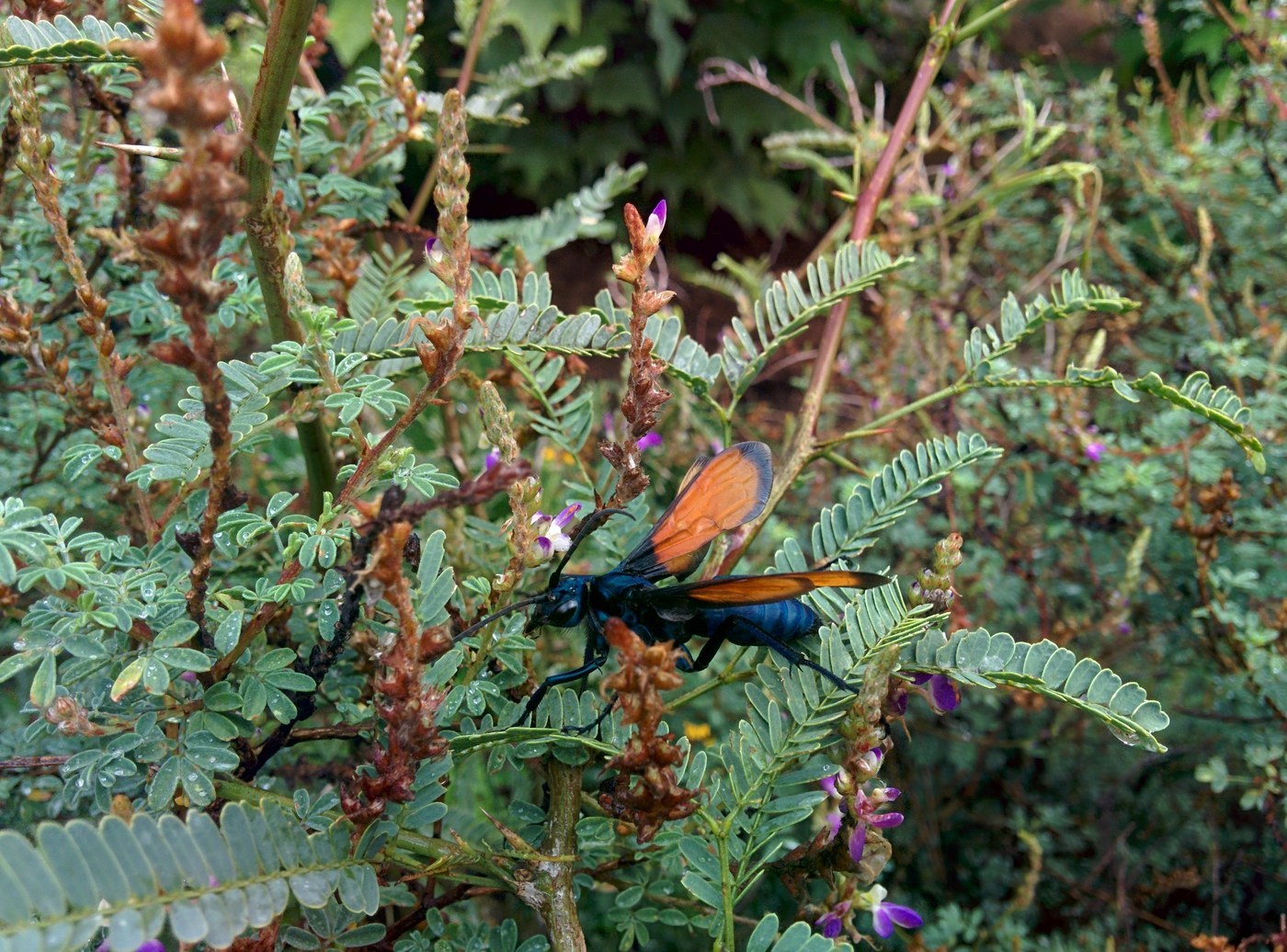
Tarantula Hawk
Deserts, arid scrublands, and dry grasslands
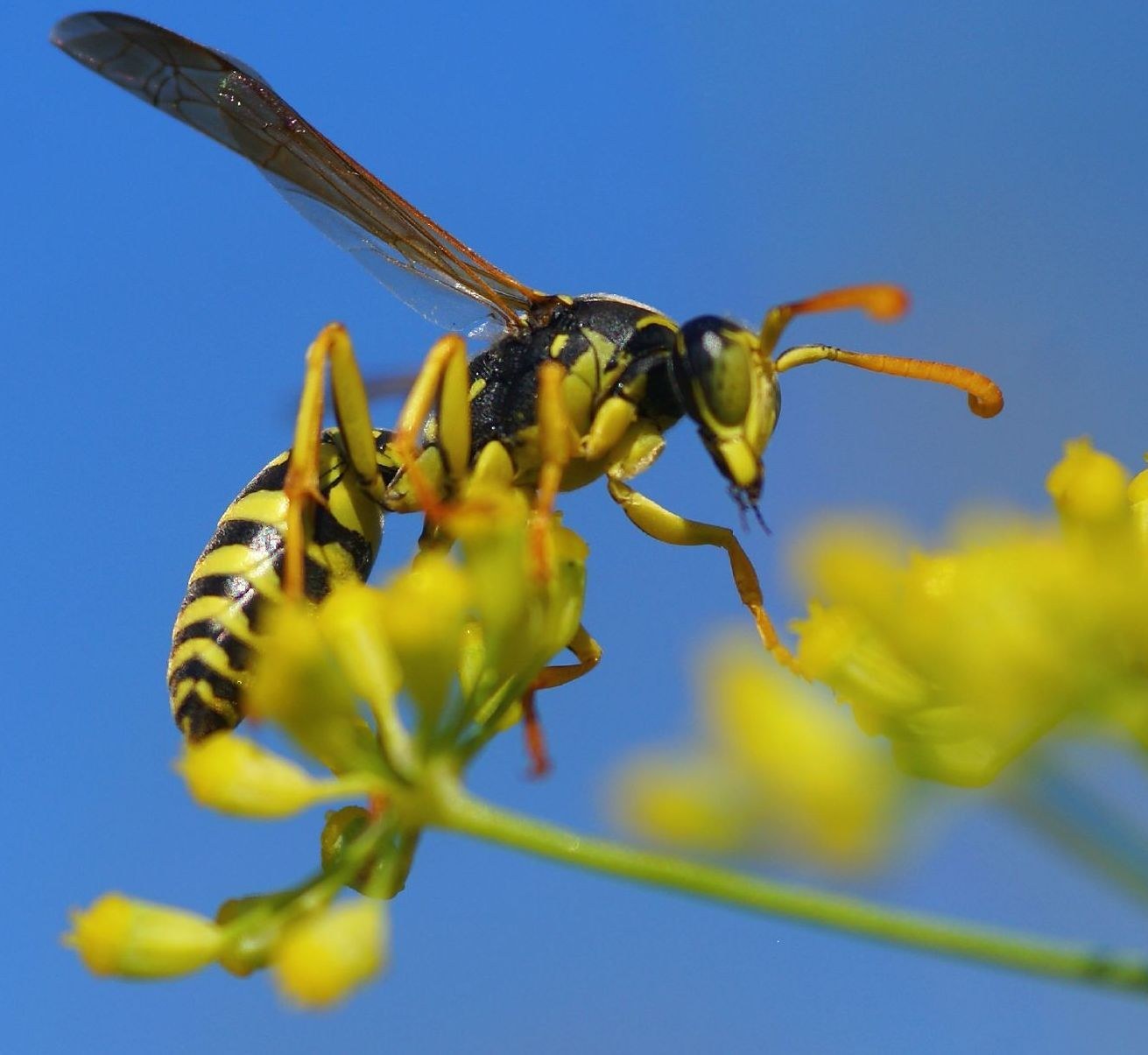
Wasp
Gardens, woodlands, eaves, and urban areas worldwide
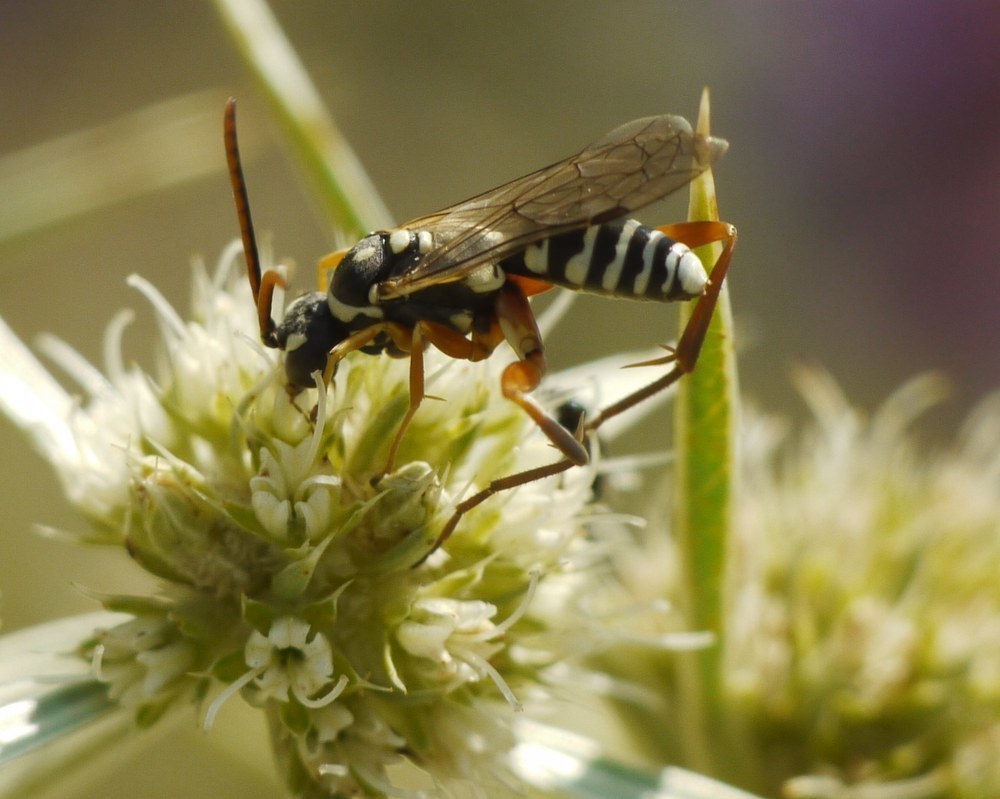
Spider Wasp
Gardens, grasslands, and sandy open areas worldwide
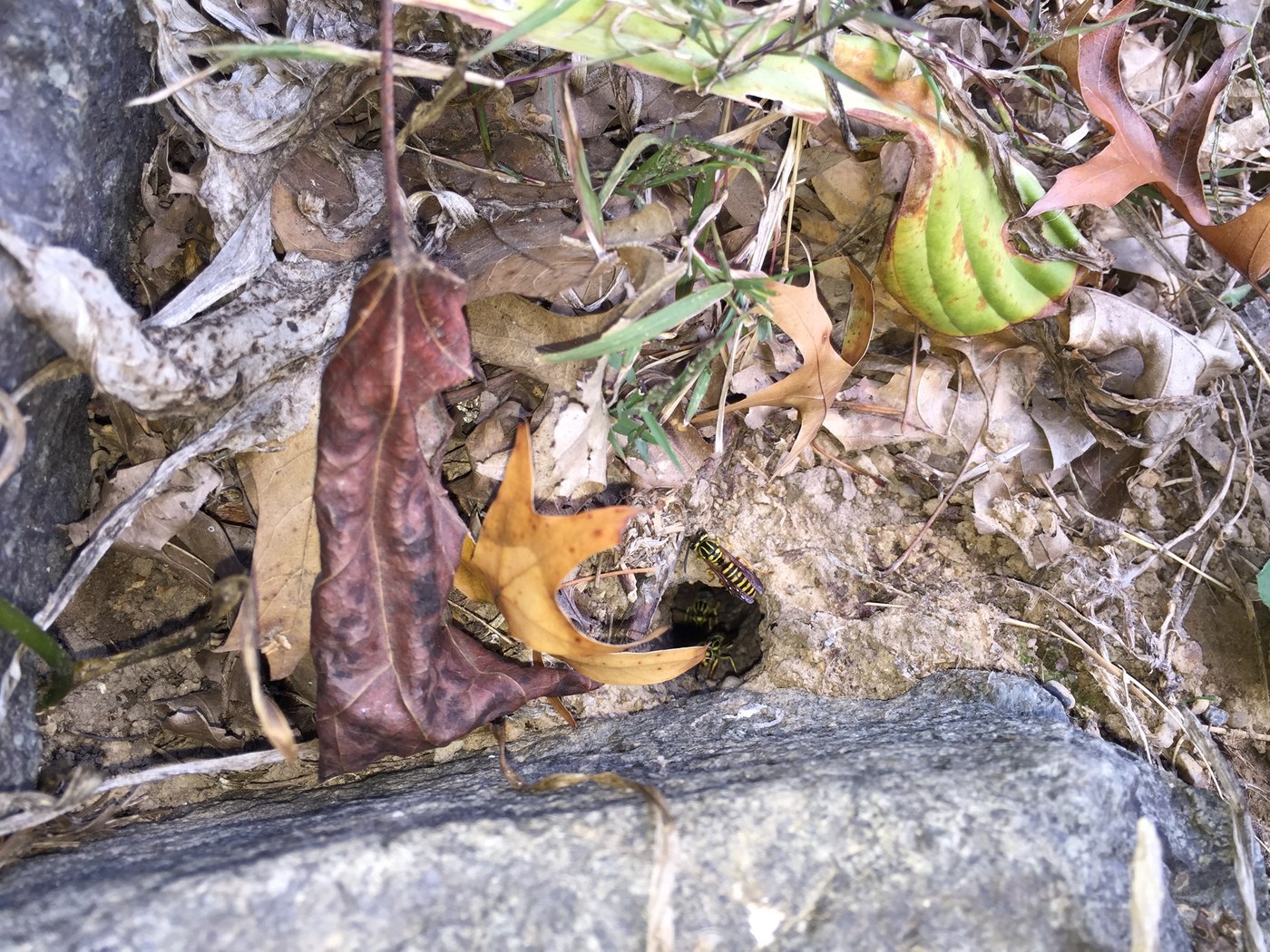
Yellow Jacket
Ground nests, wall voids, parks, and areas near food sources
Sawfly
Gardens, woodlands, and orchards on host foliage
Red Paper Wasp
Eaves, porch ceilings, sheds, open woodland edges, gardens
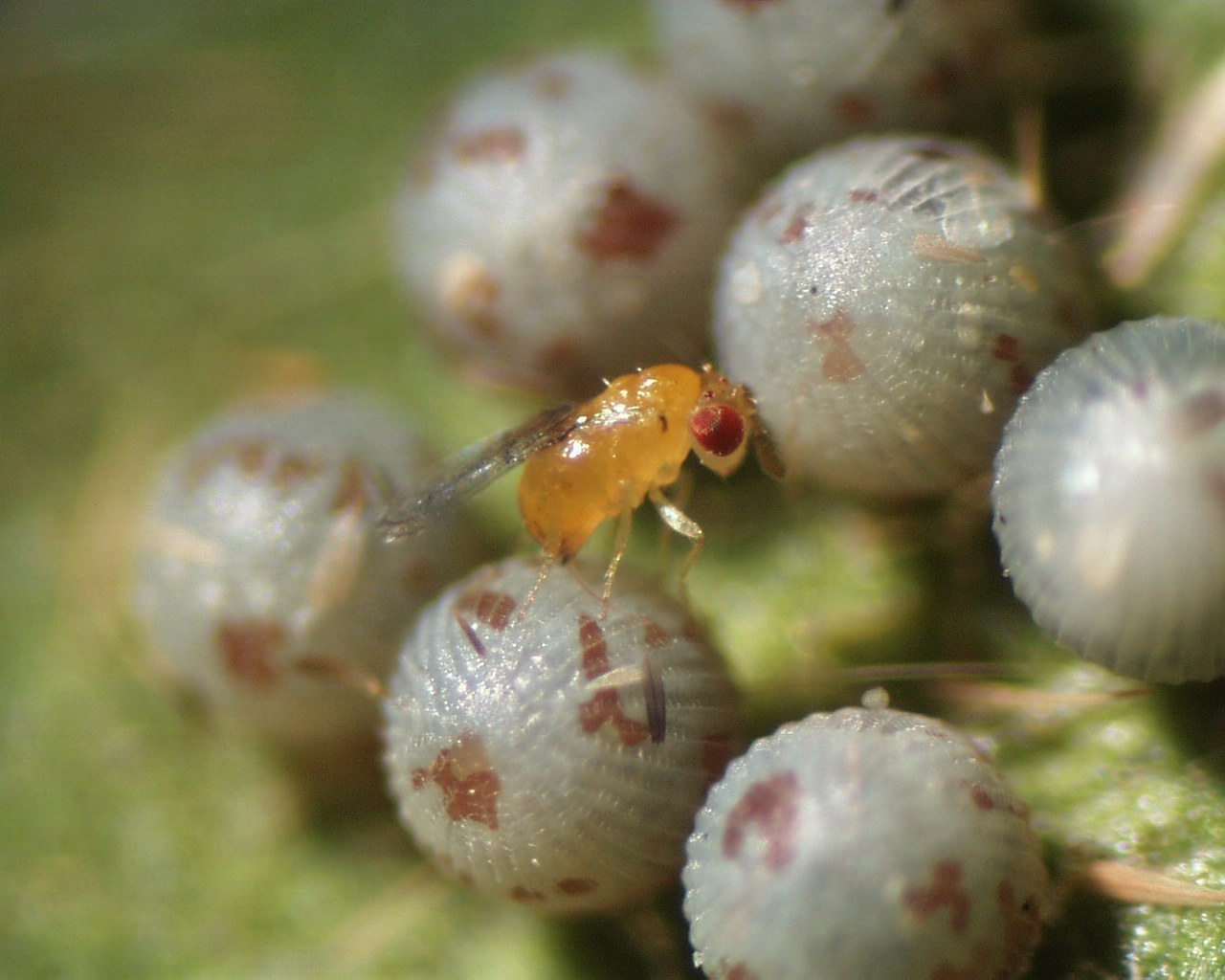
Trichogramma Wasp
Fields, gardens, and crops worldwide
Sand Wasp
Sandy soils, dunes, beaches, and bare open ground