
Rough Stink Bug
Brochymena spp.
A gray-brown, textured stink bug with an irregular, jagged-edged outline that blends seamlessly against tree bark, making it one of the best-camouflaged members of its family.
- Size
- 13–17 mm
- Habitat
- Tree bark, woodlands, orchards, and shrubby vegetation
- Danger
- Harmless
Spotted a bug like this?
Identify any bug or insect from a photo, free.
Overview
The rough stink bug belongs to the genus Brochymena within the stink bug family Pentatomidae, a group that includes both plant-feeding and predatory species. Members of this genus are primarily plant feeders, taking fluids from a variety of trees and shrubs, though some individuals are also known to feed opportunistically on other insects.
Its common name derives from the rough, uneven texture of its body surface and the jagged, tooth-like projections along the edges of its thorax, which give it a mottled, bark-like appearance quite different from the smoother-bodied stink bugs found on garden vegetables.
This camouflage makes the rough stink bug closely tied to woodland and orchard habitats, where it spends much of its time resting motionless on tree trunks and branches, often going unnoticed until closely examined.
How to Identify
- Shield-shaped body about 13–17 mm long, notably broader and more robust than many other stink bugs, with a rough, granular surface texture.
- Coloring is mottled gray, brown, and tan, closely resembling tree bark, with darker speckling scattered across the wing covers and thorax.
- The margins of the pronotum and abdomen show jagged, tooth-like projections, giving an irregular, non-smooth outline.
- Antennae are banded in alternating light and dark segments, and legs are similarly mottled for camouflage.
- Distinguished from smoother garden stink bugs by its rougher texture, jagged body margins, and strong preference for resting on bark rather than leaves.
Habitat & Range
Rough stink bugs are found across much of North America, inhabiting deciduous and mixed woodlands, orchards, parks, and shrubby areas wherever suitable host trees grow. They are especially common on the bark of oaks, and various fruit and shade trees.
Adults are active from spring through fall and often overwinter as adults in bark crevices, leaf litter, or other sheltered sites, becoming one of the earlier stink bugs to reappear in spring due to this overwintering strategy.
Behavior & Diet
This species feeds primarily on plant fluids, piercing bark, buds, and developing fruit of various trees with its sucking mouthparts, though individuals are also known to opportunistically feed on other insects when the chance arises. Its excellent camouflage against bark allows it to remain undetected by predators for long periods while resting motionless.
Like other stink bugs, it can release a pungent defensive odor when disturbed or handled. It plays a modest ecological role as both a minor plant feeder and occasional predator, and it serves as prey for various birds and other insectivorous animals that forage on tree bark.
Life Cycle
Development follows incomplete metamorphosis, progressing through egg, several nymphal instars, and adult stages without a pupal phase. Eggs are laid in clusters on bark or foliage, and nymphs develop through the warmer months while feeding on host plant tissue.
There is generally one generation per year. Adults overwinter in sheltered locations such as bark crevices or leaf litter, often becoming active again earlier in spring than many other stink bug species, before mating and laying eggs to begin the next generation.
Frequently asked questions
Why does this stink bug look so bumpy and rough?
Its granular texture and jagged body margins are camouflage adaptations that help it blend in against tree bark, distinguishing it from the smoother-bodied stink bugs common on garden plants.
What does the rough stink bug eat?
It feeds mainly on the fluids of trees, including bark, buds, and developing fruit, though it will occasionally feed opportunistically on other insects.
Where would I typically find a rough stink bug?
Look on the bark of deciduous trees such as oaks and fruit trees in woodlands, parks, and orchards, where its mottled coloring helps it blend in.
Is the rough stink bug the same as other common garden stink bugs?
No, it belongs to a different genus and is distinguished by its rougher body texture, jagged thorax margins, and strong association with tree bark rather than vegetable foliage.
Rough Stink Bug guides
In-depth guides for identifying, understanding, and living alongside Rough Stink Bug.
Other bugs you may enjoy
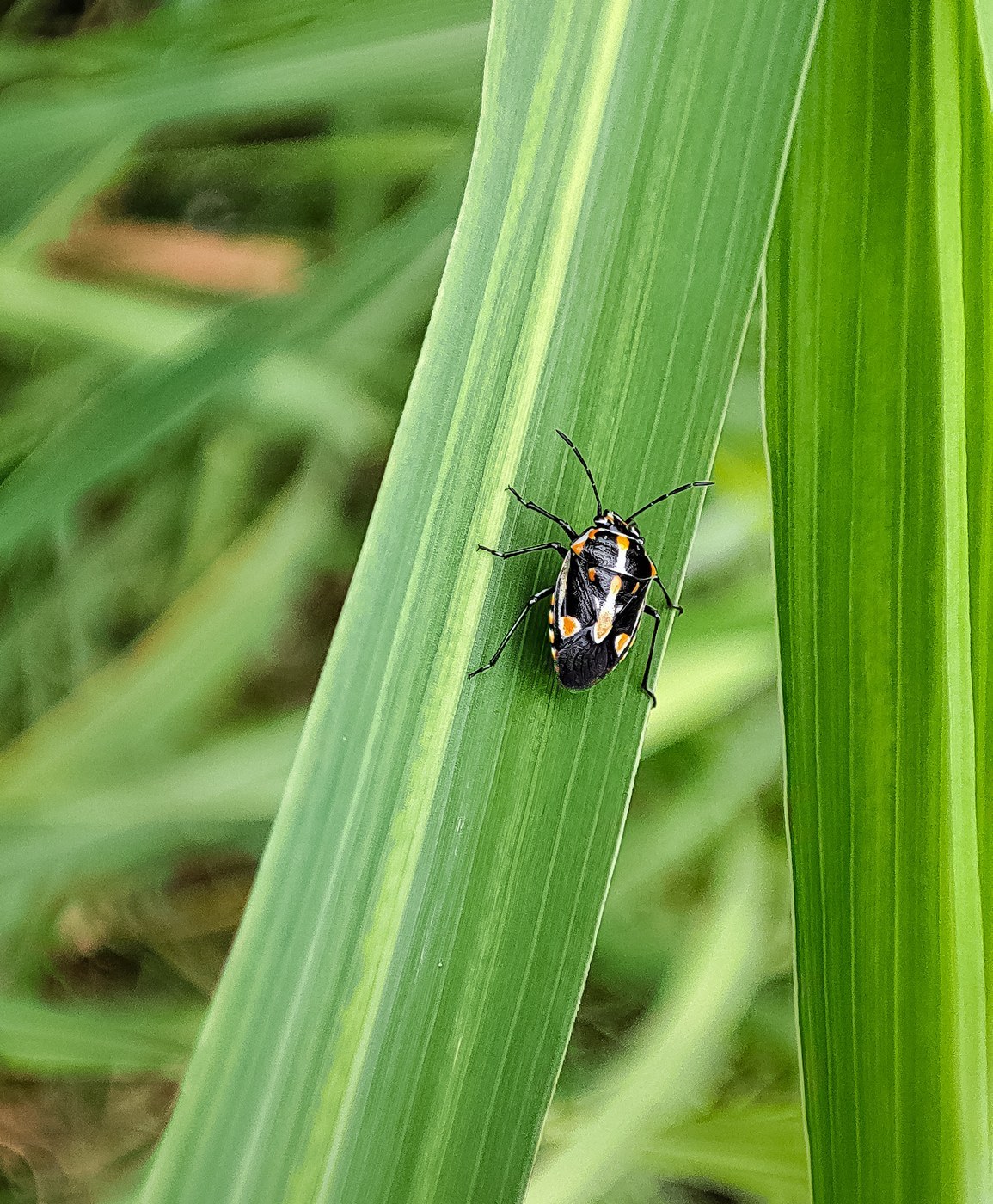
Bagrada Bug
Arid gardens, crucifer fields, desert-adjacent croplands
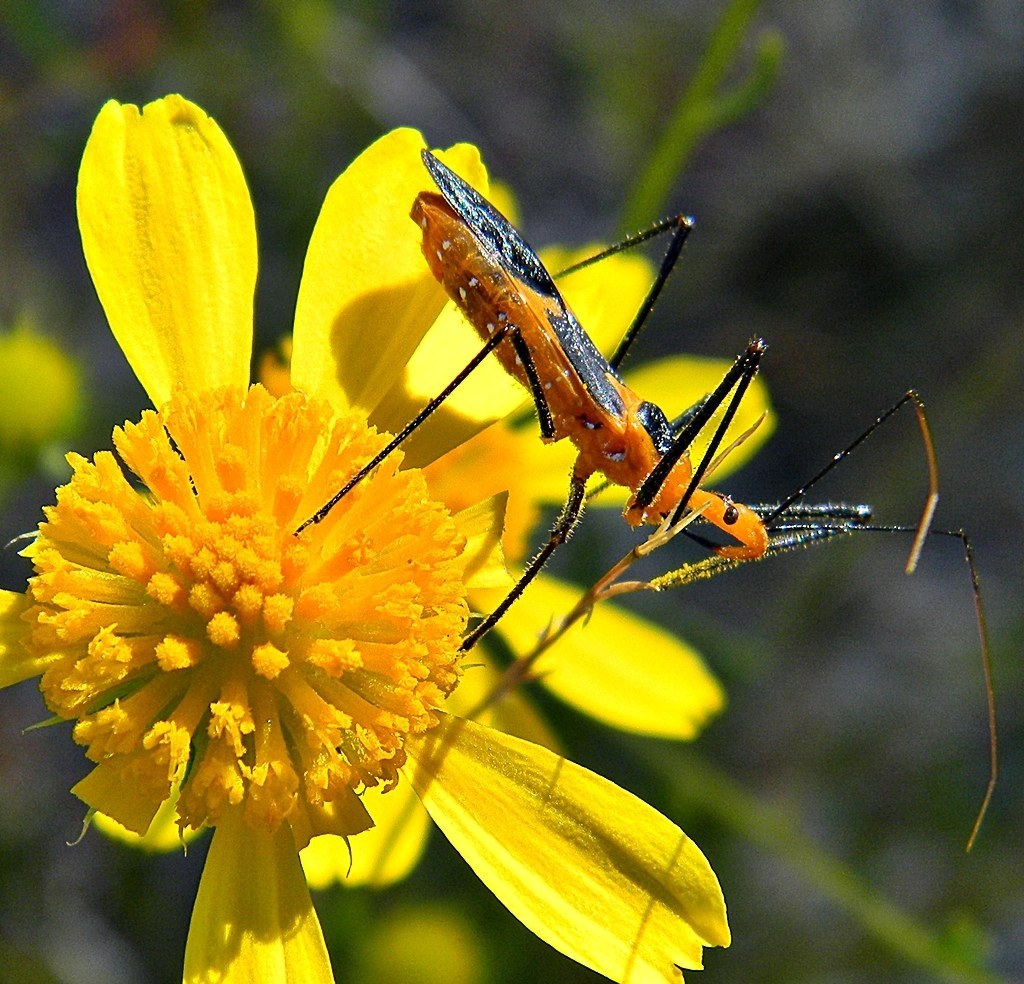
Assassin Bug
Gardens, meadows, and vegetation worldwide
Water Boatman Bug
Ponds, lakes, and slow-moving freshwater
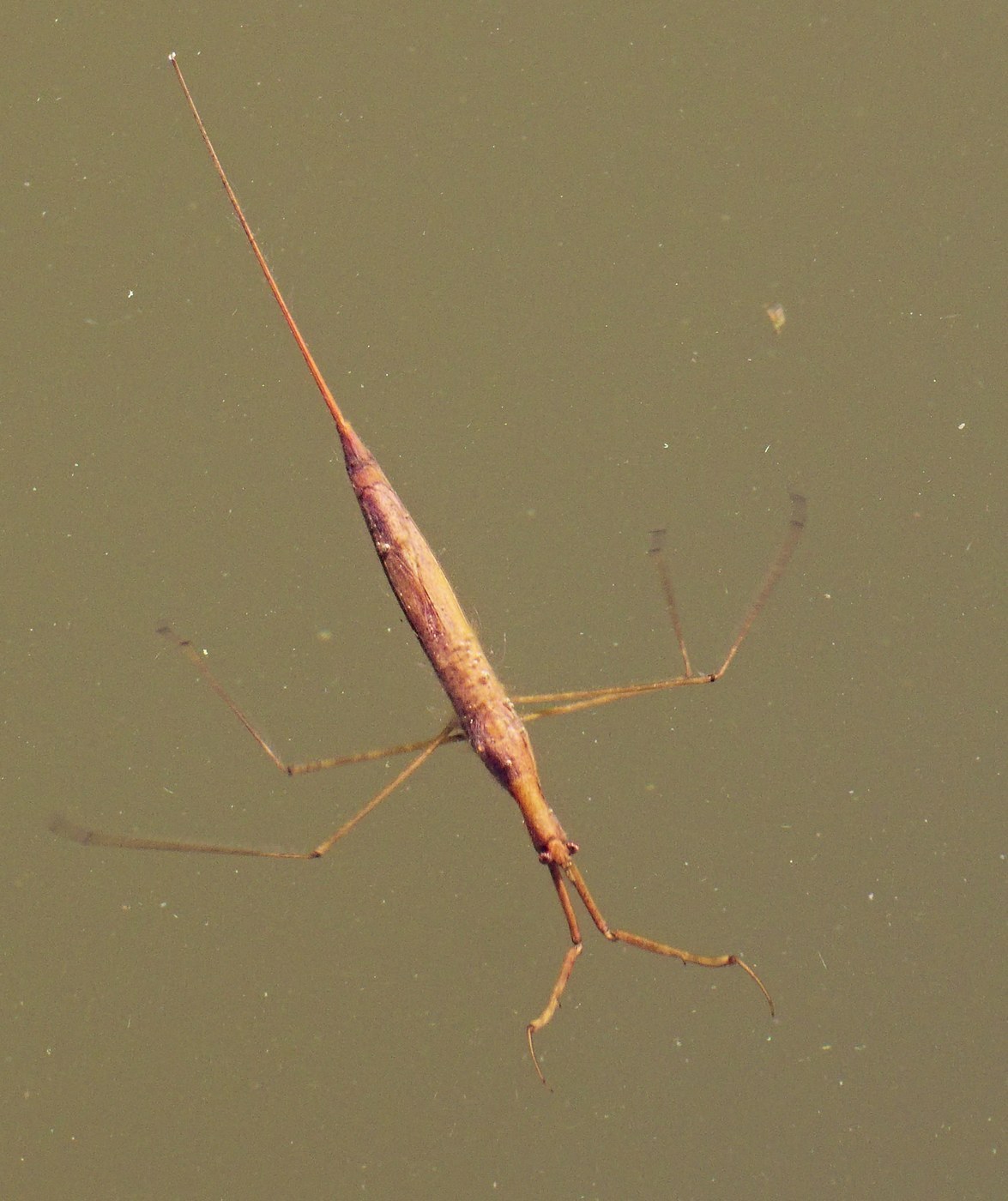
Water Stick Insect
Still and slow-moving water with dense submerged vegetation
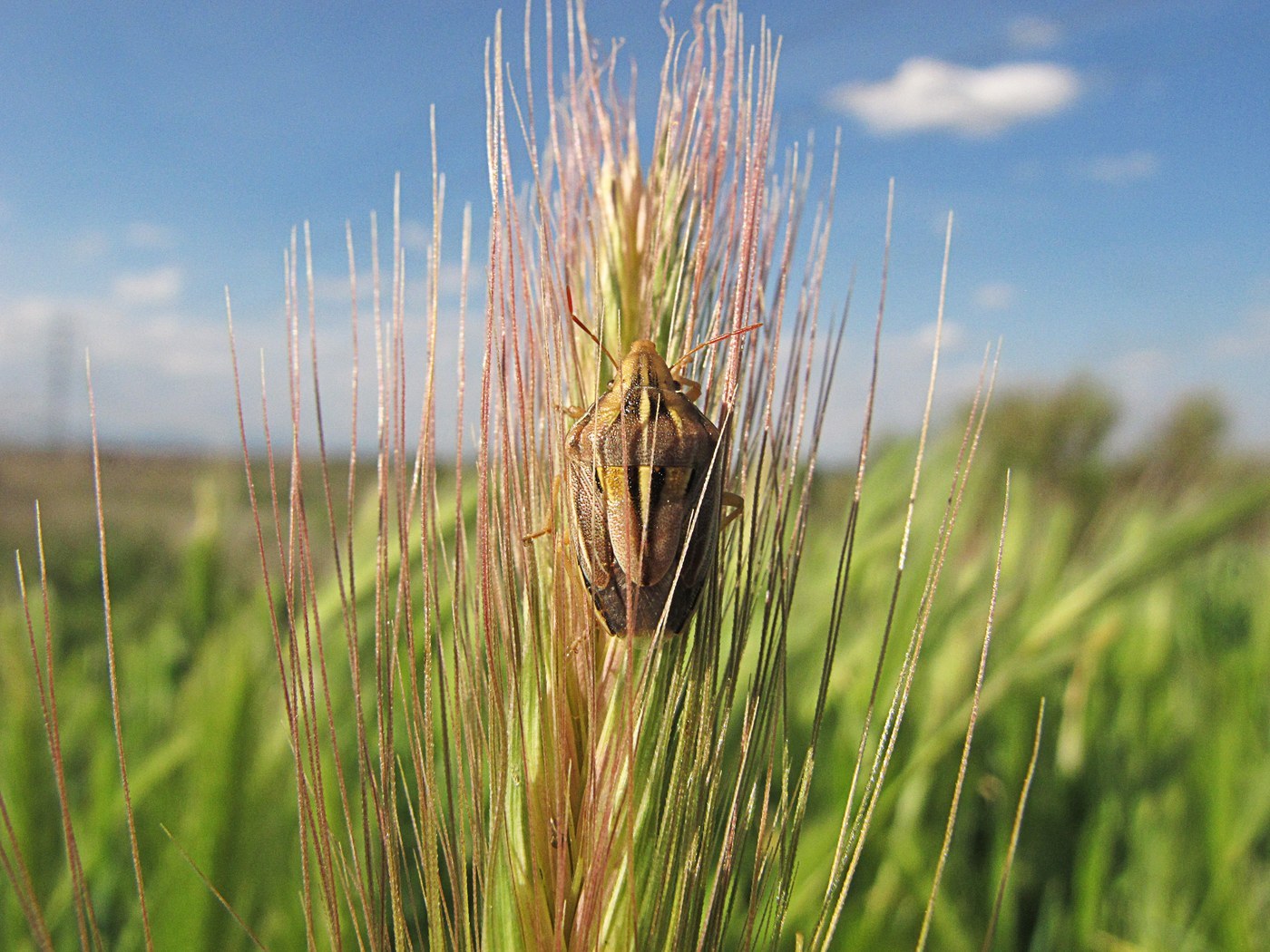
Stink Bug
Gardens, crop fields, and woodlands across temperate and subtropical regions
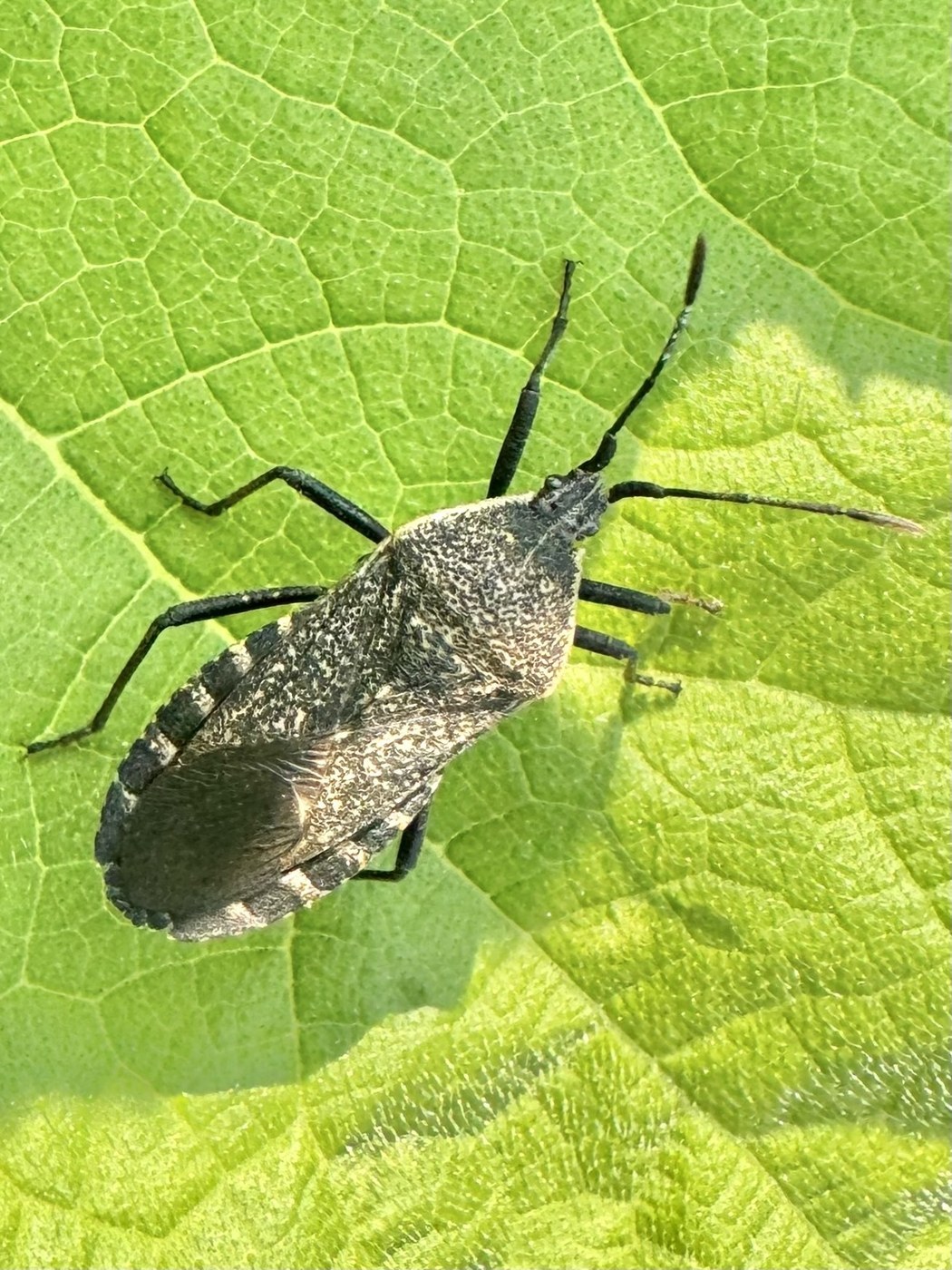
Squash Bug
Vegetable gardens and farm fields growing squash, pumpkin, and other cucurbits
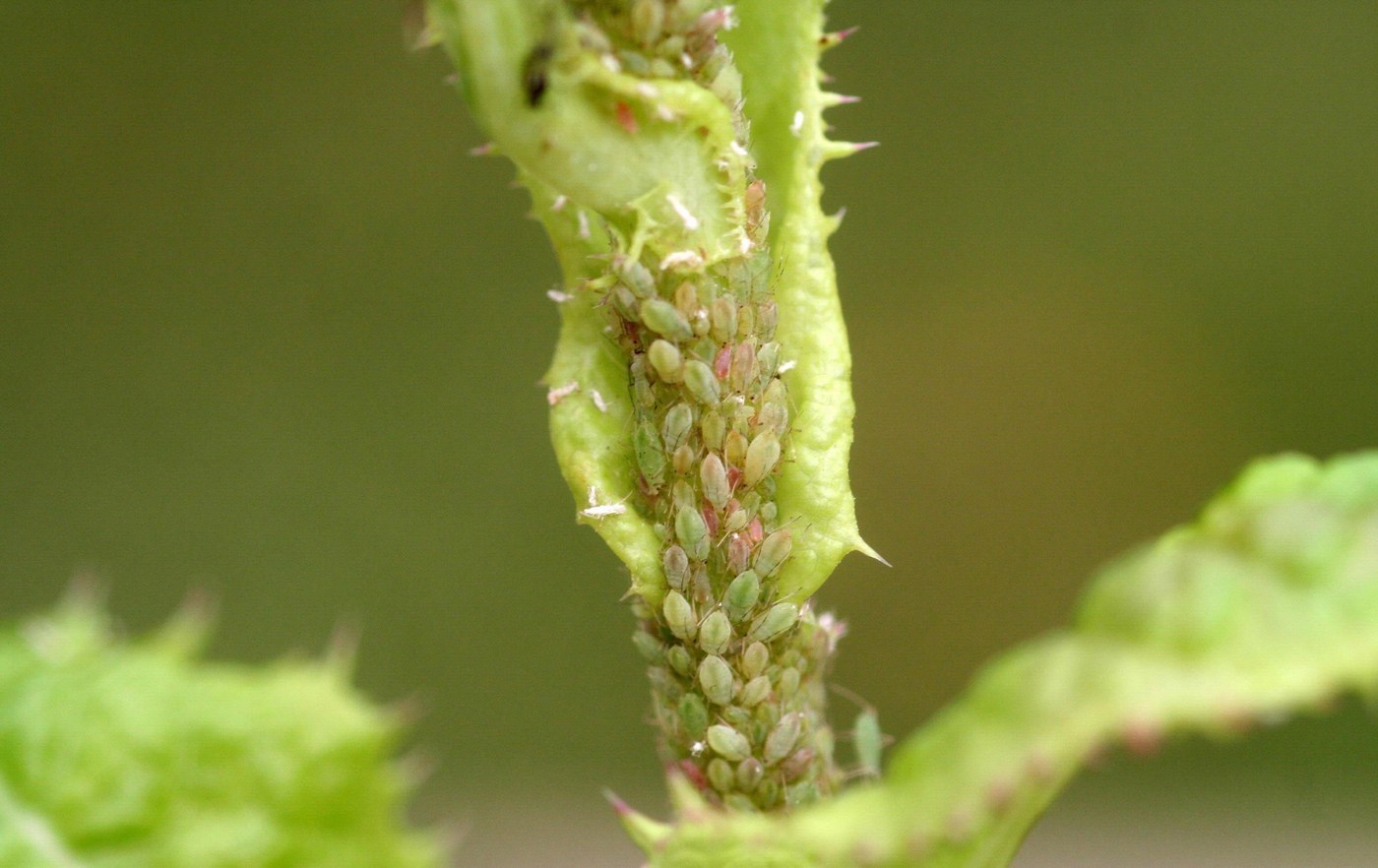
Aphid
On stems, leaves, and buds of a very wide range of host plants
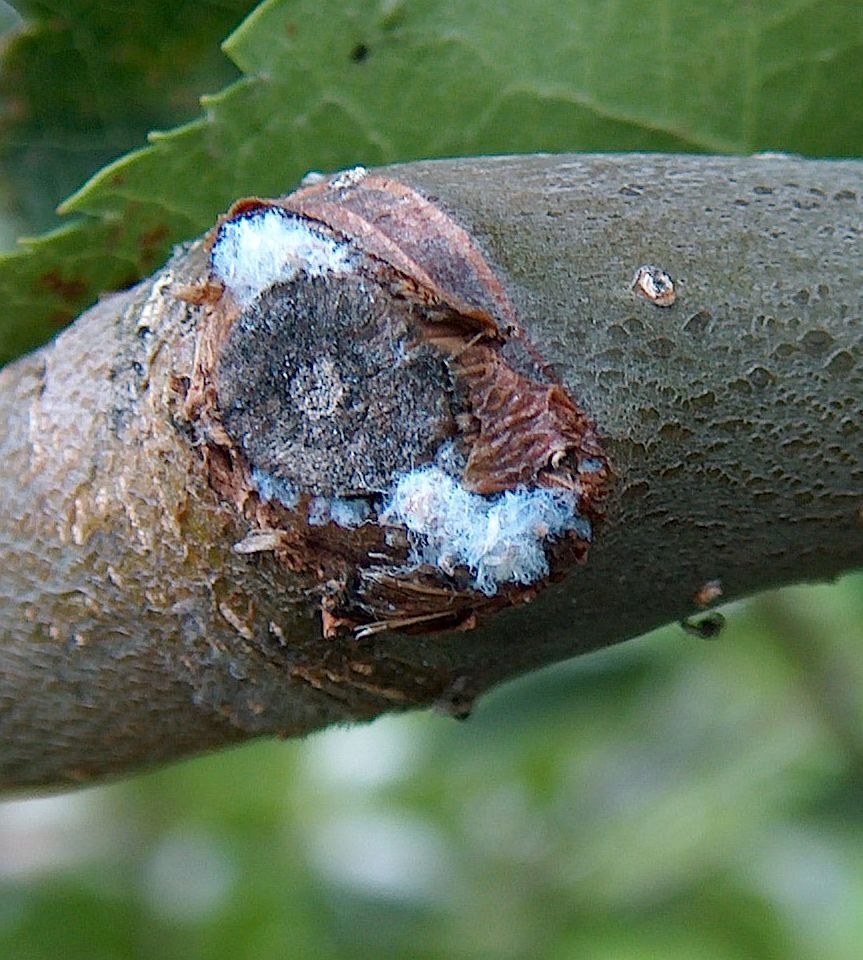
Woolly Aphid
Bark crevices, root collars, and twigs of apple, elm, and alder trees
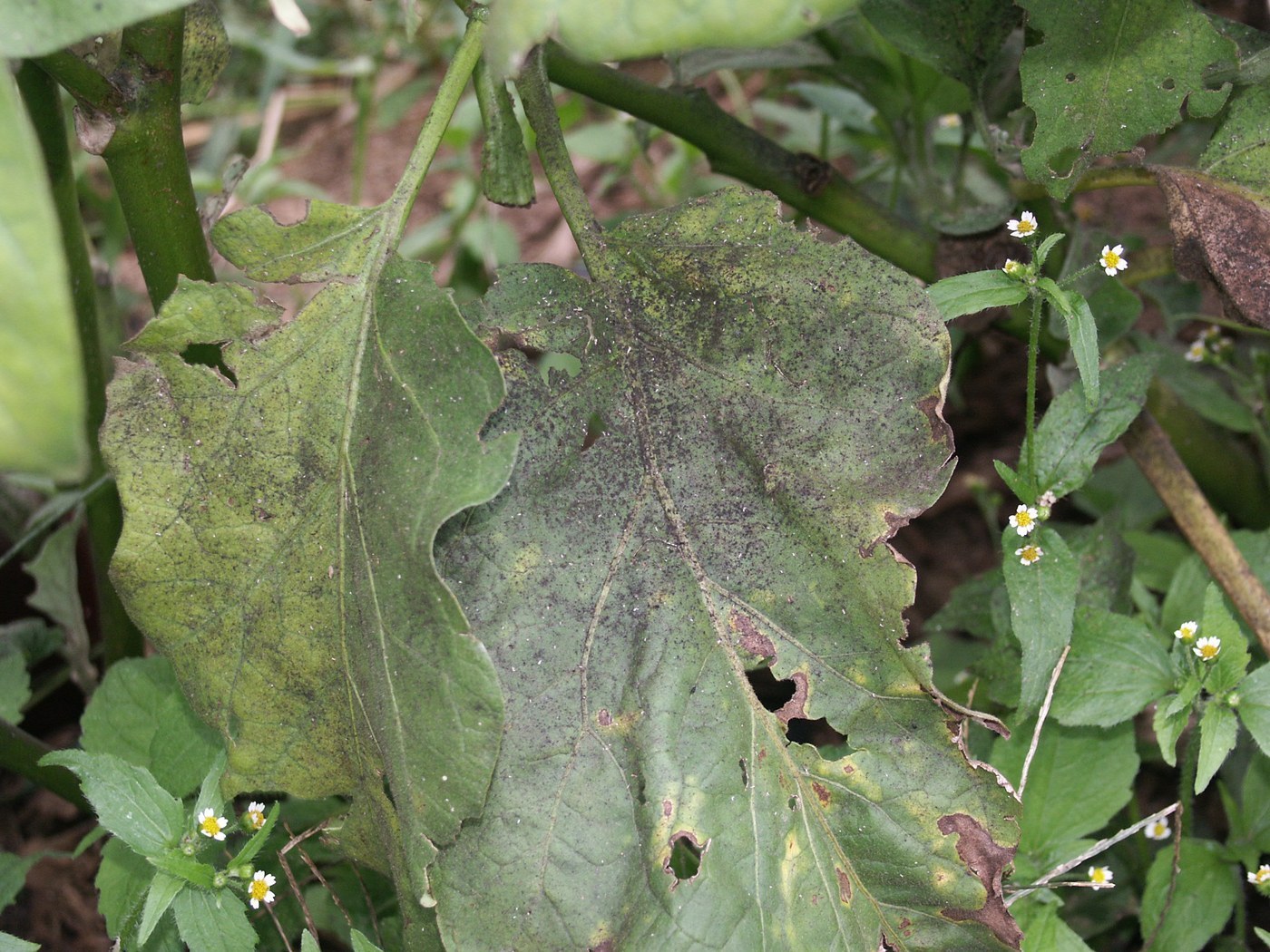
Whitefly
Greenhouses, gardens, and undersides of leaves on host plants
Water Measurer
Quiet edges of ponds, marshes, and slow streams
Two-Spotted Stink Bug
Gardens and fields with potato and nightshade-family plants
Water Cricket
Fast-flowing streams and stream-fed pond margins