
Scale Insect
Coccoidea spp.
A small, immobile insect that appears as a flat or domed, waxy bump firmly attached to a stem or leaf, easily mistaken for a plant blemish rather than a living creature.
- Size
- 1–6 mm
- Habitat
- Houseplants, trees, shrubs; attached to stems, leaves, and bark
- Danger
- Nuisance pest
Spotted a bug like this?
Identify any bug or insect from a photo, free.
Overview
Scale insects belong to the superfamily Coccoidea within the order Hemiptera, a diverse group of sap-feeding insects distinguished by the protective covering, or scale, that adult females secrete over their bodies. This covering can be a hardened, plate-like shell (armored scales) or a soft, waxy dome (soft scales), and beneath it the insect remains stationary for most of its adult life, feeding continuously from a single spot on the plant.
Because adult females lose their legs and mobility once settled, and often lose recognizable insect features altogether, scale insects are frequently mistaken for fungal growths, bark texture, or plant disease rather than living animals. Males, when present, are tiny, delicate, and winged, with a brief adult life devoted entirely to finding a mate.
Found worldwide on an enormous range of host plants, scale insects are ecologically notable both as specialized sap-feeders and, in some cases, as producers of economically or culturally significant substances such as certain waxes and dyes derived from particular species.
How to Identify
- Adult females appear as small, flattened or domed bumps firmly fixed to stems, leaf undersides, or bark, often mistaken for plant growths rather than insects.
- Armored scales have a hardened, separate waxy or shell-like plate covering the body, which can be lifted to reveal the insect beneath; soft scales have a fused, glossy or cottony covering that cannot be separated from the body.
- Coloring ranges from brown, gray, and white to yellow or reddish depending on species and covering type.
- Males, when present, are minute and winged, unlike the wingless, immobile females.
- Lookalikes include mealybugs, which remain mobile and are coated in loose, powdery wax rather than a fixed shell or dome.
Habitat & Range
Scale insects are found worldwide on a vast range of host plants, from houseplants and ornamentals to fruit trees, shrubs, and forest trees. They attach to stems, leaf undersides, leaf veins, and bark, often in sheltered spots, and populations can persist year-round in warm climates or indoor growing conditions, with peak crawler (mobile nymph) activity typically occurring in spring and early summer.
Behavior & Diet
Once settled, adult female scale insects feed continuously in one spot, using piercing-sucking mouthparts to draw sap from plant tissue, and many soft scale species excrete sugary honeydew as a byproduct. Mobility is limited to the brief nymphal "crawler" stage shortly after hatching, when young scales disperse across the plant before settling permanently to feed. Because of their sap-feeding habit and honeydew production, which can attract ants, scale insects are commonly recognized as a pest of ornamental and fruit-bearing plants, though in their native ranges they also serve as a food source for specialized predatory beetles and parasitic wasps.
Life Cycle
Females lay eggs beneath their protective covering or give birth to live young depending on species, and the newly hatched nymphs, called crawlers, are the only mobile stage, moving across the plant to find a suitable feeding site before settling down and beginning to form their protective scale. Nymphs then molt through several instars while largely immobile, developing the characteristic covering as they mature; males, if present, eventually pupate briefly before emerging as tiny winged adults, while females remain fixed and wingless for life. Multiple generations can occur annually in warm or indoor environments, and eggs or immature scales can overwinter on bark and stems in temperate climates.
Frequently asked questions
Is a scale insect actually alive, or just a plant bump?
It is a living insect — the bump is a protective covering secreted or grown by an immobile adult female feeding beneath it.
What is the difference between armored and soft scales?
Armored scales have a separate, removable waxy shell over the body, while soft scales have a covering fused to the body that cannot be lifted away.
Do scale insects move?
Only briefly as newly hatched nymphs, called crawlers; once they settle to feed, adult females become immobile for the rest of their lives.
How is a scale insect different from a mealybug?
Mealybugs stay mobile and are coated in loose, powdery or cottony wax, while scale insects form a fixed, often hardened covering and remain stationary as adults.
Scale Insect guides
In-depth guides for identifying, understanding, and living alongside Scale Insect.
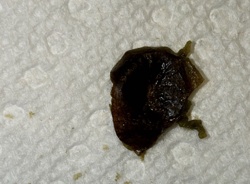
Scale Insect identified by the community
Real finds identified with Bug Identifier.





Other bugs you may enjoy
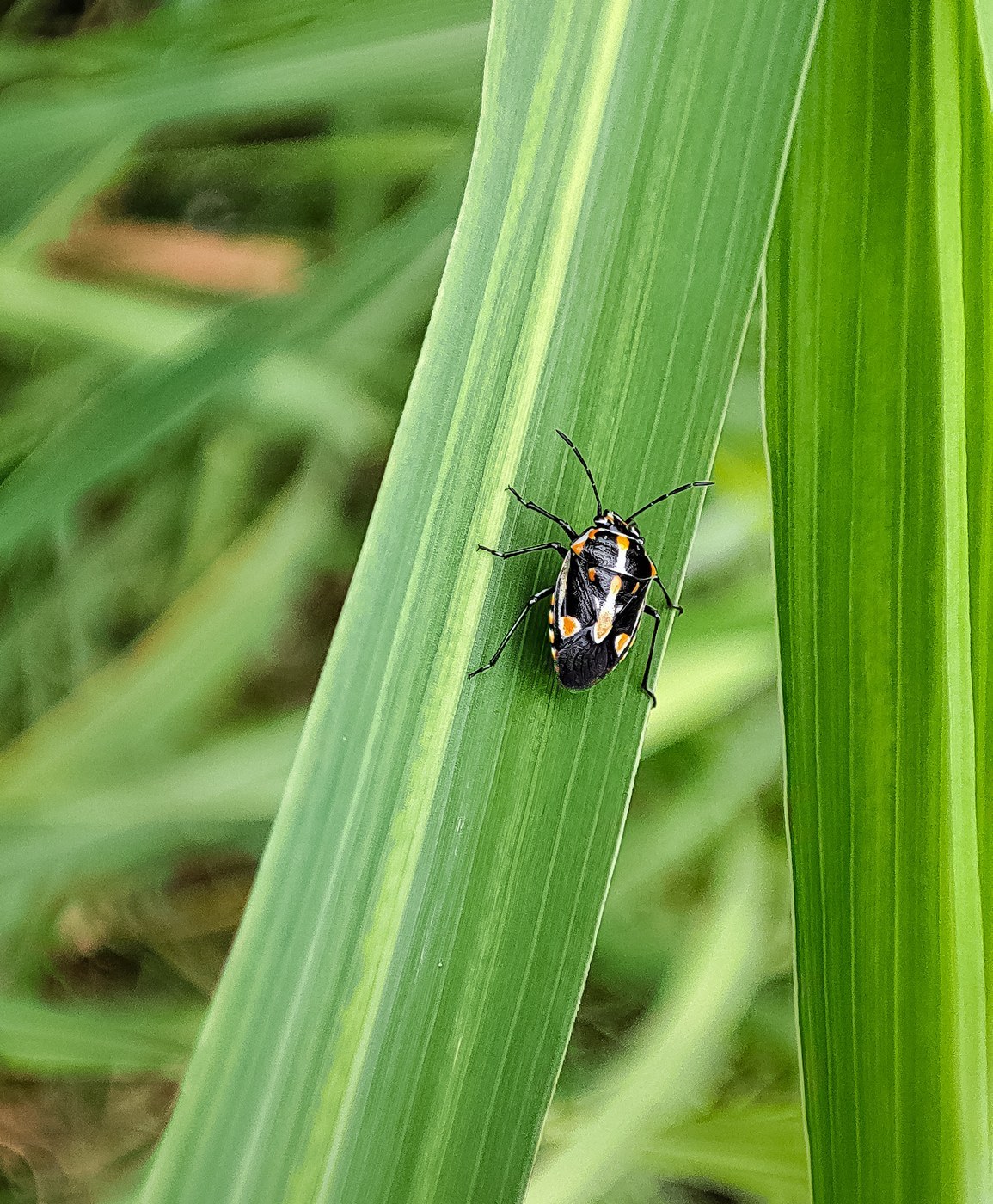
Bagrada Bug
Arid gardens, crucifer fields, desert-adjacent croplands
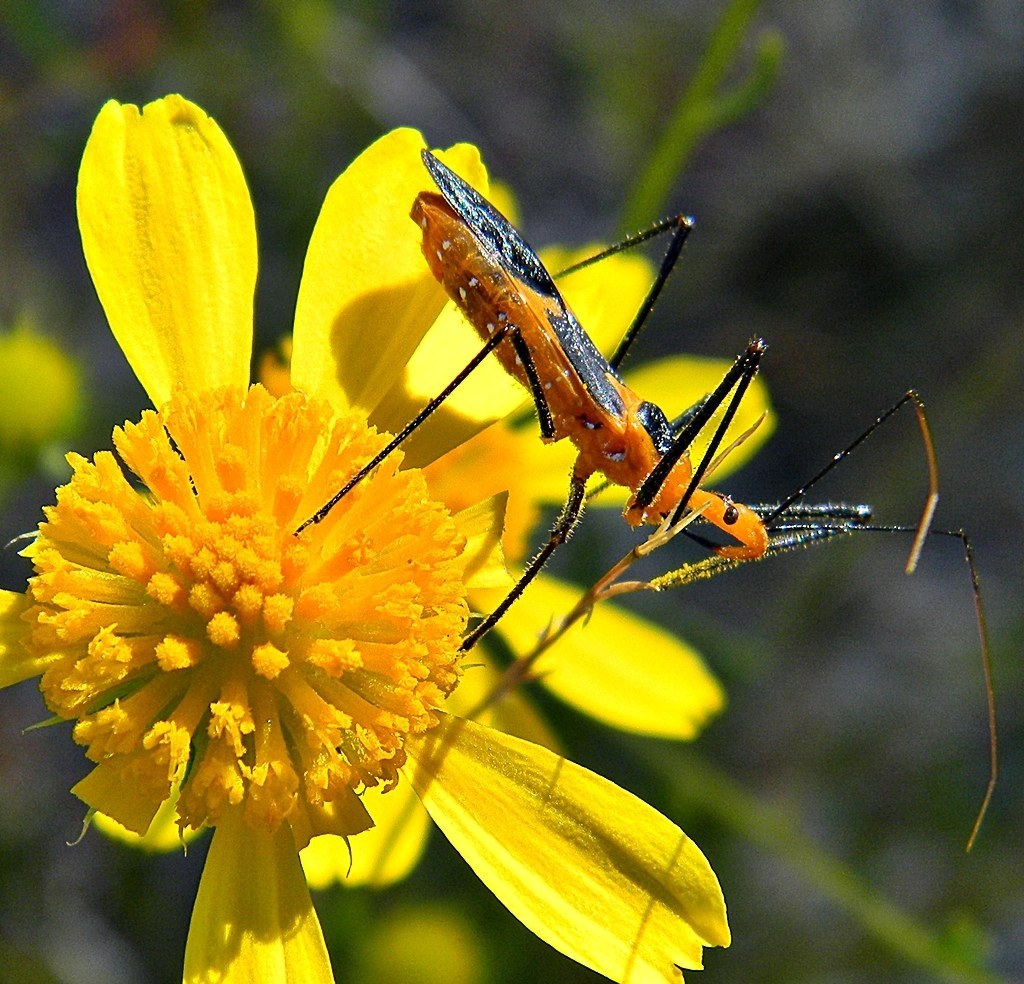
Assassin Bug
Gardens, meadows, and vegetation worldwide
Water Boatman Bug
Ponds, lakes, and slow-moving freshwater
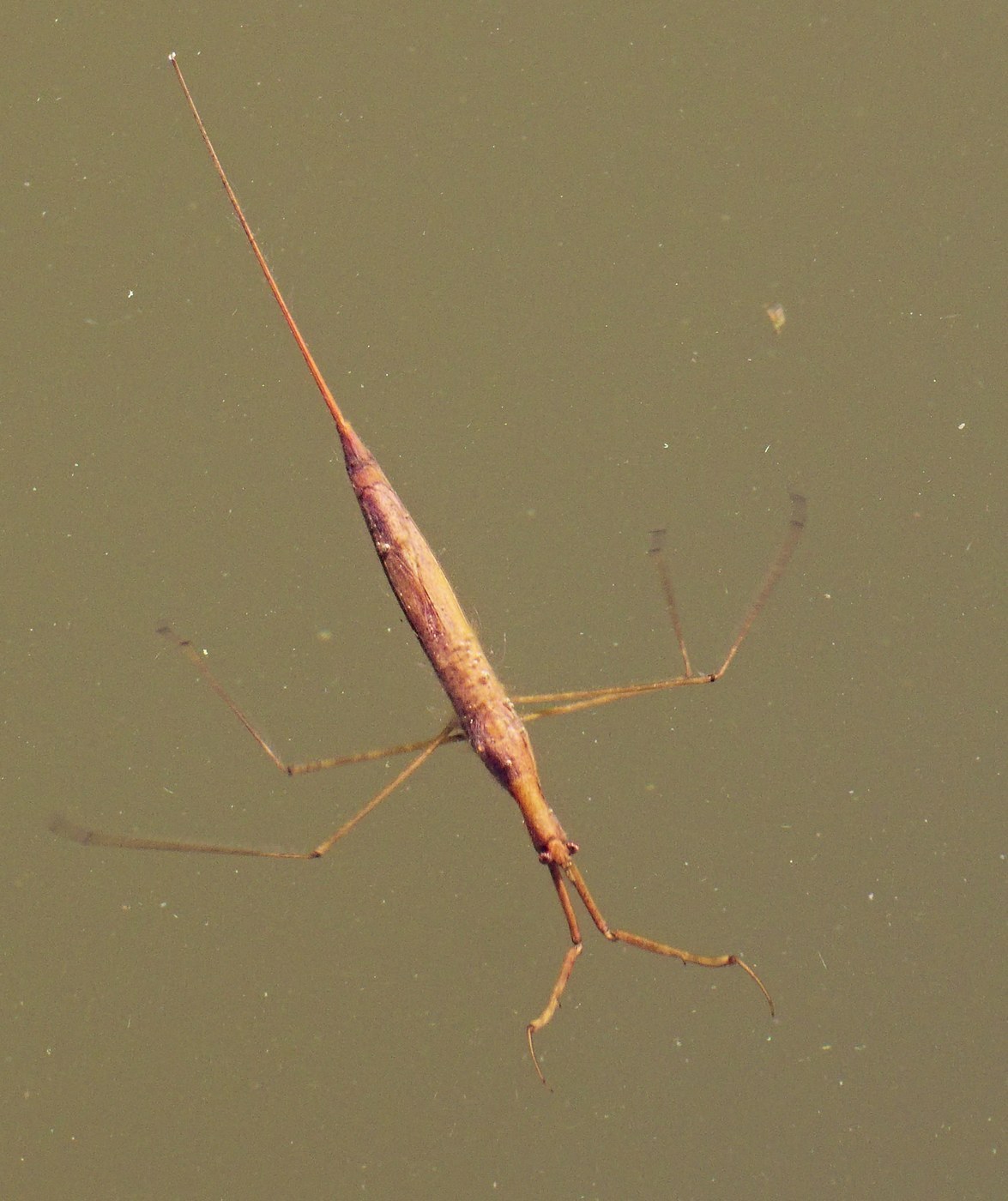
Water Stick Insect
Still and slow-moving water with dense submerged vegetation
Rough Stink Bug
Tree bark, woodlands, orchards, and shrubby vegetation
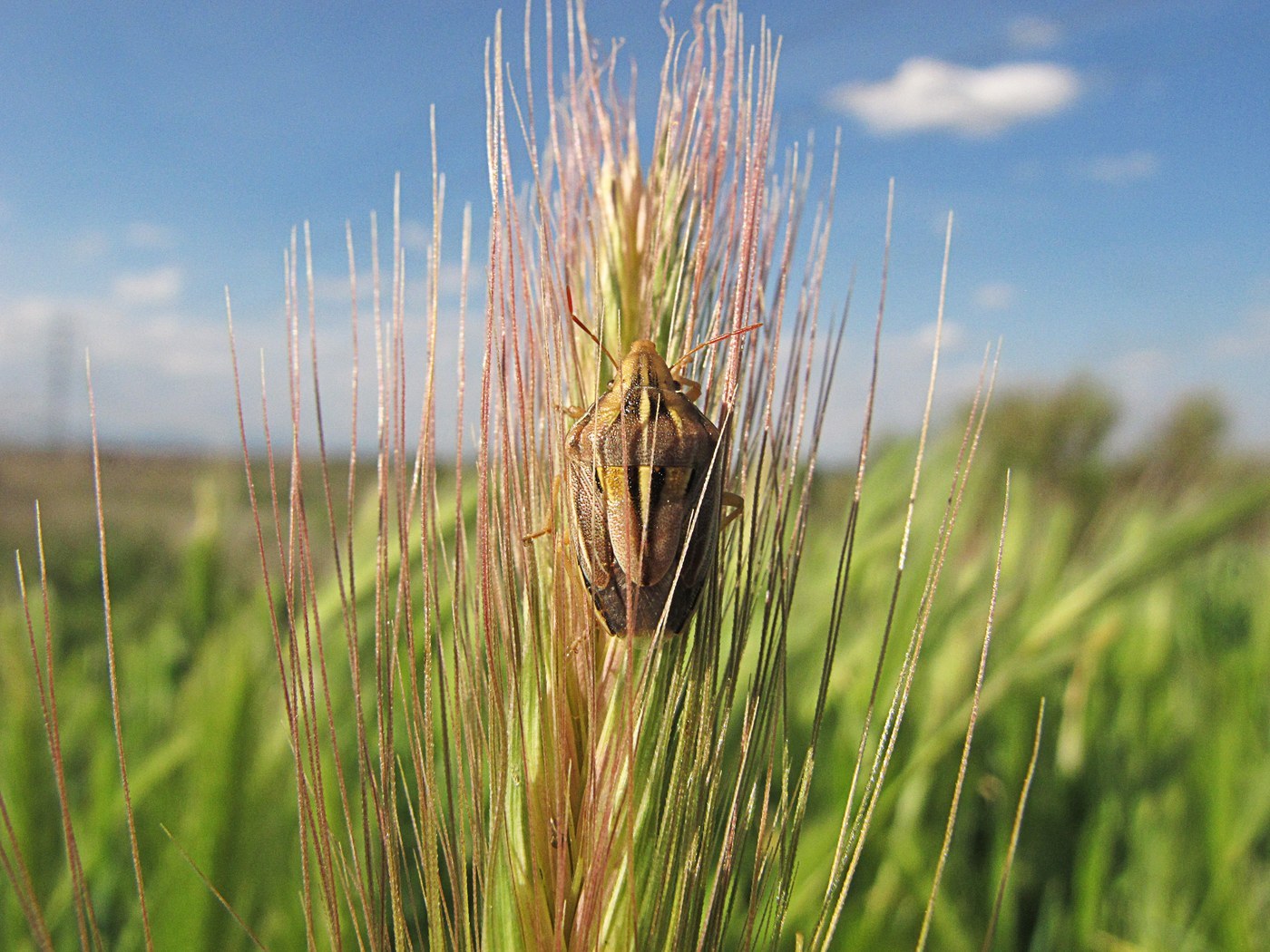
Stink Bug
Gardens, crop fields, and woodlands across temperate and subtropical regions
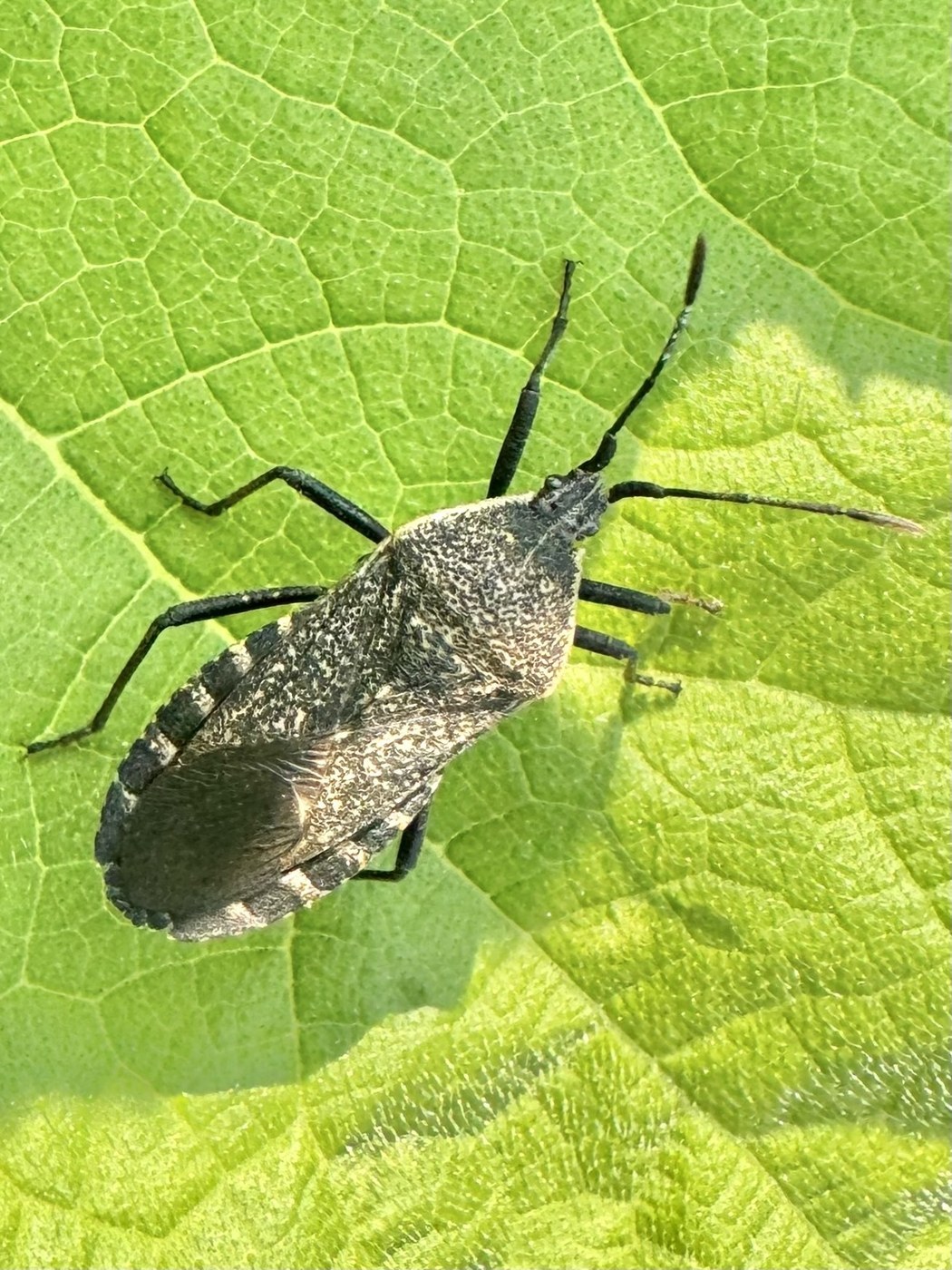
Squash Bug
Vegetable gardens and farm fields growing squash, pumpkin, and other cucurbits
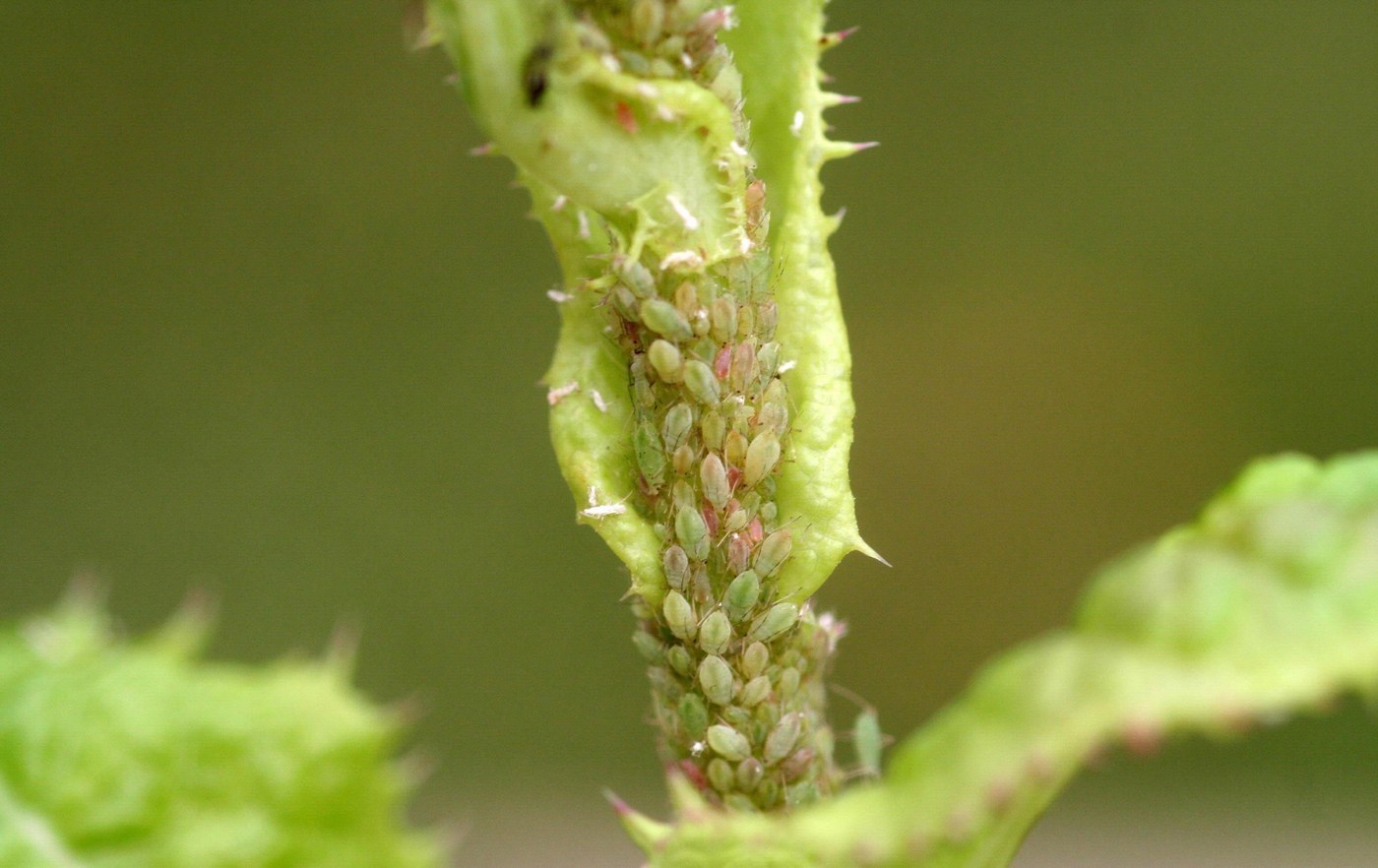
Aphid
On stems, leaves, and buds of a very wide range of host plants
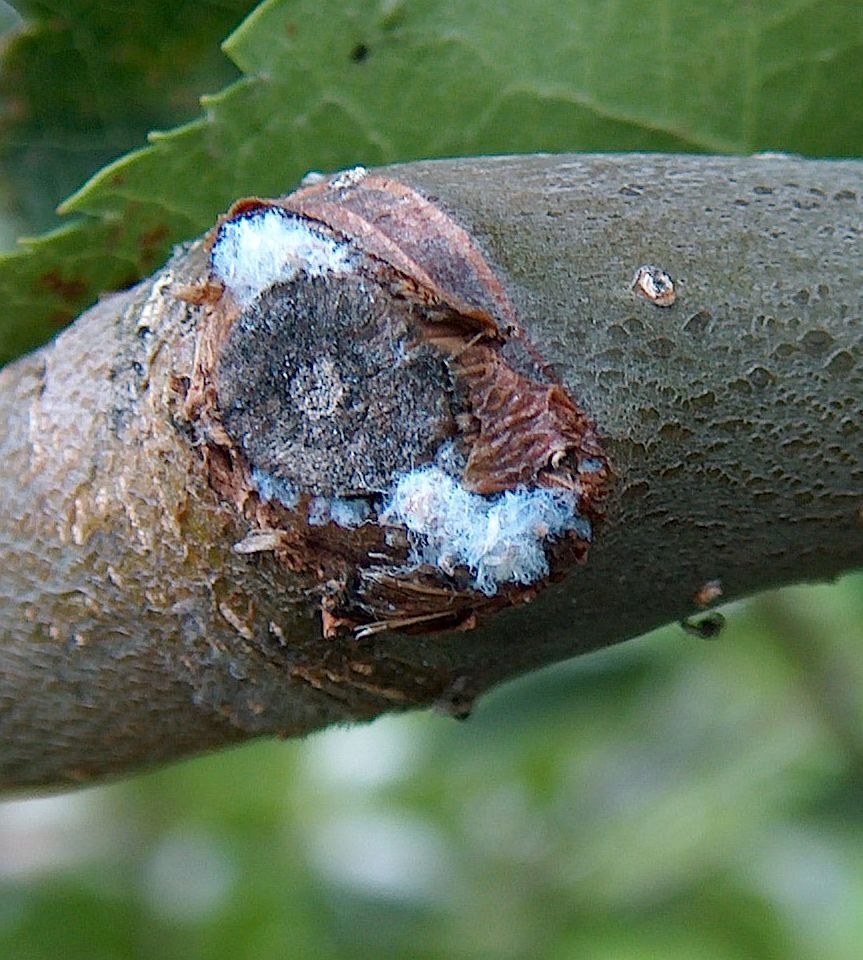
Woolly Aphid
Bark crevices, root collars, and twigs of apple, elm, and alder trees
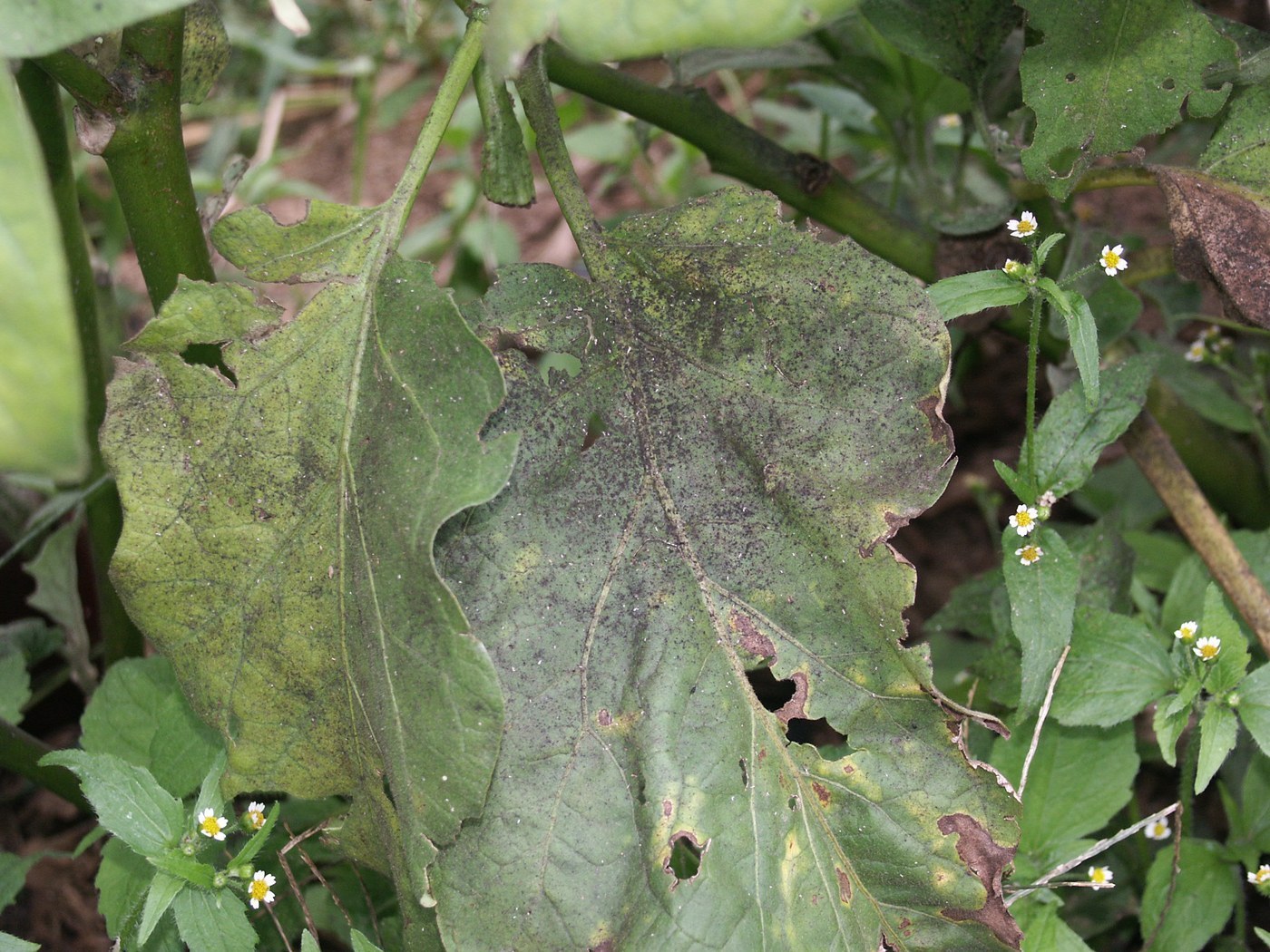
Whitefly
Greenhouses, gardens, and undersides of leaves on host plants
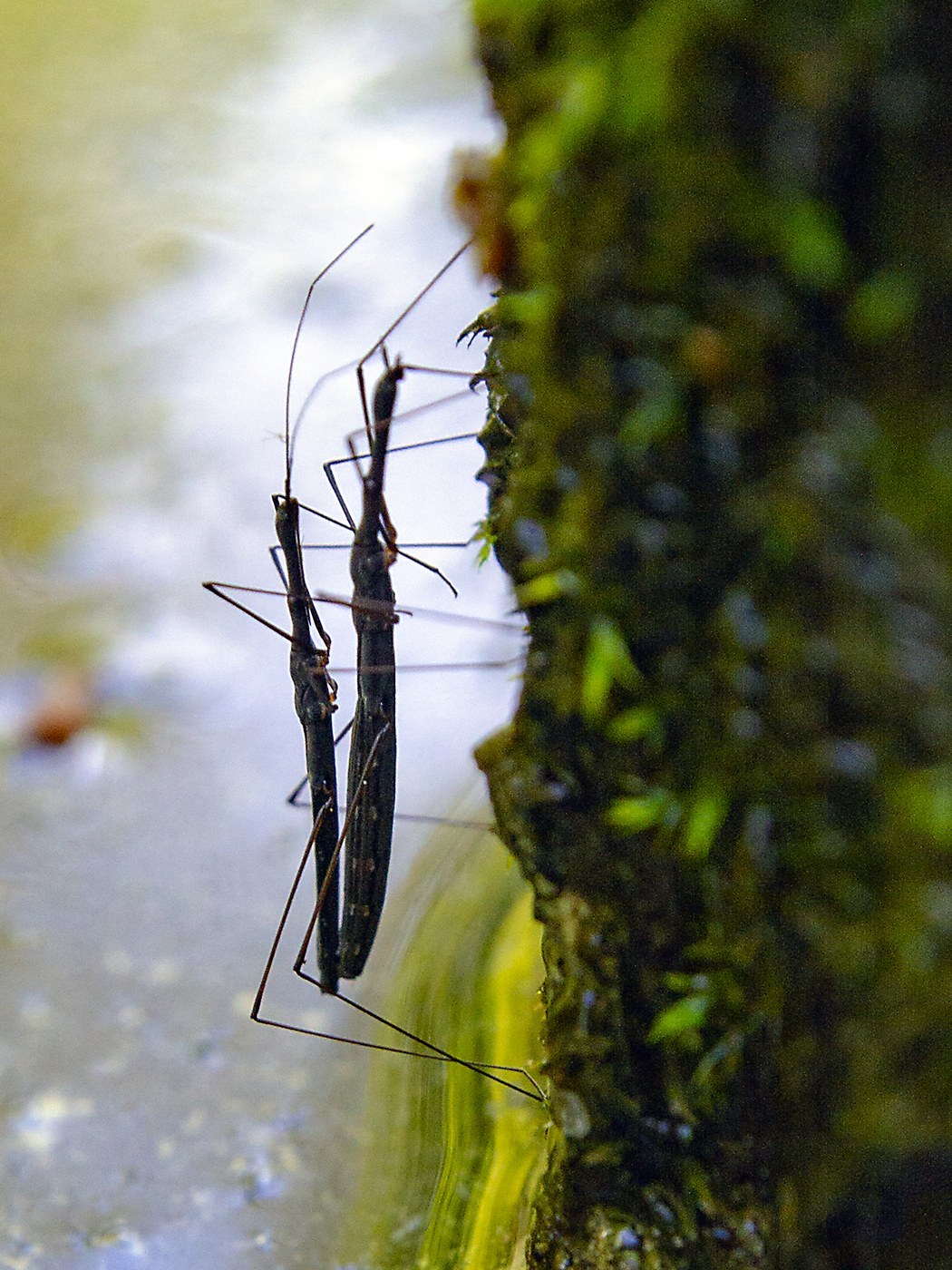
Water Measurer
Quiet edges of ponds, marshes, and slow streams
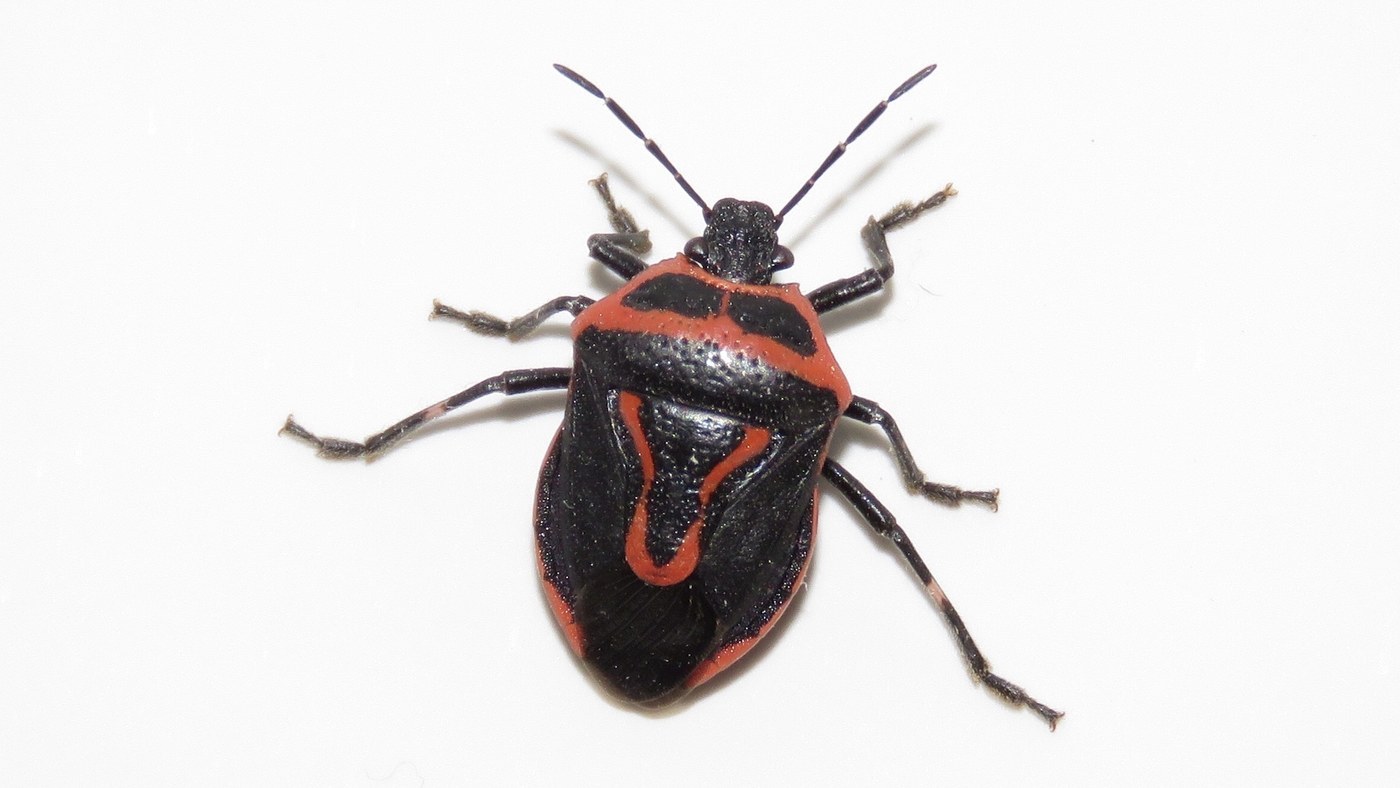
Two-Spotted Stink Bug
Gardens and fields with potato and nightshade-family plants