
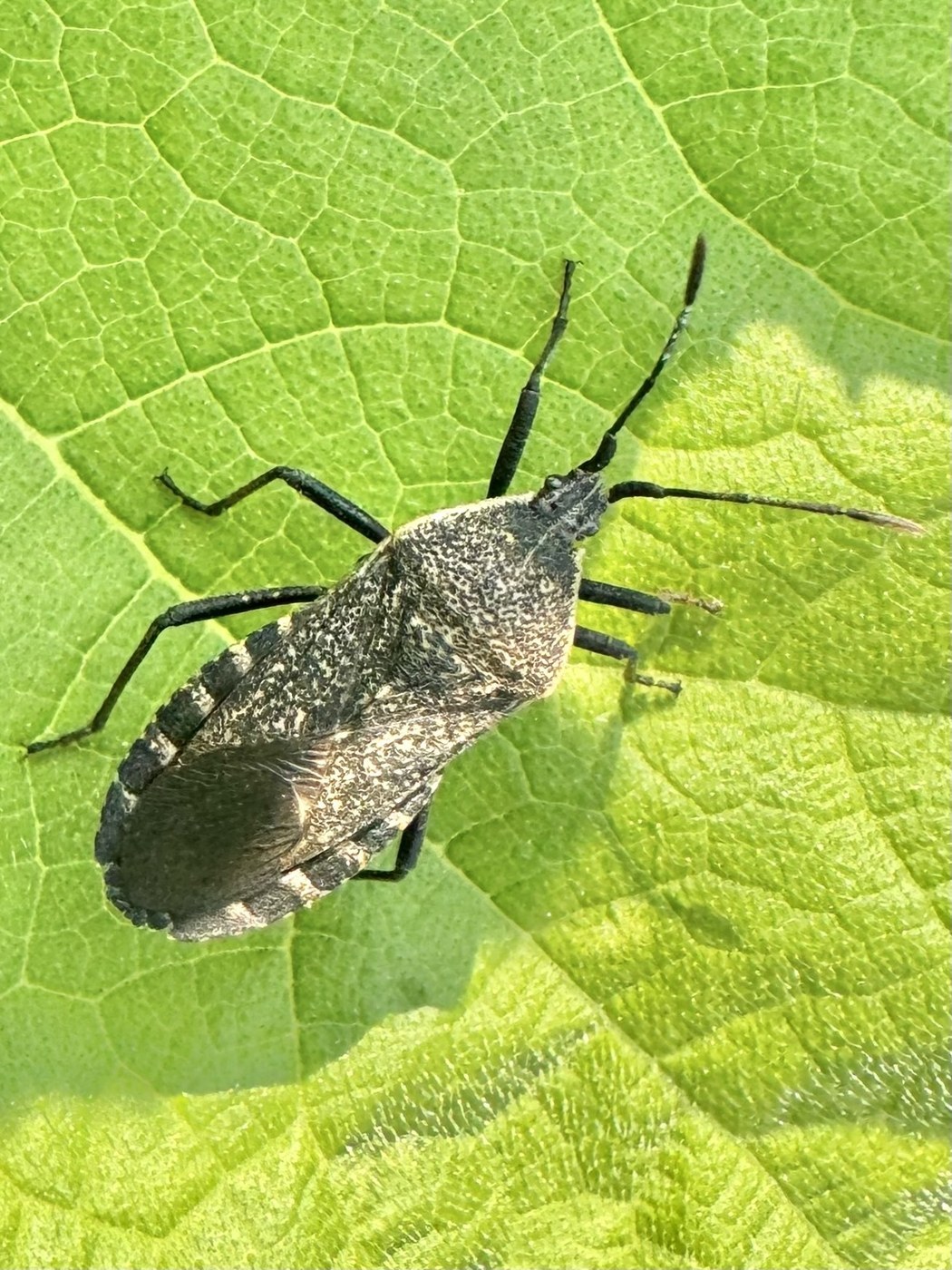
Squash Bug
Anasa tristis
A flat-backed, brownish-gray true bug commonly found clustered on the leaves and stems of squash and pumpkin plants, where it feeds by piercing plant tissue.
- Size
- 12–17 mm
- Habitat
- Vegetable gardens and farm fields growing squash, pumpkin, and other cucurbits
- Danger
- Nuisance pest
Spotted a bug like this?
Identify any bug or insect from a photo, free.
Overview
The squash bug is a true bug in the family Coreidae, the leaf-footed bugs, though unlike many of its relatives it lacks conspicuously flattened hind legs. It is one of the most recognizable insects associated with home vegetable gardens across North America because of its close, almost exclusive, association with cucurbit crops such as squash, pumpkin, and gourds.
Adults are elongated, shield-shaped, and dull brownish-black to gray, often with faint gold or orange speckling along the edges of the abdomen that shows beneath the wing margins. They move with a deliberate, unhurried gait and tend to hide at the base of plants or under leaves when disturbed rather than fly away immediately.
As a sap-feeding insect, the squash bug plays a minor ecological role as an herbivore within the plant-insect food web of gardens and agricultural land, and its eggs and nymphs in turn provide food for various predatory insects and spiders.
How to Identify
- Adult body is shield- to lance-shaped, flattened, roughly 12–17 mm long, dark brownish-gray to blackish above with fine mottled speckling.
- Underside of the abdomen often shows alternating orange-brown and dark bands visible along the wing edges.
- Head is narrow and pointed with long, thread-like antennae; the piercing-sucking mouthpart (proboscis) lies tucked beneath the body.
- Nymphs look very different from adults: pale gray to greenish when newly hatched, becoming darker gray with black legs as they mature, and lack developed wings.
- Eggs are shiny, bronze-copper colored, and laid in tight clusters on the undersides of cucurbit leaves, often in the angles between leaf veins.
- Can be confused with other leaf-footed bugs, but squash bugs lack the leaf-shaped hind tibiae typical of true leaf-footed bugs and are found almost exclusively on cucurbit vines.
Habitat & Range
Squash bugs are found throughout most of North America wherever cucurbit crops are grown, from home gardens to commercial squash and pumpkin fields. They shelter at the base of vines, under mulch, fallen leaves, or garden debris, and beneath boards or other flat objects near host plants.
Activity peaks in the warmer months of late spring through late summer, with populations often building rapidly as the growing season progresses. Adults overwinter in sheltered, dry locations such as leaf litter, garden debris, or structures near where cucurbits were previously grown, emerging in spring to seek out new host plants.
Behavior & Diet
Squash bugs are gregarious as nymphs, often found in loose aggregations feeding together on the underside of leaves and along stems. Both nymphs and adults feed using needle-like mouthparts to withdraw sap from leaves, stems, and developing fruit of squash, pumpkin, melon, and related cucurbit plants, which can cause localized wilting of leaves.
They are not strong fliers and tend to rely on crawling to move between plants, though adults can fly short distances when disturbed. Adults readily play dead or drop from foliage when threatened. Squash bugs emit a distinctive, somewhat unpleasant odor when crushed or handled, a defensive trait shared with many true bugs.
Life Cycle
Squash bugs undergo incomplete metamorphosis, passing through egg, nymph, and adult stages without a pupal phase. Females lay clusters of shiny bronze eggs on the undersides of cucurbit leaves in spring and summer; these hatch in one to two weeks.
Nymphs pass through five instars over roughly four to six weeks, gradually developing wing pads and darkening in color before reaching the winged adult stage. There is typically one generation per year in northern regions and up to two in warmer climates. Adults overwinter in sheltered debris and emerge in spring to mate and begin the cycle again.
Frequently asked questions
How can I tell a squash bug from a stink bug?
Squash bugs are more elongated and flattened with a narrower head, while stink bugs are broadly shield-shaped; squash bugs are also almost always found specifically on cucurbit vines like squash and pumpkin.
Why are squash bugs always clustered together?
Newly hatched nymphs stay near their egg cluster and feed gregariously for a period before dispersing across the plant as they mature.
Do squash bugs fly?
Adults have functional wings and can fly, but they are not strong or frequent fliers, preferring to crawl and hide when disturbed.
What plants do squash bugs feed on?
They feed almost exclusively on cucurbit family plants, including squash, pumpkin, gourds, and occasionally cucumbers and melons.
Squash Bug guides
In-depth guides for identifying, understanding, and living alongside Squash Bug.
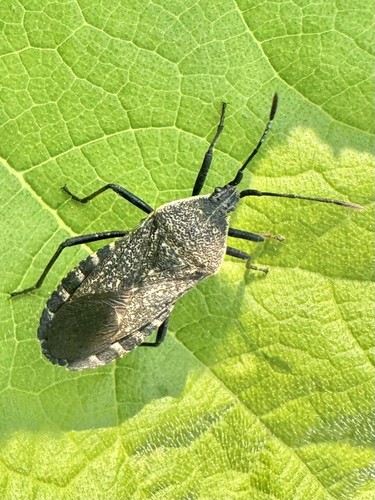
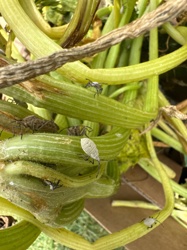
Squash Bug identified by the community
Real finds identified with Bug Identifier.
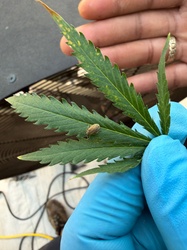
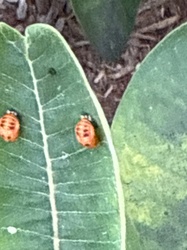
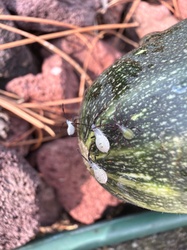
Other bugs you may enjoy
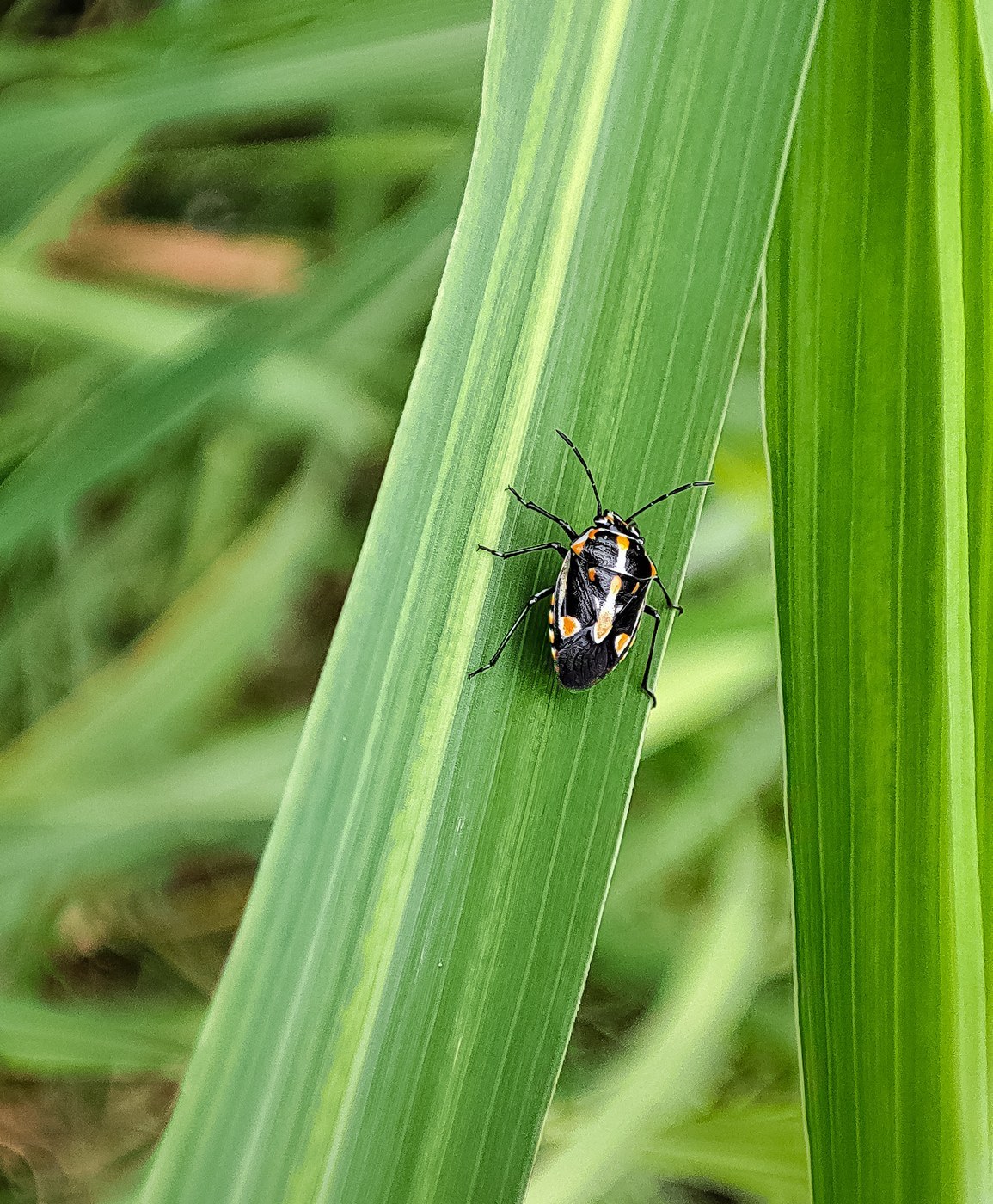
Bagrada Bug
Arid gardens, crucifer fields, desert-adjacent croplands
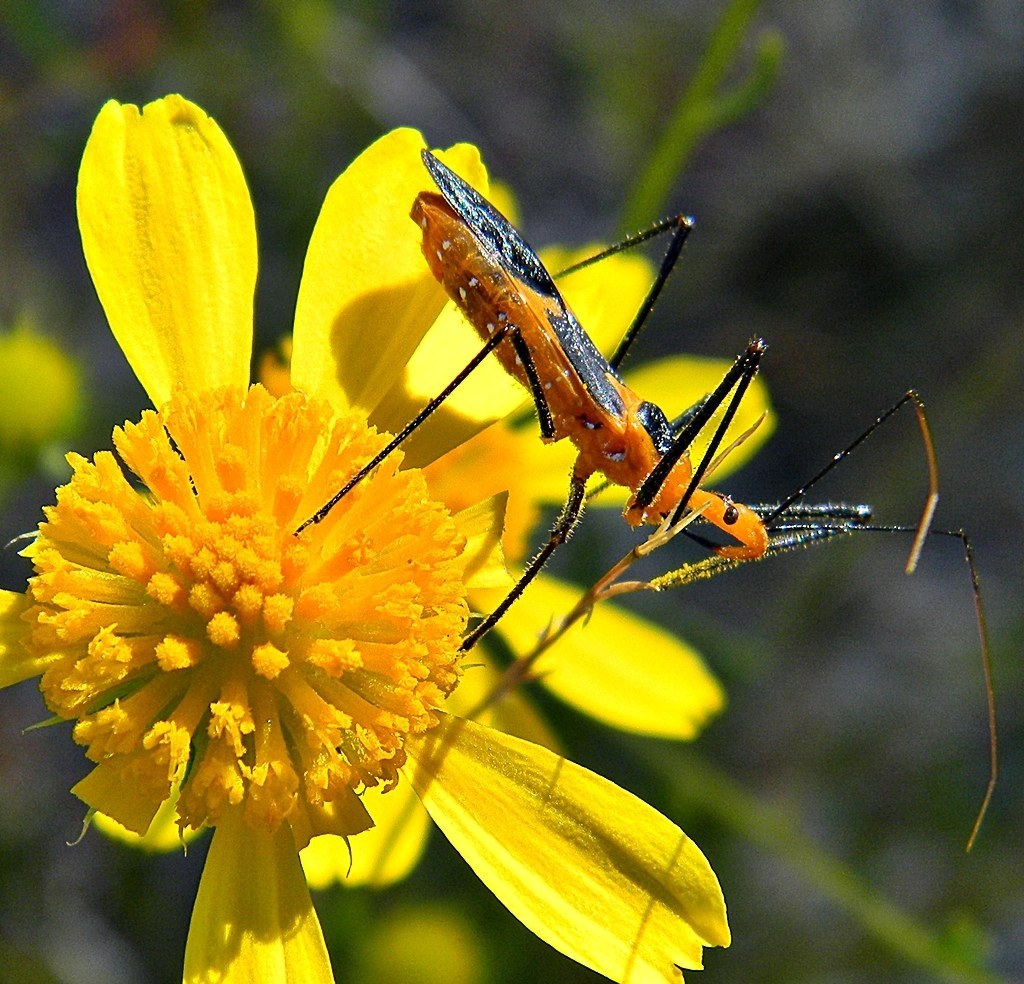
Assassin Bug
Gardens, meadows, and vegetation worldwide
Water Boatman Bug
Ponds, lakes, and slow-moving freshwater
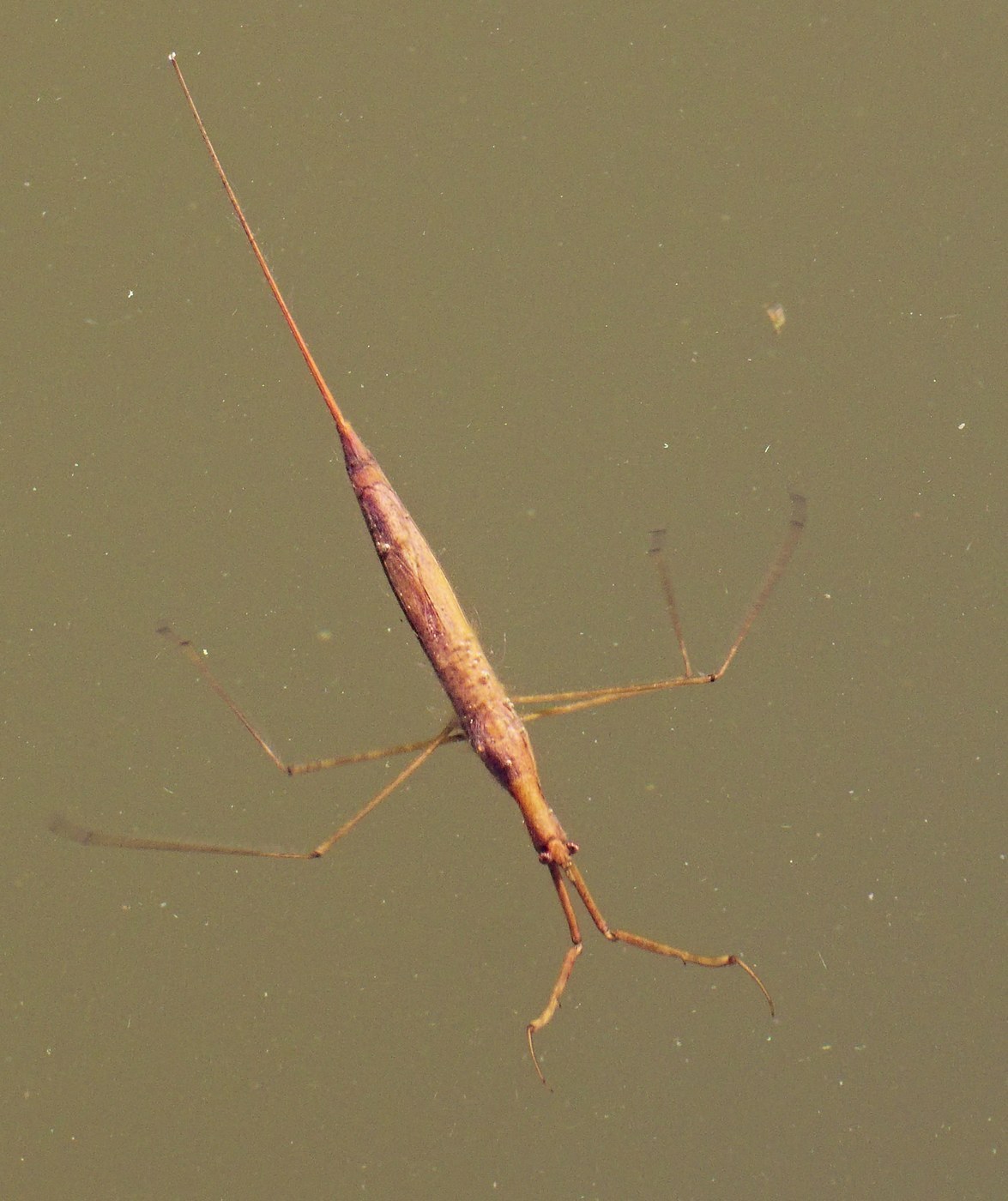
Water Stick Insect
Still and slow-moving water with dense submerged vegetation
Rough Stink Bug
Tree bark, woodlands, orchards, and shrubby vegetation
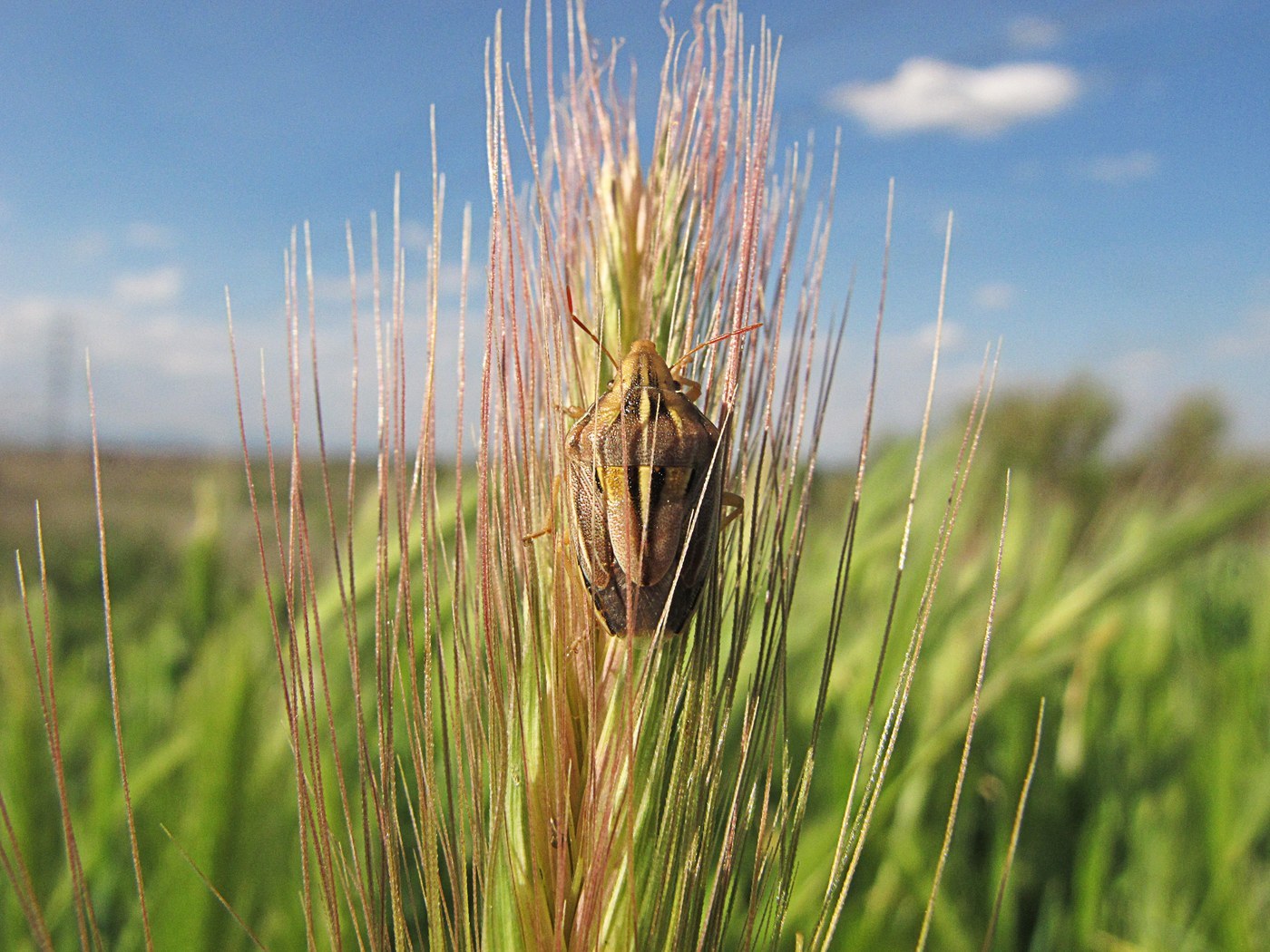
Stink Bug
Gardens, crop fields, and woodlands across temperate and subtropical regions
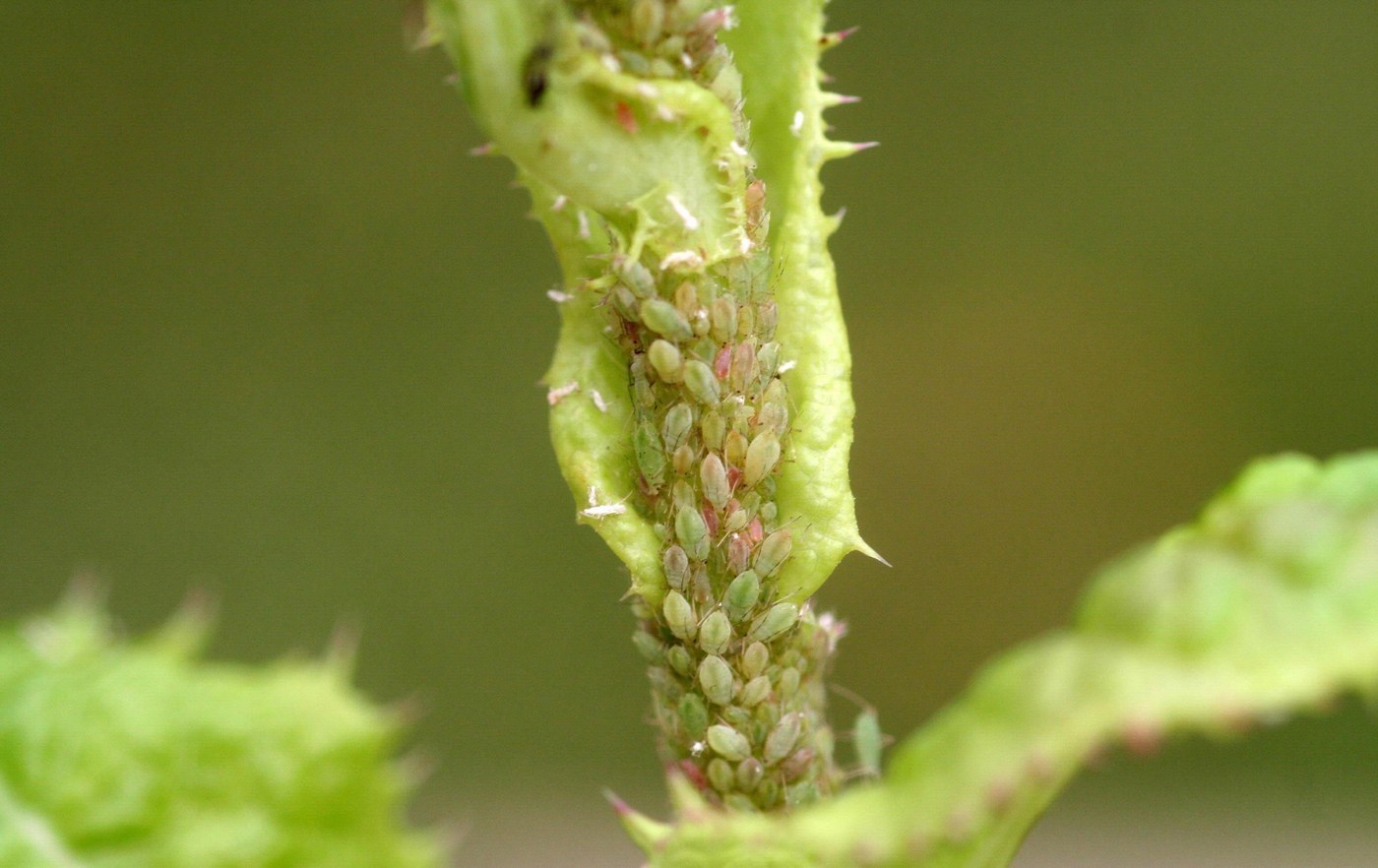
Aphid
On stems, leaves, and buds of a very wide range of host plants
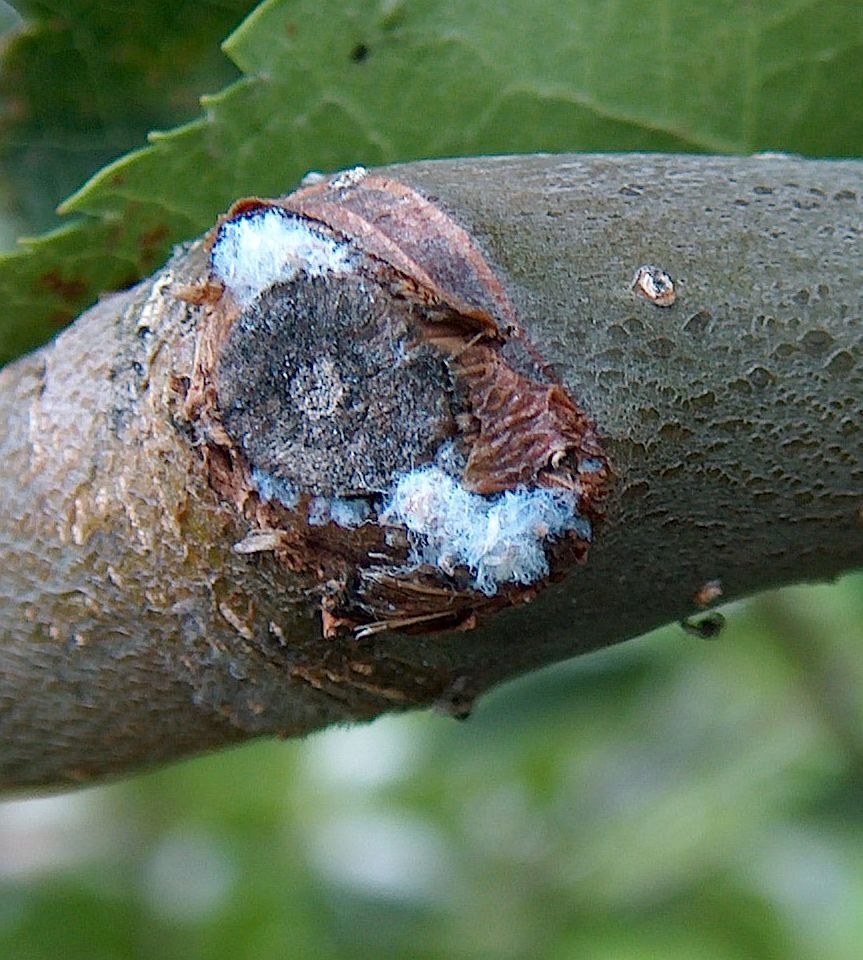
Woolly Aphid
Bark crevices, root collars, and twigs of apple, elm, and alder trees
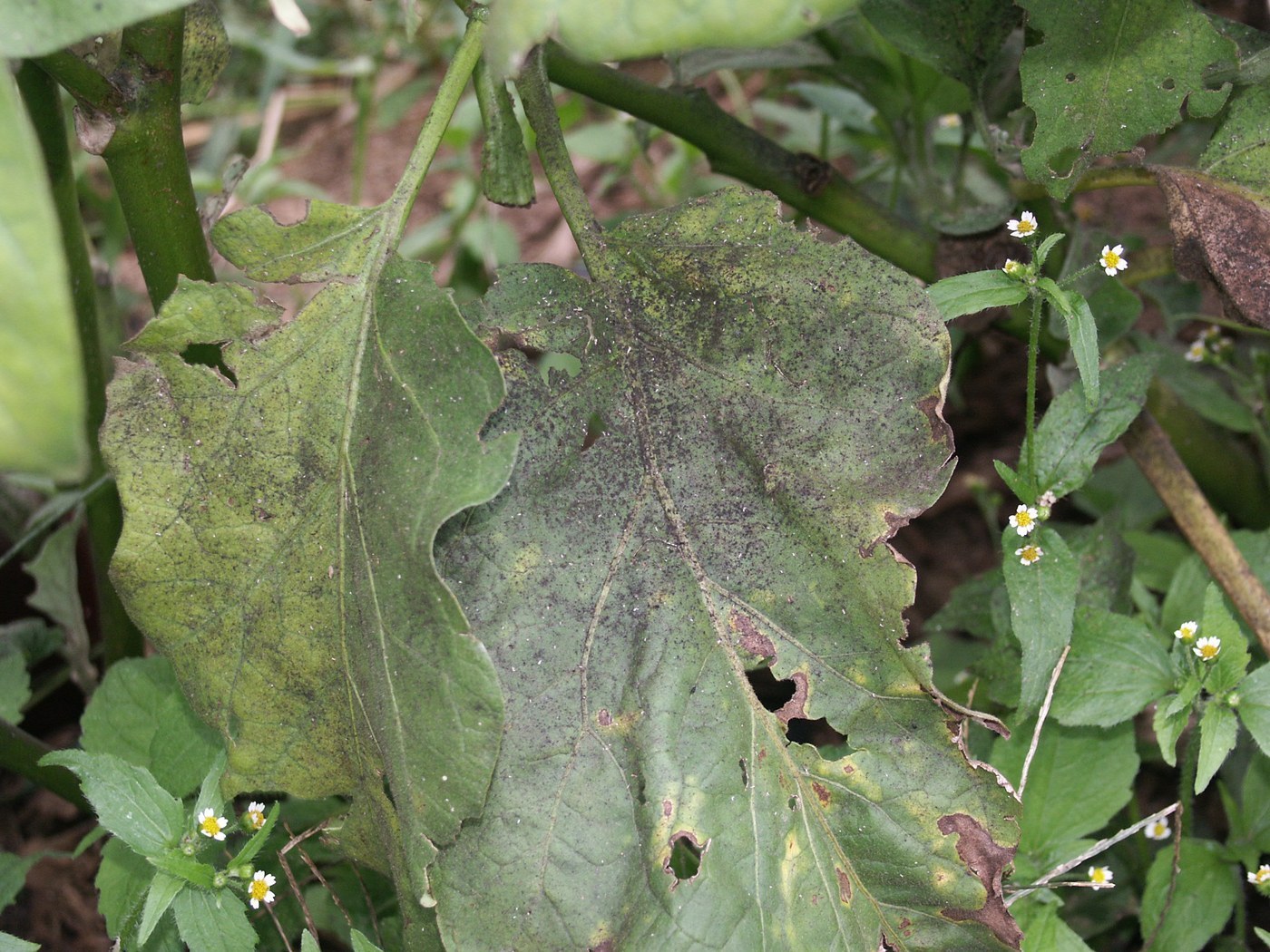
Whitefly
Greenhouses, gardens, and undersides of leaves on host plants
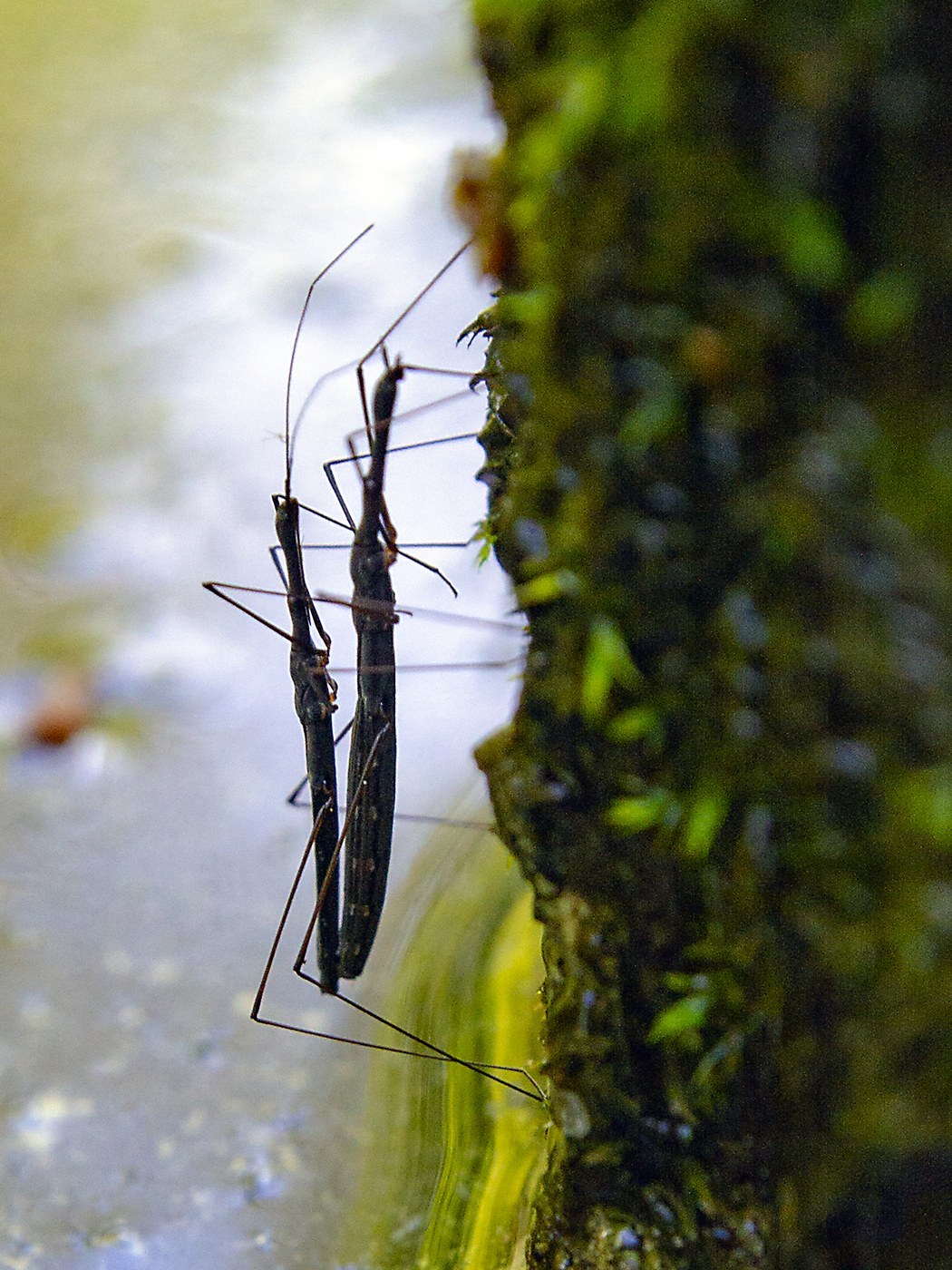
Water Measurer
Quiet edges of ponds, marshes, and slow streams
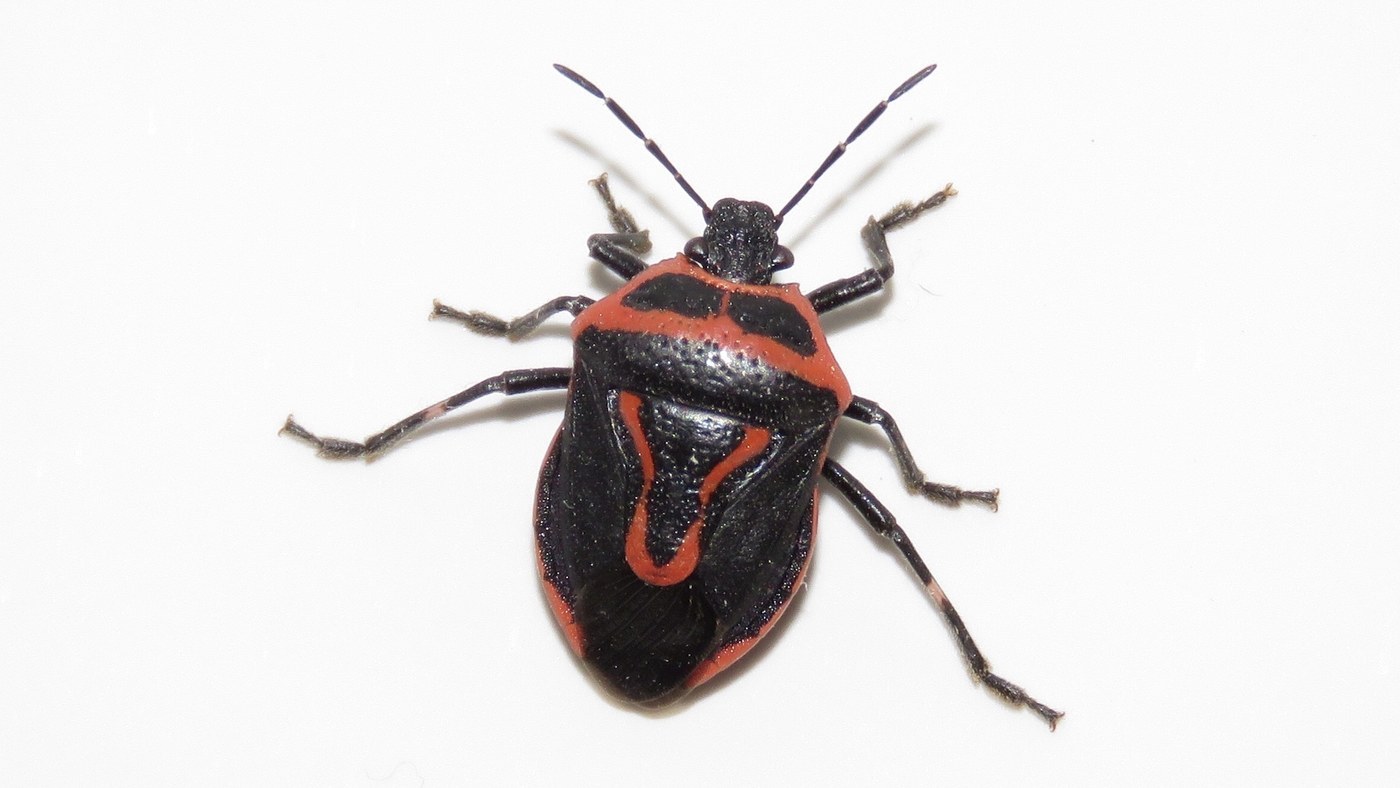
Two-Spotted Stink Bug
Gardens and fields with potato and nightshade-family plants
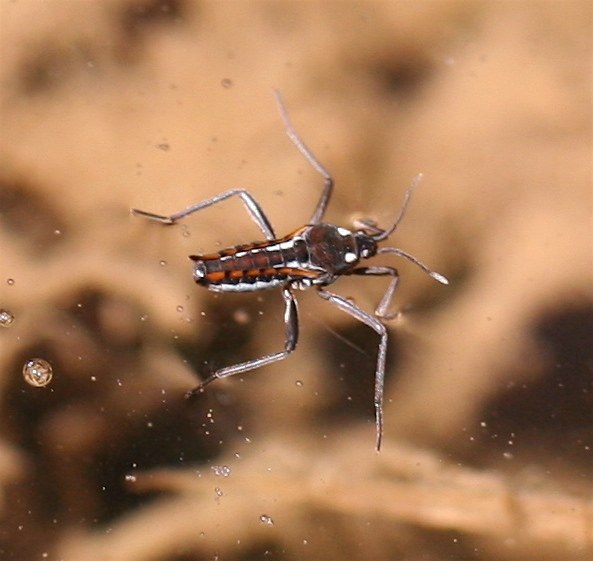
Water Cricket
Fast-flowing streams and stream-fed pond margins