
Water Boatman Bug
Corixidae spp.
A boat-shaped little swimmer that rows through pond water with oar-like hind legs, grazing on algae rather than hunting other animals.
- Size
- 5-15 mm
- Habitat
- Ponds, lakes, and slow-moving freshwater
- Danger
- Harmless
Spotted a bug like this?
Identify any bug or insect from a photo, free.
Overview
Water boatmen are aquatic true bugs in the family Corixidae, named for their distinctive oar-like hind legs that they use to row through the water much like a person rowing a small boat. They are among the most common and widespread aquatic insects found in ponds, lakes, and other still or slow-moving freshwater habitats around the world.
Unlike their close relatives the backswimmers, which are active predators that swim upside down, water boatmen typically swim right-side up and feed mainly on algae and organic detritus rather than on animal prey, making them one of the more benign true bugs found in freshwater. Their flattened, oval bodies and finely patterned wing covers give them excellent camouflage against pond sediment.
Water boatmen are strong fliers as adults and often disperse to colonize new water bodies, sometimes appearing in large numbers at lights near water at night during dispersal flights.
How to Identify
- Adults are 5-15 mm long, with an oval, streamlined, boat-shaped body that is flattened dorsoventrally.
- The hind legs are long, flattened, and fringed with hairs, forming oar-like paddles used for swimming.
- The front legs are short and modified with a scoop-like structure used to gather algae and detritus while feeding.
- Wing covers are typically patterned with fine, intricate lines in shades of brown, gray, or black, providing camouflage.
- Water boatmen swim right-side up, unlike backswimmers, which swim upside down and have a more rounded, keeled back.
- Lookalikes include backswimmers (family Notonectidae), distinguished by their inverted swimming posture and more predatory, robust front legs.
Habitat & Range
Water boatmen are found nearly worldwide in ponds, lakes, marshes, and slow-moving streams, often in large numbers among submerged vegetation or along muddy or sandy bottoms. They tolerate a wide range of water conditions, including some brackish or alkaline waters that few other aquatic insects can survive in. Adults are capable fliers and readily colonize new or temporary water bodies, particularly during warm months.
Behavior & Diet
Most water boatmen feed on algae, plant material, and organic detritus, which they gather using their scoop-like front legs, though a few species supplement their diet with tiny aquatic organisms. They carry a bubble of air trapped against the body for use underwater, similar to many other aquatic insects, allowing them to remain submerged for extended periods before returning to the surface to renew their air supply. Water boatmen are an important food source for fish, birds, and other aquatic predators, and their generally plant-based diet places them at a different ecological role than the predatory backswimmers they superficially resemble. Adults often make short, low-humming flights between water bodies, especially at dusk.
Life Cycle
Eggs are laid attached to submerged plants, rocks, or other underwater surfaces. Nymphs hatch resembling smaller, wingless versions of the adult and undergo gradual metamorphosis, molting through five instars while feeding much like adults on algae and detritus. Wing pads become visible in later instars before the final molt produces a fully winged adult. Multiple generations can occur each year in warm climates, while in temperate regions adults typically overwinter in mud or leaf litter near the water's edge, becoming active again as temperatures rise in spring.
Frequently asked questions
Do water boatmen bite people?
Water boatmen feed mainly on algae and detritus, unlike the related backswimmer, which is more predatory.
How do water boatmen swim?
They use long, flattened, oar-like hind legs fringed with hairs to row themselves through the water.
What is the difference between a water boatman and a backswimmer?
Water boatmen swim right-side up and mainly graze on algae, while backswimmers swim upside down and are active predators of other small aquatic animals.
How do water boatmen breathe underwater?
They carry a bubble of air against their body, replenished at the surface, which supplies oxygen while they remain submerged.
Water Boatman Bug guides
In-depth guides for identifying, understanding, and living alongside Water Boatman Bug.
Water Boatman Bug identified by the community
Real finds identified with Bug Identifier.
Other bugs you may enjoy
Bagrada Bug
Arid gardens, crucifer fields, desert-adjacent croplands
Assassin Bug
Gardens, meadows, and vegetation worldwide
Water Stick Insect
Still and slow-moving water with dense submerged vegetation
Rough Stink Bug
Tree bark, woodlands, orchards, and shrubby vegetation
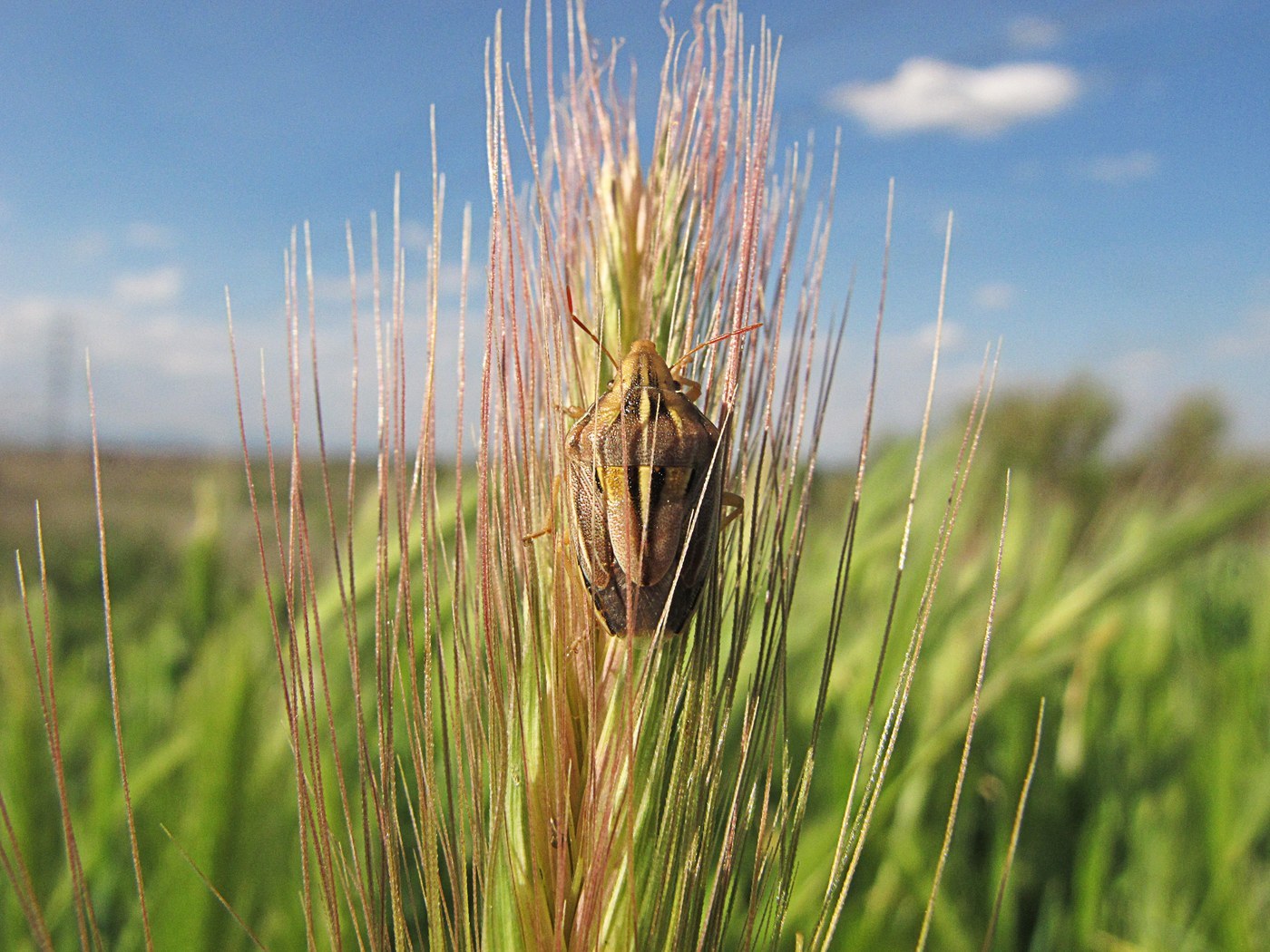
Stink Bug
Gardens, crop fields, and woodlands across temperate and subtropical regions
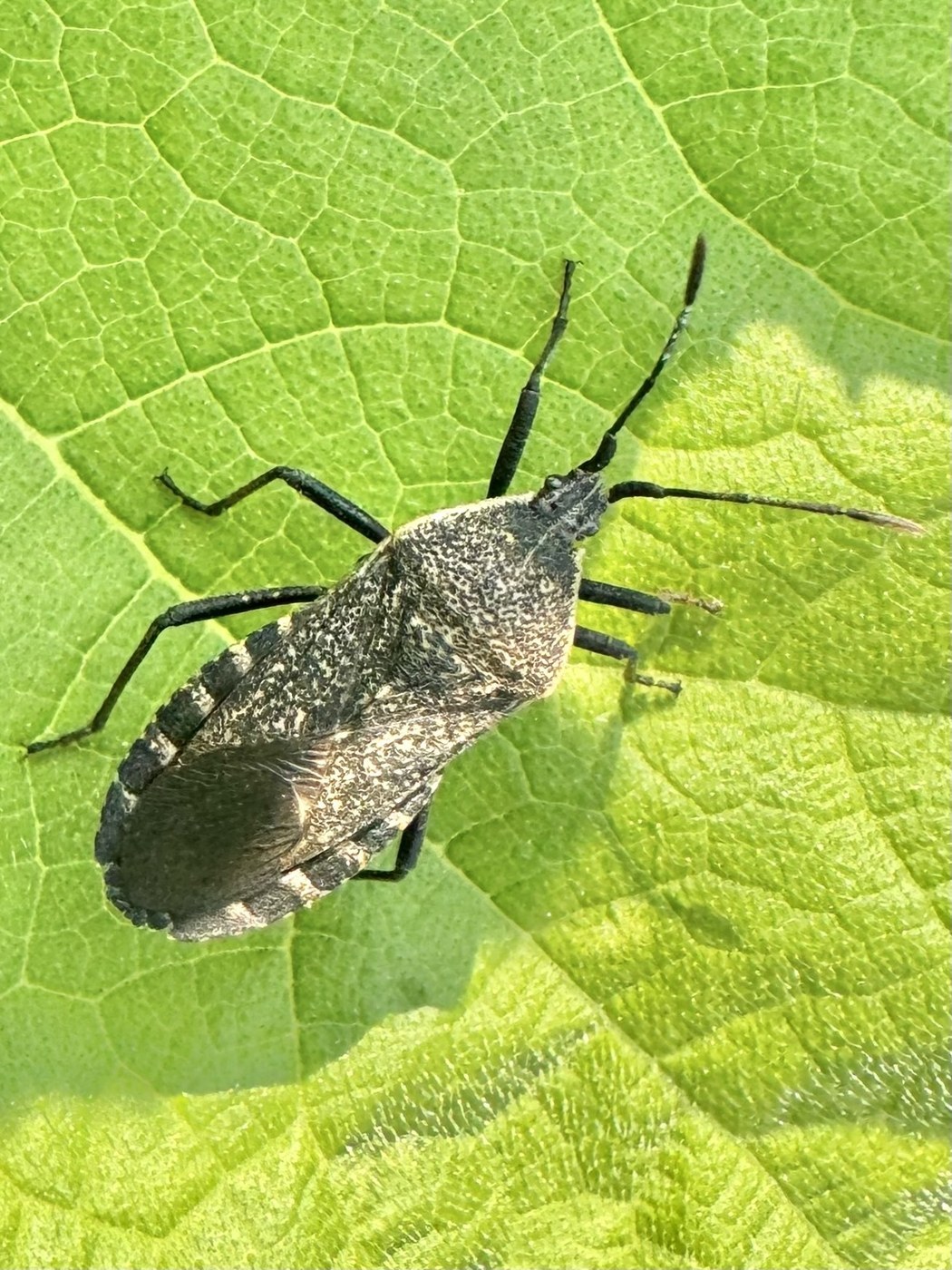
Squash Bug
Vegetable gardens and farm fields growing squash, pumpkin, and other cucurbits
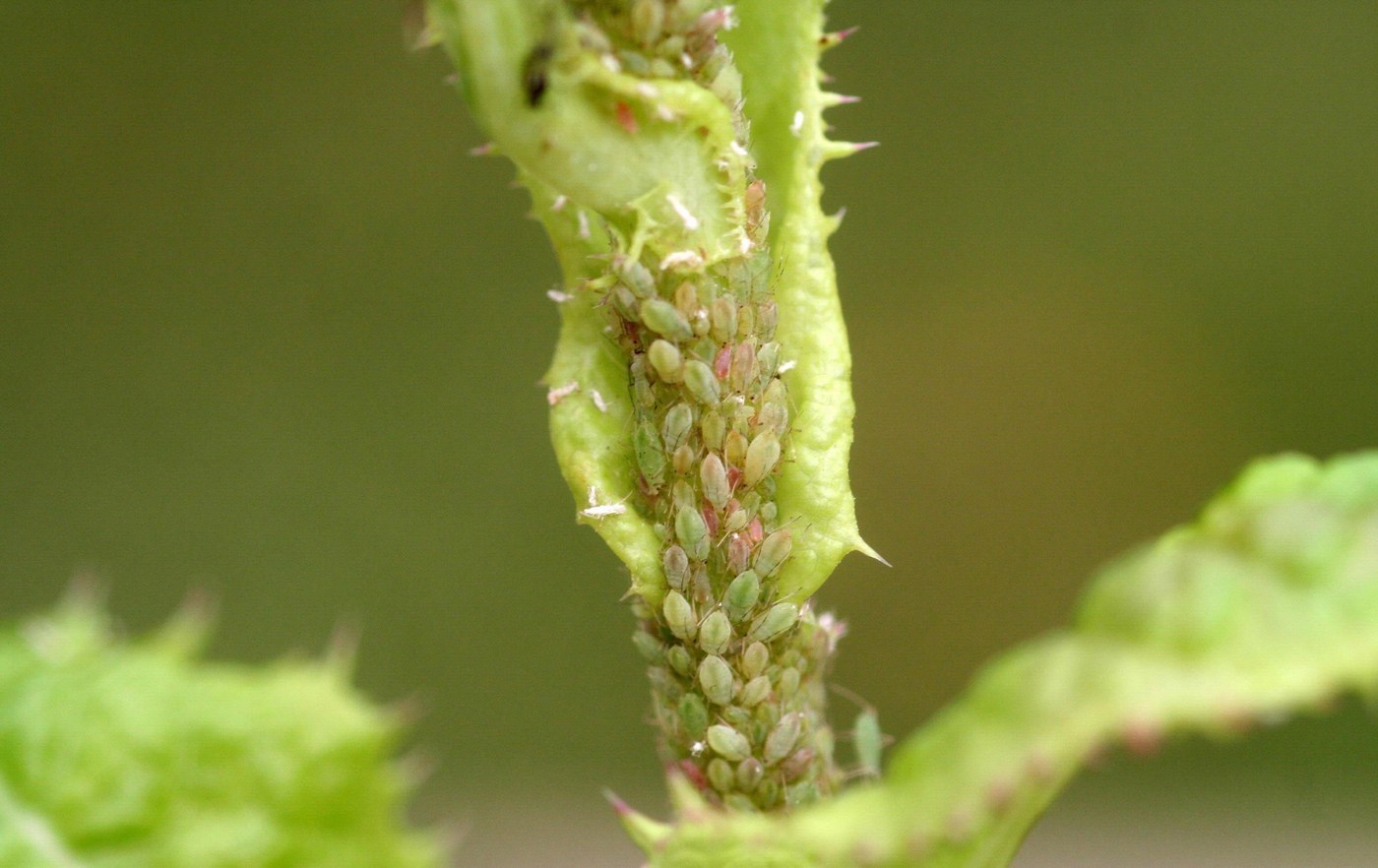
Aphid
On stems, leaves, and buds of a very wide range of host plants
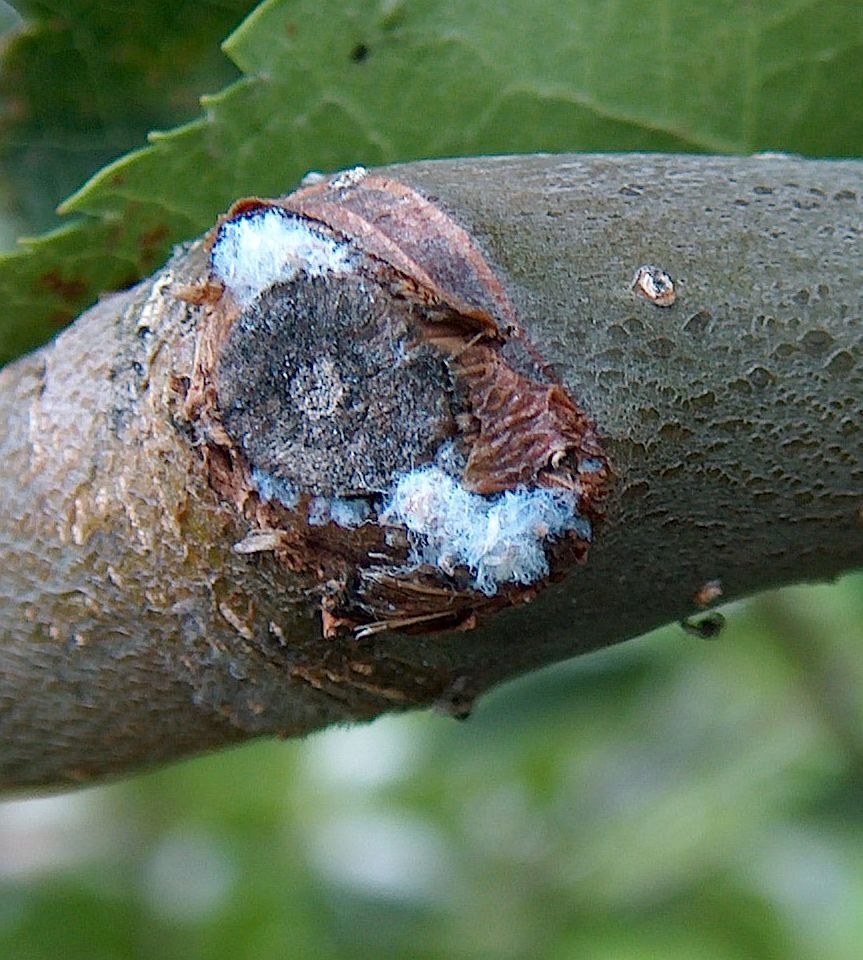
Woolly Aphid
Bark crevices, root collars, and twigs of apple, elm, and alder trees
Whitefly
Greenhouses, gardens, and undersides of leaves on host plants
Water Measurer
Quiet edges of ponds, marshes, and slow streams
Two-Spotted Stink Bug
Gardens and fields with potato and nightshade-family plants
Water Cricket
Fast-flowing streams and stream-fed pond margins