
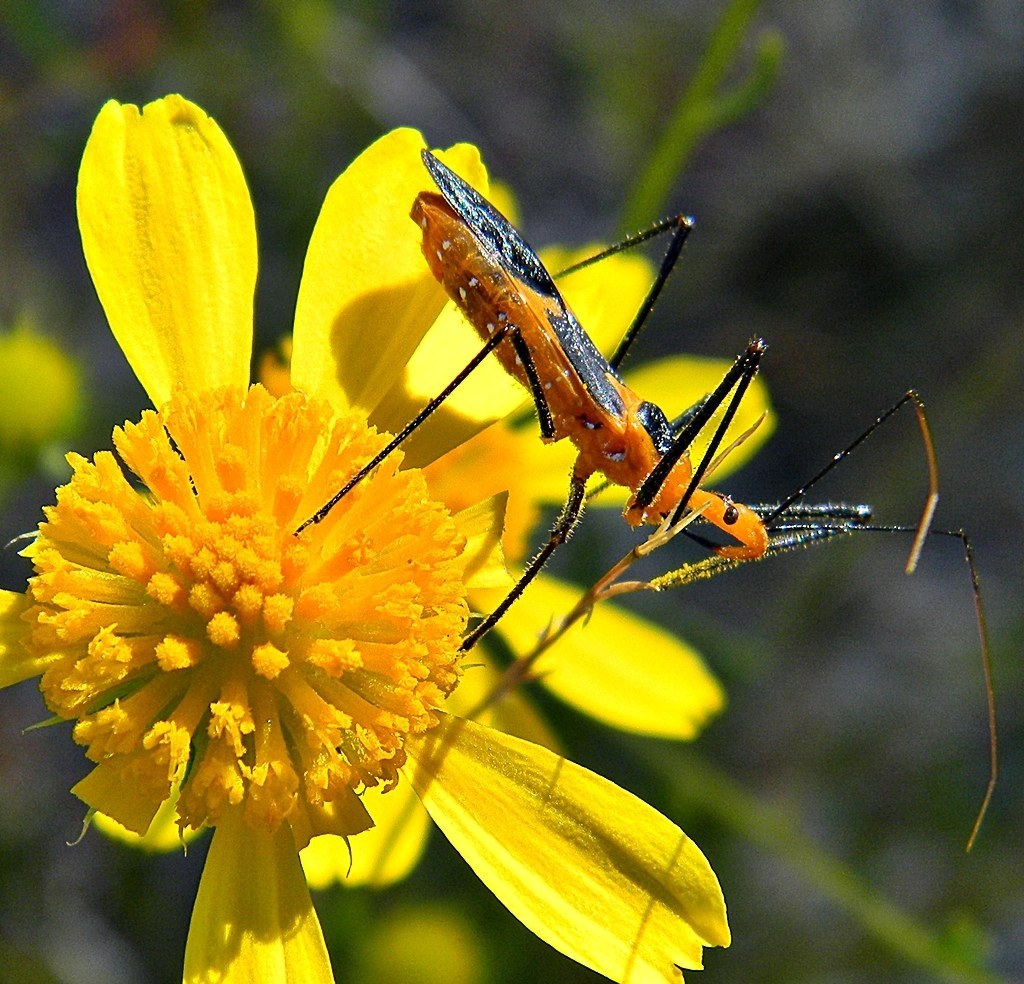
Assassin Bug
Zelus longipes
A slender, long-legged predatory true bug with a curved, needle-like beak used to ambush and pierce other insects, often patterned in bold orange, black, or red warning colors.
- Size
- 12–22 mm
- Habitat
- Gardens, meadows, and vegetation worldwide
- Danger
- Bites
Spotted a bug like this?
Identify any bug or insect from a photo, free.
Overview
Assassin bugs make up the large family Reduviidae within the true bug order Hemiptera, encompassing thousands of species worldwide, most of which are dedicated insect predators. The Milkweed Assassin Bug, with its bright orange-and-black coloring, is one of the more commonly encountered and recognized species in gardens across the Americas.
The group is notable for its distinctive curved, straw-like piercing mouthpart, held tucked beneath the head when not in use, which it uses to inject digestive enzymes into prey and draw out the liquefied contents. Many species also produce an audible warning sound by rubbing specialized body structures together when disturbed.
Ecologically, assassin bugs are valuable generalist predators of caterpillars, aphids, beetles, and other soft-bodied insects, making them beneficial regulators of many garden and agricultural pest populations.
How to Identify
- Elongated, somewhat narrow body with long, thin legs adapted for ambush and quick grasping of prey.
- Head is narrow and often extended, with a distinctly curved, segmented beak (rostrum) folded beneath it at rest.
- Coloring varies by species but many, including the Milkweed Assassin Bug, show bold orange-and-black warning patterns; others are duller brown or gray for camouflage.
- Lookalikes include some leaf-footed bugs and stink bugs, but the curved beak and narrower, more predatory body shape distinguish true assassin bugs from plant-feeding true bugs.
Habitat & Range
Assassin bugs are found worldwide across a wide range of habitats, including gardens, meadows, agricultural fields, and forest edges, with different species adapted to specific niches such as milkweed patches, tree bark, or leaf litter. Most species are active from spring through fall in temperate regions and year-round in warmer climates, often found resting on foliage or flowers waiting for prey.
Behavior & Diet
Assassin bugs are ambush predators, remaining still on vegetation until prey comes within reach, then striking quickly with their front legs and piercing beak. They feed by injecting saliva containing digestive enzymes into the prey and withdrawing the liquefied internal contents. Some species produce a rasping warning sound by rubbing the tip of the beak against ridges on the underside of the thorax when threatened, a defensive behavior distinct from any bite. Their predatory diet of caterpillars, aphids, and other insects makes them beneficial predators within garden ecosystems.
Life Cycle
Assassin bugs undergo incomplete metamorphosis, with eggs, typically laid in clusters on plant stems or bark, hatching into nymphs that resemble smaller, wingless versions of the adult. Nymphs pass through five instars, feeding as predators at each stage and gradually developing wing pads before their final molt into a winged adult. Depending on species and climate there may be one or more generations per year, with overwintering occurring as an egg, nymph, or adult depending on the species and region.
Frequently asked questions
What does the assassin bug's curved beak do?
It is a piercing mouthpart used to inject digestive enzymes into prey insects and draw out their liquefied contents, and it can also be used defensively if the bug is handled.
What do assassin bugs eat?
They are predators of other insects, commonly feeding on caterpillars, aphids, beetles, and various soft-bodied garden pests.
Why are some assassin bugs brightly colored?
Bold orange-and-black patterns in species like the Milkweed Assassin Bug are thought to serve as warning coloration to potential predators.
Is every assassin bug the same species?
No, Reduviidae is a very large family with thousands of species worldwide varying in size, color, and habitat preference, all sharing the characteristic curved piercing beak.
Assassin Bug guides
In-depth guides for identifying, understanding, and living alongside Assassin Bug.
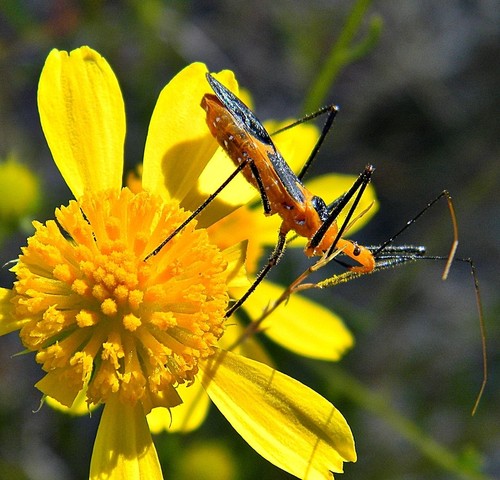
Assassin Bug identified by the community
Real finds identified with Bug Identifier.
Other bugs you may enjoy
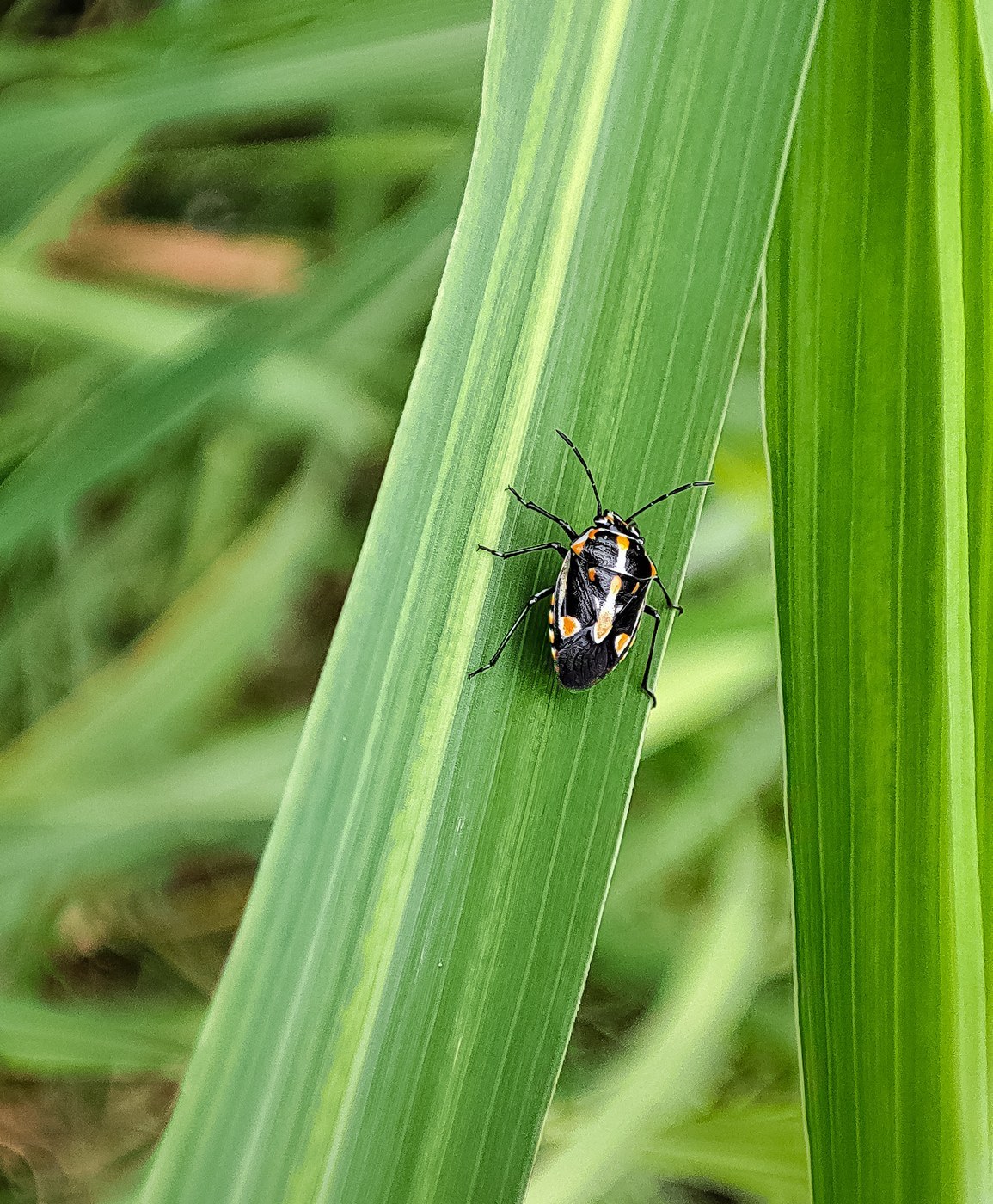
Bagrada Bug
Arid gardens, crucifer fields, desert-adjacent croplands
Water Boatman Bug
Ponds, lakes, and slow-moving freshwater
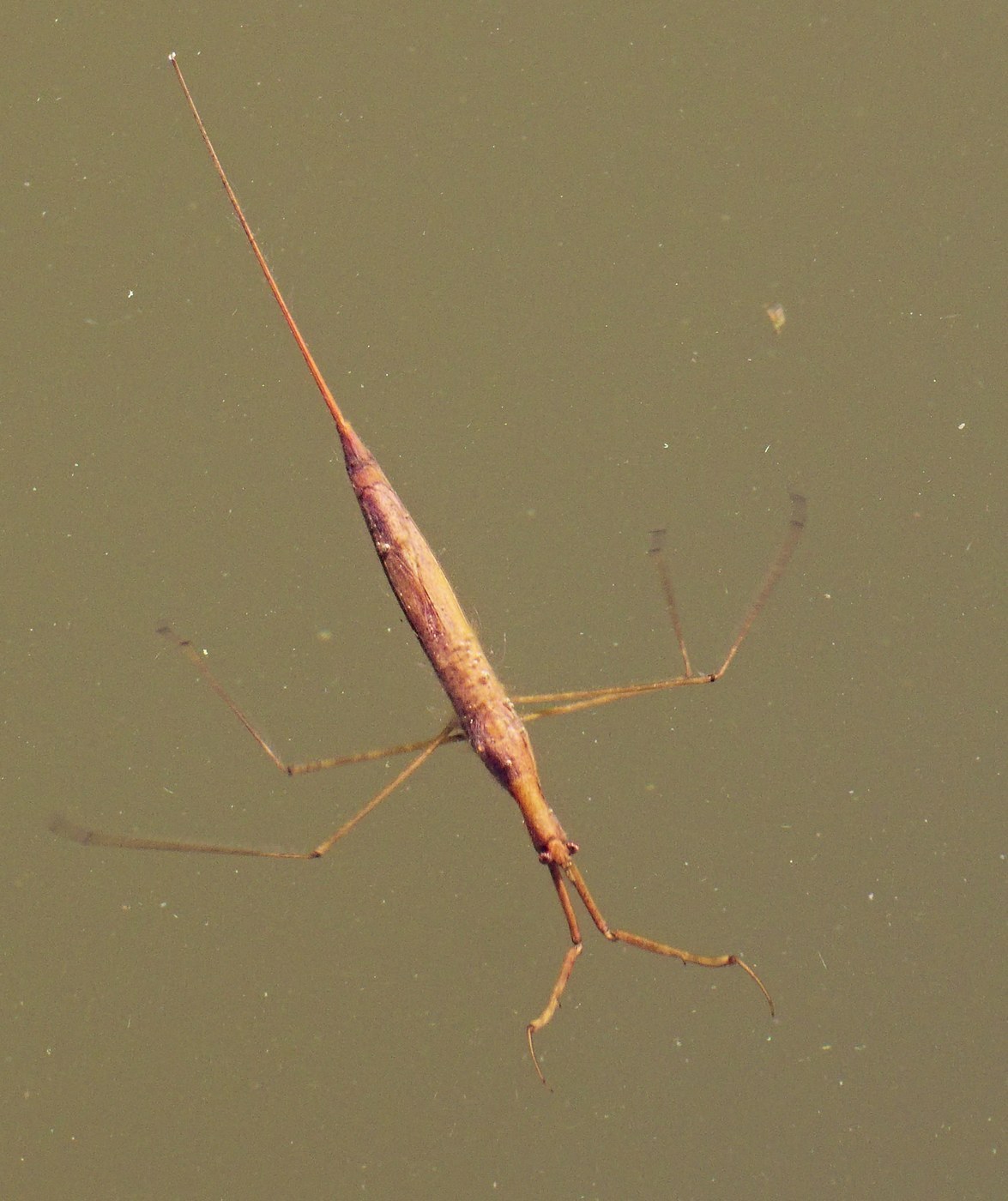
Water Stick Insect
Still and slow-moving water with dense submerged vegetation
Rough Stink Bug
Tree bark, woodlands, orchards, and shrubby vegetation
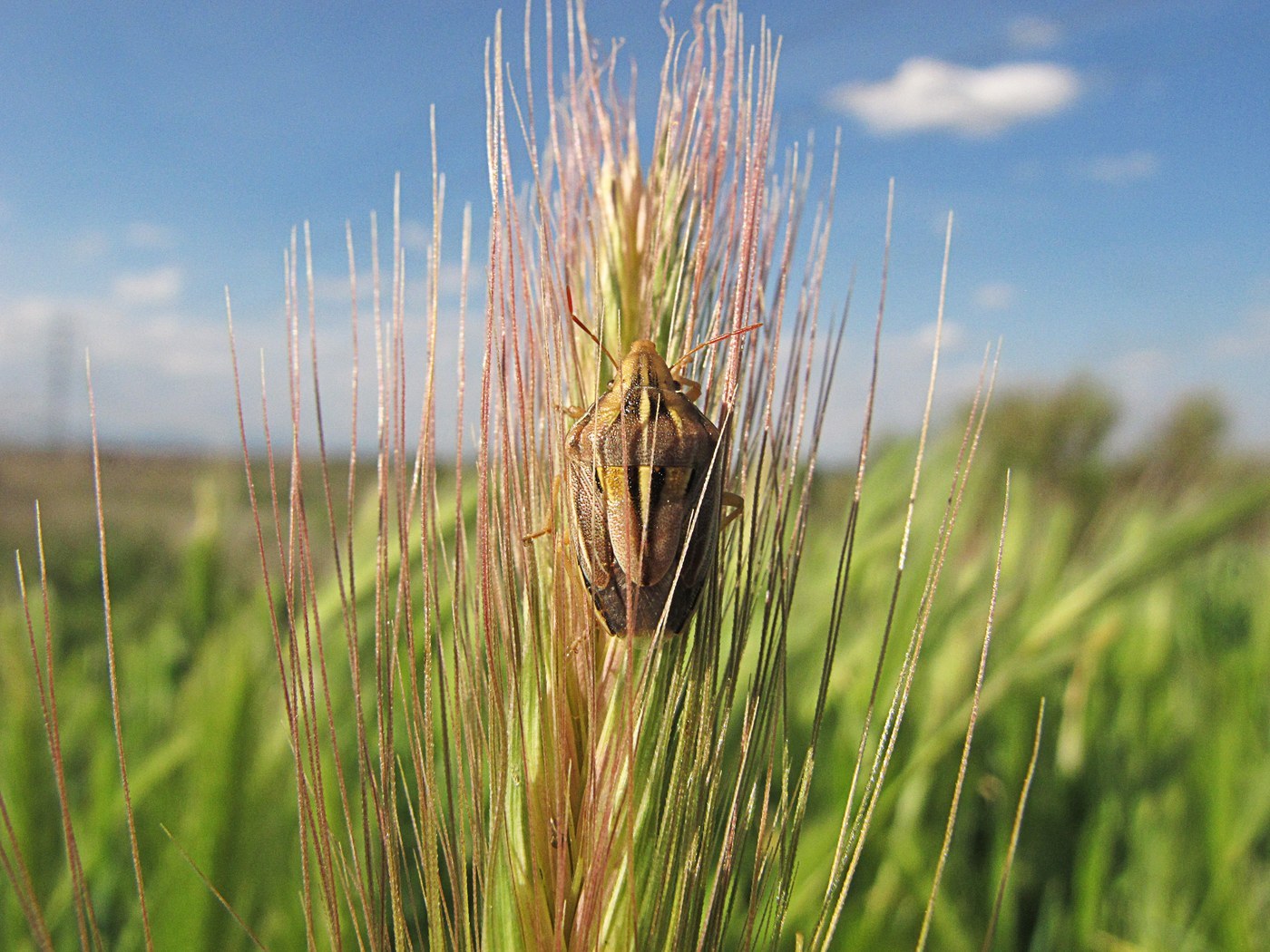
Stink Bug
Gardens, crop fields, and woodlands across temperate and subtropical regions
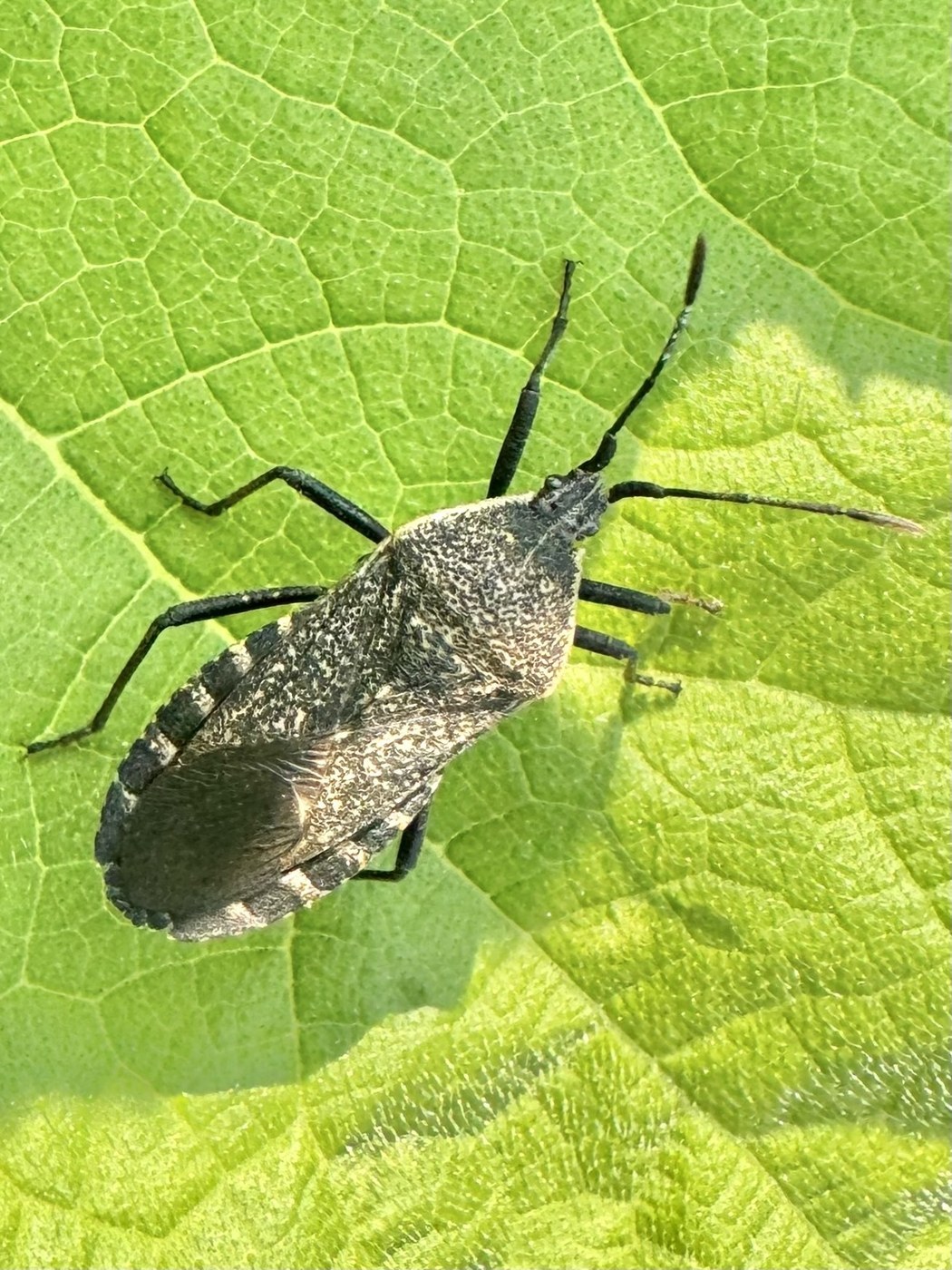
Squash Bug
Vegetable gardens and farm fields growing squash, pumpkin, and other cucurbits
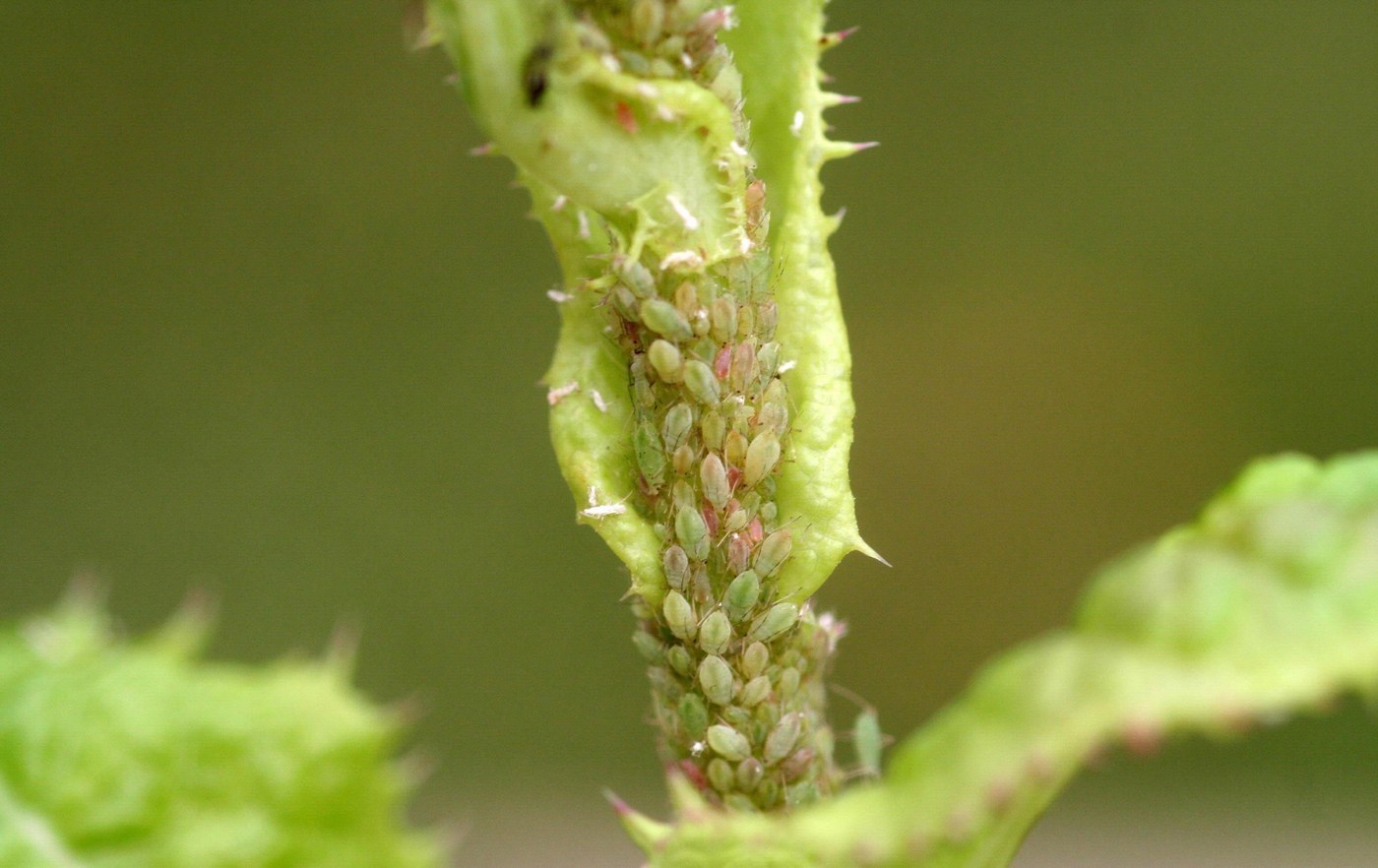
Aphid
On stems, leaves, and buds of a very wide range of host plants
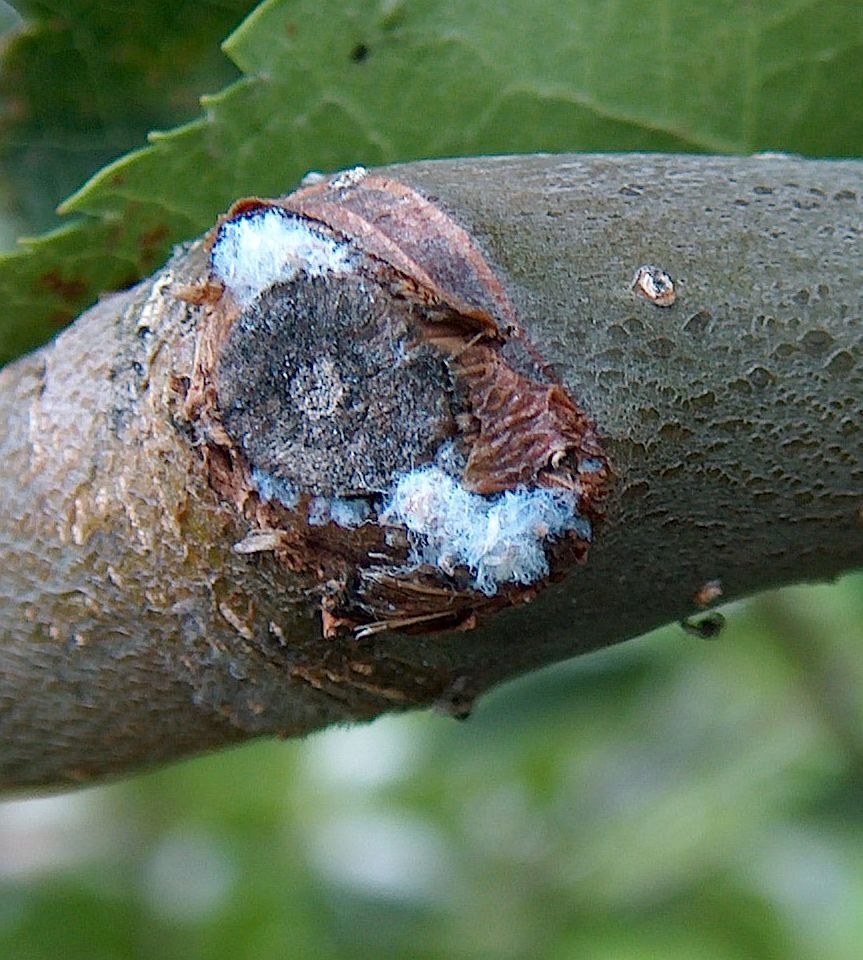
Woolly Aphid
Bark crevices, root collars, and twigs of apple, elm, and alder trees
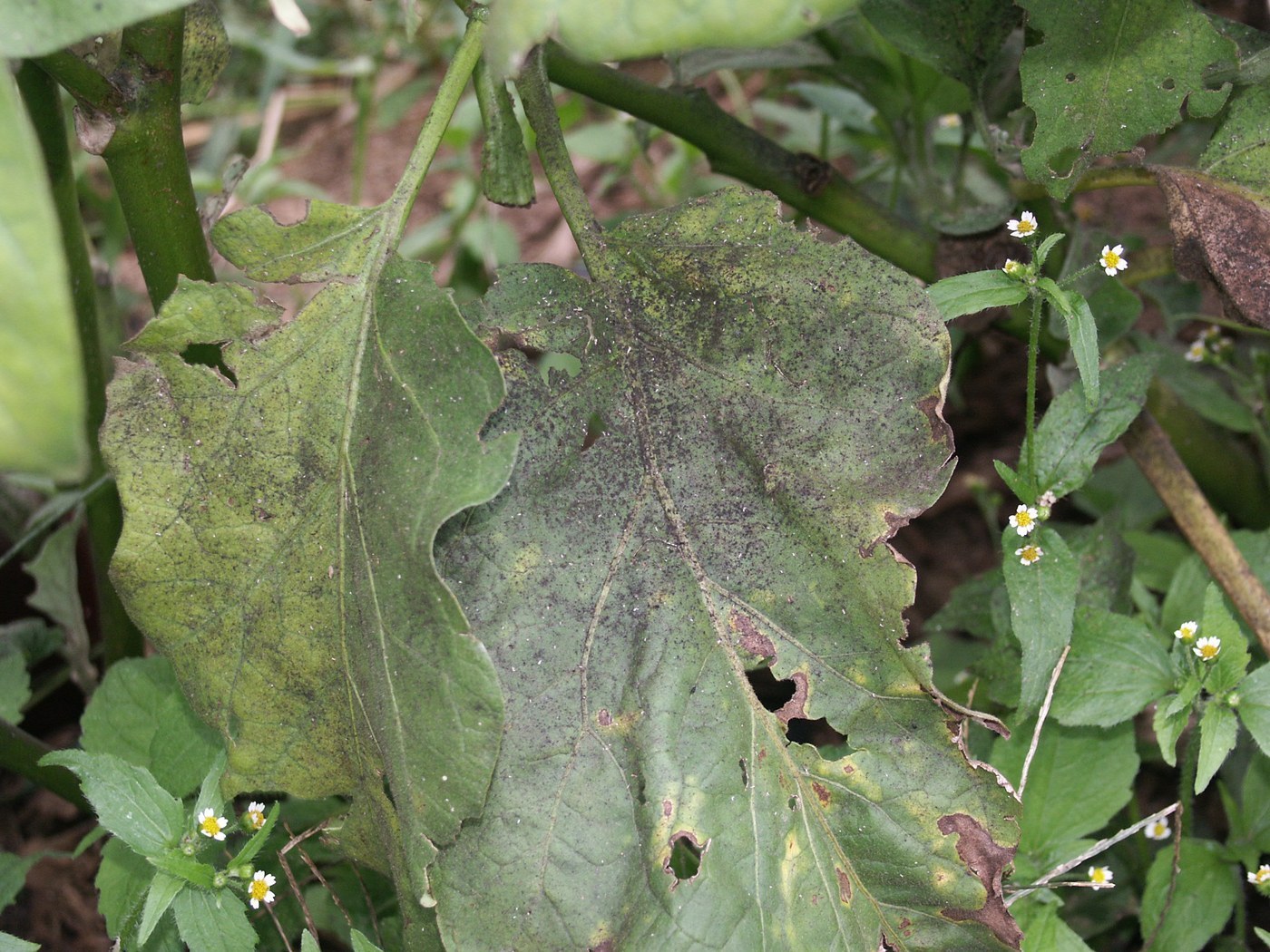
Whitefly
Greenhouses, gardens, and undersides of leaves on host plants
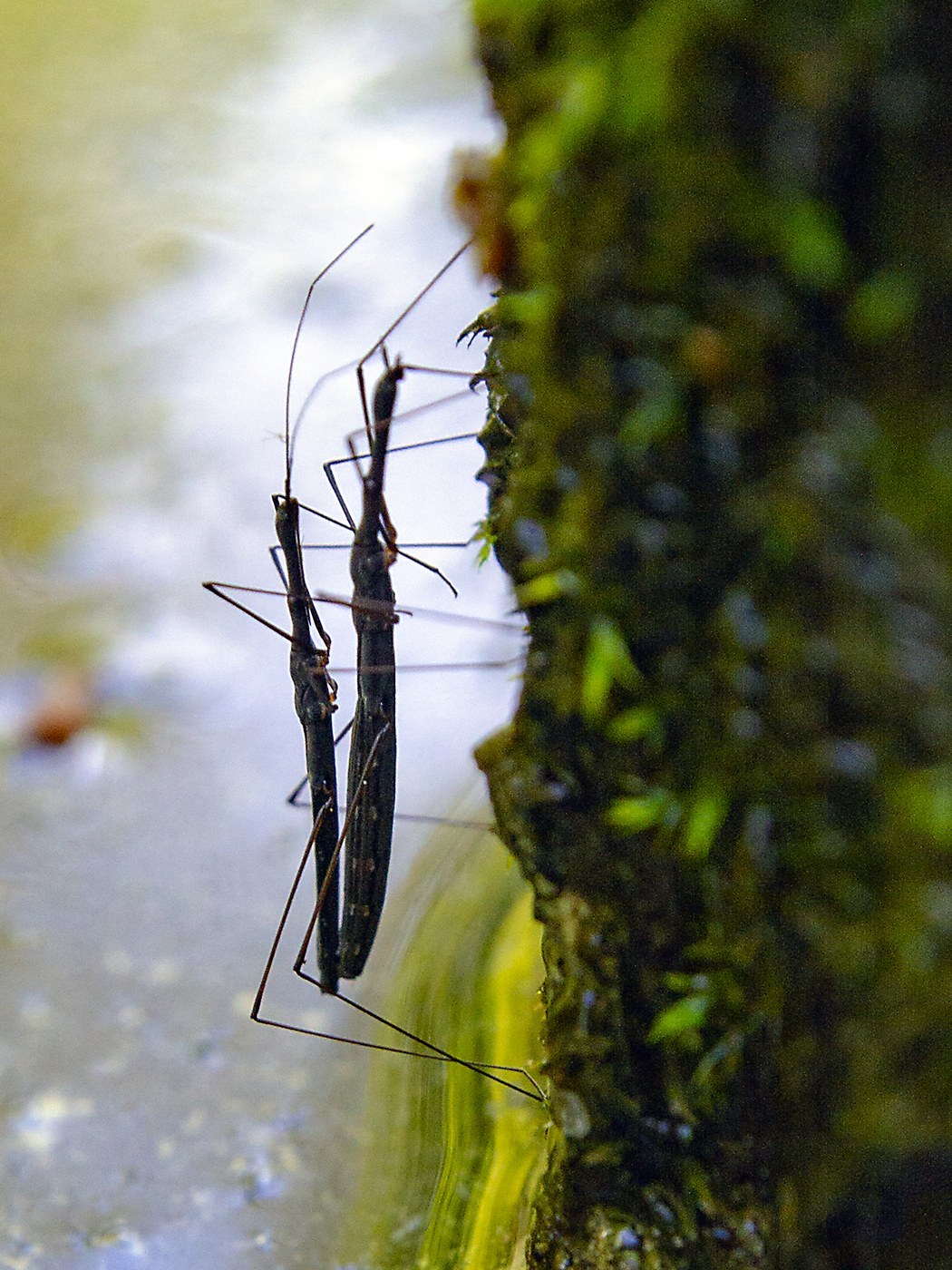
Water Measurer
Quiet edges of ponds, marshes, and slow streams
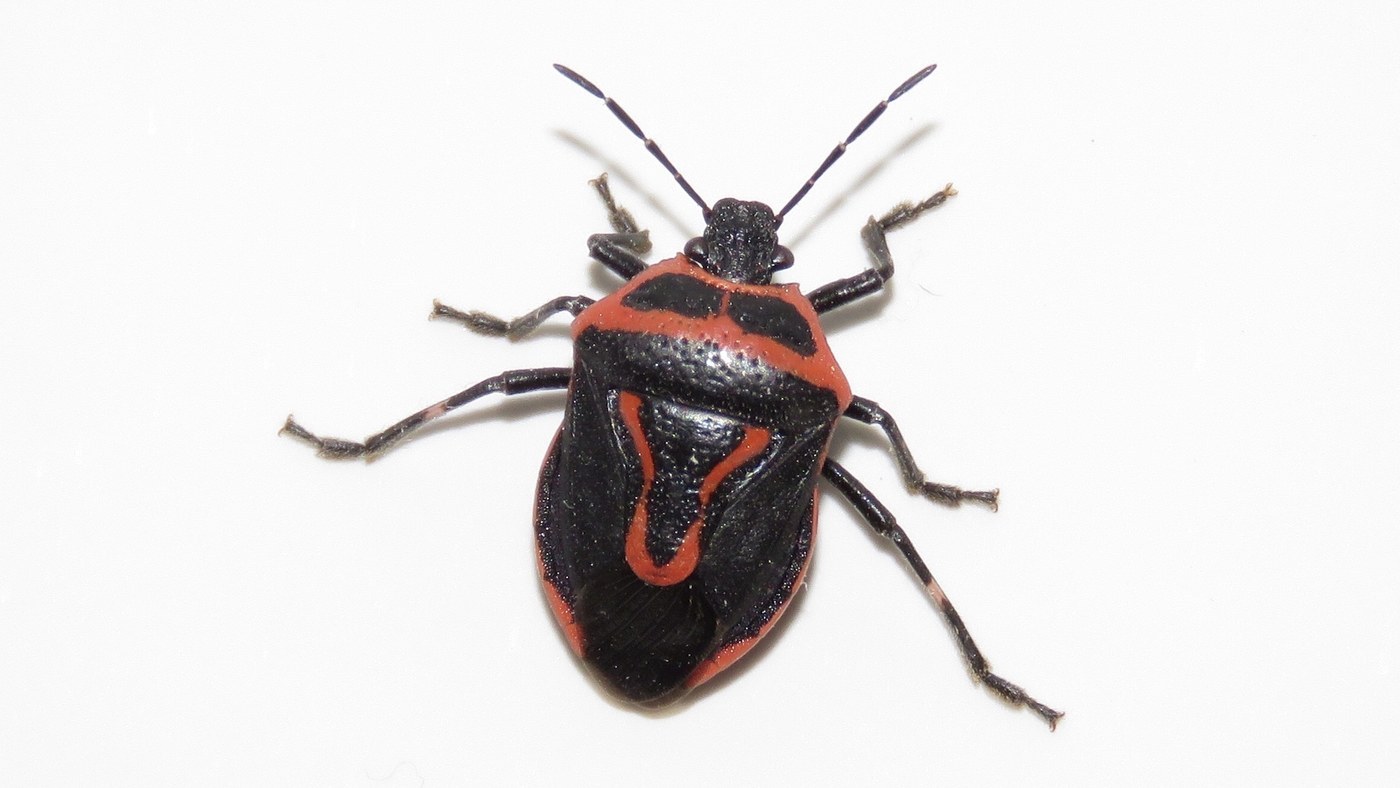
Two-Spotted Stink Bug
Gardens and fields with potato and nightshade-family plants
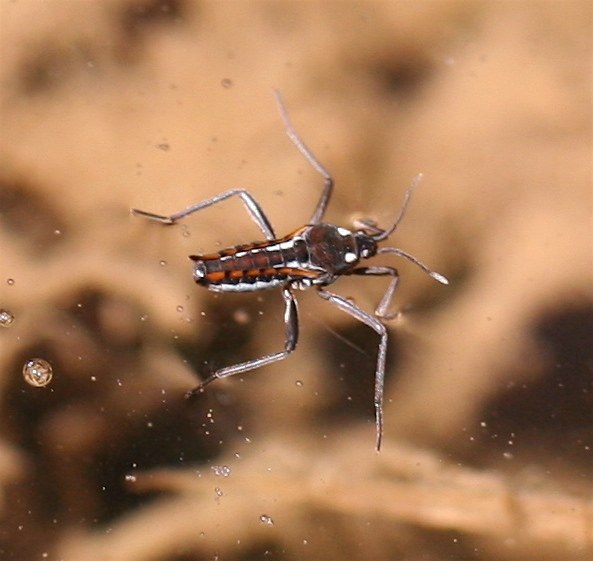
Water Cricket
Fast-flowing streams and stream-fed pond margins