
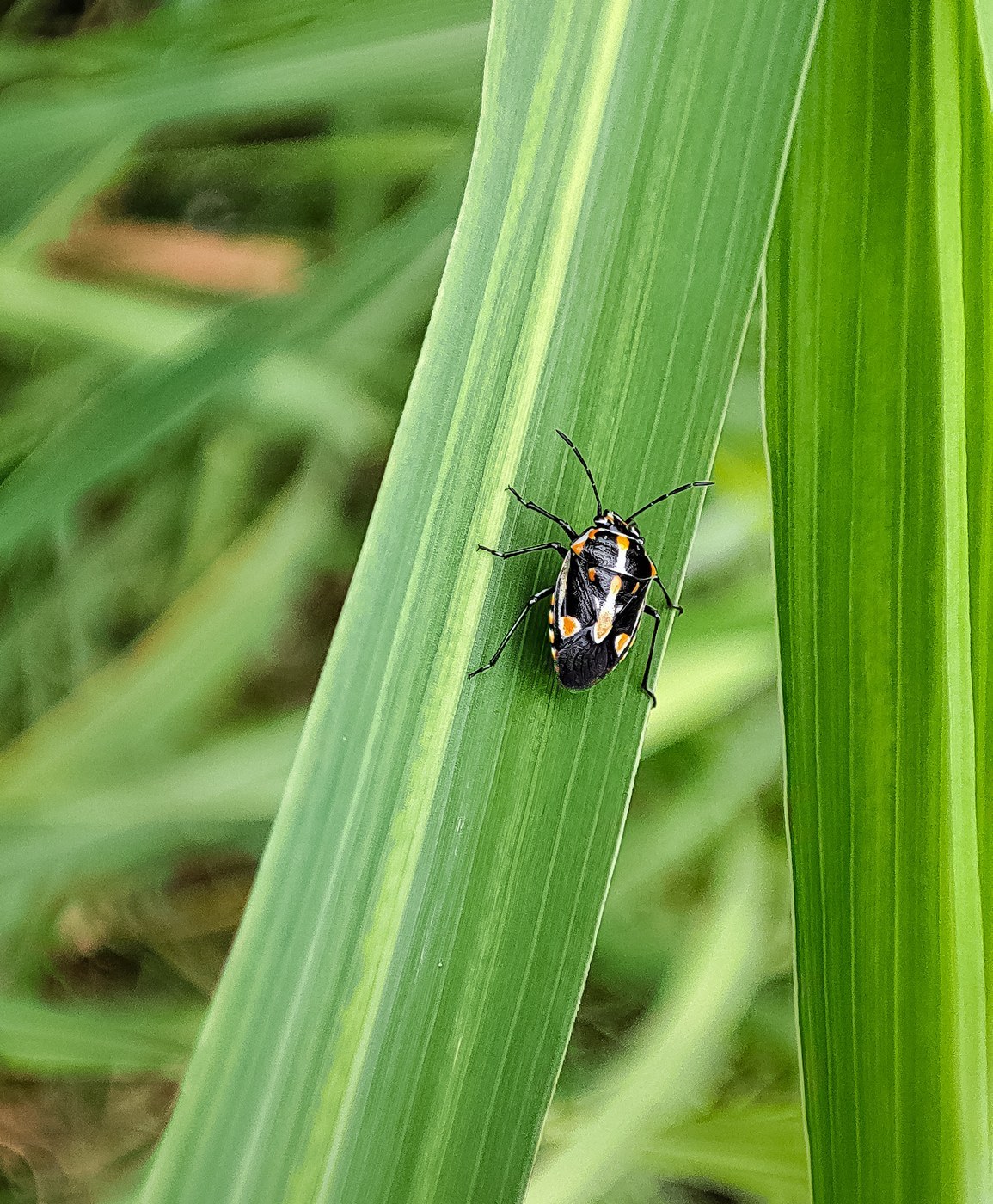
Bagrada Bug
Bagrada hilaris
A tiny, orange-and-black stink bug with an intricate mottled pattern, notable as a small-bodied specialist pest of cabbage-family plants in warm, dry climates.
- Size
- 5–7 mm
- Habitat
- Arid gardens, crucifer fields, desert-adjacent croplands
- Danger
- Nuisance pest
Spotted a bug like this?
Identify any bug or insect from a photo, free.
Overview
The bagrada bug is a small shield bug in the family Pentatomidae, native to Africa and southern Asia, that has become established as an introduced species in parts of the Americas, including the southwestern United States and Mexico. Despite its small size, it is easily noticed due to its bold orange, black, and white mottled pattern.
Bagrada bugs are close relatives of the harlequin and cabbage bugs, sharing the same taste for mustard-family plants, but they are considerably smaller and tend to favor hotter, drier growing regions. Their compact size and dense mottled markings distinguish them from their larger shield bug relatives at a glance.
In the regions where it has been introduced, the bagrada bug has become a familiar and conspicuous visitor to home gardens and commercial crucifer fields, often appearing in clusters on young seedlings during warm weather.
How to Identify
- Small, shield-shaped body, noticeably more diminutive than most other stink bugs.
- Black background densely mottled with orange, white, and pale markings in an intricate, speckled pattern rather than large solid blotches.
- Piercing-sucking mouthparts and short antennae typical of true bugs; body surface appears finely textured under magnification.
- Nymphs are rounder, wingless, and often a more uniform orange-red before developing the mottled adult pattern.
- Distinguished from the larger harlequin bug by its smaller size and finer, more speckled pattern rather than bold irregular blotches.
Habitat & Range
Native to Africa, the Middle East, and southern Asia, with introduced populations now established in the southwestern United States, Mexico, and parts of South America. It favors warm, arid to semi-arid climates and is strongly associated with cultivated and wild mustard-family plants.
Active primarily in spring and again in fall in hot regions, when temperatures are warm but not at their peak, it often congregates densely on young seedlings, particularly newly emerging brassica crops and weeds.
Behavior & Diet
Bagrada bugs feed by piercing plant tissue, often targeting the growing points of young seedlings, which can cause wilting, stunted growth, or death of small plants when infestations are heavy. They tend to aggregate in large numbers on a single plant or seedbed.
Their bold coloration likely serves a warning function similar to other brassica-feeding shield bugs. They do not bite or sting people; ecologically they function as specialist sap-feeders within mustard-family plant communities and are preyed upon by various generalist predatory insects and birds.
Life Cycle
Females lay barrel-shaped eggs singly or in small clusters in soil or on plant surfaces near host plants. Nymphs hatch and pass through five instars of incomplete metamorphosis, gradually developing wings and the adult mottled coloration.
In warm climates, multiple generations can occur throughout the growing season, with development accelerating in hot weather. Adults overwinter in sheltered ground debris or soil crevices, becoming active again as temperatures warm in spring.
Frequently asked questions
Is the bagrada bug native to North America?
No, it is native to Africa and Asia and was introduced to parts of the Americas, where it has since established populations.
How does it differ from the harlequin bug?
The bagrada bug is noticeably smaller with a finer, more speckled mottled pattern, compared to the harlequin bug's larger size and bold, irregular blotches.
What plants does it prefer?
It specializes on mustard-family (Brassicaceae) plants, including cabbage, broccoli, and wild mustard weeds.
Does it bite people?
No, its mouthparts are adapted for piercing plant tissue rather than biting humans.
Bagrada Bug guides
In-depth guides for identifying, understanding, and living alongside Bagrada Bug.
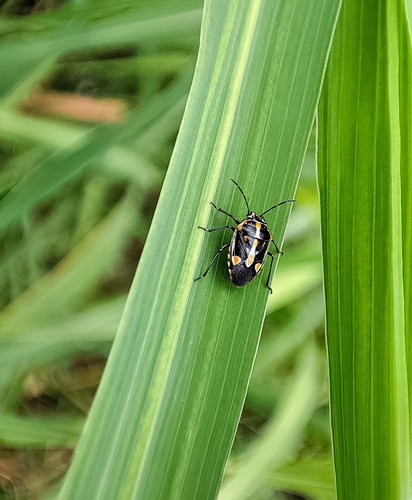
Bagrada Bug identified by the community
Real finds identified with Bug Identifier.
Other bugs you may enjoy
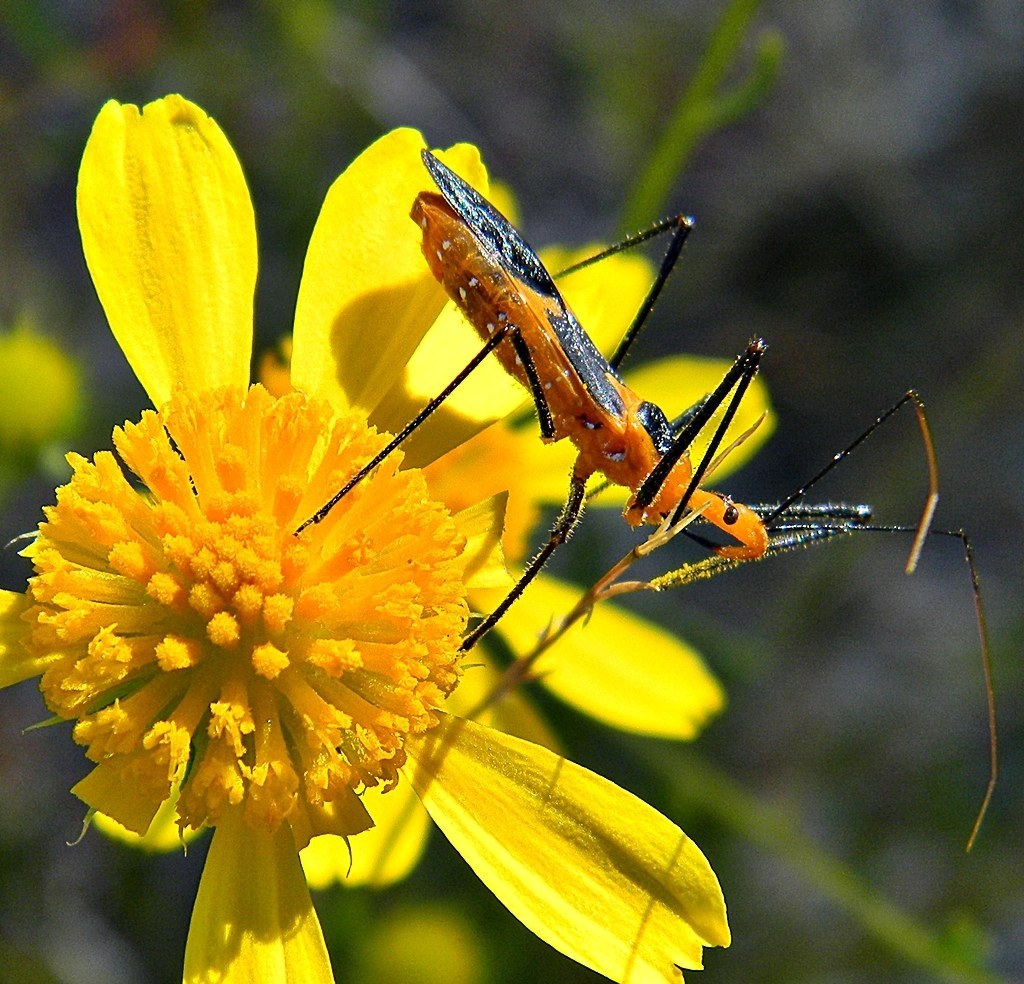
Assassin Bug
Gardens, meadows, and vegetation worldwide
Water Boatman Bug
Ponds, lakes, and slow-moving freshwater
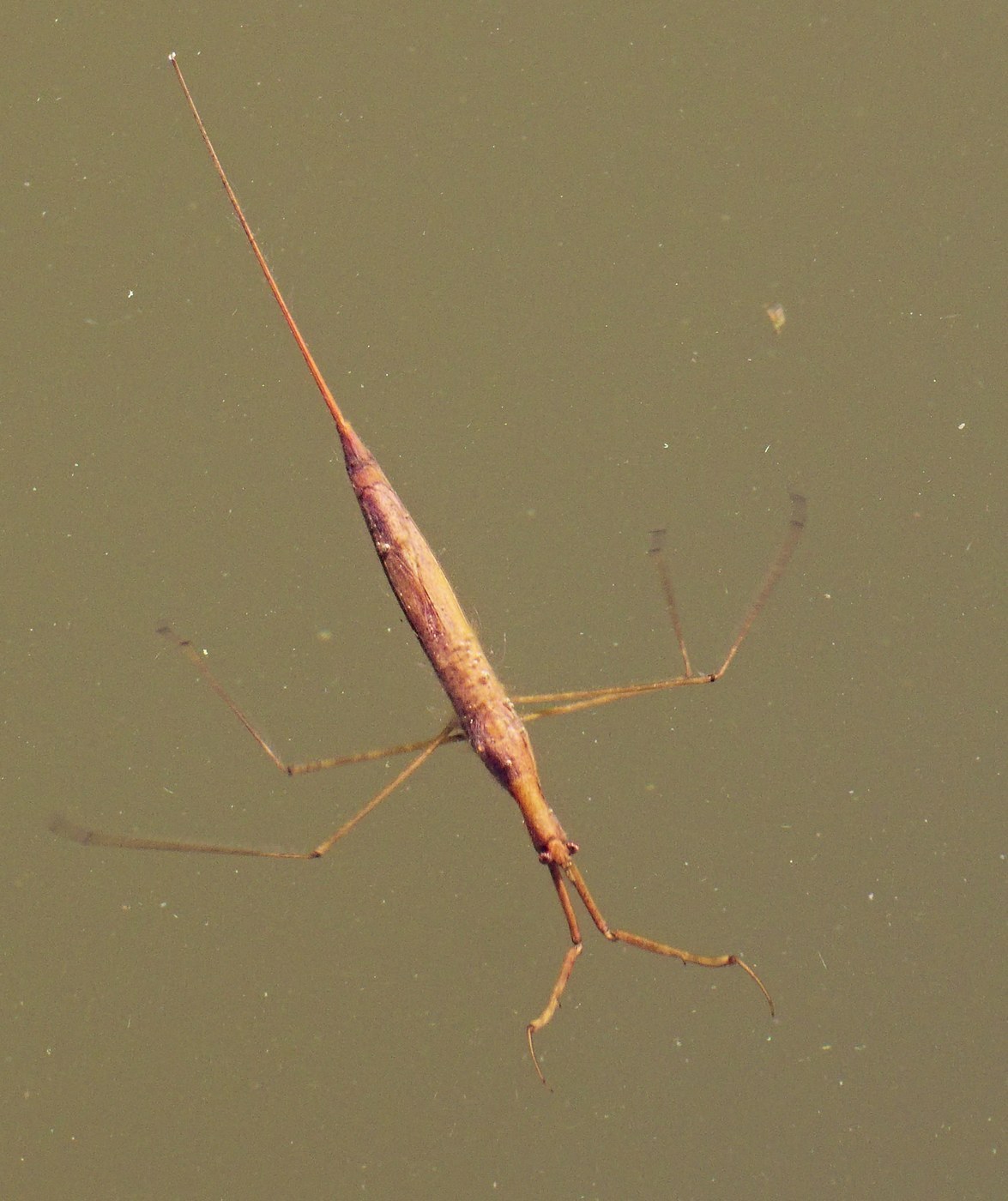
Water Stick Insect
Still and slow-moving water with dense submerged vegetation
Rough Stink Bug
Tree bark, woodlands, orchards, and shrubby vegetation
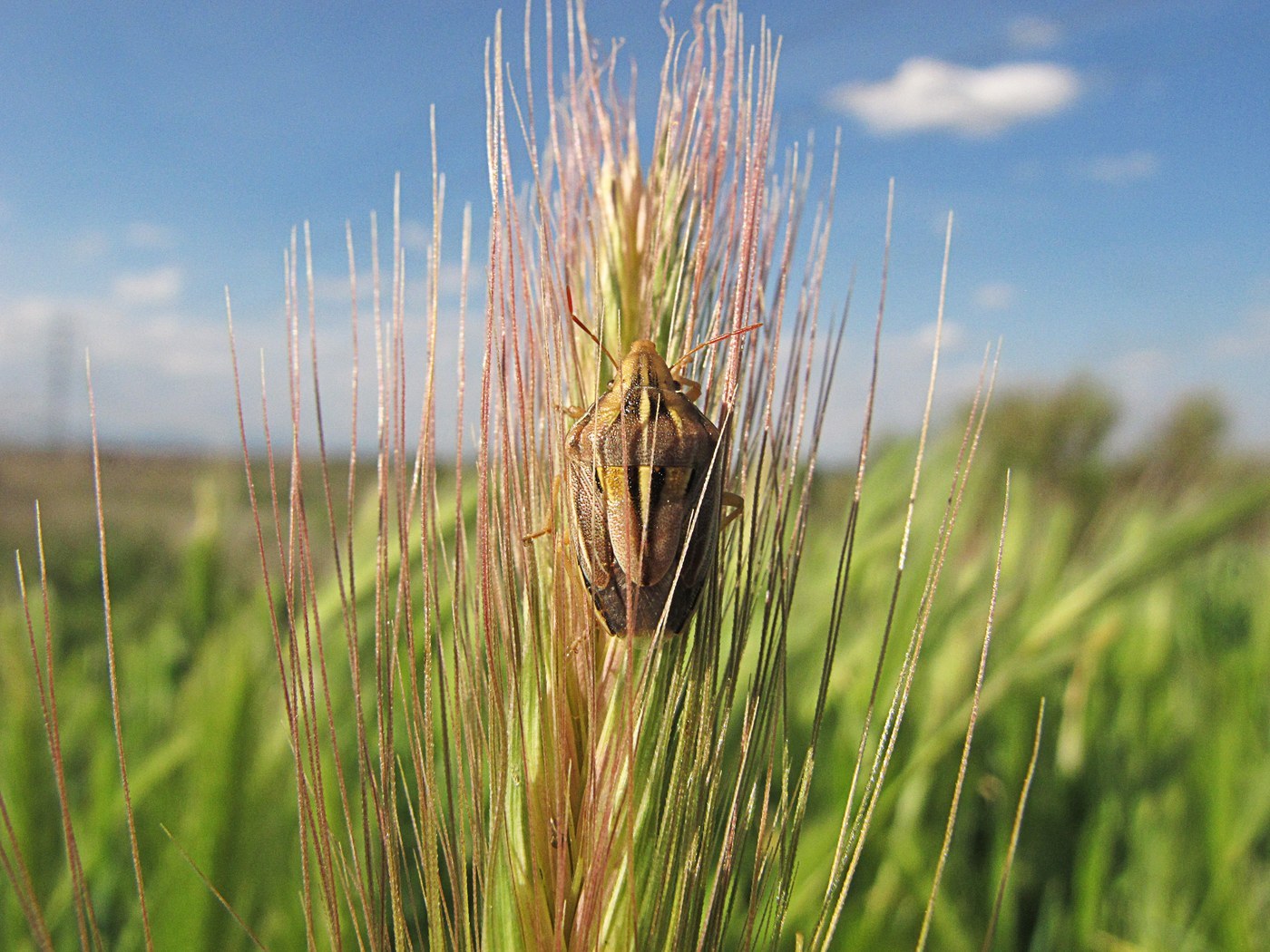
Stink Bug
Gardens, crop fields, and woodlands across temperate and subtropical regions
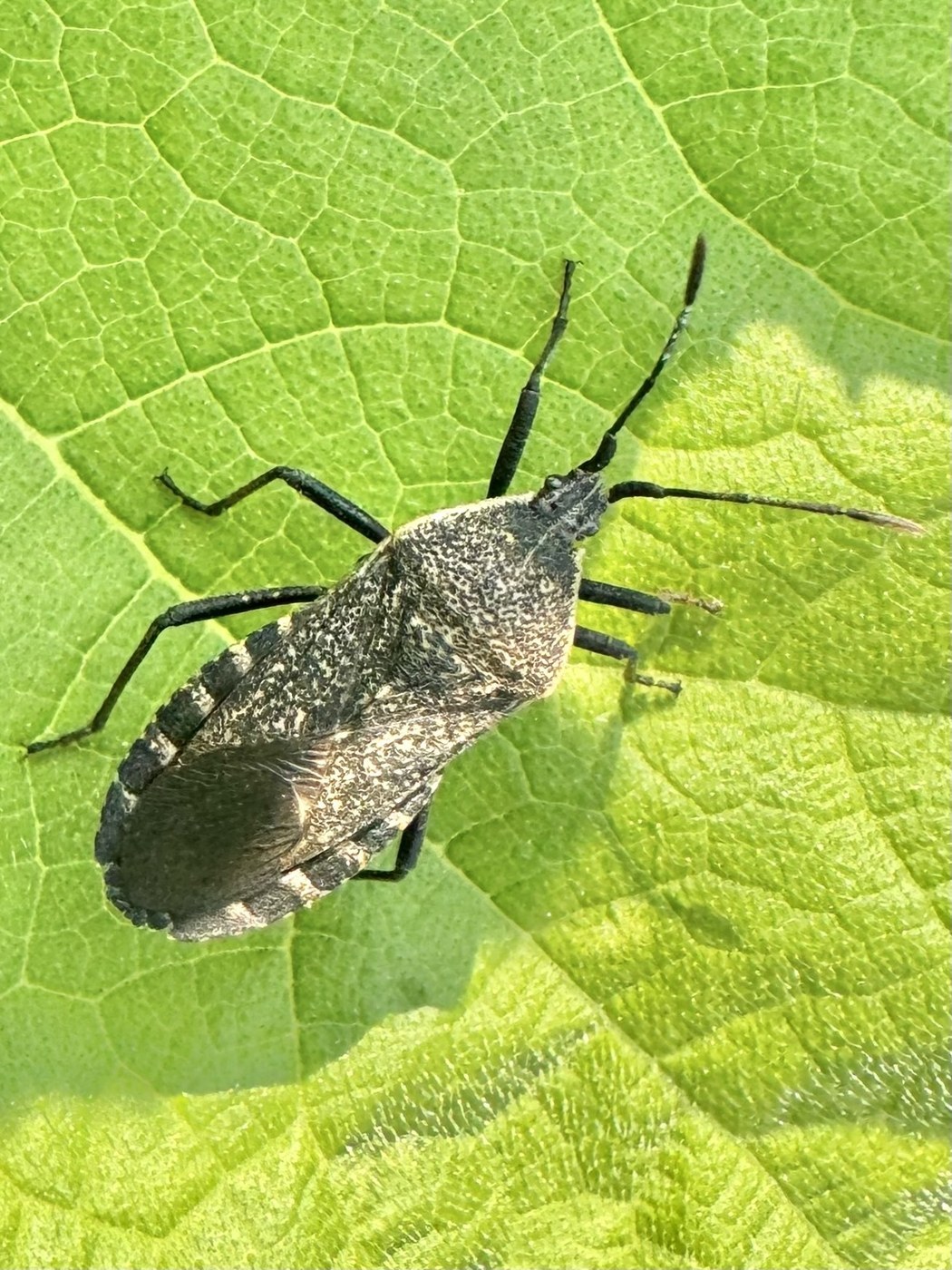
Squash Bug
Vegetable gardens and farm fields growing squash, pumpkin, and other cucurbits
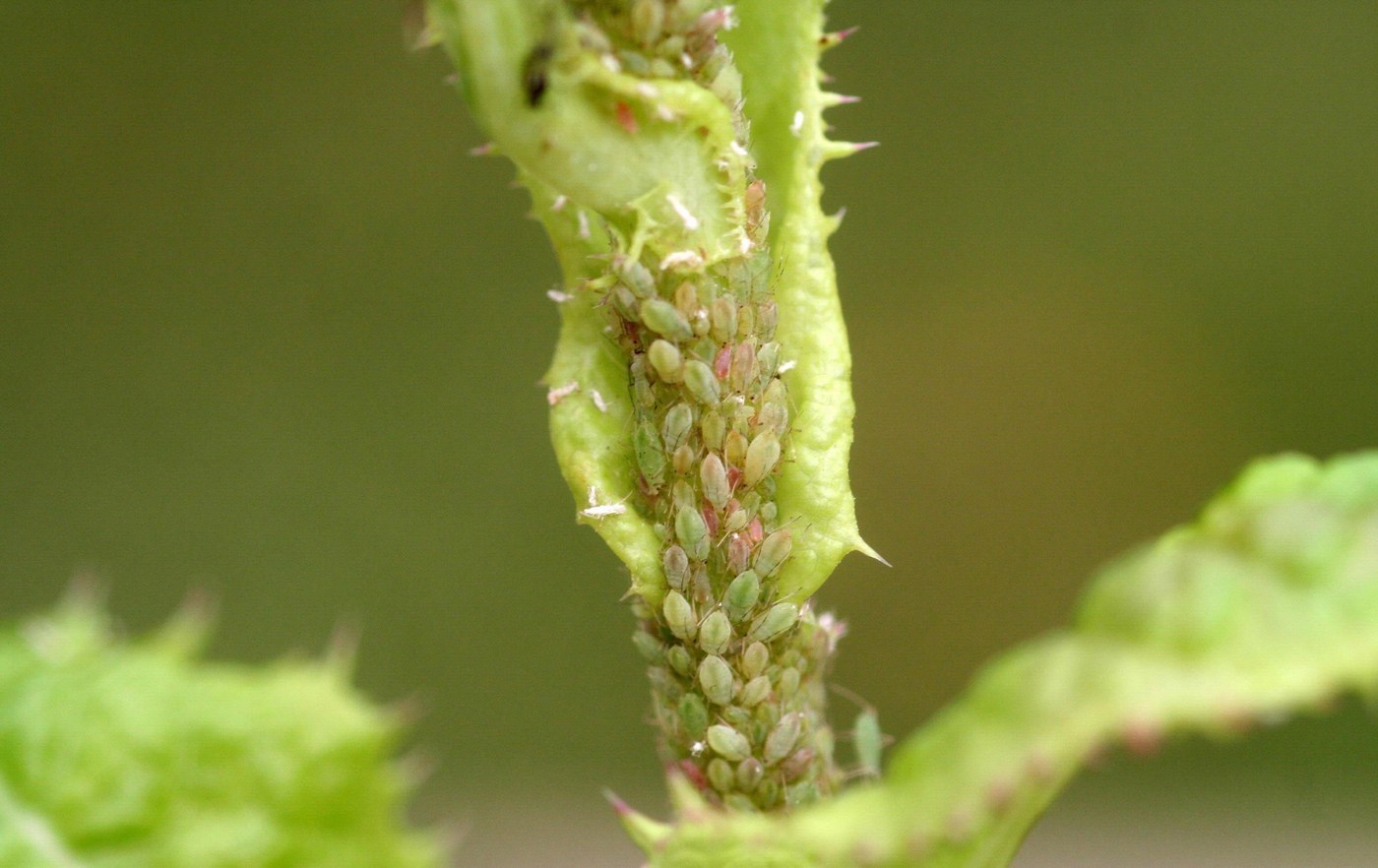
Aphid
On stems, leaves, and buds of a very wide range of host plants
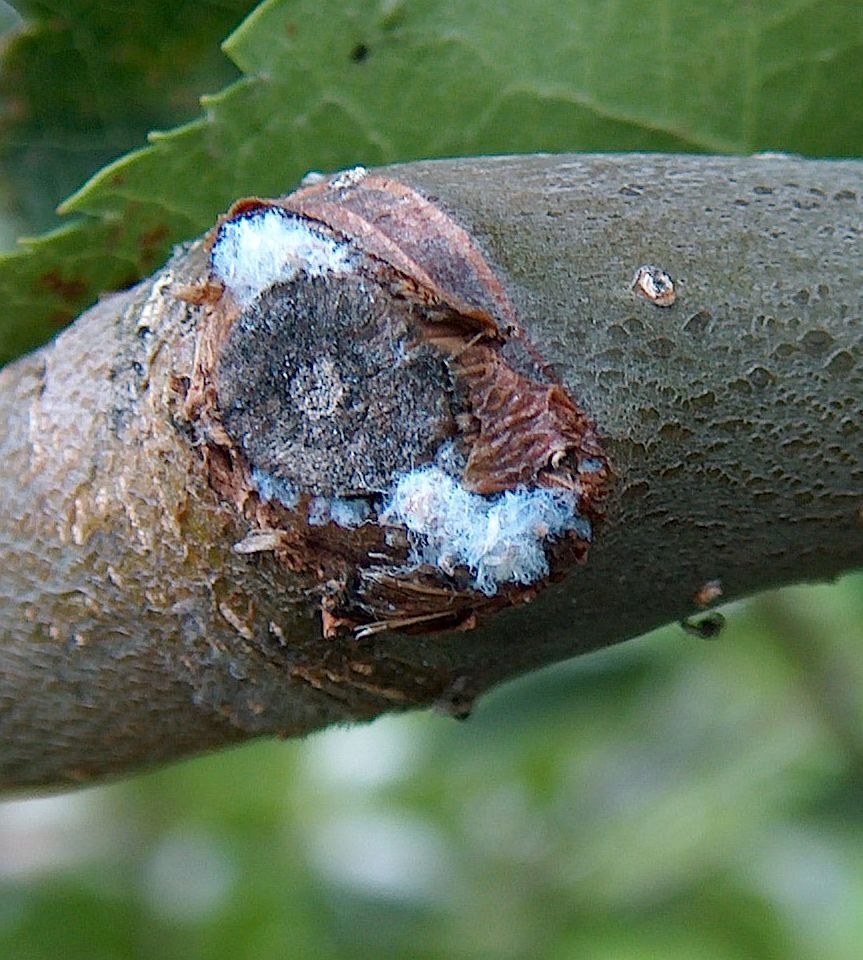
Woolly Aphid
Bark crevices, root collars, and twigs of apple, elm, and alder trees
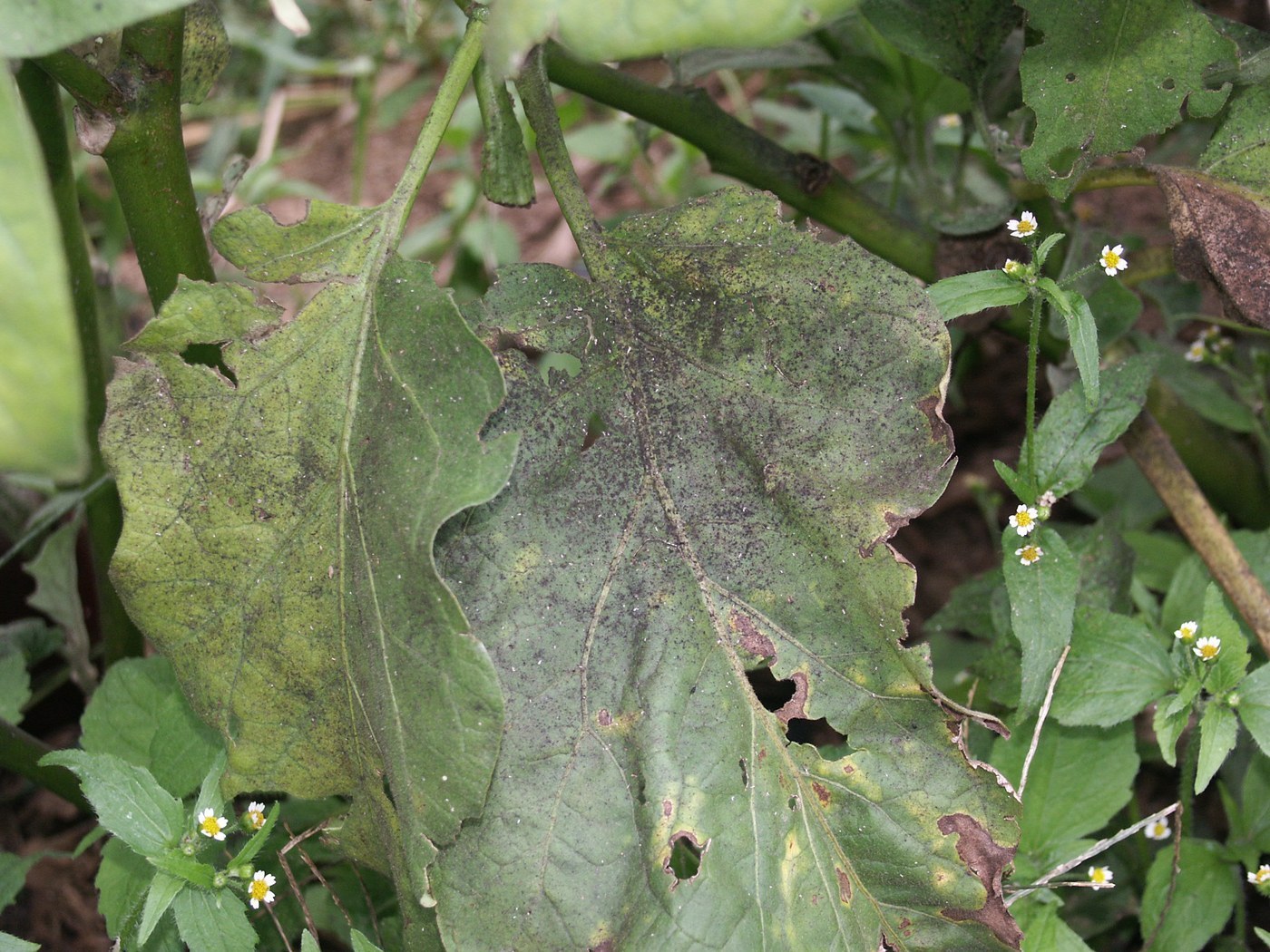
Whitefly
Greenhouses, gardens, and undersides of leaves on host plants
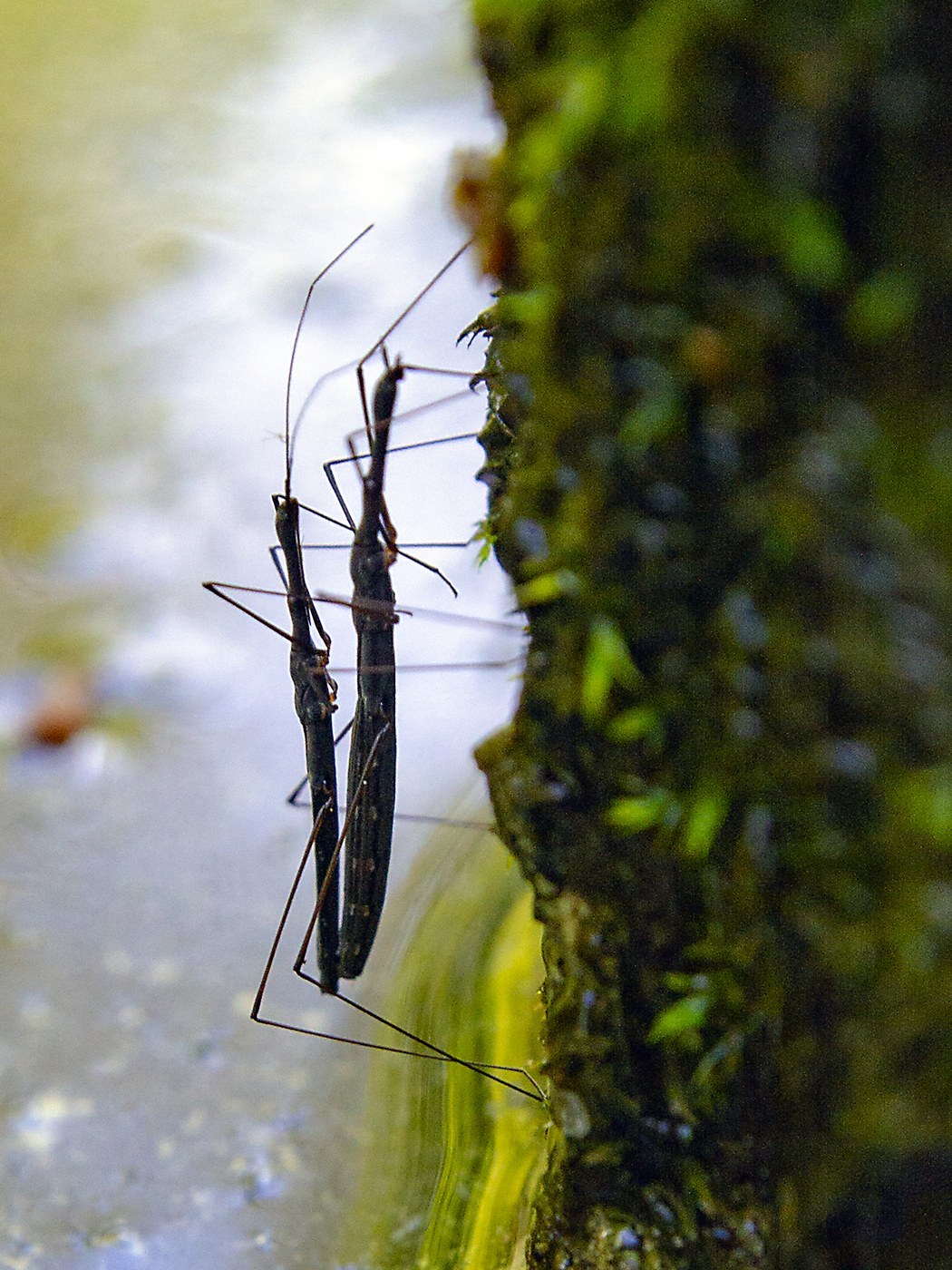
Water Measurer
Quiet edges of ponds, marshes, and slow streams
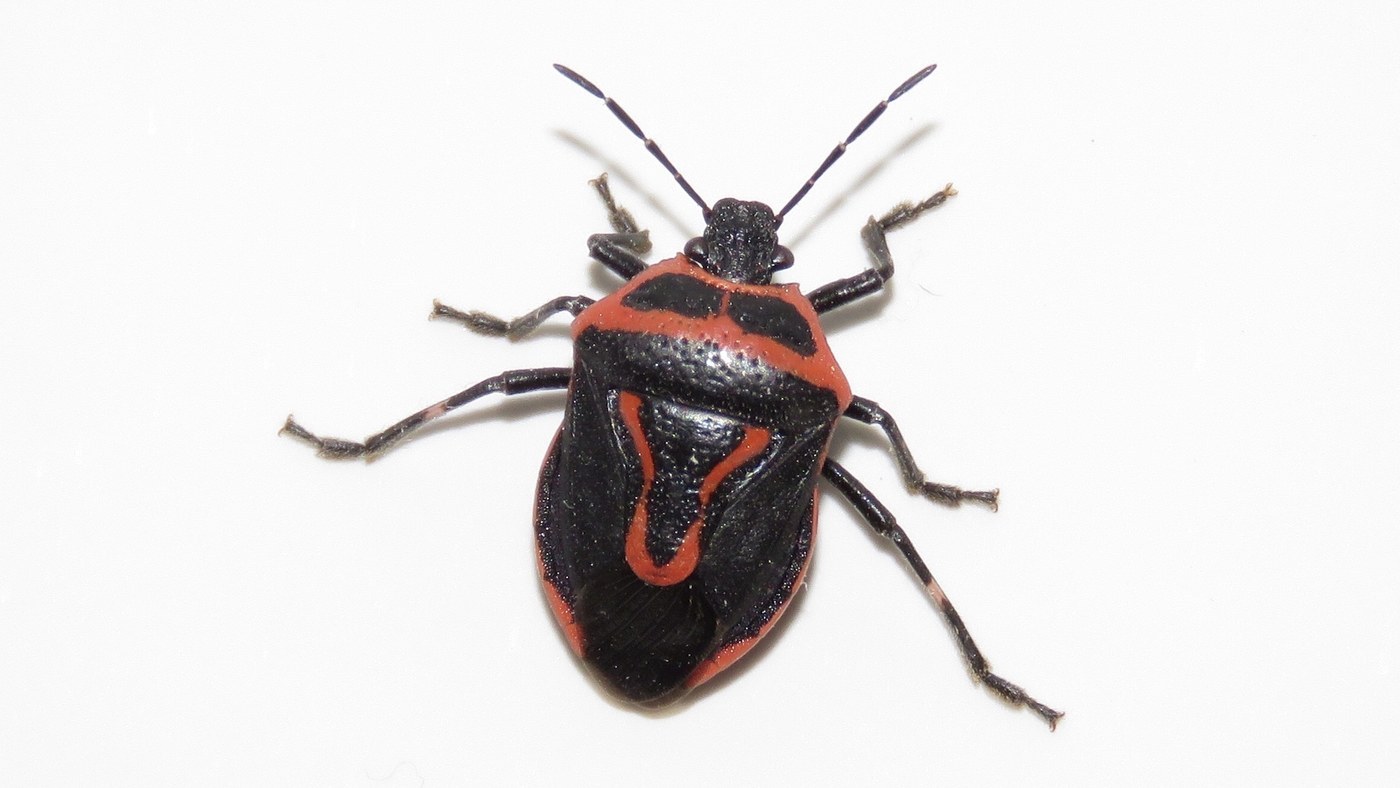
Two-Spotted Stink Bug
Gardens and fields with potato and nightshade-family plants
Water Cricket
Fast-flowing streams and stream-fed pond margins