
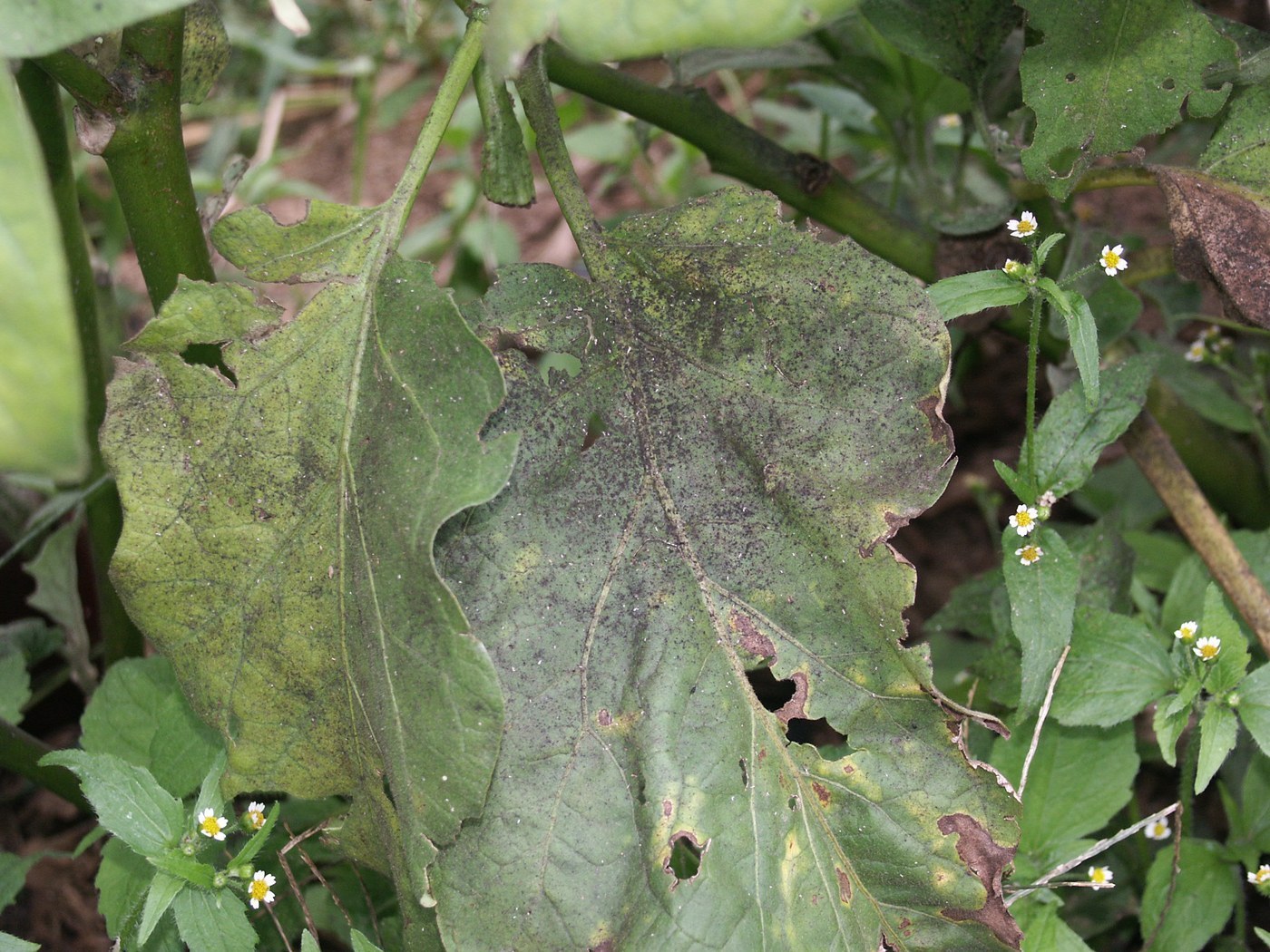
Whitefly
Trialeurodes vaporariorum
A tiny, moth-like white insect that clusters on the undersides of leaves and bursts into a snowy cloud when the plant is disturbed. Despite the name, it is not a true fly but a sap-feeding relative of aphids and scale insects.
- Size
- 1–2 mm
- Habitat
- Greenhouses, gardens, and undersides of leaves on host plants
- Danger
- Nuisance pest
Spotted a bug like this?
Identify any bug or insect from a photo, free.
Overview
The whitefly is a minute, soft-bodied insect in the order Hemiptera, family Aleyrodidae, related to aphids, scale insects, and mealybugs rather than to true flies. Its body and two pairs of wings are dusted with a fine white waxy powder, giving adults their characteristic snowy, moth-like appearance despite measuring only a couple of millimeters long.
Whiteflies are notable for their explosive reproductive potential and their habit of feeding in dense colonies on the undersides of leaves, where they pierce plant tissue and withdraw sap. Hundreds of species exist worldwide, with a handful becoming globally significant on food and ornamental crops.
Ecologically, whiteflies occupy the base of many garden and greenhouse food webs, serving as prey for lady beetles, lacewings, parasitic wasps, and spiders, while their honeydew secretions support sooty mold fungi and feed ants that tend the colonies.
How to Identify
- Tiny, moth-like insects roughly 1–2 mm long with a powdery white, waxy coating over the body and both pairs of translucent wings, which are held roof-like over the back at rest.
- Wedge-shaped body outline, short antennae, and piercing-sucking mouthparts typical of true bugs.
- Immature stages (nymphs) are flat, oval, translucent-to-pale scale-like discs fixed to the leaf underside, easily mistaken for scale insects.
- Lookalikes: small moths (which have scaly rather than waxy wings and fly erratically rather than in short weak bursts) and aphids (which lack wax-dusted wings and do not fly up in clouds when disturbed).
Habitat & Range
Whiteflies are found worldwide in warm climates and in temperate greenhouses, high tunnels, and indoor plantings year-round. Outdoors in temperate regions they are most abundant from late spring through fall, favoring the undersides of broad, soft leaves on vegetables, ornamentals, and houseplants.
Colonies concentrate on new growth and leaf undersides where humidity is higher and airflow is reduced, and populations often build rapidly in sheltered, warm, still-air conditions such as greenhouses or dense plantings.
Behavior & Diet
Adults and nymphs feed by inserting needle-like mouthparts into leaf phloem and withdrawing plant sap, excreting excess sugars as sticky honeydew. When a colonized plant is bumped or brushed, resting adults erupt into a brief, fluttering white cloud before resettling nearby. Whiteflies are weak fliers overall, drifting short distances on air currents rather than making sustained flights.
They are gregarious, forming dense aggregations on leaf undersides, and their honeydew often attracts ants and supports the growth of dark sooty mold on foliage below the colony. They serve as a food source for many garden predators and parasitoid wasps.
Life Cycle
Females lay tiny oval eggs, often in a circular or crescent pattern, directly on the leaf underside. Eggs hatch into a mobile first-instar nymph ("crawler") that soon settles and becomes sessile, molting through several flattened, scale-like nymphal instars while remaining fixed in place and feeding.
The final nymphal stage develops into a non-feeding pupal-like stage before the winged adult emerges. Development from egg to adult can take as little as three weeks in warm conditions, allowing many overlapping generations per year in greenhouses or tropical climates; in temperate outdoor settings, populations decline with cold weather and persist through winter on protected host plants or indoors.
Frequently asked questions
Is a whitefly a type of fly?
No. Despite the name, whiteflies belong to the order Hemiptera (true bugs) and are more closely related to aphids and scale insects than to true flies.
Why do they fly up in a cloud when I touch the plant?
Adults rest in dense groups on leaf undersides, and disturbance startles them into a brief, weak, fluttering flight before they resettle nearby.
What's the white powder on their wings?
It is a fine waxy secretion the insect produces, which coats the body and wings and gives whiteflies their pale, dusty appearance.
How can I tell whitefly nymphs from scale insects?
Both are flat, oval, and stationary on leaves, but whitefly nymphs are typically translucent to pale and occur alongside winged adults of the same species, helping confirm identification.
Whitefly guides
In-depth guides for identifying, understanding, and living alongside Whitefly.
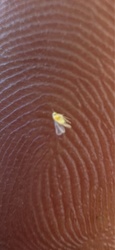
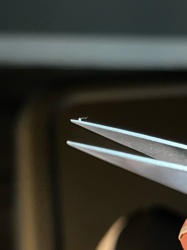
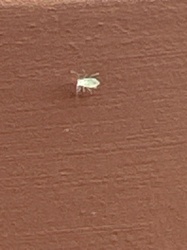
Whitefly identified by the community
Real finds identified with Bug Identifier.
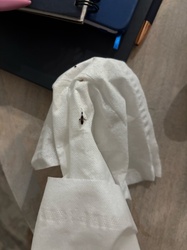

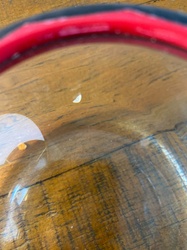
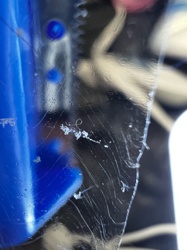
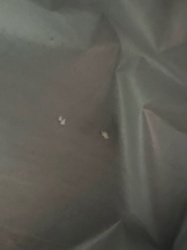


Other bugs you may enjoy
Bagrada Bug
Arid gardens, crucifer fields, desert-adjacent croplands
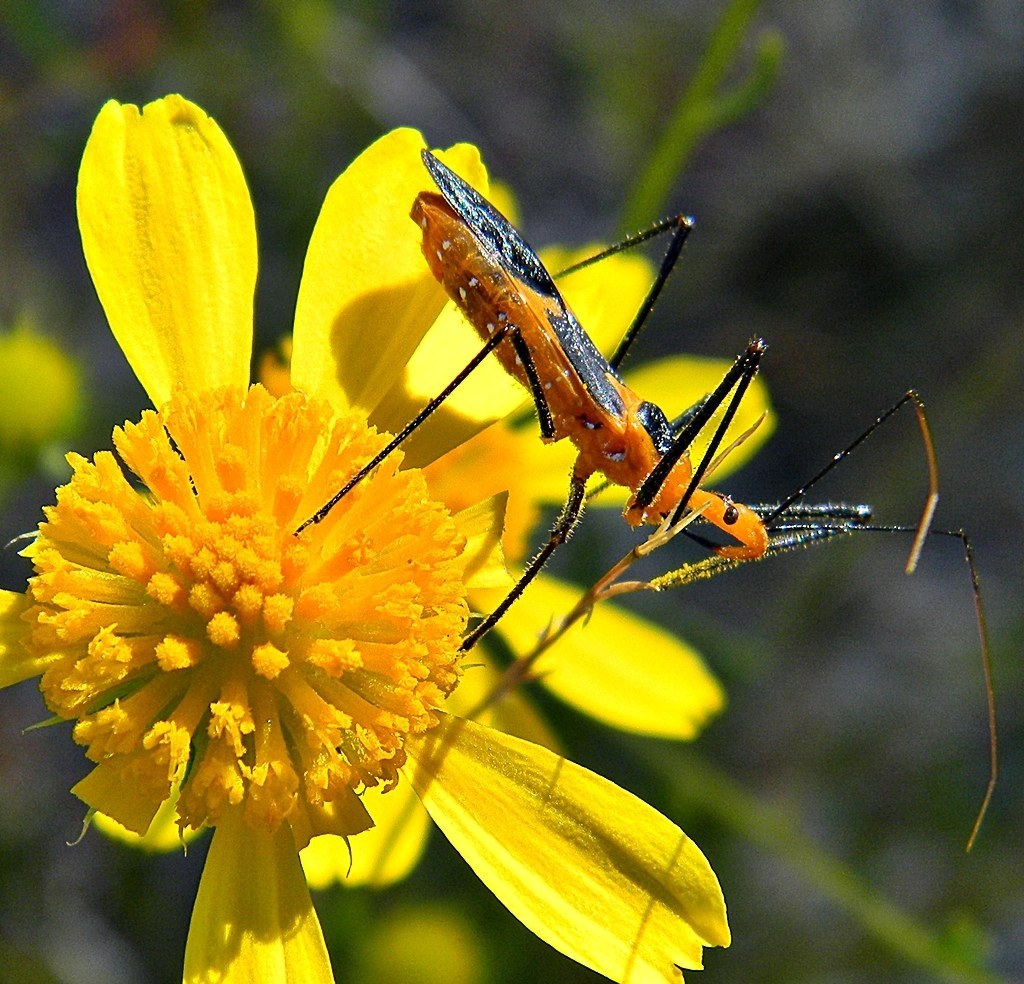
Assassin Bug
Gardens, meadows, and vegetation worldwide
Water Boatman Bug
Ponds, lakes, and slow-moving freshwater
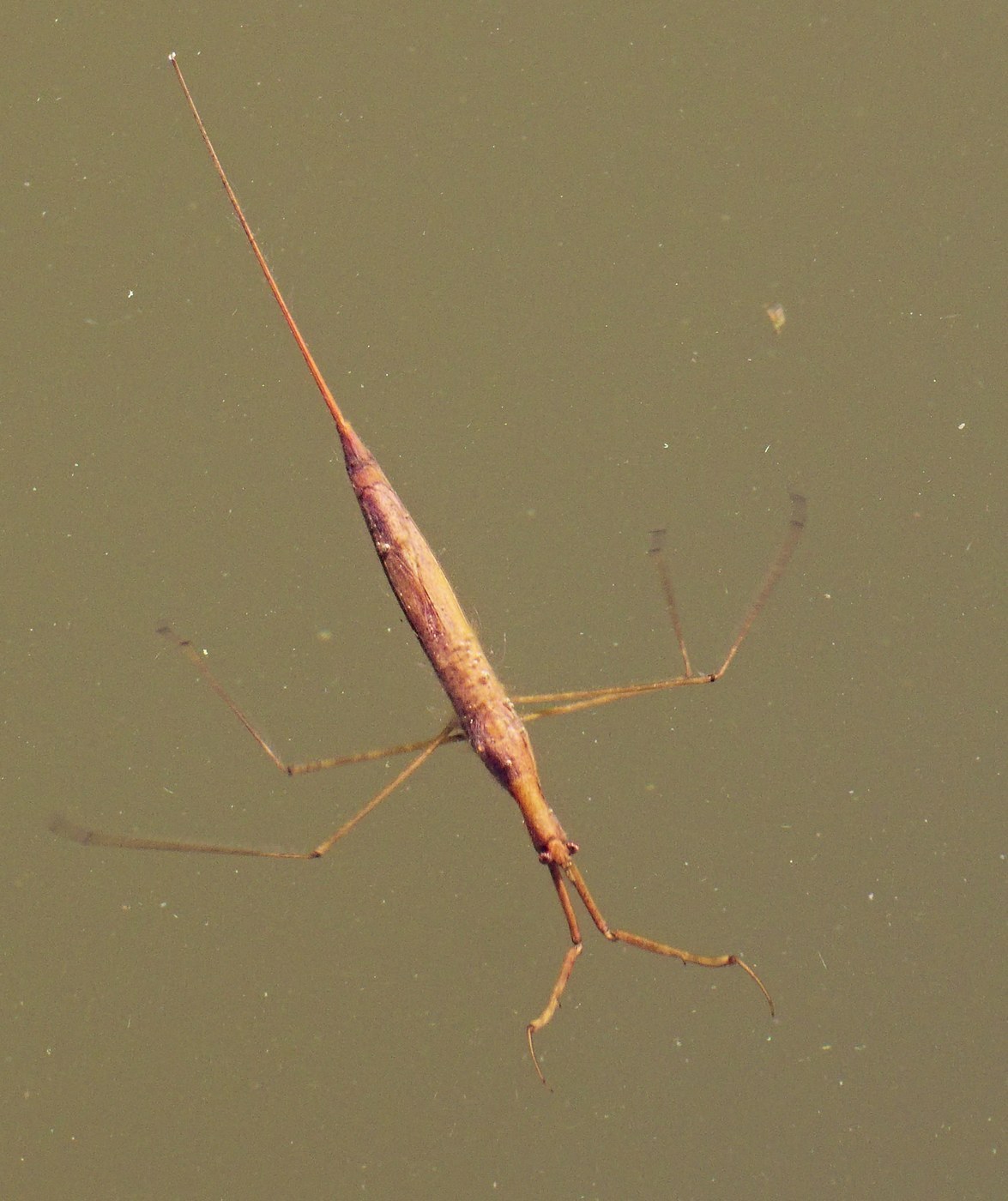
Water Stick Insect
Still and slow-moving water with dense submerged vegetation
Rough Stink Bug
Tree bark, woodlands, orchards, and shrubby vegetation
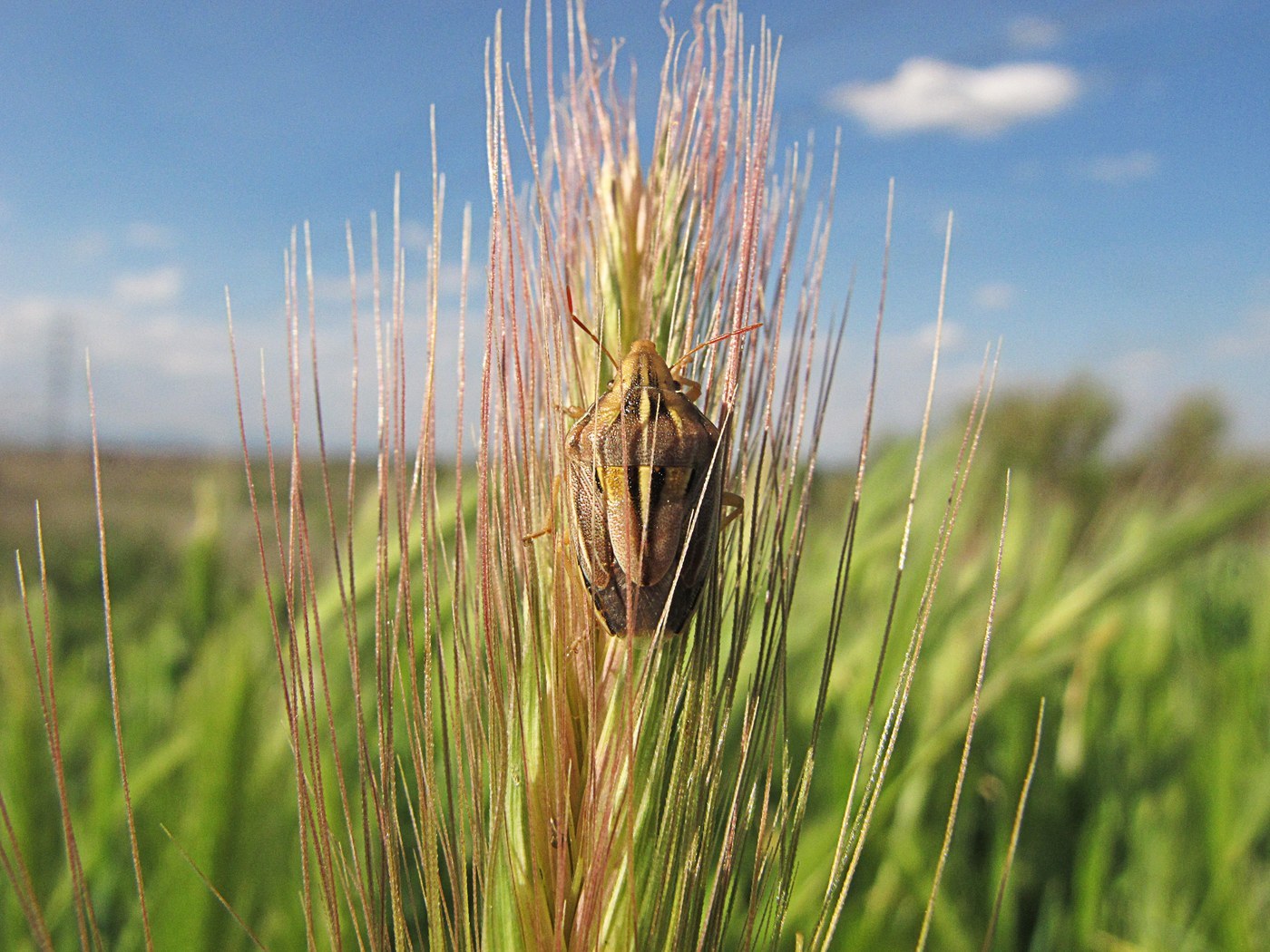
Stink Bug
Gardens, crop fields, and woodlands across temperate and subtropical regions
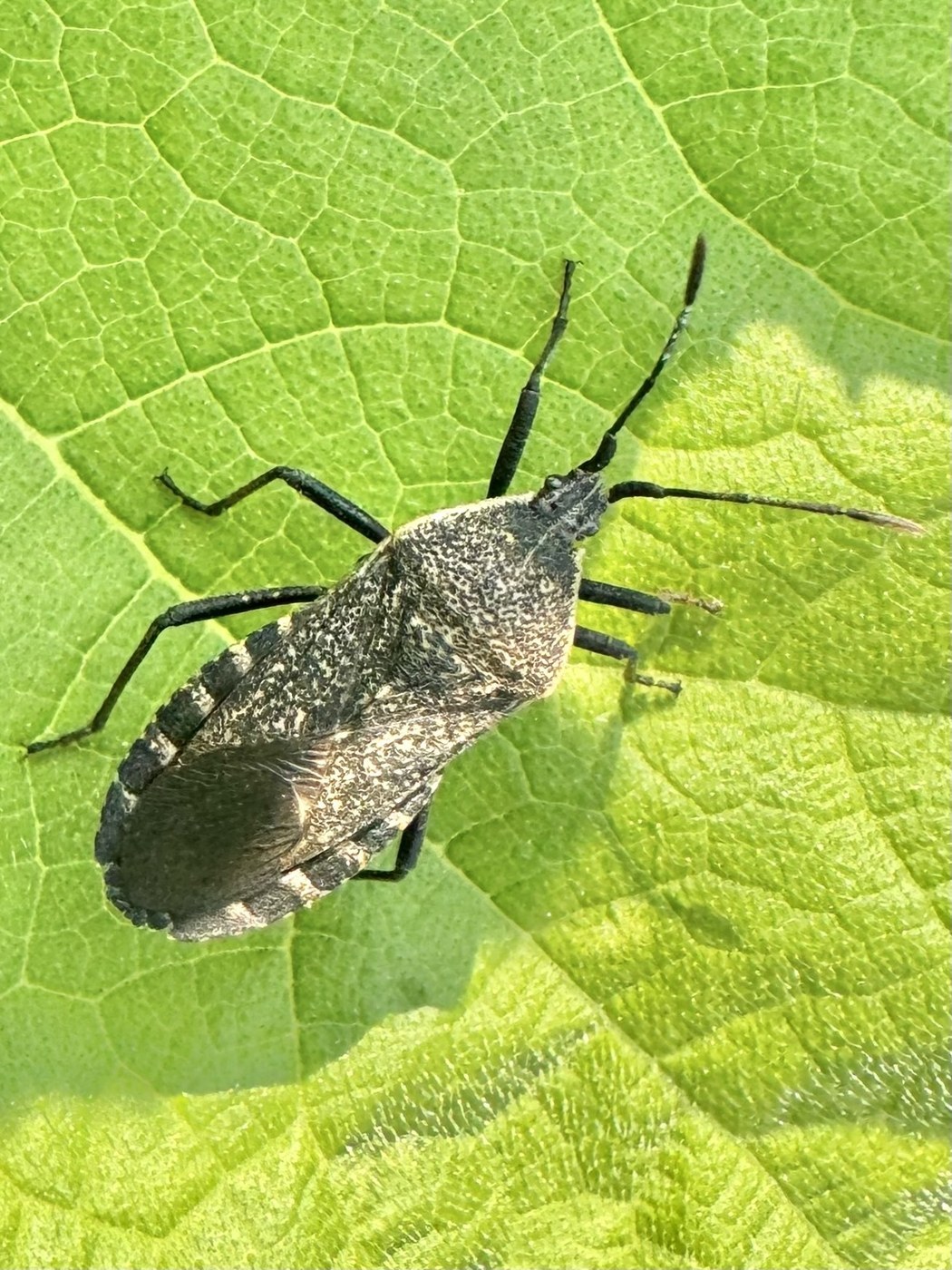
Squash Bug
Vegetable gardens and farm fields growing squash, pumpkin, and other cucurbits
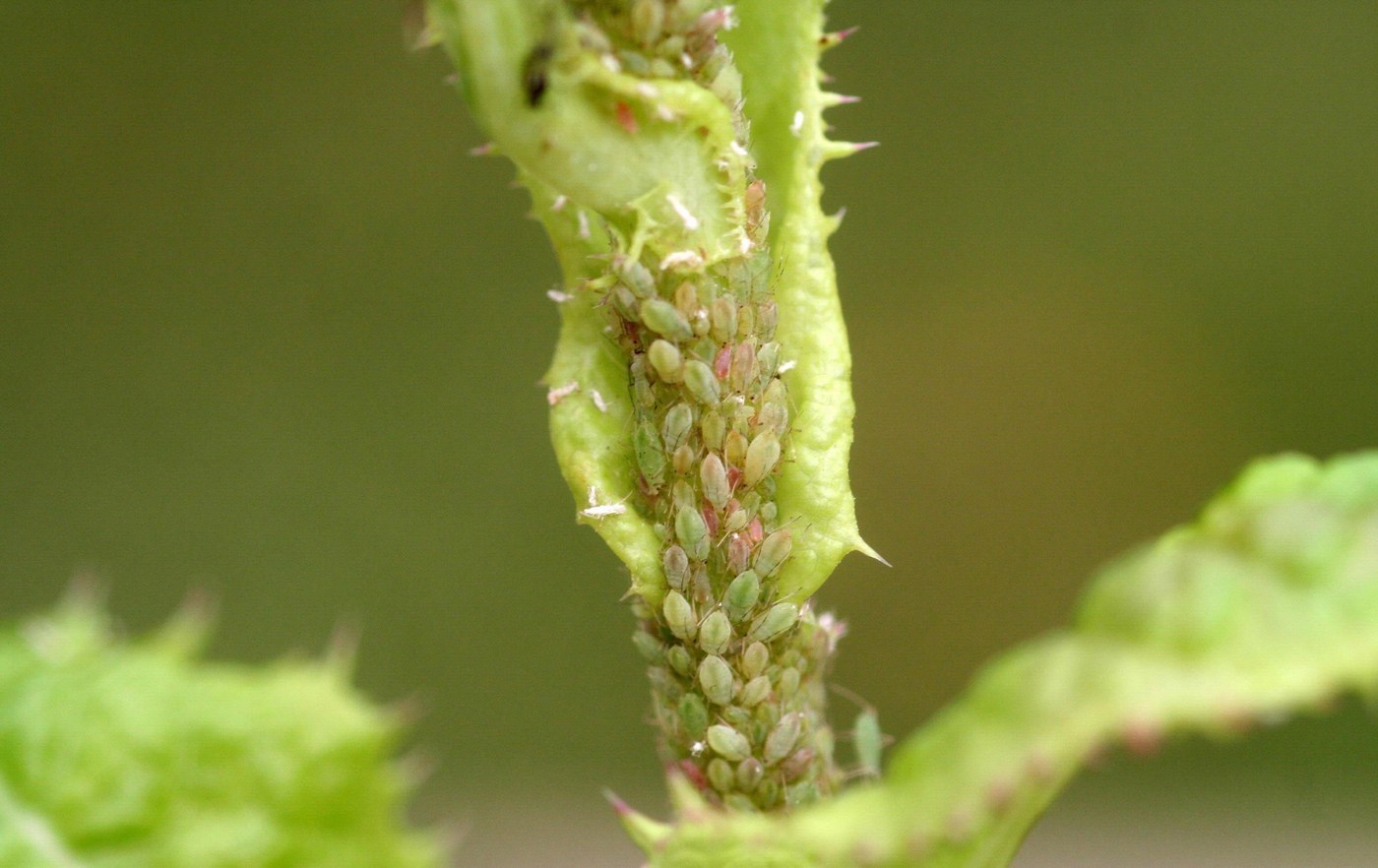
Aphid
On stems, leaves, and buds of a very wide range of host plants
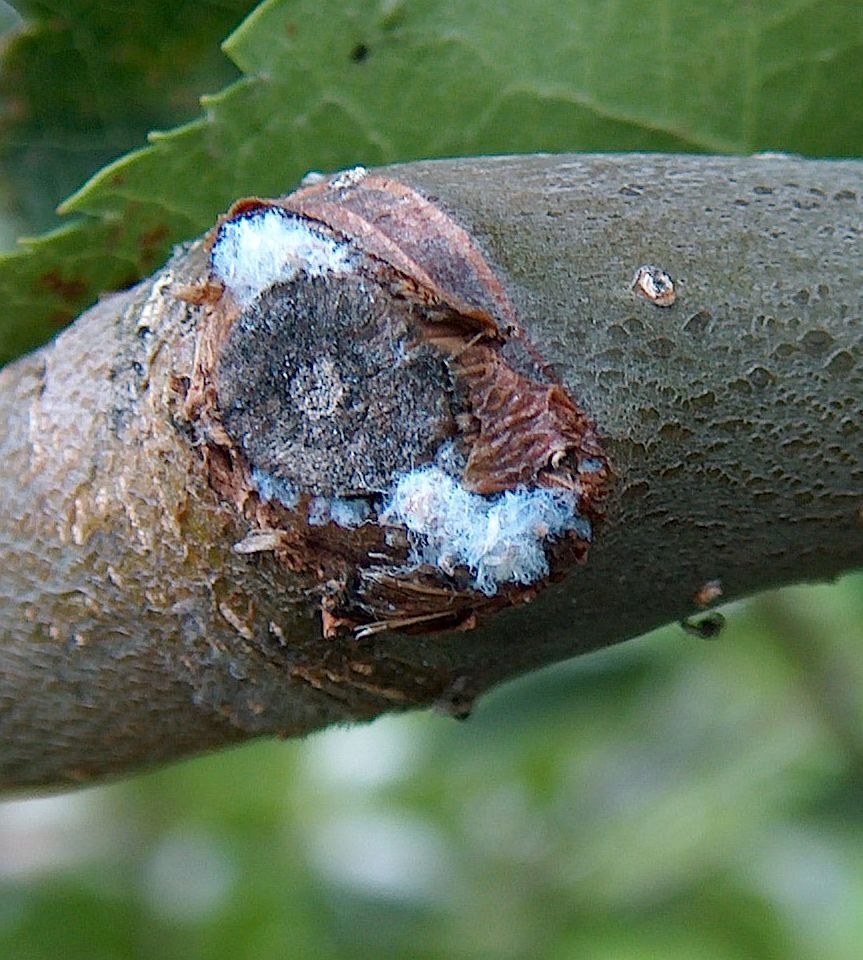
Woolly Aphid
Bark crevices, root collars, and twigs of apple, elm, and alder trees
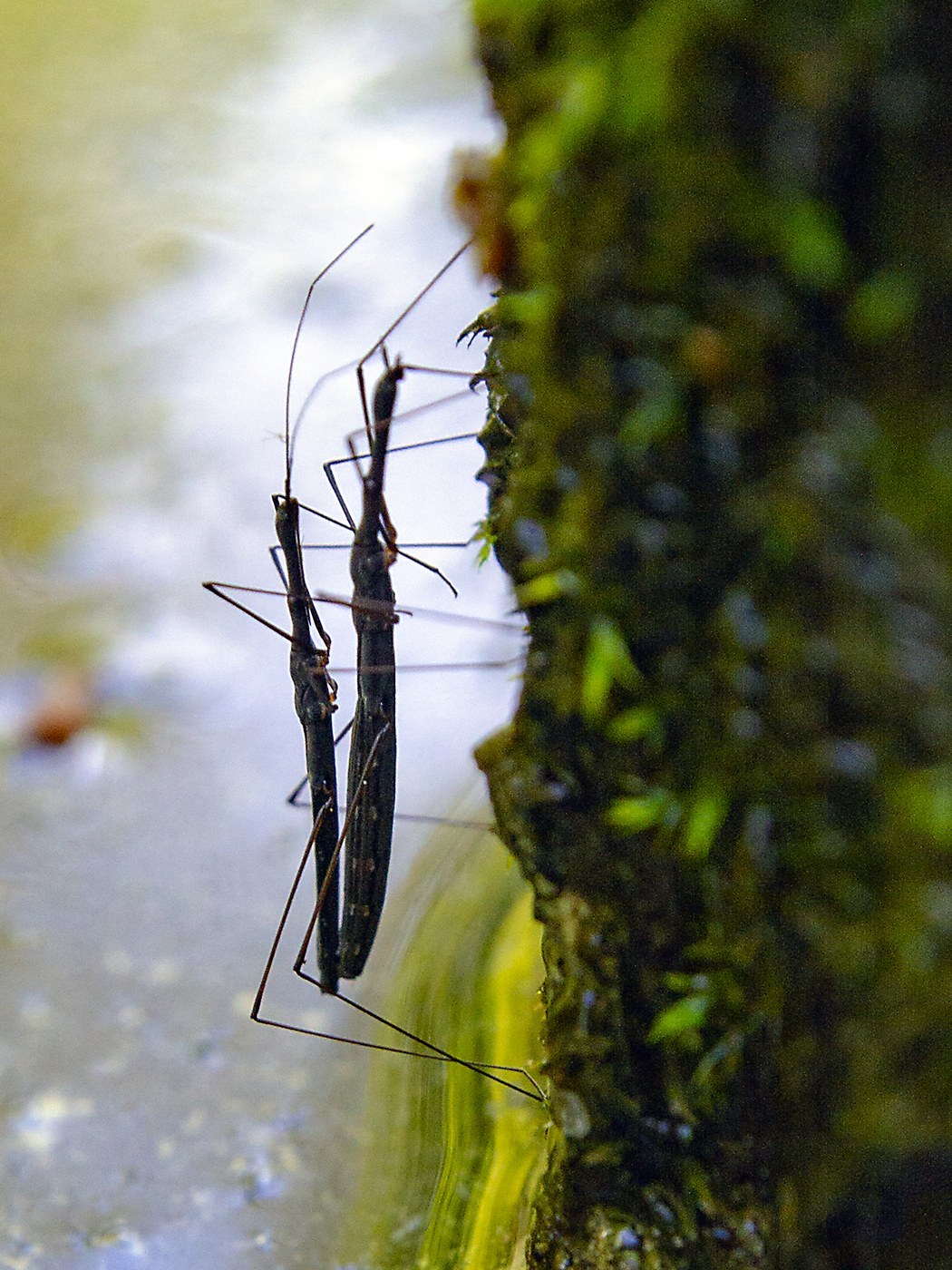
Water Measurer
Quiet edges of ponds, marshes, and slow streams
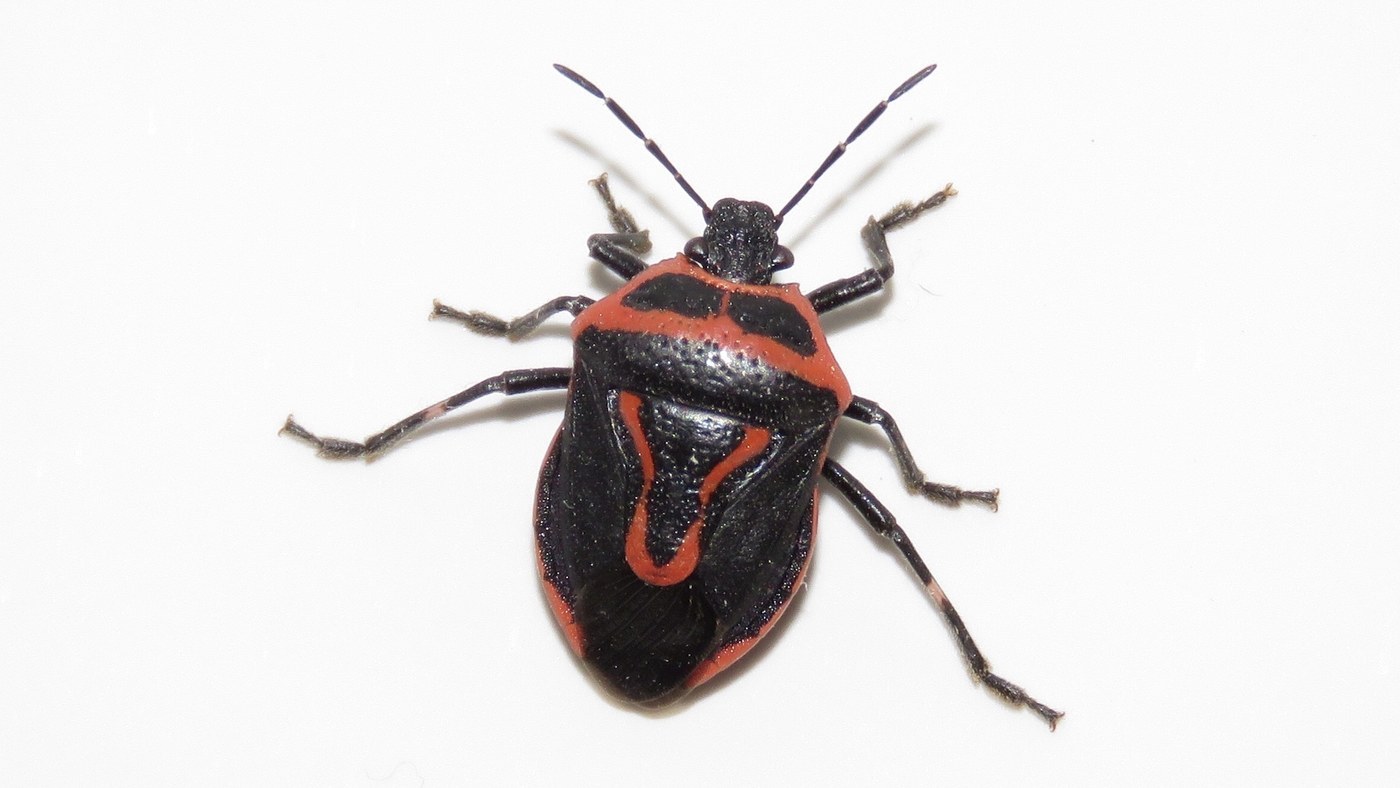
Two-Spotted Stink Bug
Gardens and fields with potato and nightshade-family plants
Water Cricket
Fast-flowing streams and stream-fed pond margins