
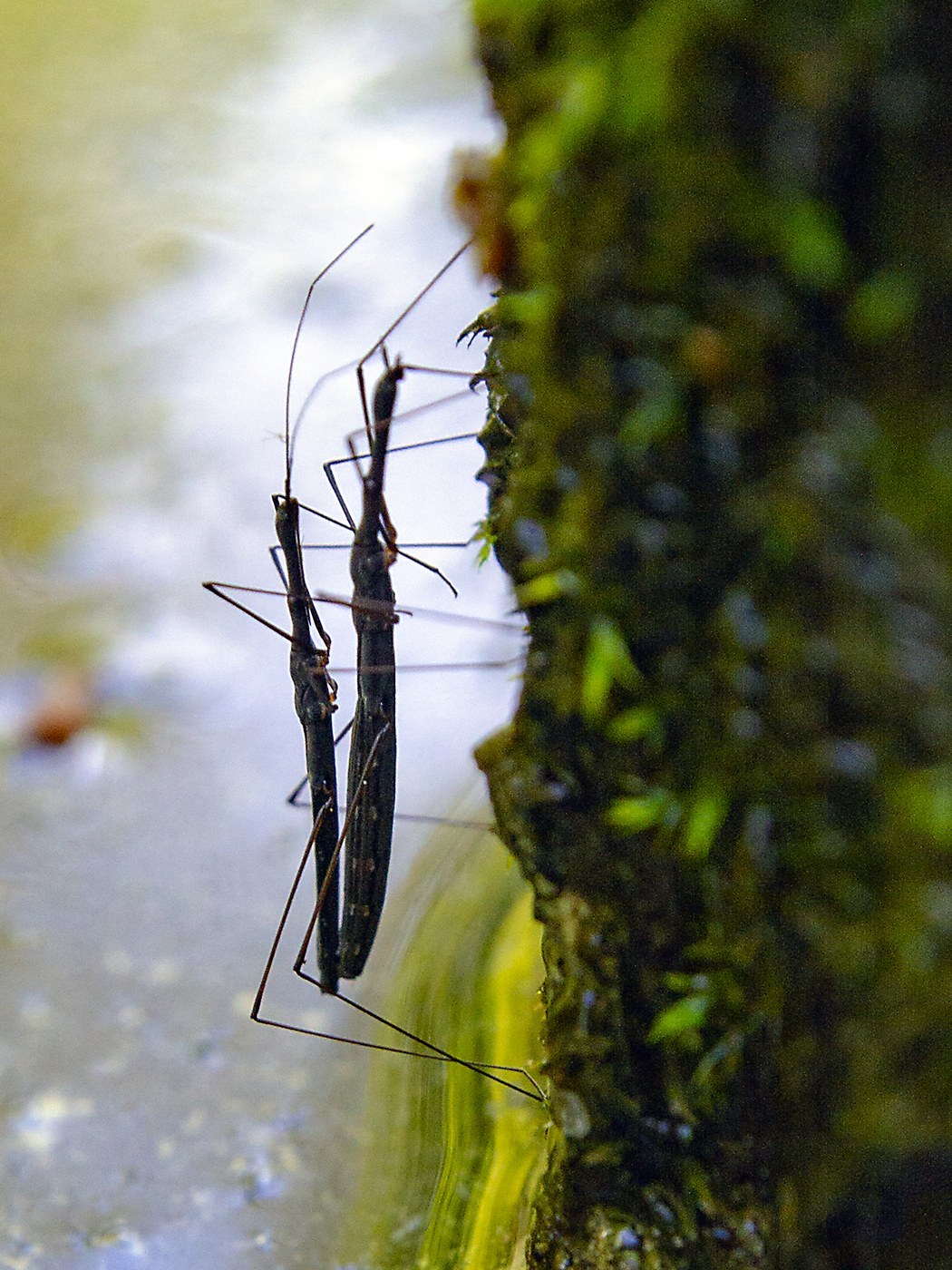
Water Measurer
Hydrometra stagnorum
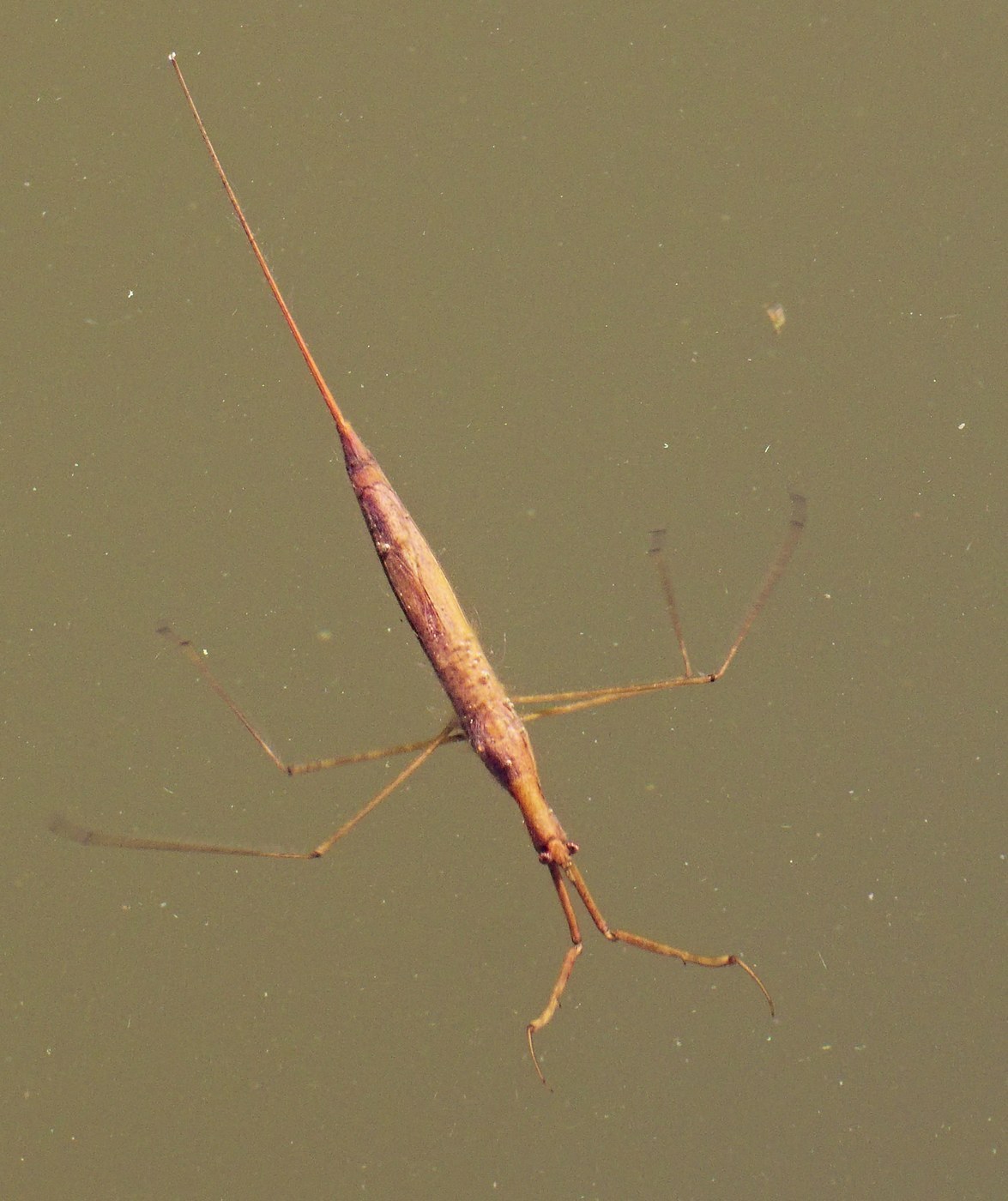
Thin as a splinter and slow-stepping across the surface film, the water measurer creeps along pond edges spearing tiny prey with its needle-like snout.
- Size
- 8-12 mm
- Habitat
- Quiet edges of ponds, marshes, and slow streams
- Danger
- Harmless
Spotted a bug like this?
Identify any bug or insect from a photo, free.
Overview
The water measurer is an unusually slender, stick-like true bug that walks deliberately across the surface of still water rather than skating rapidly like a water strider. Its narrow, elongated body and thin legs give it an almost twig-like camouflage among floating debris and shoreline vegetation.
Unlike the fast, jerky rowing motion of water striders, water measurers move with slow, careful steps, distributing their light weight across the surface film with minimal disturbance. This deliberate gait suits their hunting style, as they stalk tiny prey such as mosquito larvae and small crustaceans near the surface before striking with an elongated, needle-like beak.
As a member of the true bug order Hemiptera, the water measurer has piercing-sucking mouthparts and undergoes incomplete metamorphosis. It occupies quiet, sheltered edges of freshwater habitats and contributes to controlling small invertebrate populations near the shoreline.
How to Identify
- Extremely slender, thread-like body 8-12 mm long, usually dull brown or grayish
- Head unusually elongated and narrow, almost matchstick-like, with the eyes set well back from the tip
- Long, thin legs positioned for slow, deliberate walking rather than rapid rowing
- Long, straight, needle-like beak (rostrum) used to spear small prey
- Often wingless or short-winged, though winged forms occur
- Distinguished from water striders by its much slower, stalking gait and stick-like proportions rather than a rowing motion; distinguished from water crickets by its longer head and more delicate build
Habitat & Range
Water measurers favor calm, sheltered margins of ponds, ditches, marshes, and slow-moving streams with floating vegetation, algae mats, or debris that provide cover and hunting perches. They are found across much of Europe and other temperate regions and are most active from spring through autumn, sheltering near the shoreline during colder months.
Behavior & Diet
Water measurers hunt by walking slowly and carefully across the surface film or along floating debris, using their long legs to detect the faint ripples of small prey nearby. When prey such as mosquito larvae, springtails, or tiny crustaceans comes within reach, the water measurer strikes with its elongated beak, piercing the prey and withdrawing its body fluids. Its stealthy, low-disturbance movement contrasts with the rapid darting of water striders and allows it to approach prey without alerting them through surface vibrations. It plays a minor but consistent role in controlling small invertebrate numbers along pond and marsh edges.
Life Cycle
Females lay eggs on floating vegetation or debris near the water's edge. Nymphs hatch resembling small, wingless versions of the adults and pass through several nymphal instars, gradually developing in the incomplete metamorphosis typical of true bugs, with no pupal stage. Depending on climate, one or more generations may occur each year, and adults typically overwinter among shoreline vegetation or debris, becoming active again as temperatures rise in spring.
Frequently asked questions
Why is it called a water measurer?
Its slow, deliberate, stepwise walking motion across the water surface resembles someone carefully measuring out distance, giving rise to the common name.
How is a water measurer different from a water strider?
It has a much longer, thinner head and body and moves slowly by walking rather than rowing rapidly with its legs like a water strider.
What does a water measurer eat?
It preys on tiny aquatic invertebrates such as mosquito larvae and small crustaceans, spearing them with its needle-like beak.
Where are water measurers usually found?
They favor calm, sheltered edges of ponds and marshes with floating debris or vegetation rather than open, wave-disturbed water.
Water Measurer guides
In-depth guides for identifying, understanding, and living alongside Water Measurer.
Other bugs you may enjoy
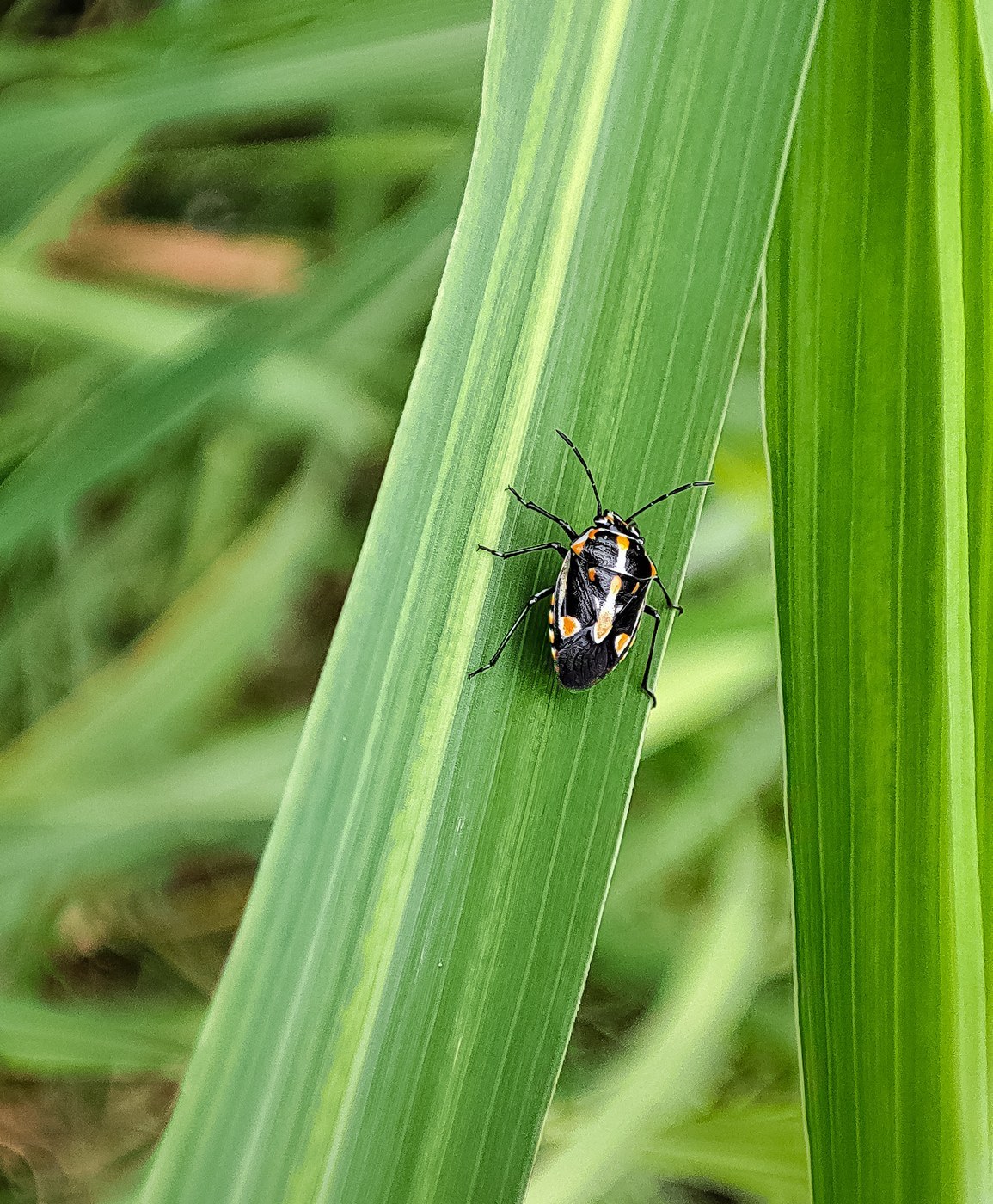
Bagrada Bug
Arid gardens, crucifer fields, desert-adjacent croplands
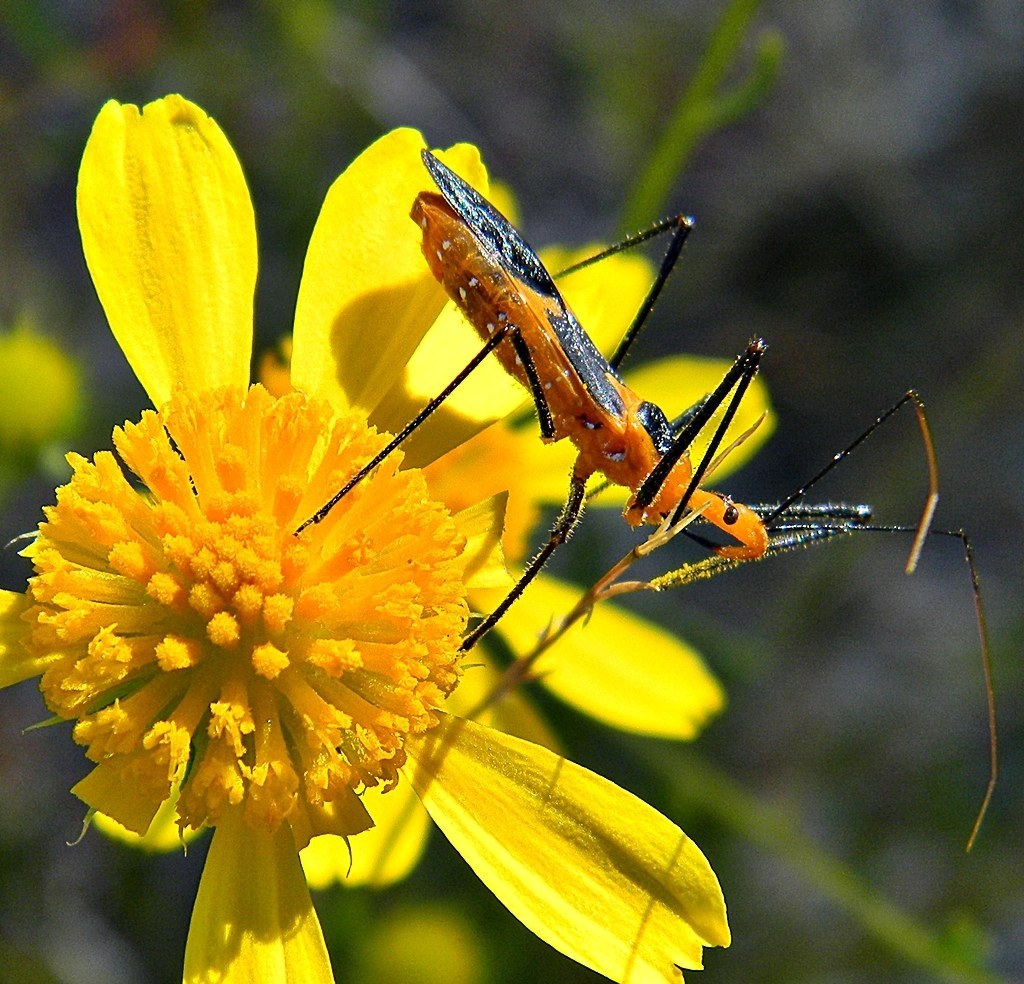
Assassin Bug
Gardens, meadows, and vegetation worldwide
Water Boatman Bug
Ponds, lakes, and slow-moving freshwater
Water Stick Insect
Still and slow-moving water with dense submerged vegetation
Rough Stink Bug
Tree bark, woodlands, orchards, and shrubby vegetation
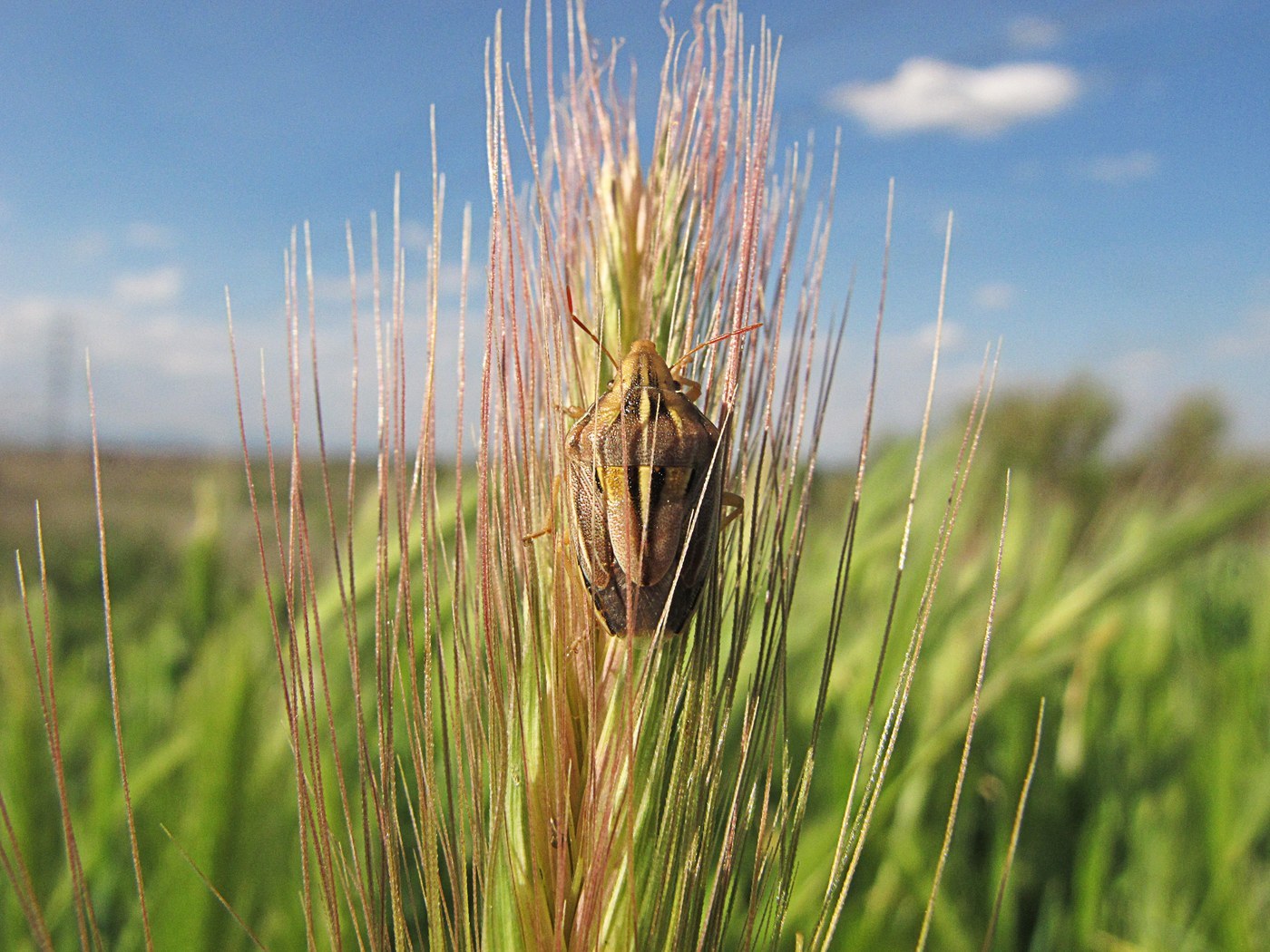
Stink Bug
Gardens, crop fields, and woodlands across temperate and subtropical regions
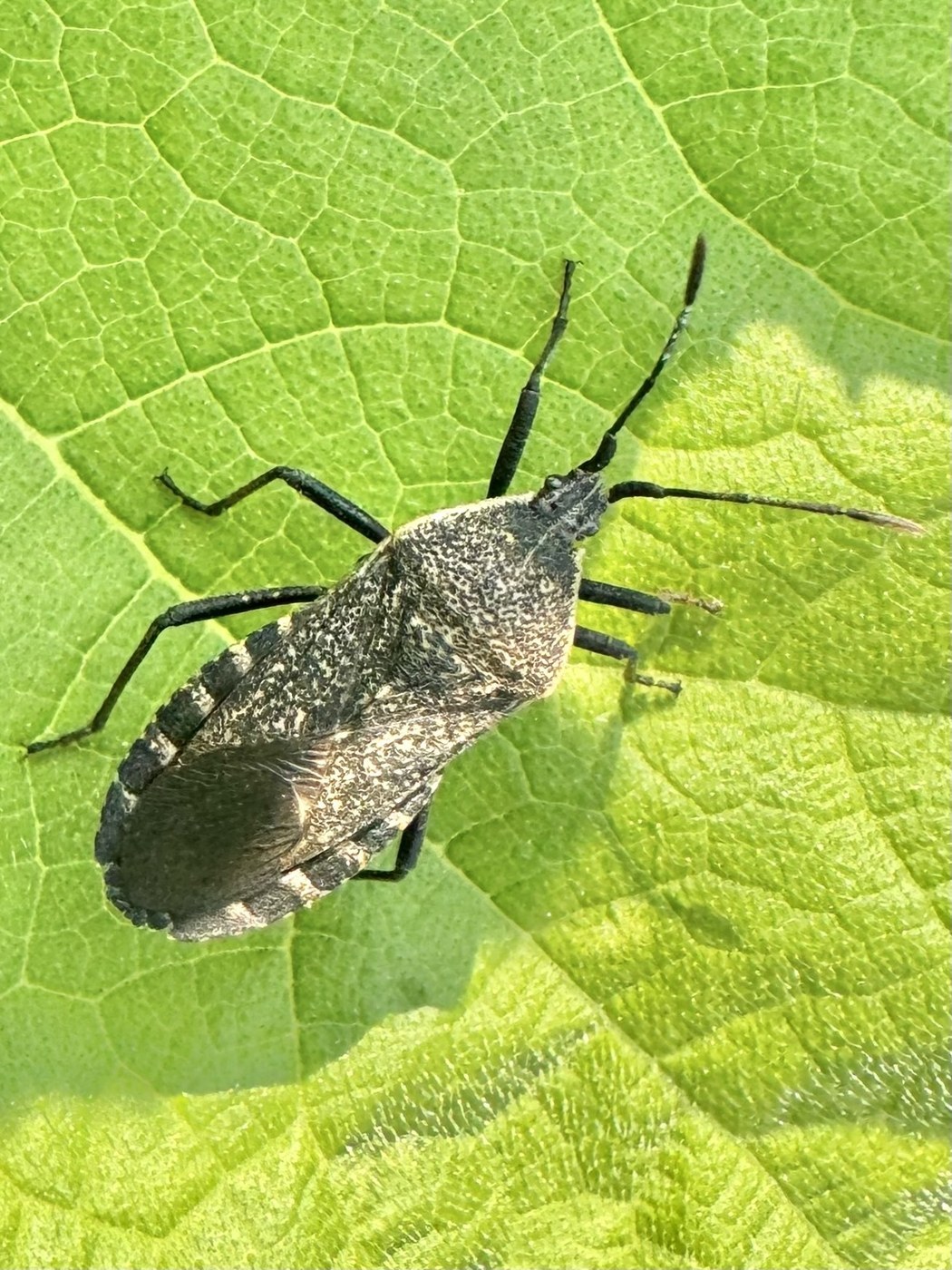
Squash Bug
Vegetable gardens and farm fields growing squash, pumpkin, and other cucurbits
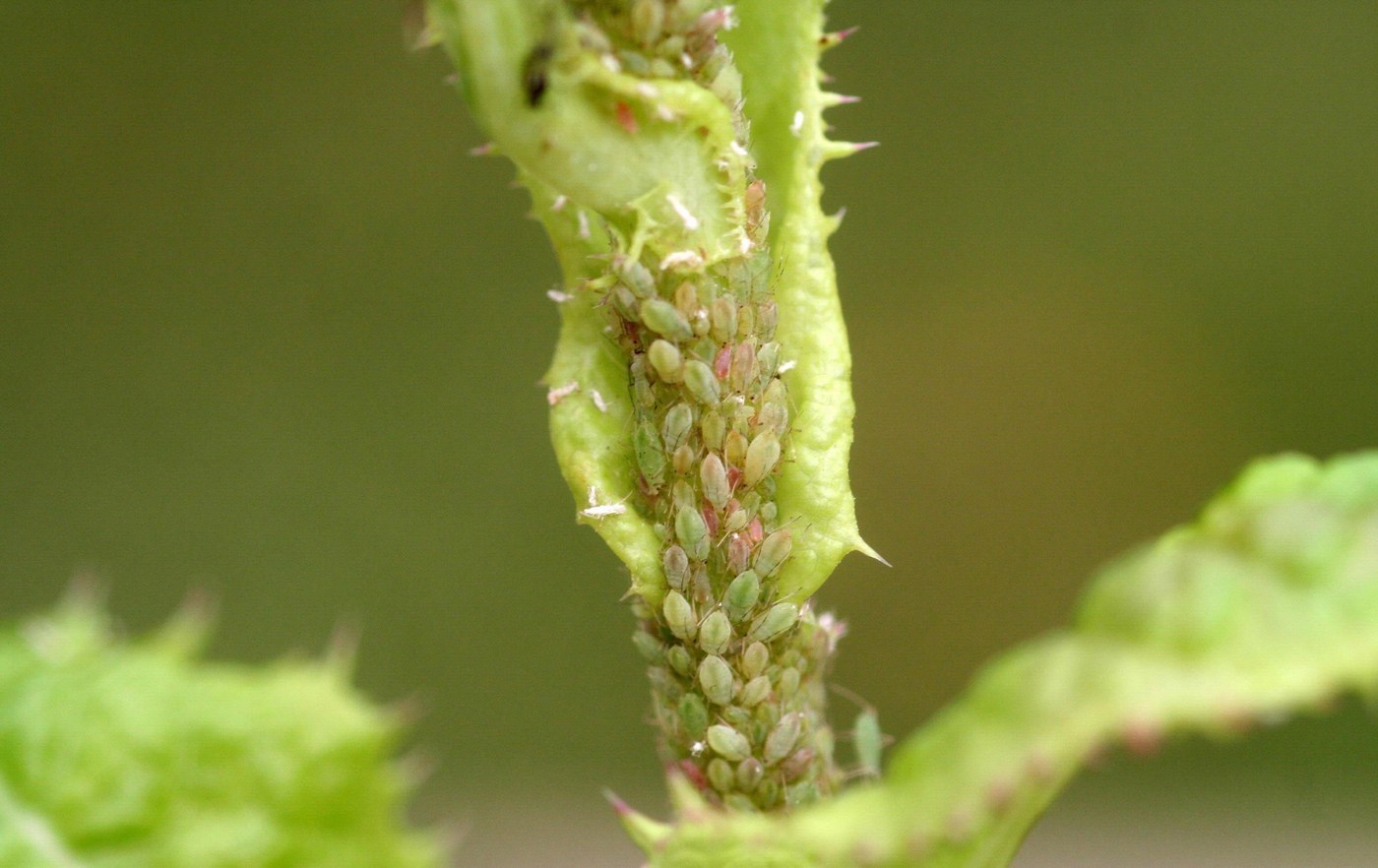
Aphid
On stems, leaves, and buds of a very wide range of host plants
Woolly Aphid
Bark crevices, root collars, and twigs of apple, elm, and alder trees
Whitefly
Greenhouses, gardens, and undersides of leaves on host plants
Two-Spotted Stink Bug
Gardens and fields with potato and nightshade-family plants
Water Cricket
Fast-flowing streams and stream-fed pond margins