
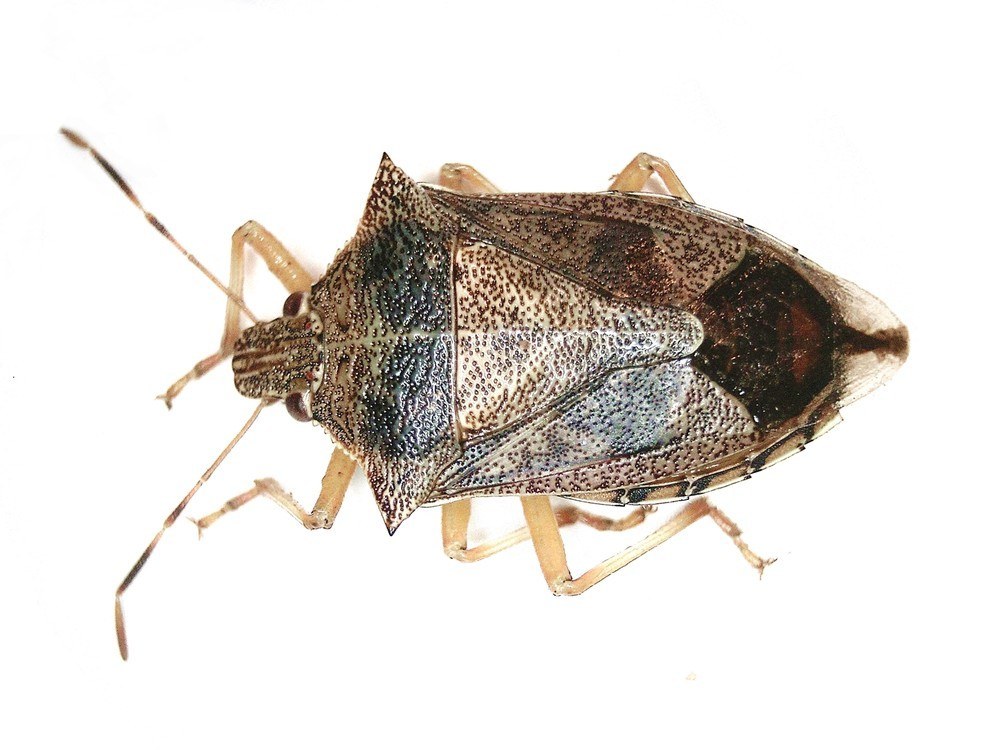
Spined Soldier Bug
Podisus maculiventris
A predatory stink bug identified by the sharp, pointed spines projecting from its shoulders, valued in gardens and farm fields for hunting caterpillars, beetle larvae, and other pest insects.
- Size
- 10–13 mm
- Habitat
- Gardens, agricultural fields, and low vegetation across North America
- Danger
- Bites
Spotted a bug like this?
Identify any bug or insect from a photo, free.
Overview
The spined soldier bug is a predatory stink bug in the family Pentatomidae, subfamily Asopinae, a group distinguished from typical plant-feeding stink bugs by their carnivorous habits. It is one of the most widely recognized beneficial predatory true bugs in North American gardens and agricultural systems.
Its common name refers to the noticeably pointed, spine-like projections extending from the corners of its thorax, a feature that sets it apart at a glance from the more rounded-shouldered plant-feeding stink bugs. This species is commercially reared and released in some agricultural settings as a biological control agent against caterpillar and beetle pests.
As a generalist predator, the spined soldier bug feeds on a wide range of soft-bodied insect pests, making it an important natural ally in reducing pest pressure on garden and crop plants throughout much of the growing season.
How to Identify
- Shield-shaped body about 10–13 mm long, mottled brown, tan, or grayish-yellow, giving a mottled, bark-like appearance.
- The most distinctive feature is the pair of sharp, forward-pointing spines projecting from the shoulders of the pronotum, more pronounced than in most other stink bugs.
- The piercing mouthpart, or beak, is notably long, thick, and curved, an adaptation used to subdue prey rather than feed on plant tissue.
- Legs and antennae are banded with alternating light and dark segments.
- Distinguished from similar plant-feeding stink bugs by its sharper shoulder spines, thicker curved beak, and habit of being found actively hunting near caterpillars or beetle larvae rather than resting on leaves.
Habitat & Range
This species is widespread across North America, found in gardens, farm fields, meadows, and woodland edges wherever prey insects are available on low vegetation and crop plants.
It is active from spring through fall, following the availability of caterpillar and beetle prey on host plants such as vegetables, soybeans, and various ornamental and wild plants. Adults overwinter in sheltered sites such as leaf litter, bark crevices, or plant debris.
Behavior & Diet
The spined soldier bug is an active predator, using its long, curved beak to pierce and immobilize prey such as caterpillars, beetle larvae, and other soft-bodied insects, including notable pests like fall armyworm and Colorado potato beetle larvae. Both nymphs and adults hunt throughout their development.
When disturbed, it can release a defensive stink bug odor, and its predatory mouthparts allow it to bite in defense if handled. Ecologically, it serves as a significant natural enemy of many crop and garden pests, contributing meaningfully to biological pest suppression, which has led to its use in commercial biological control programs.
Life Cycle
Development proceeds through incomplete metamorphosis, with egg, five nymphal instars, and adult stages and no pupal phase. Eggs are laid in clusters on host plant foliage, and nymphs begin hunting small prey soon after hatching, growing more capable predators with each molt.
There are typically one to two generations per year depending on climate and prey availability. Adults overwinter in protected locations such as leaf litter or bark crevices, becoming active again in spring to resume hunting and reproduction.
Frequently asked questions
Is the spined soldier bug good or bad for my garden?
It is generally considered beneficial, since it preys on caterpillars, beetle larvae, and other soft-bodied insect pests found on garden and crop plants.
How do I tell it apart from a plant-feeding stink bug?
Look for the sharp, pointed spines projecting from its shoulders and its thicker, more curved beak, both adaptations for grabbing and piercing prey rather than plant tissue.
What does the spined soldier bug eat?
It preys on a variety of soft-bodied insects, including caterpillars and beetle larvae, which it captures and feeds on using its piercing mouthparts.
Does a spined soldier bug bite?
It can bite in defense with its piercing mouthparts if handled, though it does not target people and spends most of its time hunting prey insects on plants.
Spined Soldier Bug guides
In-depth guides for identifying, understanding, and living alongside Spined Soldier Bug.
Other bugs you may enjoy
Bagrada Bug
Arid gardens, crucifer fields, desert-adjacent croplands
Assassin Bug
Gardens, meadows, and vegetation worldwide
Water Boatman Bug
Ponds, lakes, and slow-moving freshwater
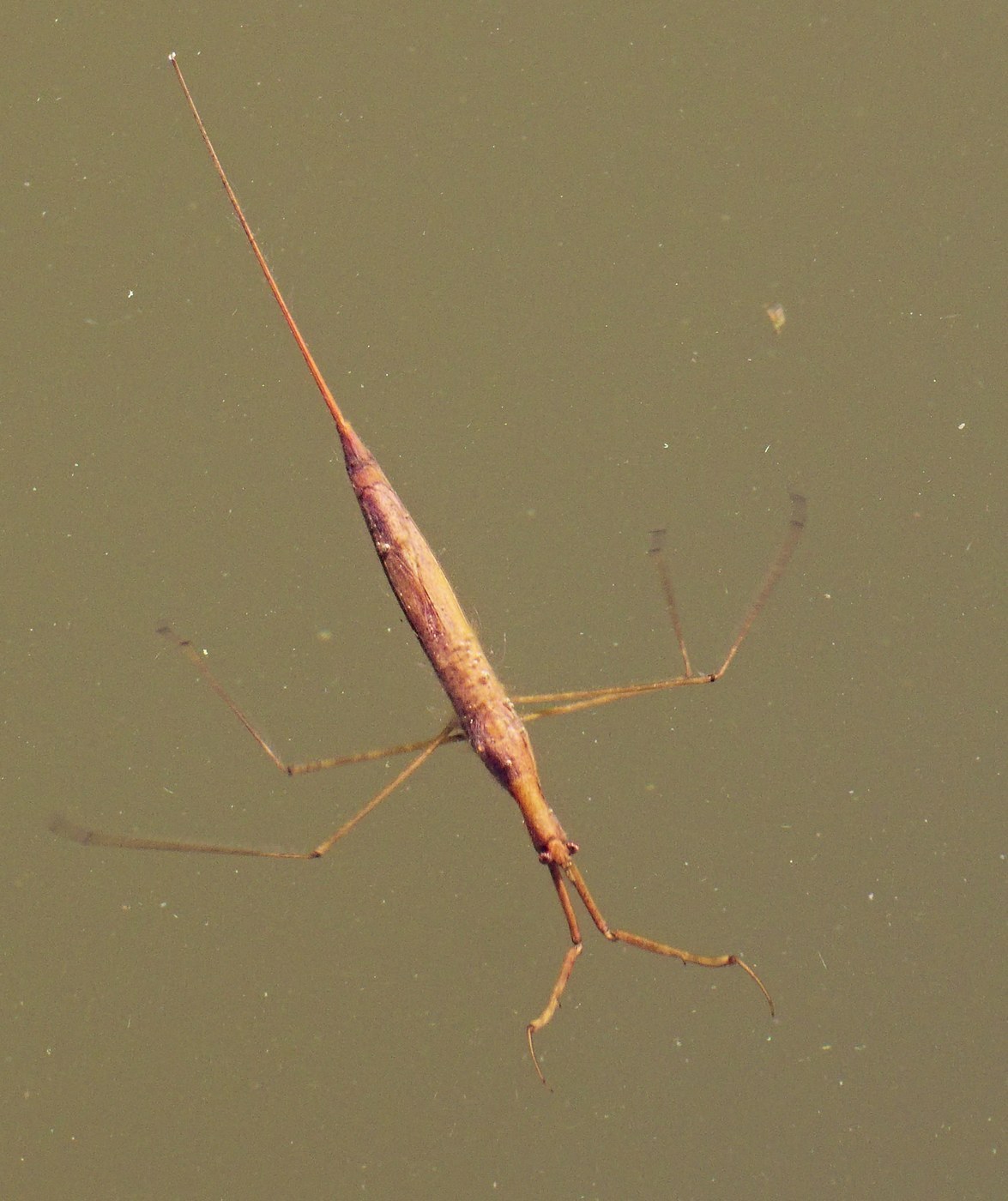
Water Stick Insect
Still and slow-moving water with dense submerged vegetation
Rough Stink Bug
Tree bark, woodlands, orchards, and shrubby vegetation
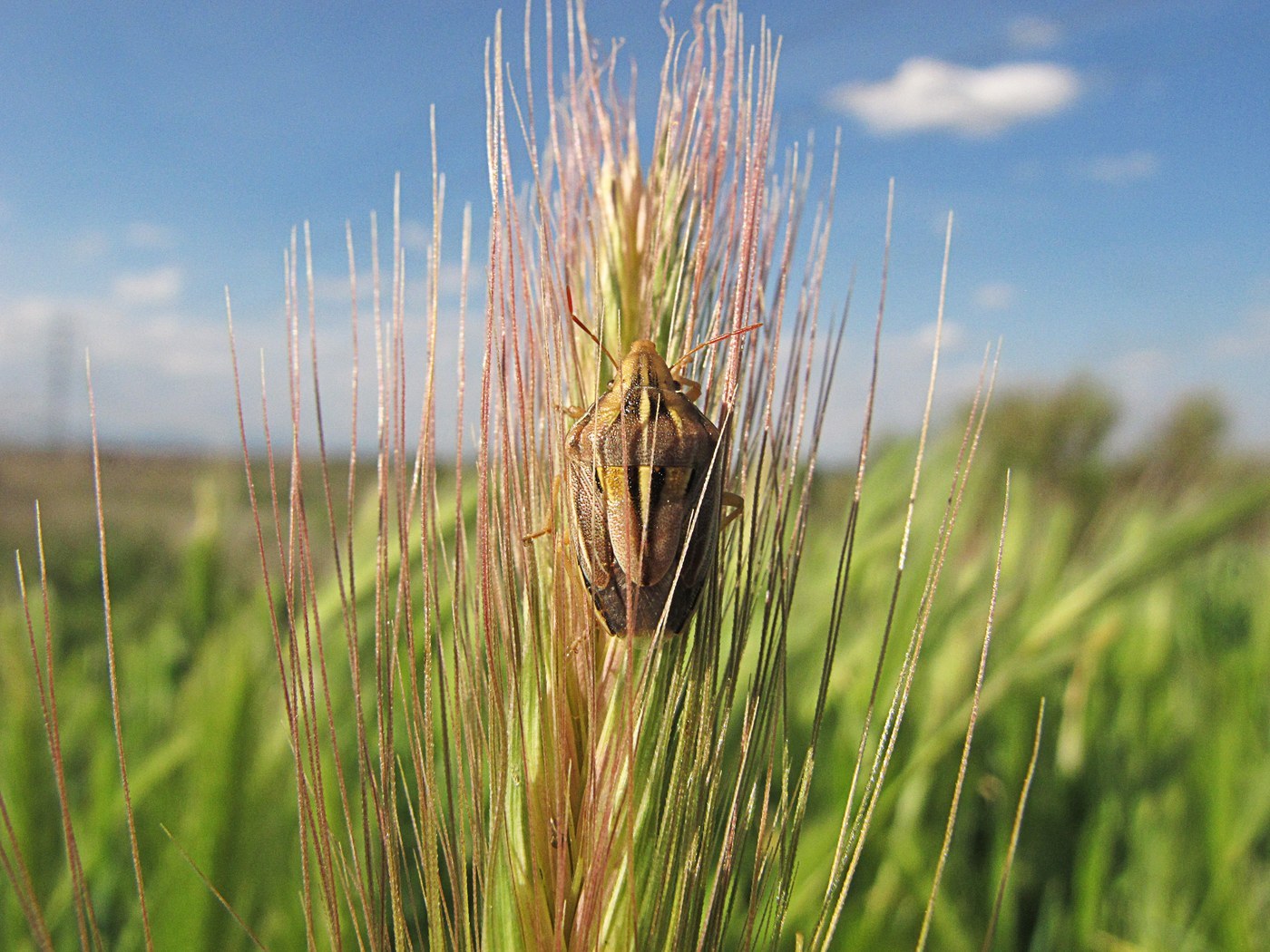
Stink Bug
Gardens, crop fields, and woodlands across temperate and subtropical regions
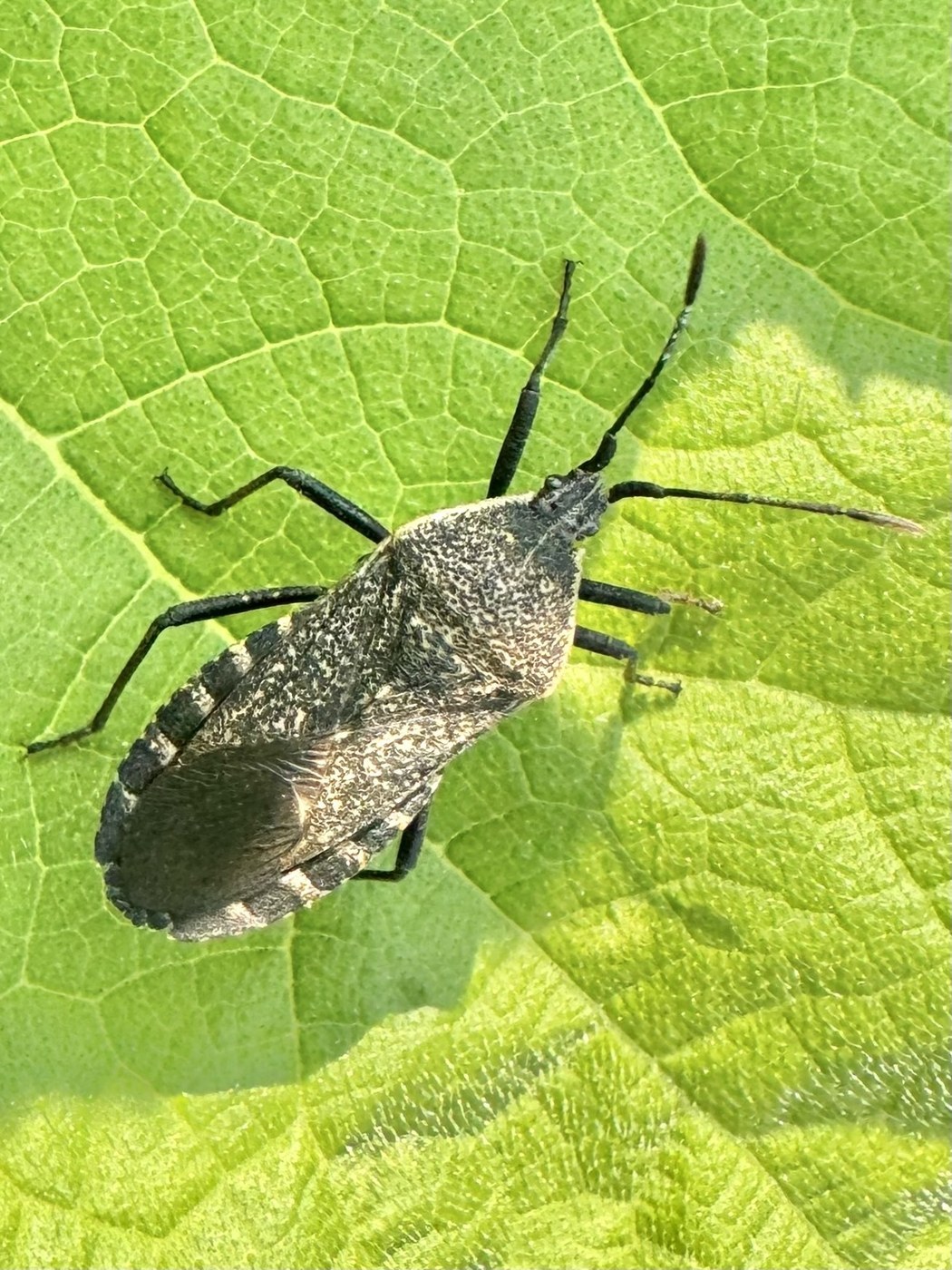
Squash Bug
Vegetable gardens and farm fields growing squash, pumpkin, and other cucurbits
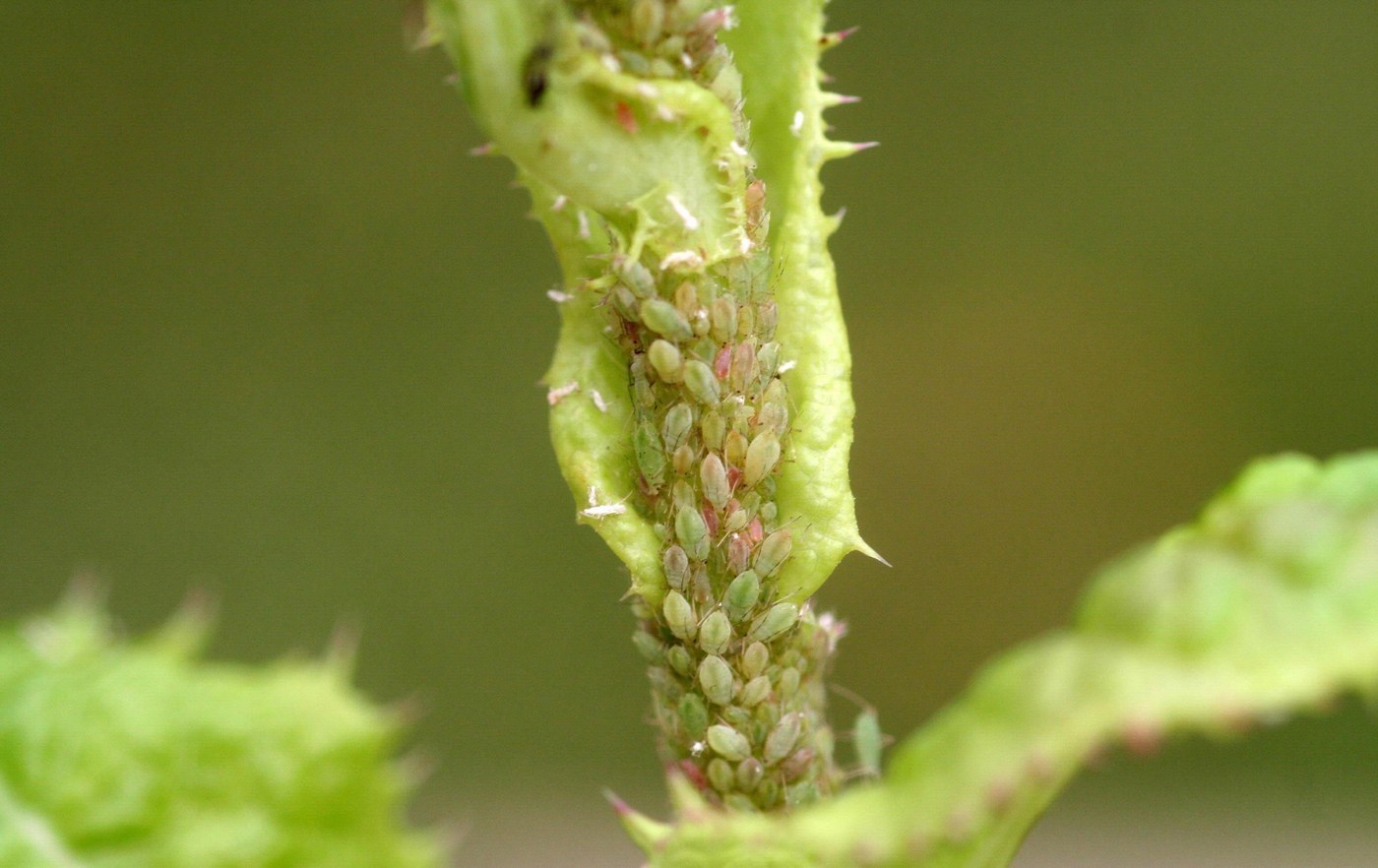
Aphid
On stems, leaves, and buds of a very wide range of host plants
Woolly Aphid
Bark crevices, root collars, and twigs of apple, elm, and alder trees
Whitefly
Greenhouses, gardens, and undersides of leaves on host plants
Water Measurer
Quiet edges of ponds, marshes, and slow streams
Two-Spotted Stink Bug
Gardens and fields with potato and nightshade-family plants