
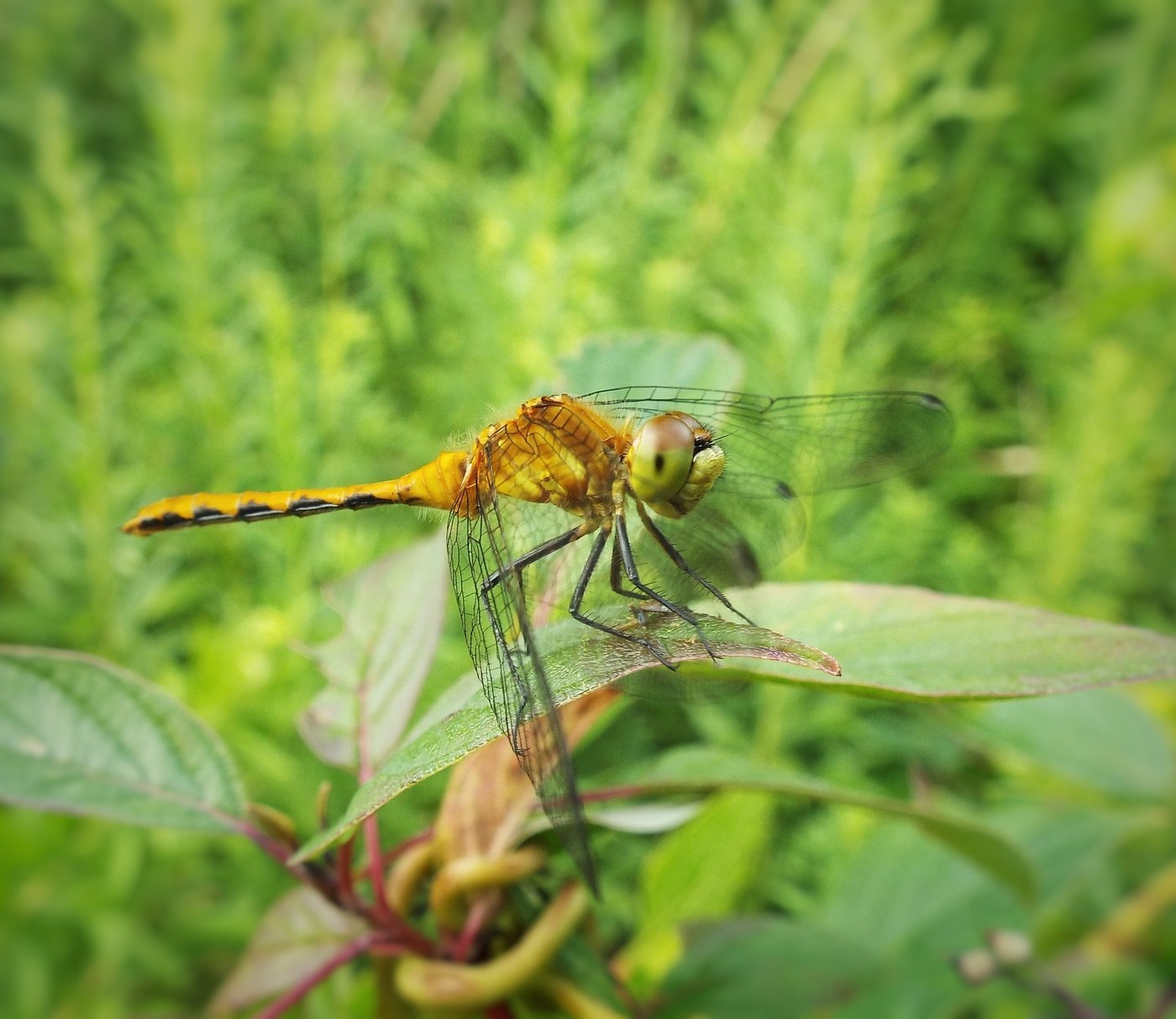
Ruby Meadowhawk
Sympetrum rubicundulum
A small, brilliant-red dragonfly of late summer meadows, so intensely colored that mature males seem to glow when perched low in the grass.
- Size
- Body about 1.2–1.5 in (30–38 mm) long; wingspan roughly 2–2.4 in (50–60 mm)
- Habitat
- Ponds, marshes, and damp fields, often well away from open water
- Danger
- Harmless
Spotted a bug like this?
Identify any bug or insect from a photo, free.
Overview
The Ruby Meadowhawk is one of several small red Sympetrum species collectively known as meadowhawks, a group in the skimmer family Libellulidae noted for their preference for perching low in vegetation rather than patrolling high over open water. Mature males develop a rich ruby-red body color, while females and immature individuals remain a more subdued yellow-brown.
Meadowhawks as a group can be tricky to tell apart, and the Ruby Meadowhawk is often confused with several close relatives. Fine details of leg color and the thin black markings along the sides of the thorax are typically needed to separate it confidently from lookalike species.
This species is common across much of eastern and central North America, often turning up far from water in mowed fields, roadsides, and gardens during the second half of summer.
How to Identify
- Small dragonfly with mature males a saturated ruby red across the body
- Legs entirely black, a useful feature separating it from species such as the White-faced Meadowhawk, which has pale leg stripes
- Wings mostly clear with a small amber tint at the base
- Females and immature males are yellowish-brown rather than red
- Lookalikes: several other red Sympetrum species (such as White-faced and Cherry-faced Meadowhawks) are extremely similar and often require close examination of thoracic stripe width and leg color to distinguish
Habitat & Range
Widespread across eastern and central North America, the Ruby Meadowhawk breeds in ponds, marshes, and slow ditches, but adults regularly wander into open fields, meadows, and gardens far from any water. It is most abundant from mid to late summer into early fall, often the dominant small red dragonfly seen perched on bare ground, gravel paths, or short grass in sunny weather.
Behavior & Diet
Unlike many larger dragonflies that patrol continuously, meadowhawks spend much of their time perched on the ground, low twigs, or short vegetation, making short sallies to catch small flying insects such as gnats and tiny flies before returning to the same spot. This low-perching habit makes them easy to observe up close. As both predator and prey, meadowhawks help control small flying insect populations in open habitats while themselves serving as food for birds, larger dragonflies, and spiders.
Life Cycle
Pairs mate in a wheel and then fly in tandem while the female repeatedly dips her abdomen to release eggs over shallow water, wet mud, or vegetation likely to be flooded later in the season. Many meadowhawk eggs are laid in areas that are dry at the time but flood with autumn rain or spring snowmelt, and the eggs often overwinter before hatching. Aquatic nymphs develop through the following months among submerged plants, and adults typically emerge in mid to late summer, completing one generation per year.
Frequently asked questions
How do I know if a red dragonfly is a Ruby Meadowhawk and not a similar species?
Checking leg color helps: the Ruby Meadowhawk has entirely black legs, while some similar red meadowhawks show pale stripes on the legs; thoracic stripe details are also used by experienced observers.
Why are Ruby Meadowhawks often seen far from ponds?
Adults commonly disperse into fields, gardens, and roadsides to hunt small insects, only returning to water to breed.
When is the best time of year to see Ruby Meadowhawks?
They are most common from mid-summer through early fall, later than many spring-flying dragonfly species.
Do Ruby Meadowhawk eggs hatch right away?
Many eggs are laid over ground that will flood later, and often overwinter before hatching once water covers them in spring.
Ruby Meadowhawk guides
In-depth guides for identifying, understanding, and living alongside Ruby Meadowhawk.
Ruby Meadowhawk identified by the community
Real finds identified with Bug Identifier.
Other bugs you may enjoy
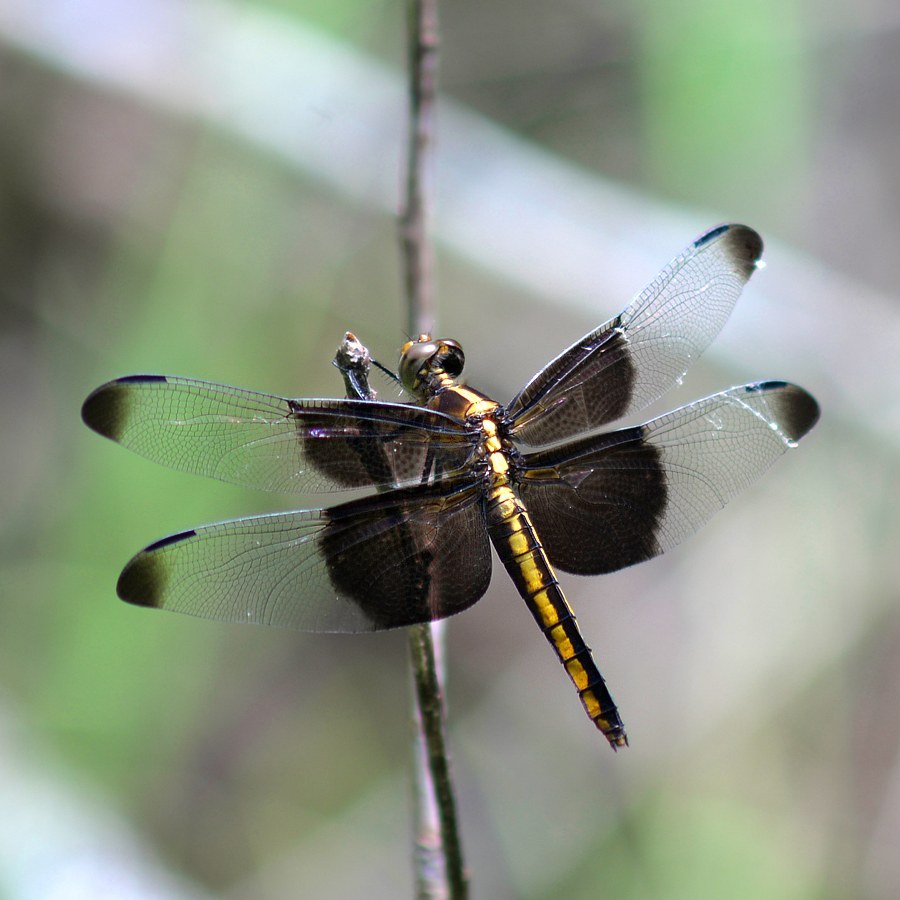
Widow Skimmer
ponds, lakes, and slow-moving streams with open shoreline vegetation across much of the United States
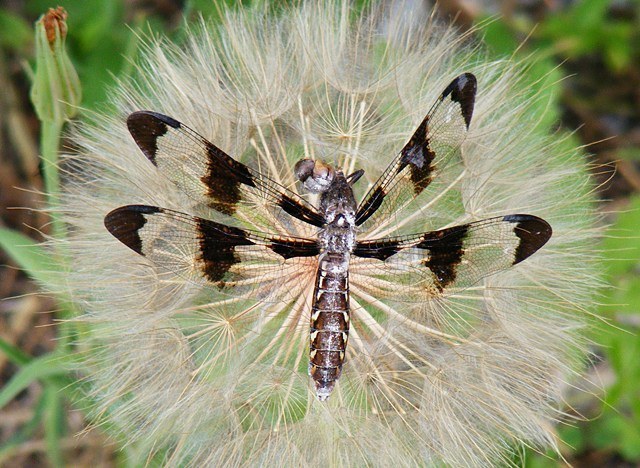
Twelve-spotted Skimmer
Ponds, lakes, and slow streams with open, sunny shorelines
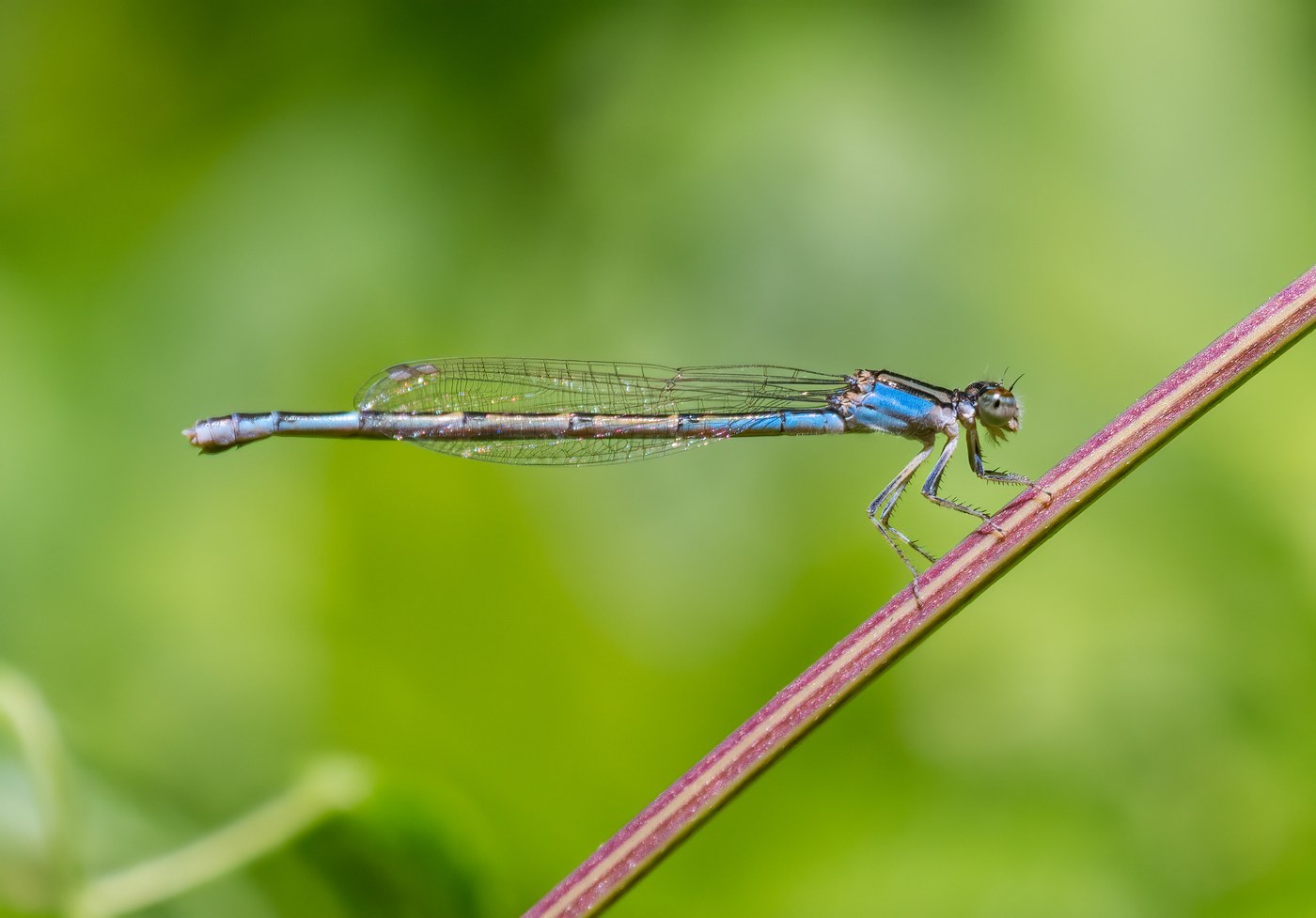
Azure Bluet
ponds, lakes, and slow streams with abundant aquatic vegetation
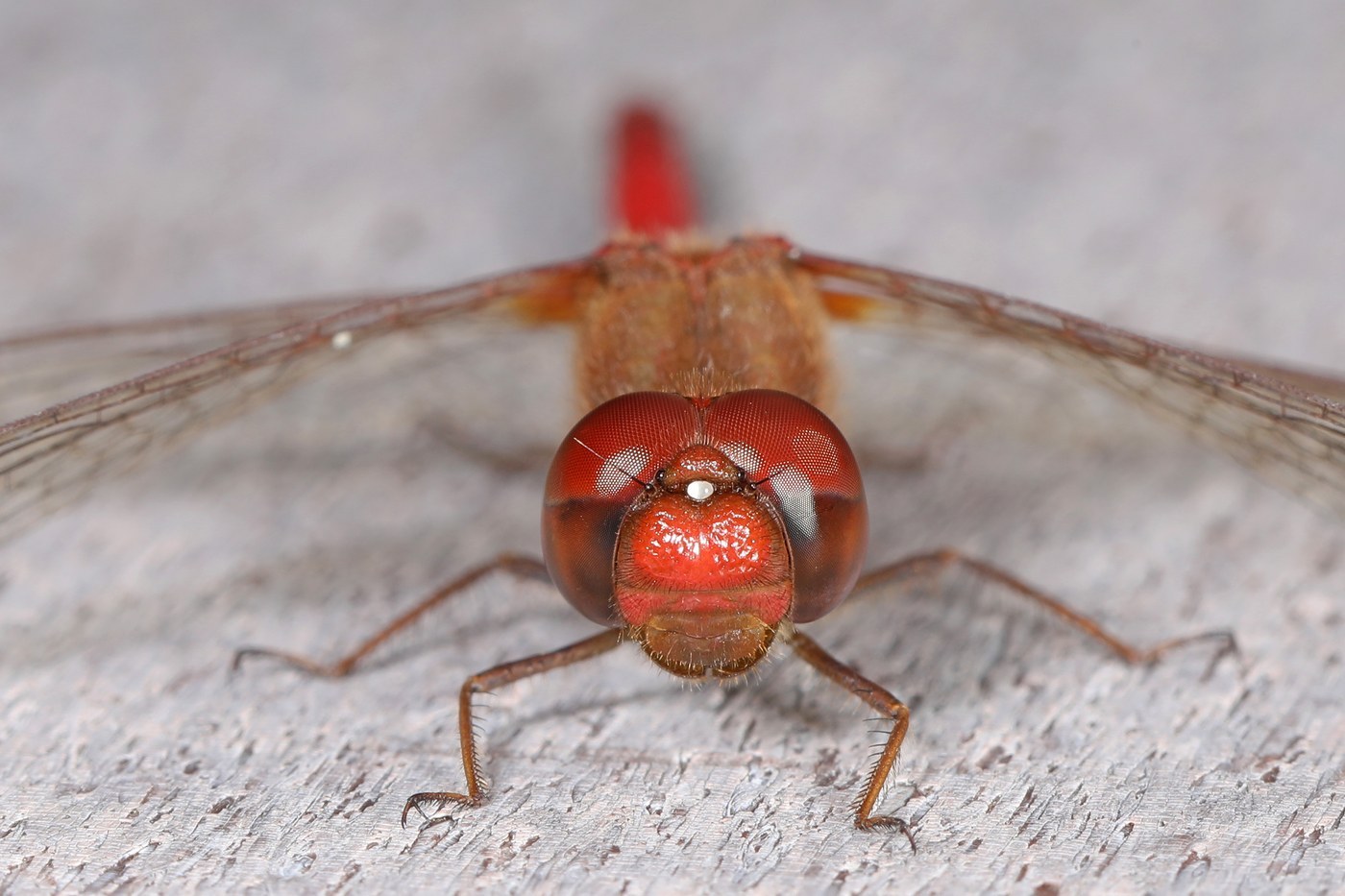
Autumn Meadowhawk
Ponds, marshes, and slow streams, often lingering into late fall
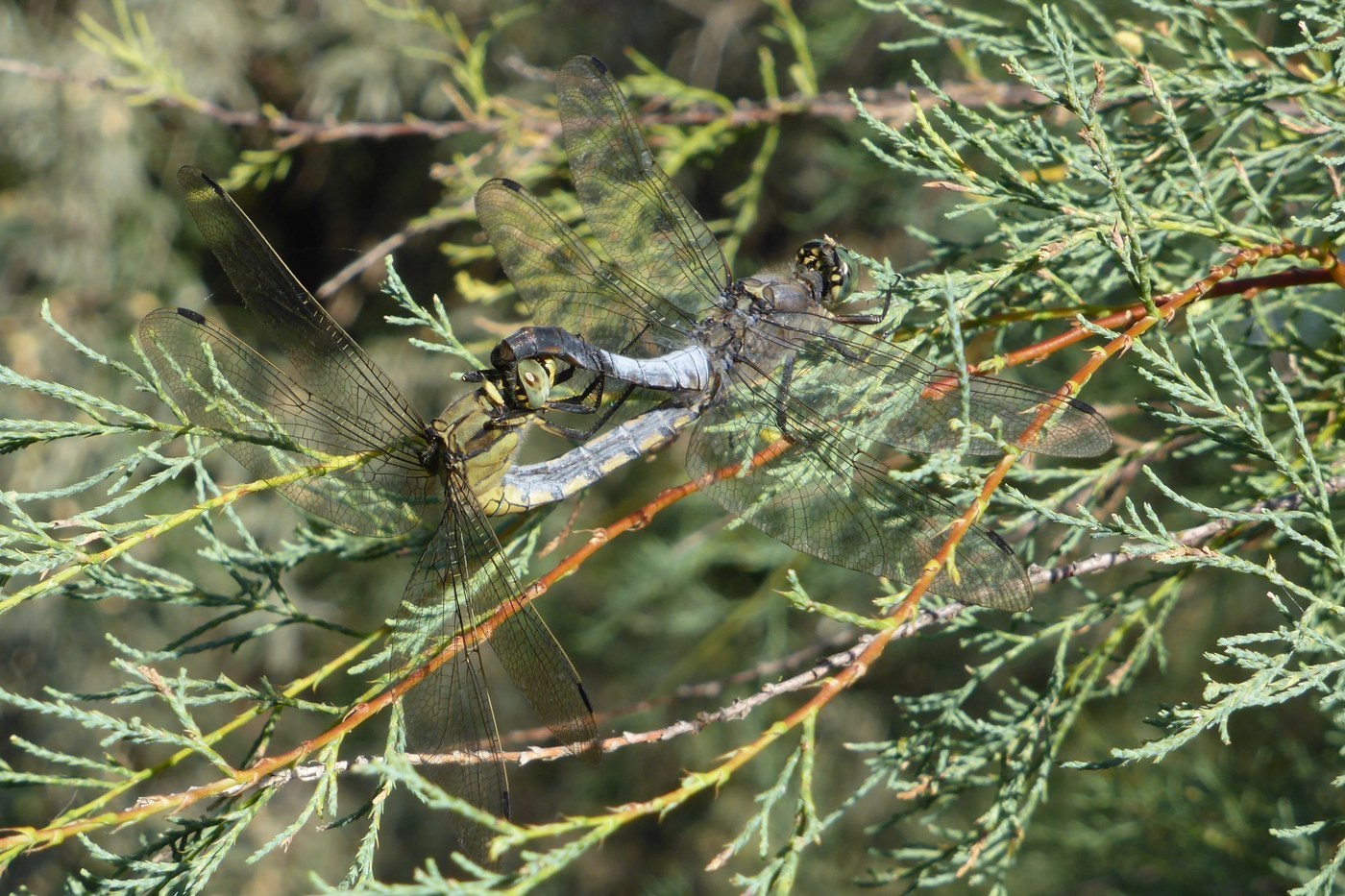
Spangled Skimmer
Ponds, lakes, and marshes with open sunny shorelines
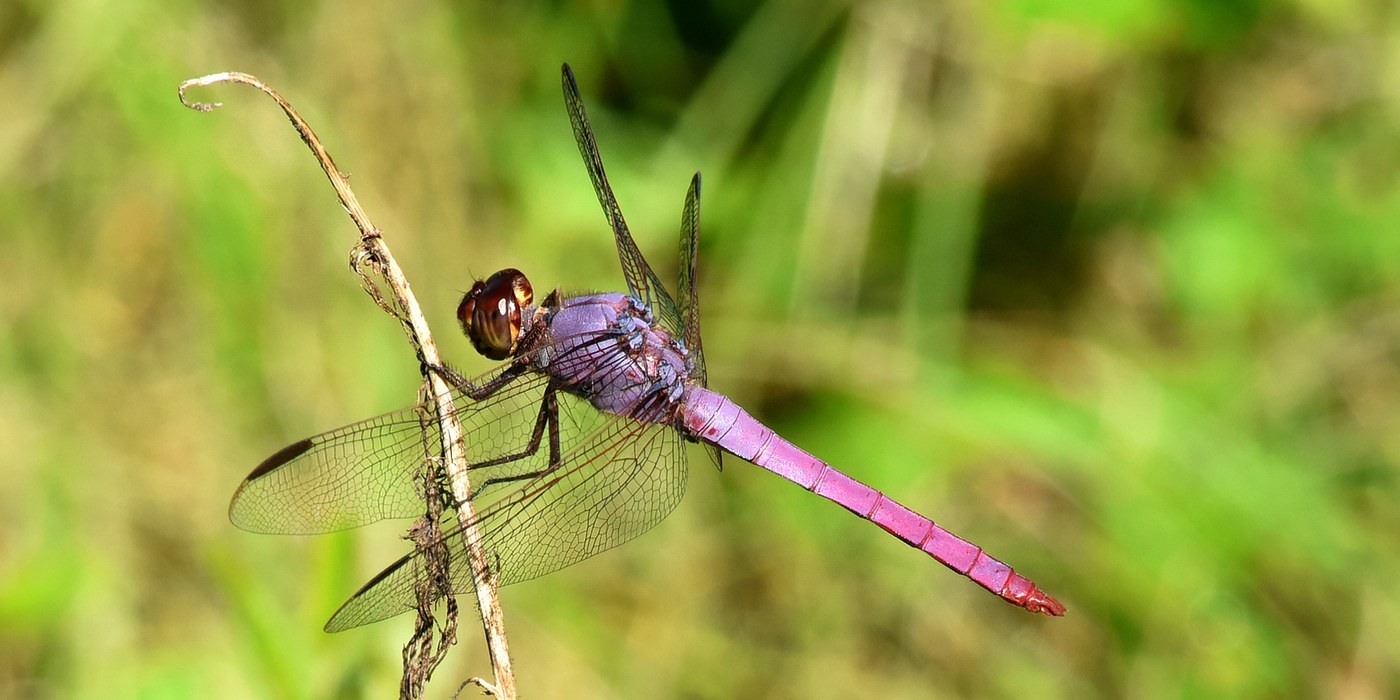
Roseate Skimmer
Ponds, ditches, and canals across the southern United States
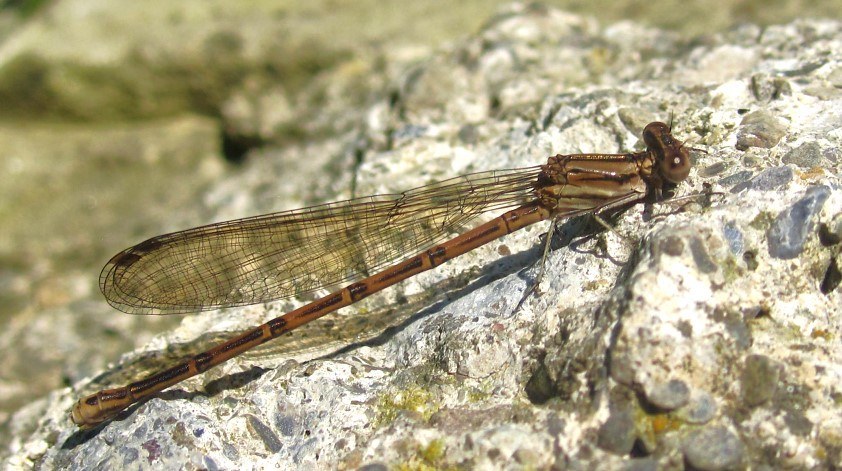
Variable Dancer
streams, rivers, and pond margins, especially in wooded or partly shaded settings
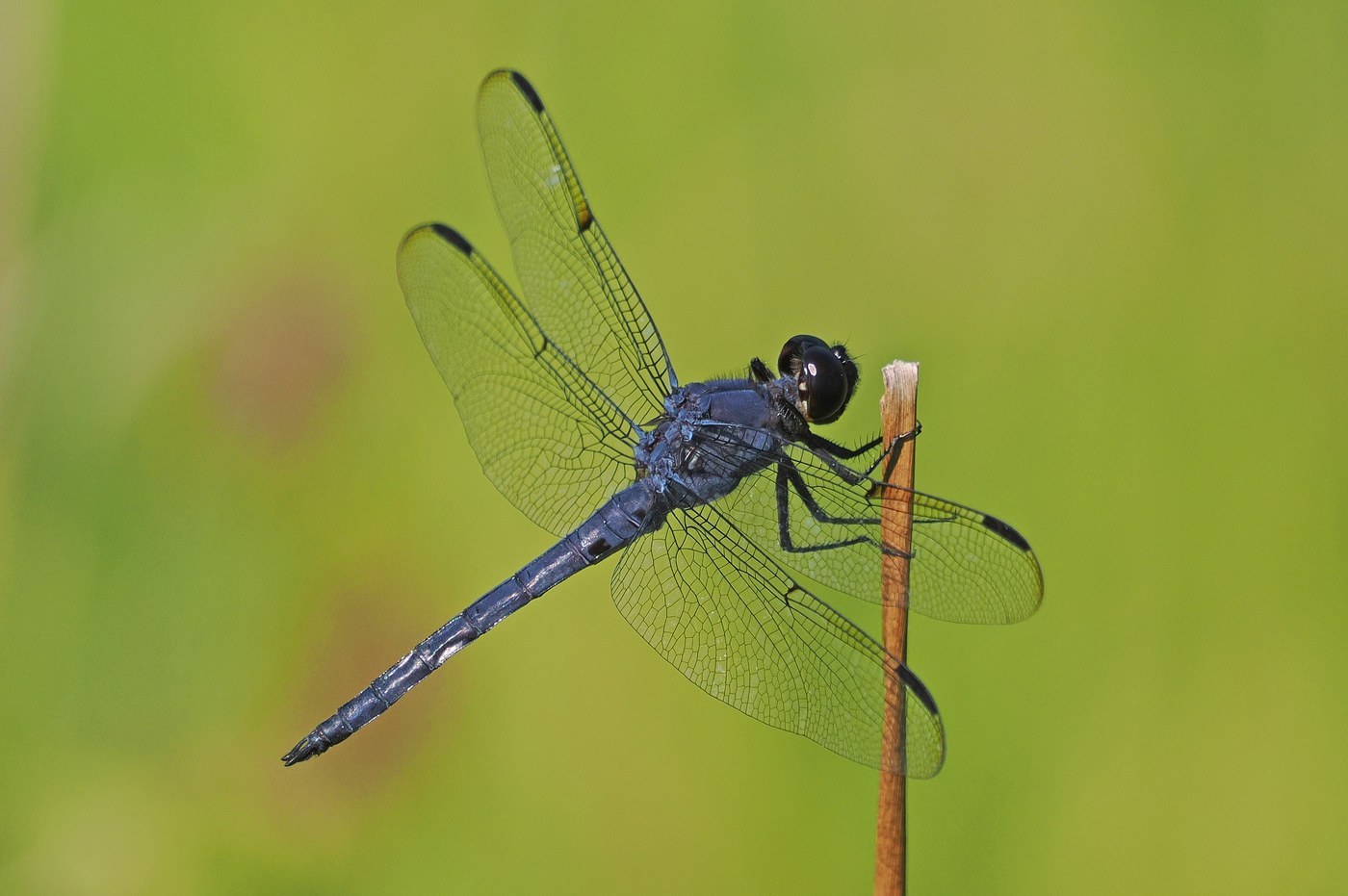
Slaty Skimmer
Still or slow-moving ponds, lakes, and marshes with open shoreline
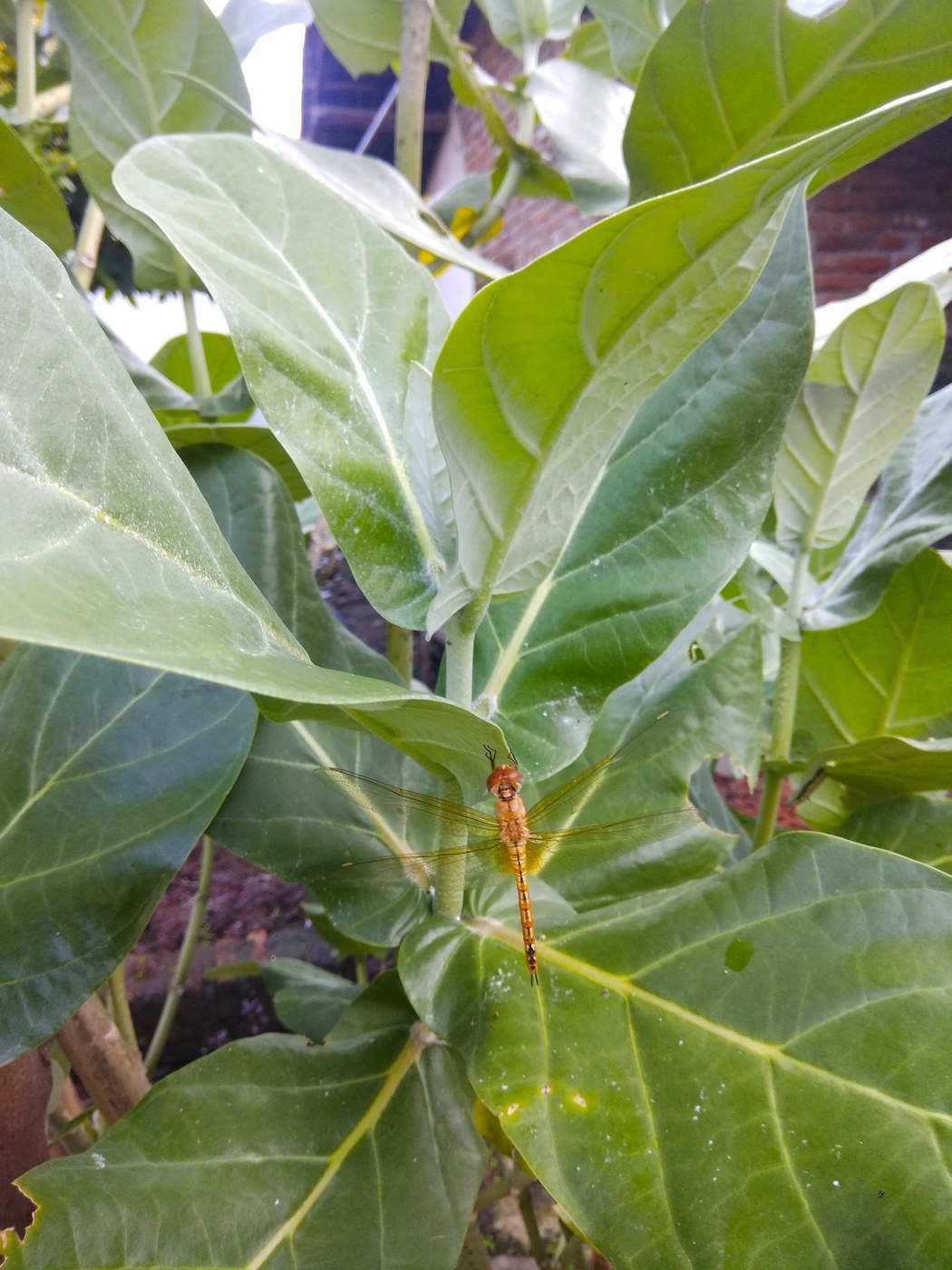
Wandering Glider
Temporary pools, open fields, and coastlines nearly worldwide
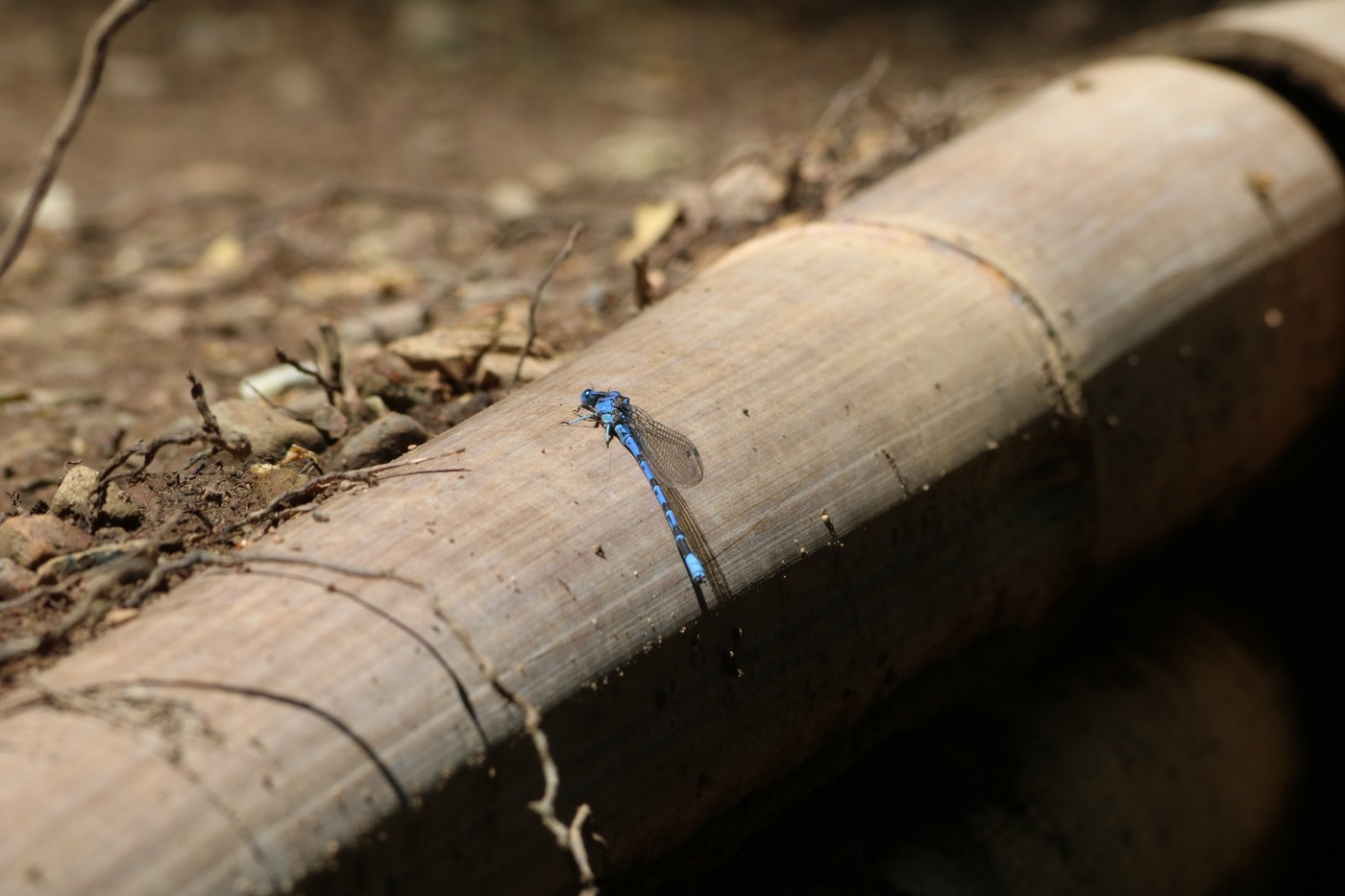
Vivid Dancer
rocky streams, seeps, and spring-fed creeks, often near thermal or warm springs
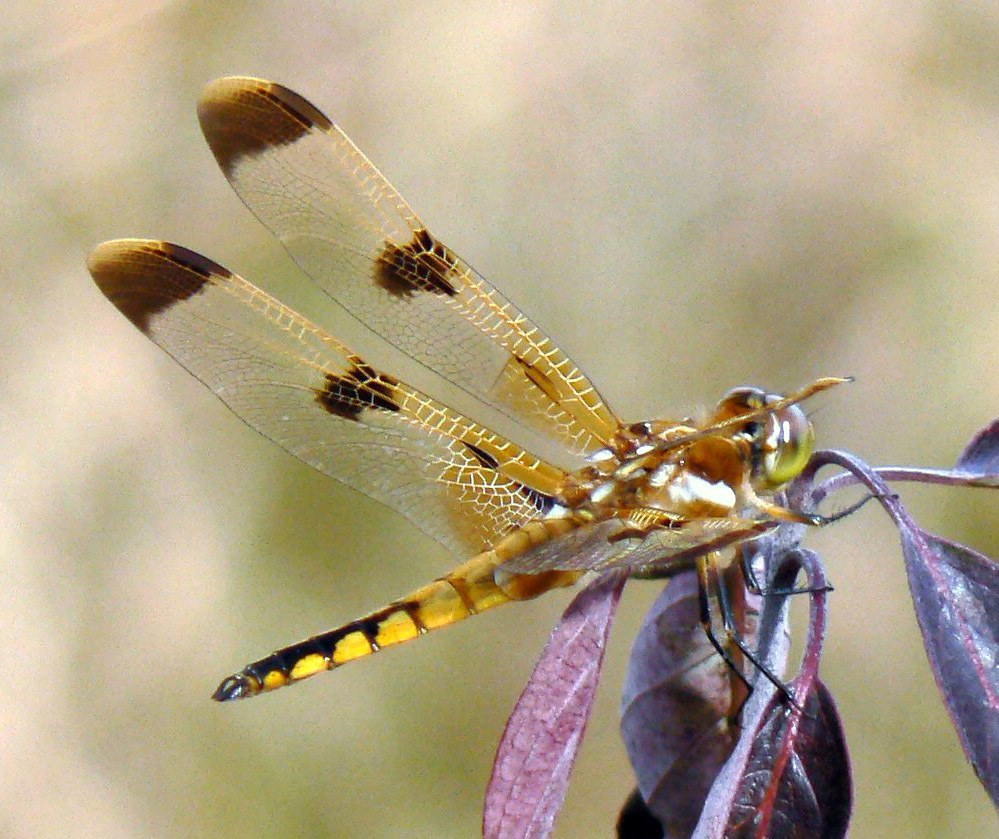
Painted Skimmer
Ponds, marshes, and slow-moving vegetated waters, including temporary pools
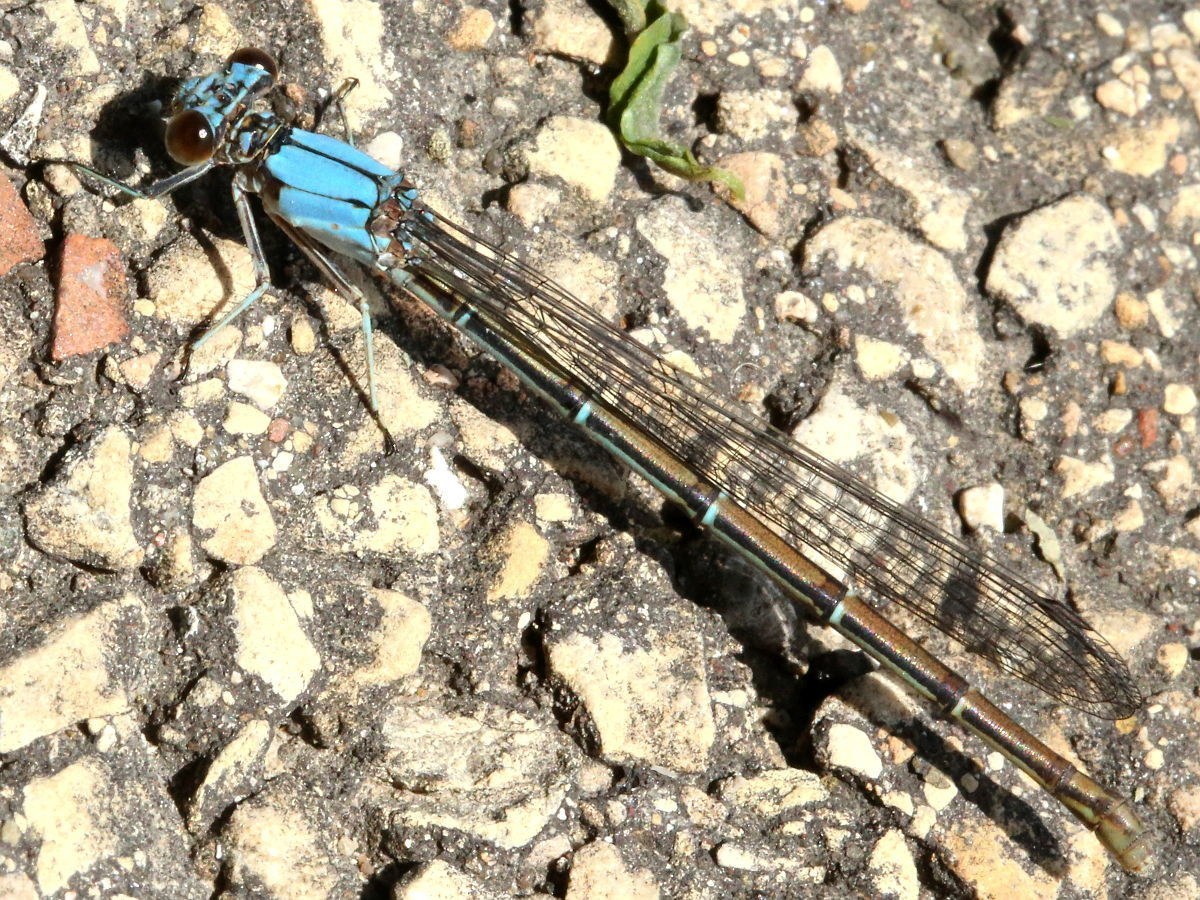
Powdered Dancer
rocky and gravelly rivers, streams, and lake shorelines