
Tube Web Spider
Segestria spp.
A sleek, cylindrical spider that lives inside a silk-lined tube and dashes out to seize insects that stumble across its radiating trip-lines.
- Size
- Body 0.4-0.8 in (10-22 mm); legs add extra length
- Habitat
- Wall crevices, bark, rockeries, and masonry
- Danger
- Bites
Spotted a bug like this?
Identify any bug or insect from a photo, free.
Overview
The tube web spider belongs to the family Segestriidae, a group of elongated, fast-moving spiders best known for the distinctive silken retreat that gives them their common name. Rather than spinning a flat, sticky orb to catch prey, a tube web spider builds a tapering silk tunnel deep in a wall crack, beneath loose bark, or under a stone, with a scatter of non-sticky trip threads radiating outward from the entrance like the spokes of a wheel.
The best-known species, Segestria florentina, is native to southern Europe but has spread through human commerce to parts of North America and elsewhere, where it often colonizes old stone or brick walls. Its cylindrical body and forward-projecting fangs give it a streamlined, almost centipede-like silhouette that sets it apart from the average web-building spider.
Because the spider spends nearly all its life hidden inside its tube, most sightings happen at night when the animal's front legs can be seen resting just inside the tunnel mouth, poised to detect vibrations transmitted along the trip lines.
How to Identify
- Elongated, parallel-sided body rather than a rounded abdomen
- Eight eyes clustered tightly together at the front of the head
- Long, forward-pointing chelicerae (fangs); in Segestria florentina these can show a metallic green or purple iridescence
- Legs held forward in pairs, useful for gripping tube walls and racing outward along trip lines
- Silk retreat is a tapering tube with loose trip threads fanning out from the entrance, distinct from a woven sheet or orb
- Lookalikes include other tube-dwelling spiders and some funnel-web weavers, but the tight eye cluster and tube-plus-radiating-threads combination are diagnostic
Habitat & Range
Tube web spiders favor vertical or sheltered surfaces with narrow crevices: old stone and brick walls, tree bark, fence posts, and rock outcrops. They are most active from late spring through autumn in temperate climates, retreating deeper into their tunnels during cold weather. The group has a wide distribution across Europe, parts of Asia, and, through accidental introduction, isolated urban populations in North America.
Behavior & Diet
These spiders are ambush predators. They remain hidden inside their silk tube with their front legs resting on the trip lines that radiate from the entrance; when a passing insect brushes one of these threads, the spider senses the vibration and darts out to grab it before retreating back into the tunnel to feed. Diet consists mainly of crawling and flying insects such as beetles, flies, and woodlice that wander near the tube entrance. In the wider ecosystem they help regulate populations of small arthropods living in and around masonry and bark crevices.
Life Cycle
Females lay eggs in a silken sac tucked inside or near the tube retreat and often guard the sac until spiderlings emerge. Young spiders disperse to find their own crevices, where each spins a miniature tube and begins hunting almost immediately, growing through a series of molts over one to two years. Adults can survive multiple seasons, sheltering in their tubes through winter in temperate regions before mating in the following warm season.
Frequently asked questions
How can I tell a tube web spider from a funnel-web weaver?
Tube web spiders build a narrow, tapering silk tunnel with a scatter of individual trip threads radiating outward, whereas funnel-web weavers spin a broad sheet that narrows into a funnel retreat.
Where do tube web spiders usually live?
They favor crevices in stone or brick walls, loose bark, and rock piles, staying hidden inside their silk tube during the day.
What do tube web spiders eat?
They ambush small crawling and flying insects that brush against the trip lines radiating from their tube entrance.
Are tube web spiders aggressive?
No, they are reclusive and stay inside their tube, only darting out briefly to grab prey and retreating quickly.
Tube Web Spider guides
In-depth guides for identifying, understanding, and living alongside Tube Web Spider.
Other bugs you may enjoy
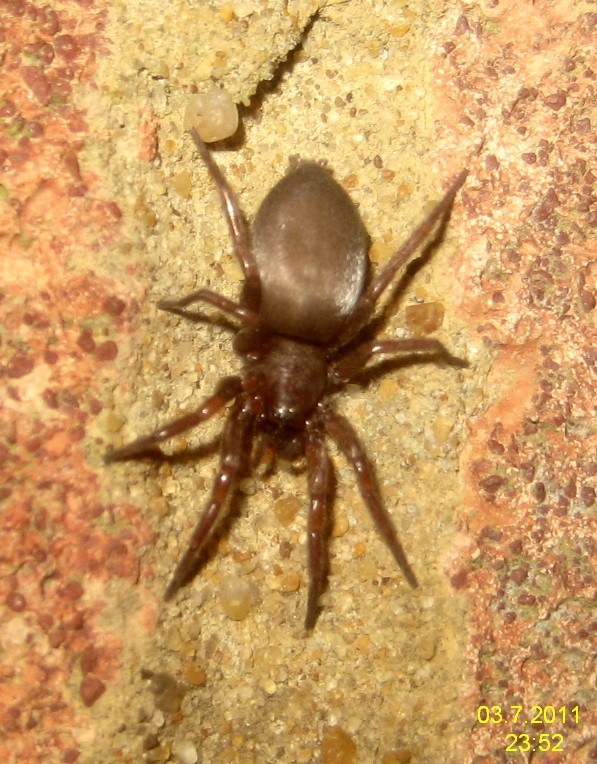
Woodlouse Spider
Damp leaf litter, under logs, stones, and mulch
Wolf Spider
Gardens, grasslands, forests, leaf litter, ground burrows
Wandering Spider
Tropical and subtropical forest floor, foliage, and banana plants
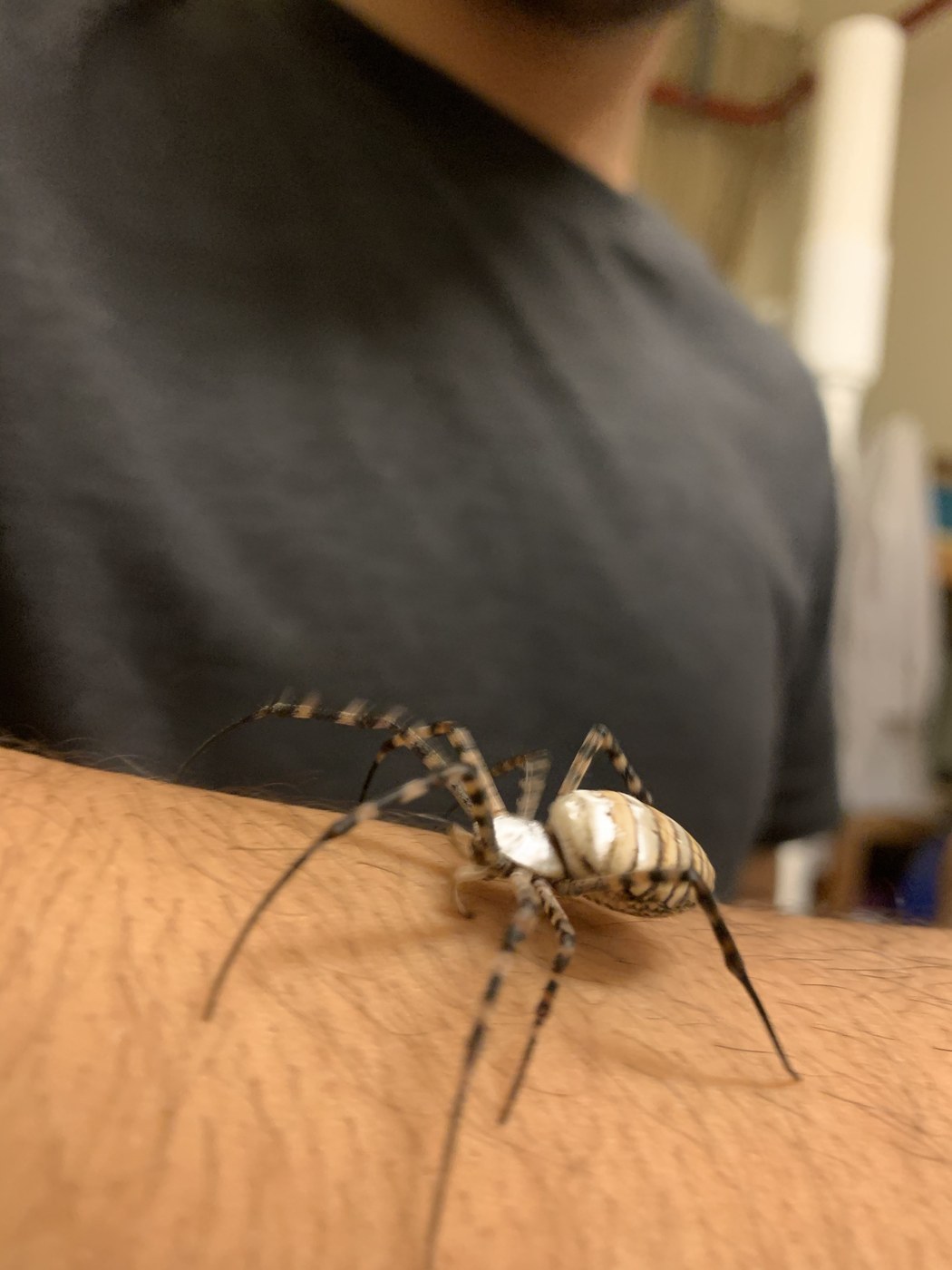
Banded Garden Spider
Tall grass, meadows, and gardens with open sunny vegetation
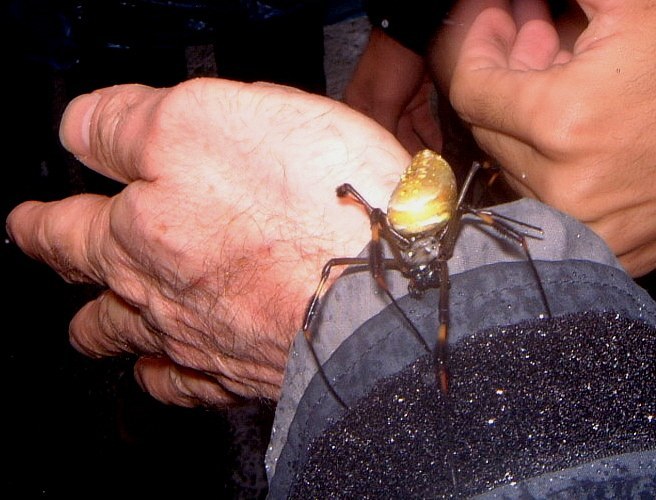
Banana Spider
Wooded trails, forest edges, and gardens across the southeastern U.S. and the American tropics
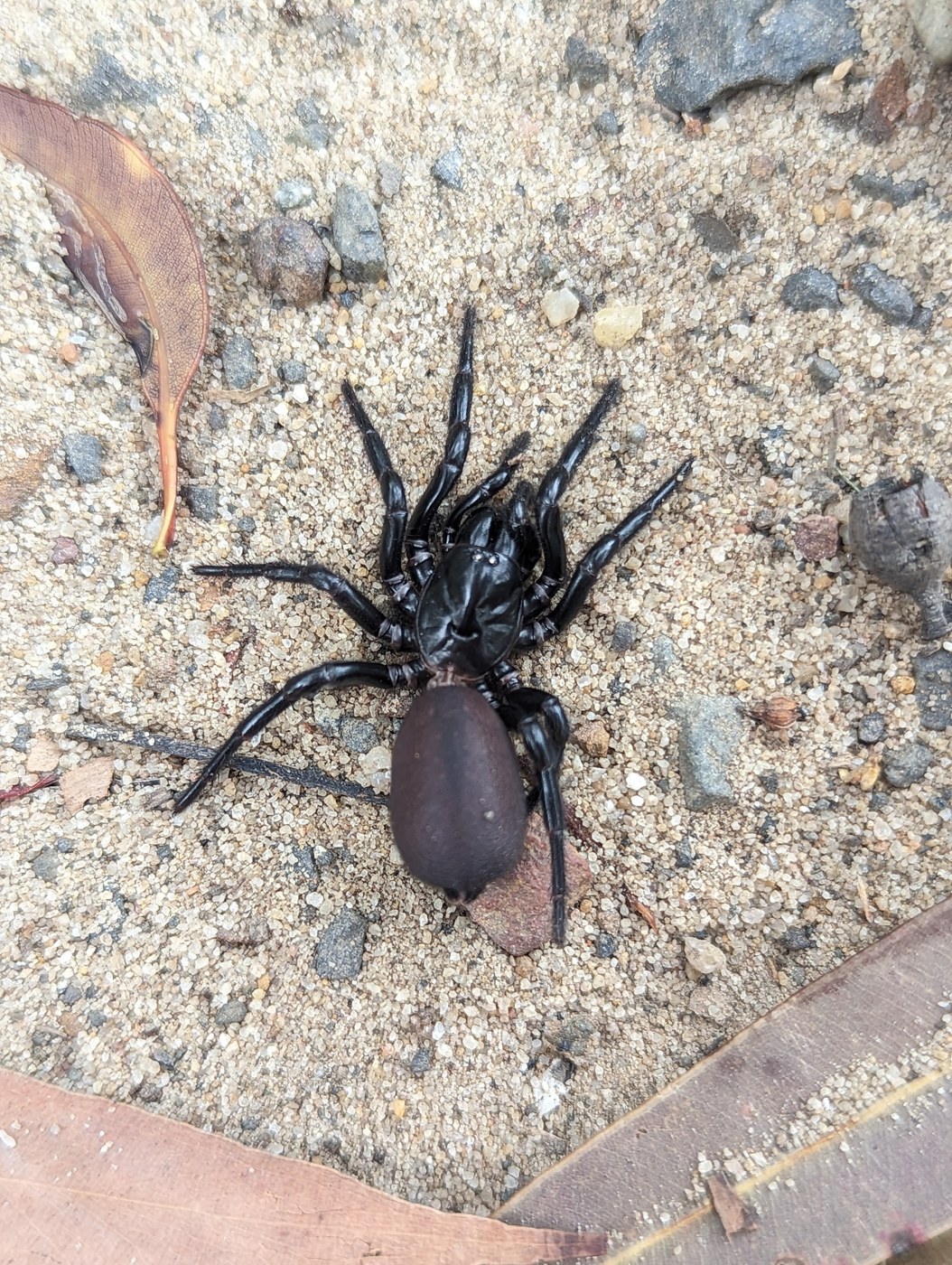
Sydney Funnel-web Spider
Burrows in moist soil, gardens, and forested gullies around the Sydney basin of eastern Australia
Trapdoor Spider
Self-dug silk-lined burrows with a camouflaged door, in dry, well-drained soil worldwide
American House Spider
Corners, basements, garages, and outbuildings worldwide
Tarantula
Burrows, rock crevices, and tree hollows in deserts, grasslands, and tropical forests worldwide
Zebra Jumping Spider
Sunny walls, fences, tree bark, and building exteriors
Wall Spider
Cracks and crevices on exterior and interior walls
Wolf Spiderling
Grasslands, gardens, leaf litter and bare ground