
Bug Encyclopedia
Search and identify bugs & insects — beetles, butterflies, moths, ants, bees, spiders and more — with size, habitat, danger, behavior, and how to tell them apart.
Fungus Gnat
A small, dark, mosquito-like fly with long legs and delicate smoky wings, often seen weakly fluttering around houseplants or crawling across damp potting soil.
flyGnat
A catch-all common name for a wide range of tiny, delicate flies, some no bigger than a grain of pepper, often seen hovering in small clouds near water, moist soil, or overripe produce.
flyPleasing Fungus Beetle
A shiny, smooth-bodied beetle marked with bold red or orange bands on a glossy black background, commonly found feeding on bracket fungi growing on dead or dying hardwood trees.
beetle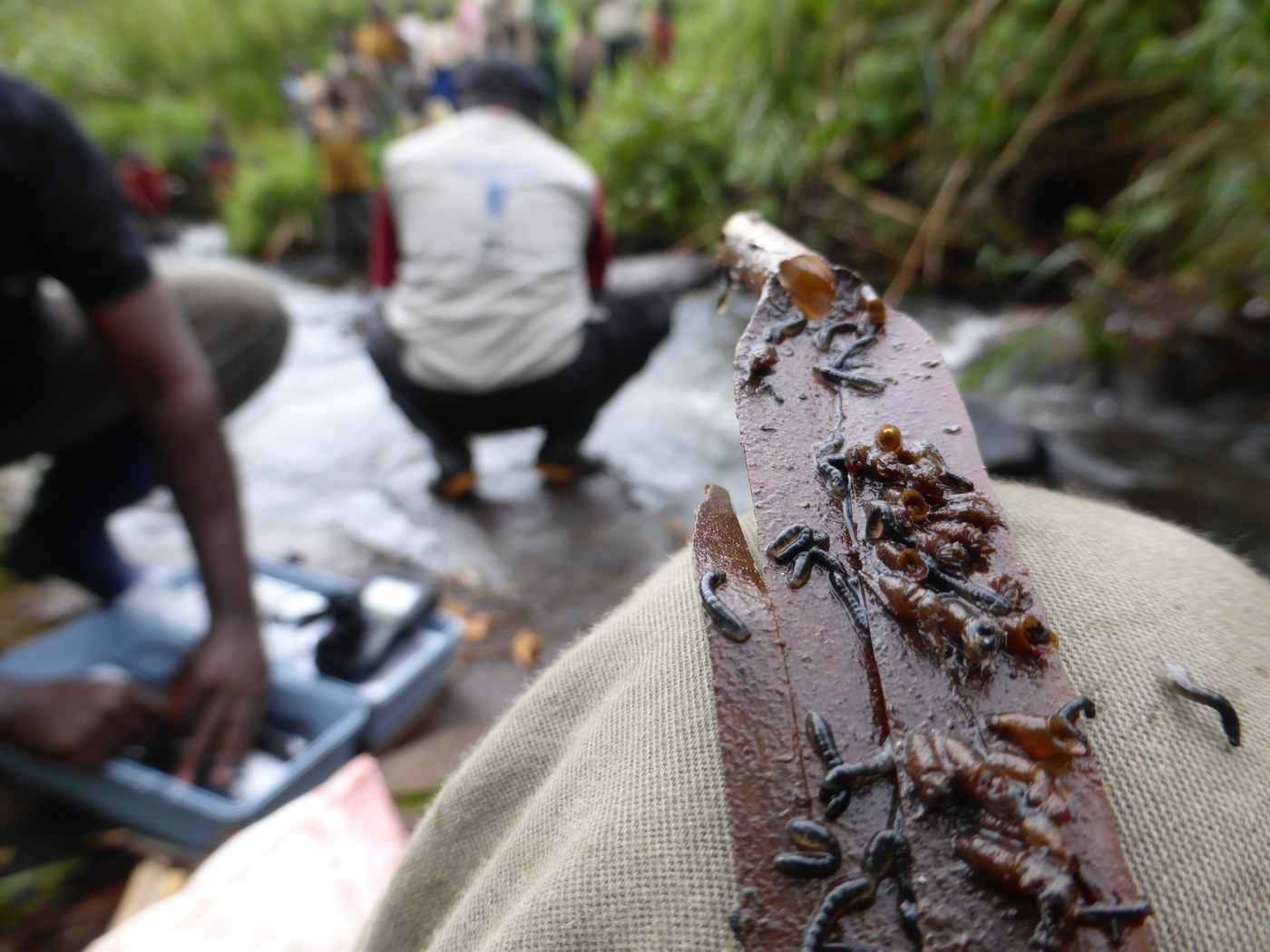
Black Fly Larva
Anchored to submerged rocks in fast-flowing streams by a silken thread, the black fly larva bends into the current and combs the water for drifting particles with a pair of delicate, fan-shaped feeding brushes.
aquatic-insectGall Midge
A delicate, mosquito-like fly whose larvae trigger plants to grow strange, often colorful swellings called galls, each species usually tied to one particular host plant.
fly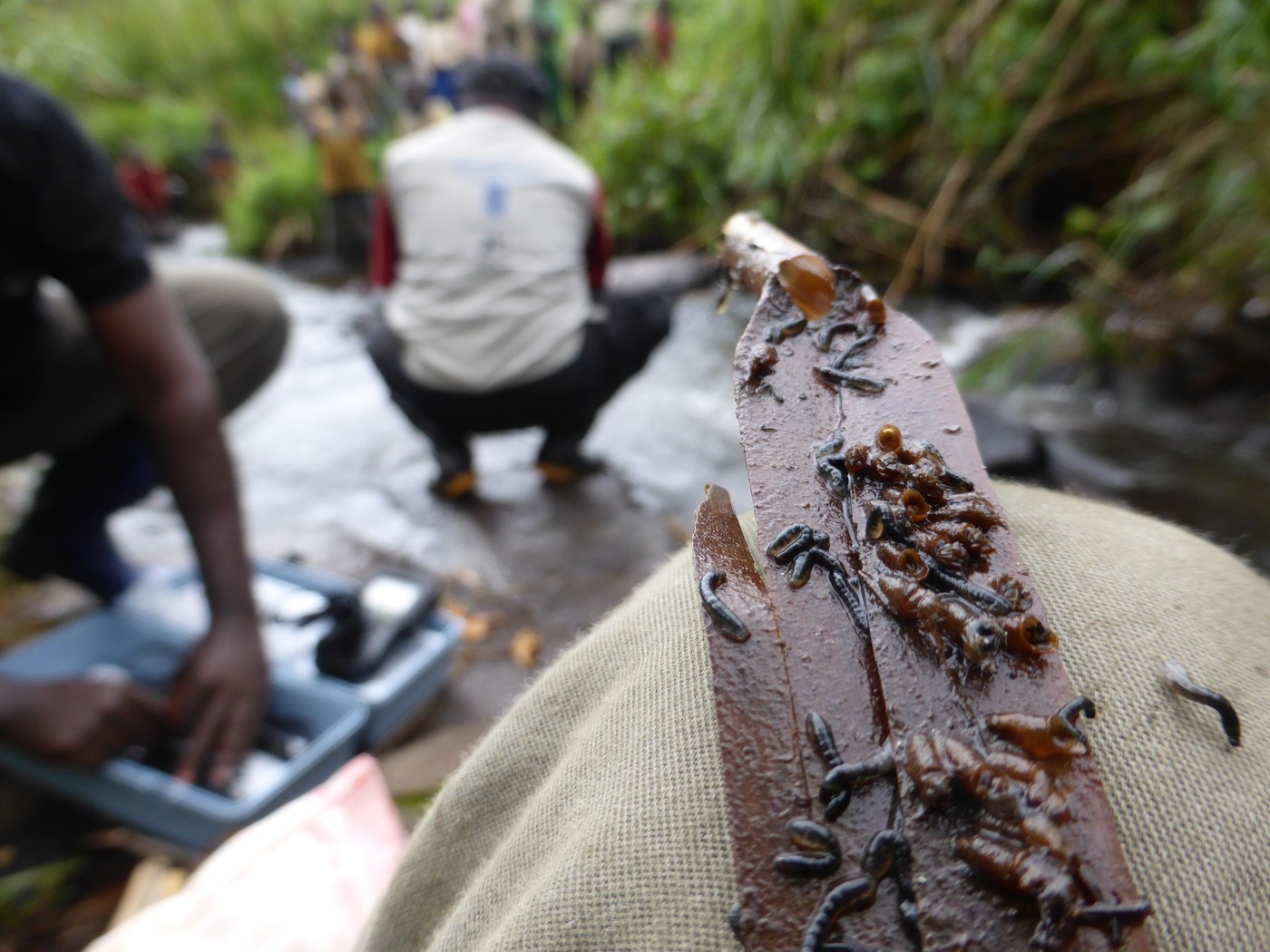
Black Fly
A small, humpbacked black fly with clear wings that gathers in persistent swarms near flowing streams, favoring exposed skin around the head.
flyNo-See-Um
A speck-sized fly so tiny it seems to vanish from sight, yet capable of swarming exposed skin near beaches and marshes at dawn and dusk.
flyBiting Midge
A minuscule, gray-winged fly that gathers in dense swarms near wetlands and can slip through window screens unnoticed.
fly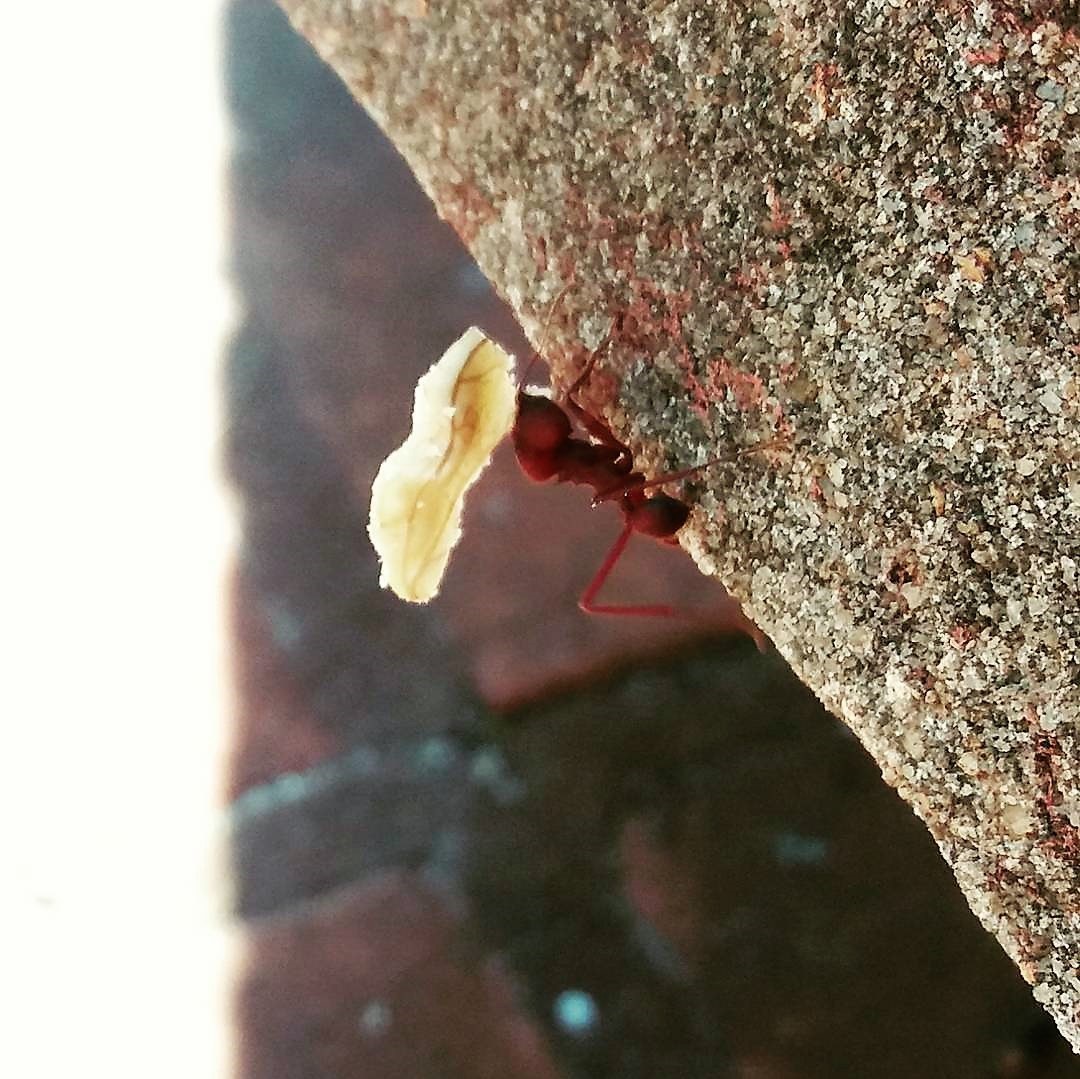
Leafcutter Ant
A highly organized ant famous for marching in long trails while carrying disc-shaped pieces of leaf many times their own size, which they use to cultivate fungus gardens deep underground.
ant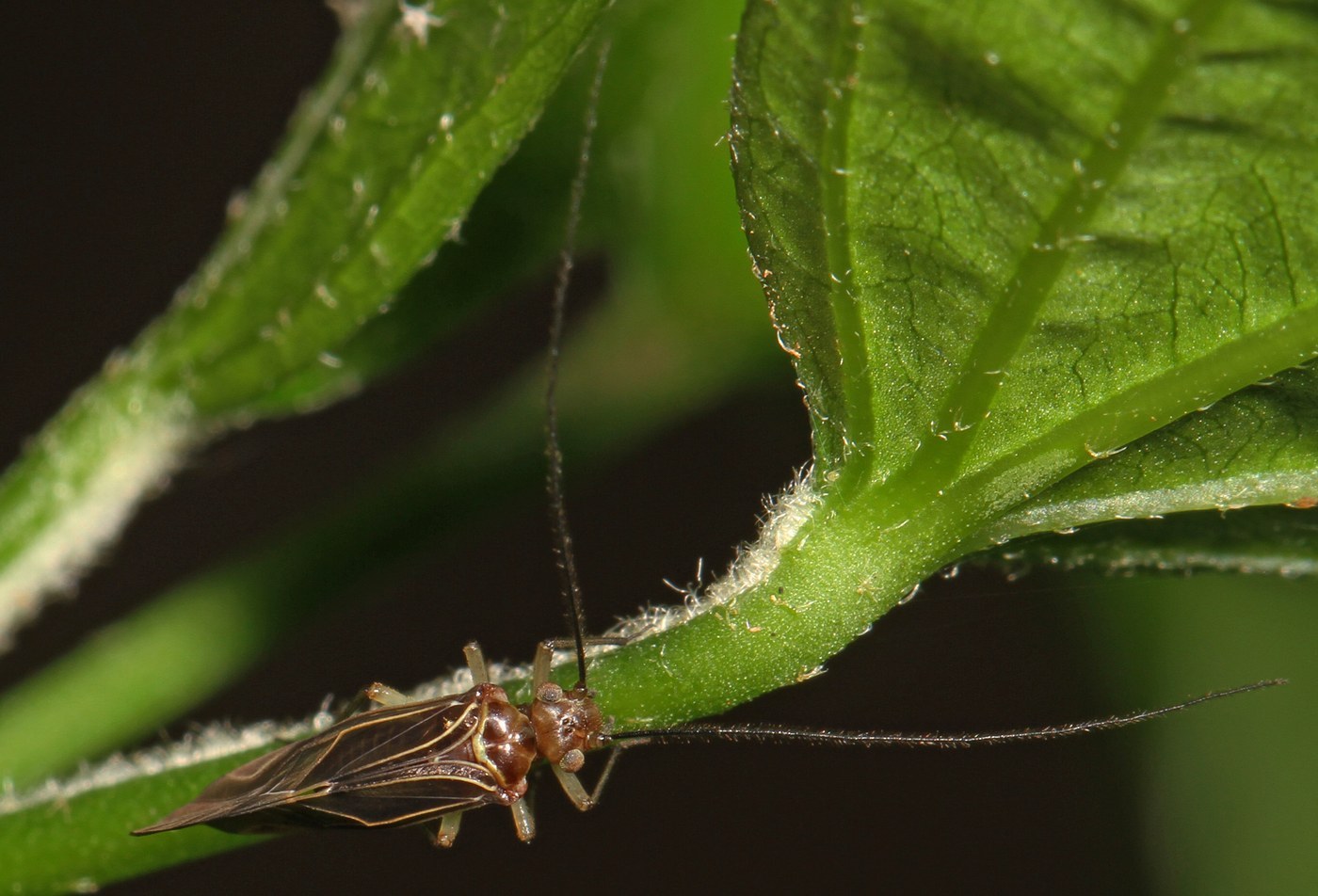
Bark Louse
A small, soft-bodied insect often seen in dense, moving herds on tree trunks, the bark louse grazes on algae, lichen, and fungal residue coating bark surfaces.
other