
Pleasing Fungus Beetle
Megalodacne spp.
A shiny, smooth-bodied beetle marked with bold red or orange bands on a glossy black background, commonly found feeding on bracket fungi growing on dead or dying hardwood trees.
- Size
- 12–18 mm
- Habitat
- Deciduous forests, dead logs and stumps with bracket fungi
- Danger
- Harmless
Spotted a bug like this?
Identify any bug or insect from a photo, free.
Overview
Pleasing fungus beetles belong to the family Erotylidae, a group named for their diet of fungal material and, in many species, their visually striking, attractively patterned bodies. Species in the genus Megalodacne are among the largest and most commonly encountered members of this family in North American woodlands.
These beetles play a specialized ecological role as fungivores, feeding almost exclusively on the fruiting bodies of bracket and shelf fungi that grow on dead or dying hardwood trees. This close dietary relationship with wood-decay fungi links pleasing fungus beetles to the broader decomposition process occurring in forest ecosystems, where fungi break down dead wood and beetles like these consume the fungal tissue itself.
Their bold coloring and smooth, glossy exoskeleton make them a frequently photographed and easily appreciated beetle among naturalists exploring forested areas with abundant dead wood.
How to Identify
- Elongated oval body 12–18 mm long, with a smooth, glossy, and somewhat flattened profile.
- Coloring is typically glossy black with broad bands or patches of red or orange across the elytra, creating a bold, contrasting pattern.
- Antennae are relatively short and end in a distinct club shape, useful for close identification.
- Legs are short and the body overall has a hard, polished appearance.
- Lookalikes include certain lady beetles and other brightly patterned beetles, but the pleasing fungus beetle's larger, more elongated shape and clubbed antennae distinguish it, along with its close association with bracket fungi.
Habitat & Range
Pleasing fungus beetles are found throughout much of eastern and central North America, in deciduous and mixed forests wherever dead logs, stumps, and standing dead trees support bracket or shelf fungi. They are most often found directly on or near fungal fruiting bodies growing on decaying hardwood.
Adults are active from spring through fall in most of their range, with peak sightings often coinciding with the growth period of the bracket fungi they depend on.
Behavior & Diet
Both adults and larvae feed on the fruiting bodies and associated tissue of bracket and shelf fungi, making this species a specialized fungivore within its forest habitat. Adults are often found clustered on a single fungal growth, sometimes in groups of several individuals feeding together.
By consuming fungal tissue, pleasing fungus beetles participate in the broader nutrient cycling process of forest decomposition, indirectly linked to the breakdown of dead wood performed by the fungi they feed on. When disturbed, adults may drop from the fungus or feign stillness rather than fleeing quickly.
Life Cycle
Development is by complete metamorphosis: egg, larva, pupa, and adult. Eggs are laid on or near suitable bracket fungi, providing an immediate food source for the larvae upon hatching.
Larvae feed within or on the fungal tissue, developing over several weeks to a few months depending on temperature and fungal availability, before pupating nearby, often within the fungus itself or in adjacent bark crevices. Adults emerge to feed and mate, with the species typically completing one or more generations per year in warmer climates, and adults or late-stage larvae overwintering in protected locations such as under bark or within decaying wood.
Frequently asked questions
What do pleasing fungus beetles eat?
They feed on the fruiting bodies of bracket and shelf fungi growing on dead or dying hardwood trees.
Why are they called 'pleasing'?
The name refers to their attractive, boldly patterned appearance, typically glossy black with red or orange bands.
Where would I find one?
On or near bracket fungi growing on dead logs, stumps, or standing dead hardwood trees in deciduous forests.
Are they related to ladybugs?
No, despite some superficial color similarity, pleasing fungus beetles belong to a different family, Erotylidae, and have a more elongated body shape and clubbed antennae.
Pleasing Fungus Beetle guides
In-depth guides for identifying, understanding, and living alongside Pleasing Fungus Beetle.
Other bugs you may enjoy
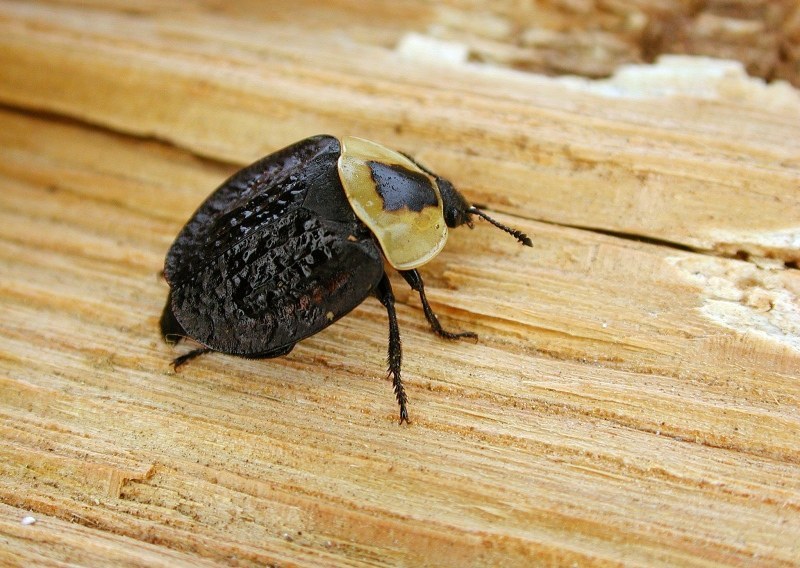
American Carrion Beetle
Forests, fields, and roadsides across North America, near decaying animal carcasses
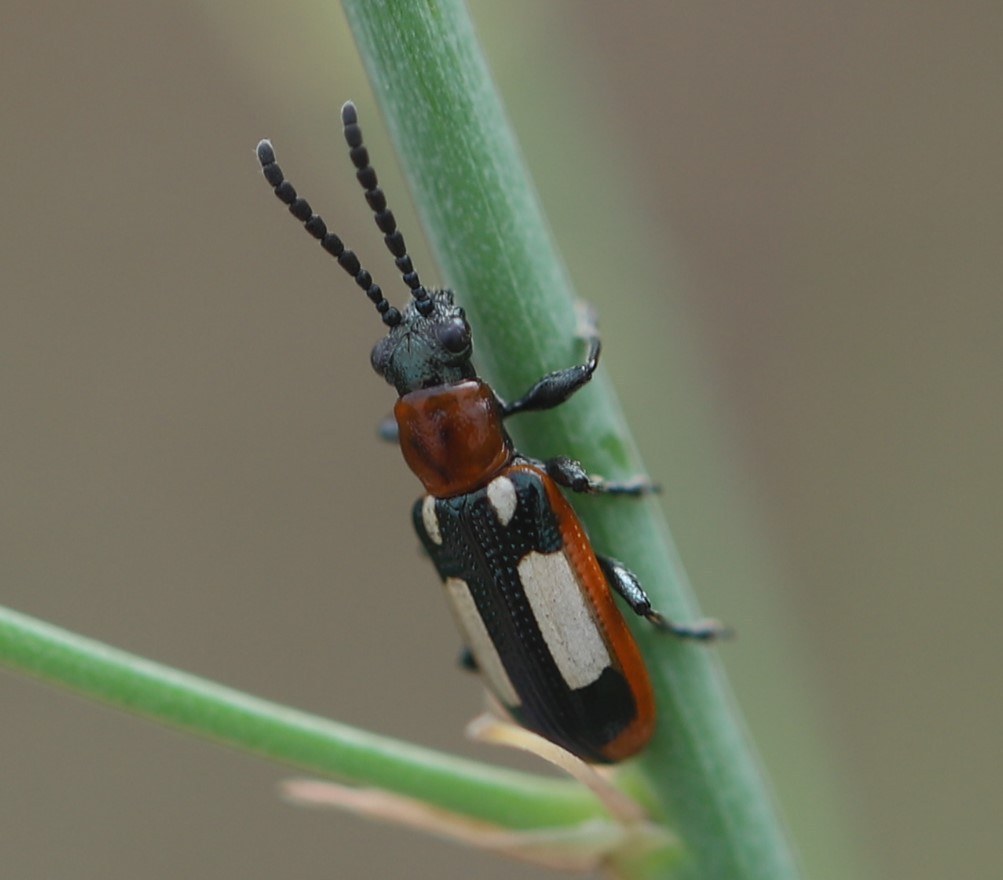
Asparagus Beetle
Asparagus patches, gardens, and farm fields
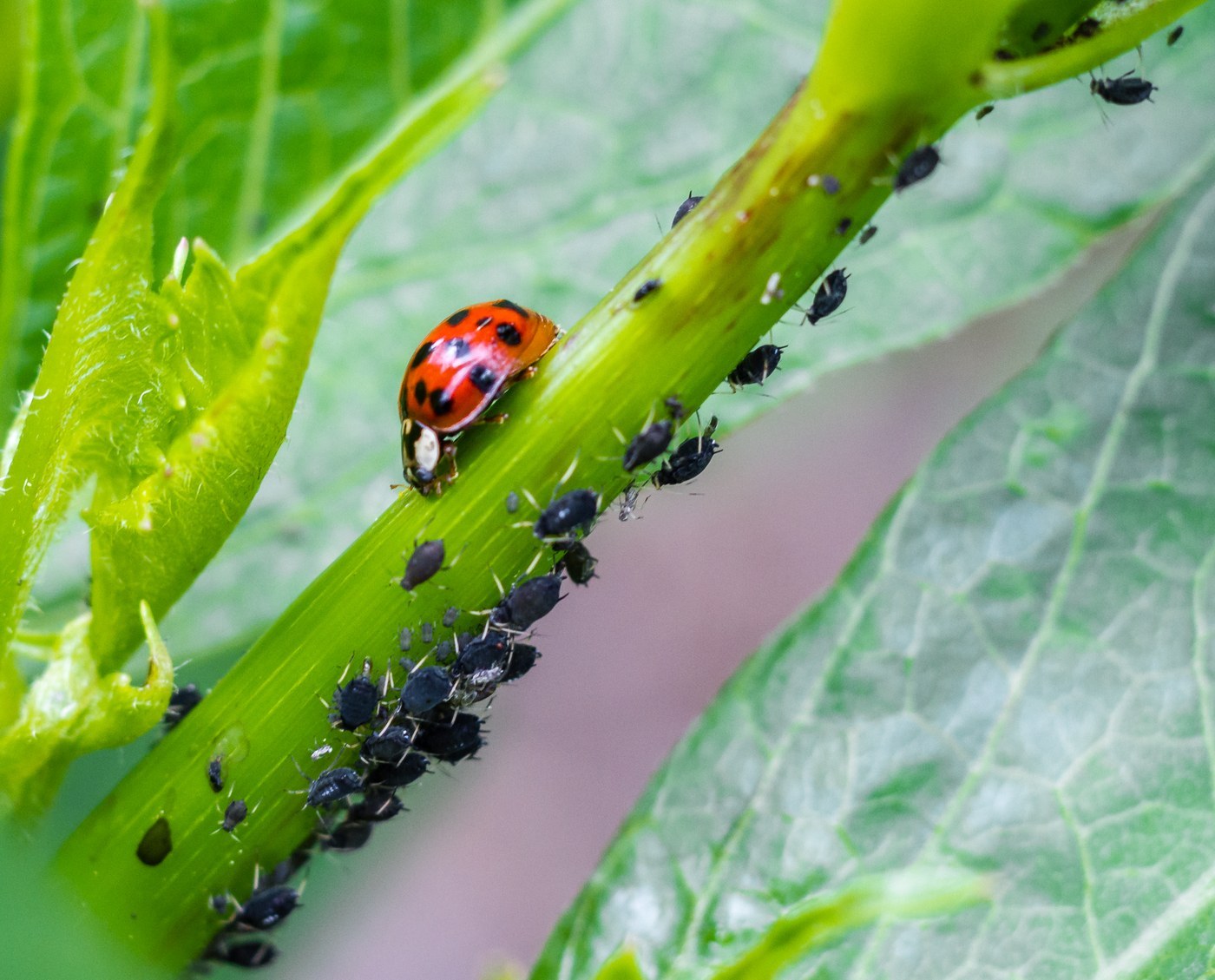
Asian Lady Beetle
Gardens, crop fields, woodlands, buildings
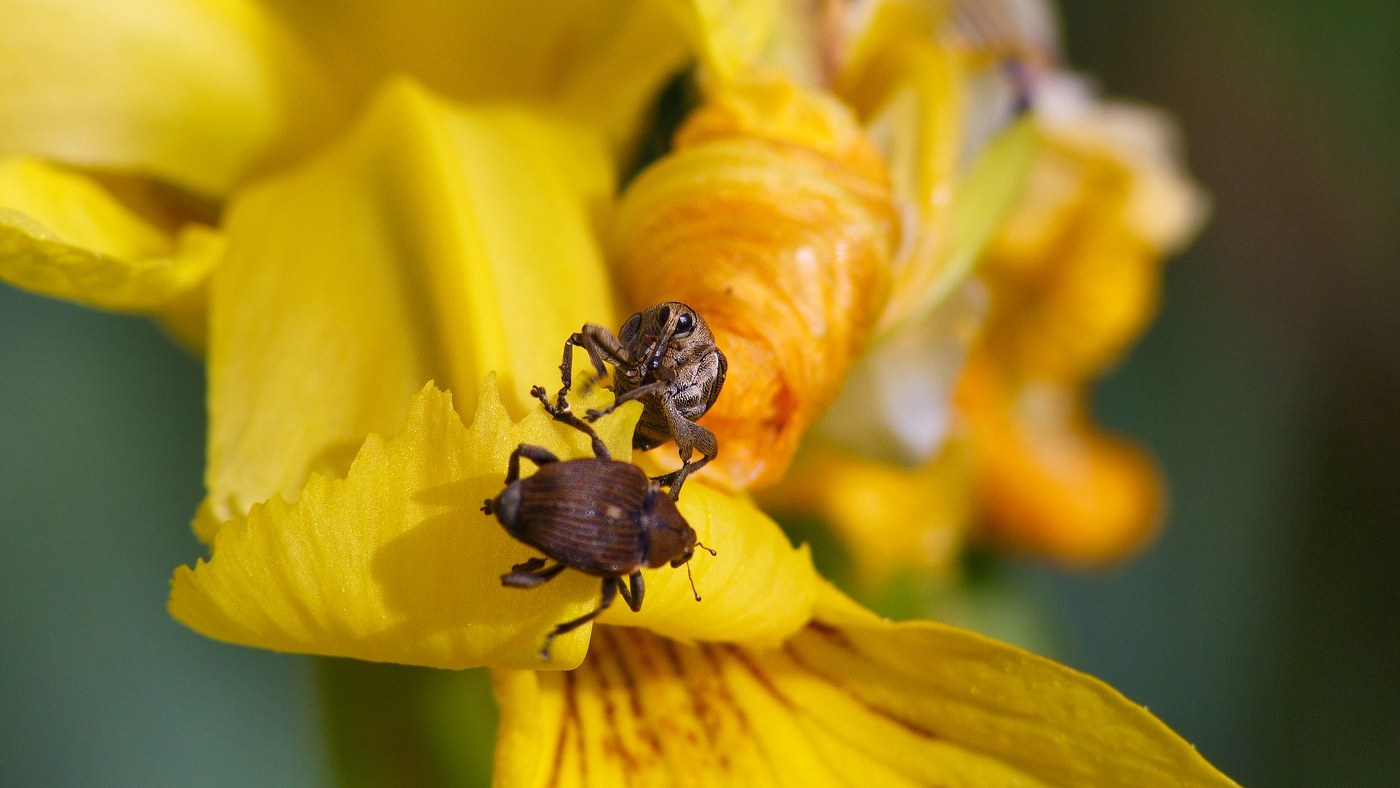
Acorn Weevil
Oak woodlands and forests, on and beneath oak trees
Wireworm
Soil of grasslands, gardens, and cultivated fields worldwide
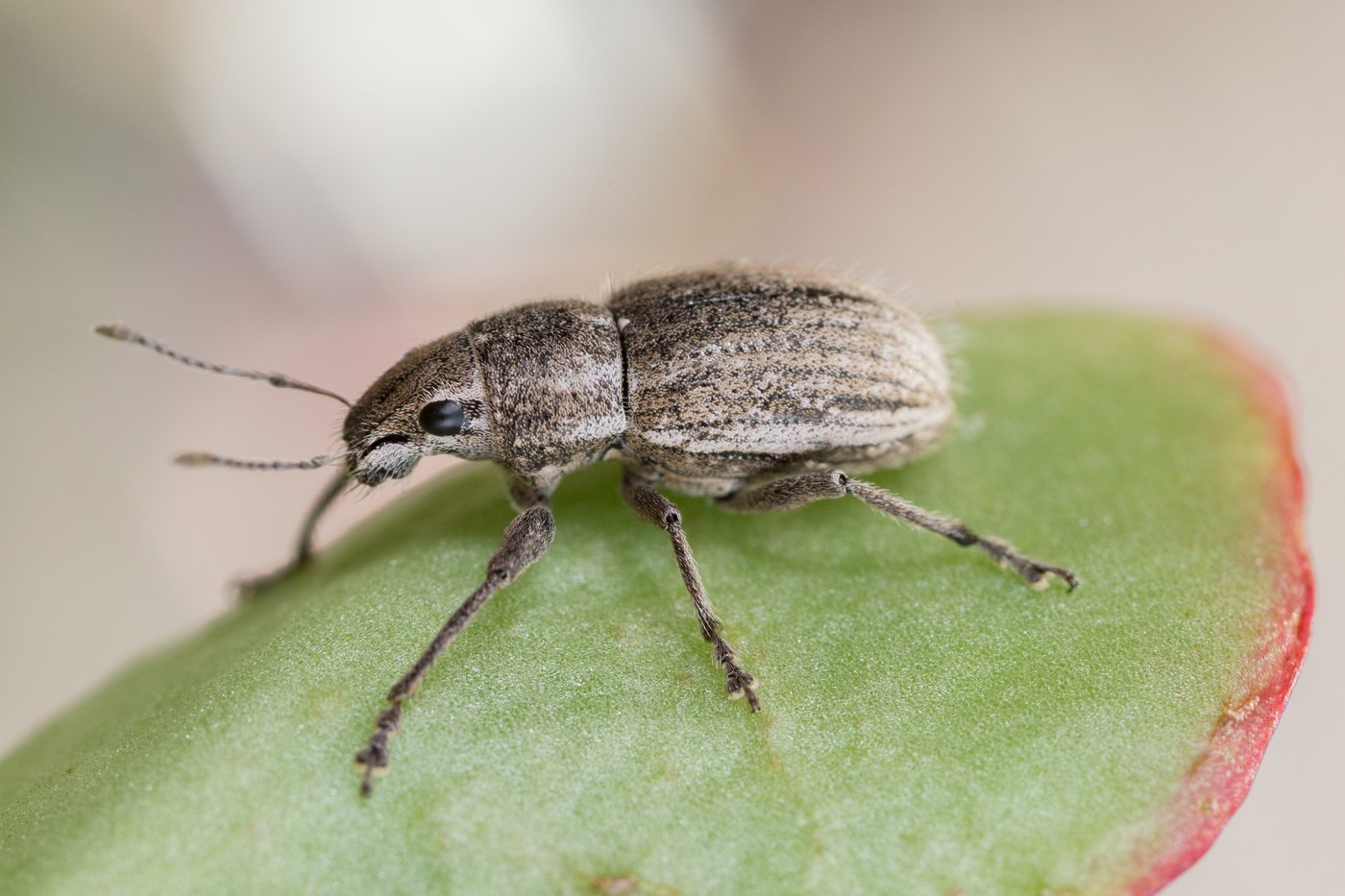
Whitefringed Beetle
Pastures, row crops, lawns, disturbed soils
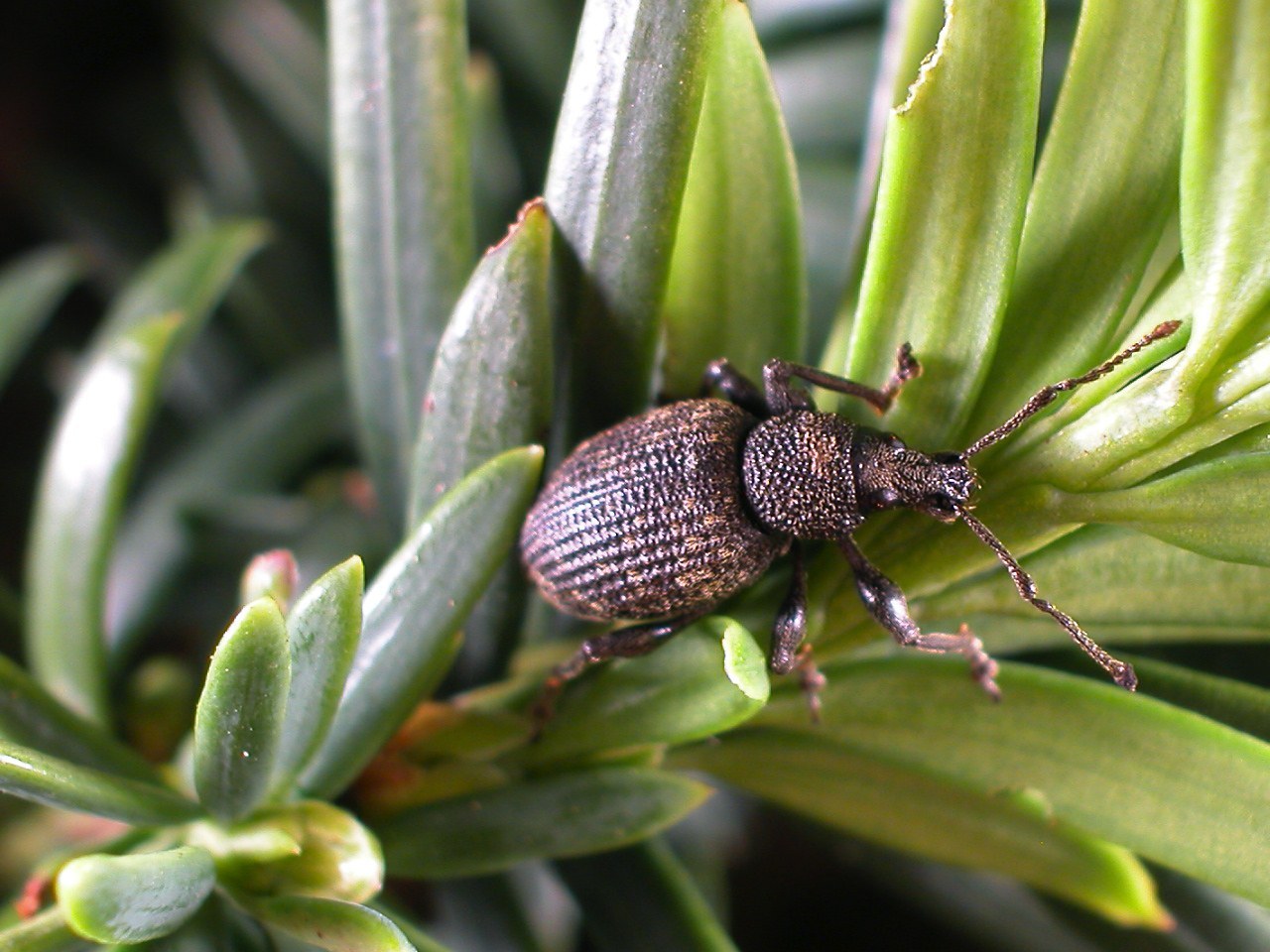
Vine Weevil
Gardens, nurseries, greenhouses, and container plantings
Varied Carpet Beetle
Homes, nests of birds and mammals, and flowers outdoors
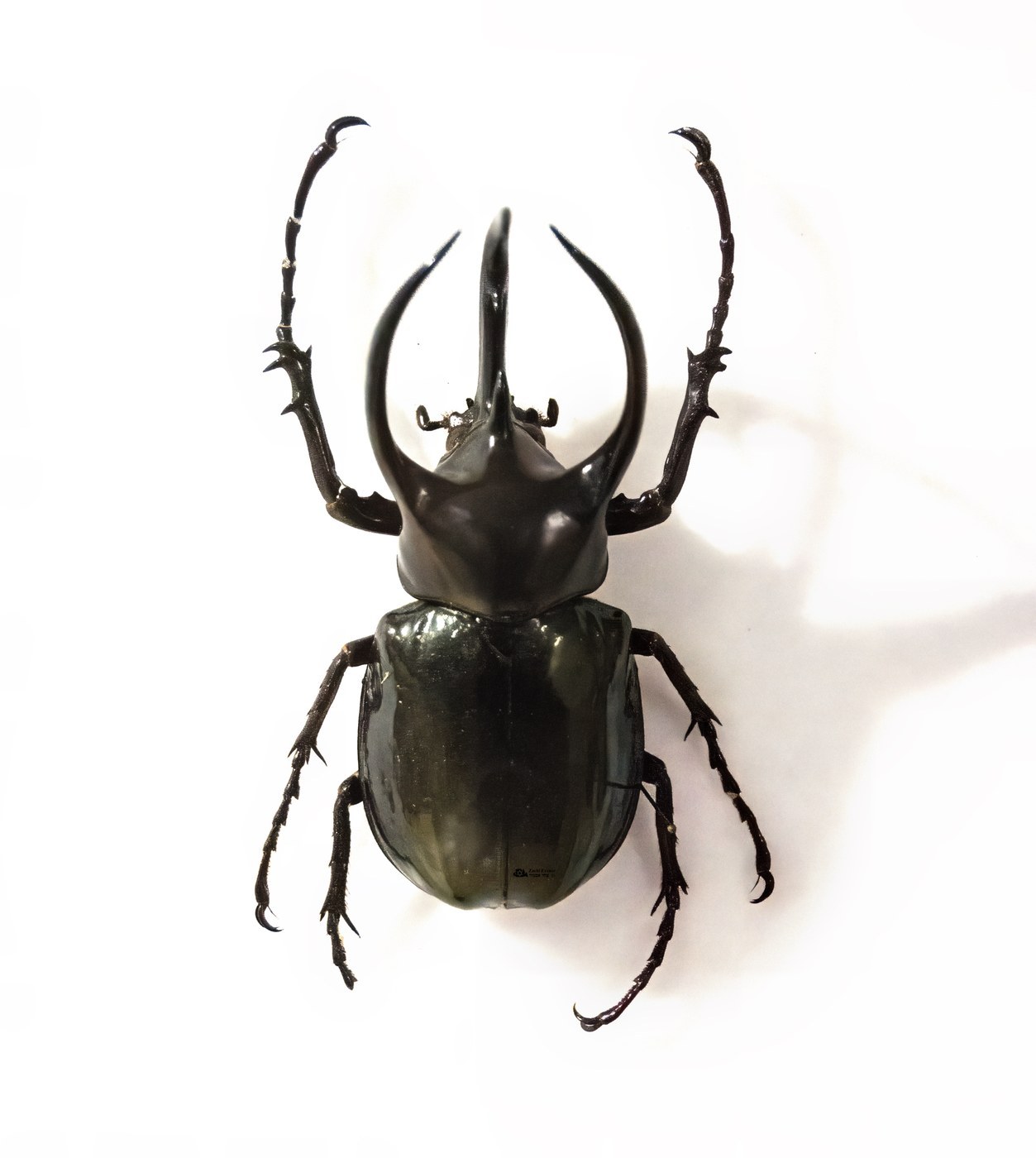
Atlas Beetle
Tropical forests of Southeast Asia
Titan Beetle
Amazon rainforest of South America
Ten-lined June Beetle
Sandy soils, pine forests, and orchards of western North America
Squash Beetle
Vegetable gardens and fields growing squash, pumpkin, and other cucurbits