
Fungus Gnat
Bradysia spp.
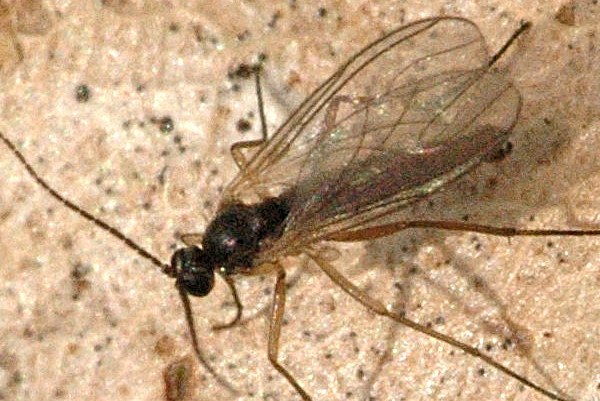
A small, dark, mosquito-like fly with long legs and delicate smoky wings, often seen weakly fluttering around houseplants or crawling across damp potting soil.
- Size
- 2–4 mm
- Habitat
- Houseplant soil, greenhouses, damp organic matter, potting mix
- Danger
- Nuisance pest
Spotted a bug like this?
Identify any bug or insect from a photo, free.
Overview
Fungus gnats are small flies belonging primarily to the family Sciaridae within the order Diptera, closely associated with damp, organically rich soil where their larvae develop. Adults have a slender, dark body and long legs that give them a superficial resemblance to tiny mosquitoes, though they lack the piercing mouthparts mosquitoes use to feed on blood.
The larvae are the more ecologically active stage, living in the top layers of moist soil or potting mix, where they feed primarily on fungi, algae, and decaying organic matter, and occasionally on fine plant root hairs. This diet of fungal material and decomposing debris is the source of the group's common name.
Fungus gnats are found worldwide and are especially familiar to indoor gardeners, as their larvae thrive in the consistently moist, organically rich potting soil common to houseplants and greenhouse operations.
How to Identify
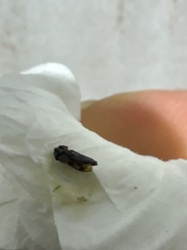
- Small, slender, dark gray to black body with a mosquito-like silhouette, though noticeably smaller and more delicate.
- Long, thin legs and long, thread-like antennae that are often as long as the head and thorax combined.
- A single pair of clear to smoky-gray wings held over the body at rest, with a simple, sparse pattern of veins.
- Weak, hovering flight, often seen crawling across soil surfaces or resting on nearby leaves rather than flying strongly.
- Lookalikes include mosquitoes, which are larger with a long piercing proboscis, and fruit flies, which have a rounder body and are drawn to ripe or fermenting produce rather than soil.
Habitat & Range
Fungus gnats are found worldwide, wherever consistently moist, organically rich soil is available, including forest floors, greenhouses, and, very commonly, indoor houseplant containers. They are present year-round indoors in climate-controlled settings, since damp potting mix offers stable conditions regardless of outdoor season, while outdoor populations are most active in mild, humid weather.
Behavior & Diet
Adult fungus gnats are weak fliers, often seen hovering briefly near soil or crawling across leaves and windowsills rather than flying with purpose, and they feed very little as adults, if at all. Larvae are the primary feeding stage, living just below the soil surface and consuming fungi, algae, and decaying organic matter, with some incidental feeding on fine root hairs in very moist conditions. In their natural woodland and garden settings, fungus gnat larvae contribute to the breakdown of organic material in soil, while indoors their close association with houseplant potting mix makes them a familiar and commonly recognized nuisance around indoor plants.
Life Cycle
Females lay small clusters of eggs directly into moist, organically rich soil, and the larvae that hatch are translucent to whitish with a distinct dark head capsule, living within the top layer of soil as they feed on fungi and decaying matter. Larvae undergo complete metamorphosis, molting through several instars before forming a pupa within the soil, from which the winged adult later emerges. The full life cycle from egg to adult can be completed in as little as three to four weeks under warm, consistently moist conditions, allowing several overlapping generations to occur in a single potted plant across a year.
Frequently asked questions
Are fungus gnats the same as fruit flies?
No. Fungus gnats have a slender, mosquito-like body and are associated with damp soil, while fruit flies have a rounder body and are typically drawn to ripe or fermenting fruit.
Do fungus gnats bite?
No, adult fungus gnats lack piercing mouthparts and do not feed on blood, unlike mosquitoes, which they superficially resemble.
What do fungus gnat larvae eat?
They feed mainly on fungi, algae, and decaying organic matter within the top layer of moist soil, with occasional feeding on fine root hairs.
Why do fungus gnats show up around houseplants?
Consistently moist, organically rich potting soil provides an ideal breeding environment for their soil-dwelling larvae year-round indoors.
Fungus Gnat guides
In-depth guides for identifying, understanding, and living alongside Fungus Gnat.
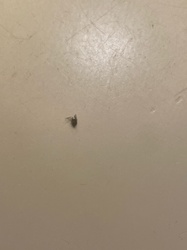
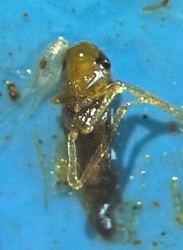
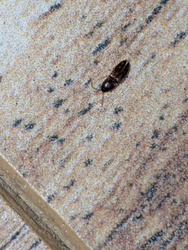
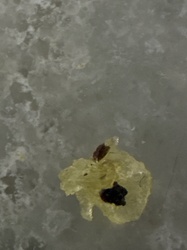
Fungus Gnat identified by the community
Real finds identified with Bug Identifier.
Other bugs you may enjoy
Aphid Midge
Gardens, greenhouses, and crops with aphids
Yellow Fever Mosquito
Urban and peri-urban areas near small artificial water containers in tropical and subtropical regions worldwide
Root Maggot
Garden and field soil around the roots of cole crops and other vegetables
Anopheles Mosquito
Clean, still or slow-moving freshwater habitats such as marshes, ponds, and rice paddies
Tachinid Fly
Gardens, meadows, and woodlands wherever host caterpillars and other insects occur
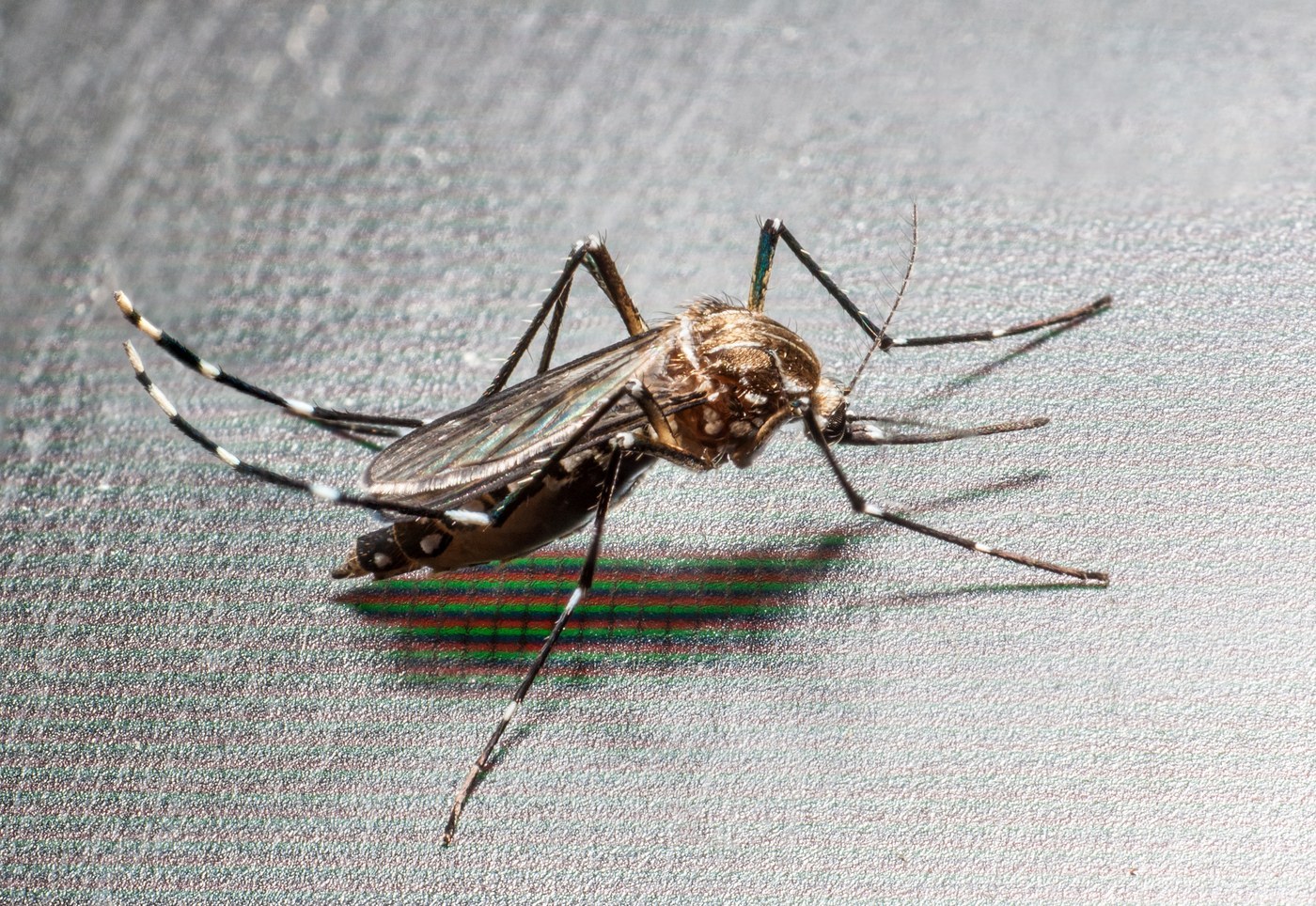
Asian Tiger Mosquito
Shaded urban and suburban areas near small water-holding containers, tires, and tree holes; native to Southeast Asia, now widespread
Tsetse Fly
Wooded savanna, riverine thickets, and forest edges across sub-Saharan Africa
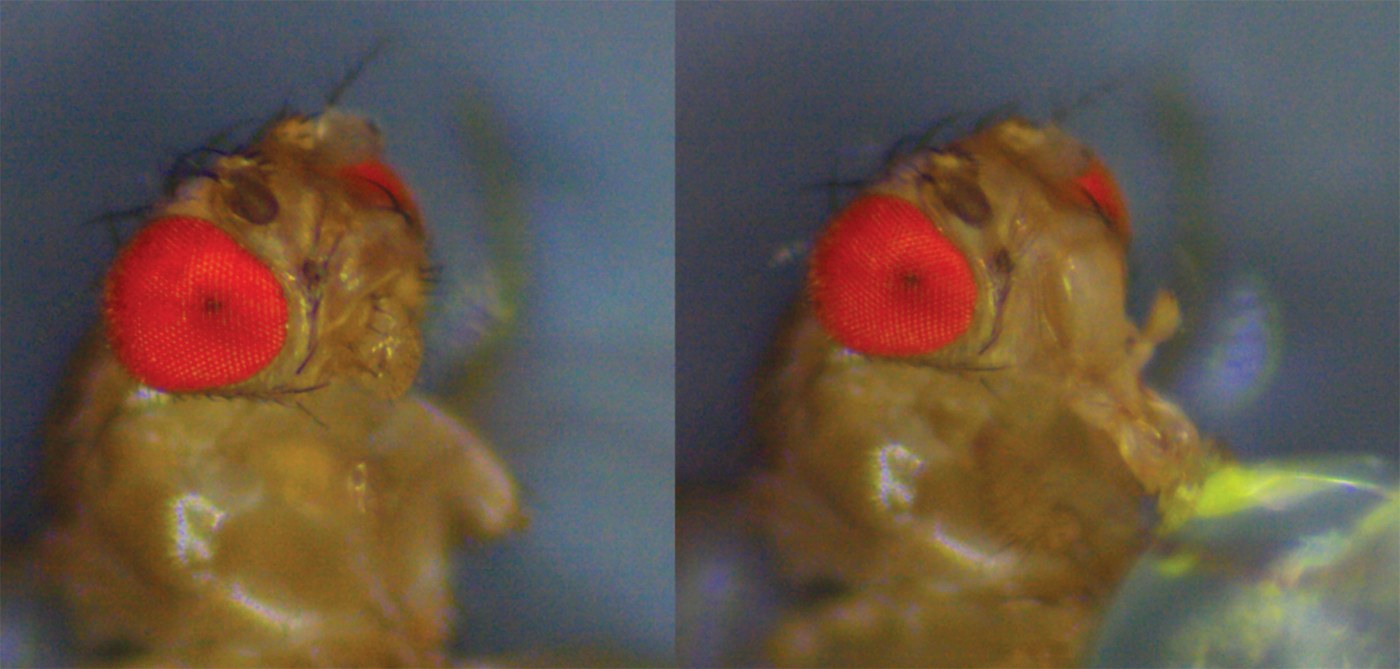
Vinegar Fly
Around overripe fruit, compost, and fermenting materials worldwide
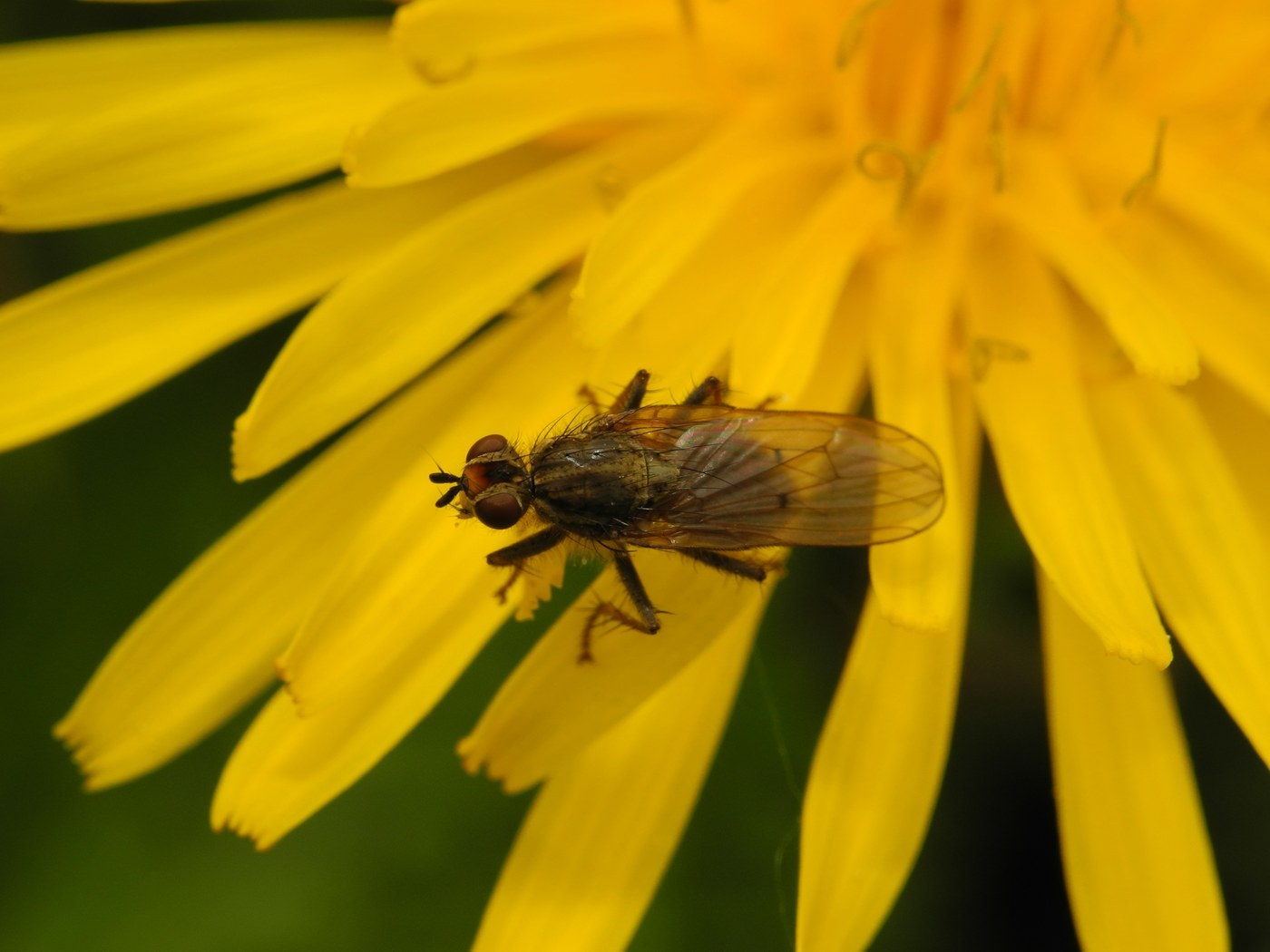
Yellow Dung Fly
Pastures and fields with fresh cattle dung
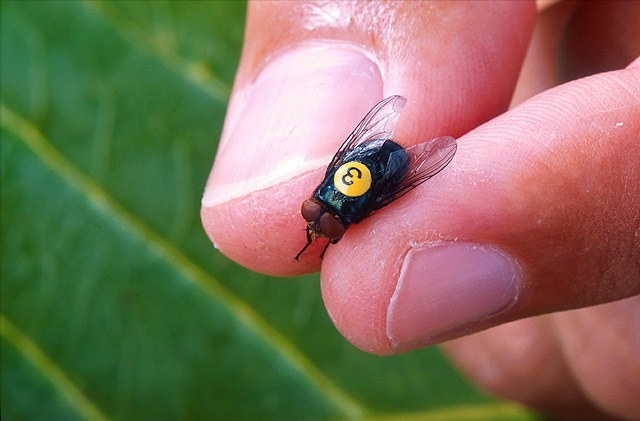
Screwworm Fly
Warm, humid lowlands of the Americas, especially near livestock and wildlife wounds
Soldier Fly
Wetland margins, decaying organic matter, and vegetation near water
Punkie
near marshes, mudflats, ponds, and other standing water