
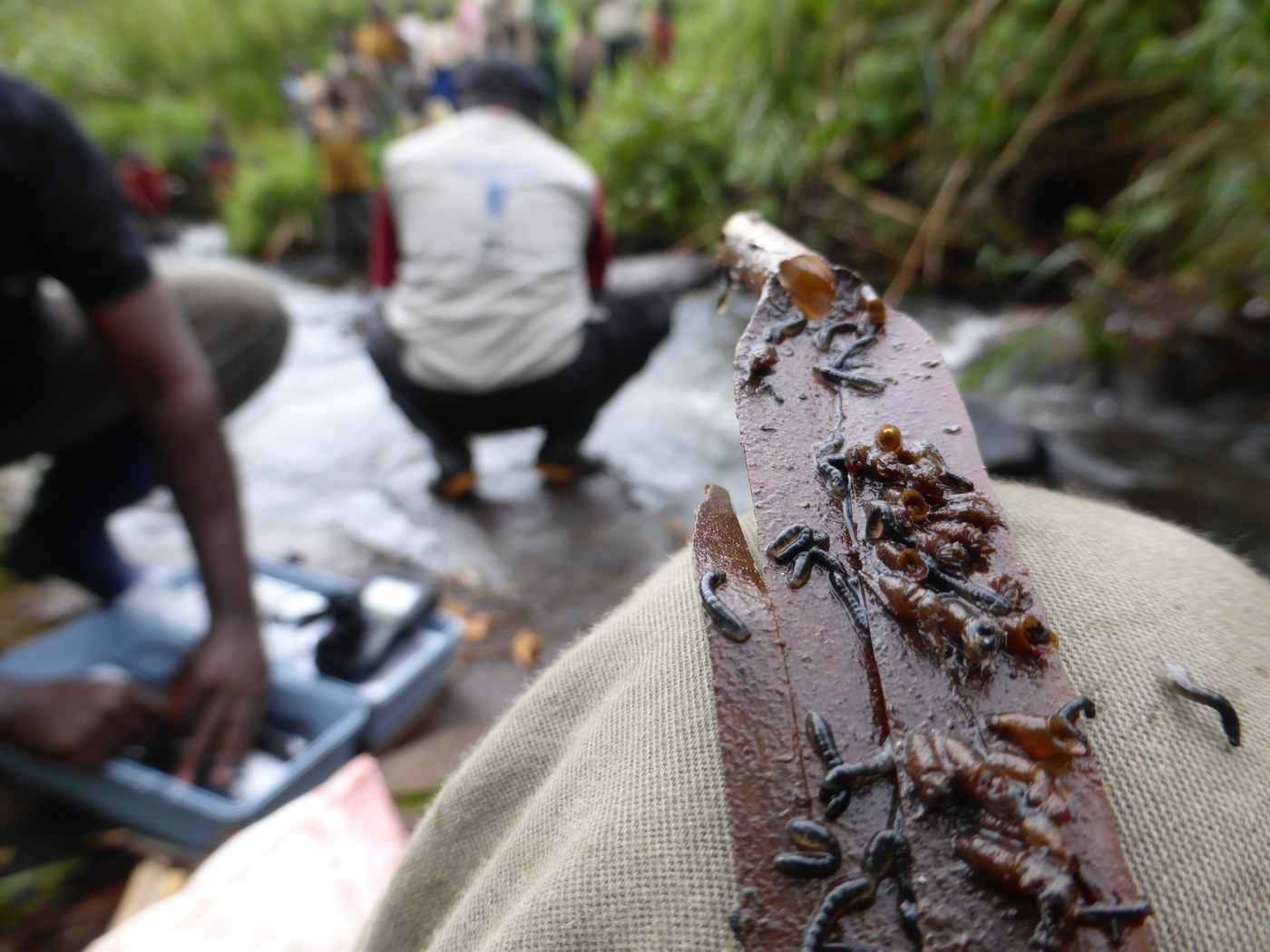
Black Fly Larva
Simulium spp.
Anchored to submerged rocks in fast-flowing streams by a silken thread, the black fly larva bends into the current and combs the water for drifting particles with a pair of delicate, fan-shaped feeding brushes.
- Size
- 5-10 mm
- Habitat
- Attached to rocks and vegetation in flowing streams
- Danger
- Harmless
Spotted a bug like this?
Identify any bug or insect from a photo, free.
Overview
The black fly larva is the aquatic stage of a small, humpbacked fly whose biting adults are a familiar sight near flowing water in many parts of the world, but the larva itself lives an entirely sedentary, filter-feeding existence anchored to submerged surfaces. Its distinctive club-shaped body and pair of fan-like feeding structures on the head make it well adapted for life in fast-flowing, well-oxygenated streams and rivers.
Black fly larvae attach themselves to rocks, submerged logs, or vegetation using a sticky silk pad spun from a gland near the mouth, anchoring a hooked posterior end into the silk while the body sways freely in the current. From this fixed position, they extend a pair of delicate, fan-shaped mouth brushes into the flow to filter out fine organic particles, algae, and bacteria carried downstream.
Because they require flowing, well-oxygenated water, black fly larvae are frequently used as indicators of good water quality, often occurring in dense colonies on rocks in riffles and rapids. As larvae in a fly's complete metamorphosis, they eventually pupate underwater in a silken cocoon before the adult fly emerges.
How to Identify
- Club-shaped or bowling-pin-shaped body 5-10 mm long, wider toward the rear and tapering toward the head
- Pair of distinctive fan-shaped feeding brushes extended from the head to filter particles from the current
- Single hooked proleg at the rear end used to anchor into a silk pad spun onto rocks or vegetation
- Body typically grayish, greenish, or brownish, often found in dense clusters swaying in the current
- Lacks true legs along the body, unlike crane fly or horse fly larvae
- Distinguished from midge larvae by its club shape and fan-like feeding brushes, and from other stream larvae by its habit of anchoring in place with a silk thread
Habitat & Range
Black fly larvae are found attached to rocks, submerged wood, and vegetation in fast-flowing, well-oxygenated streams and rivers worldwide, particularly in riffles and rapids where current speed keeps water oxygen-rich and delivers a steady supply of drifting food particles. They are largely absent from still or stagnant water and are most abundant in cooler months and clean, unpolluted streams.
Behavior & Diet
Black fly larvae remain anchored in place for most of their larval life, spinning a small silk pad on a submerged surface and hooking their rear end into it while extending a pair of fan-shaped mouth brushes into the current to filter out algae, bacteria, and fine organic particles drifting downstream. If dislodged, a larva can pay out a silk safety line and reattach itself further downstream, a behavior similar to a spider's dragline. As filter feeders dependent on flowing, oxygen-rich water, their presence is often used by researchers as a sign of healthy stream conditions, and they serve as an important food source for fish and other stream predators.
Life Cycle
Females lay eggs in masses on rocks, vegetation, or directly into fast-flowing water near the surface. The larvae that hatch anchor themselves to submerged substrates and pass through six or more instars over several weeks, filter-feeding continuously and growing with each molt. When mature, the larva spins a silken cocoon attached to the same substrate and pupates underwater, with the pupa also drawing oxygen from the surrounding stream through gill filaments. The adult fly emerges from the cocoon and rises to the surface in an air bubble before flying off, and depending on climate there may be several generations per year.
Frequently asked questions
Does a black fly larva bite?
No, the larva is a filter feeder; only the adult female fly of some species bites.
How does a black fly larva stay attached in fast currents?
It spins a sticky silk pad onto a rock or other submerged surface and hooks its rear end into it, allowing it to sway in the current without being swept away.
What does a black fly larva eat?
It filters algae, bacteria, and fine organic particles from the water using a pair of fan-shaped brushes extended from its head.
Why are black fly larvae considered a sign of clean water?
They require fast-flowing, well-oxygenated water to survive, so their presence in a stream is often used as an indicator of good water quality.
Black Fly Larva guides
In-depth guides for identifying, understanding, and living alongside Black Fly Larva.
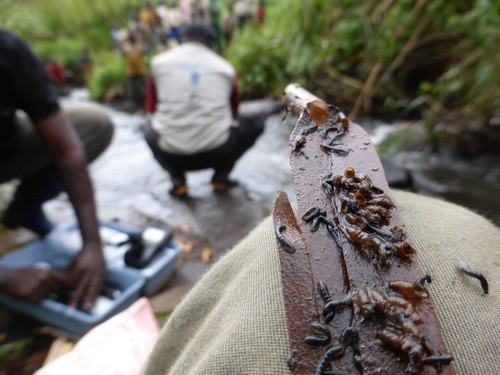
Black Fly Larva identified by the community
Real finds identified with Bug Identifier.
Other bugs you may enjoy
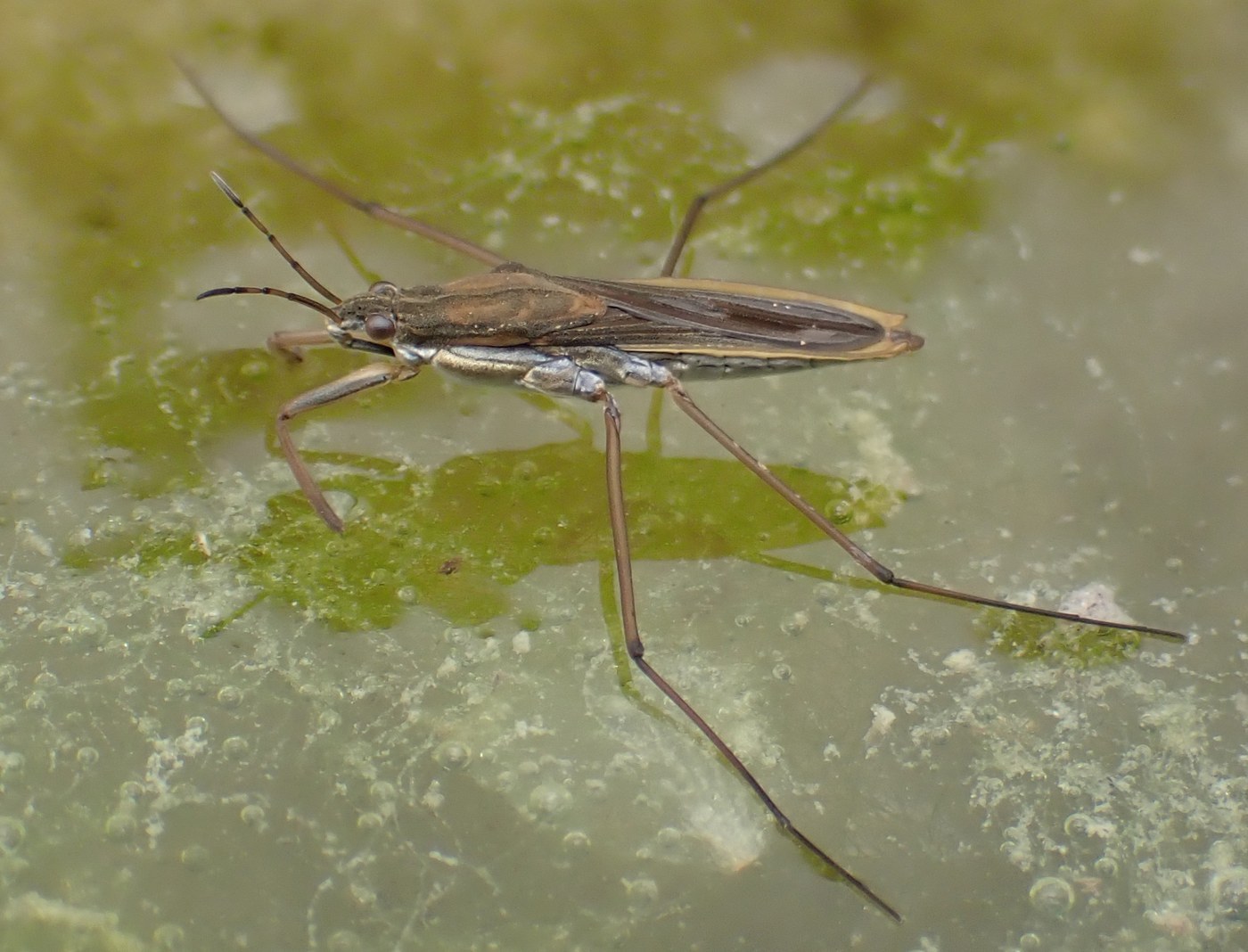
Water Strider
Still or slow-moving fresh water: ponds, lake edges, slow streams, puddles
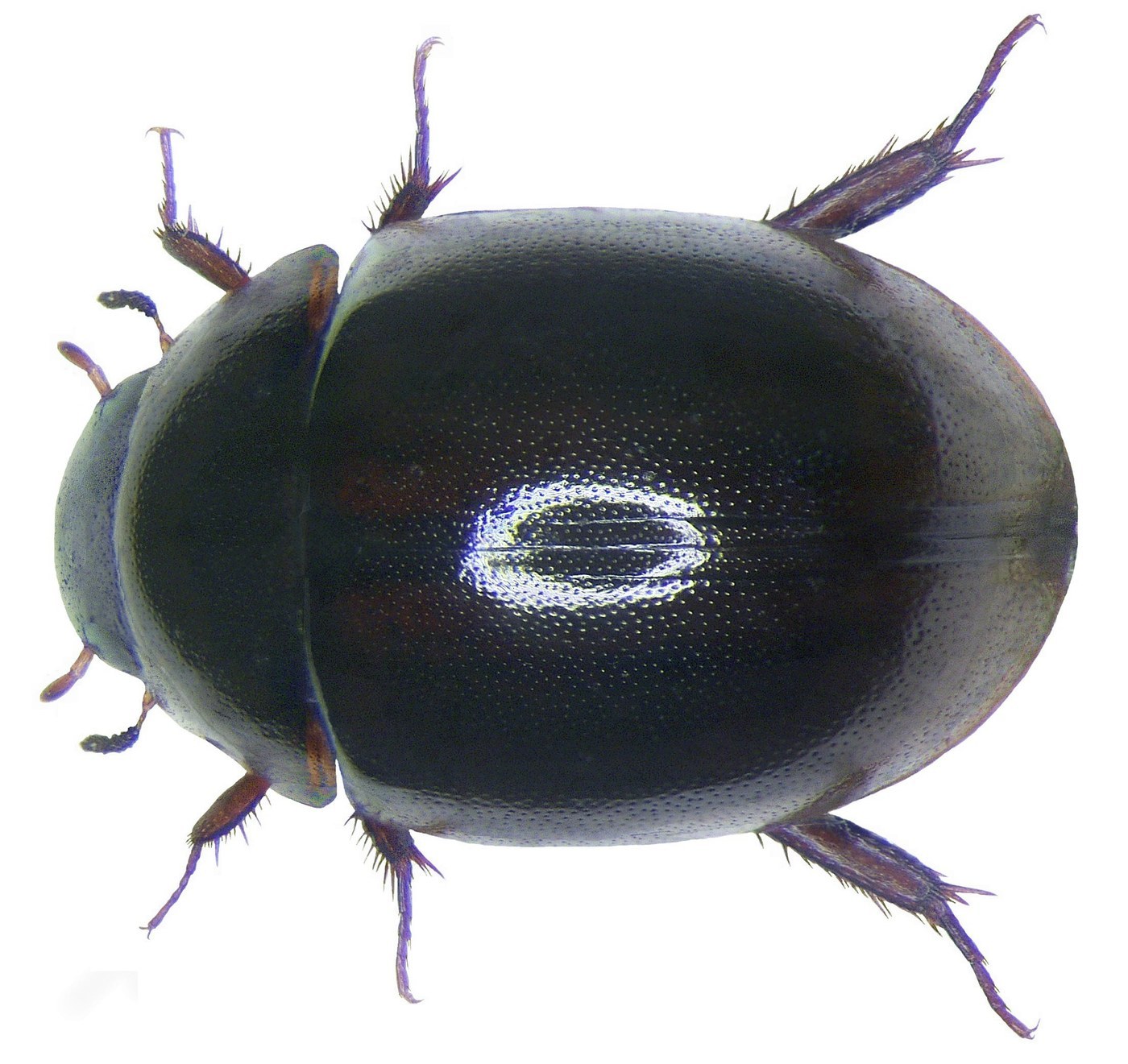
Water Beetle
Ponds, slow streams, marshes, still fresh water
Water Penny Beetle
Fast, rocky, well-oxygenated streams
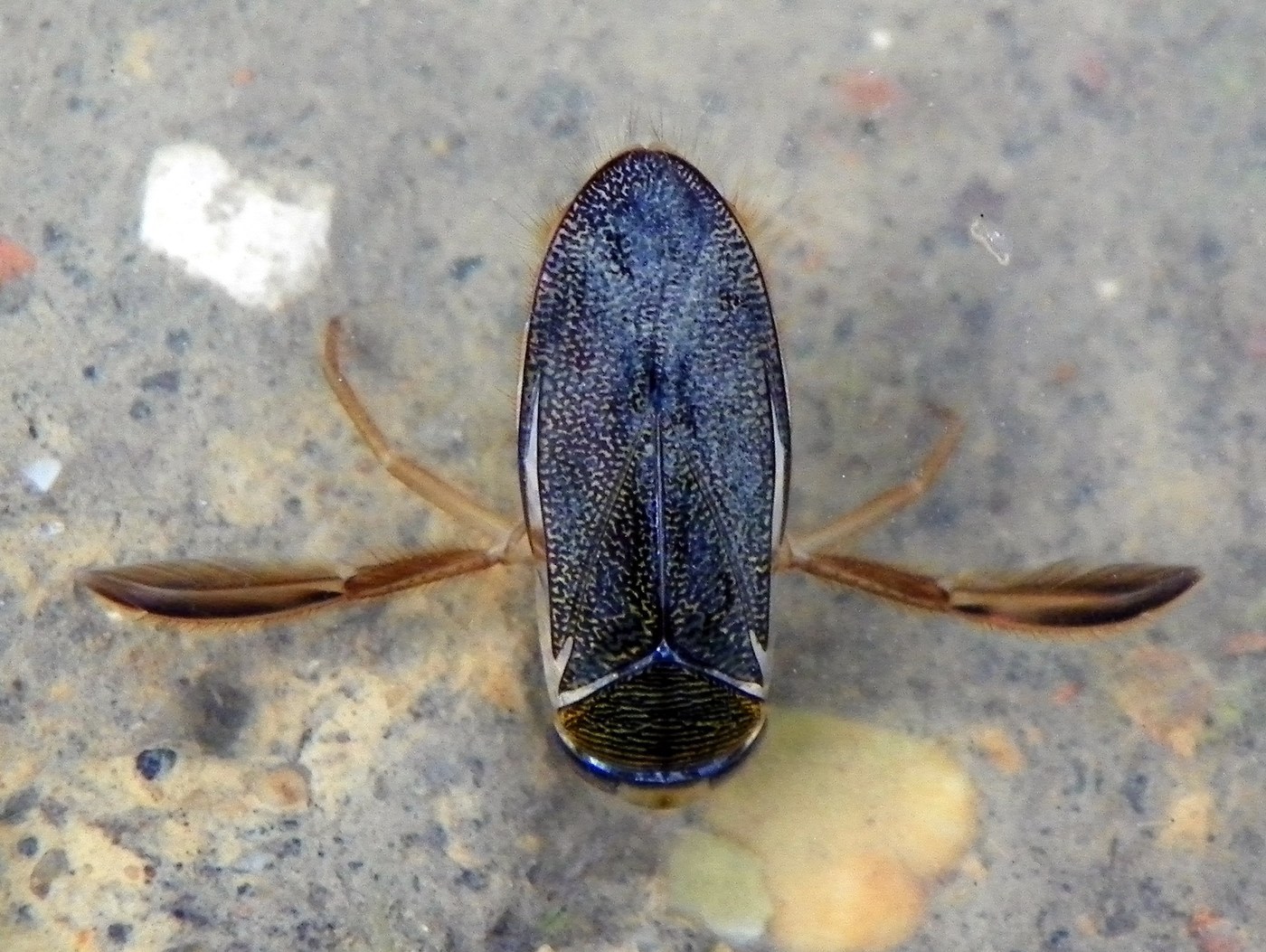
Water Boatman
Ponds, lakes, slow streams, freshwater with vegetation
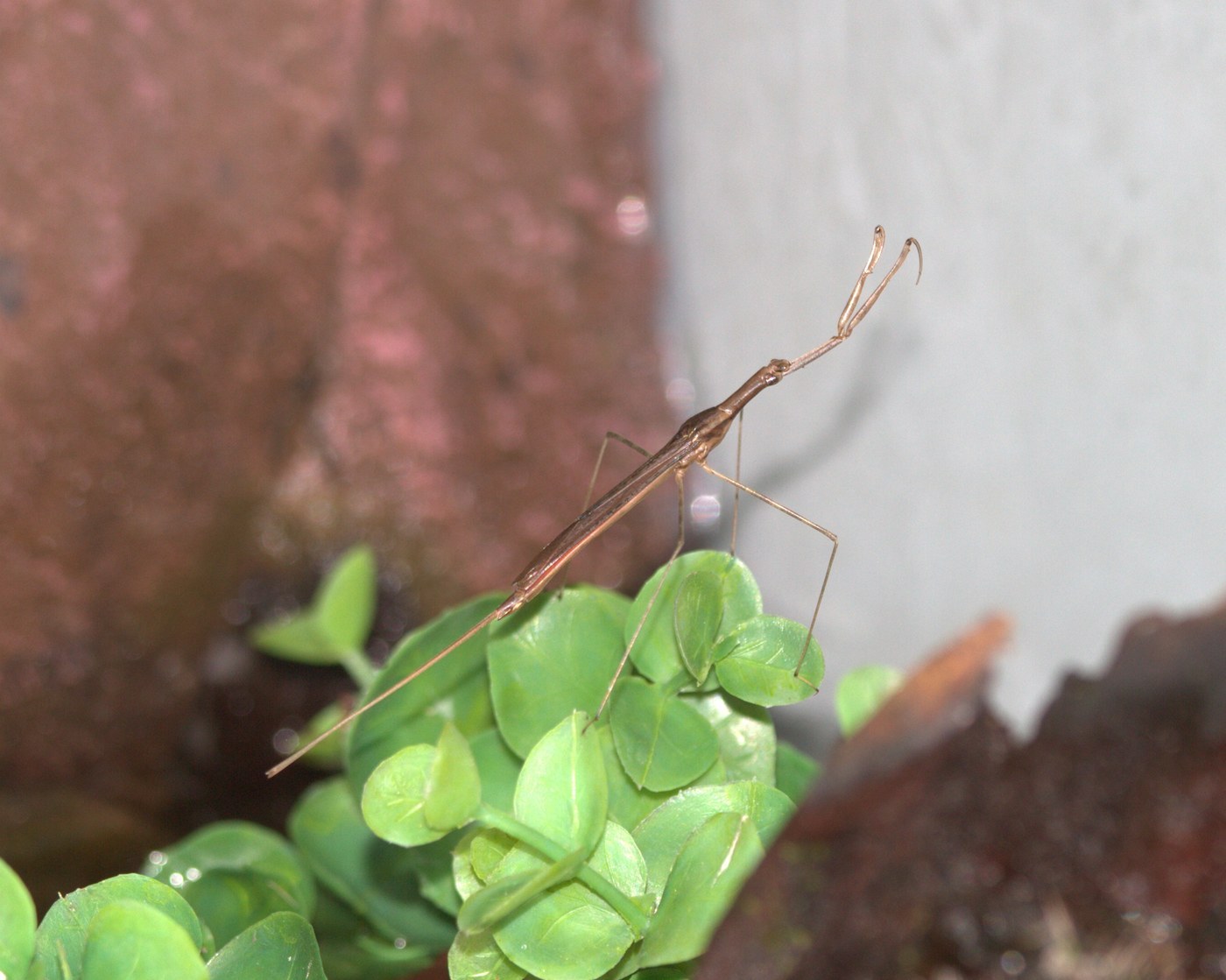
Water Scorpion
Still or slow-moving water with submerged vegetation
Stonefly
Cold, clean, well-oxygenated streams and rivers
Stonefly Nymph
Cold, fast-flowing, well-oxygenated streams
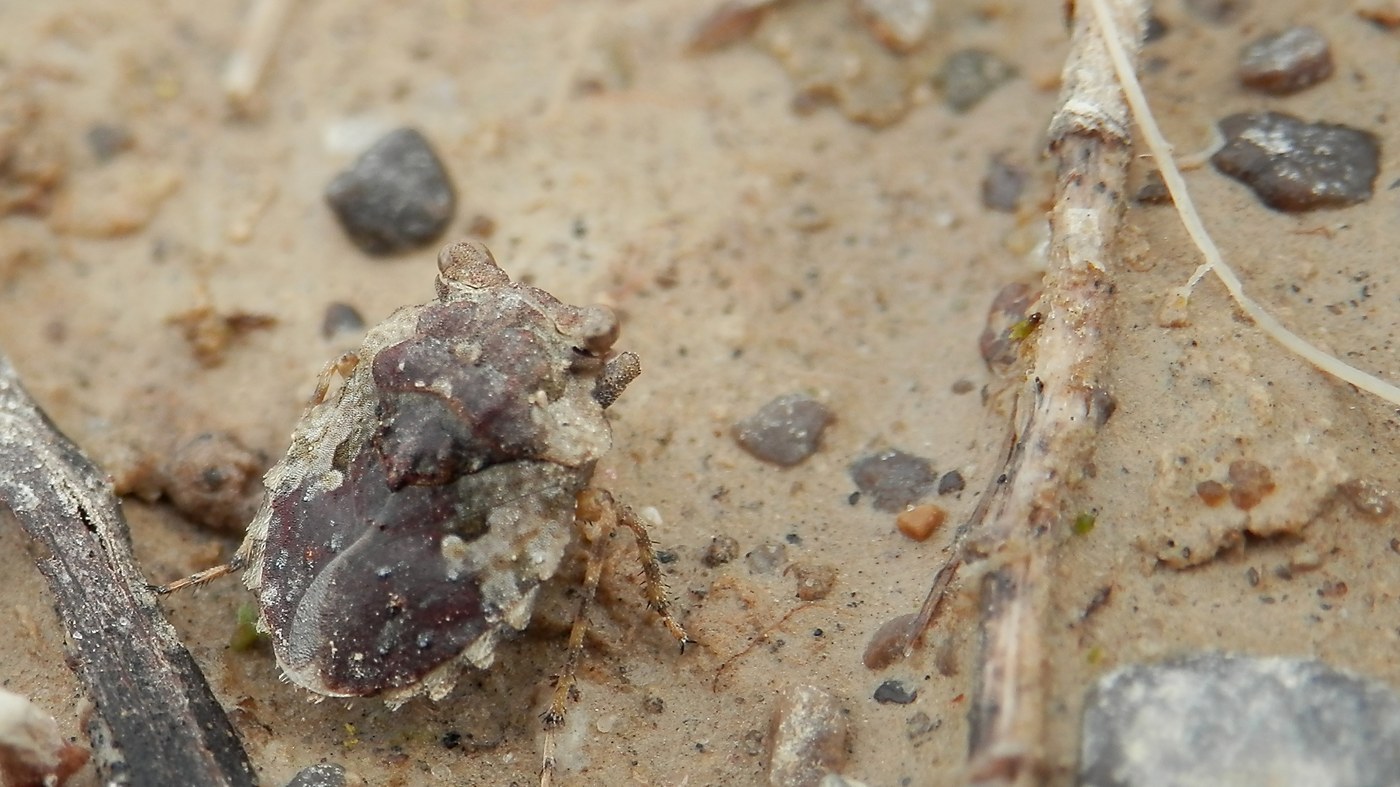
Toad Bug
Muddy or sandy shorelines of ponds, streams, and rivers
Soldier Fly Larva
Ponds, marshes, and slow streams with organic sediment
Mosquito Larva
Standing water in ponds, ditches, containers, and puddles
Whirligig Beetle
Surface of ponds, lakes, and slow streams
Rat-Tailed Maggot
Stagnant, oxygen-poor water such as manure pools, drains, and compost