
Africanized Honeybee (Killer Bee)
Apis mellifera scutellata (hybrid lineage)
A hybrid strain of the western honey bee, nearly identical in appearance to common honey bees but known for more easily triggered, faster, and more numerous defensive responses when a colony is disturbed.
- Size
- 12–15 mm
- Habitat
- Warm climates; tree cavities, wall voids, ground cavities, open country
- Danger
- Stings
Spotted a bug like this?
Identify any bug or insect from a photo, free.
Overview
The Africanized honeybee is a hybrid lineage of the western honey bee (Apis mellifera), resulting from crosses between East African lowland honey bee subspecies (A. m. scutellata) introduced to Brazil in the 1950s and existing European honey bee populations already established in the Americas. It subsequently spread through South, Central, and into parts of North America, and is now the predominant honey bee lineage across much of its range in the Americas.
It is notable primarily for behavioral rather than physical differences from other honey bees: colonies tend to respond to nest disturbance more quickly, in larger numbers, and over a wider area, a trait that led to the popular nickname "killer bee" in media coverage following its spread through the Americas. Otherwise, its biology as a colonial, honey-storing, wax-comb-building bee is essentially the same as other honey bee populations.
Ecologically, Africanized honeybees function as effective pollinators and honey producers, much like other honey bee lineages, and their spread has had significant impacts on beekeeping practices and feral bee population dynamics in the regions they have colonized.
How to Identify
- Visually almost indistinguishable from other western honey bees: 12–15 mm long, golden-brown to dark brown banded abdomen, dense short body hair, and the same overall honey bee body plan.
- Reliable identification in the field generally requires morphometric or genetic analysis rather than visual inspection alone.
- Colonies may nest in smaller or more varied cavities, including low shrubs, ground holes, or utility boxes, more readily than typical managed European honey bee colonies.
- Behavioral cues such as a quicker, more intense defensive response to nest disturbance are often used as an informal field indicator, though not a definitive identification method.
Habitat & Range
Africanized honeybees are established throughout much of South and Central America, the Caribbean, Mexico, and the southern United States, generally thriving best in warm to hot climates. Colonies nest in tree hollows, rock crevices, wall voids, ground cavities, and other sheltered spaces, similar to other honey bees, and can be found in both wild and agricultural or urban settings. Activity follows the seasonal patterns typical of honey bees, with foraging concentrated during warm daylight hours and colony growth peaking when flowers are abundant.
Behavior & Diet
Like all honey bees, Africanized colonies are highly social, with a single queen, female worker bees performing foraging, comb-building, and brood care, and seasonal male drones. Workers forage for nectar and pollen, communicate food locations through the waggle dance, and store surplus honey in wax comb. The behavioral trait most associated with this lineage is a tendency toward faster colony alarm response and pursuit of perceived threats over greater distances compared to typical European-derived honey bee stocks, along with a greater tendency to swarm and relocate nest sites.
Life Cycle
The lifecycle mirrors other honey bees: a queen lays fertilized eggs that develop into female workers (or unfertilized eggs into male drones) through complete metamorphosis, passing through egg, larva, and pupa stages within wax comb cells before emerging as adults. Colonies are perennial in warm climates, persisting year-round rather than dying back annually, and reproduce at the colony level through swarming, when a portion of the colony departs with the old queen to found a new nest while a new queen is reared in the original hive. Africanized colonies are noted for swarming and relocating more frequently than many European honey bee stocks.
Frequently asked questions
Can you tell an Africanized honeybee apart from a regular honey bee by sight?
Not reliably; the two are nearly identical in appearance and are usually distinguished through laboratory analysis rather than visual identification.
Where are Africanized honeybees found?
They are established across much of South and Central America, Mexico, the Caribbean, and the warmer southern regions of the United States.
Why are they called 'killer bees'?
The nickname stems from media coverage of their spread through the Americas and their tendency toward a faster, more widespread defensive response when a nest is disturbed.
Do Africanized honeybees make honey like other honey bees?
Yes, they build wax comb and store honey in the same way as other honey bee populations.
Africanized Honeybee (Killer Bee) guides
In-depth guides for identifying, understanding, and living alongside Africanized Honeybee (Killer Bee).
Other bugs you may enjoy
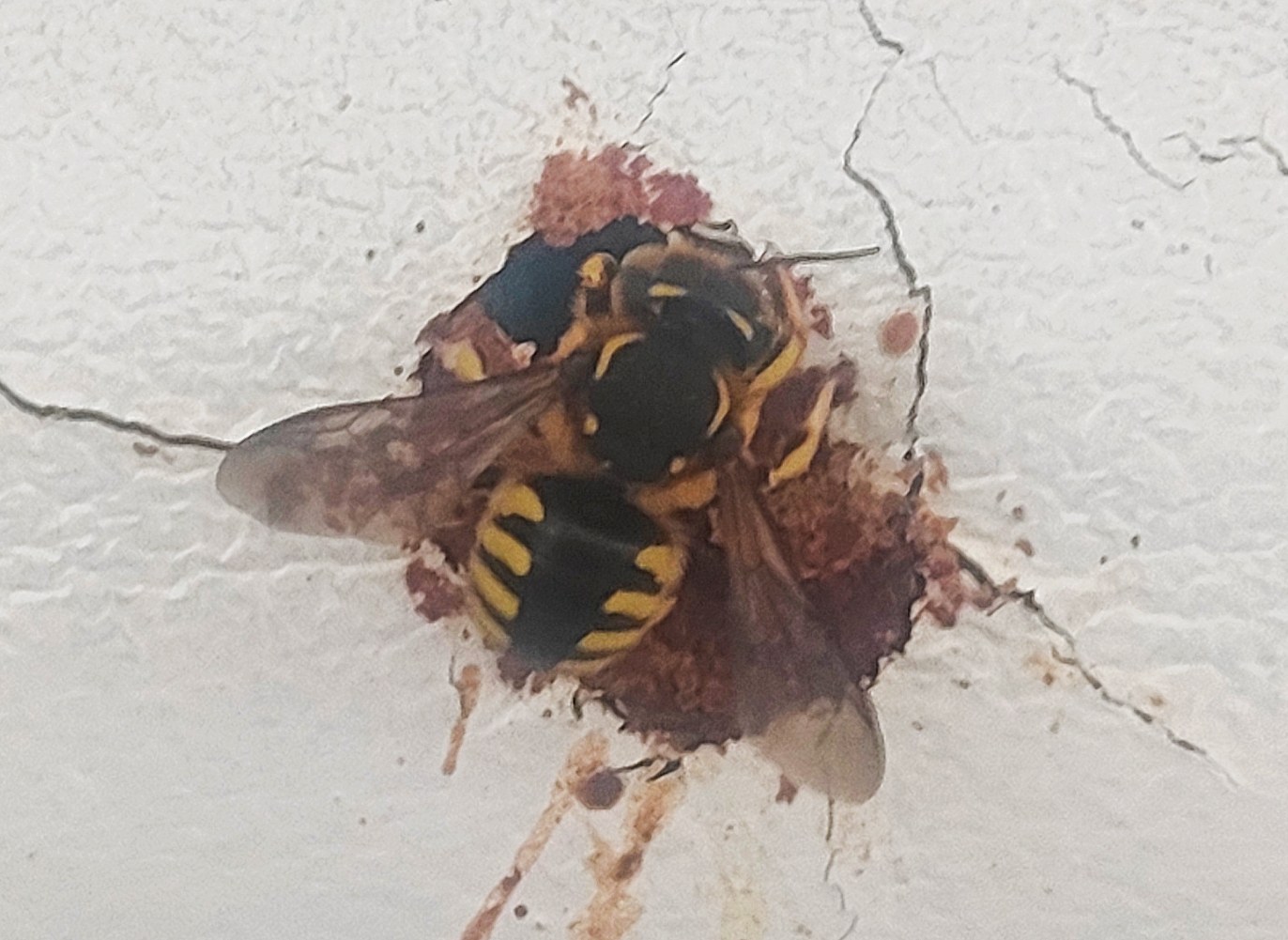
Wool Carder Bee
Gardens, meadows, urban green spaces with fuzzy-leaved plants
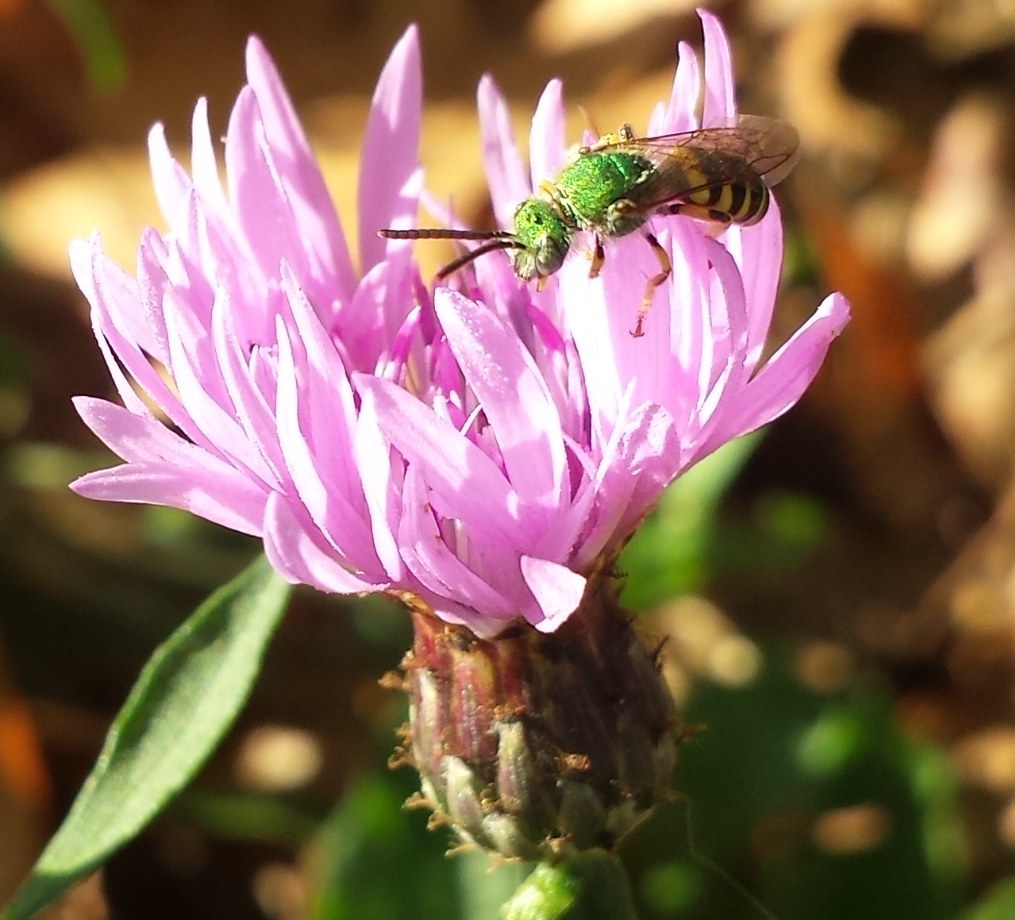
Sweat Bee
Gardens, meadows, and bare or sandy soil worldwide
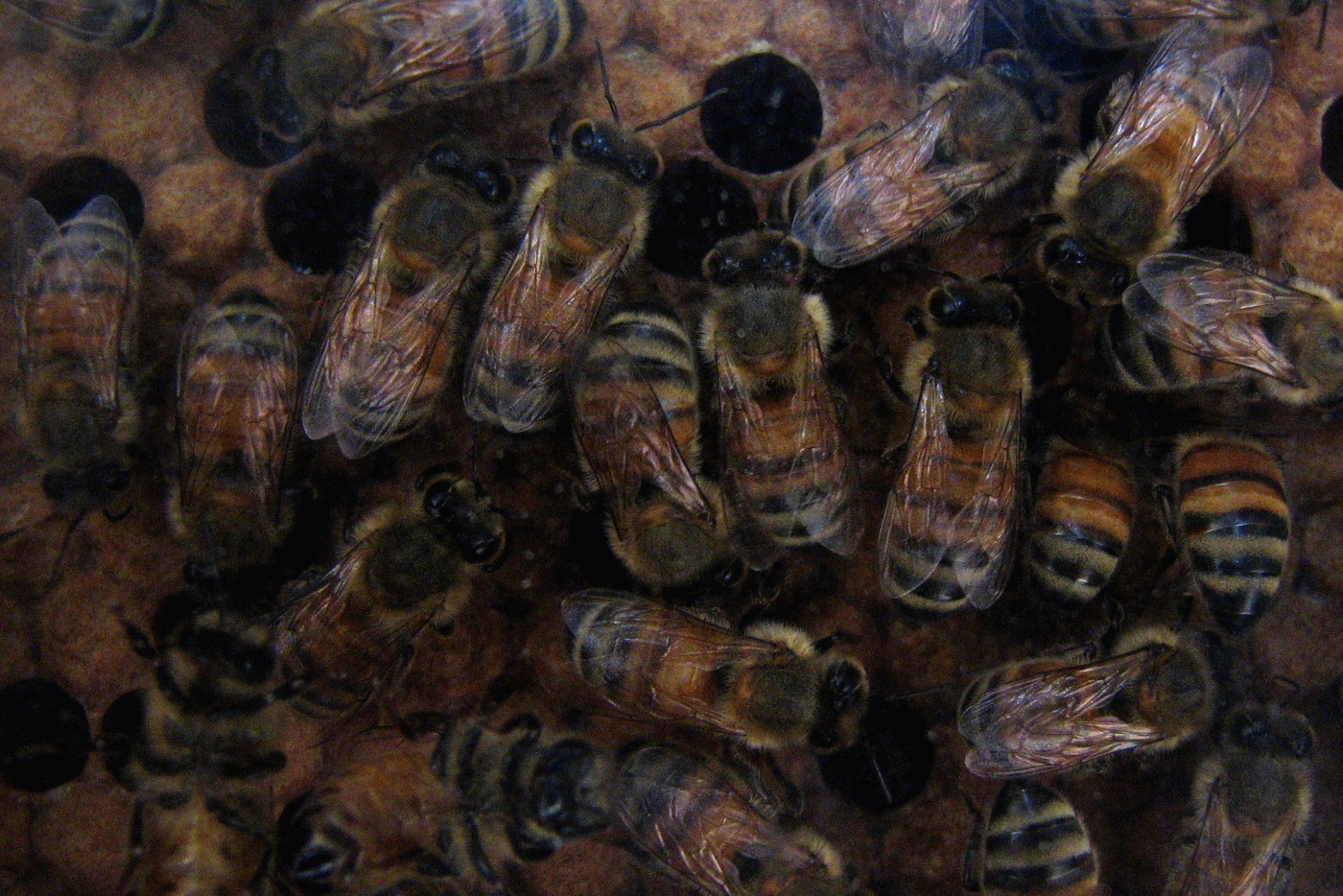
Western Honey Bee
Managed hives and wild colonies in tree cavities, worldwide in temperate and tropical climates
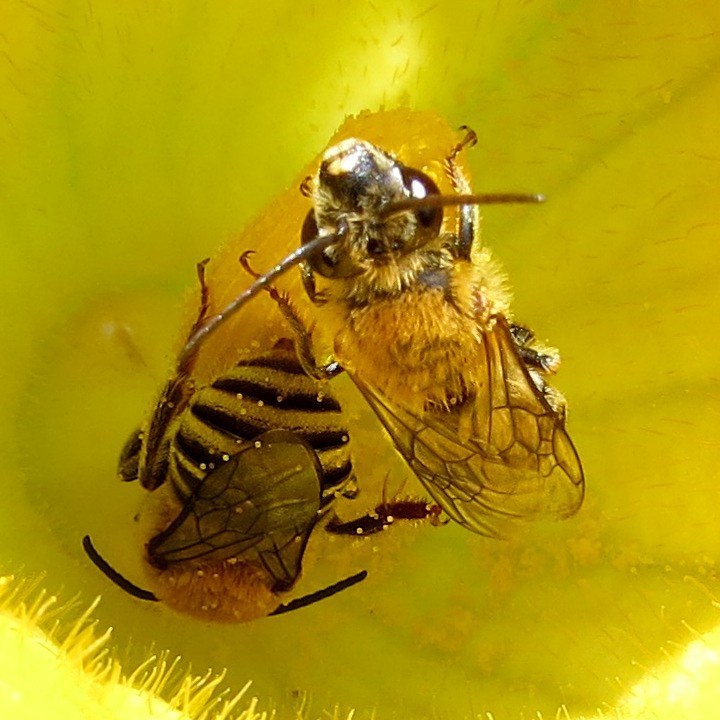
Squash Bee
Vegetable gardens and farm fields growing squash, pumpkin, and gourd plants
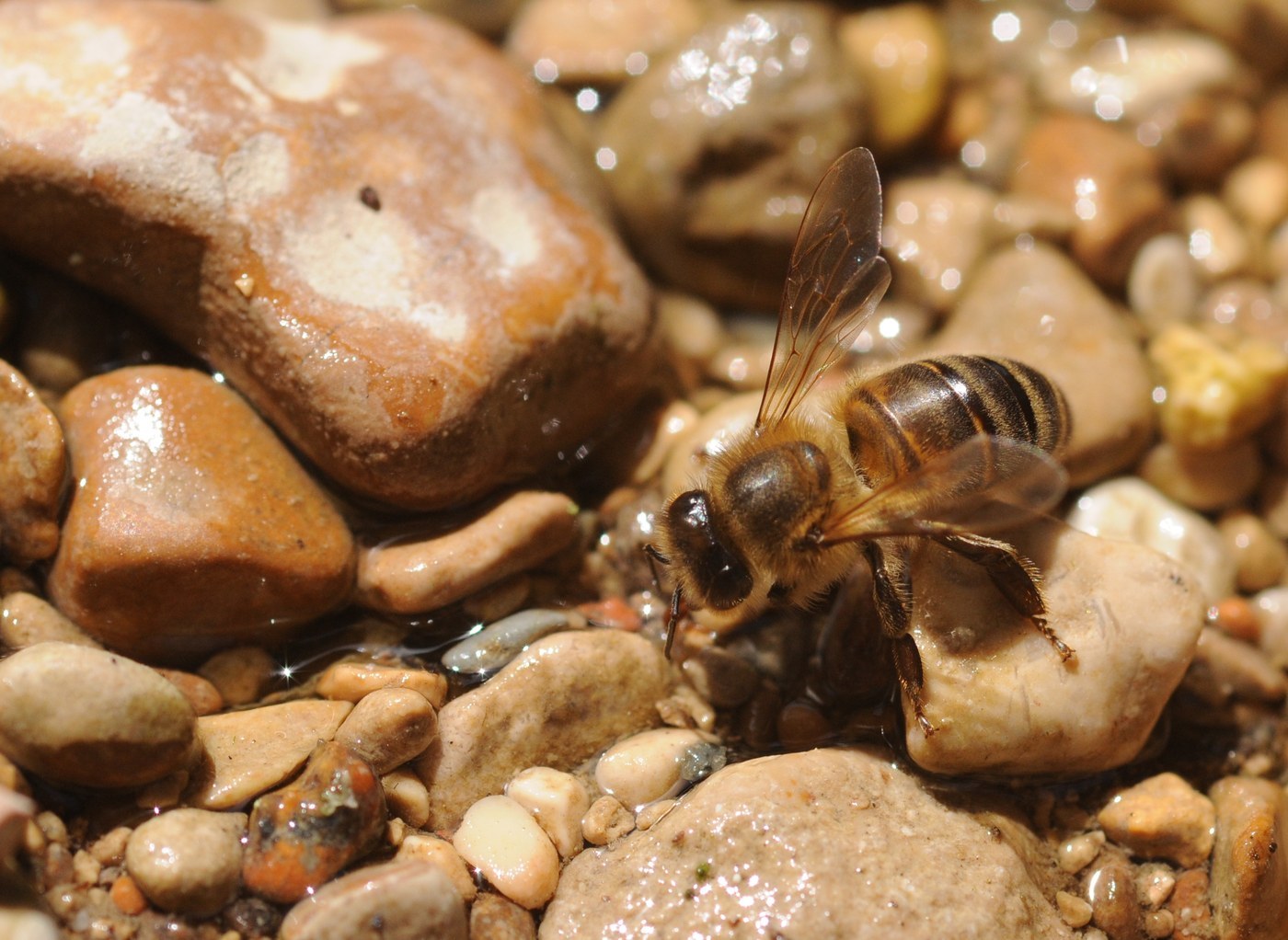
Honey Bee
Flowering meadows, gardens, orchards, and managed hives
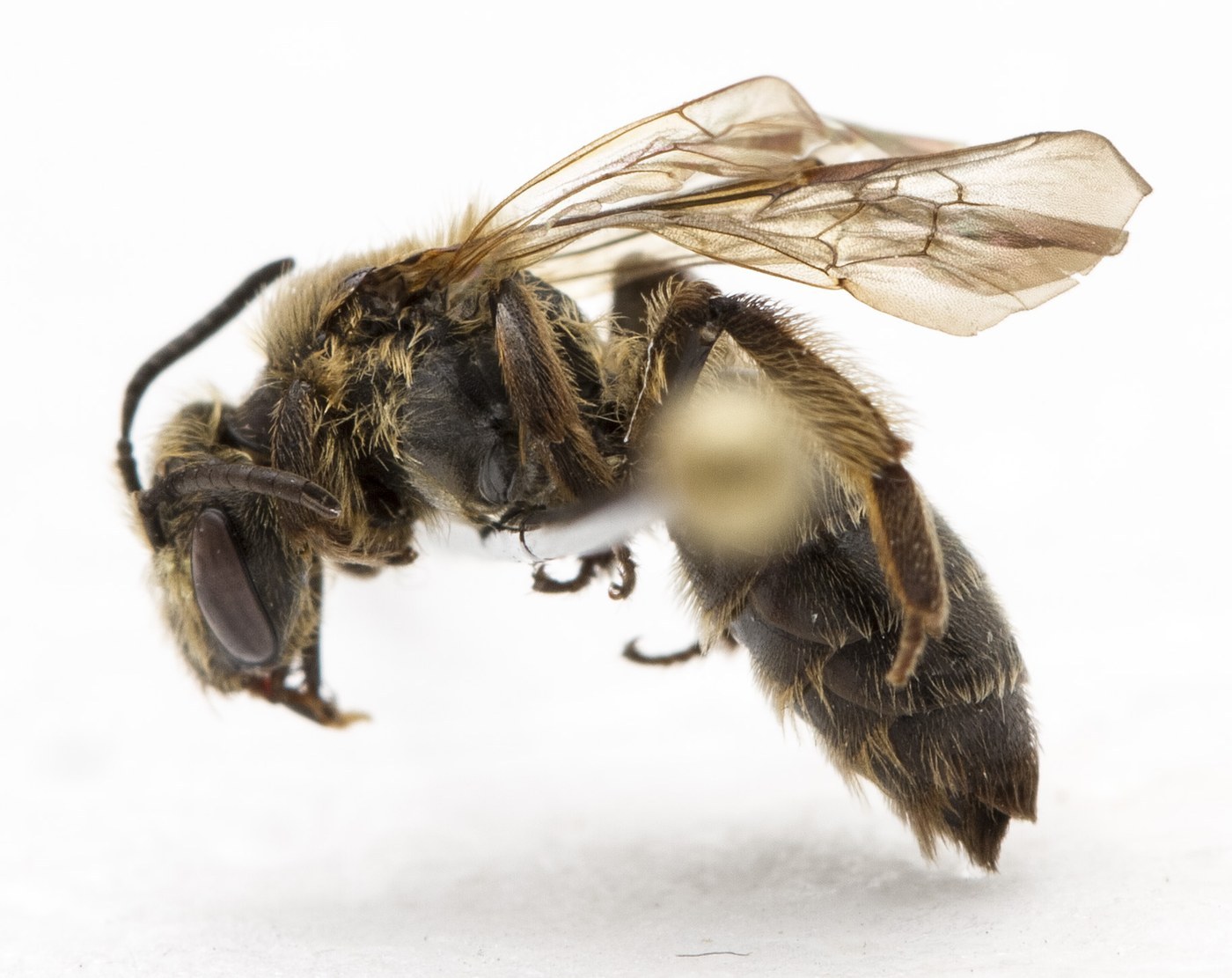
Mining Bee
Bare or sparsely vegetated soil, lawns, gardens, woodland edges
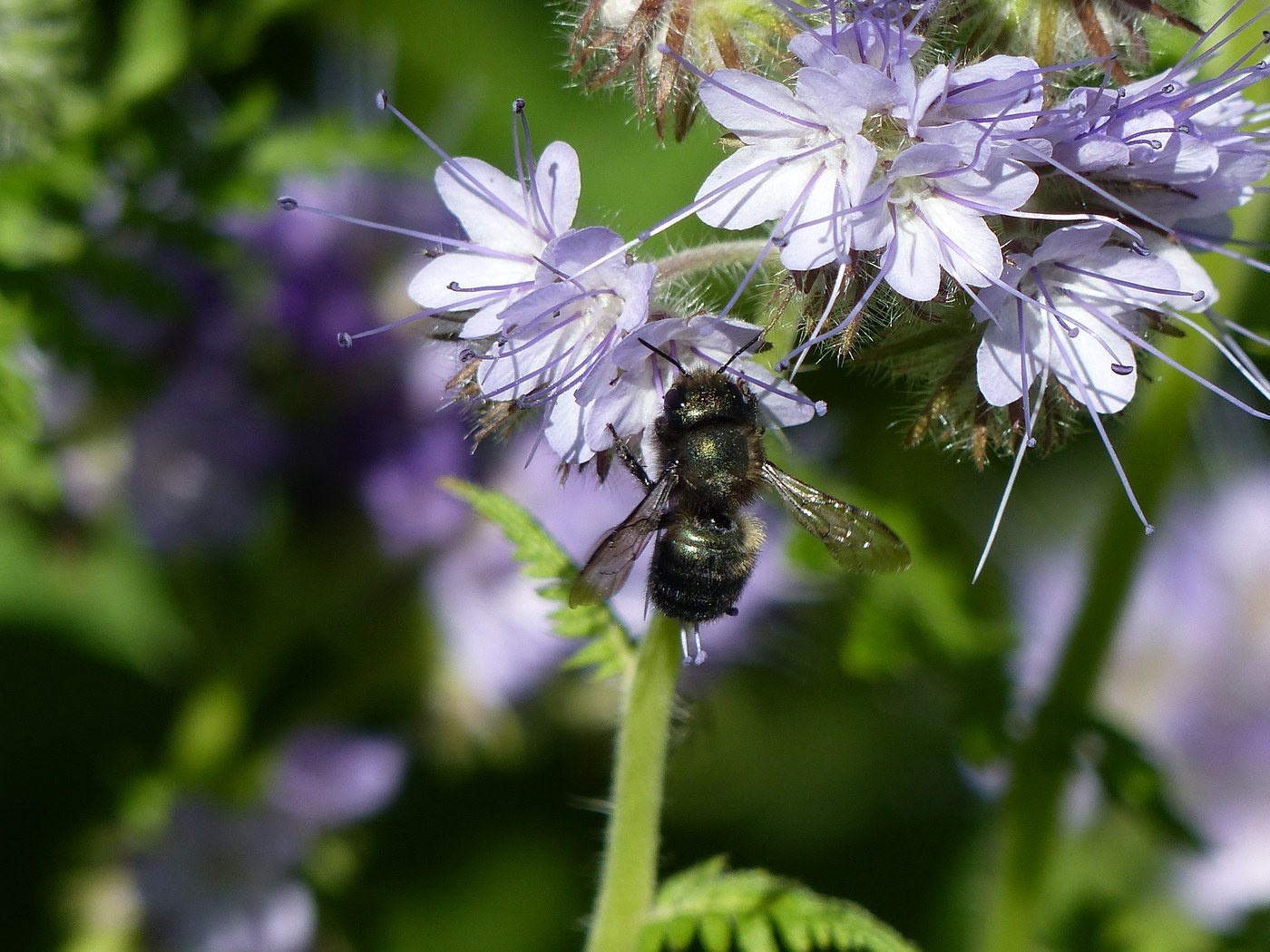
Mason Bee
Orchards, gardens, and wooded edges across temperate regions
Longhorn Bee
Prairies, meadows, gardens, sunflower and aster fields
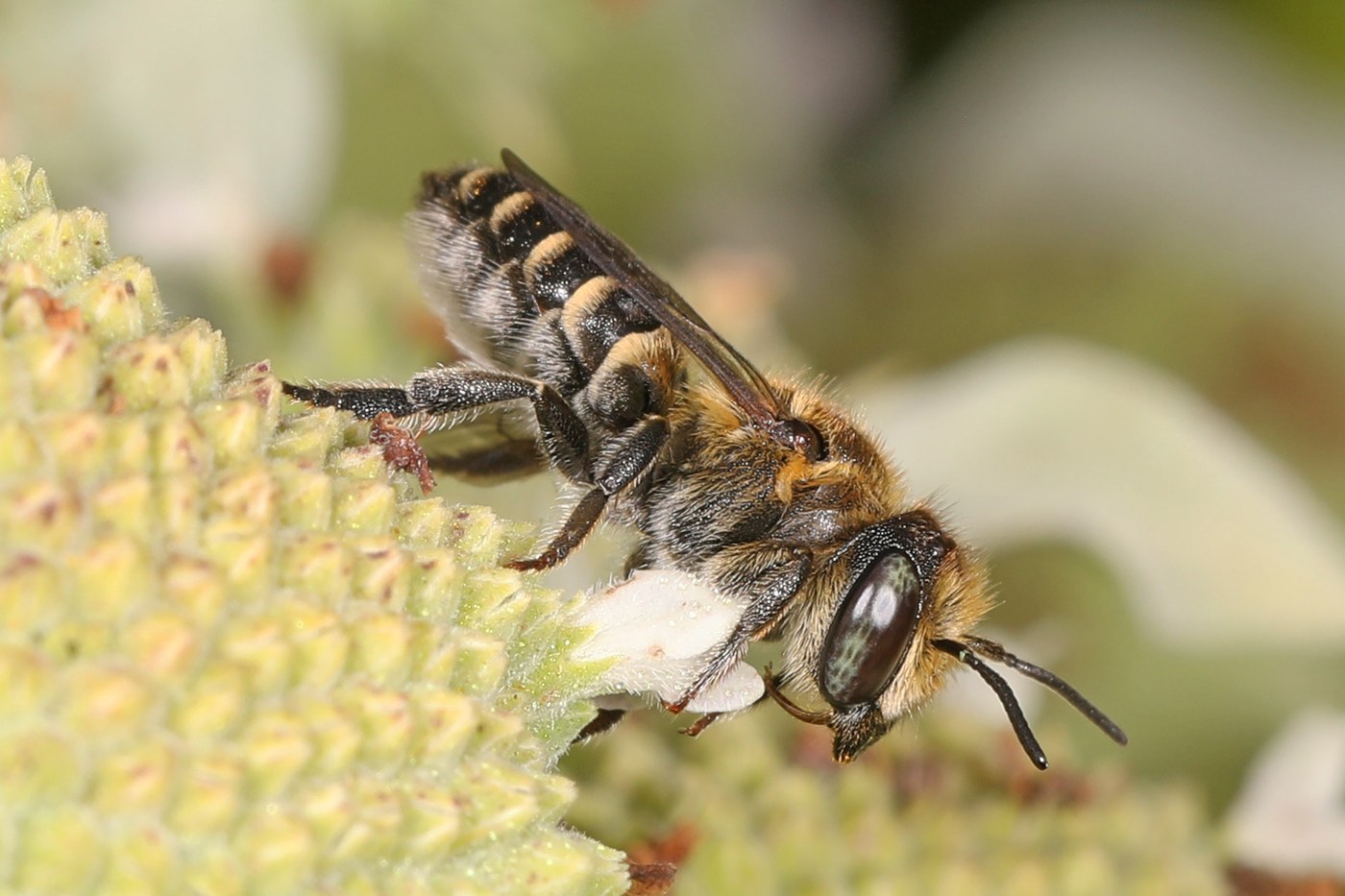
Leafcutter Bee
Gardens, meadows, and agricultural fields across temperate and subtropical regions
Honeybee
Managed hives, tree cavities, gardens, farmland, meadows
Carpenter Bee
Wooden structures, dead trees, and gardens across temperate and tropical regions
Bumblebee
Meadows, gardens, hedgerows, and open woodland edges