
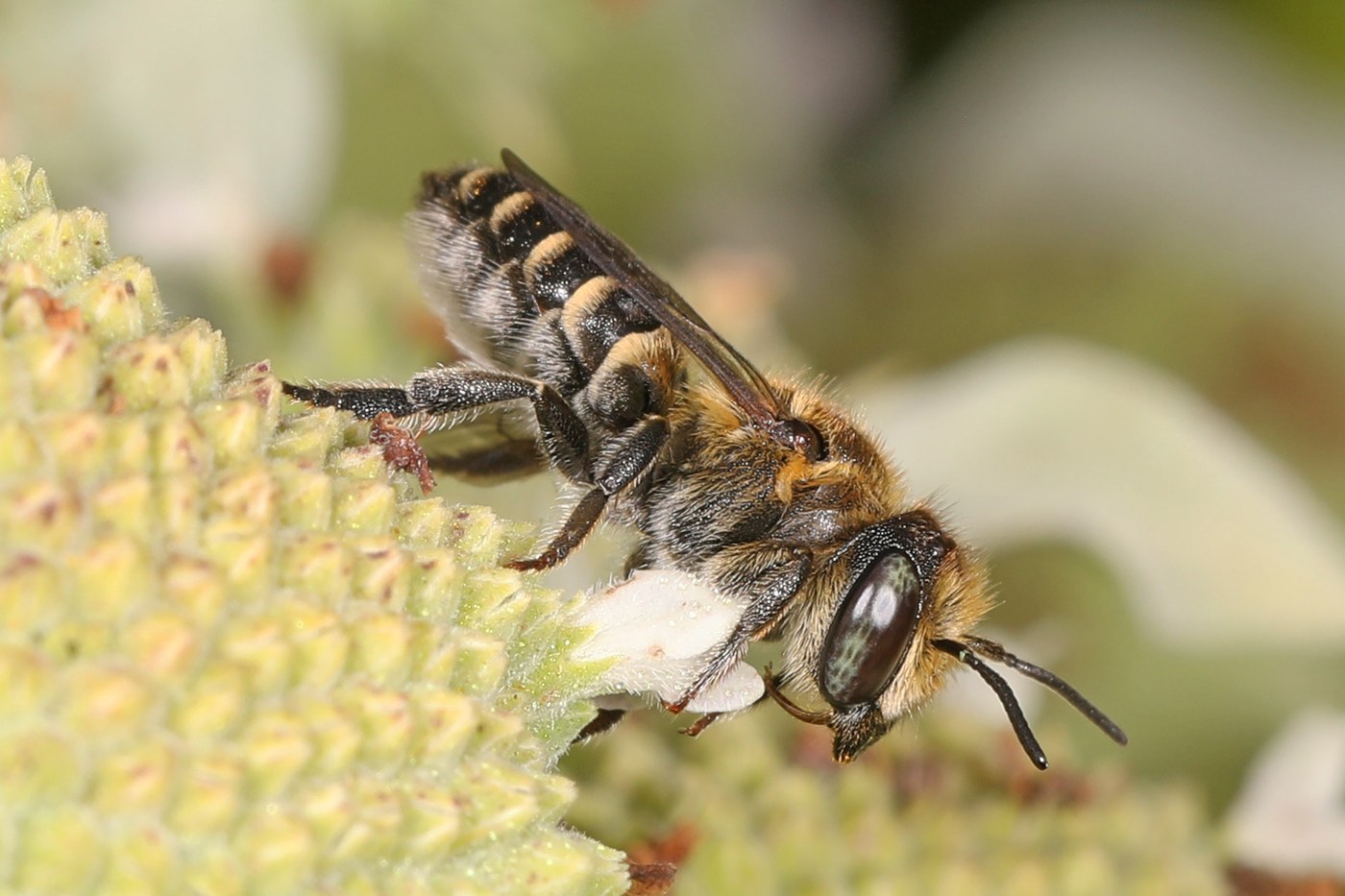
Leafcutter Bee
Megachile rotundata
A stout, dark-bodied bee best known not for how it looks but for the neat, circular or oval notches it cuts from leaves, which it uses to line and seal its nest cells.
- Size
- 8–15 mm
- Habitat
- Gardens, meadows, and agricultural fields across temperate and subtropical regions
- Danger
- Stings
Spotted a bug like this?
Identify any bug or insect from a photo, free.
Overview
Leafcutter bees belong to the genus Megachile in the family Megachilidae, the same family that includes mason bees, and are recognized worldwide by their distinctive leaf-cutting nesting behavior rather than especially bright coloring. The Alfalfa Leafcutter Bee is particularly notable as a commercially managed pollinator, widely used in alfalfa seed production.
The group's defining trait is the female's habit of using her mandibles to cut precise, smooth-edged circular or oval pieces from leaves, most often from roses, redbud, or similar broad soft leaves, which she carries back to line and partition her nest cells. This leaf-cutting behavior leaves a characteristic, easily identifiable pattern of neat holes on garden foliage.
Ecologically, leafcutter bees are valued as efficient solitary pollinators, particularly of legumes and many wildflowers, and their use of existing cavities for nesting makes them compatible with simple artificial nest structures used in pollinator conservation and crop pollination programs.
How to Identify
- Stout, robust body, generally black or dark brown with pale hair bands across the abdomen, less strikingly metallic than sweat or mason bees.
- Pollen is carried on a dense brush of hairs on the underside of the abdomen (called a scopa) rather than on the hind legs.
- Wings are dark and smoky; mandibles are notably strong and broad, adapted for cutting plant material.
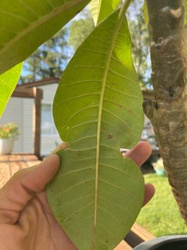
- The clearest identification clue is indirect: smooth, semicircular or oval notches cut cleanly from the edges of rose, redbud, or other soft leaves nearby.
Habitat & Range
Leafcutter bees are found nearly worldwide in temperate and subtropical regions, common in gardens, meadows, and agricultural areas, especially where soft-leaved plants and pre-existing nest cavities such as hollow stems or wood holes are available. They are active mainly in summer, provisioning nests over a period of several weeks during peak bloom season.
Behavior & Diet
Females work alone, cutting circular or oval leaf pieces to construct cigar-shaped nest cells within existing tunnels, each cell provisioned with pollen and nectar before an egg is laid and the cell sealed with additional leaf pieces. They are generally docile and focused on nest provisioning rather than defensive behavior. As pollinators, leafcutter bees are especially efficient at legume and wildflower pollination due to their vigorous, jostling foraging style that dislodges large amounts of pollen.
Life Cycle
Eggs are laid in a linear series of leaf-lined cells within a tubular cavity, each stocked with pollen and nectar; larvae consume the provisions and then spin a cocoon before pupating within the sealed leaf cell. In many regions there is one generation per year, with the bee overwintering as a mature larva or pre-emerged adult inside its cocoon, ready to emerge the following summer, though some managed populations can be induced to have additional generations under controlled conditions.
Frequently asked questions
What causes the round holes in my rose leaves?
Clean, circular or oval notches cut from leaf edges are a classic sign of a leafcutter bee gathering material to line and seal her nest cells, not disease or general leaf damage.
Does leaf-cutting harm the plant?
The leaf removal is cosmetic, taking only small pieces from leaf margins, and does not typically affect the overall health of established garden plants.
Do leafcutter bees live in colonies?
No, they are solitary bees, with each female independently building and provisioning her own series of nest cells.
Where do they carry pollen?
Unlike honey bees, leafcutter bees carry pollen on a dense brush of hairs on the underside of the abdomen rather than in pollen baskets on the hind legs.
Leafcutter Bee guides
In-depth guides for identifying, understanding, and living alongside Leafcutter Bee.
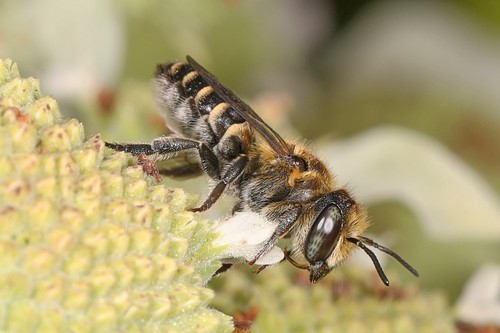
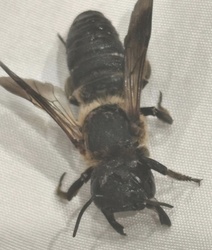
Leafcutter Bee identified by the community
Real finds identified with Bug Identifier.
Other bugs you may enjoy
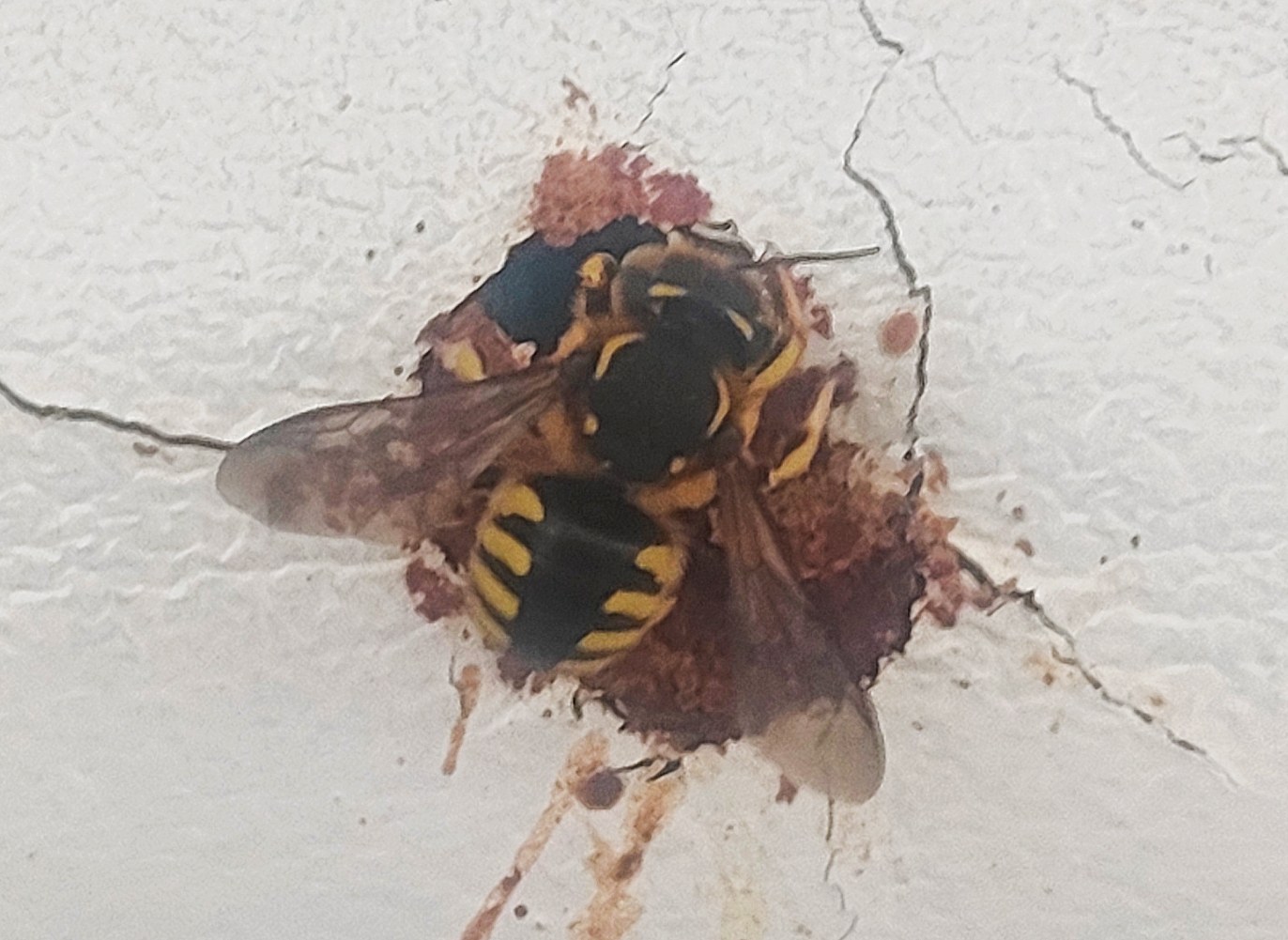
Wool Carder Bee
Gardens, meadows, urban green spaces with fuzzy-leaved plants
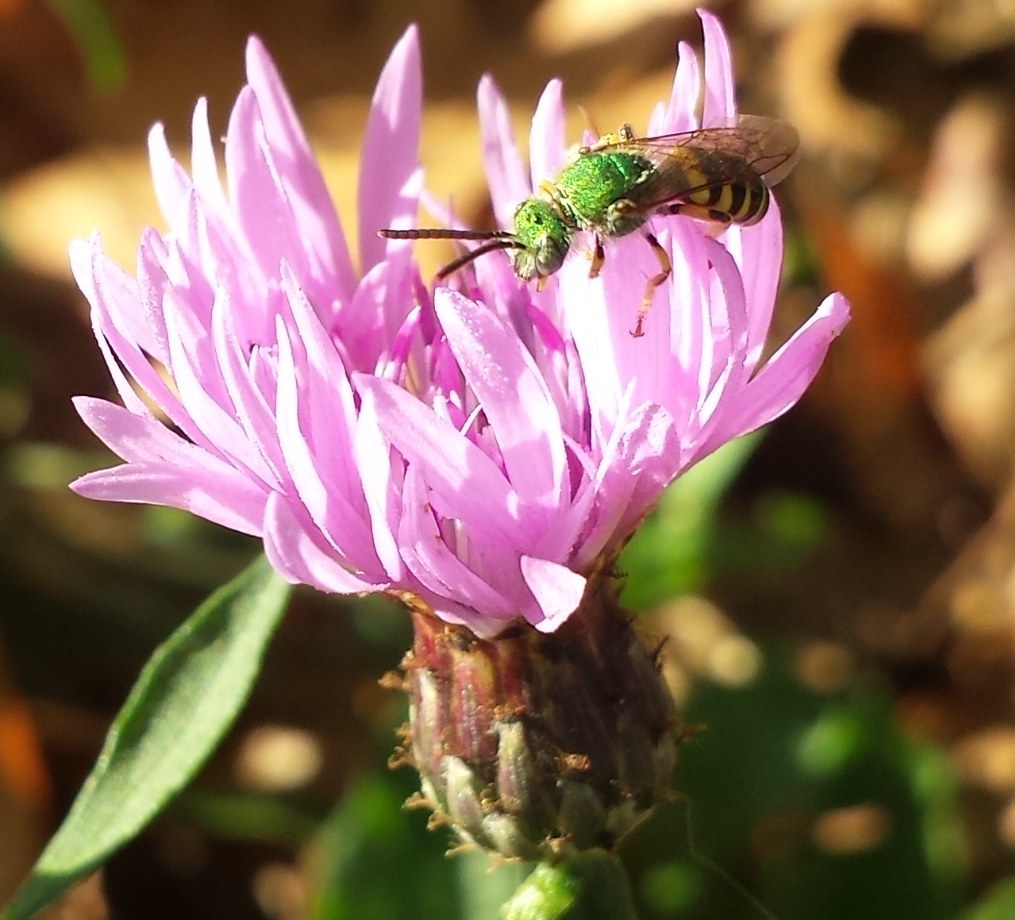
Sweat Bee
Gardens, meadows, and bare or sandy soil worldwide
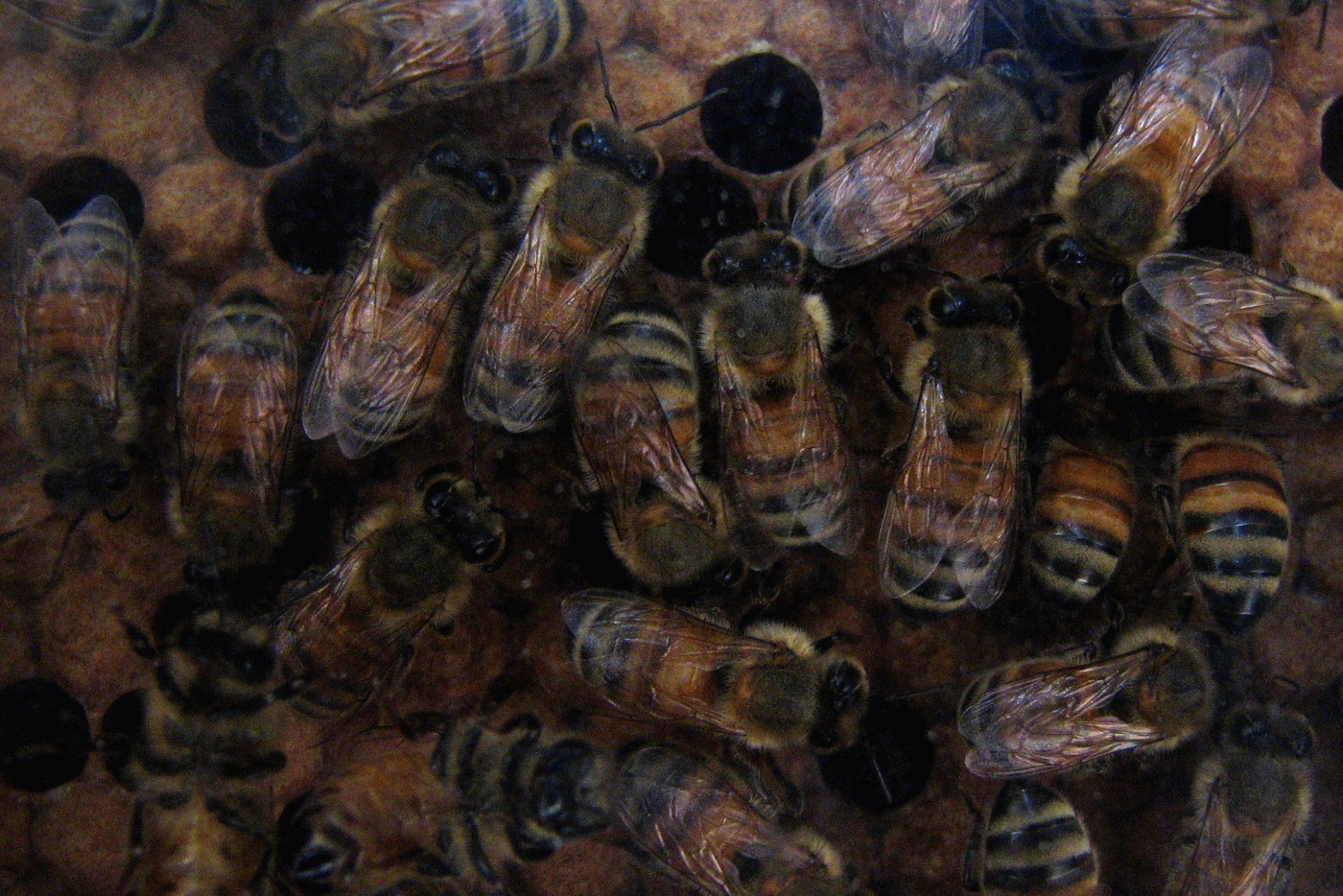
Western Honey Bee
Managed hives and wild colonies in tree cavities, worldwide in temperate and tropical climates
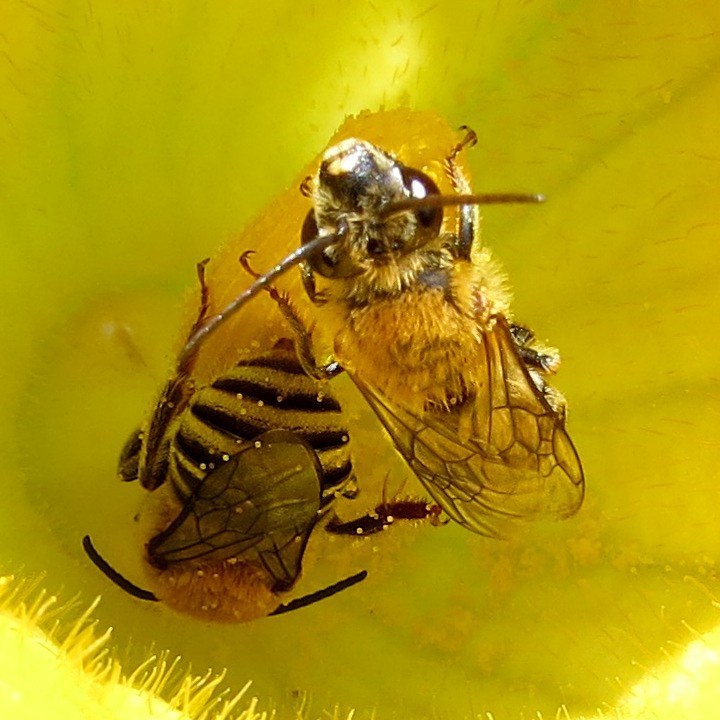
Squash Bee
Vegetable gardens and farm fields growing squash, pumpkin, and gourd plants
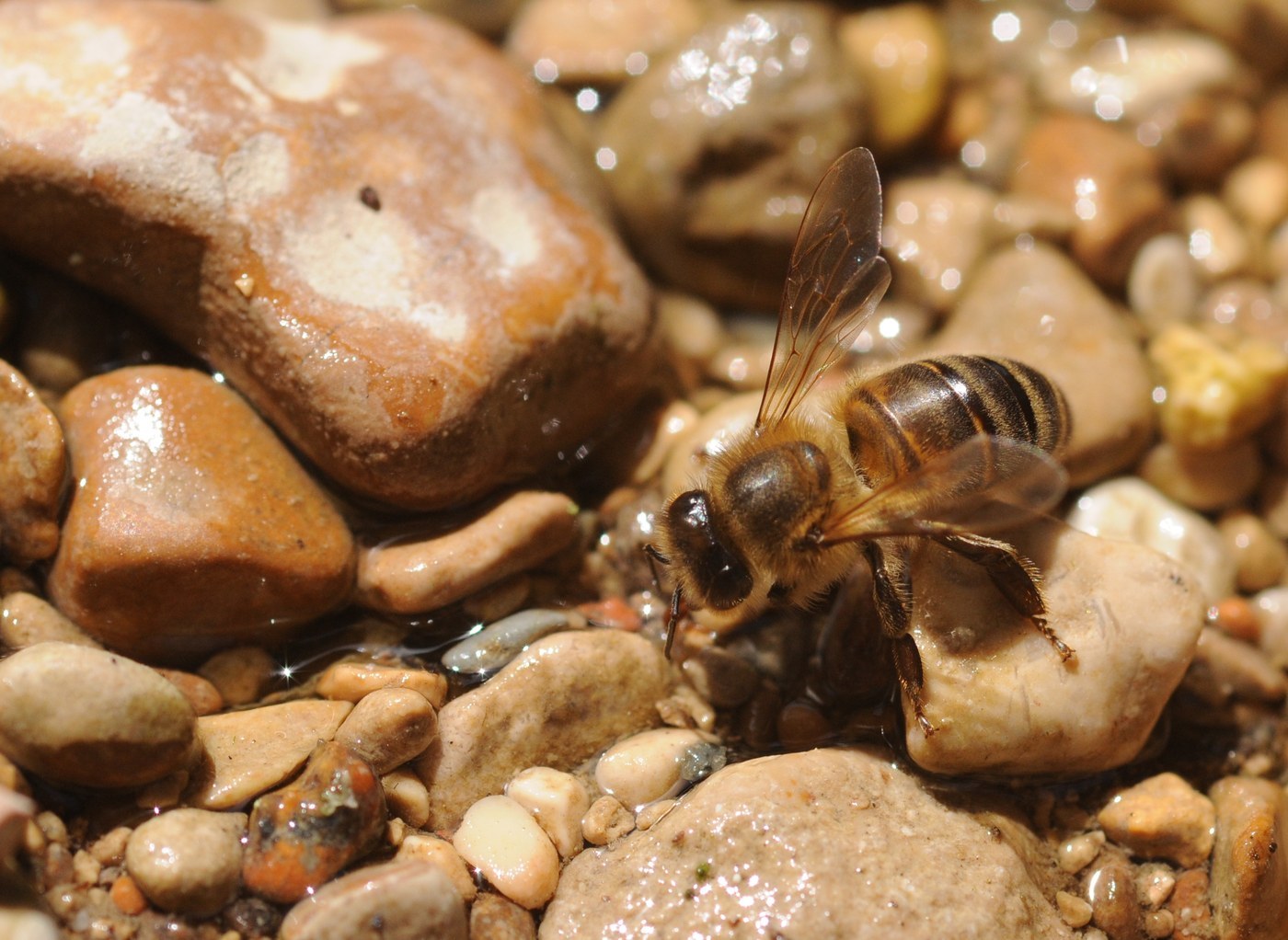
Honey Bee
Flowering meadows, gardens, orchards, and managed hives
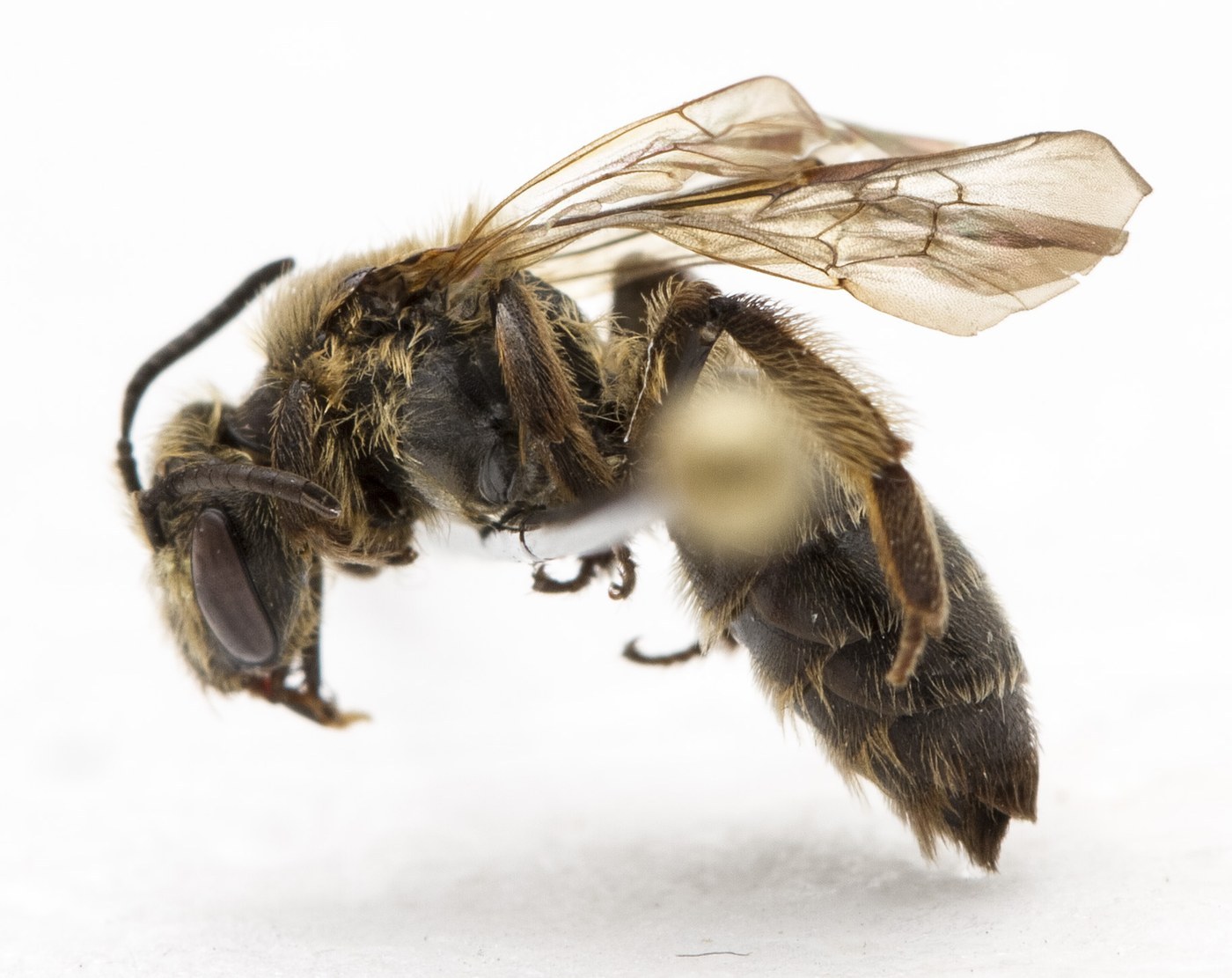
Mining Bee
Bare or sparsely vegetated soil, lawns, gardens, woodland edges
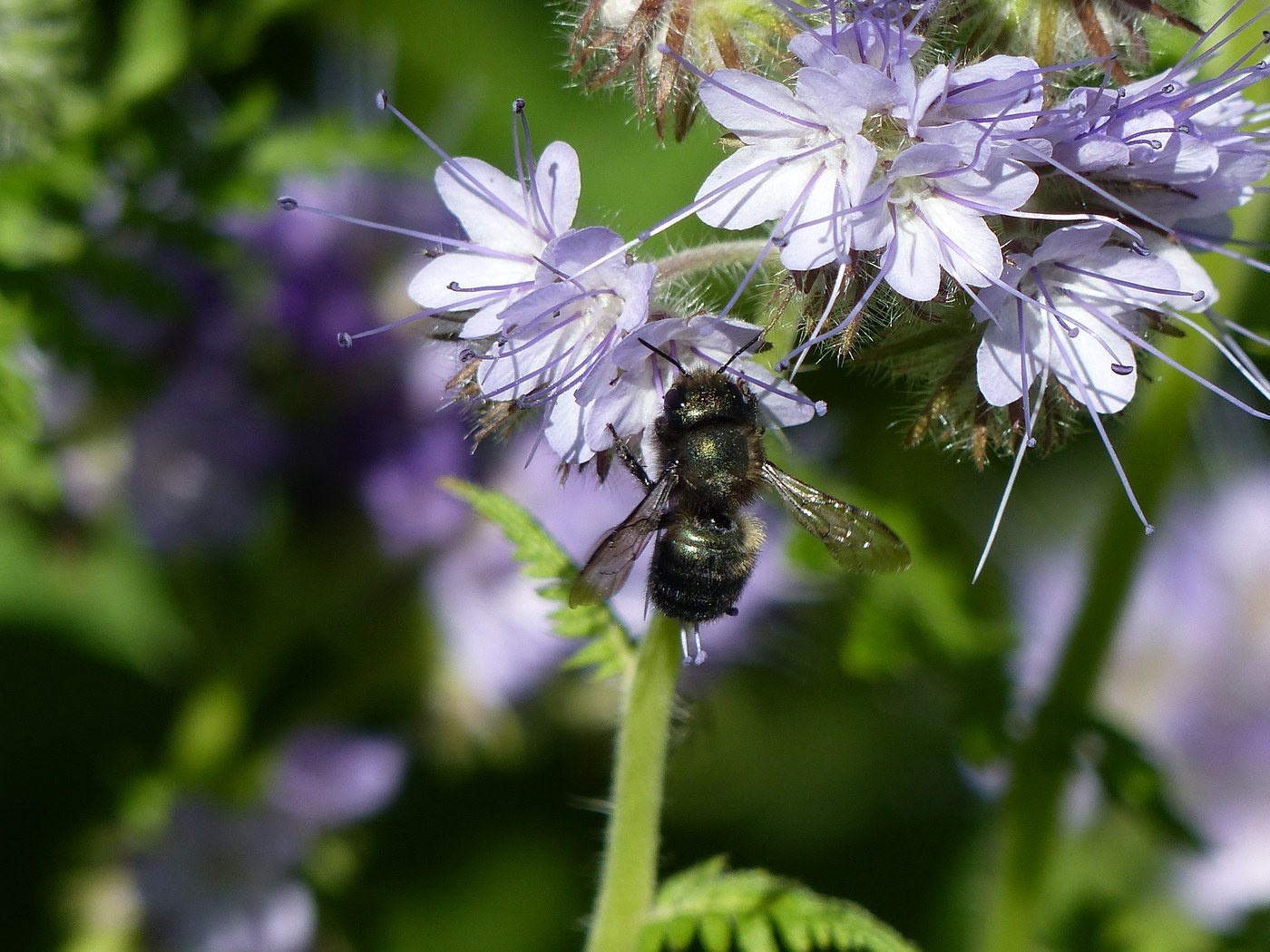
Mason Bee
Orchards, gardens, and wooded edges across temperate regions
Longhorn Bee
Prairies, meadows, gardens, sunflower and aster fields
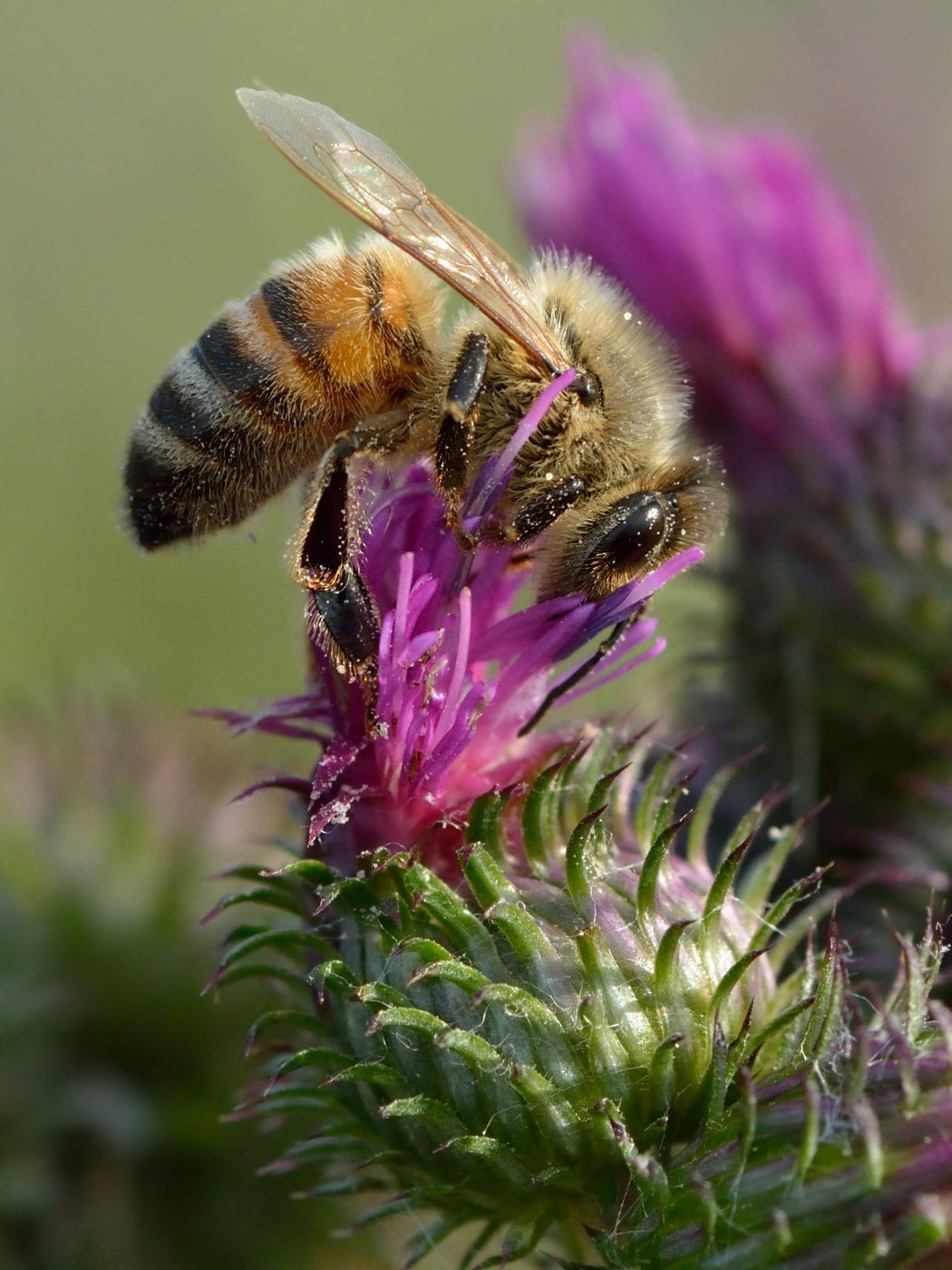
Honeybee
Managed hives, tree cavities, gardens, farmland, meadows
Carpenter Bee
Wooden structures, dead trees, and gardens across temperate and tropical regions
Bumblebee
Meadows, gardens, hedgerows, and open woodland edges
Bumble Bee Queen
Meadows, gardens, woodland edges; underground burrows or leaf litter for overwintering