
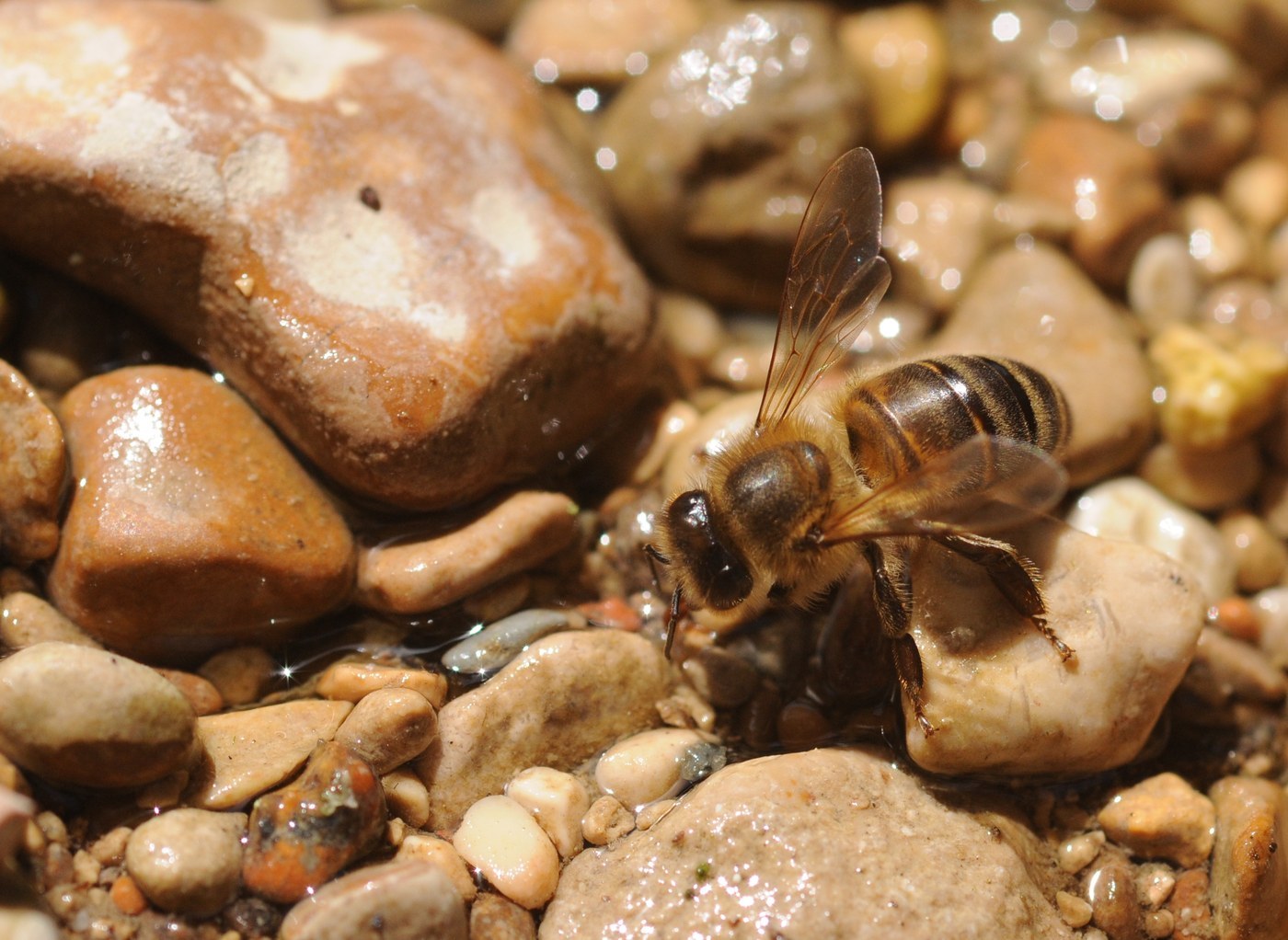
Honey Bee
Apis mellifera
A fuzzy, golden-brown and black-banded bee that lives in large, highly organized colonies, best known for its role in pollination and its production of wax comb and honey.
- Size
- 12–15 mm
- Habitat
- Flowering meadows, gardens, orchards, and managed hives
- Danger
- Stings
Spotted a bug like this?
Identify any bug or insect from a photo, free.
Overview
The honey bee, Apis mellifera, belongs to the family Apidae within the order Hymenoptera. Native to Europe, Africa, and western Asia, it has since been introduced by beekeepers across the globe due to its importance in pollination and honey production.
Honey bees are eusocial insects living in colonies of tens of thousands, organized around a single queen, thousands of female worker bees, and seasonal male drones. This complex social structure, along with their famous waggle-dance communication used to share the location of food sources, makes them one of the most studied social insects in the world.
Ecologically, honey bees are vital pollinators for countless flowering plants and agricultural crops, and their honey and wax production has made them one of the most economically and culturally significant insects to humans throughout history.
How to Identify
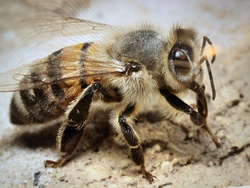
- Oval, moderately fuzzy body with alternating amber-brown and darker brown/black bands on the abdomen.
- Two pairs of translucent wings, the front pair larger than the hind pair.
- Pollen baskets (corbiculae) on the hind legs of worker bees, often visibly packed with pollen.
- Branched, feathery body hairs adapted for collecting pollen.
- Lookalikes: honey bees are often confused with yellow jackets, but honey bees have a fuzzier, more amber-toned body and a robust build, while yellow jackets are smooth, shiny, and more sharply black-and-yellow banded.
Habitat & Range
Honey bees are found nearly worldwide today due to widespread beekeeping, in both wild colonies (often in tree cavities) and managed hives. They favor areas with abundant flowering plants, such as meadows, orchards, and gardens, and remain active through spring, summer, and fall, clustering inside the hive to conserve warmth during winter.
Behavior & Diet
Honey bees forage on nectar and pollen from a wide variety of flowering plants, transferring pollen between blooms in the process and providing essential pollination services. Worker bees communicate the direction and distance of food sources to nestmates through a symbolic waggle dance. The colony works collectively to build wax comb, store honey and pollen, and regulate hive temperature, and a colony can defend its hive by stinging when it perceives a threat.
Life Cycle
Honey bees undergo complete metamorphosis: egg, larva, pupa, and adult. The queen lays eggs singly into wax comb cells, which hatch into legless larvae fed by nurse bees before being capped and pupating within the cell. Depending on the type of bee being raised, development from egg to adult takes about three weeks for workers, with the colony persisting year-round and overwintering as a cluster rather than individual hibernation.
Frequently asked questions
How is a honey bee different from a bumblebee?
Honey bees are slimmer with amber-and-black banding, while bumblebees are rounder, larger, and much more densely furry overall.
Do honey bees live in the ground?
No, honey bee colonies typically nest in enclosed cavities such as hollow trees or man-made hives rather than underground.
What do honey bees eat?
They feed on nectar for energy and collect pollen as a protein source, both gathered from flowering plants.
How large can a honey bee colony get?
A single colony can contain tens of thousands of worker bees along with one queen and, seasonally, a number of drones.
Honey Bee guides
In-depth guides for identifying, understanding, and living alongside Honey Bee.
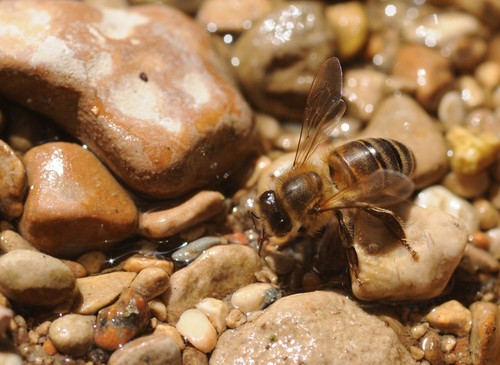
Honey Bee identified by the community
Real finds identified with Bug Identifier.
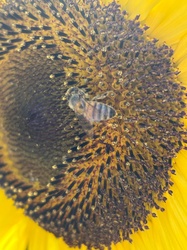
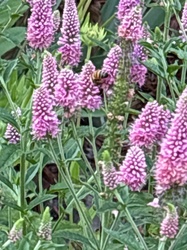
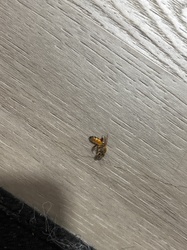

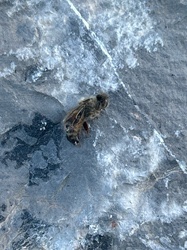

Other bugs you may enjoy
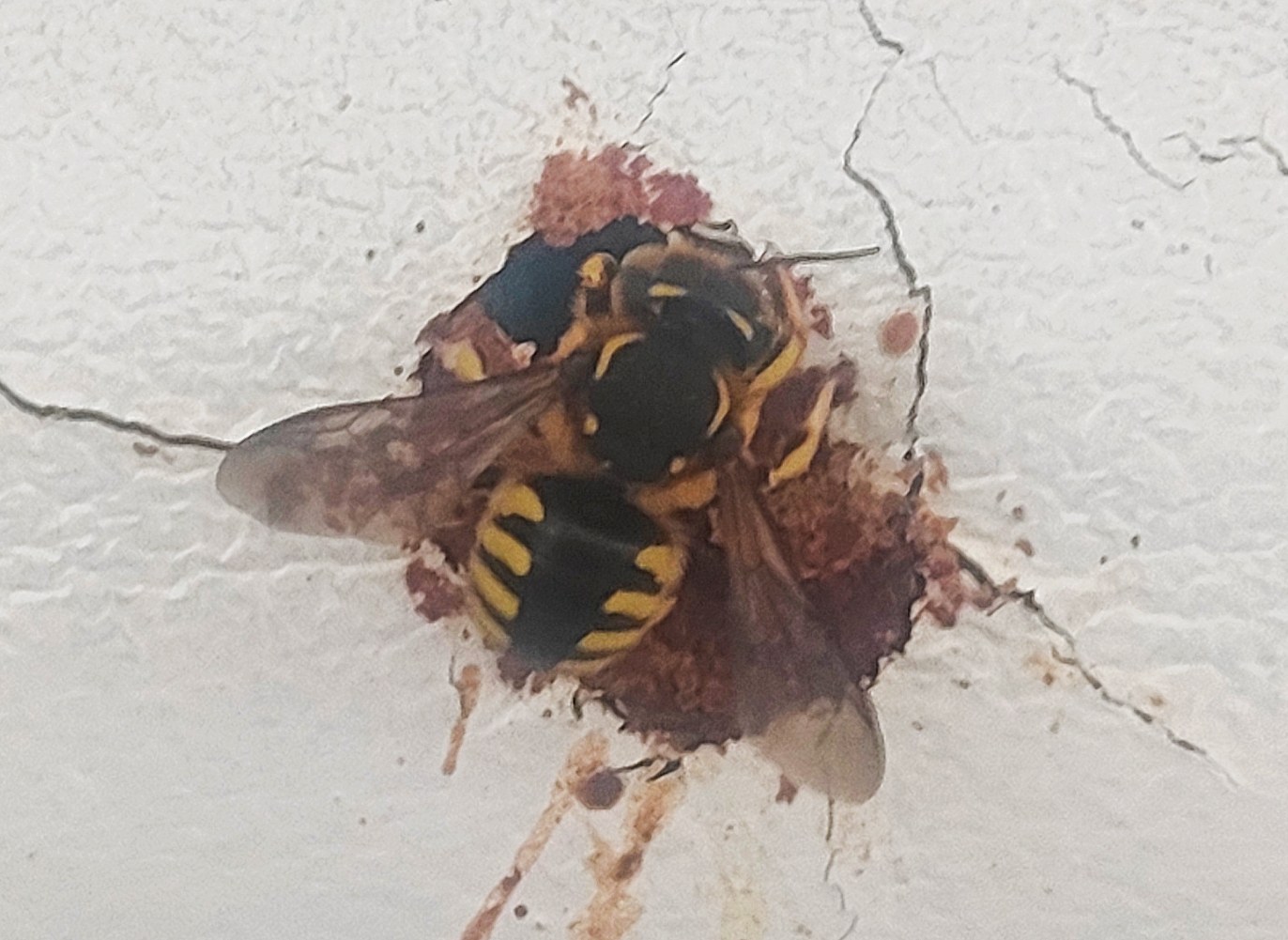
Wool Carder Bee
Gardens, meadows, urban green spaces with fuzzy-leaved plants
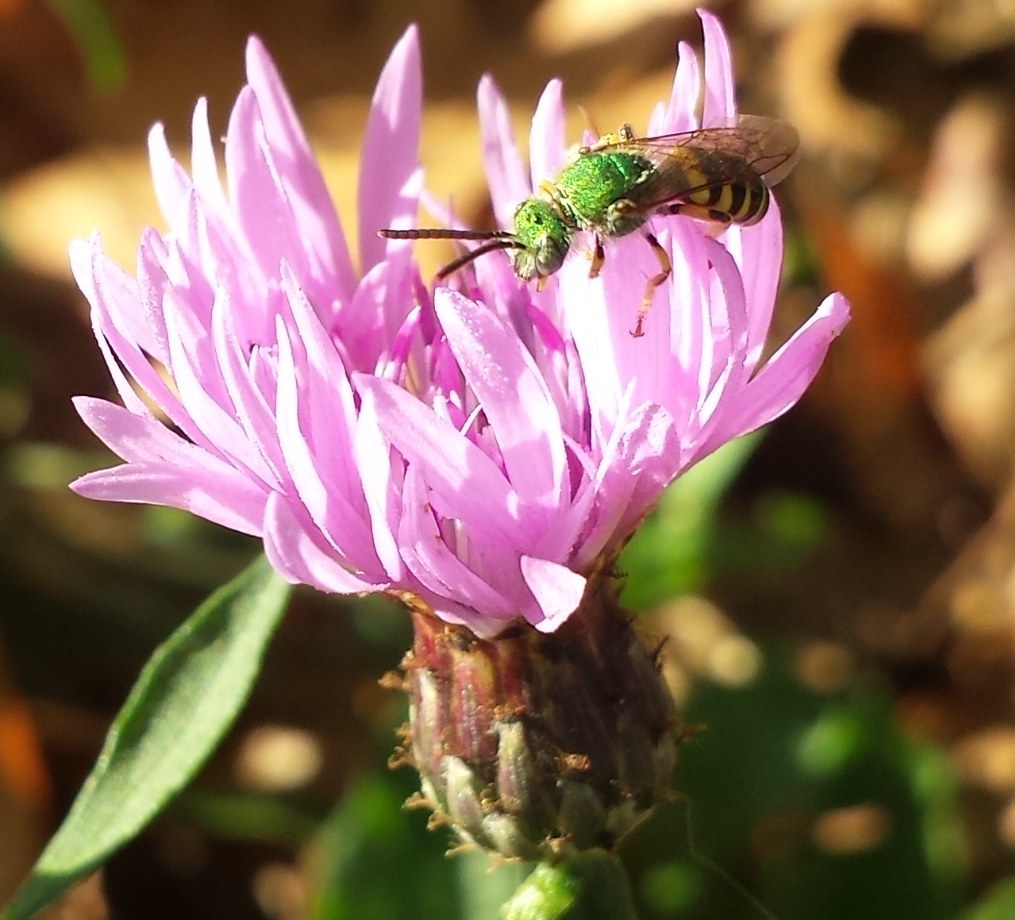
Sweat Bee
Gardens, meadows, and bare or sandy soil worldwide
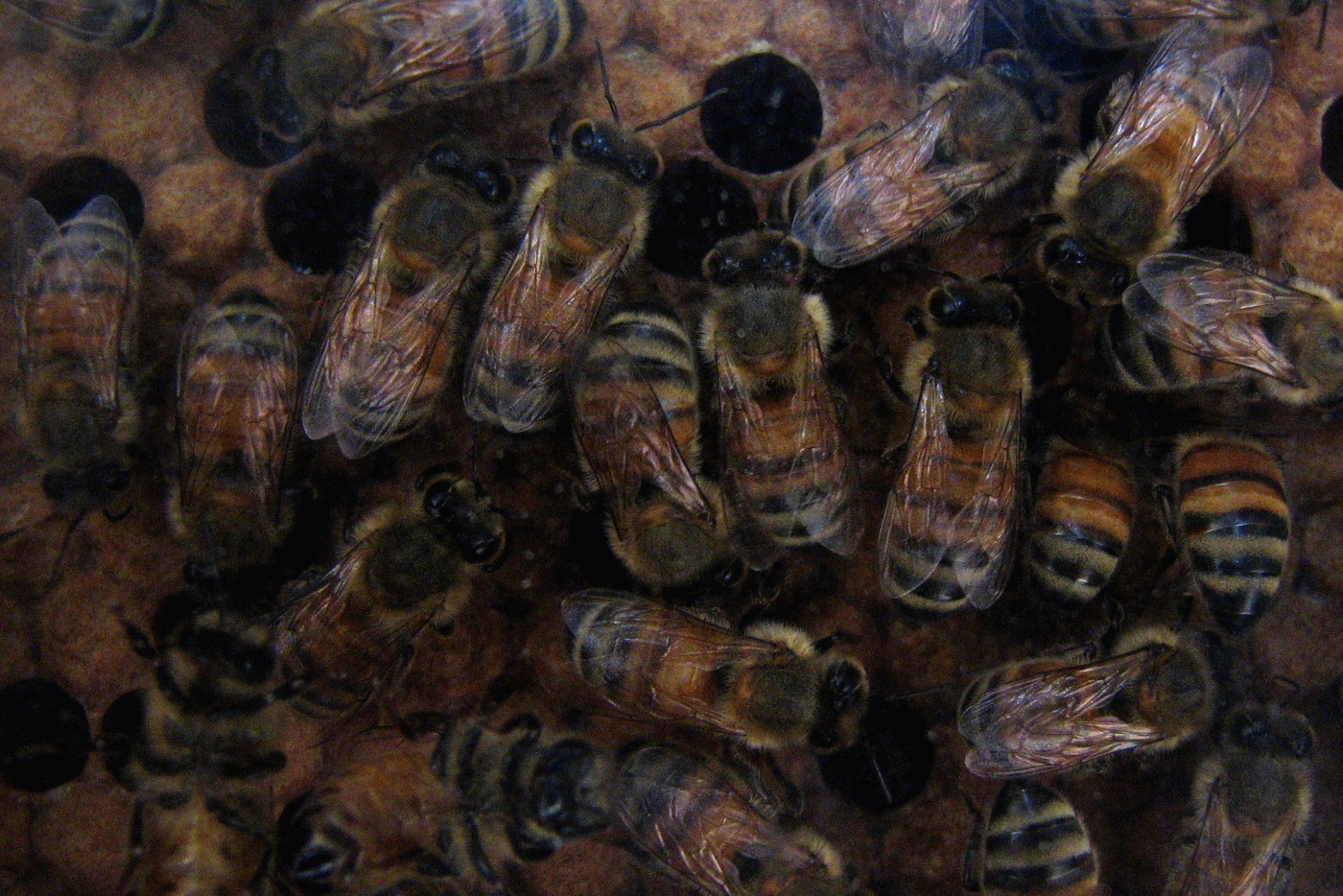
Western Honey Bee
Managed hives and wild colonies in tree cavities, worldwide in temperate and tropical climates
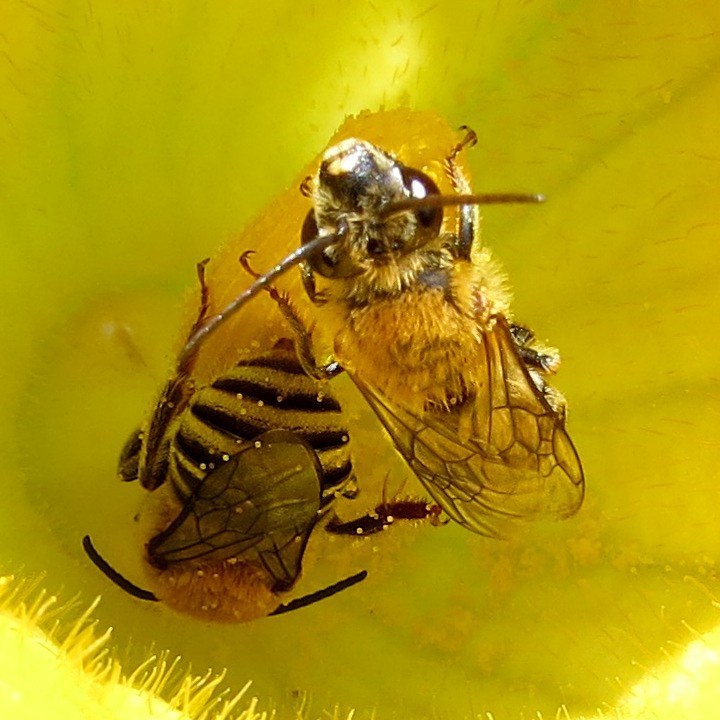
Squash Bee
Vegetable gardens and farm fields growing squash, pumpkin, and gourd plants
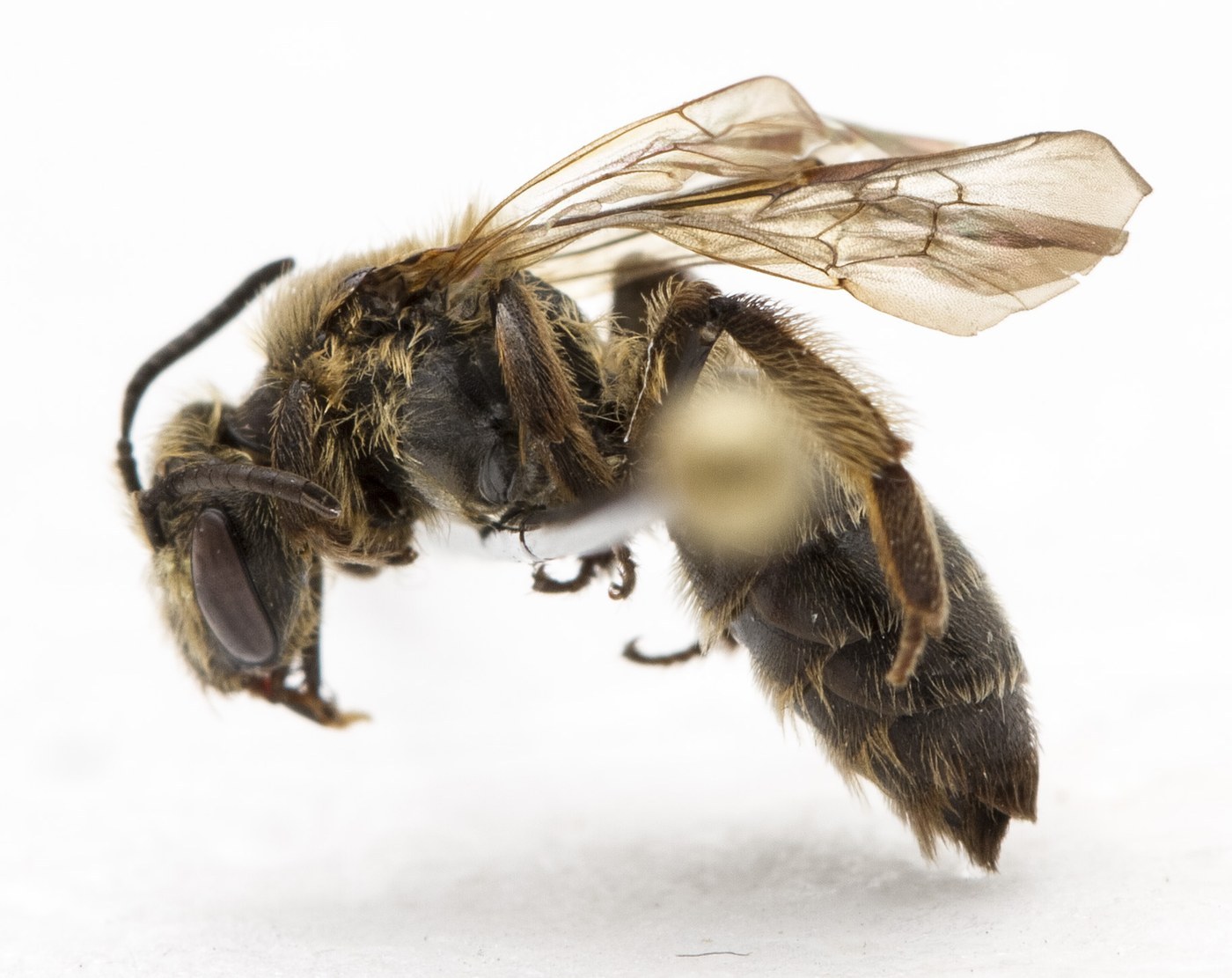
Mining Bee
Bare or sparsely vegetated soil, lawns, gardens, woodland edges
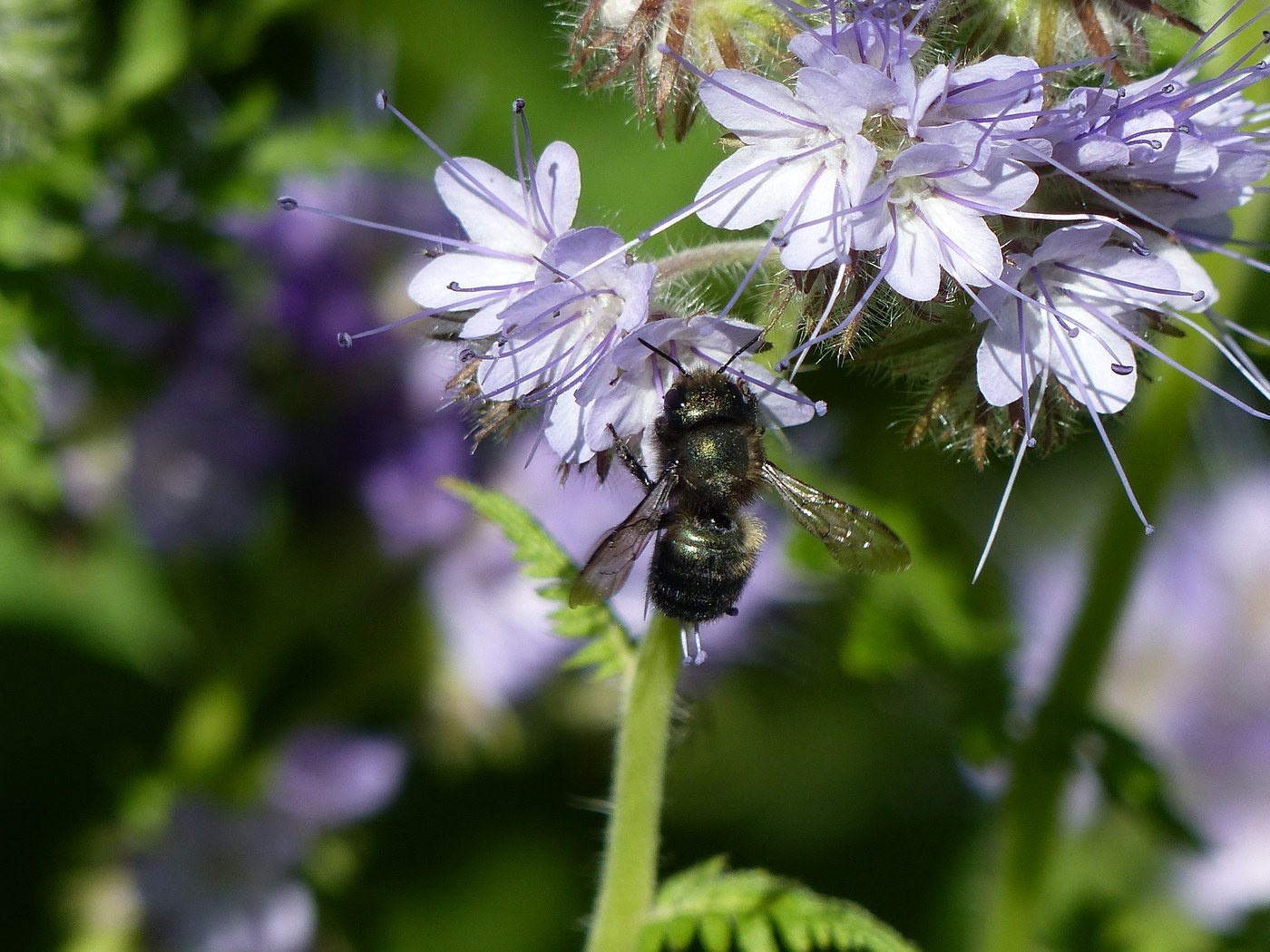
Mason Bee
Orchards, gardens, and wooded edges across temperate regions
Longhorn Bee
Prairies, meadows, gardens, sunflower and aster fields
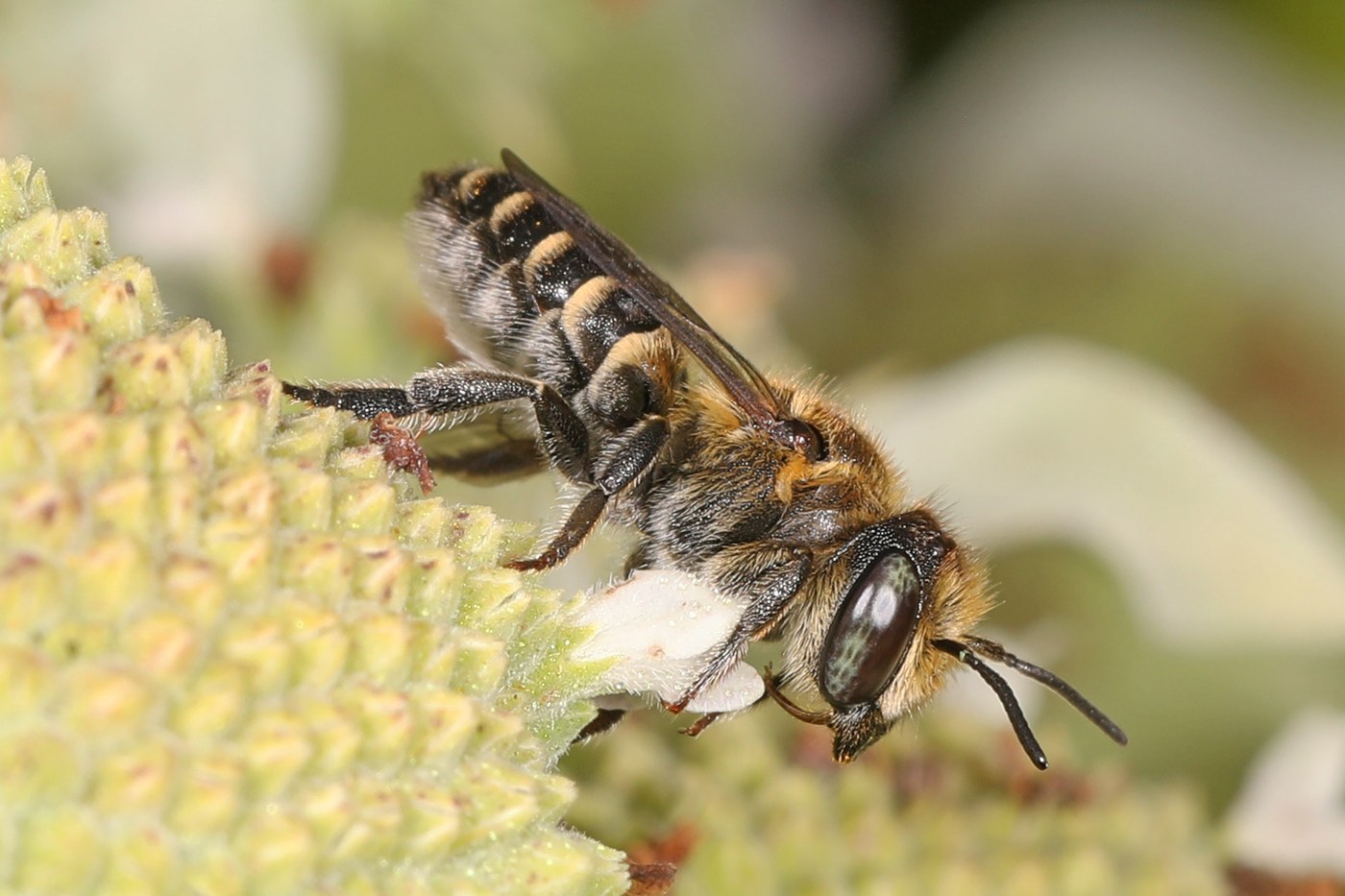
Leafcutter Bee
Gardens, meadows, and agricultural fields across temperate and subtropical regions
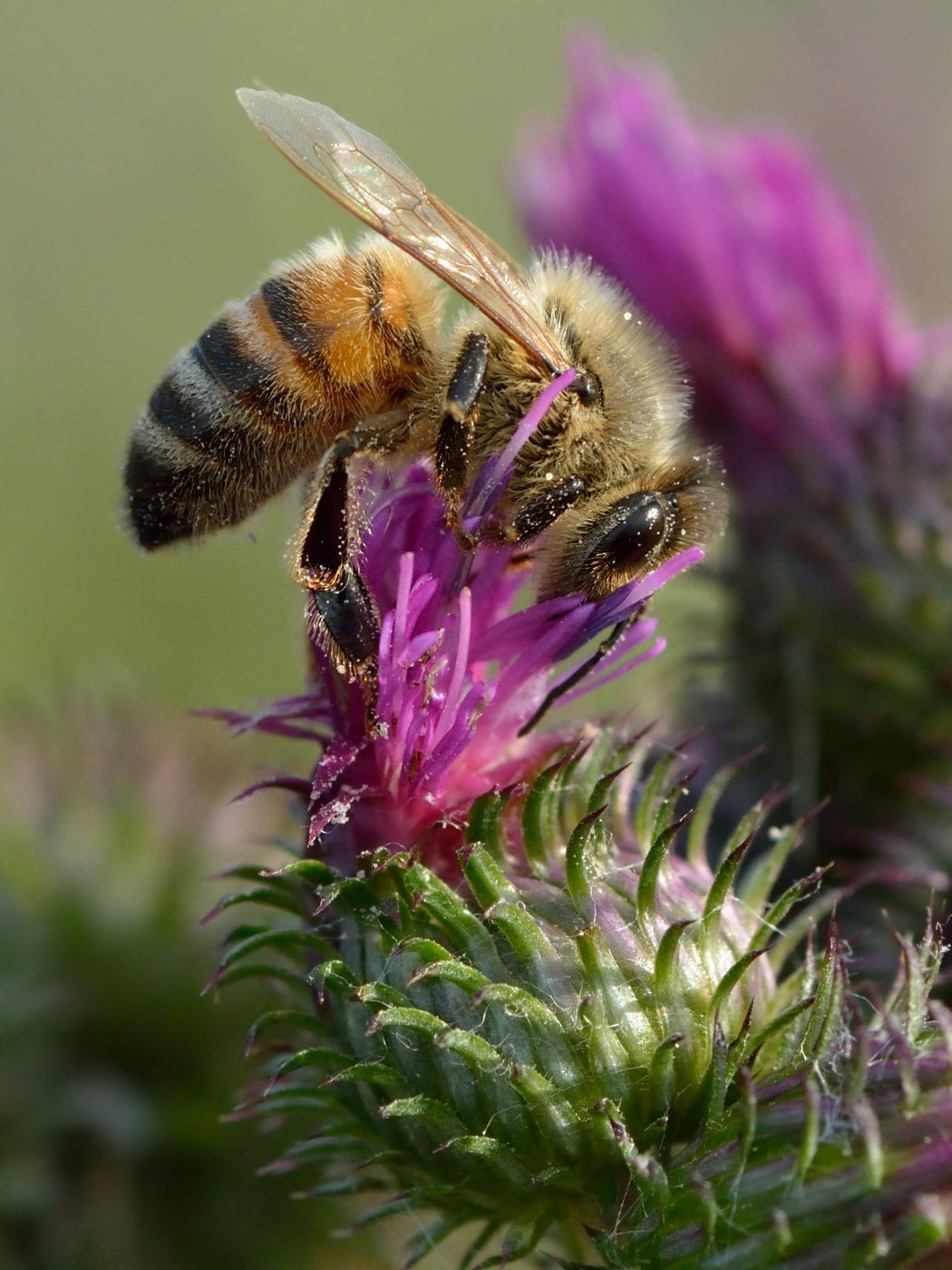
Honeybee
Managed hives, tree cavities, gardens, farmland, meadows
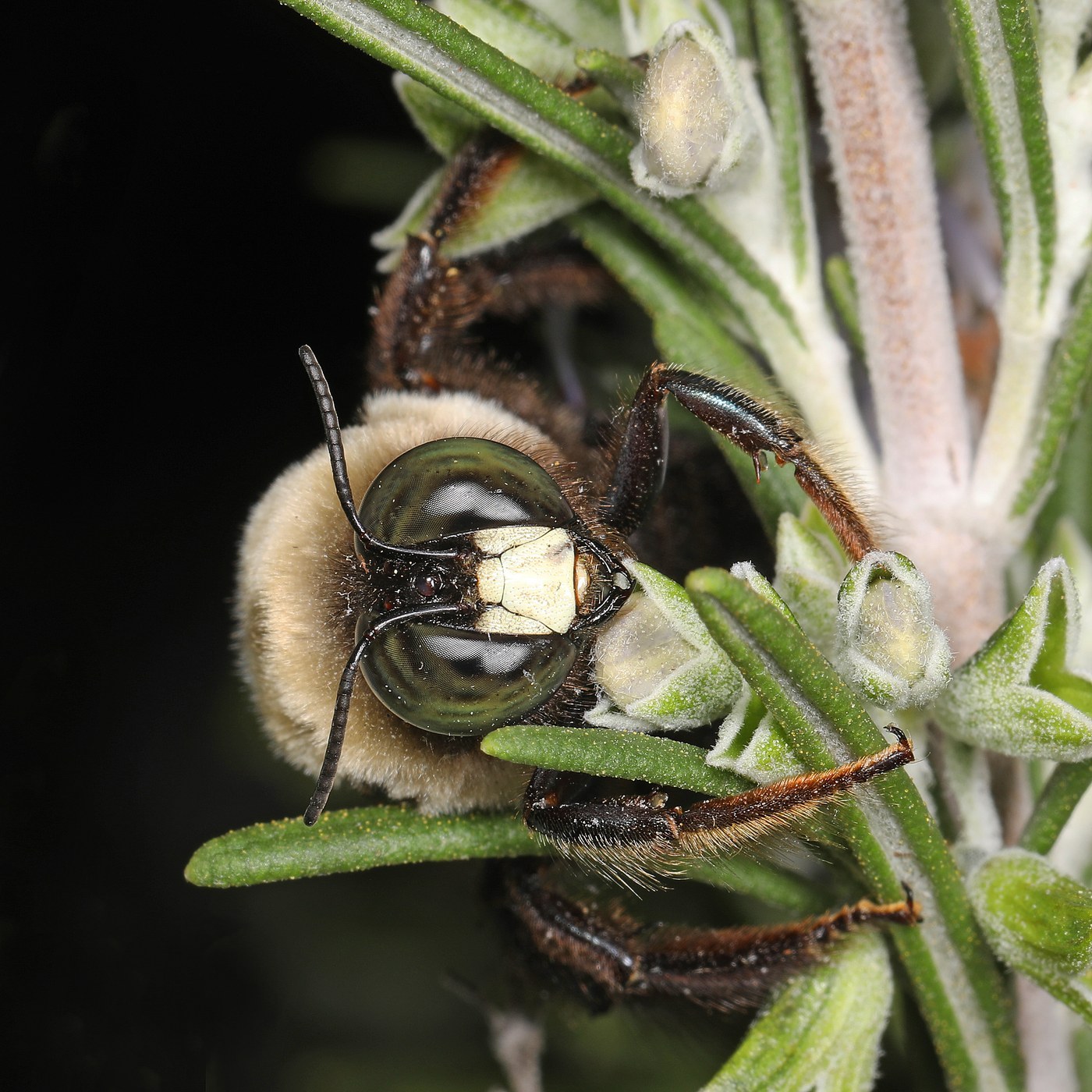
Carpenter Bee
Wooden structures, dead trees, and gardens across temperate and tropical regions
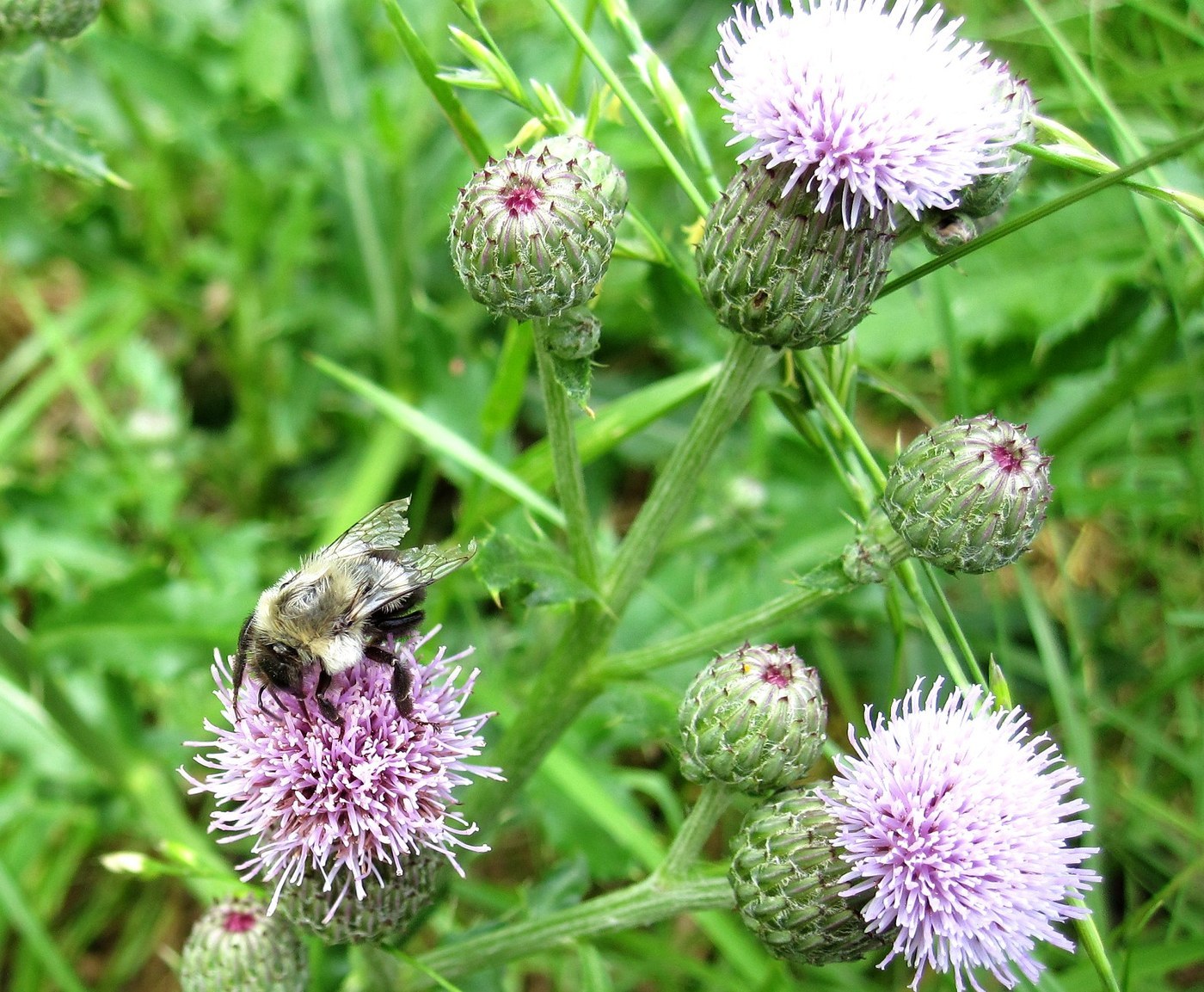
Bumblebee
Meadows, gardens, hedgerows, and open woodland edges
Bumble Bee Queen
Meadows, gardens, woodland edges; underground burrows or leaf litter for overwintering