
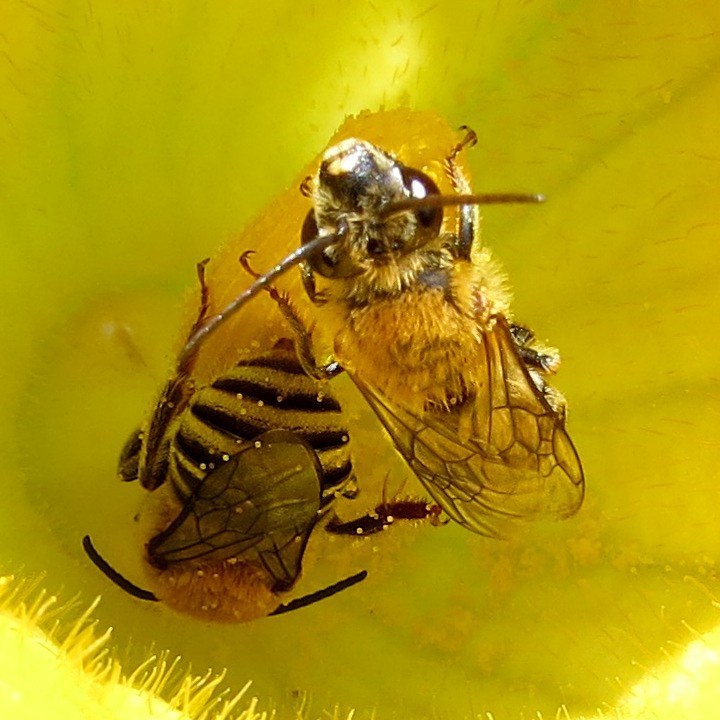
Squash Bee
Peponapis pruinosa
A robust, early-rising solitary bee specialized in visiting squash, pumpkin, and gourd flowers, often seen foraging in the cool early morning hours before many other pollinators are active.
- Size
- 10–18 mm
- Habitat
- Vegetable gardens and farm fields growing squash, pumpkin, and gourd plants
- Danger
- Stings
Spotted a bug like this?
Identify any bug or insect from a photo, free.
Overview
The squash bee, primarily represented by the species Peponapis pruinosa in North America, is a solitary ground-nesting bee in the family Apidae that has evolved a close ecological relationship with plants in the genus Cucurbita, including squash, pumpkins, and gourds. It is considered a specialist pollinator (oligolectic), collecting pollen almost exclusively from these plants.
It is notable for its early-morning activity pattern, timed precisely to the brief window when squash and pumpkin flowers open and offer fresh pollen, often foraging before sunrise or shortly after and finishing activity by midmorning as the flowers begin to wilt. This punctual behavior makes it an efficient and reliable pollinator wherever cucurbit crops are grown.
Ecologically, squash bees are considered one of the most effective pollinators of cucurbit crops in North America, frequently rivaling or exceeding honey bees in pollination efficiency for these specific plants, and their presence is closely tied to the cultivation history of squash and related plants on the continent.
How to Identify
- Medium to robust bee, 10–18 mm long, with a stocky body, brownish to grayish coloring, and pale hair bands across the abdomen.
- Larger and bulkier than many small native bees, with a fast, low flight pattern around cucurbit flowers.
- Males often rest inside closed squash or pumpkin blossoms during the heat of the day, a useful identification behavior.
- Distinguished from bumble bees by smaller size and less dense fur, and from honey bees by stockier build and close association with squash-family flowers specifically.
Habitat & Range
Squash bees are found throughout much of North America wherever cucurbit crops such as squash, pumpkin, and gourds are cultivated or their wild relatives grow, ranging from home gardens to large agricultural fields. They nest in bare or lightly vegetated soil, often directly beneath or near the cucurbit plants they visit, and are active during the summer growing season, timed to the flowering period of their host plants.
Behavior & Diet
Females begin foraging at first light, visiting the large, short-lived flowers of squash and pumpkin plants to collect pollen and nectar before the blossoms close later in the morning, then provision individual underground nest cells with this pollen for their offspring. Males typically do not have nests to return to and instead spend nights and hot afternoons resting inside closed squash flowers, sometimes several together. As specialist pollinators, squash bees are highly efficient at transferring pollen between cucurbit flowers, contributing significantly to fruit set in these crops.
Life Cycle
Squash bees undergo complete metamorphosis with one generation per year in most regions. Eggs laid on pollen-nectar provisions in underground cells hatch into larvae that consume the food store, then develop into pupae by late summer or fall. Most individuals overwinter as a fully developed prepupa or adult within the soil cell, emerging the following summer in close synchrony with the flowering of squash and pumpkin plants to begin the cycle again.
Frequently asked questions
Why are squash bees active so early in the morning?
Squash and pumpkin flowers open before dawn and close by midmorning, so squash bees forage during this narrow window to access fresh pollen.
Do squash bees only visit squash plants?
They are specialists that focus almost exclusively on squash, pumpkin, and other cucurbit flowers for pollen.
Where do male squash bees sleep?
Males commonly rest inside closed squash or pumpkin blossoms during the day and overnight.
Are squash bees aggressive toward people?
No, they are generally docile solitary bees focused on foraging and nesting rather than defense.
Squash Bee guides
In-depth guides for identifying, understanding, and living alongside Squash Bee.
Other bugs you may enjoy
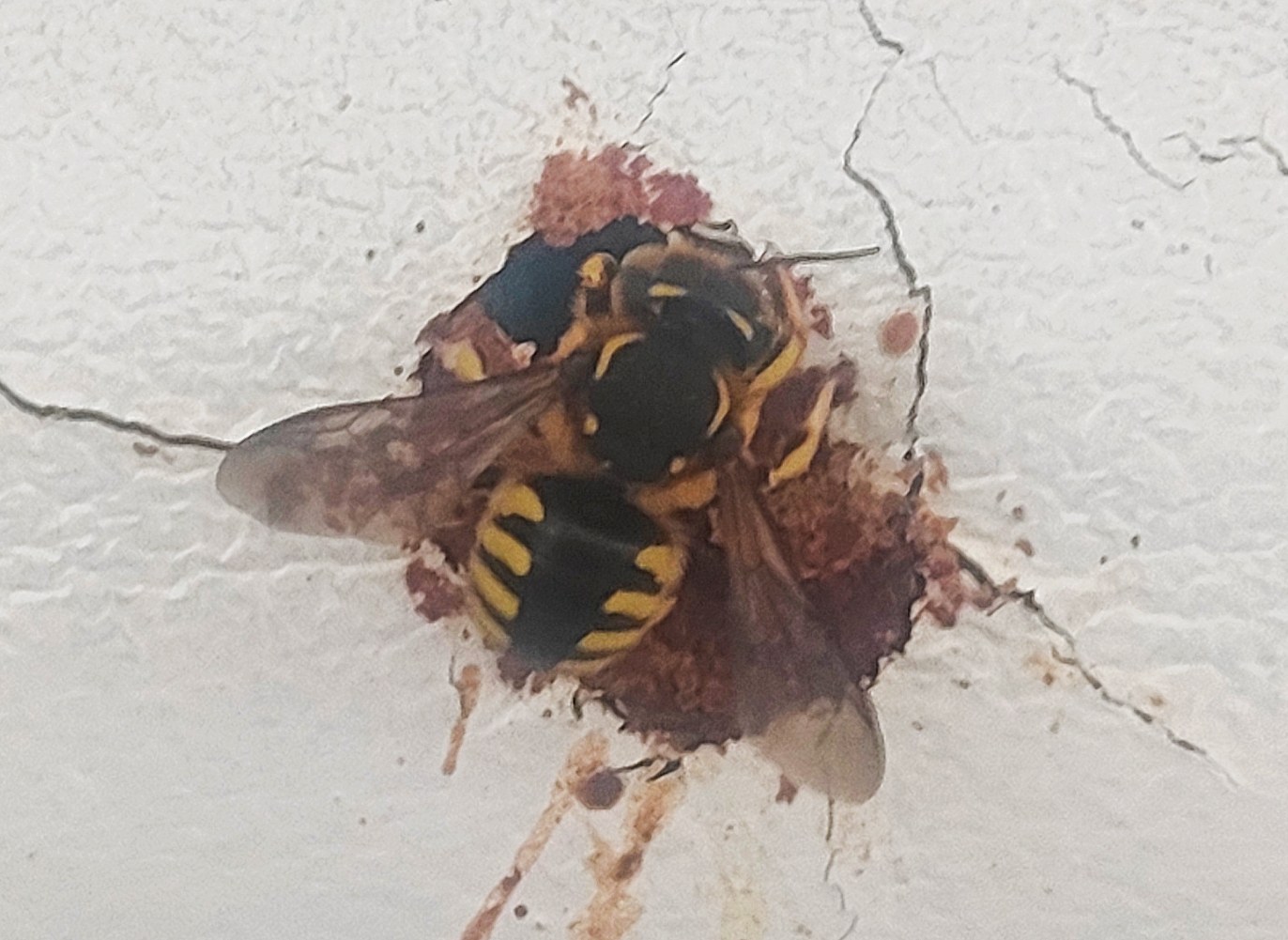
Wool Carder Bee
Gardens, meadows, urban green spaces with fuzzy-leaved plants
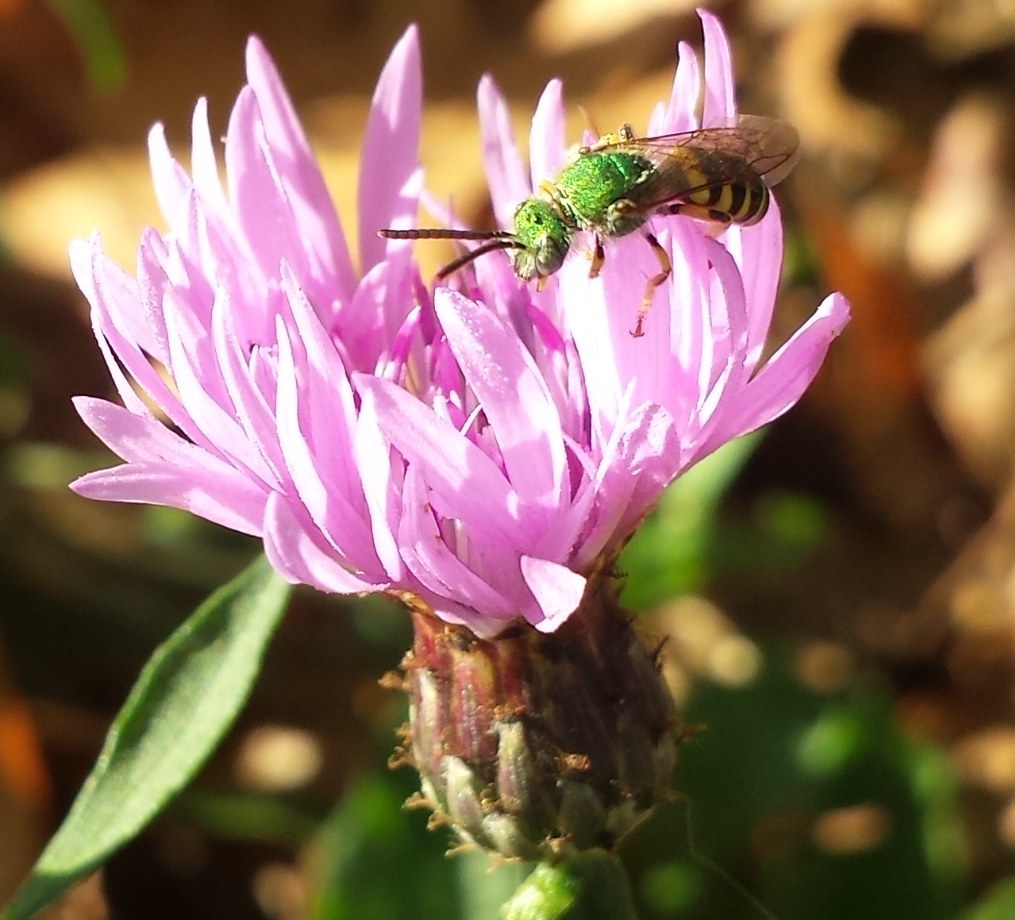
Sweat Bee
Gardens, meadows, and bare or sandy soil worldwide
Western Honey Bee
Managed hives and wild colonies in tree cavities, worldwide in temperate and tropical climates
Honey Bee
Flowering meadows, gardens, orchards, and managed hives
Mining Bee
Bare or sparsely vegetated soil, lawns, gardens, woodland edges
Mason Bee
Orchards, gardens, and wooded edges across temperate regions
Longhorn Bee
Prairies, meadows, gardens, sunflower and aster fields
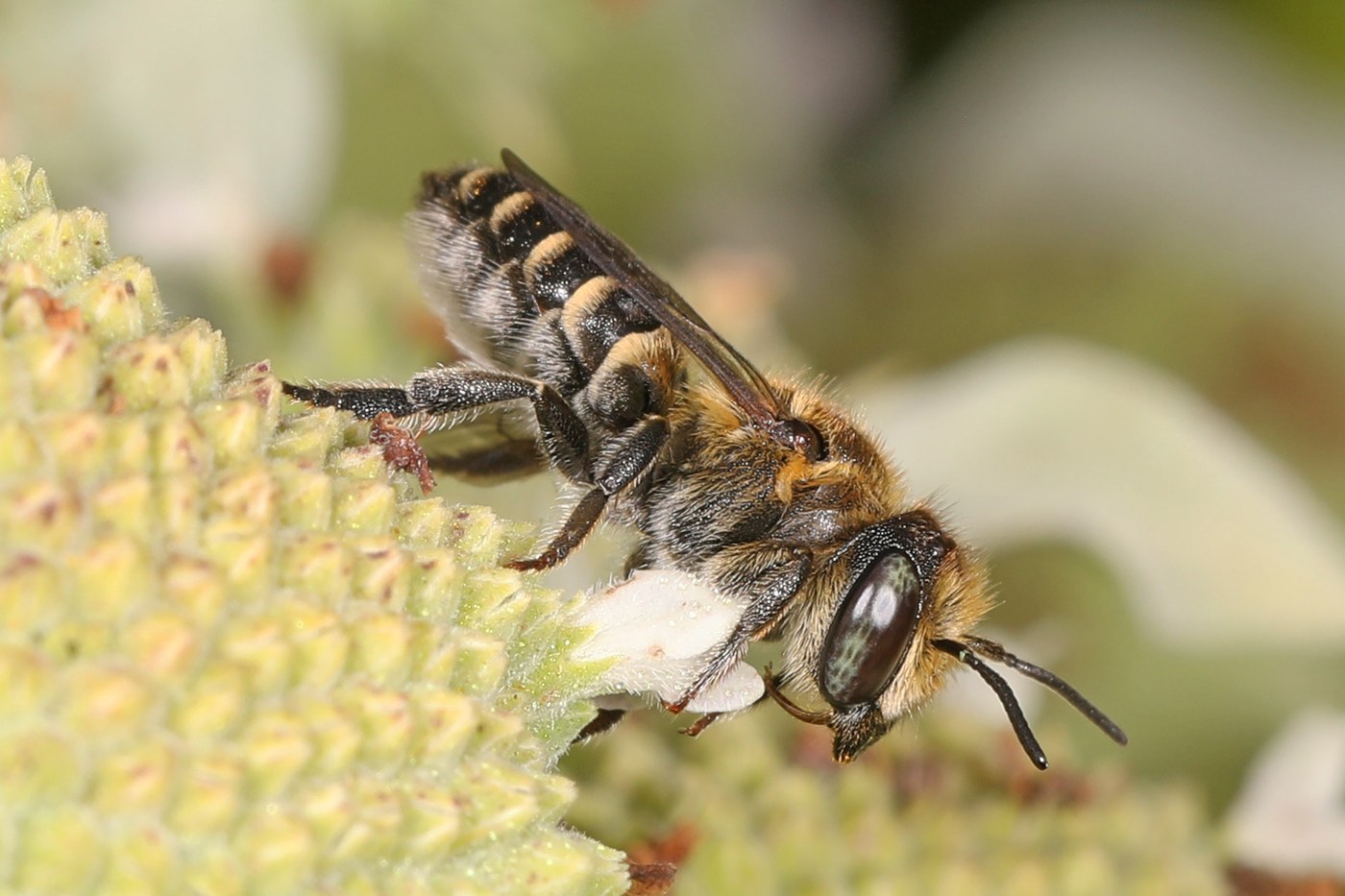
Leafcutter Bee
Gardens, meadows, and agricultural fields across temperate and subtropical regions
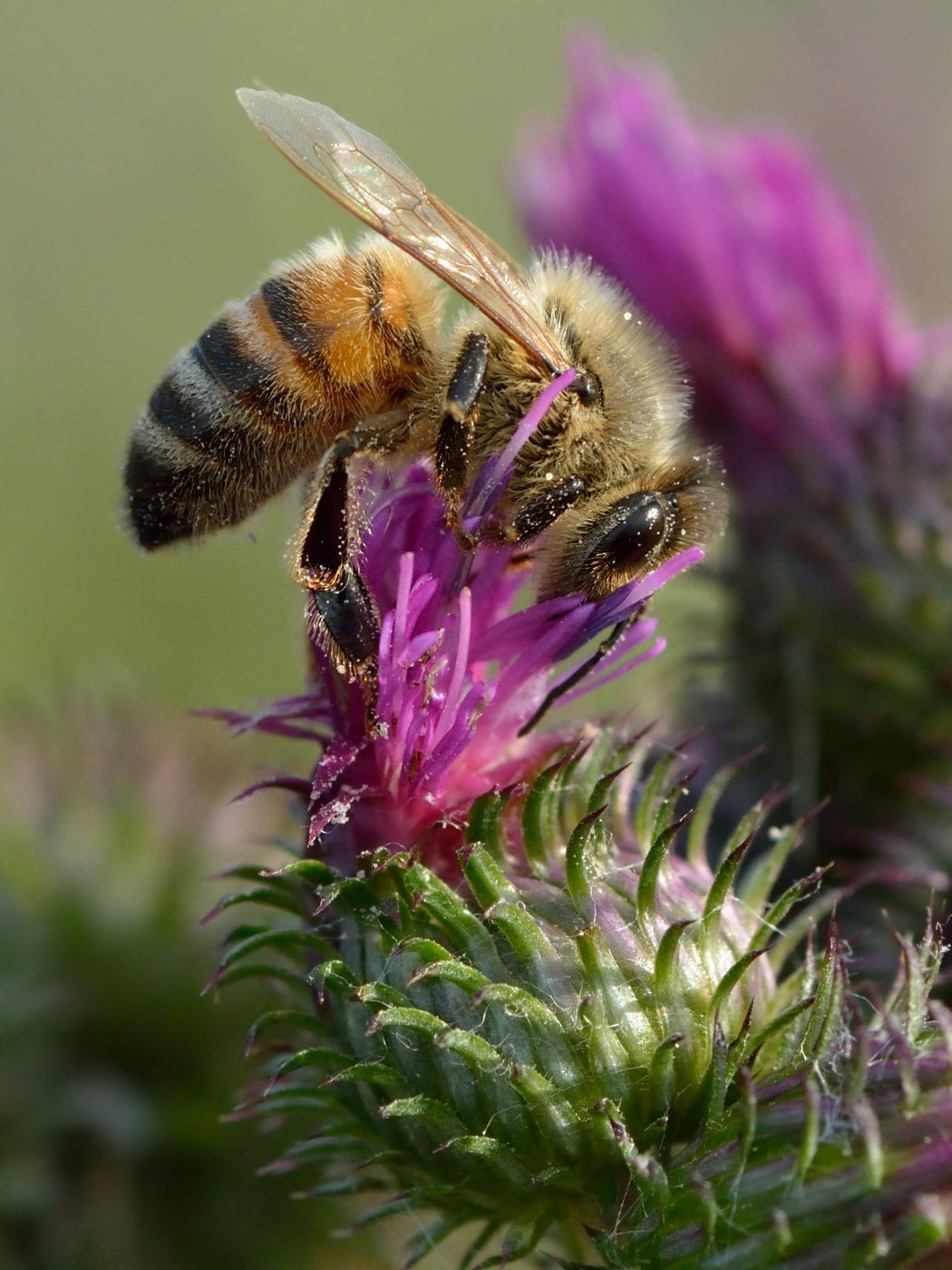
Honeybee
Managed hives, tree cavities, gardens, farmland, meadows
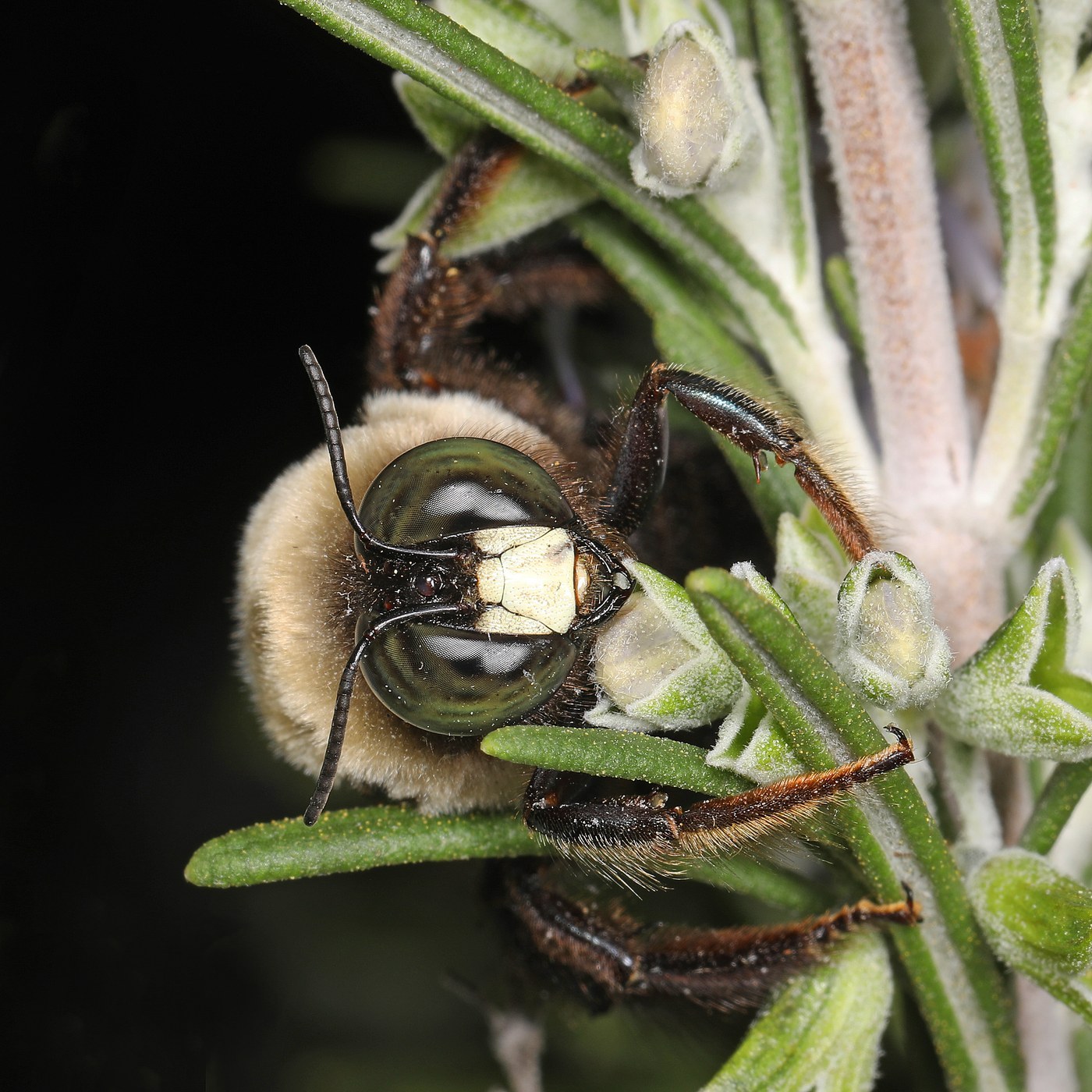
Carpenter Bee
Wooden structures, dead trees, and gardens across temperate and tropical regions
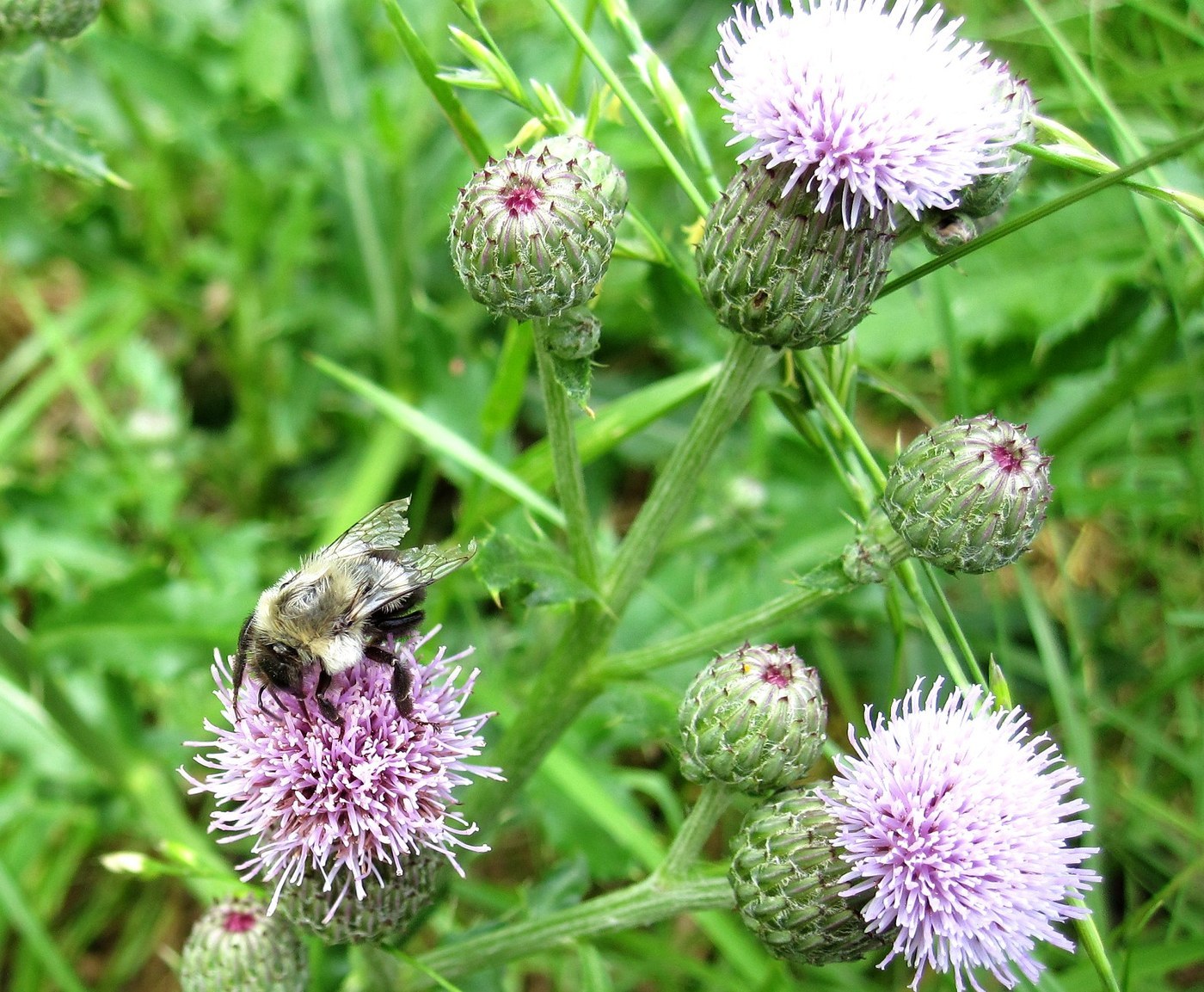
Bumblebee
Meadows, gardens, hedgerows, and open woodland edges
Bumble Bee Queen
Meadows, gardens, woodland edges; underground burrows or leaf litter for overwintering