
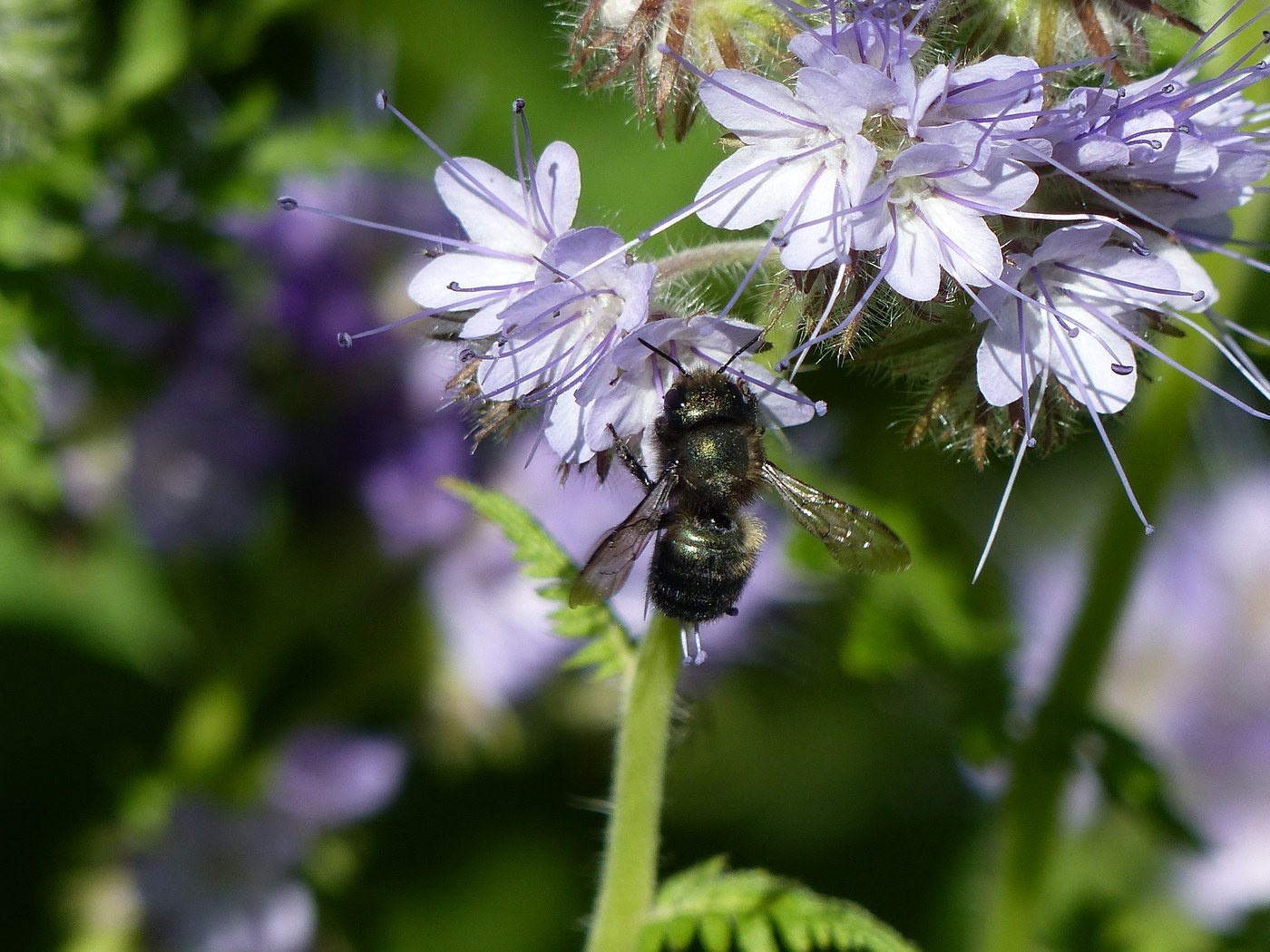
Mason Bee
Osmia lignaria
A compact, metallic blue-black bee that nests in existing narrow cavities and seals its brood cells with mud, prized as one of the most efficient early-spring pollinators of fruit trees.
- Size
- 8–13 mm
- Habitat
- Orchards, gardens, and wooded edges across temperate regions
- Danger
- Stings
Spotted a bug like this?
Identify any bug or insect from a photo, free.
Overview
Mason bees belong to the genus Osmia within the bee family Megachilidae, a group distinguished by carrying pollen on specialized hairs beneath the abdomen rather than on the hind legs like honey bees. The Blue Orchard Bee is the best-known North American species, valued highly in agriculture for its efficiency pollinating early-blooming fruit trees.
The group is notable for its gentle, non-aggressive temperament and its highly efficient pollination behavior, often visiting far more flowers per minute than honey bees, which has made mason bees a focus of managed pollination programs in orchards. Their habit of nesting in pre-existing narrow cavities, sealed with mud partitions, gives the group its common name.
Ecologically, mason bees are important solitary pollinators of fruit trees and many spring wildflowers, and their reliance on natural cavities such as hollow stems or beetle holes ties their populations closely to the availability of varied, undisturbed nesting habitat.
How to Identify
- Compact, stocky body with a metallic dark blue, blue-green, or black sheen, less colorful than sweat bees but often iridescent in good light.
- Body is covered in dense hair, especially visible as a pale fuzzy patch on the underside of the abdomen where females carry pollen.
- Wings are dark and smoky-tinted; head is relatively large with strong mandibles used for mud manipulation.
- Lookalikes include small carpenter bees and metallic sweat bees, distinguished by mason bees' stockier body shape and characteristic underside pollen-carrying hairs rather than hind-leg pollen baskets.
Habitat & Range
Mason bees are found across temperate regions of North America, Europe, and Asia, commonly in orchards, gardens, woodland edges, and areas with hollow plant stems, beetle-bored wood, or other narrow natural cavities for nesting. They are active mainly in early to mid-spring, coinciding with fruit tree bloom, with a relatively short adult flight season compared to many other bees.
Behavior & Diet
Females are solitary nesters that locate existing narrow tubular cavities, such as hollow reeds or old beetle holes, rather than excavating their own tunnels, and provision each cell with a mixture of pollen and nectar before laying an egg and sealing the cell with a mud partition. They are known for gentle temperament and rarely show defensive behavior even near their nests. As highly efficient flower visitors, mason bees contribute substantially to pollination of tree fruit crops and wild spring-blooming plants.
Life Cycle
Eggs are laid in a linear series of mud-partitioned cells within a cavity, each provisioned with pollen and nectar; larvae hatch and consume their stored food before spinning a cocoon and developing into a pupa within the cell. New adults typically form by late summer but remain dormant inside their cocoons through the fall and winter, emerging the following spring when temperatures warm. There is usually one generation per year, with the bee overwintering as a fully formed adult inside its sealed cocoon.
Frequently asked questions
Do mason bees live in hives?
No, they are solitary bees that nest individually in narrow existing cavities like hollow stems or beetle holes rather than building or sharing a hive.
Why are mason bees popular in orchards?
They are considered highly efficient pollinators of fruit trees, often visiting many more flowers per minute than honey bees during the short early-spring bloom period.
How do mason bees build their nests?
Females provision a series of cells within a tubular cavity with pollen and nectar, laying an egg in each and sealing the cells with mud partitions, which is the source of the 'mason' name.
When are mason bees active?
They have a short flight season concentrated in early to mid-spring, timed with the blooming of fruit trees and early wildflowers.
Mason Bee guides
In-depth guides for identifying, understanding, and living alongside Mason Bee.
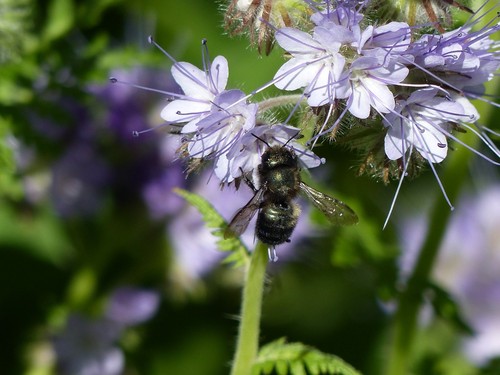
Mason Bee identified by the community
Real finds identified with Bug Identifier.
Other bugs you may enjoy
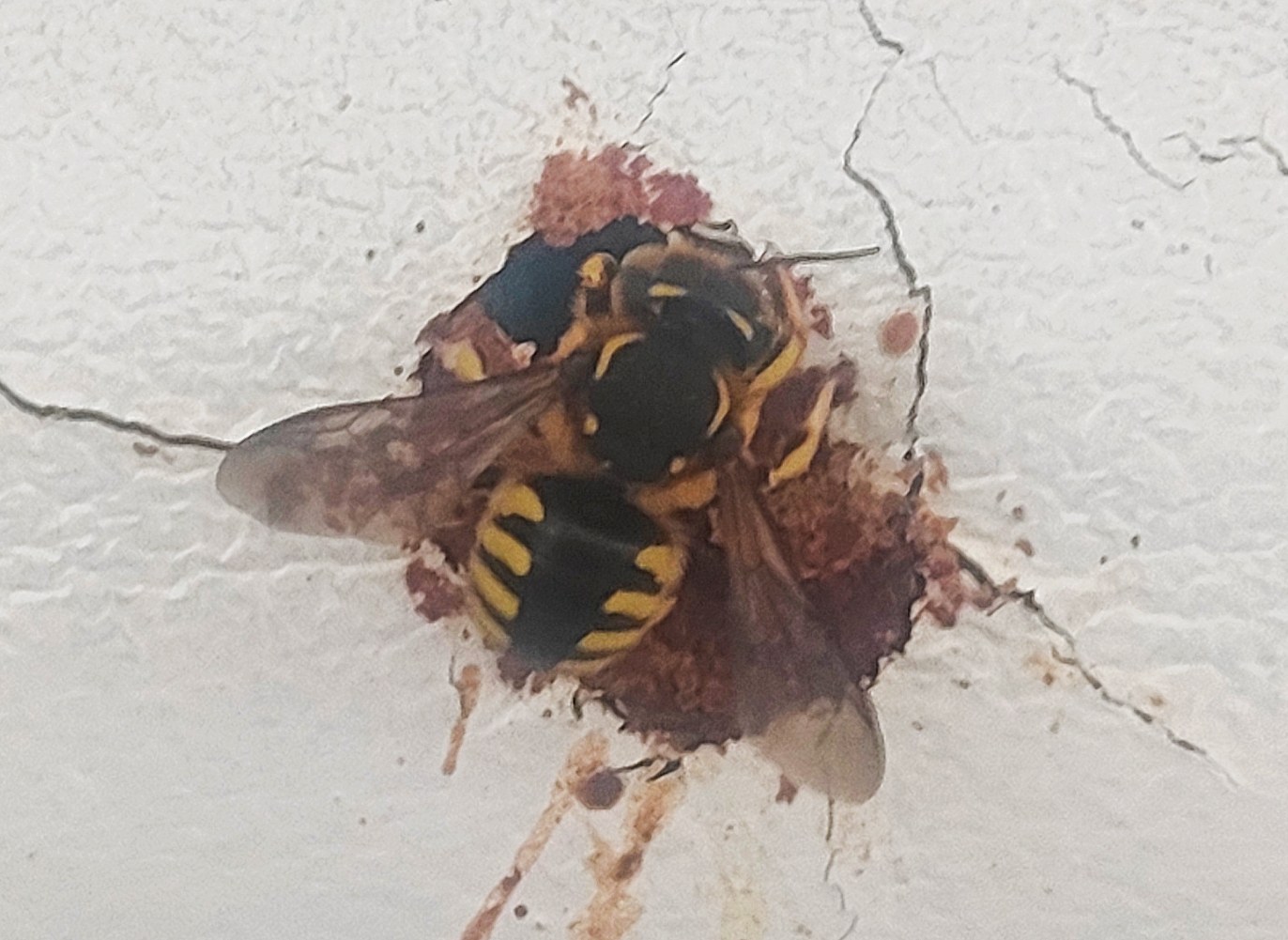
Wool Carder Bee
Gardens, meadows, urban green spaces with fuzzy-leaved plants
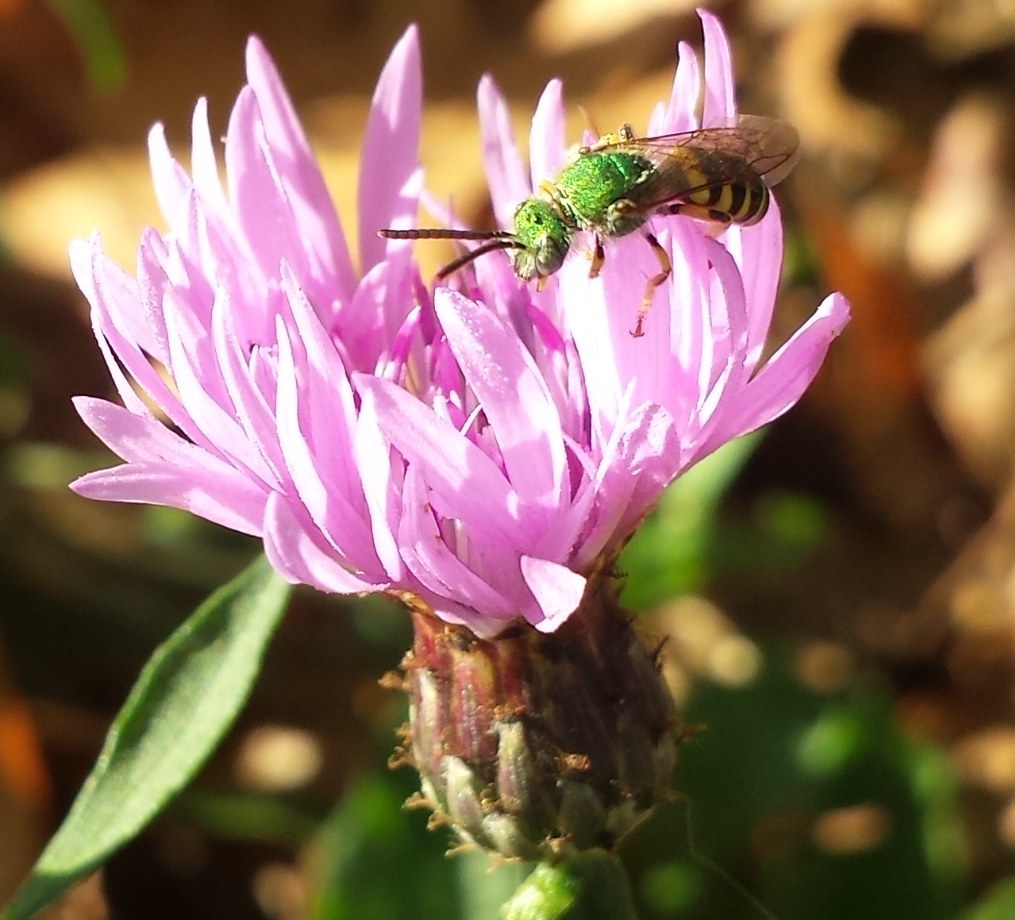
Sweat Bee
Gardens, meadows, and bare or sandy soil worldwide
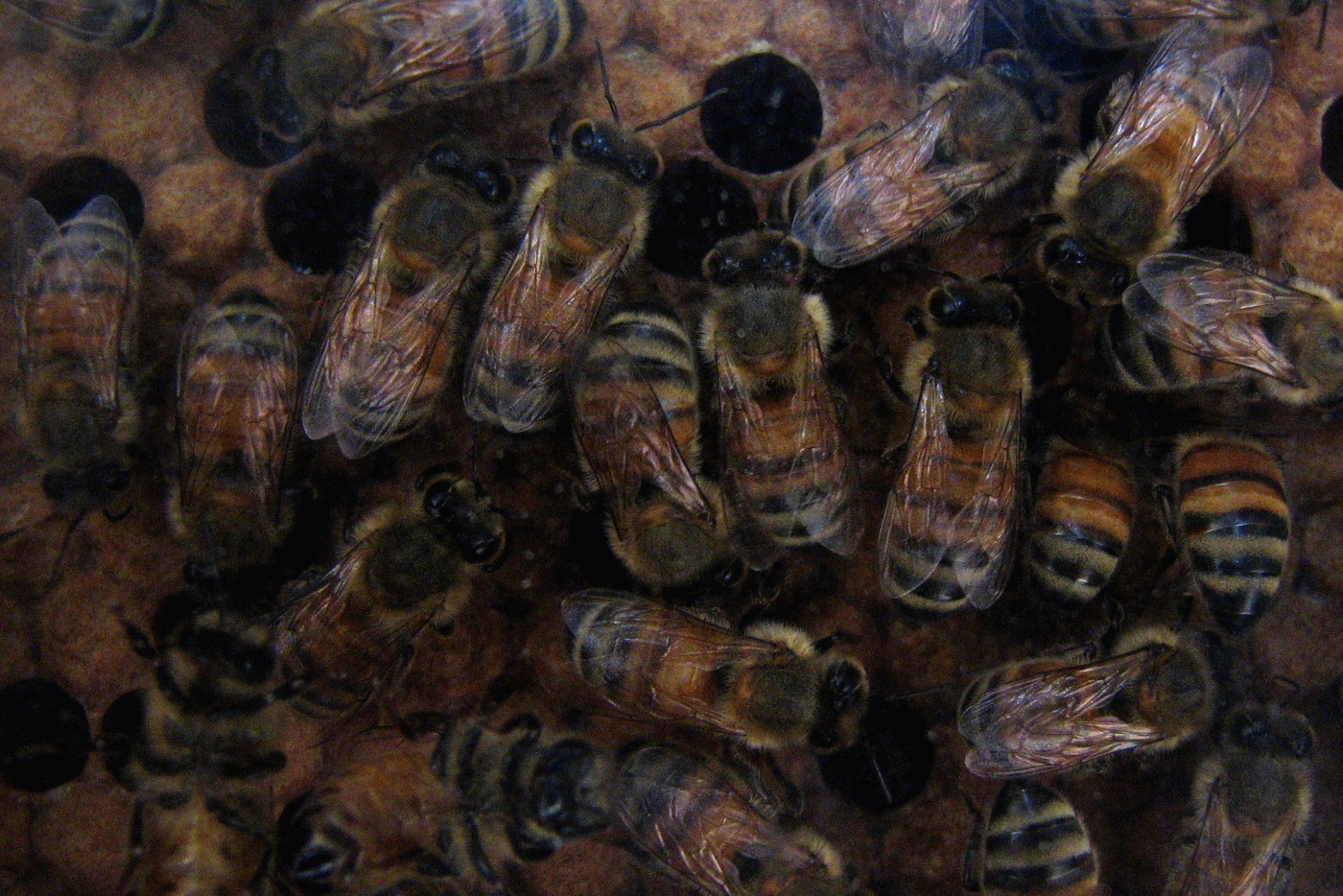
Western Honey Bee
Managed hives and wild colonies in tree cavities, worldwide in temperate and tropical climates
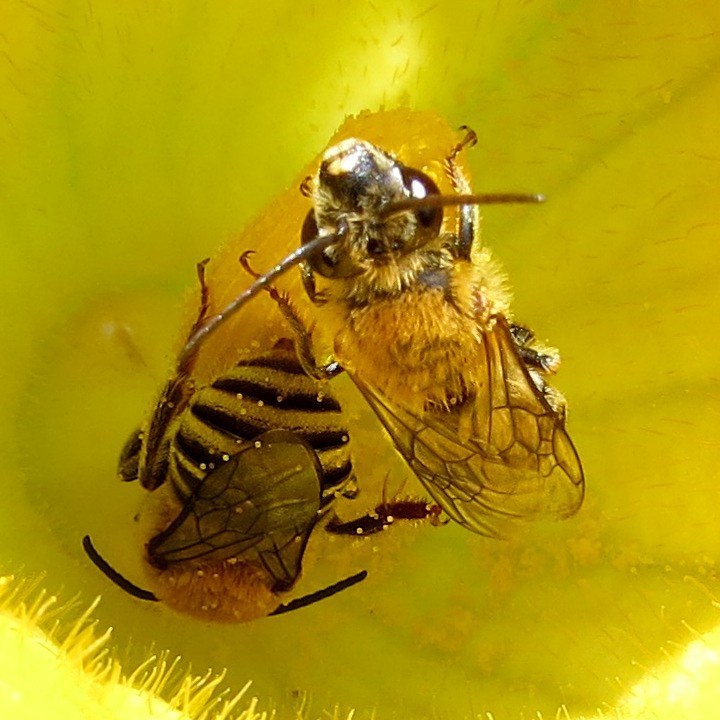
Squash Bee
Vegetable gardens and farm fields growing squash, pumpkin, and gourd plants
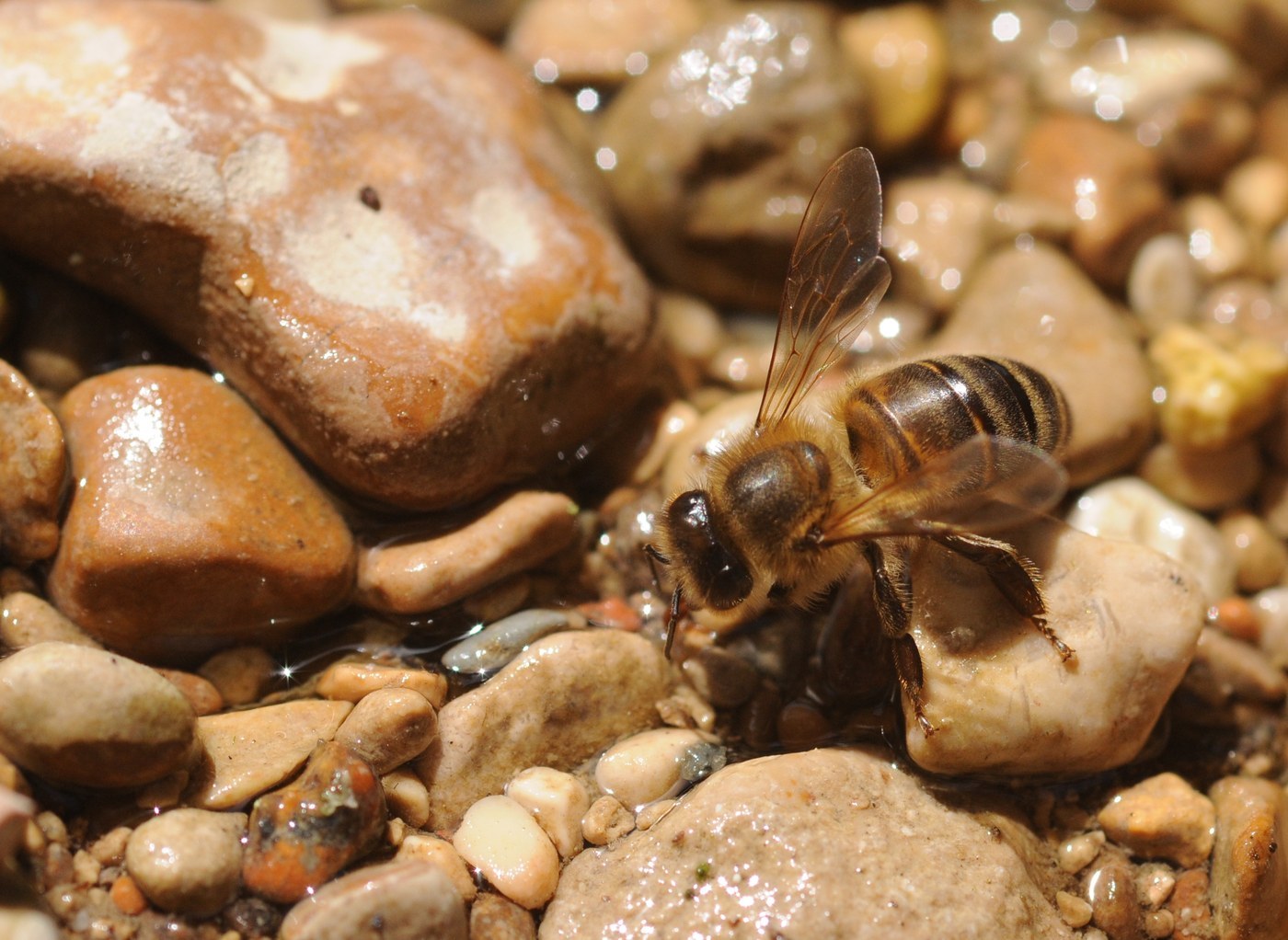
Honey Bee
Flowering meadows, gardens, orchards, and managed hives
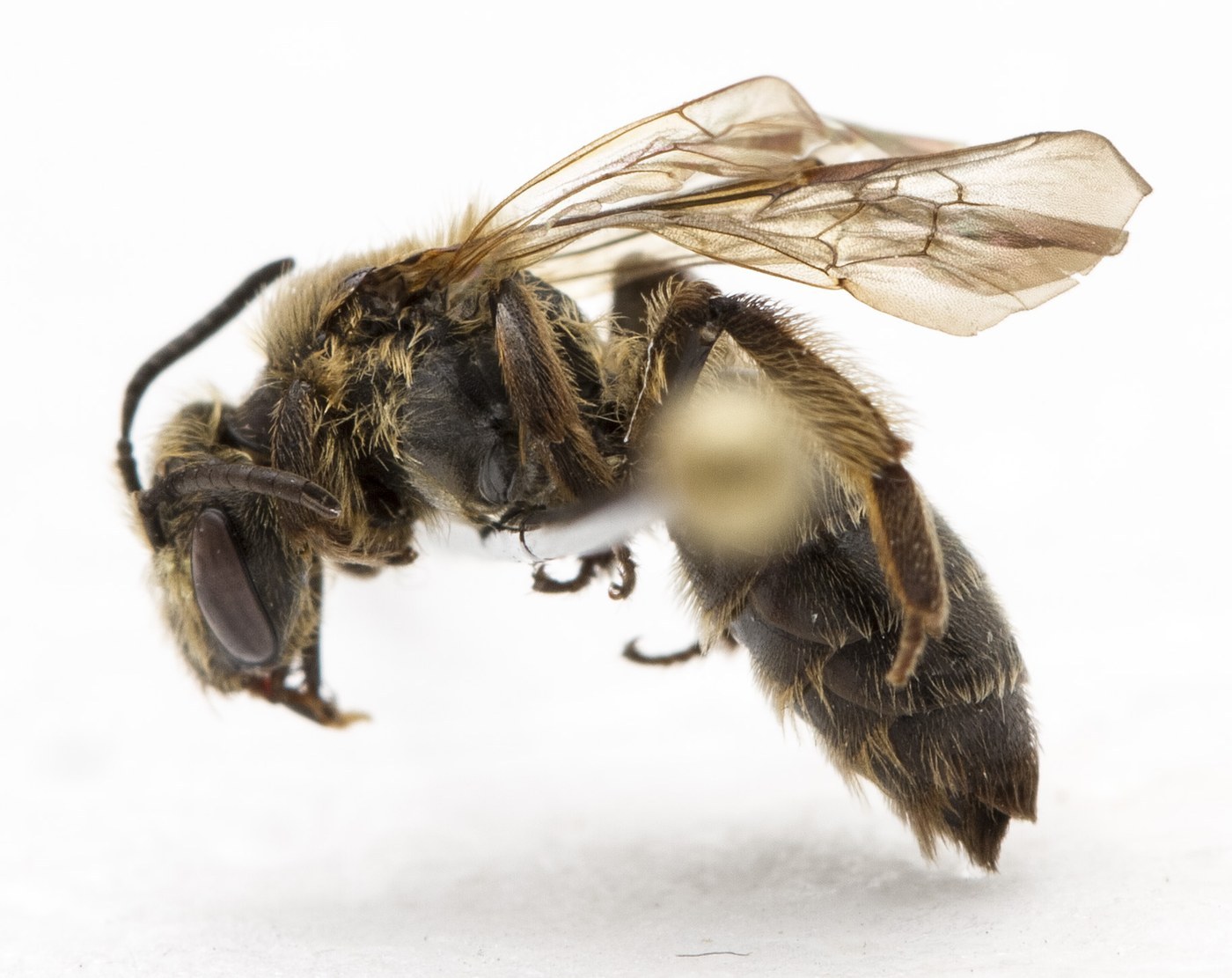
Mining Bee
Bare or sparsely vegetated soil, lawns, gardens, woodland edges
Longhorn Bee
Prairies, meadows, gardens, sunflower and aster fields
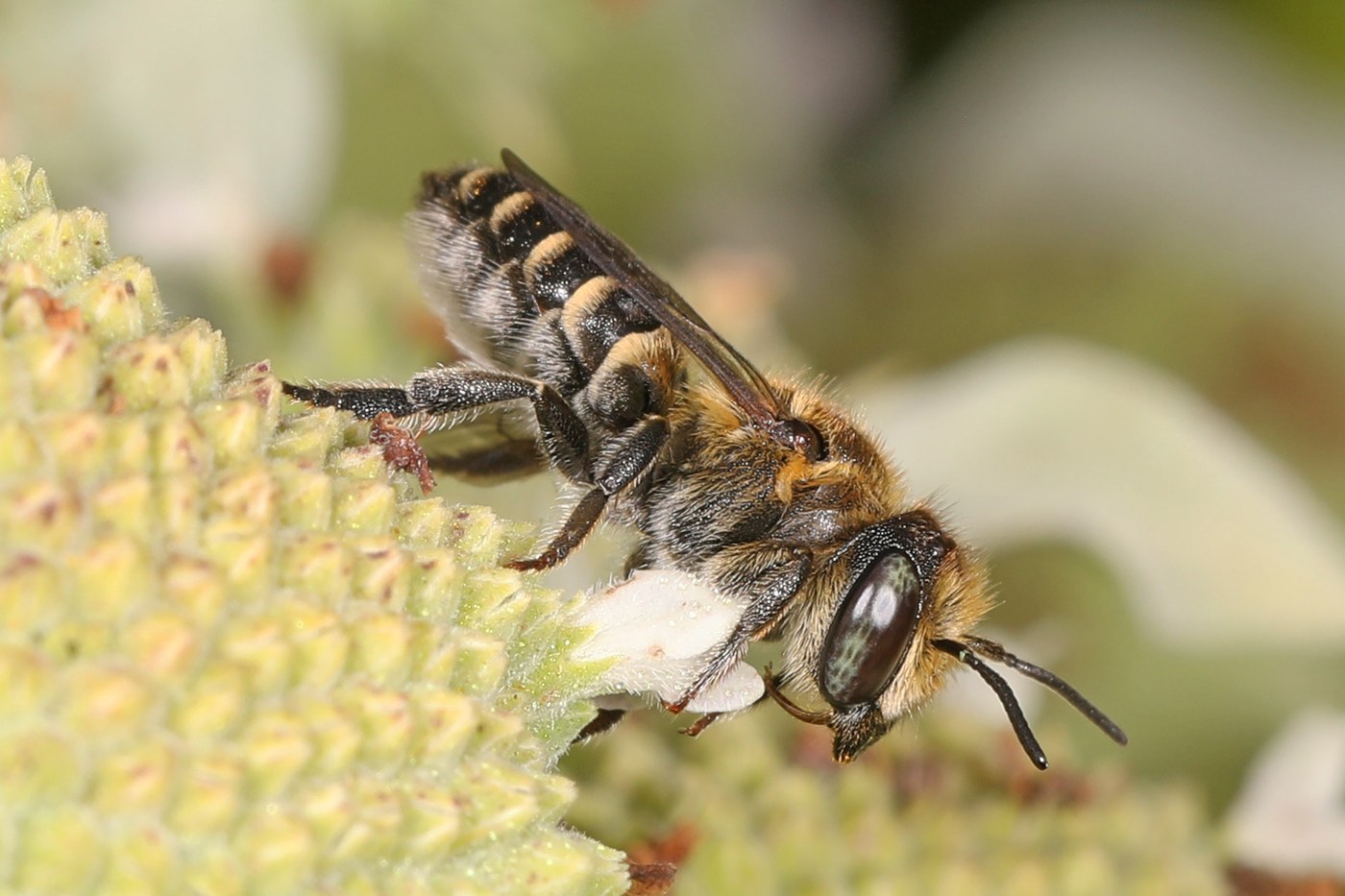
Leafcutter Bee
Gardens, meadows, and agricultural fields across temperate and subtropical regions
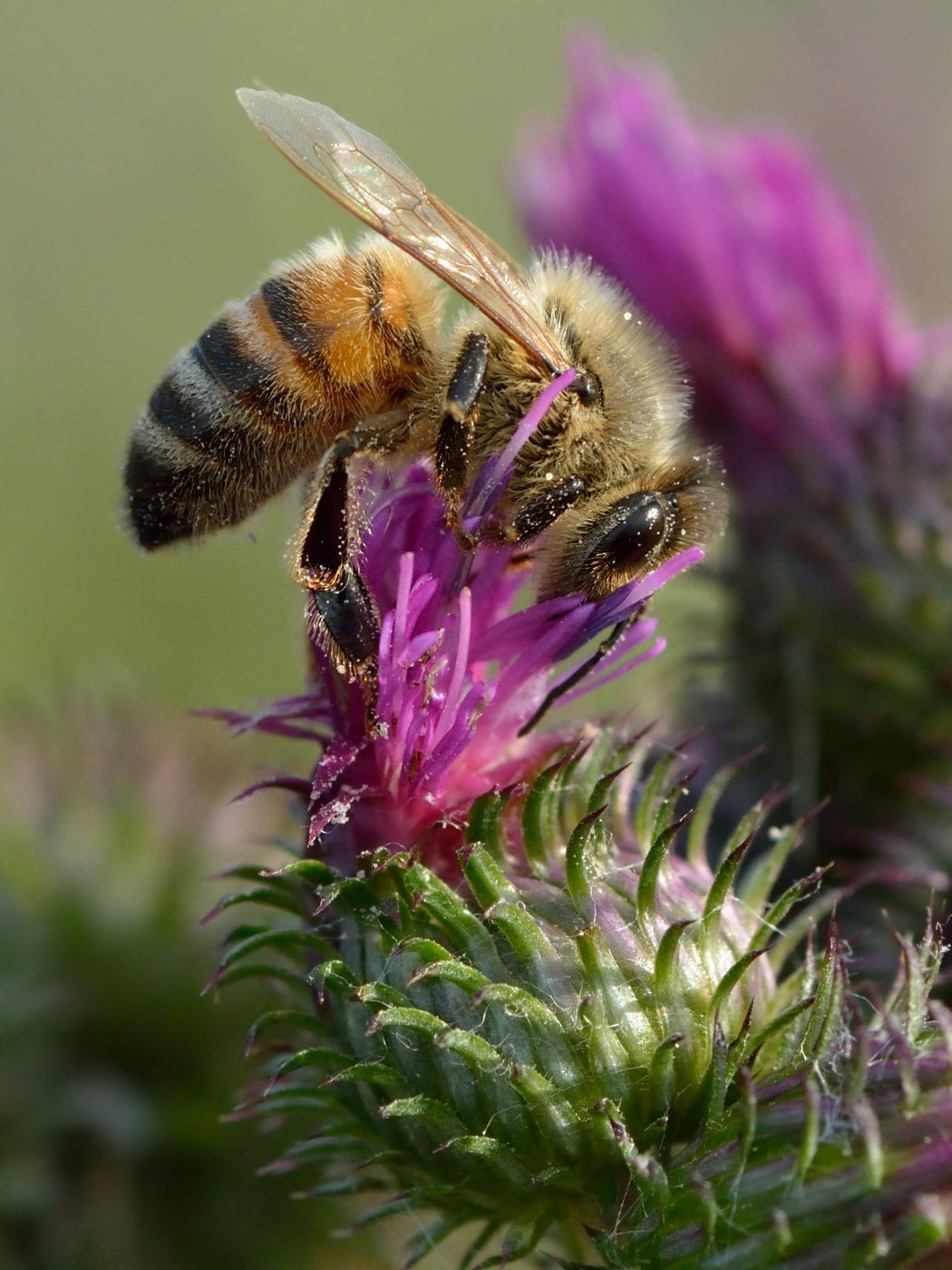
Honeybee
Managed hives, tree cavities, gardens, farmland, meadows
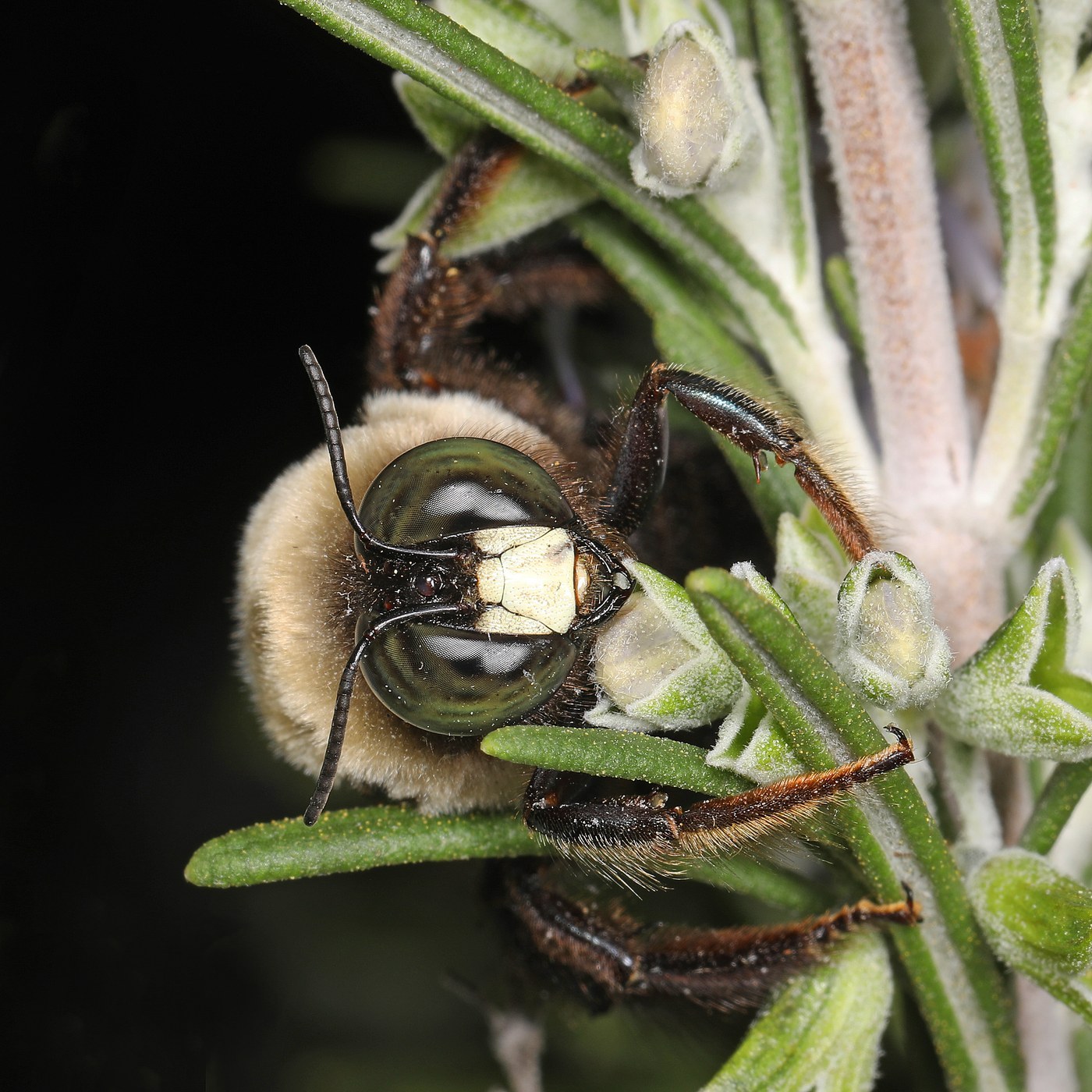
Carpenter Bee
Wooden structures, dead trees, and gardens across temperate and tropical regions
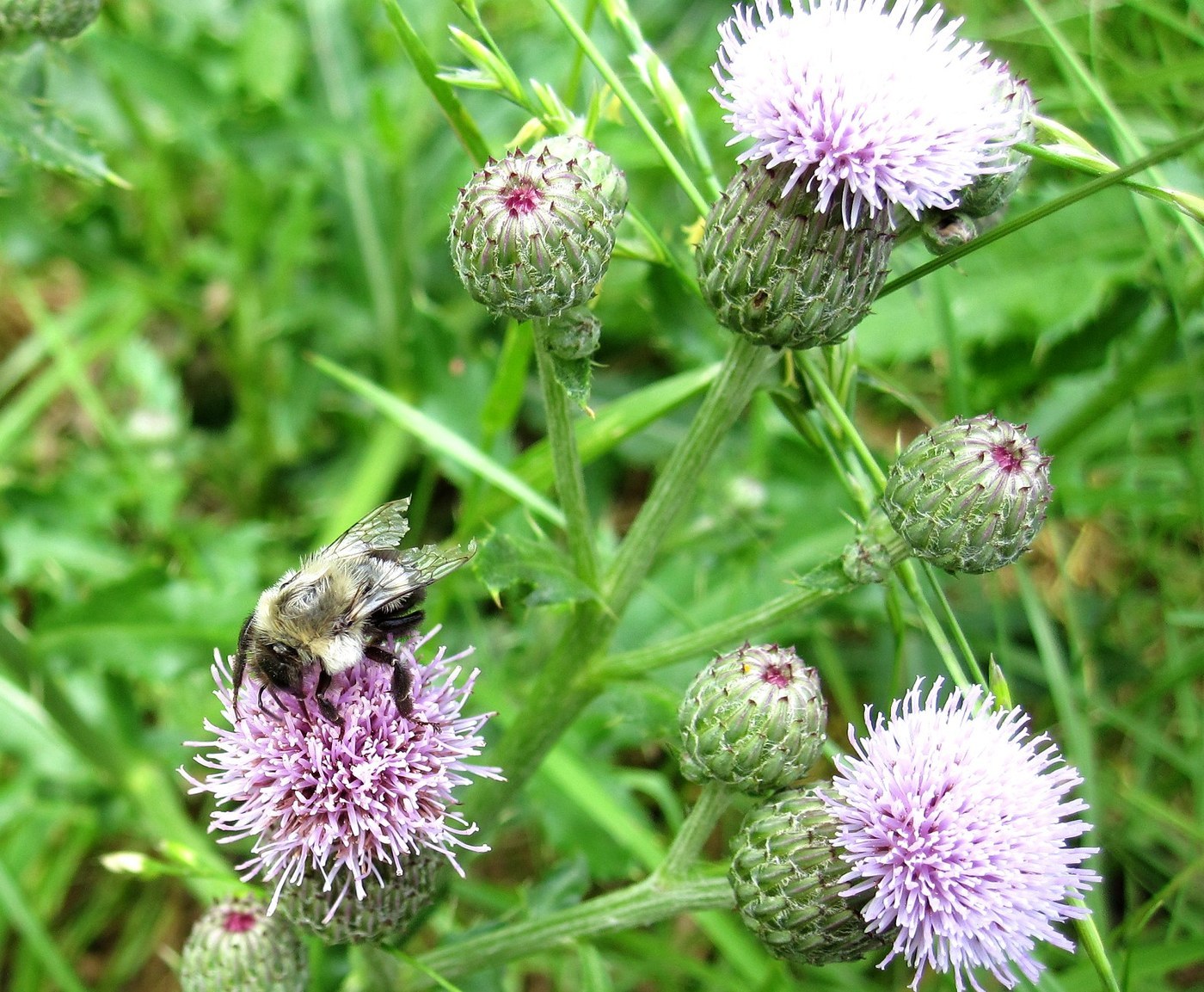
Bumblebee
Meadows, gardens, hedgerows, and open woodland edges
Bumble Bee Queen
Meadows, gardens, woodland edges; underground burrows or leaf litter for overwintering