
Longhorn Bee
Melissodes spp.
A fuzzy, medium-sized solitary bee named for the males' notably long, curved antennae, commonly seen foraging on sunflowers, asters, and other late-summer composite flowers.
- Size
- 10–17 mm
- Habitat
- Prairies, meadows, gardens, sunflower and aster fields
- Danger
- Stings
Spotted a bug like this?
Identify any bug or insect from a photo, free.
Overview
Longhorn bees make up the genus Melissodes in the family Apidae, a diverse group of solitary bees found primarily in North and Central America. The common name refers to the unusually long antennae of the males, which extend well beyond what is typical for most bees and give the group its distinctive look.
They are notable for their strong ecological association with plants in the sunflower family (Asteraceae), including sunflowers, asters, and various composite wildflowers, many species of which they specialize on for pollen collection, making them important late-summer pollinators in North American prairies, meadows, and gardens.
Ecologically, longhorn bees fill a niche as ground-nesting solitary pollinators active in the warmer months, often overlapping in habitat and flower preference with other native bees, and they contribute meaningfully to the pollination of both wild composite flowers and related agricultural crops such as sunflowers.
How to Identify
- Medium-sized, moderately robust bee, 10–17 mm long, typically brownish to grayish with pale hair banding across the abdomen.
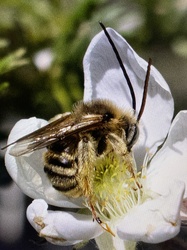
- Males have long, curved antennae noticeably longer than those of females, a key and often unmistakable identification feature.
- Females carry dense pollen-collecting hairs (scopa) on their hind legs, often visibly loaded with bright yellow pollen from composite flowers.
- Distinguished from other bees primarily by the male's elongated antennae and the group's strong preference for sunflower-family blooms.
Habitat & Range
Longhorn bees are widespread across North and Central America, especially common in prairies, open meadows, roadside wildflower stands, and gardens where composite flowers such as sunflowers and asters grow. They nest in bare or sparsely vegetated soil, sometimes in aggregations, and are most active in mid to late summer, corresponding with the bloom period of their preferred host plants.
Behavior & Diet
Females forage primarily on composite (Asteraceae) flowers, collecting pollen to provision individual underground nest cells for their offspring, while also visiting a broader range of flowers for nectar. Males, lacking nesting duties, spend much of their time patrolling flower patches or resting in clusters on plants overnight, sometimes gripping stems with their mandibles. As solitary bees, longhorn bees provide meaningful late-season pollination services in habitats where fewer other pollinators remain active.
Life Cycle
Longhorn bees undergo complete metamorphosis, generally completing one generation per year. Eggs laid on pollen provisions within underground nest cells hatch into larvae that consume the stored food before pupating. Most species overwinter as a fully developed prepupa or adult within the nest cell, emerging the following summer in time to coincide with the blooming of composite flowers, their principal pollen source.
Frequently asked questions
Why is it called a longhorn bee?
The name refers to the unusually long, curved antennae of the males, a distinctive feature of the genus.
What flowers do longhorn bees prefer?
They show a strong preference for composite flowers such as sunflowers and asters, often specializing on this plant family for pollen.
When are longhorn bees most active?
Mostly in mid to late summer, timed with the flowering of their preferred composite plants.
Are longhorn bees social like honey bees?
No, they are solitary, with each female building and provisioning her own nest independently.
Longhorn Bee guides
In-depth guides for identifying, understanding, and living alongside Longhorn Bee.
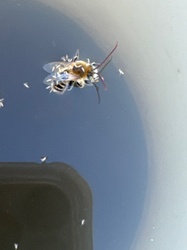
Longhorn Bee identified by the community
Real finds identified with Bug Identifier.
Other bugs you may enjoy
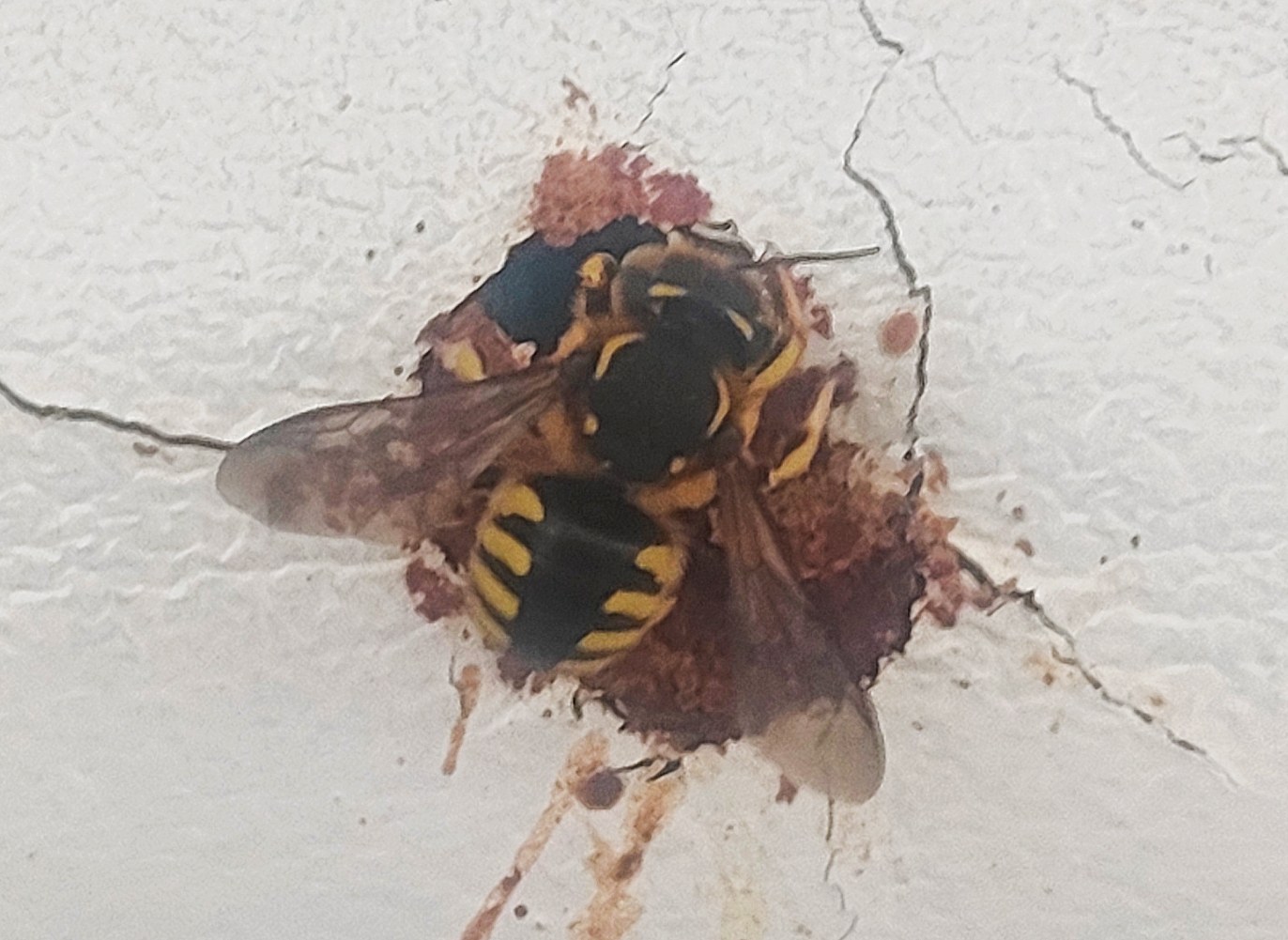
Wool Carder Bee
Gardens, meadows, urban green spaces with fuzzy-leaved plants
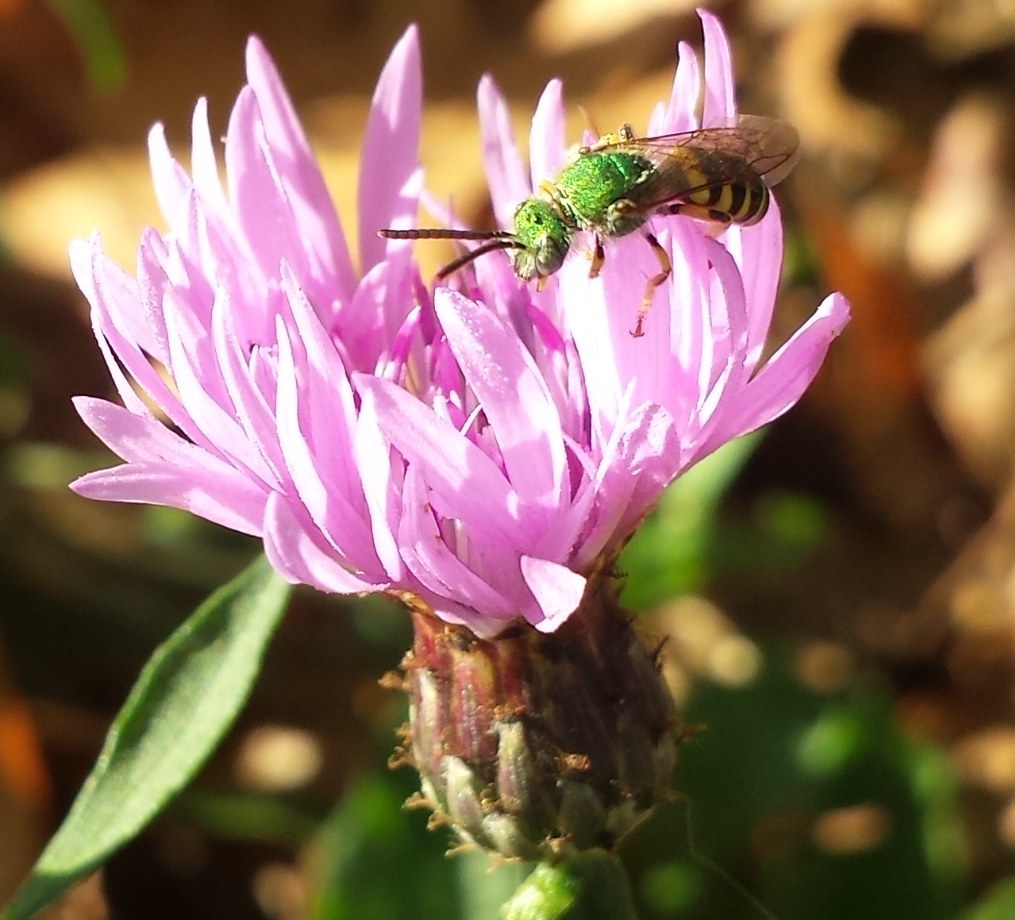
Sweat Bee
Gardens, meadows, and bare or sandy soil worldwide
Western Honey Bee
Managed hives and wild colonies in tree cavities, worldwide in temperate and tropical climates
Squash Bee
Vegetable gardens and farm fields growing squash, pumpkin, and gourd plants
Honey Bee
Flowering meadows, gardens, orchards, and managed hives
Mining Bee
Bare or sparsely vegetated soil, lawns, gardens, woodland edges
Mason Bee
Orchards, gardens, and wooded edges across temperate regions
Leafcutter Bee
Gardens, meadows, and agricultural fields across temperate and subtropical regions
Honeybee
Managed hives, tree cavities, gardens, farmland, meadows
Carpenter Bee
Wooden structures, dead trees, and gardens across temperate and tropical regions
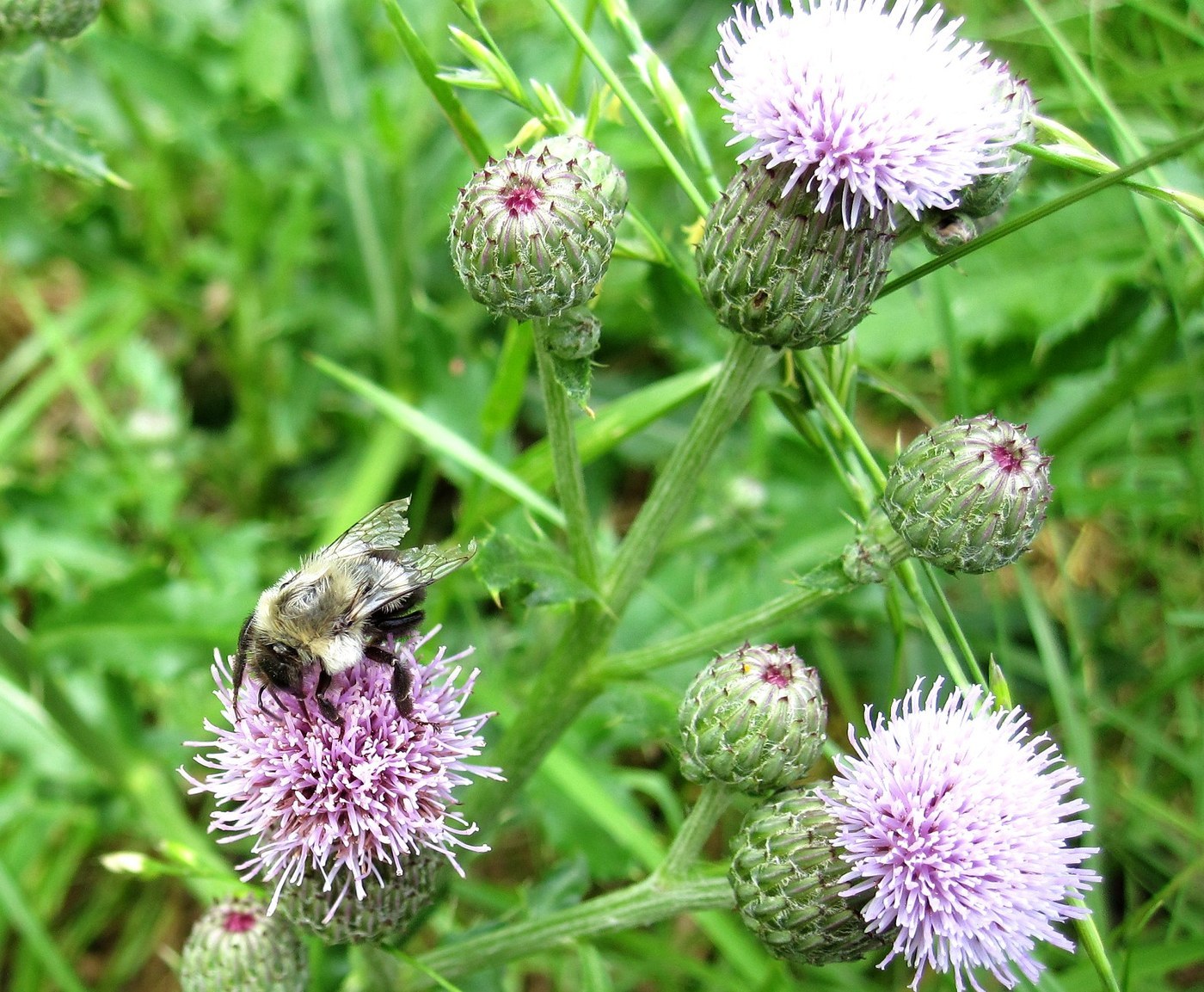
Bumblebee
Meadows, gardens, hedgerows, and open woodland edges
Bumble Bee Queen
Meadows, gardens, woodland edges; underground burrows or leaf litter for overwintering