
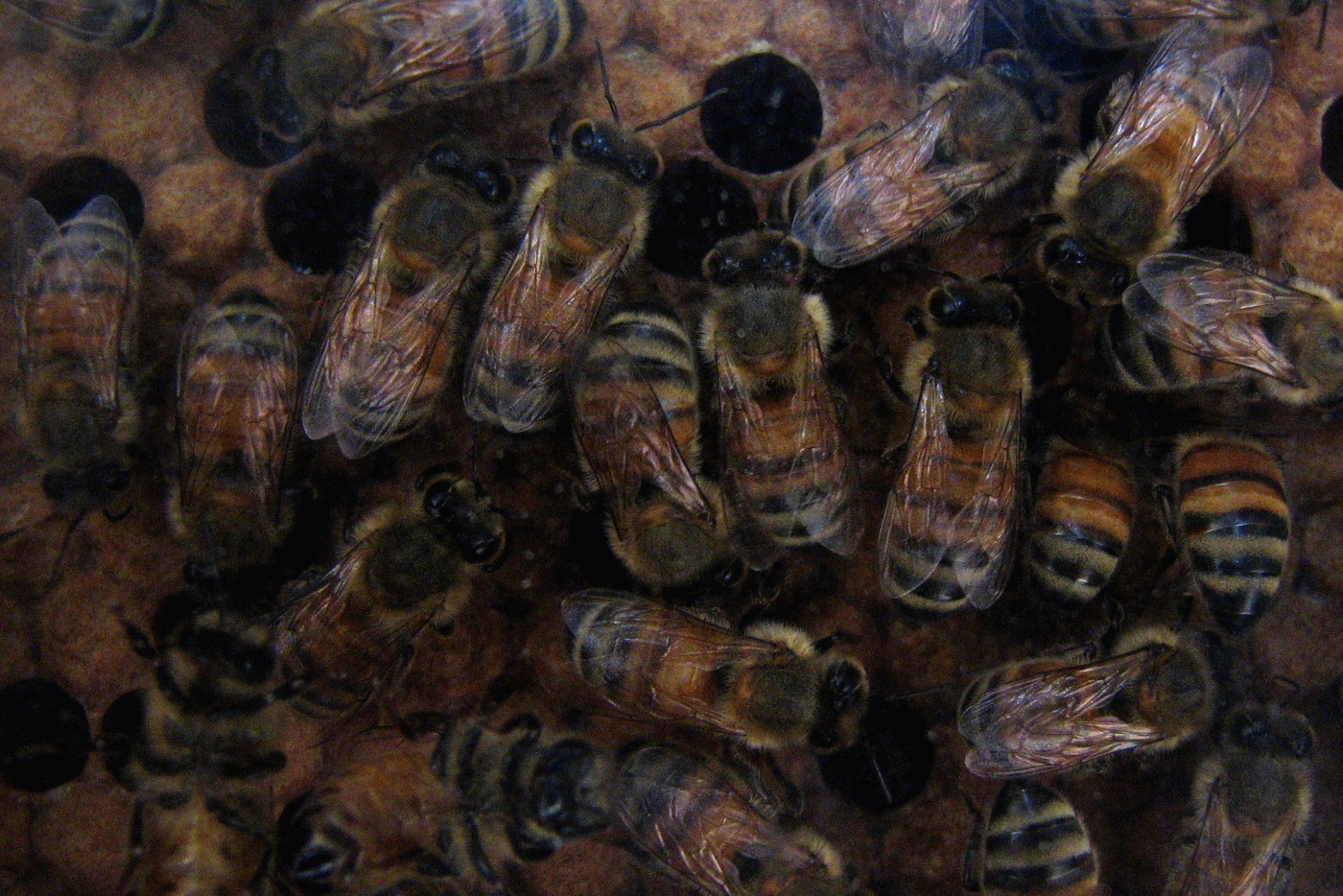
Western Honey Bee
Apis mellifera
The familiar golden-brown, fuzzy-banded honey bee kept worldwide for honey production and crop pollination, living in large perennial colonies built around wax comb and a single egg-laying queen.
- Size
- 12–15 mm
- Habitat
- Managed hives and wild colonies in tree cavities, worldwide in temperate and tropical climates
- Danger
- Stings
Spotted a bug like this?
Identify any bug or insect from a photo, free.
Overview
The western honey bee is the most widely known and managed bee species in the world, native originally to Europe, the Middle East, and Africa but introduced by humans to nearly every inhabited continent for honey production and crop pollination. It belongs to the family Apidae and is the type species most people picture when they think of a "bee."
It is notable for its highly organized eusocial colony structure, comprising a single reproductive queen, thousands of sterile female workers, and seasonal male drones, along with sophisticated behaviors such as the waggle dance used to communicate the location of food sources to nestmates. Colonies build vertical sheets of hexagonal wax comb used for brood rearing and for storing honey and pollen.
Ecologically and economically, the western honey bee is one of the most important managed pollinators globally, contributing to the pollination of a vast range of food crops, and it also produces honey, beeswax, and other hive products harvested by beekeepers.
How to Identify
- Medium-sized bee, 12–15 mm long, with a golden-brown to darker brown body marked by alternating bands of lighter and darker hair on the abdomen.
- Body is covered in short, branched hairs adapted for collecting pollen, with pollen baskets (corbiculae) on the hind legs of foragers.
- Wings are translucent and folded flat over the body at rest; the overall shape is more slender than a bumble bee but stockier than many solitary bees.
- Distinguished from bumble bees by smaller size and less dense fur, and from wasps by the fuzzy, branched body hair and broader, less "wasp-waisted" abdomen.
Habitat & Range
Originally native to Europe, the Middle East, and Africa, the western honey bee has been introduced worldwide and now occurs on every continent except Antarctica, in both managed apiaries and wild or feral colonies. Wild colonies nest in sheltered cavities such as hollow trees, rock crevices, or building voids, while managed colonies live in human-made hives. The species is active year-round in warm climates and enters a period of reduced activity, clustering for warmth, during cold winters in temperate regions.
Behavior & Diet
Western honey bees live in large, highly organized colonies with clear division of labor: the queen lays eggs, worker bees perform tasks including foraging, nursing brood, building comb, and defending the hive according to age, and drones exist solely to mate with new queens from other colonies. Foragers communicate the direction and distance of food sources to nestmates through the waggle dance, and workers collectively regulate hive temperature and defend the colony against intruders. Colonies store surplus nectar as honey and pollen as "bee bread" to sustain the colony through periods when flowers are scarce.
Life Cycle
Honey bees undergo complete metamorphosis, with the queen laying either fertilized eggs, which develop into female workers or new queens depending on larval feeding, or unfertilized eggs, which become male drones. Eggs hatch into larvae fed by nurse workers within wax cells, then pupate before emerging as adults. Colonies are perennial, persisting for multiple years as long as the queen survives and is periodically replaced, and reproduce at the colony level through swarming, when a portion of the workforce leaves with an old queen to found a new colony while a newly reared queen takes over the original hive.
Frequently asked questions
Is the western honey bee the same as the bee that makes honey we buy in stores?
Yes, most commercially produced honey worldwide comes from managed colonies of this species.
How is it different from a bumble bee?
The western honey bee is smaller, less densely furred, and lives in large perennial colonies of thousands, whereas bumble bees form smaller, annual colonies.
Where did the western honey bee originally come from?
It is native to Europe, the Middle East, and Africa, and has since been introduced to most other parts of the world by humans.
How can you recognize a western honey bee?
Look for its golden-brown, fuzzy-banded body, translucent folded wings, and pollen baskets on the hind legs of foraging workers.
Western Honey Bee guides
In-depth guides for identifying, understanding, and living alongside Western Honey Bee.
Western Honey Bee identified by the community
Real finds identified with Bug Identifier.


Other bugs you may enjoy
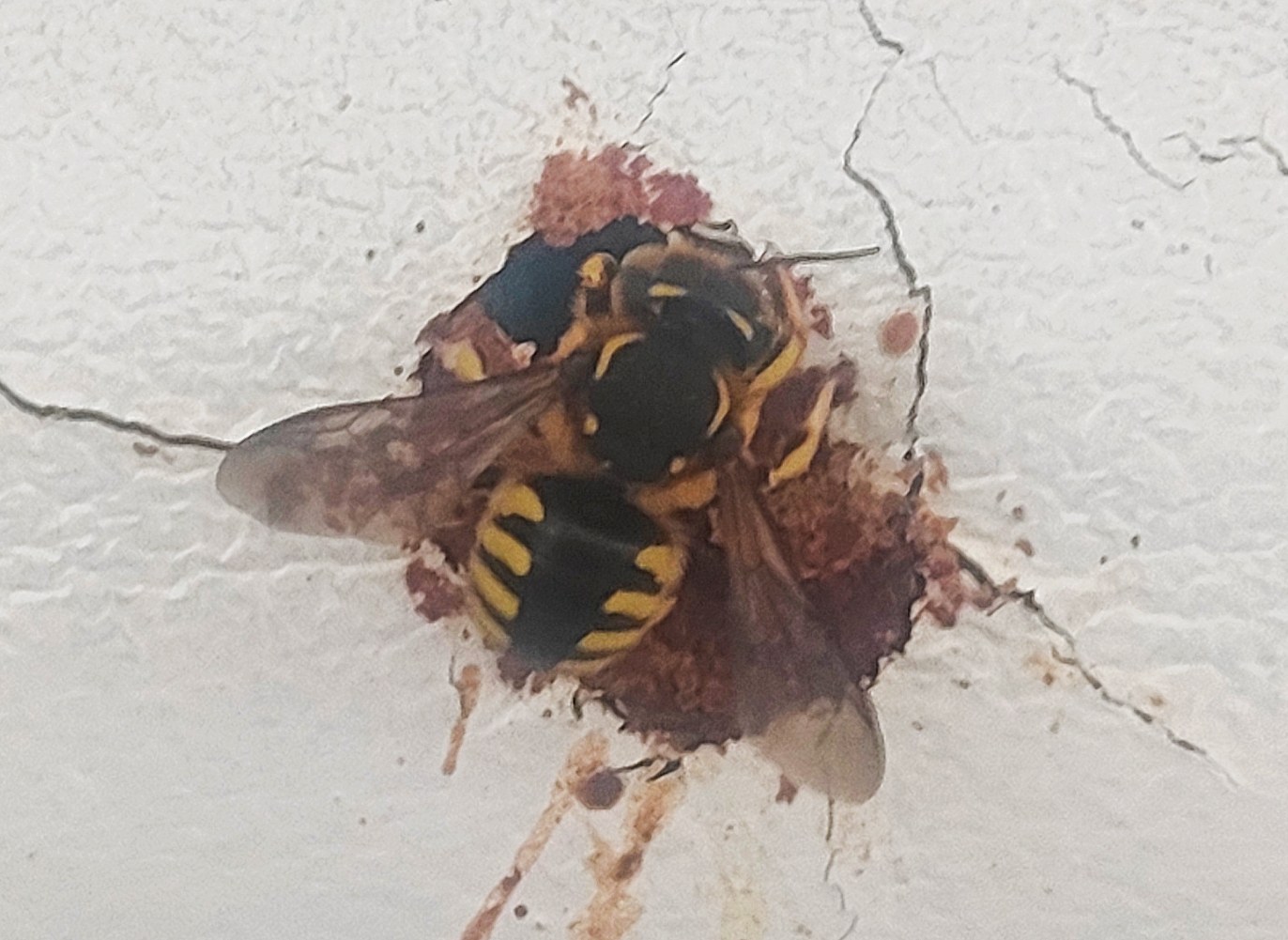
Wool Carder Bee
Gardens, meadows, urban green spaces with fuzzy-leaved plants
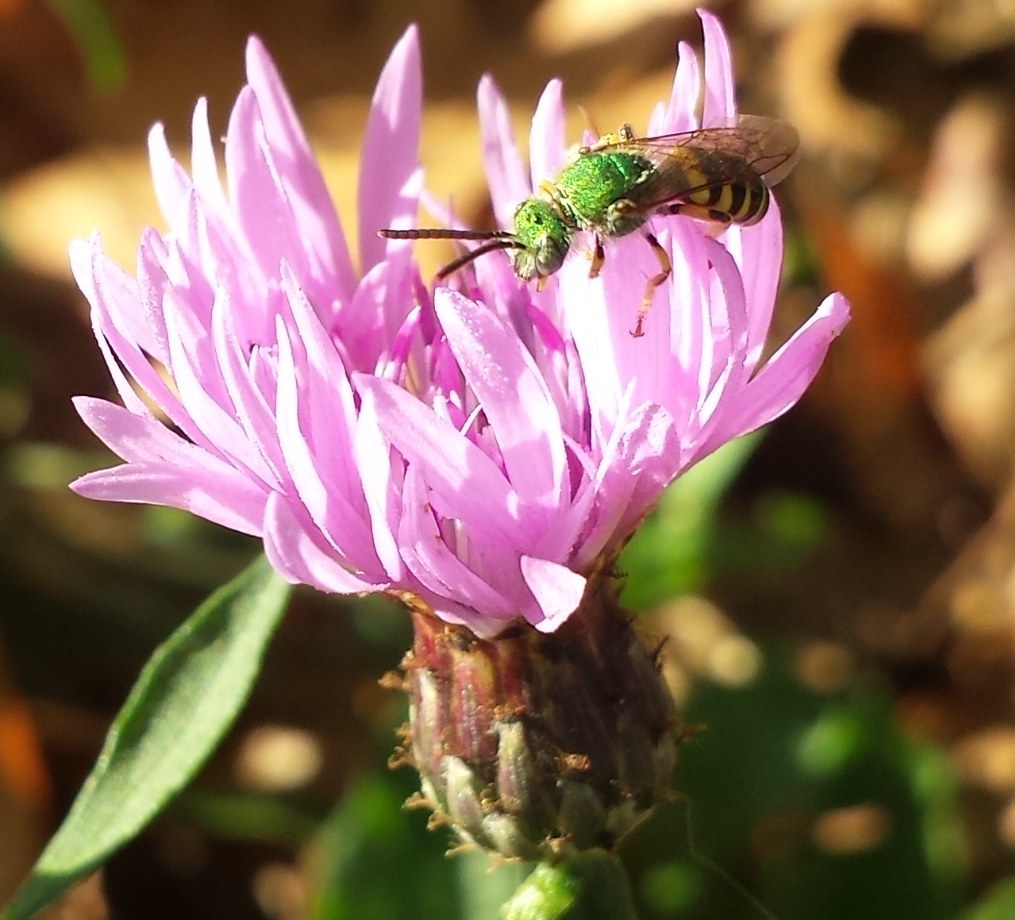
Sweat Bee
Gardens, meadows, and bare or sandy soil worldwide
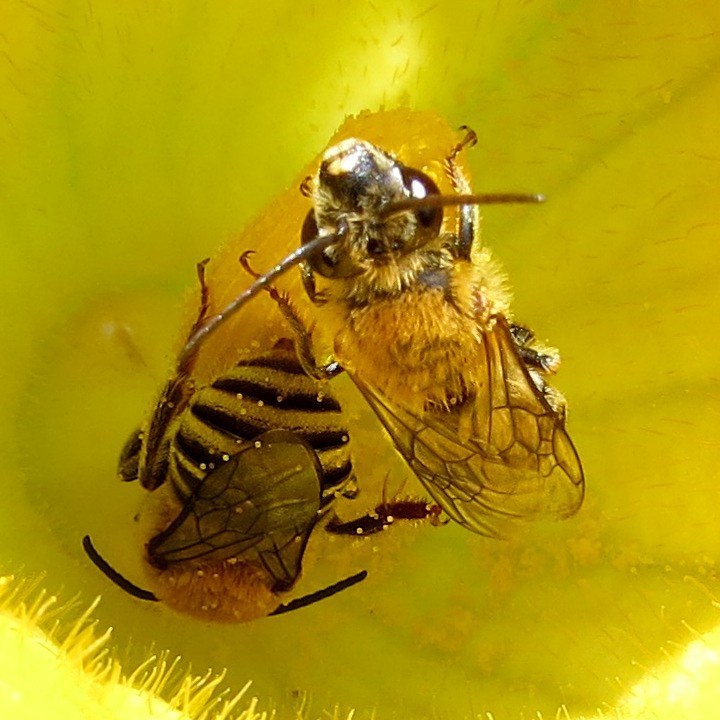
Squash Bee
Vegetable gardens and farm fields growing squash, pumpkin, and gourd plants
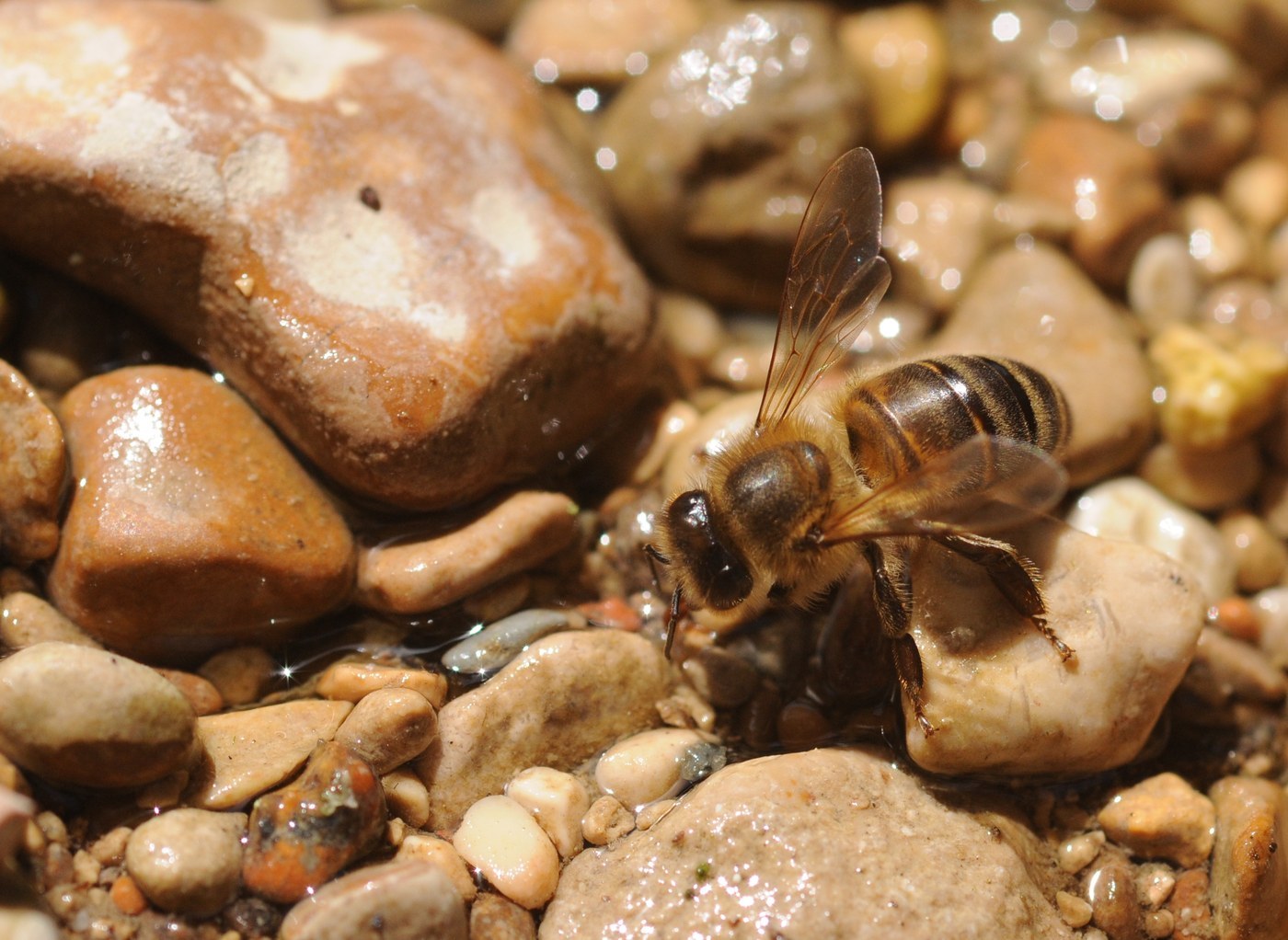
Honey Bee
Flowering meadows, gardens, orchards, and managed hives
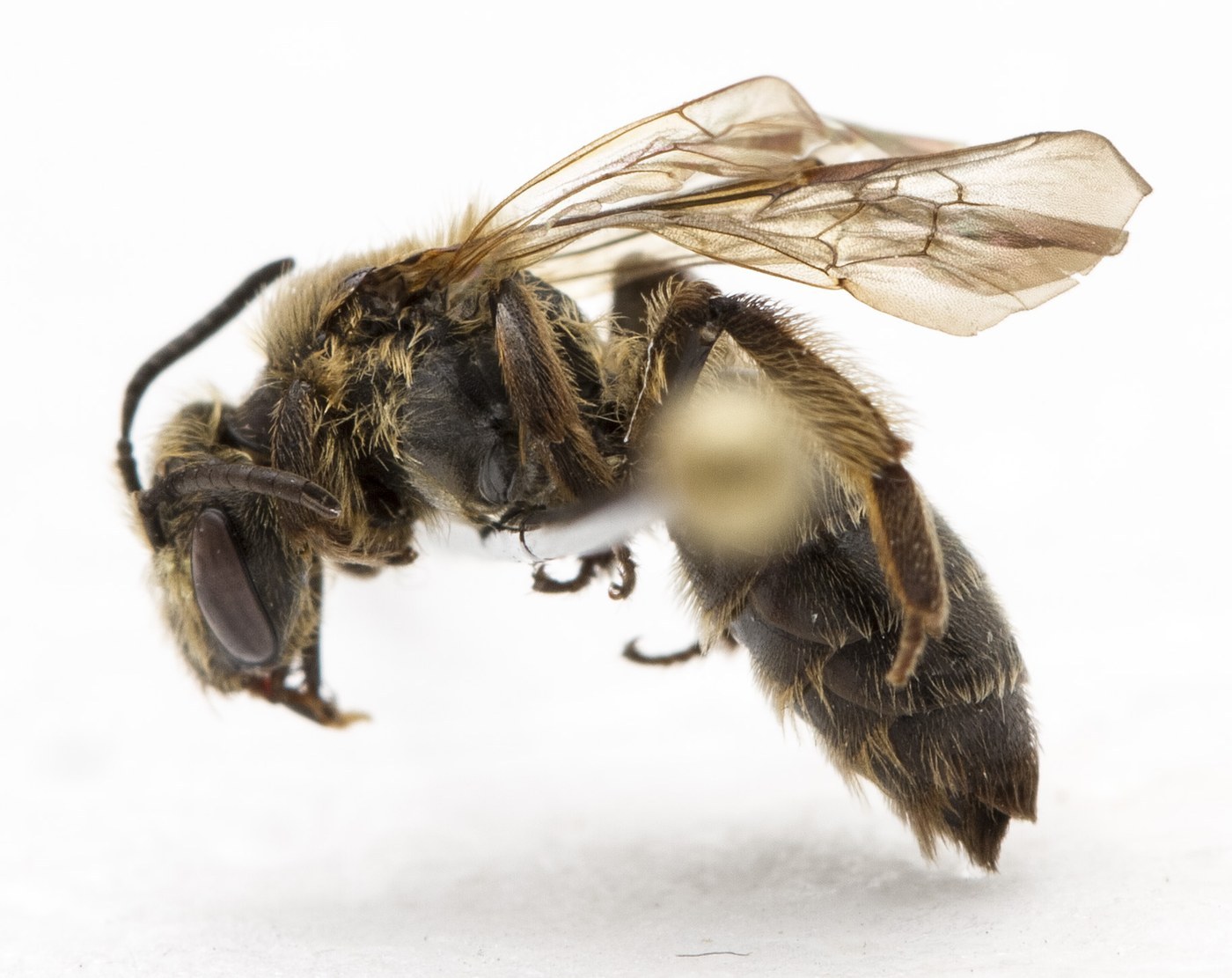
Mining Bee
Bare or sparsely vegetated soil, lawns, gardens, woodland edges
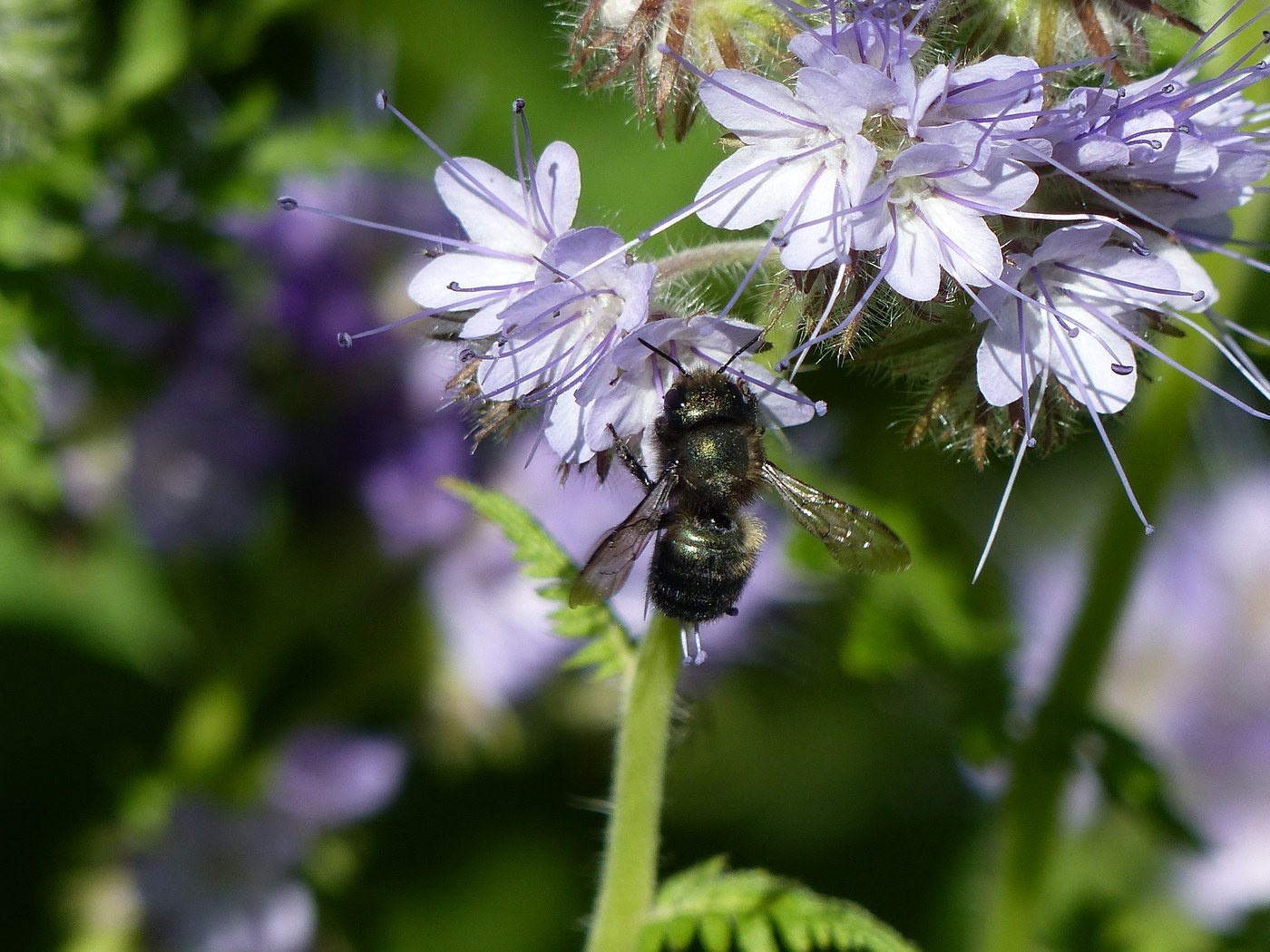
Mason Bee
Orchards, gardens, and wooded edges across temperate regions
Longhorn Bee
Prairies, meadows, gardens, sunflower and aster fields
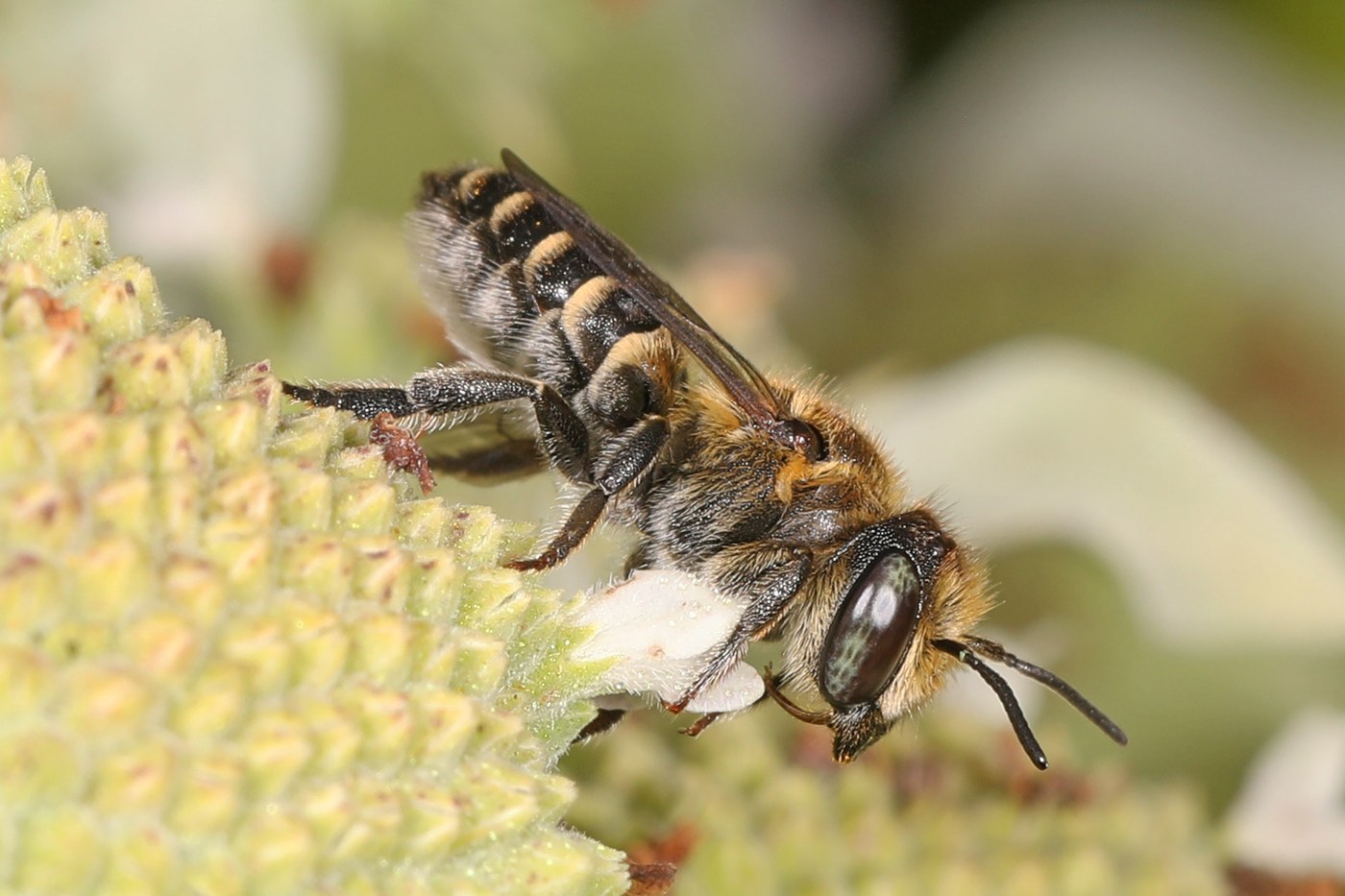
Leafcutter Bee
Gardens, meadows, and agricultural fields across temperate and subtropical regions
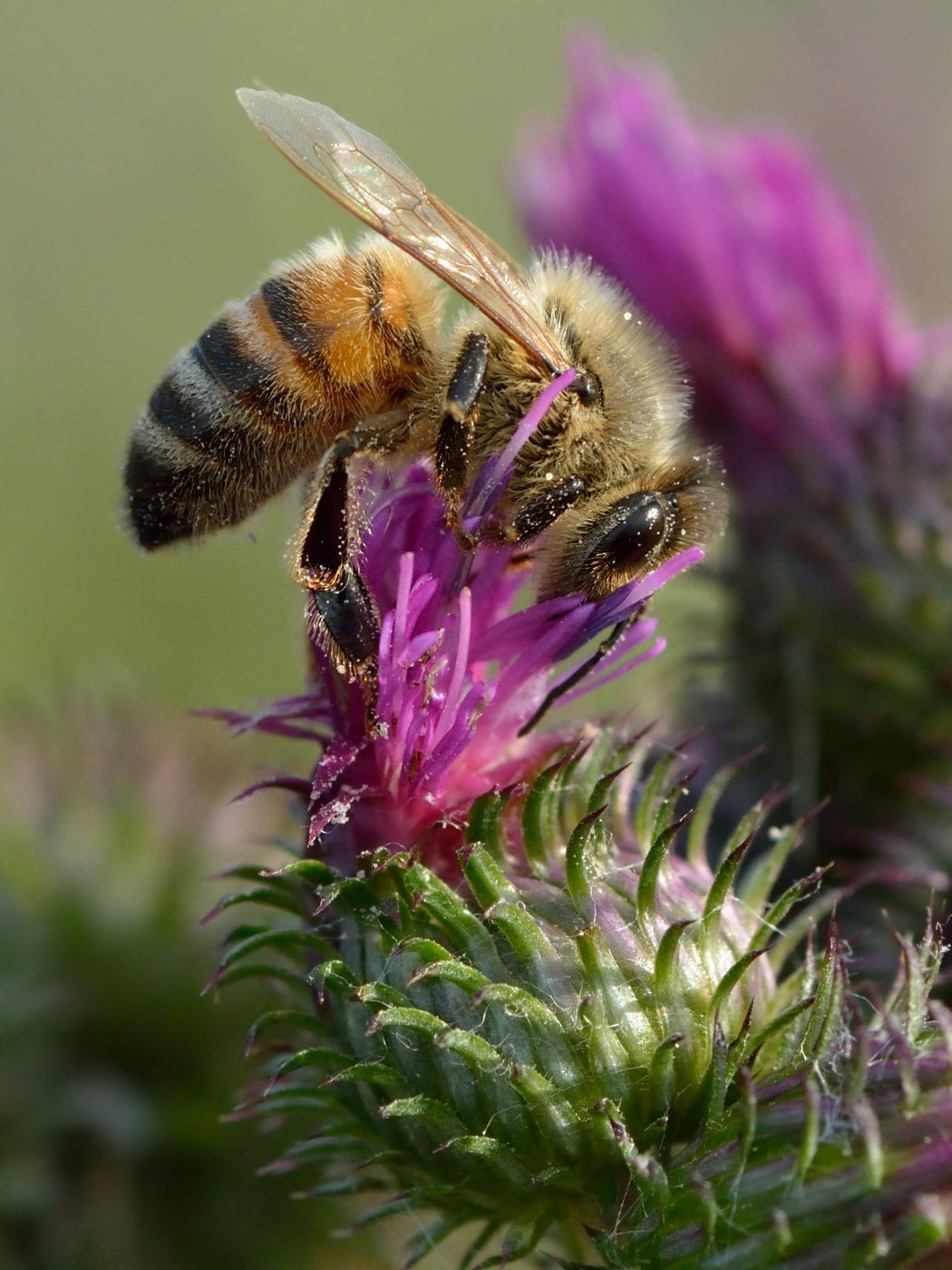
Honeybee
Managed hives, tree cavities, gardens, farmland, meadows
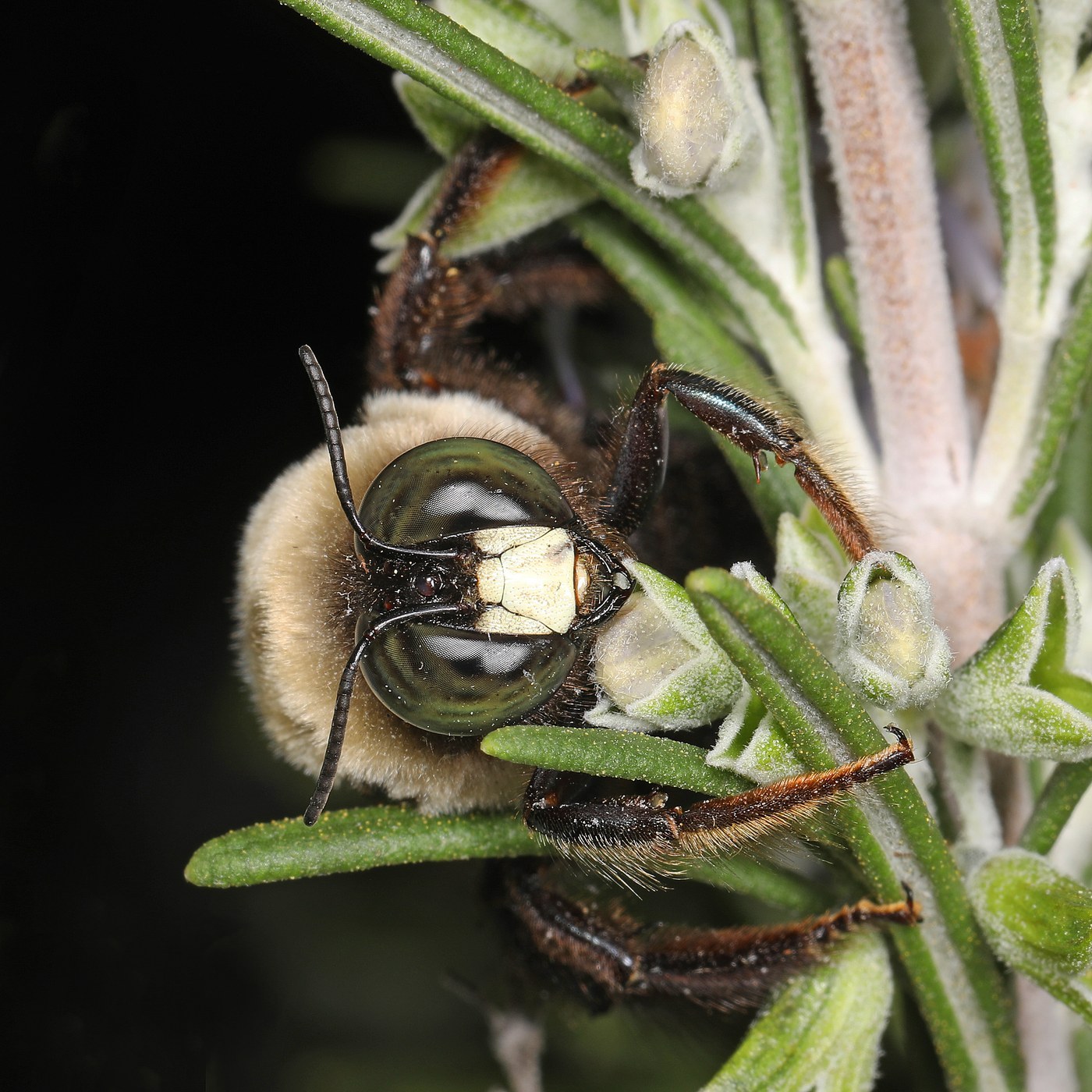
Carpenter Bee
Wooden structures, dead trees, and gardens across temperate and tropical regions
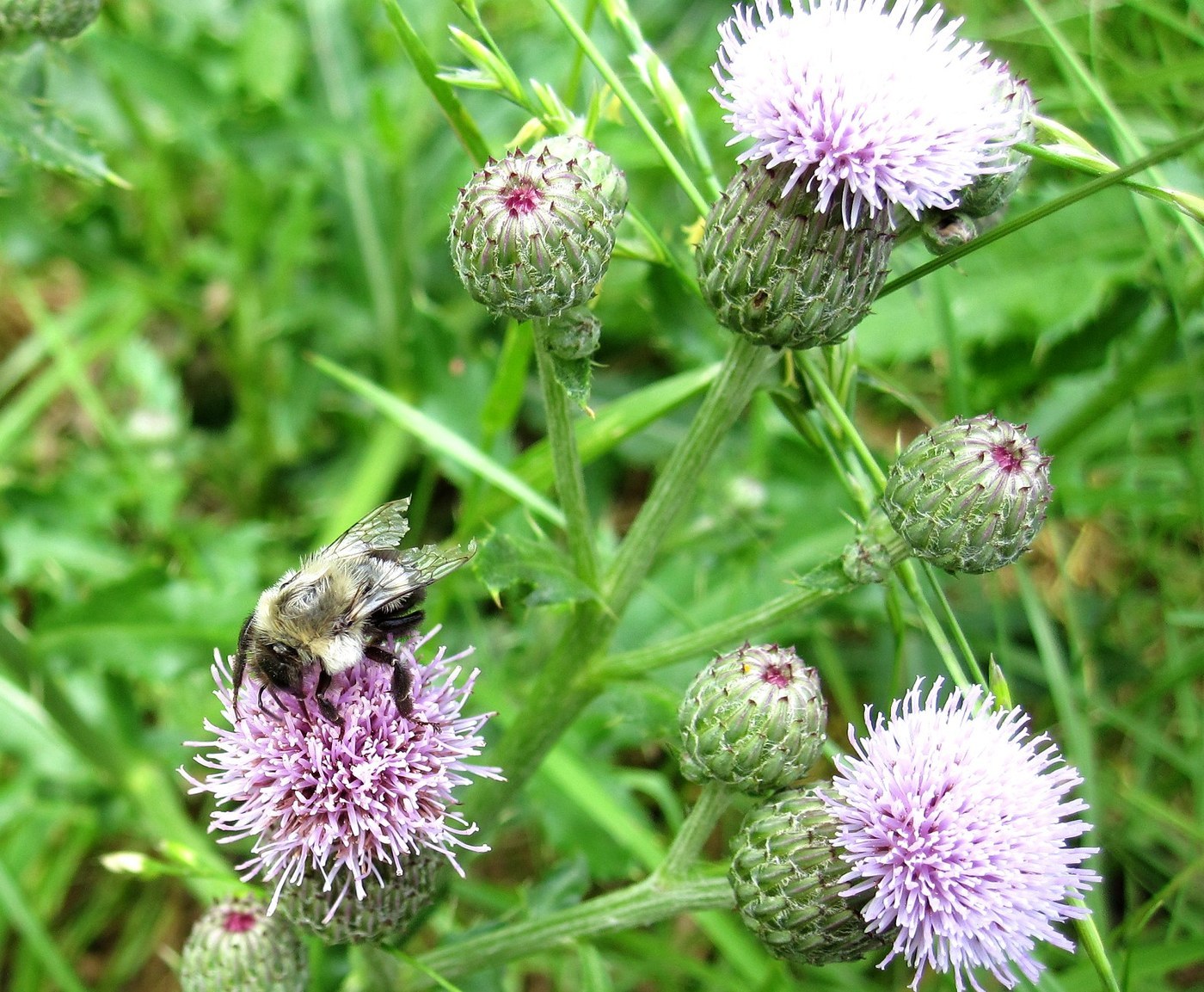
Bumblebee
Meadows, gardens, hedgerows, and open woodland edges
Bumble Bee Queen
Meadows, gardens, woodland edges; underground burrows or leaf litter for overwintering