
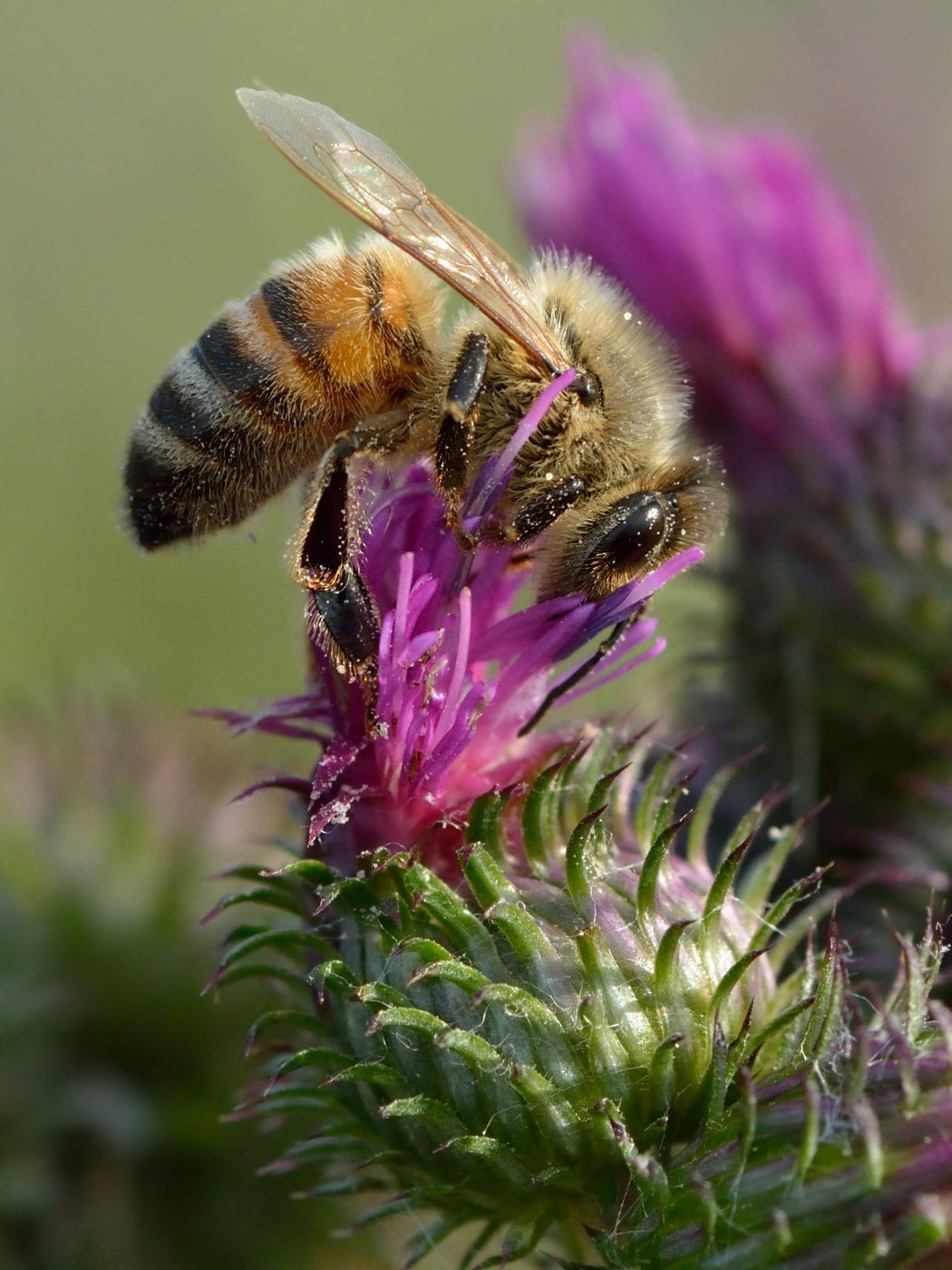
Honeybee
Apis mellifera
A fuzzy, golden-brown and black social bee that lives in large colonies, builds wax honeycomb, and is the primary managed pollinator of crops and wildflowers worldwide.
- Size
- 12–15 mm (workers)
- Habitat
- Managed hives, tree cavities, gardens, farmland, meadows
- Danger
- Stings
Spotted a bug like this?
Identify any bug or insect from a photo, free.
Overview
The honeybee is a highly social insect in the family Apidae, famous for living in large, organized colonies that can number in the tens of thousands of individuals, all cooperating to build wax comb, rear young, and store honey. Native to Europe, Africa, and western Asia, it has been introduced by humans nearly worldwide because of its unmatched value as a managed pollinator and honey producer.
A honeybee colony consists of a single reproductive queen, tens of thousands of sterile female workers, and, seasonally, male drones whose sole role is mating with new queens. This division of labor, along with complex behaviors like the waggle dance used to communicate the location of food sources, makes the honeybee one of the most studied social insects in the world.
Ecologically and economically, honeybees are enormously important as generalist pollinators of countless flowering plants and agricultural crops, and their honey and beeswax have been harvested by humans for thousands of years, making this species one of the most familiar and recognizable insects on the planet.
How to Identify
- Slender, moderately fuzzy body with alternating bands of golden-brown or amber and darker brown or black on the abdomen.
- Two pairs of translucent wings, folded flat along the back at rest, and large compound eyes.
- Hind legs of worker bees are flattened and equipped with a pollen basket (corbicula) used to carry pollen back to the hive.
- Body shape is more slender and less rounded than a bumble bee, and less hairy overall, with a smoother, more streamlined abdomen.
- Lookalikes include yellowjackets and hover flies; honeybees are distinguished by their fuzzy body, pollen baskets on the hind legs, and less glossy, more matte coloring compared to the smooth, shiny bands of a yellowjacket.
Habitat & Range
Found virtually worldwide due to widespread management by beekeepers, as well as feral colonies nesting in tree hollows, wall cavities, and rock crevices. Active whenever temperatures are warm enough for flight, typically from early spring through fall in temperate climates, foraging in gardens, meadows, farmland, and orchards wherever flowering plants are available.
Behavior & Diet
Honeybees are eusocial, living in permanent colonies with a cooperative division of labor among a queen, workers, and drones. Workers forage for nectar and pollen, communicate food locations to nestmates through the waggle dance, and process nectar into honey stored in wax comb cells for use during periods when flowers are scarce. The species is a critical pollinator, transferring pollen between flowers as it forages, and colonies defend their nest and food stores, with workers capable of stinging in defense of the hive.
Life Cycle
The queen lays eggs singly into wax comb cells; each egg hatches into a legless larva that is fed by nurse workers before the cell is capped for pupation. After metamorphosis, adults emerge and take on age-based roles within the colony, progressing from in-hive duties to outside foraging. Colonies persist year-round as a superorganism, with the queen laying continuously during warmer months and the colony clustering together for warmth during winter; new queens and colonies arise periodically through swarming.
Frequently asked questions
How is a honeybee different from a bumble bee?
Honeybees are more slender and less hairy overall, with a smoother striped abdomen, while bumble bees are noticeably larger, rounder, and much fuzzier.
How is it different from a yellowjacket wasp?
Honeybees have a fuzzier, more matte-textured body and pollen baskets on their hind legs, while yellowjackets have a smooth, shiny, hairless body.
Do honeybees live in the wild or only in managed hives?
Both; while widely kept by beekeepers, honeybees also form feral colonies in tree cavities and other natural shelters.
What role do honeybees play in the ecosystem?
They are generalist pollinators that transfer pollen between a very wide range of flowering plants and agricultural crops as they forage for nectar and pollen.
Honeybee guides
In-depth guides for identifying, understanding, and living alongside Honeybee.
Other bugs you may enjoy
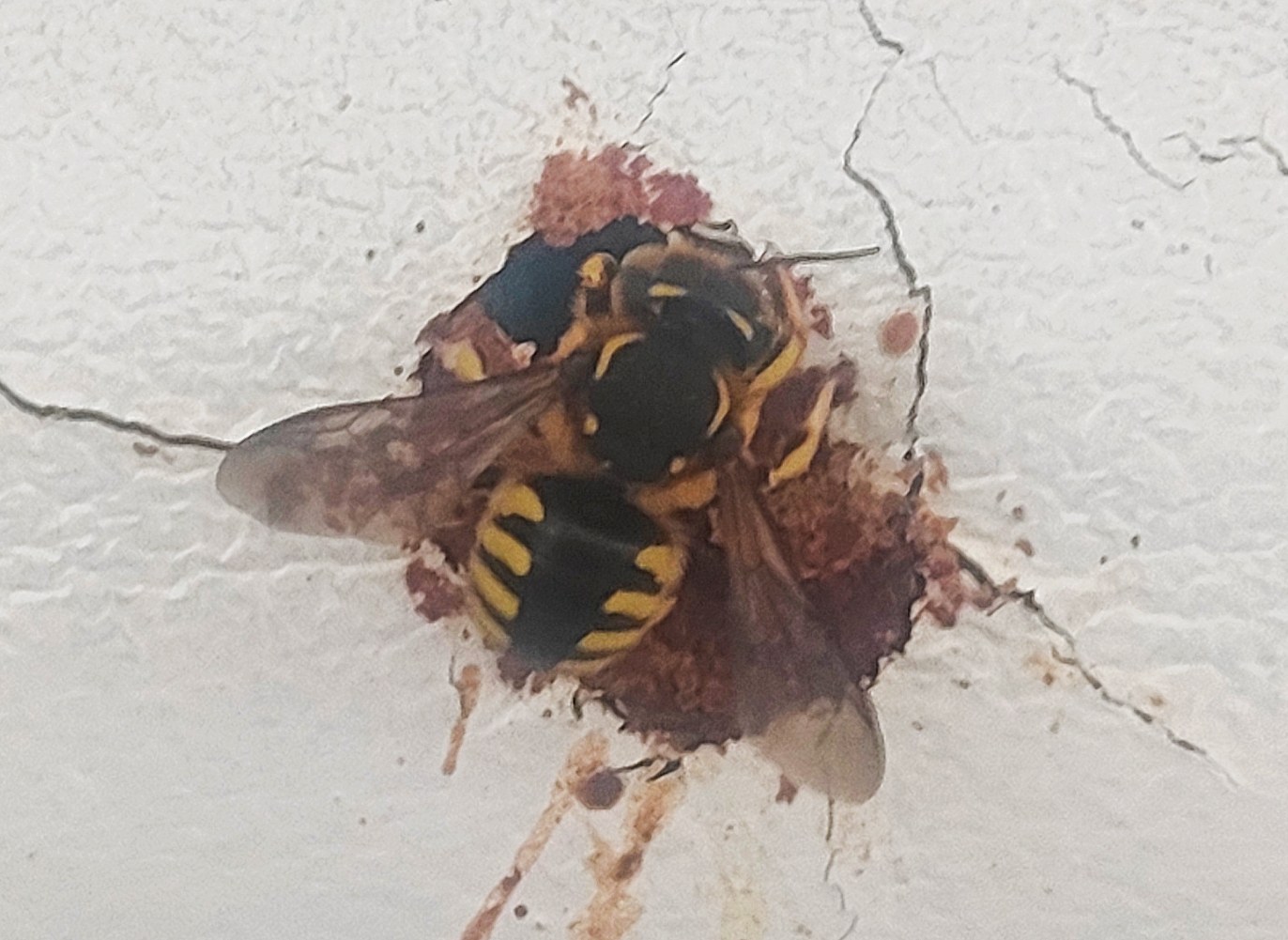
Wool Carder Bee
Gardens, meadows, urban green spaces with fuzzy-leaved plants
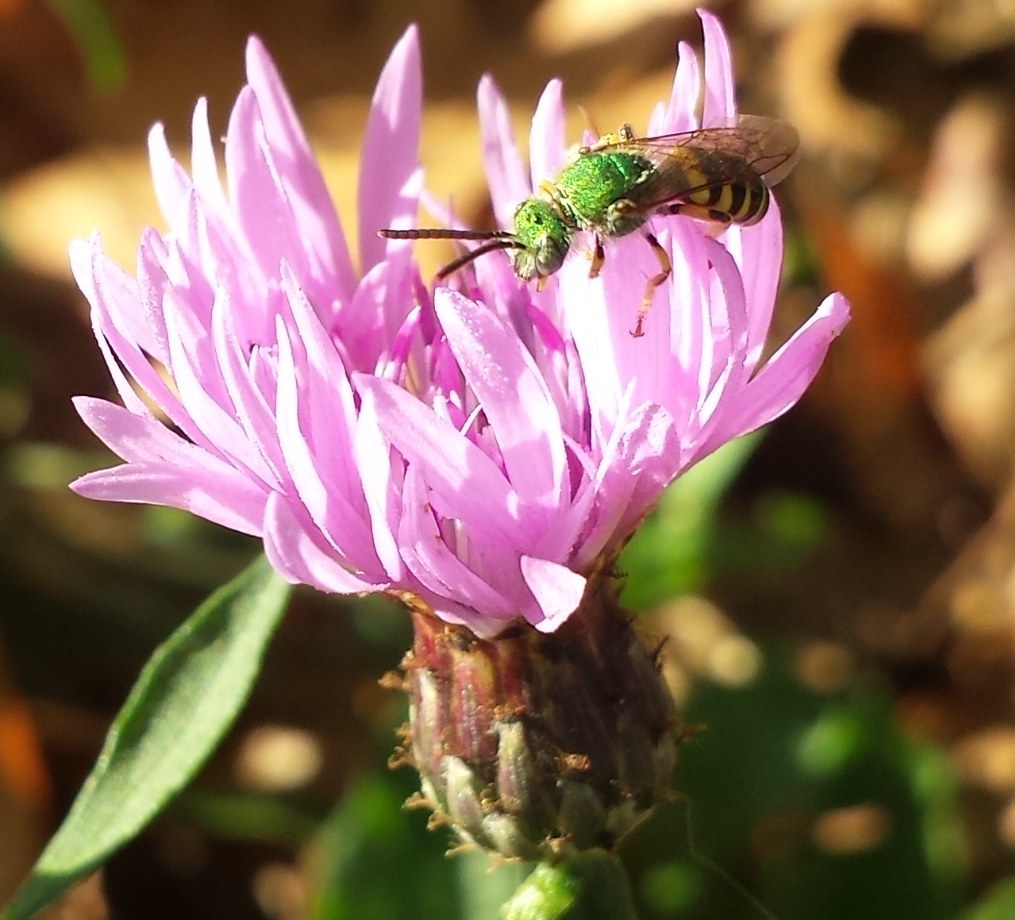
Sweat Bee
Gardens, meadows, and bare or sandy soil worldwide
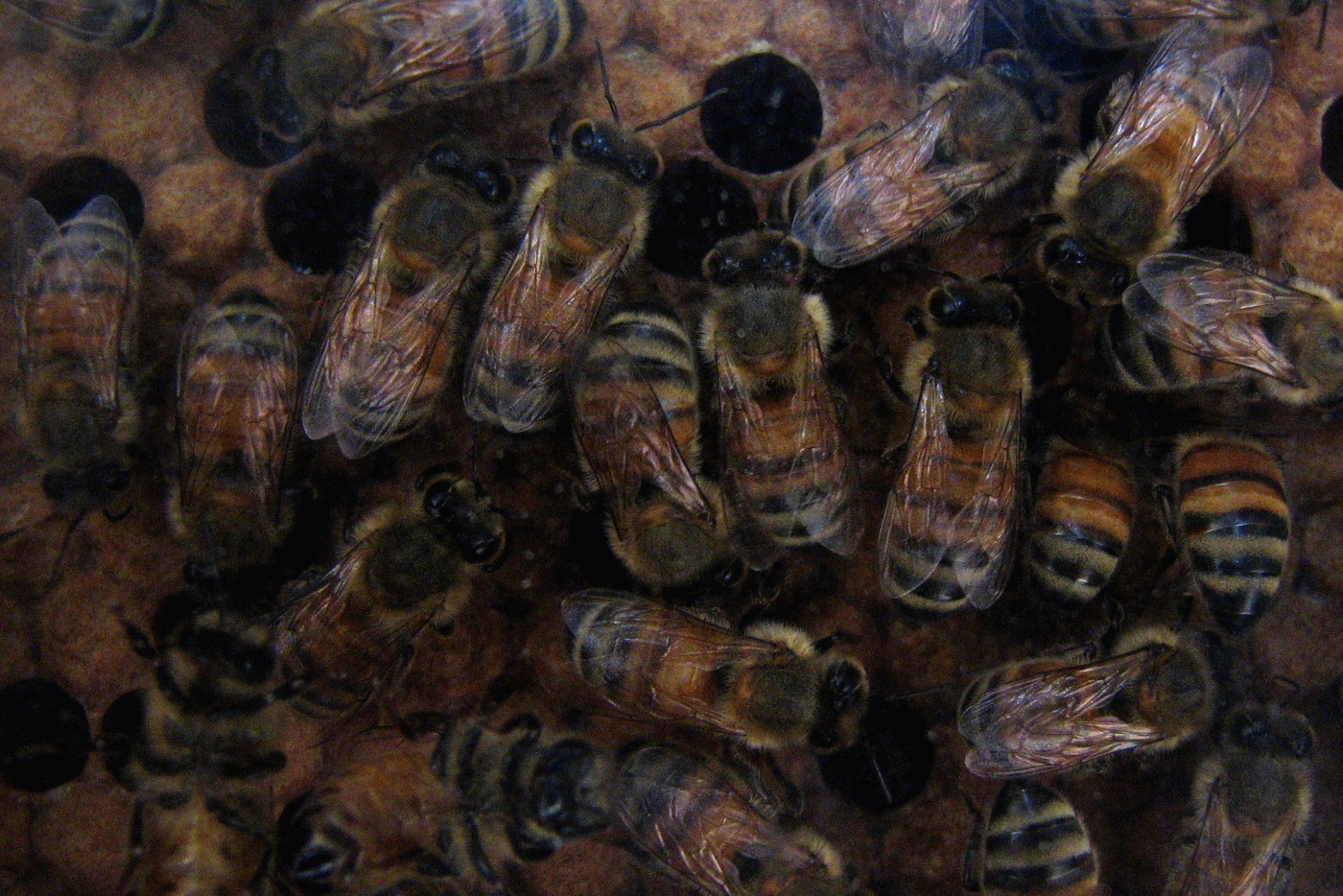
Western Honey Bee
Managed hives and wild colonies in tree cavities, worldwide in temperate and tropical climates
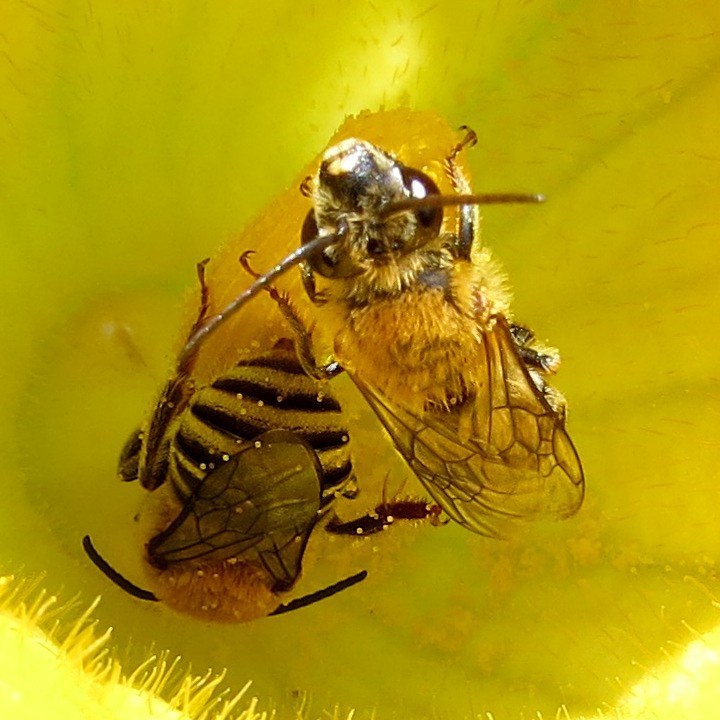
Squash Bee
Vegetable gardens and farm fields growing squash, pumpkin, and gourd plants
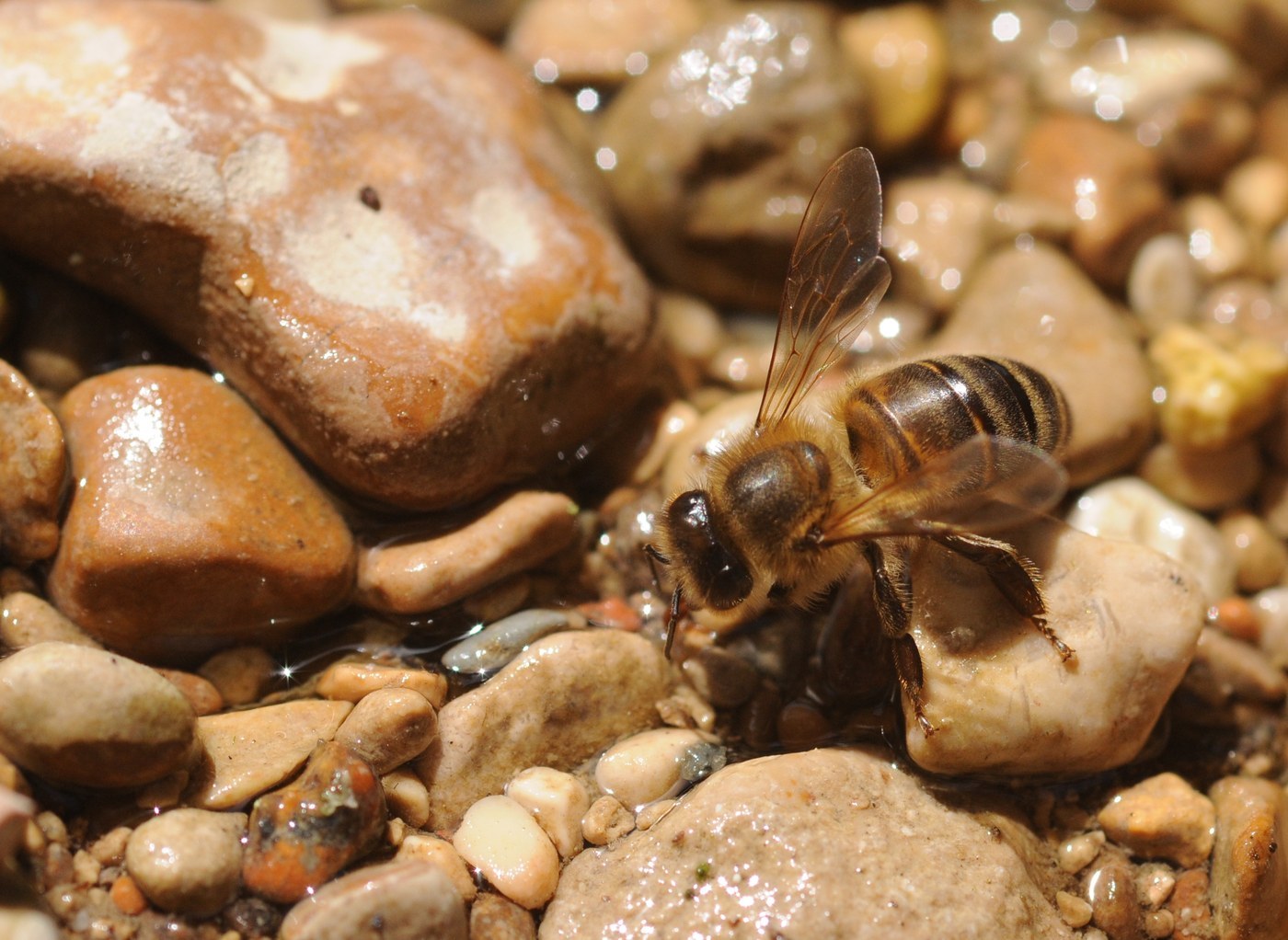
Honey Bee
Flowering meadows, gardens, orchards, and managed hives
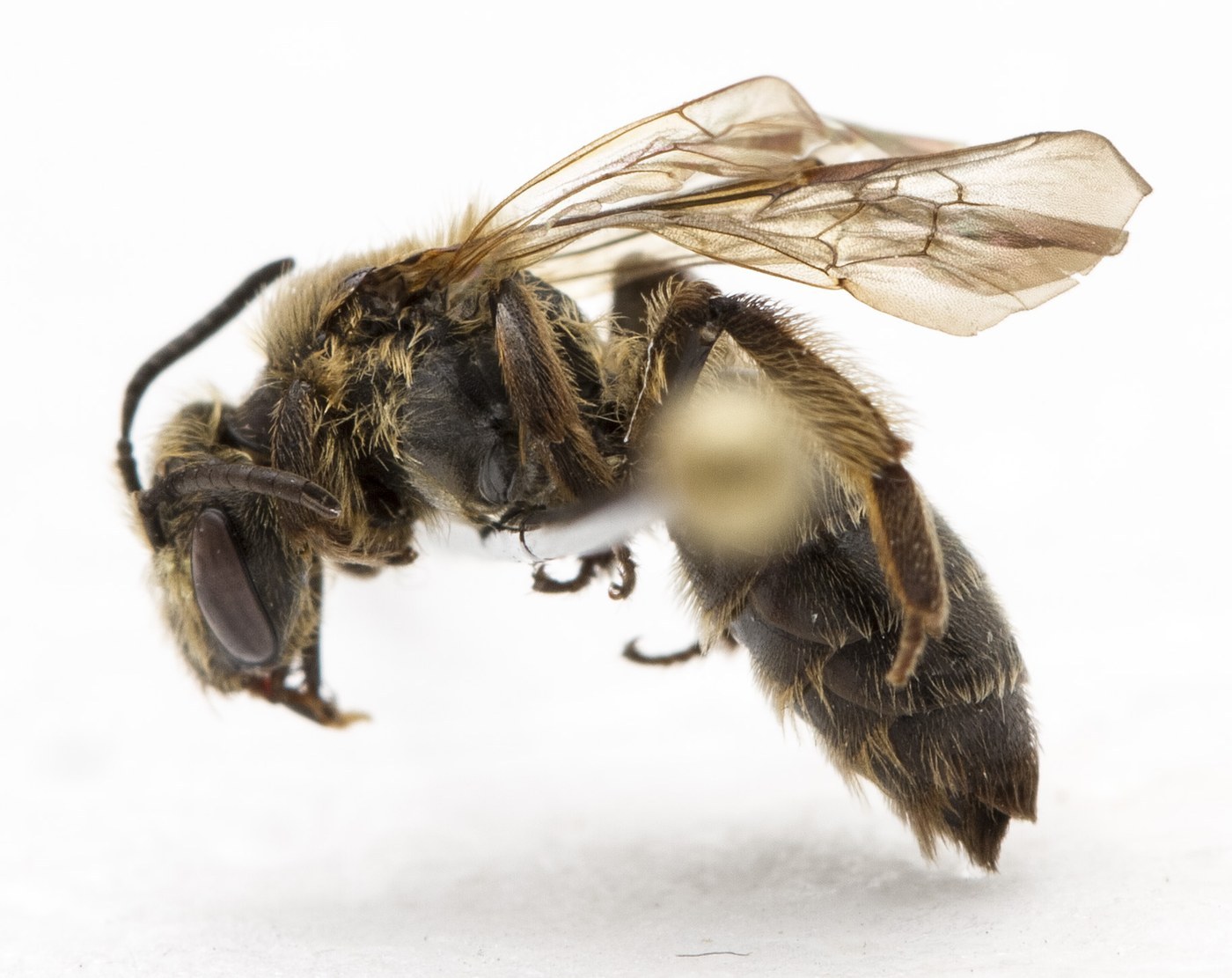
Mining Bee
Bare or sparsely vegetated soil, lawns, gardens, woodland edges
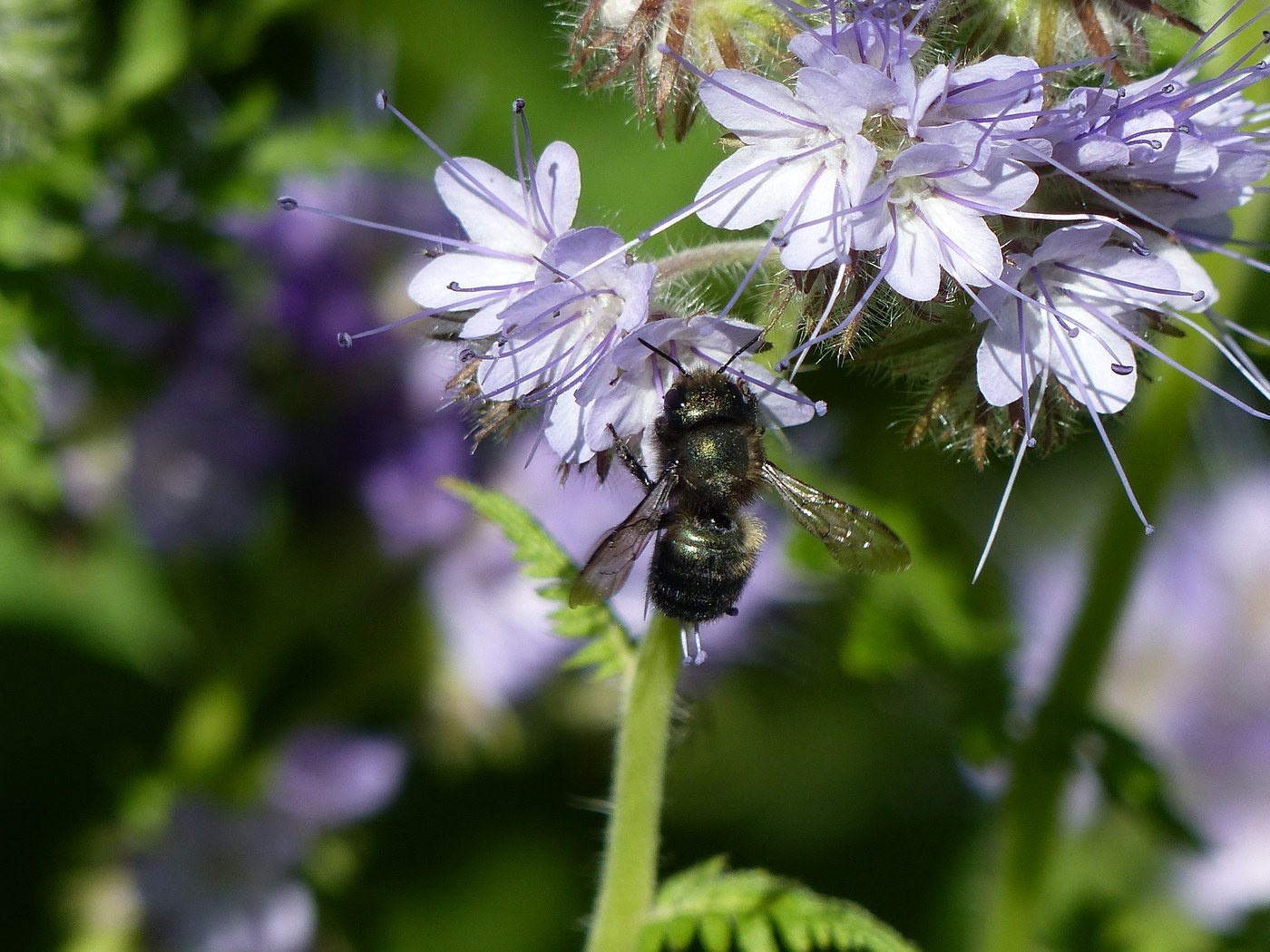
Mason Bee
Orchards, gardens, and wooded edges across temperate regions
Longhorn Bee
Prairies, meadows, gardens, sunflower and aster fields
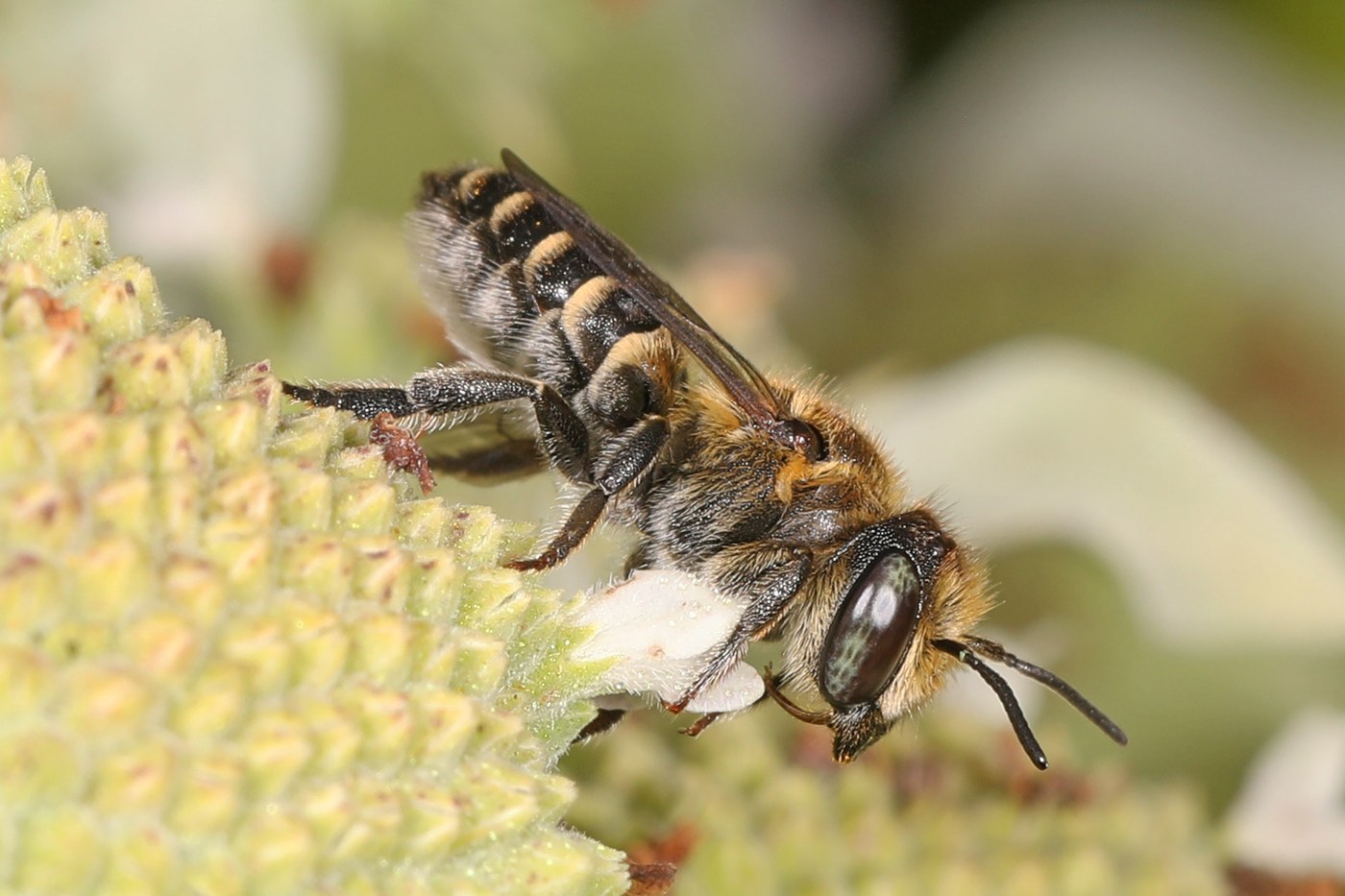
Leafcutter Bee
Gardens, meadows, and agricultural fields across temperate and subtropical regions
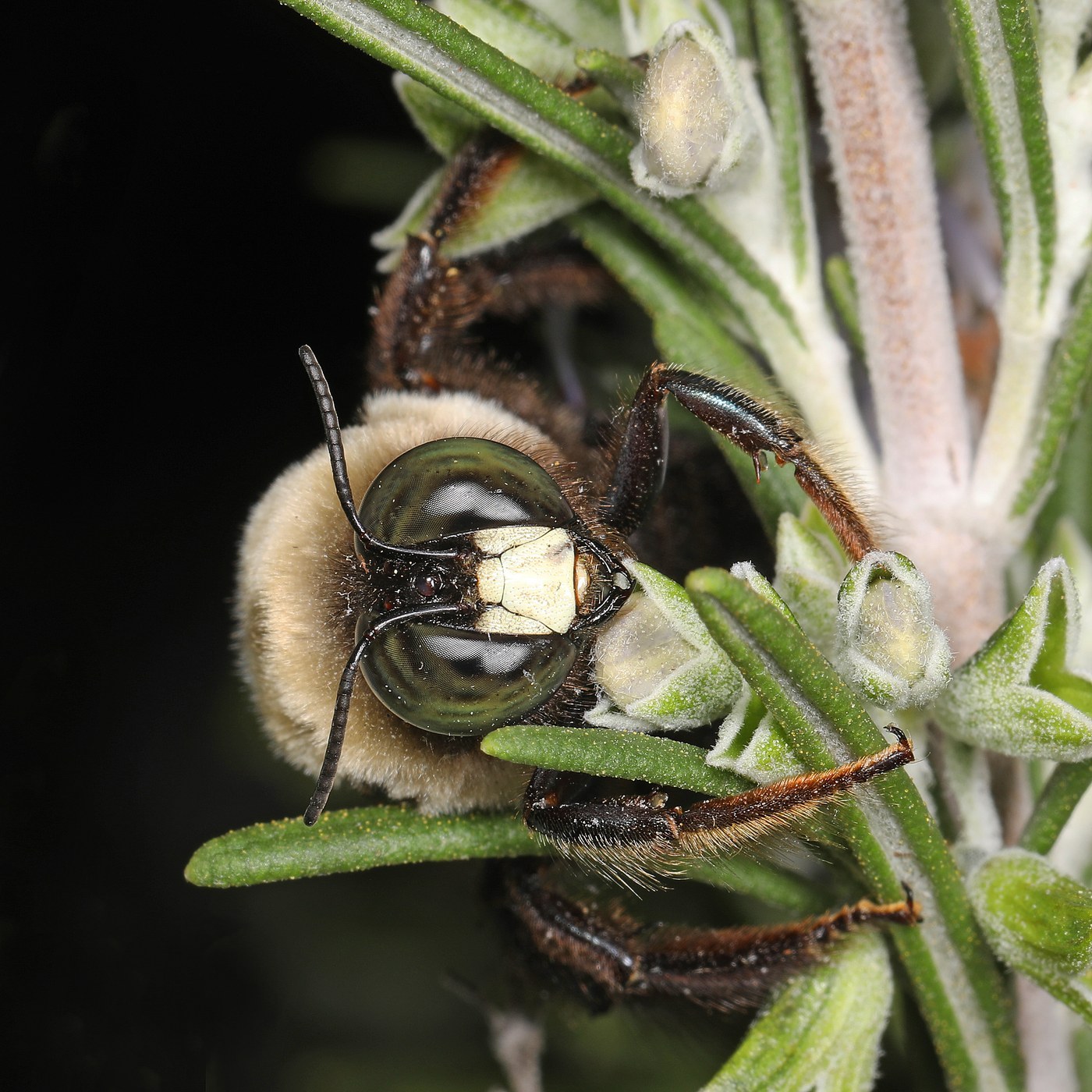
Carpenter Bee
Wooden structures, dead trees, and gardens across temperate and tropical regions
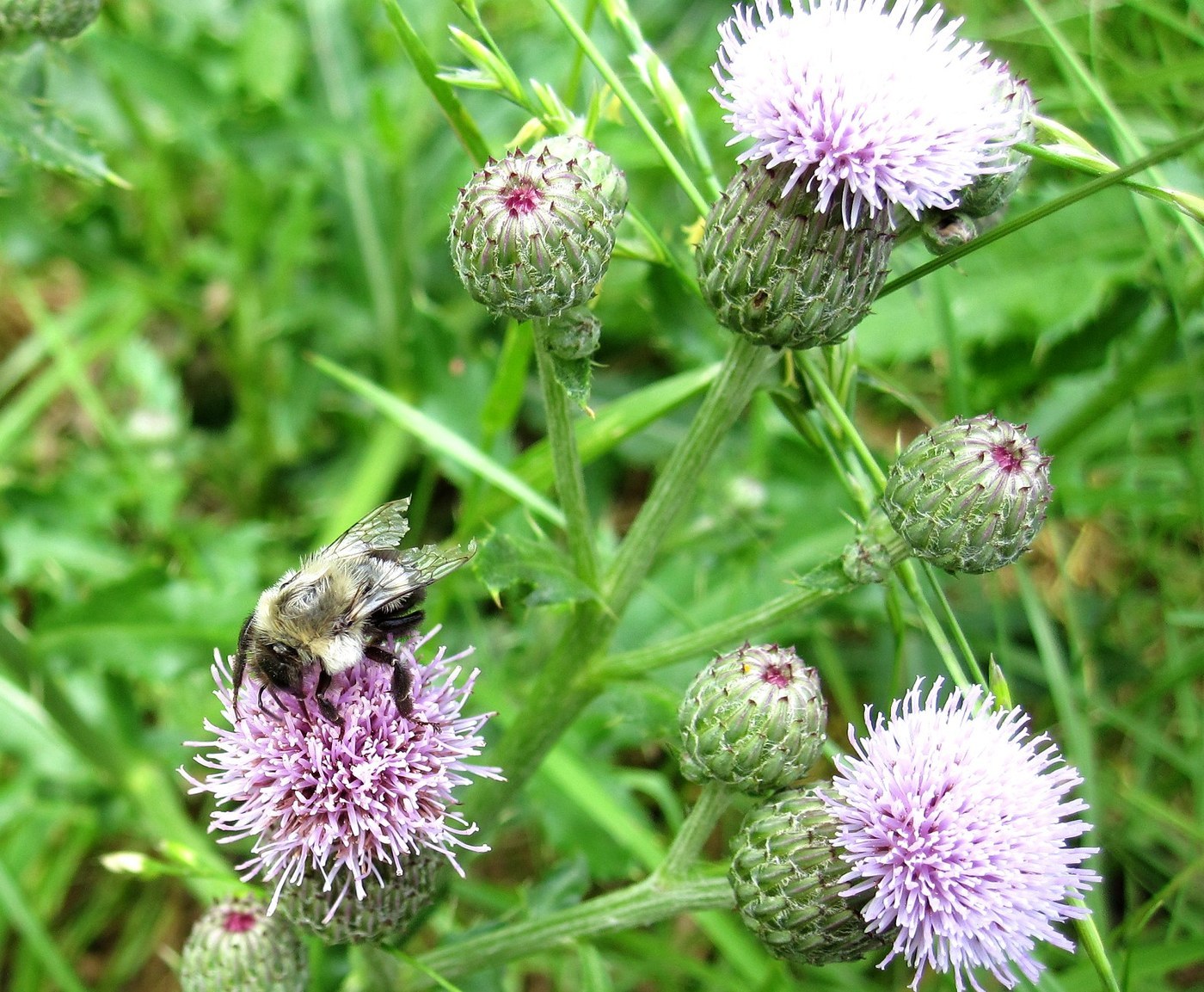
Bumblebee
Meadows, gardens, hedgerows, and open woodland edges
Bumble Bee Queen
Meadows, gardens, woodland edges; underground burrows or leaf litter for overwintering