
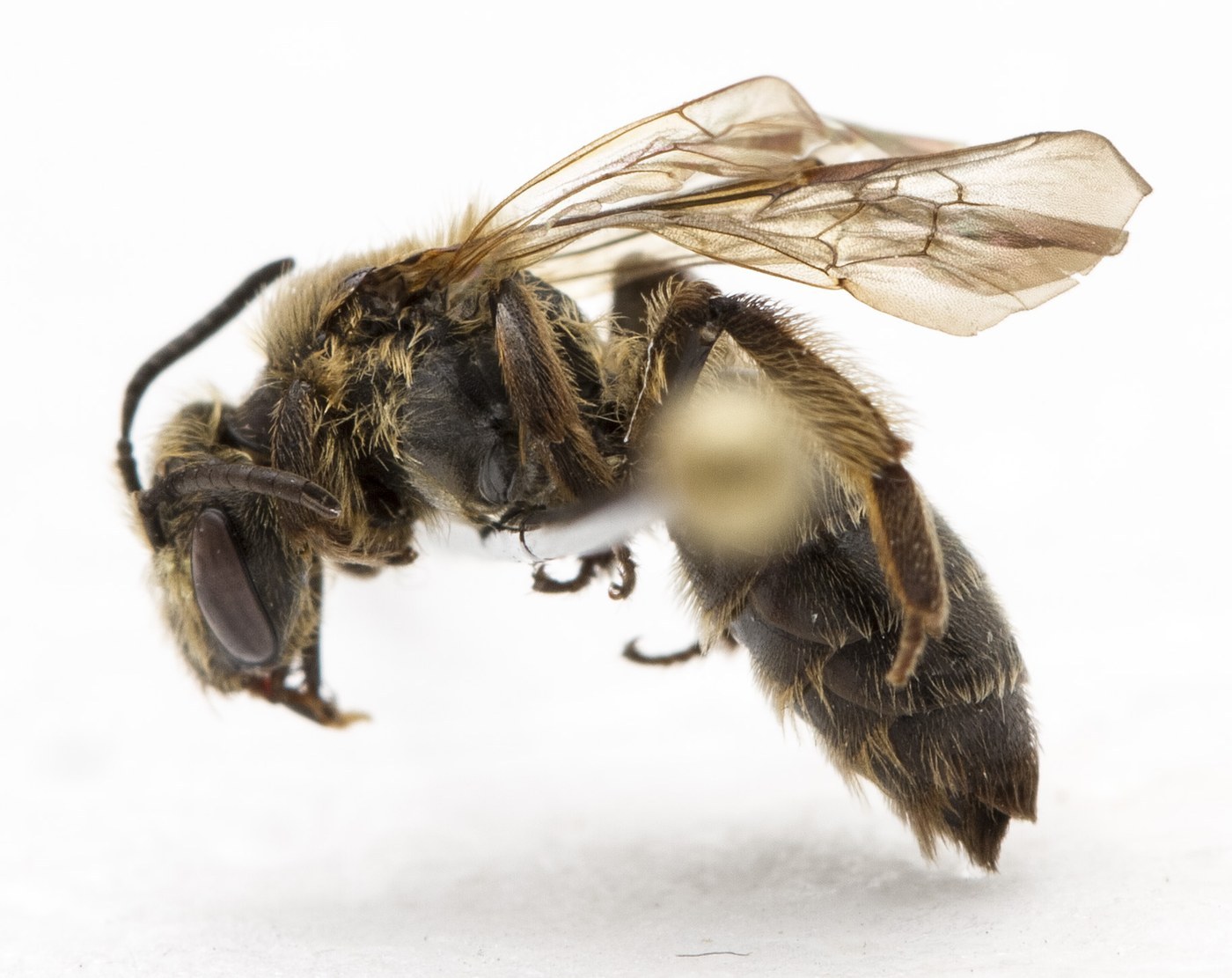
Mining Bee
Andrena spp.
A furry, solitary ground-nesting bee that emerges in early spring in loose aggregations, often mistaken for a small bumble bee, digging individual burrows marked by small volcano-shaped mounds of soil.
- Size
- 8–17 mm
- Habitat
- Bare or sparsely vegetated soil, lawns, gardens, woodland edges
- Danger
- Stings
Spotted a bug like this?
Identify any bug or insect from a photo, free.
Overview
Mining bees make up the genus Andrena, one of the largest bee genera in the world with well over a thousand described species found across the Northern Hemisphere. They belong to the family Andrenidae within the broader bee order Hymenoptera, and are solitary rather than social, with each female constructing and provisioning her own nest despite often nesting near many others in loose aggregations.
They are notable as some of the earliest bees active in spring, frequently among the first pollinators visiting early-blooming trees and wildflowers, and many species show close specialization on particular plant families, making them important pollinators for specific native and cultivated crops such as fruit trees.
Ecologically, mining bees are valued for their efficient pollination and gentle disposition, and their emergence aggregations, though sometimes numbering in the hundreds of small mounds on a lawn, represent a beneficial natural phenomenon rather than a colony in the social sense.
How to Identify
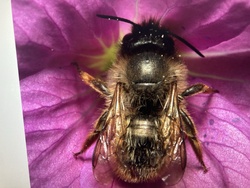
- Compact, moderately hairy bee, 8–17 mm long, usually brownish, gray, or blackish with pale hair bands on the abdomen.
- Body shape is stouter and less slender than many solitary bees, sometimes causing confusion with small bumble bees, but mining bees are smaller and less densely furred overall.
- Females have a dense patch of hair (scopa) on the hind legs for carrying pollen, visible as a fluffy "pollen basket" look when foraging.
- Nests are identified by small, volcano-like mounds of excavated soil with a central entrance hole, often in loose clusters on bare or thin-grass ground.
Habitat & Range
Mining bees occur throughout temperate regions of North America, Europe, and Asia, favoring open, well-drained, sparsely vegetated soil such as lawns, garden beds, sandy banks, and woodland edges for nesting. Many species are active for only a few weeks in early spring, timed to coincide with the bloom of specific host plants, though some genera have summer- or fall-active species as well.
Behavior & Diet
Females excavate individual vertical burrows in soil, provisioning side-chamber cells with a mixture of pollen and nectar for their offspring before sealing each cell and moving on. Though solitary, many females nest close together in aggregations that can appear colony-like but do not share cooperative brood care. Mining bees are important pollinators of early spring flowers, fruit trees, and various wildflowers, and are generally unaggressive, with males incapable of stinging and females rarely stinging unless directly handled.
Life Cycle
Mining bees undergo complete metamorphosis with a single generation per year in most species (univoltine). Eggs laid on pollen provisions hatch into legless larvae that consume the stored food, then pupate within the underground cell. Most species spend the majority of the year as a fully developed adult resting within the nest cell underground, emerging for only a brief flight period in spring or another season to mate and construct new nests before dying, leaving the next generation to overwinter underground.
Frequently asked questions
Are mining bees aggressive?
No, they are generally docile solitary bees that rarely sting unless handled directly.
Why are there so many small dirt mounds in my lawn?
These are individual nest entrances of a mining bee aggregation, where many solitary females are nesting close together in suitable bare soil.
How is a mining bee different from a bumble bee?
Mining bees are smaller, less densely furred, and solitary, while bumble bees are larger, robust, and live in small social colonies.
When are mining bees active?
Most species fly for just a few weeks in early spring, though some are active in summer or fall depending on the species.
Mining Bee guides
In-depth guides for identifying, understanding, and living alongside Mining Bee.
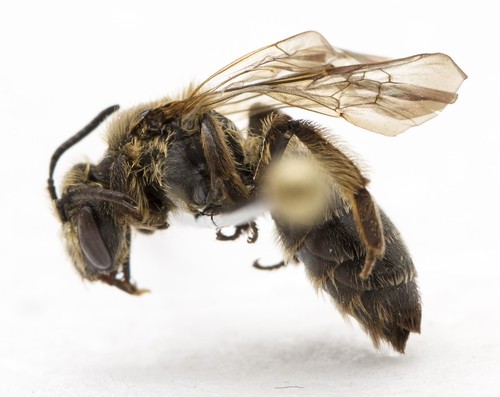
Mining Bee identified by the community
Real finds identified with Bug Identifier.
Other bugs you may enjoy
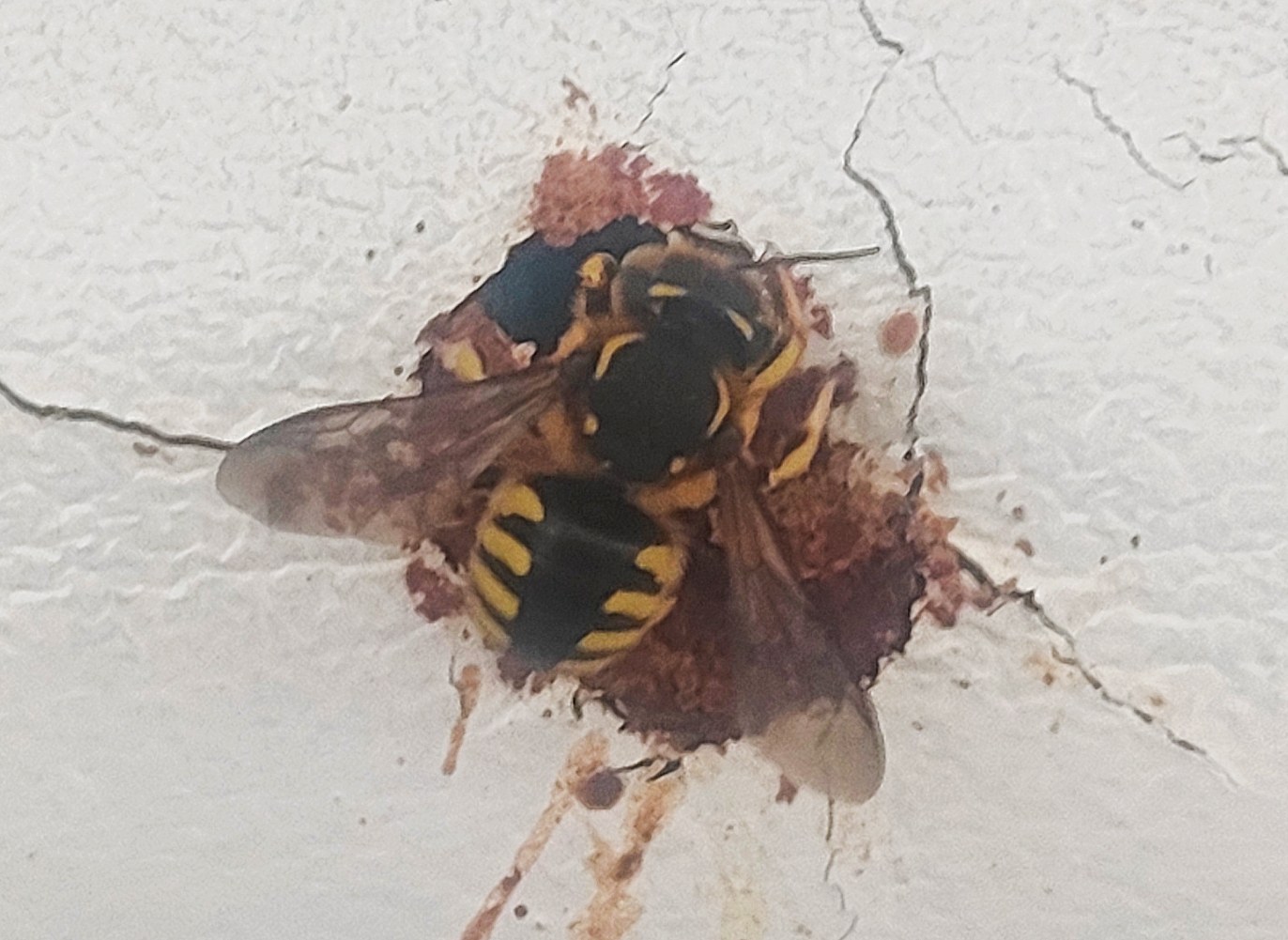
Wool Carder Bee
Gardens, meadows, urban green spaces with fuzzy-leaved plants
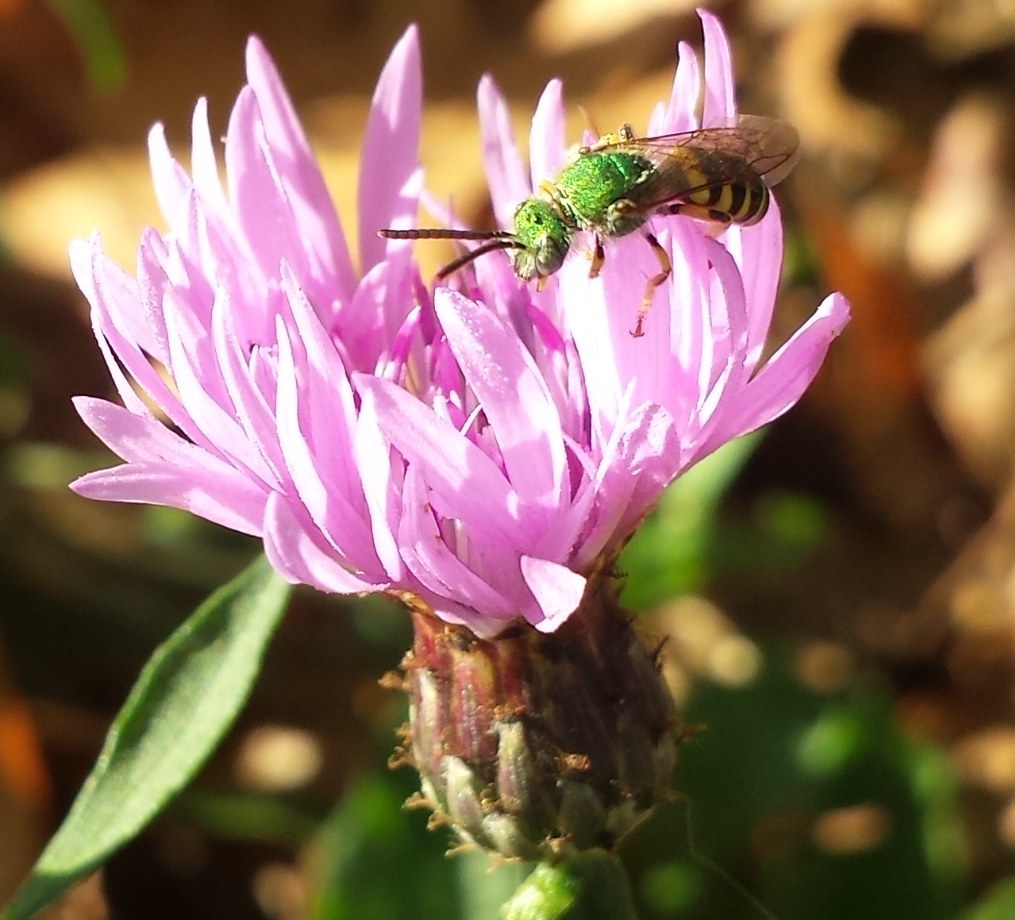
Sweat Bee
Gardens, meadows, and bare or sandy soil worldwide
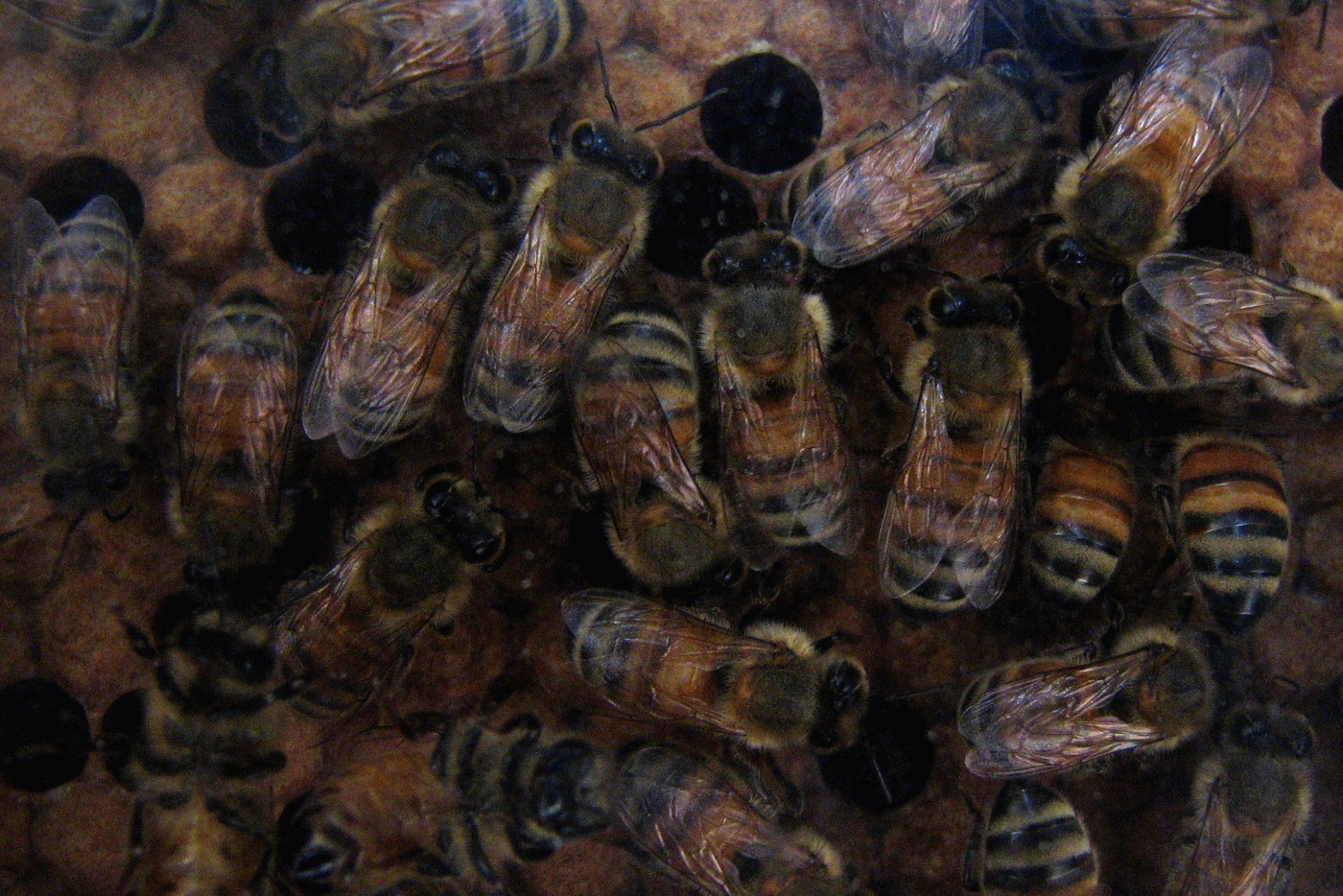
Western Honey Bee
Managed hives and wild colonies in tree cavities, worldwide in temperate and tropical climates
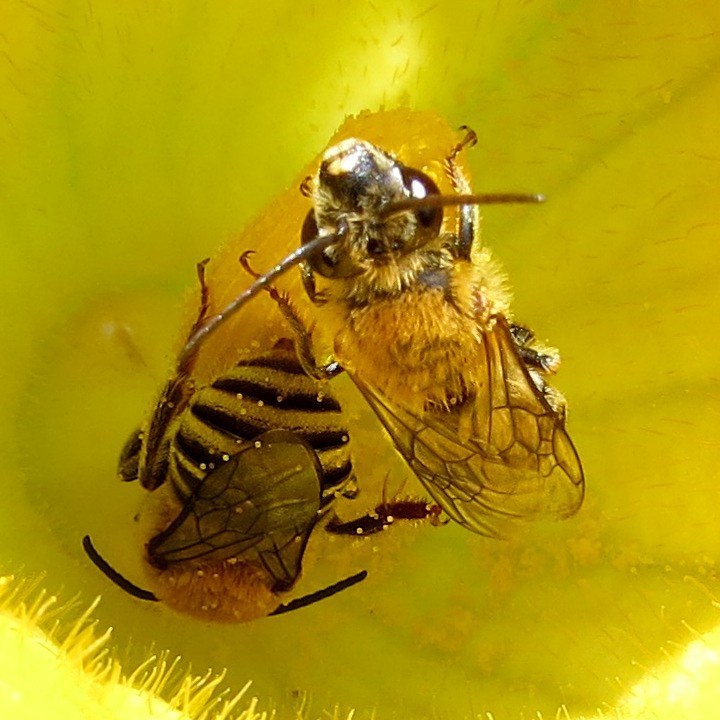
Squash Bee
Vegetable gardens and farm fields growing squash, pumpkin, and gourd plants
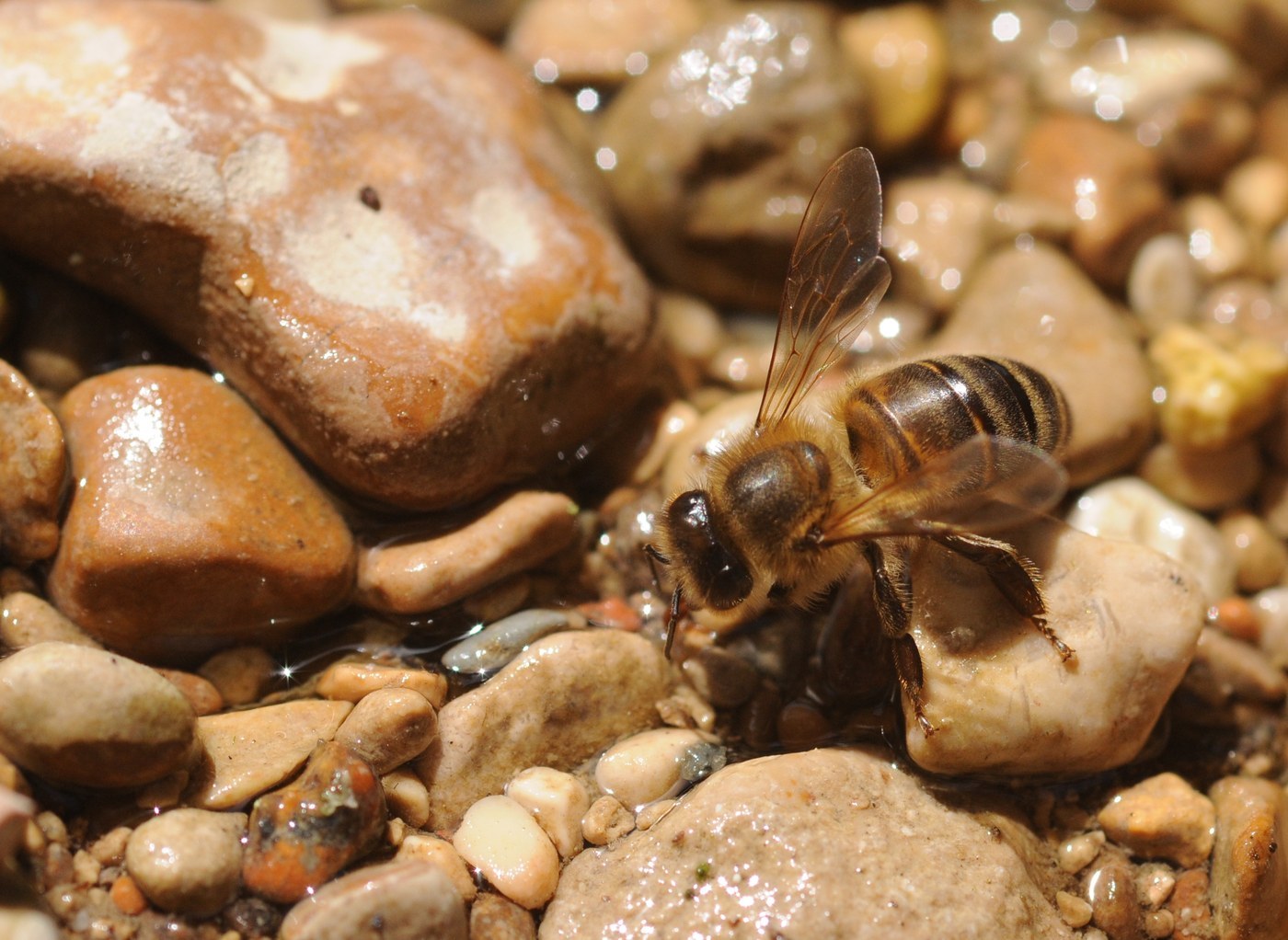
Honey Bee
Flowering meadows, gardens, orchards, and managed hives
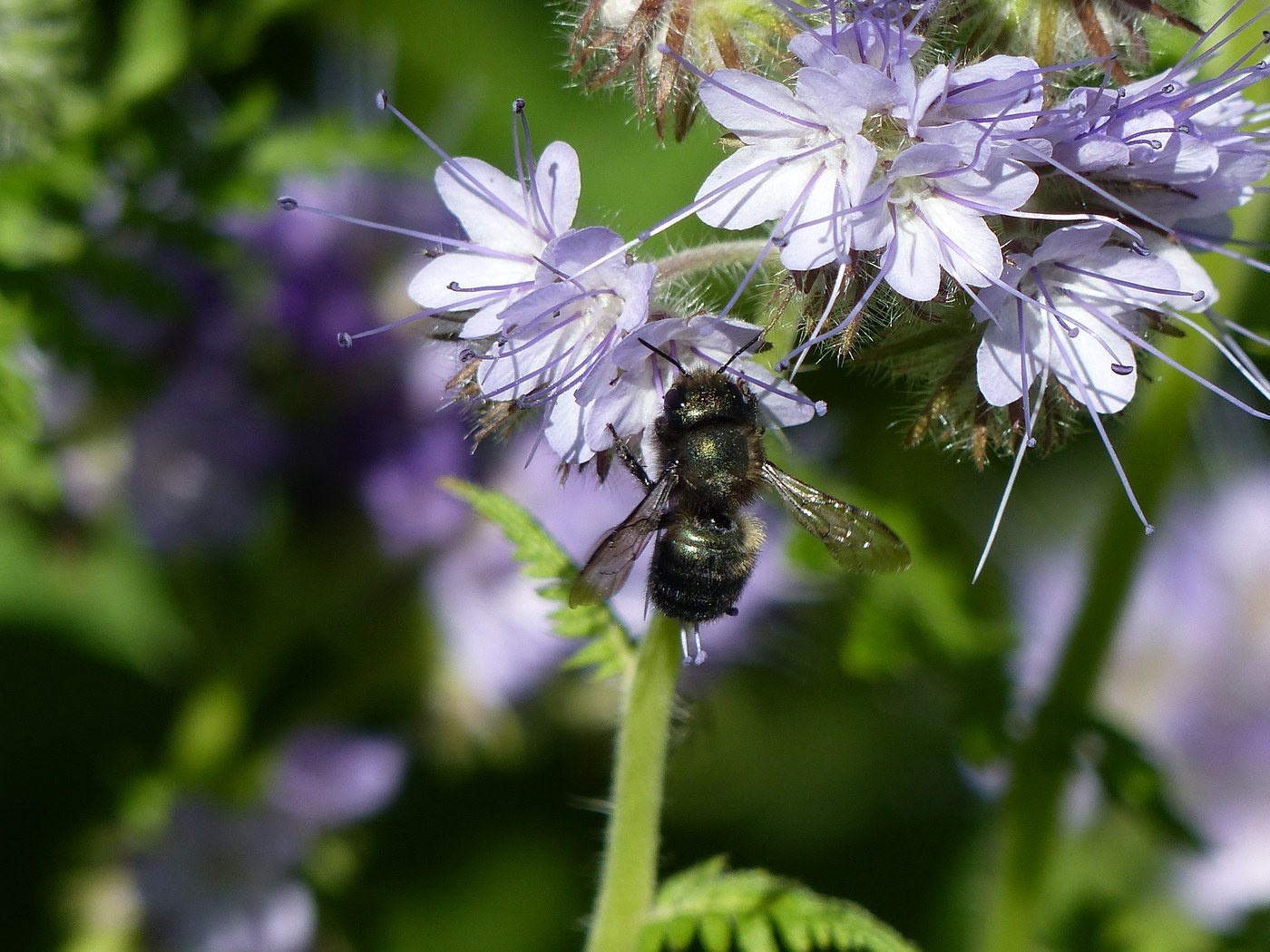
Mason Bee
Orchards, gardens, and wooded edges across temperate regions
Longhorn Bee
Prairies, meadows, gardens, sunflower and aster fields
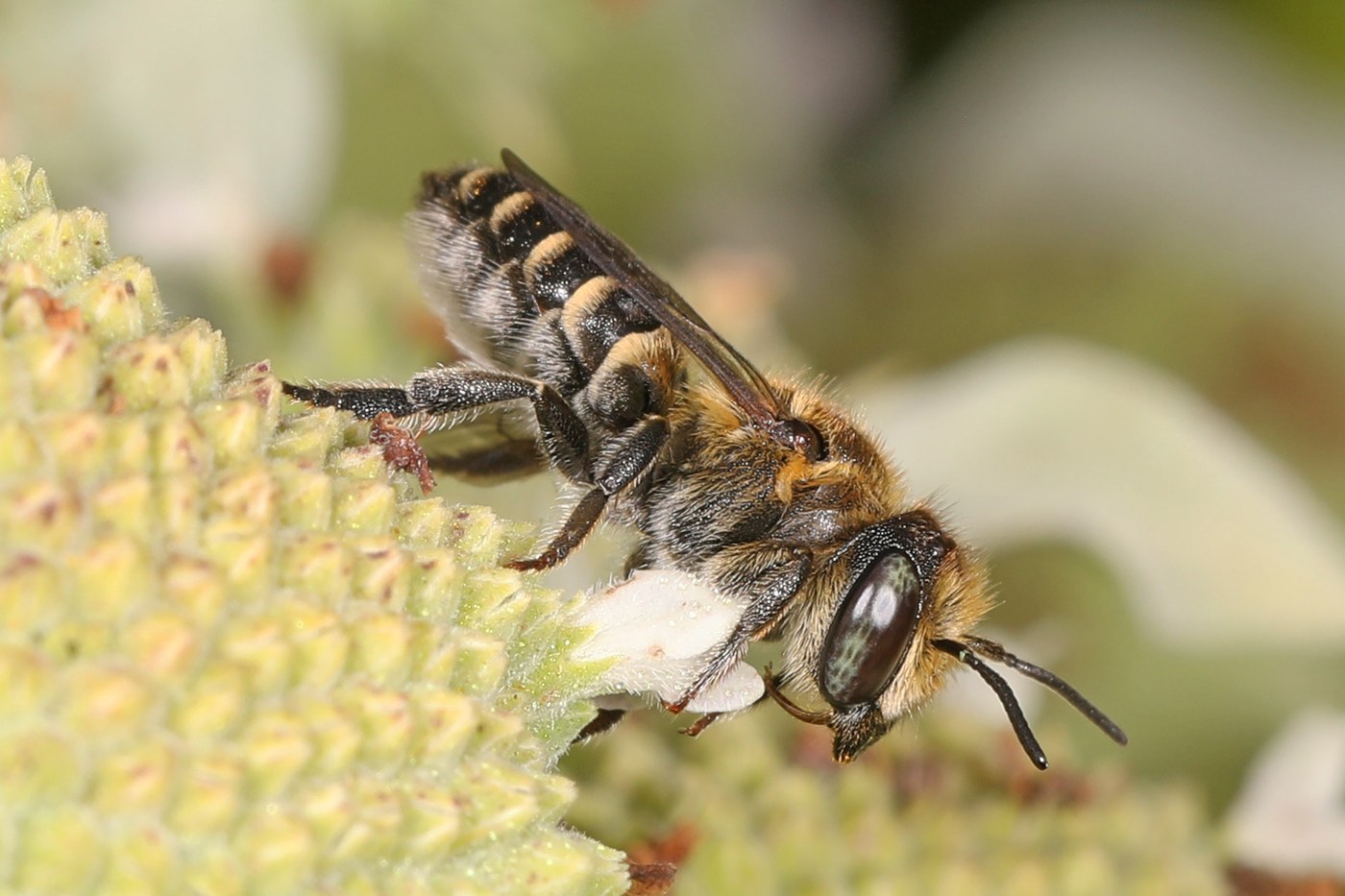
Leafcutter Bee
Gardens, meadows, and agricultural fields across temperate and subtropical regions
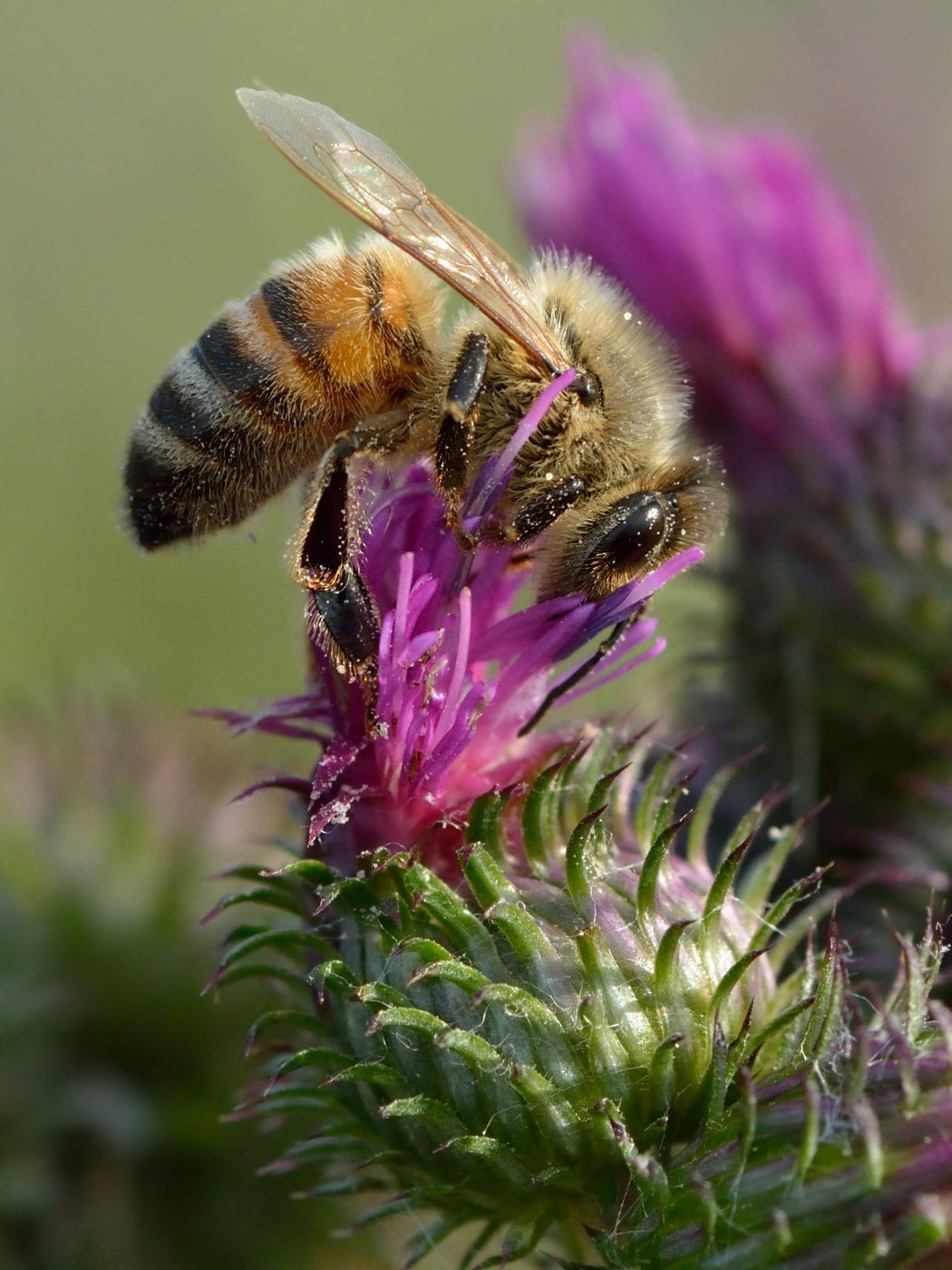
Honeybee
Managed hives, tree cavities, gardens, farmland, meadows
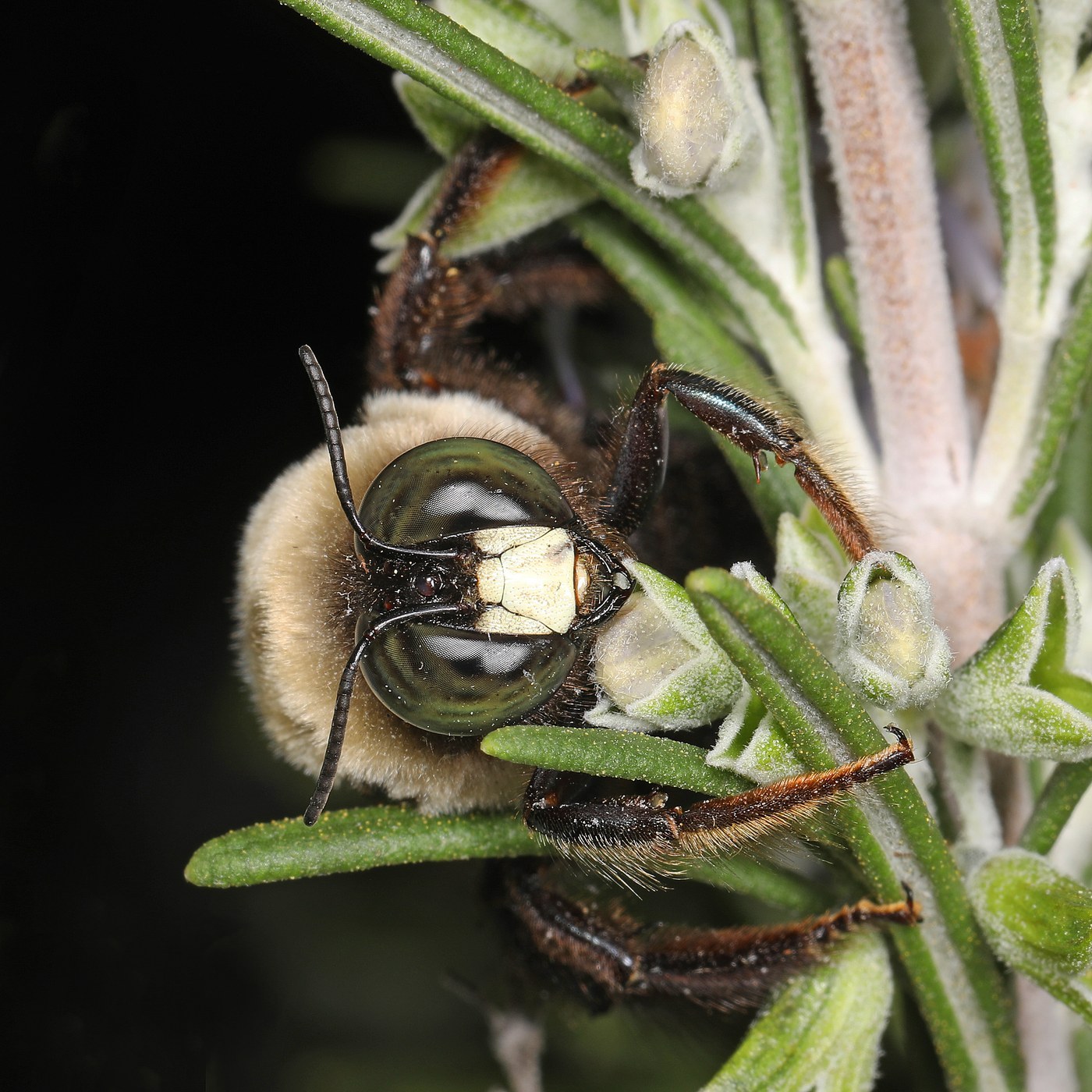
Carpenter Bee
Wooden structures, dead trees, and gardens across temperate and tropical regions
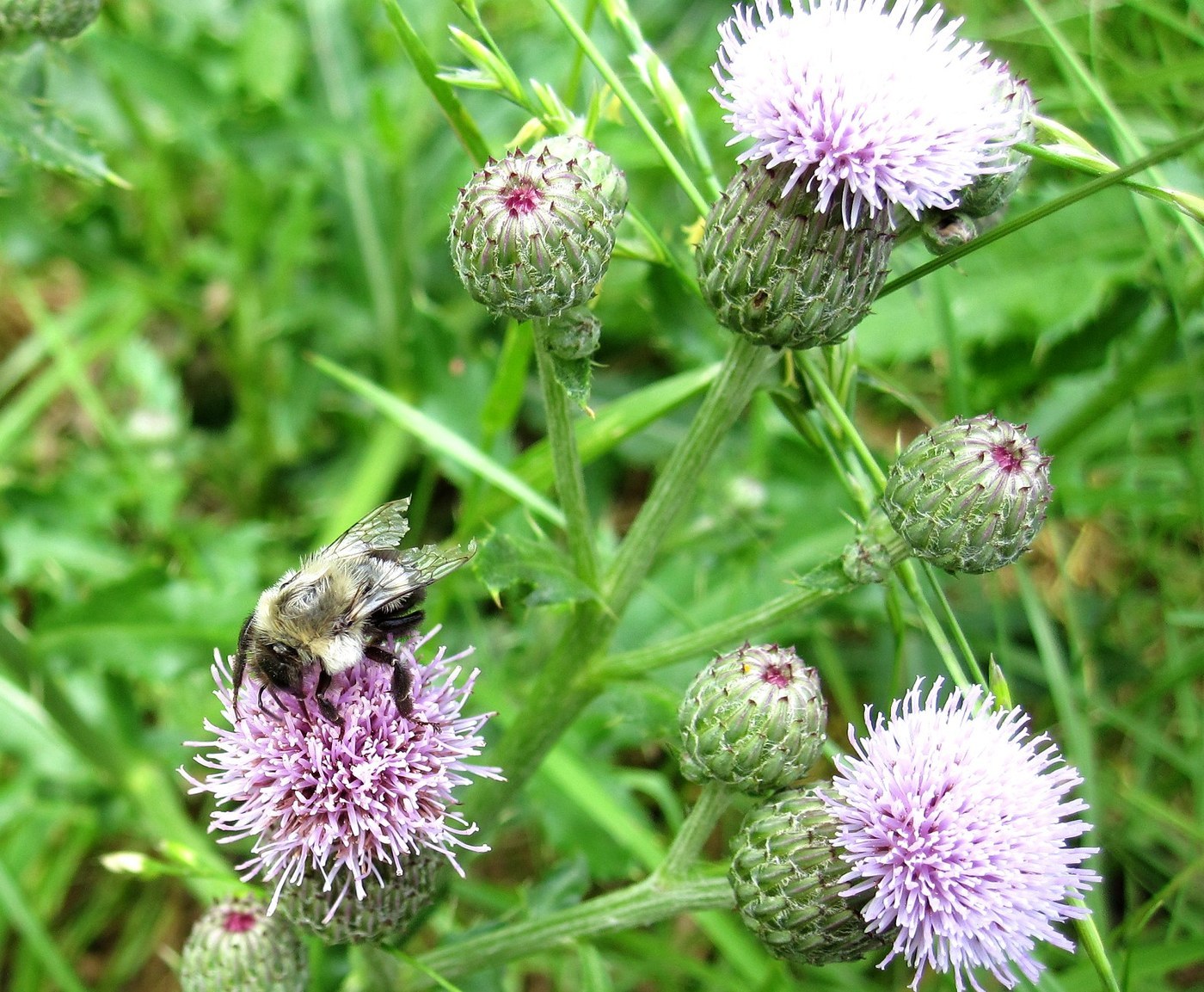
Bumblebee
Meadows, gardens, hedgerows, and open woodland edges
Bumble Bee Queen
Meadows, gardens, woodland edges; underground burrows or leaf litter for overwintering