
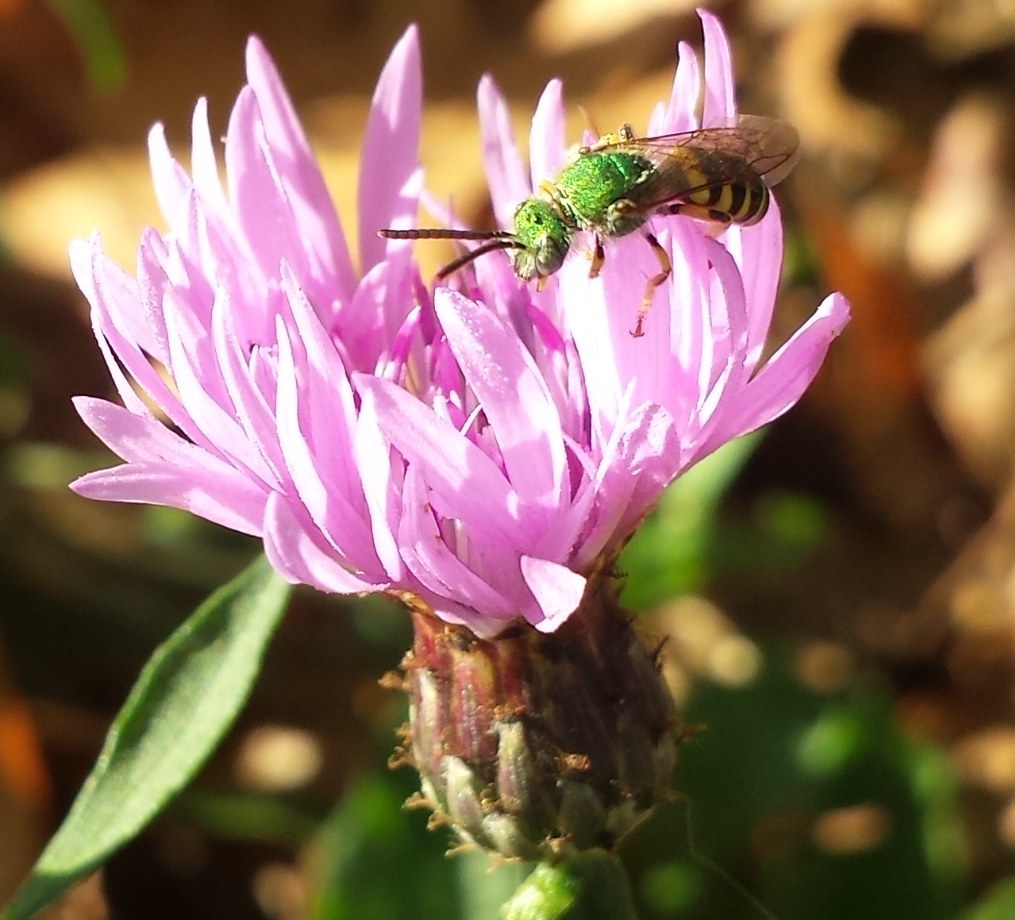
Sweat Bee
Agapostemon virescens
A small, often metallic green or bronze bee in the family Halictidae, named for its habit of landing on skin to sip perspiration, and an important generalist pollinator of wildflowers and crops.
- Size
- 4–13 mm
- Habitat
- Gardens, meadows, and bare or sandy soil worldwide
- Danger
- Stings
Spotted a bug like this?
Identify any bug or insect from a photo, free.
Overview
Sweat bees make up the large and diverse family Halictidae, one of the most species-rich bee families worldwide, ranging from dull brown species to some of the most brilliantly metallic green bees found in gardens. The genus Agapostemon, with its vivid emerald-green thorax, is among the most commonly noticed and photographed sweat bees in North America.
The group earns its common name from a widespread habit among many species of landing on human skin to drink perspiration for its salt content, a behavior distinct from most other bees. Despite this close encounter with people, sweat bees are generally unassuming, small-bodied insects going about routine foraging.
Ecologically, sweat bees are important generalist pollinators, visiting a very broad range of wildflowers, garden plants, and agricultural crops, and many species nest in the ground, making them valuable indicators of healthy soil and habitat diversity.
How to Identify
- Small to medium bee, often with a slender build compared to bumblebees; many species show a brilliant metallic green, blue, or bronze head and thorax.
- Abdomen coloring varies widely by species, from all-metallic to black-and-white or black-and-yellow banded patterns.
- Wings are membranous and clear to lightly smoky; legs often carry visible pollen loads on hind legs of females.
- Lookalikes include small metallic flies, distinguished from sweat bees by their single pair of wings and short, stubby antennae versus the bee's two wing pairs and longer elbowed antennae.
Habitat & Range
Sweat bees occur nearly worldwide, especially in temperate and subtropical regions, favoring open habitats such as gardens, meadows, prairies, and agricultural land with access to bare or sandy soil for nesting. Most species are active from spring through fall and are frequently seen on a wide variety of flowering plants throughout the day.
Behavior & Diet
Most sweat bees are solitary or exhibit only weak social behavior, with individual females digging and provisioning their own nest burrows in bare soil, though some species share nest entrances. They forage broadly across many flower types for nectar and pollen, making them highly effective generalist pollinators, and some species are drawn to human sweat to obtain salts. Their small size and ground-nesting habits make them less conspicuous than honey bees or bumblebees, but they are numerically among the most important wild pollinators in many ecosystems.
Life Cycle
A female excavates a tunnel nest in bare or sparsely vegetated soil, branching into individual brood cells that she provisions with a mixture of pollen and nectar before laying an egg in each. The larva feeds on this stored provision, then pupates within the sealed cell, emerging as an adult after several weeks. Depending on species and climate there may be one or several generations per year, with overwintering typically occurring as a mature larva or pre-emerged adult sealed underground in the nest.
Frequently asked questions
Why is it called a sweat bee?
Many species in this family are attracted to human perspiration and will land on skin to drink it for its salt content, giving the group its common name.
Are all sweat bees metallic green?
No, while genera like Agapostemon are brilliant metallic green, many other sweat bee species are dull brown, black, or banded and not metallic at all.
Do sweat bees live in hives like honey bees?
No, most species are solitary or only weakly social, nesting in individual burrows dug into bare soil rather than forming large hive colonies.
How important are sweat bees for pollination?
They are considered some of the most important generalist wild pollinators, visiting a very wide range of wildflowers and crop plants.
Sweat Bee guides
In-depth guides for identifying, understanding, and living alongside Sweat Bee.
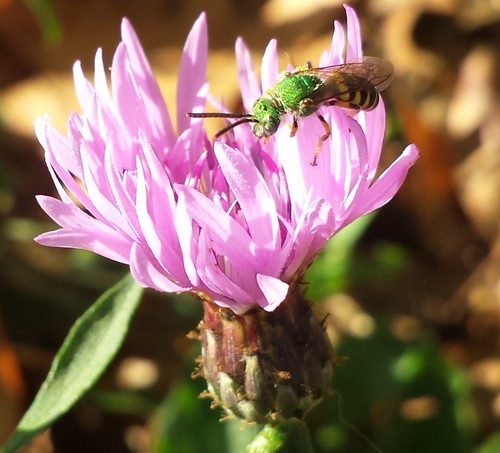
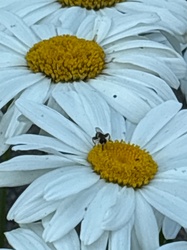
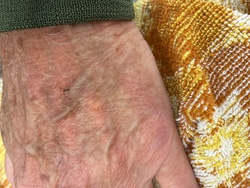
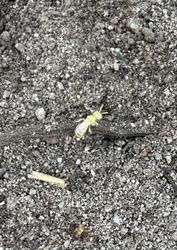
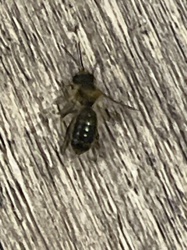
Sweat Bee identified by the community
Real finds identified with Bug Identifier.
Other bugs you may enjoy
Wool Carder Bee
Gardens, meadows, urban green spaces with fuzzy-leaved plants
Western Honey Bee
Managed hives and wild colonies in tree cavities, worldwide in temperate and tropical climates
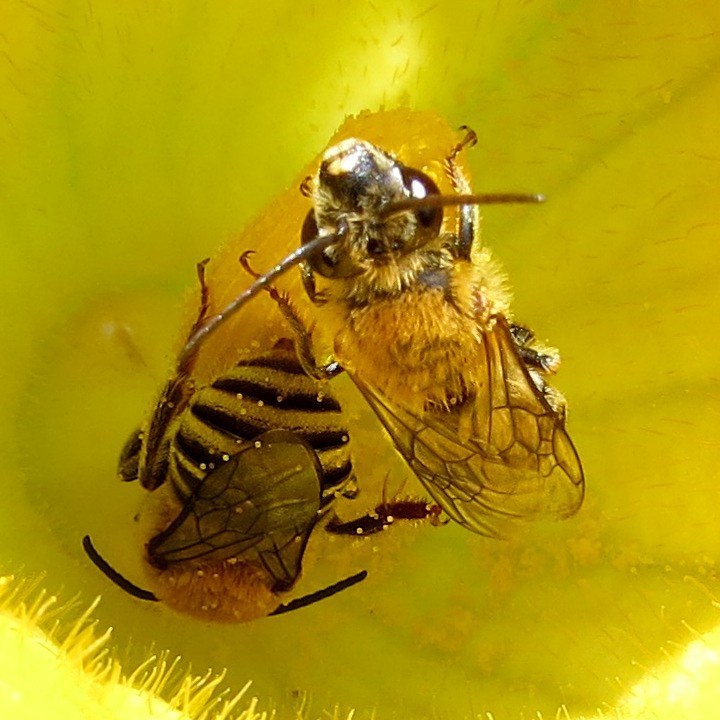
Squash Bee
Vegetable gardens and farm fields growing squash, pumpkin, and gourd plants
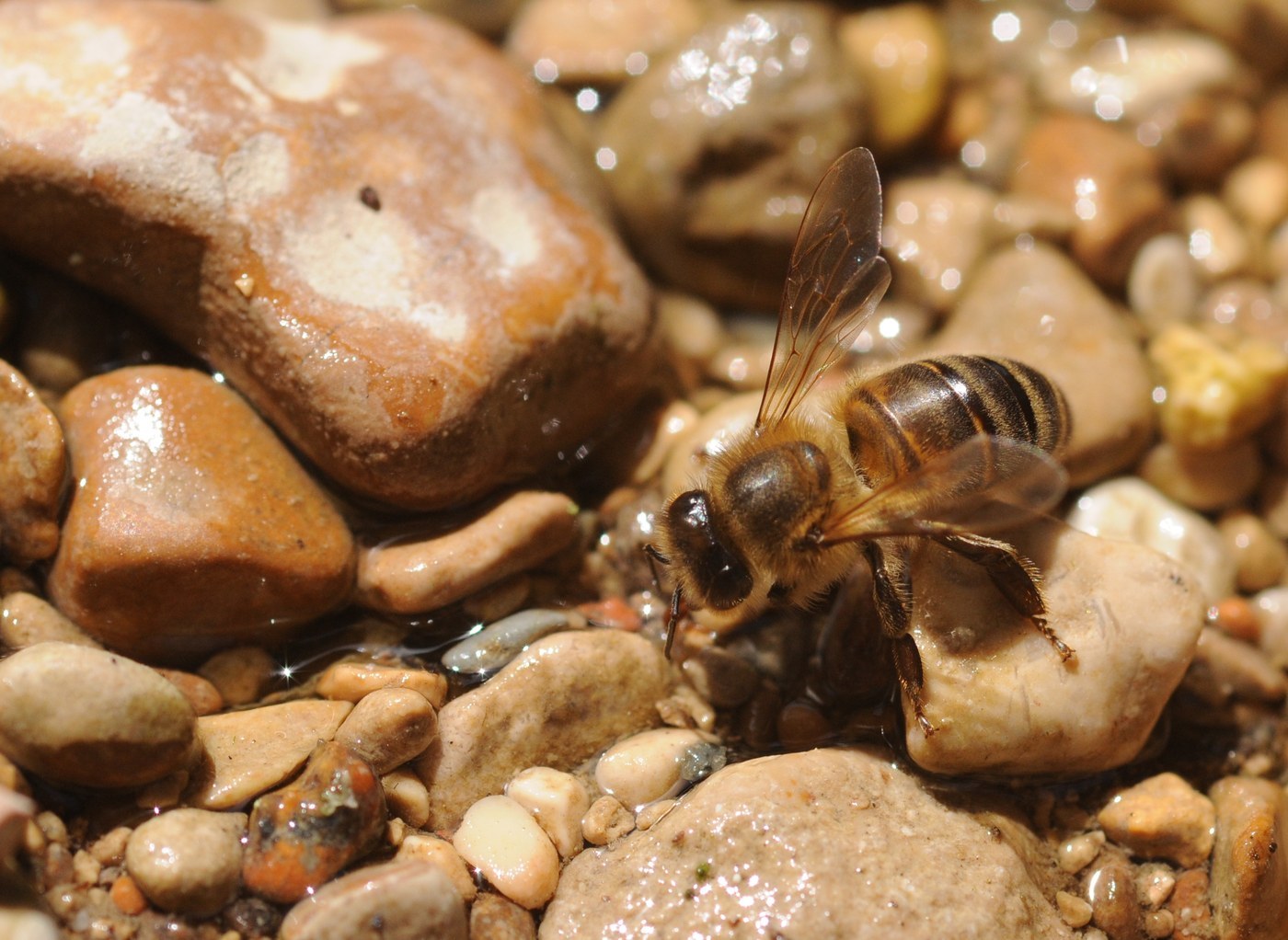
Honey Bee
Flowering meadows, gardens, orchards, and managed hives
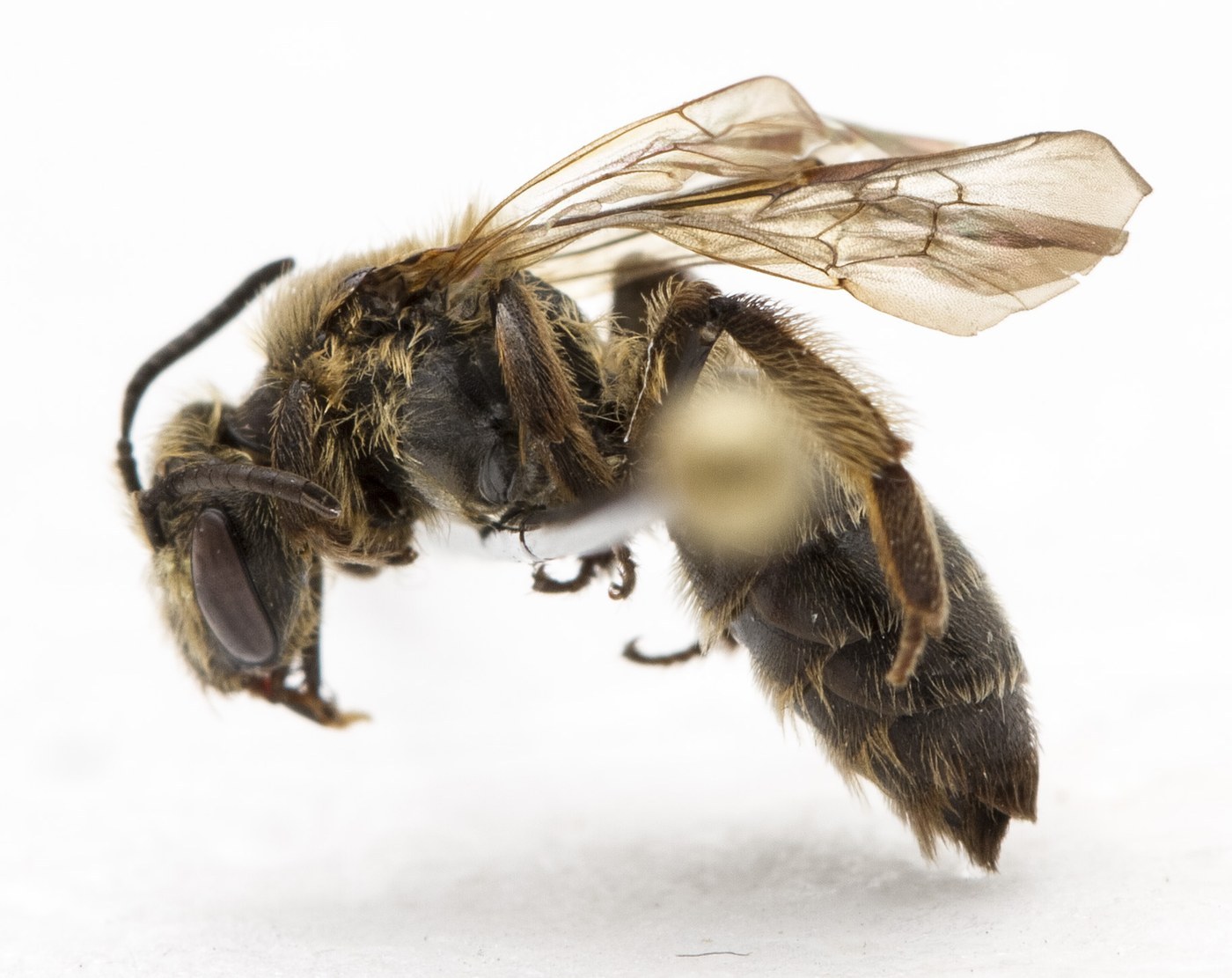
Mining Bee
Bare or sparsely vegetated soil, lawns, gardens, woodland edges
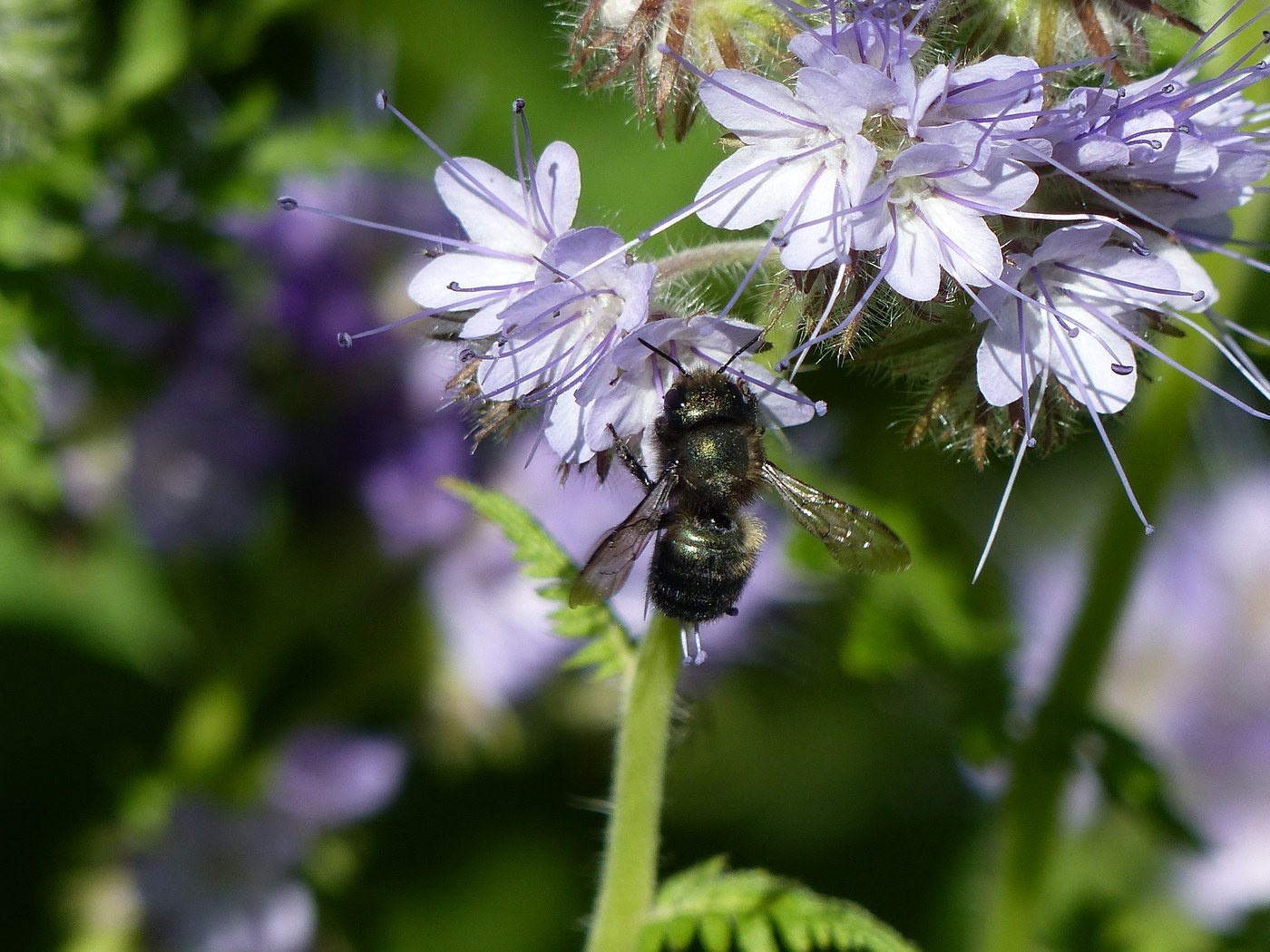
Mason Bee
Orchards, gardens, and wooded edges across temperate regions
Longhorn Bee
Prairies, meadows, gardens, sunflower and aster fields
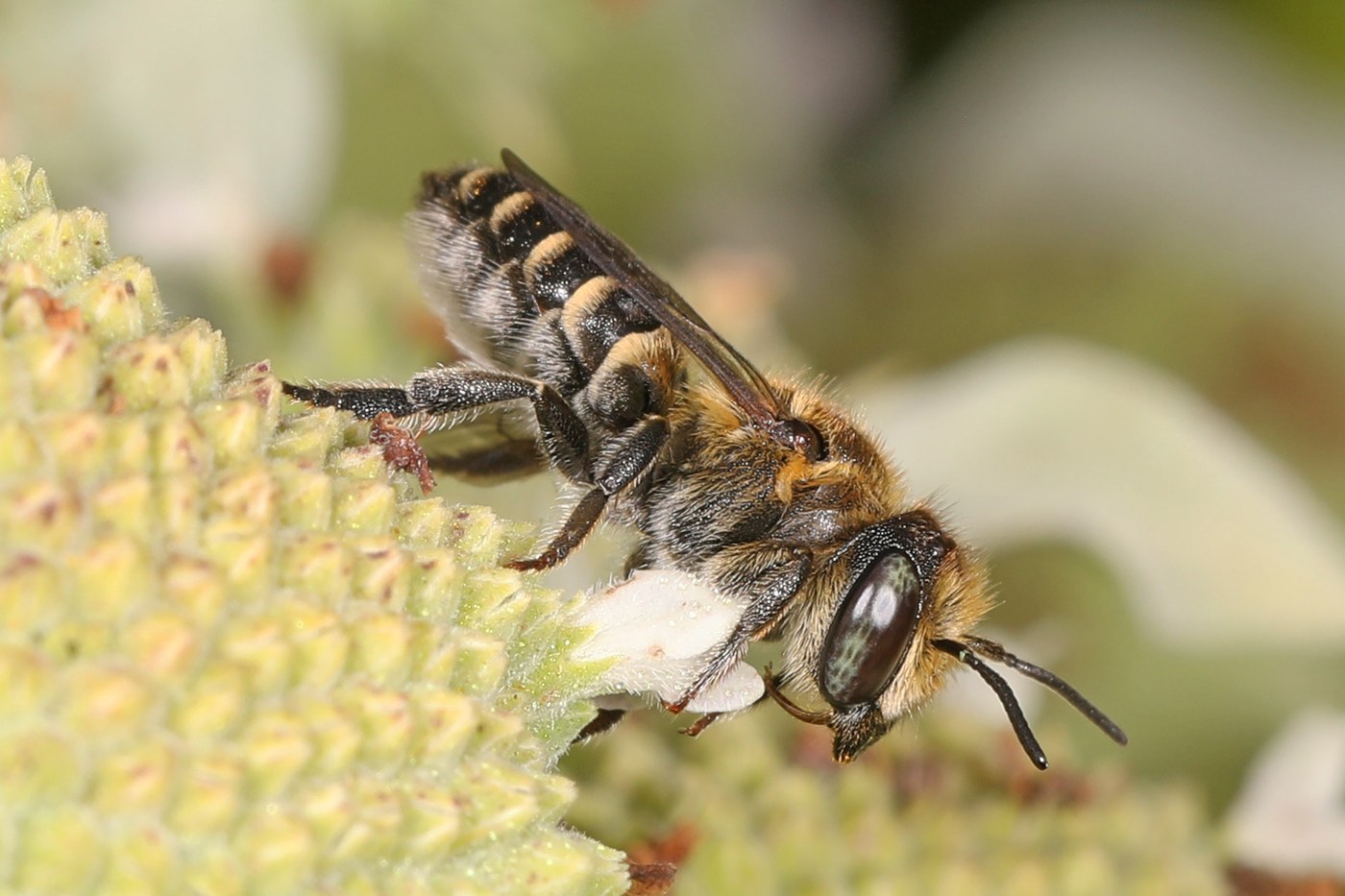
Leafcutter Bee
Gardens, meadows, and agricultural fields across temperate and subtropical regions
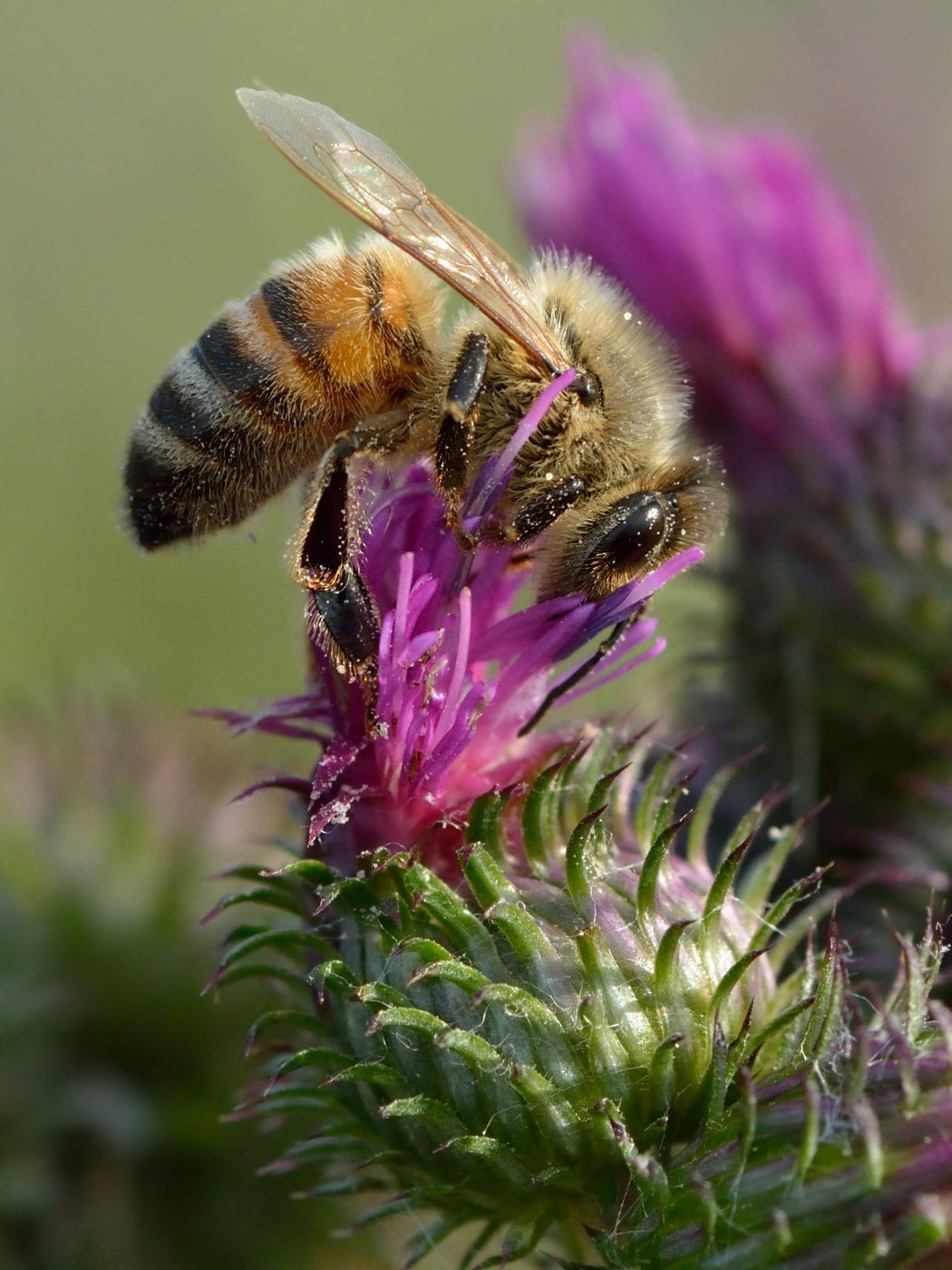
Honeybee
Managed hives, tree cavities, gardens, farmland, meadows
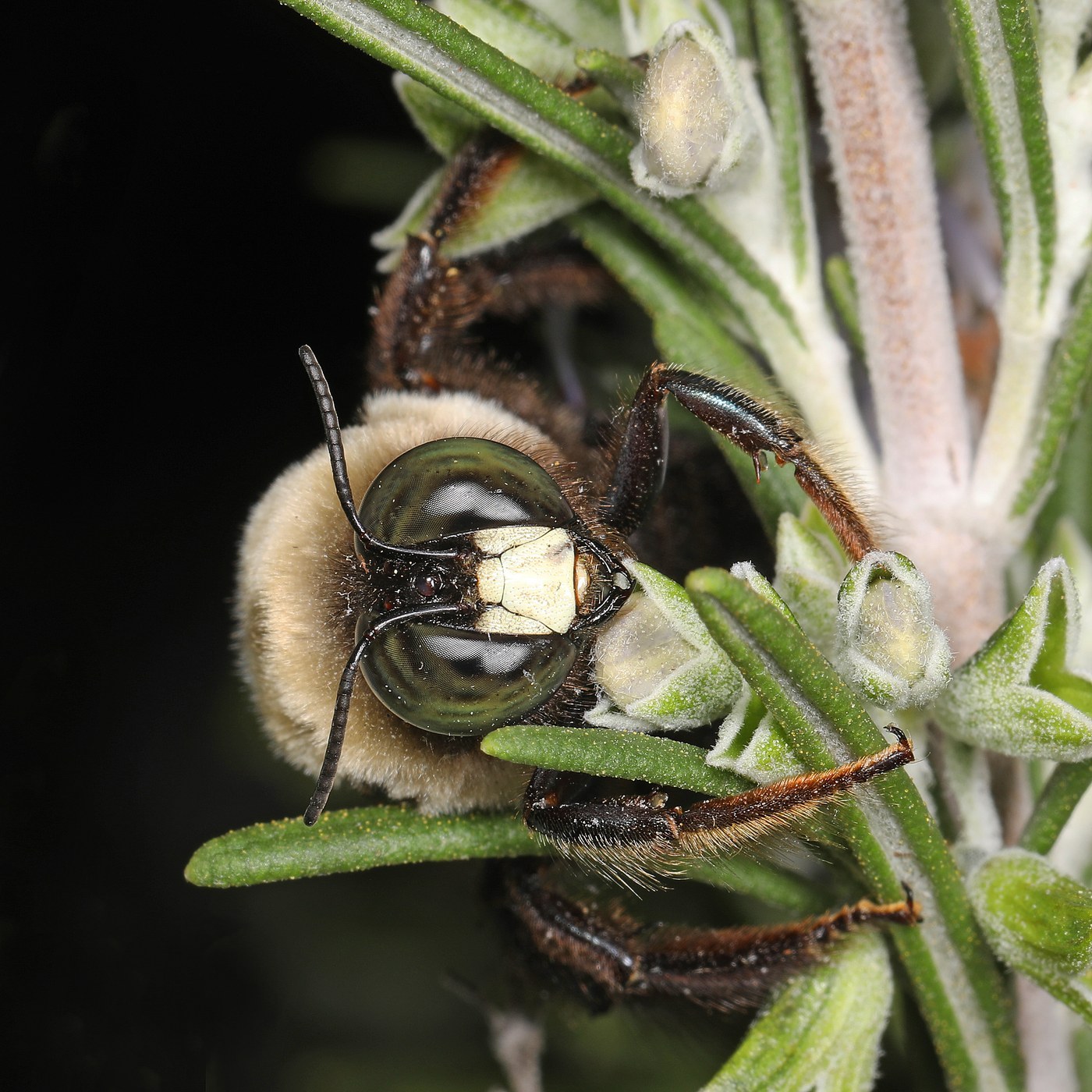
Carpenter Bee
Wooden structures, dead trees, and gardens across temperate and tropical regions
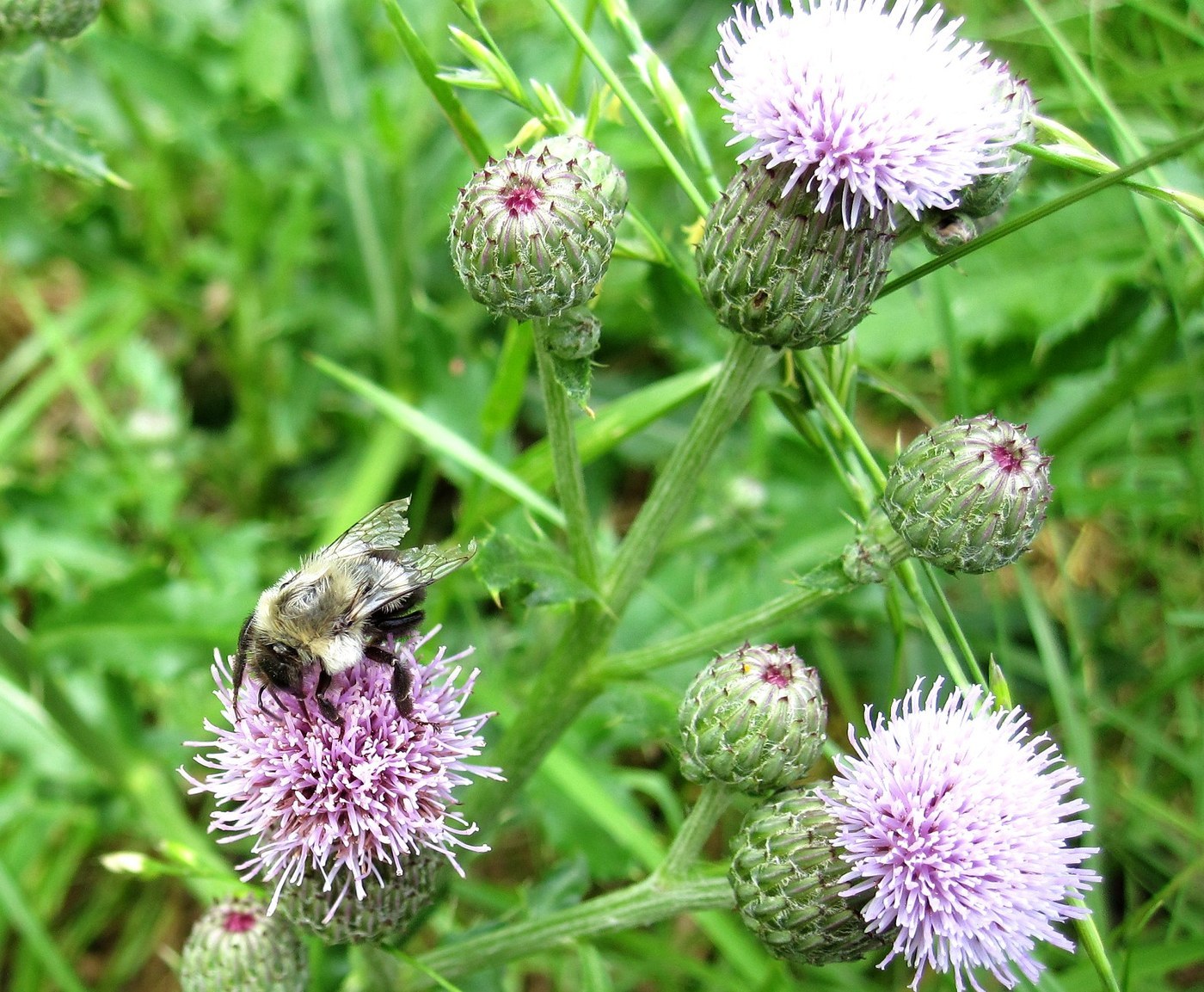
Bumblebee
Meadows, gardens, hedgerows, and open woodland edges
Bumble Bee Queen
Meadows, gardens, woodland edges; underground burrows or leaf litter for overwintering