
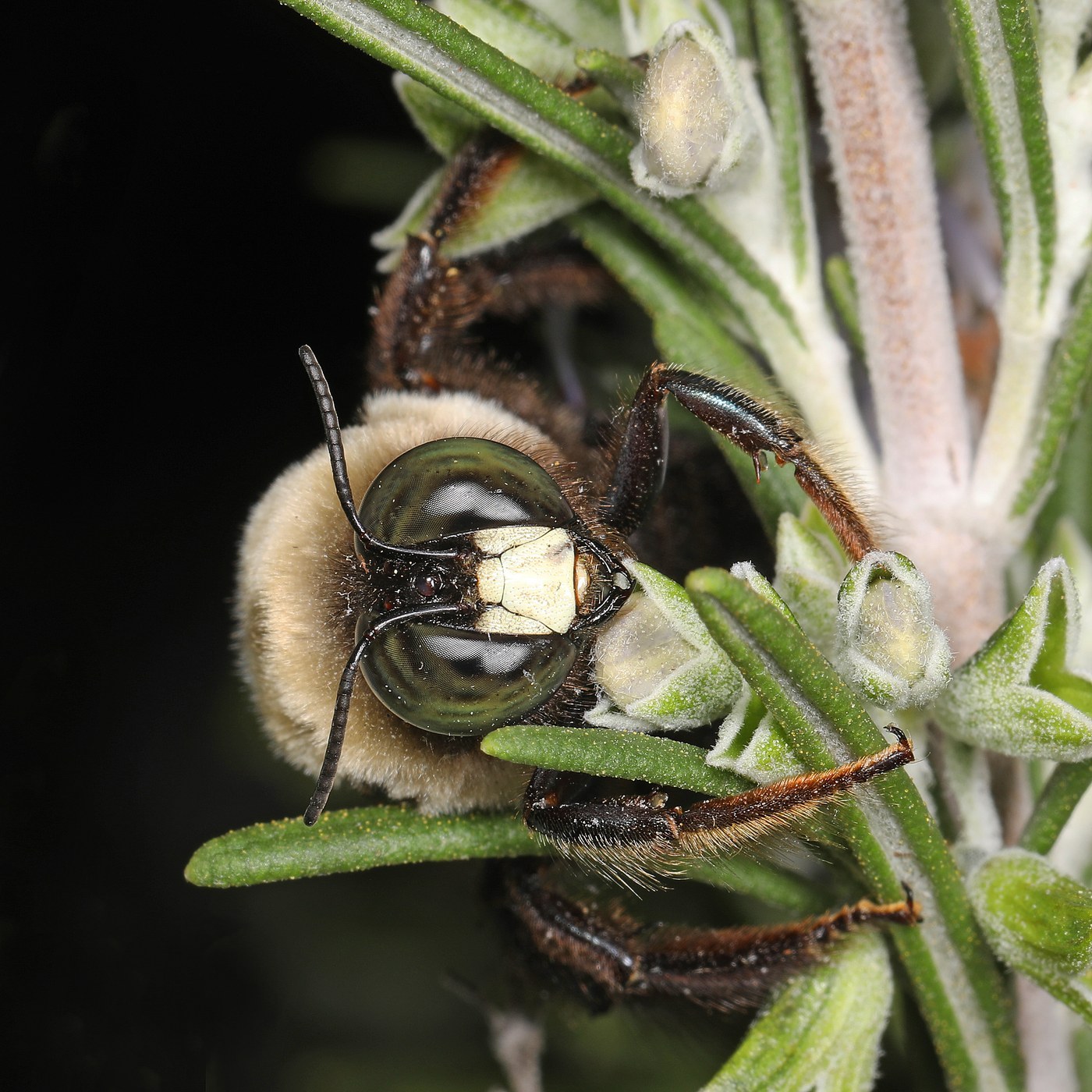
Carpenter Bee
Xylocopa virginica
A large, robust bee closely resembling a bumblebee but with a shiny, mostly bald black abdomen, known for excavating tunnel nests into bare, untreated wood.
- Size
- 19–25 mm
- Habitat
- Wooden structures, dead trees, and gardens across temperate and tropical regions
- Danger
- Stings
Spotted a bug like this?
Identify any bug or insect from a photo, free.
Overview
Carpenter bees belong to the genus Xylocopa within the bee family Apidae and are among the largest bees found in North America and many other temperate and tropical regions worldwide. The Eastern Carpenter Bee is the most familiar species across the eastern and central United States, often mistaken at a glance for a bumblebee.
The group is notable for its unusual nesting behavior: rather than nesting in soil or using existing cavities, females excavate their own tunnels into dead wood, structural timber, or plant stems using their strong mandibles, a trait that gives the group its common name. This wood-boring habit sets carpenter bees apart from nearly all other bees.
Ecologically, carpenter bees are effective pollinators of many native and garden flowers, and although solitary, some species show simple cooperative nesting where related females share tunnel systems.
How to Identify
- Large, robust bee similar in size to a bumblebee, with a fuzzy yellow-black thorax.
- Key distinguishing feature: a smooth, shiny, mostly hairless black abdomen, versus the fully fuzzy, banded abdomen of true bumblebees.
- Wings are dark and smoky-tinted; legs are relatively short and stout compared to the large body.
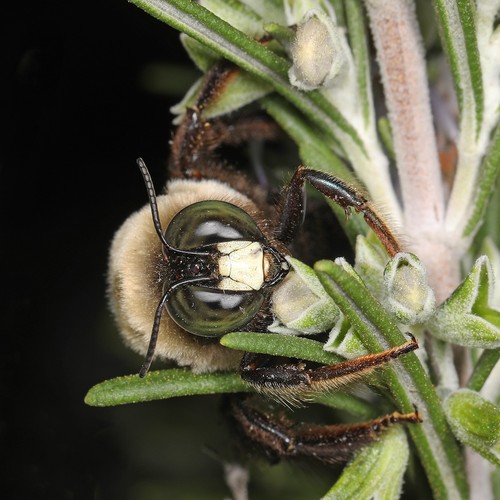
- Males often have a pale or yellowish face patch and lack a stinger, while females have an all-dark face and possess a stinger; look for round, clean-drilled holes in wood as a nesting sign.
Habitat & Range
Carpenter bees are found across temperate and tropical regions worldwide, with Xylocopa virginica common throughout the eastern and central United States. They favor bare, untreated, or weathered wood such as eaves, decks, fence posts, and dead trees for nesting, and are active from spring through summer, often seen hovering territorially near wood structures.
Behavior & Diet
Females excavate tunnels into wood using their mandibles, creating a network of galleries where they provision individual cells with a ball of pollen and nectar before laying an egg in each. Males are commonly seen hovering and patrolling near nest sites in a territorial display but cannot sting, while females are less conspicuous and generally focused on nest-building and foraging. As adults, carpenter bees feed on nectar and are effective pollinators of many flowering plants, including some that require the strong 'buzz pollination' technique also used by bumblebees.
Life Cycle
A female tunnels into wood to create a series of linear brood cells, each stocked with a pollen-nectar mass on which she lays a single egg before sealing the cell with chewed wood pulp. Larvae develop through several instars feeding on the stored provisions, then pupate within their individual cells. There is generally one generation per year in most temperate regions, and new adults that emerge in late summer typically remain in the nest tunnels to overwinter before emerging to mate and nest the following spring.
Frequently asked questions
How can I tell a carpenter bee from a bumblebee?
The clearest clue is the abdomen: carpenter bees have a smooth, shiny, mostly hairless black abdomen, while bumblebees have a fully fuzzy, banded abdomen.
Do carpenter bees live in hives?
No, they are solitary nesters that excavate individual tunnels in wood rather than forming large social hive colonies, though related females sometimes share a tunnel system.
Why do I see them hovering near my porch?
That hovering behavior is typically a male carpenter bee patrolling and defending territory near a nest site, and males lack a stinger.
What kind of wood do they nest in?
They prefer bare, untreated, or weathered wood such as eaves, deck rails, fence posts, and dead tree limbs rather than painted or treated lumber.
Carpenter Bee guides
In-depth guides for identifying, understanding, and living alongside Carpenter Bee.
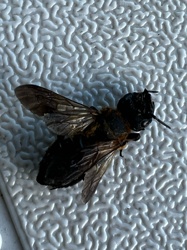
Carpenter Bee identified by the community
Real finds identified with Bug Identifier.

Other bugs you may enjoy
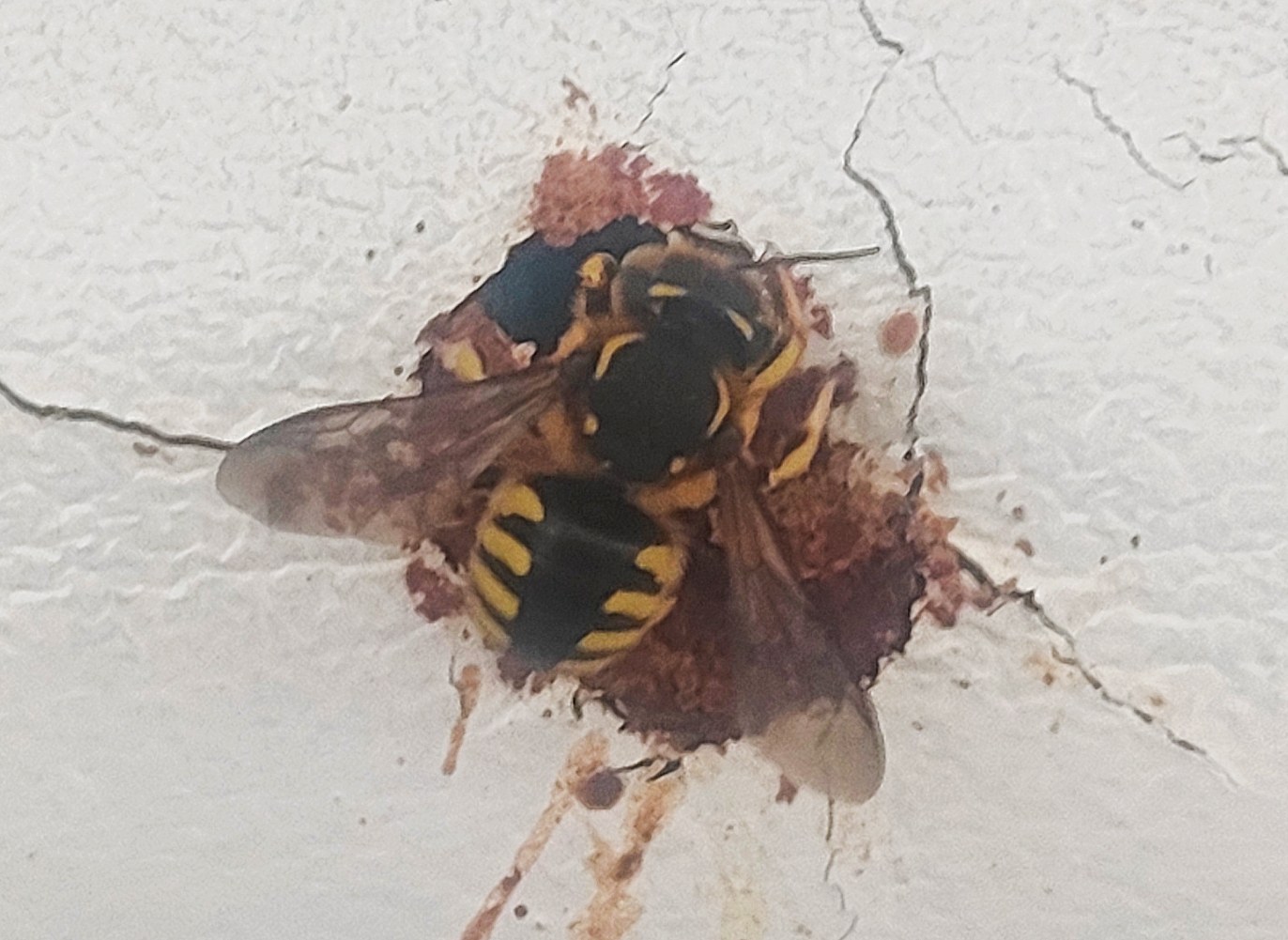
Wool Carder Bee
Gardens, meadows, urban green spaces with fuzzy-leaved plants
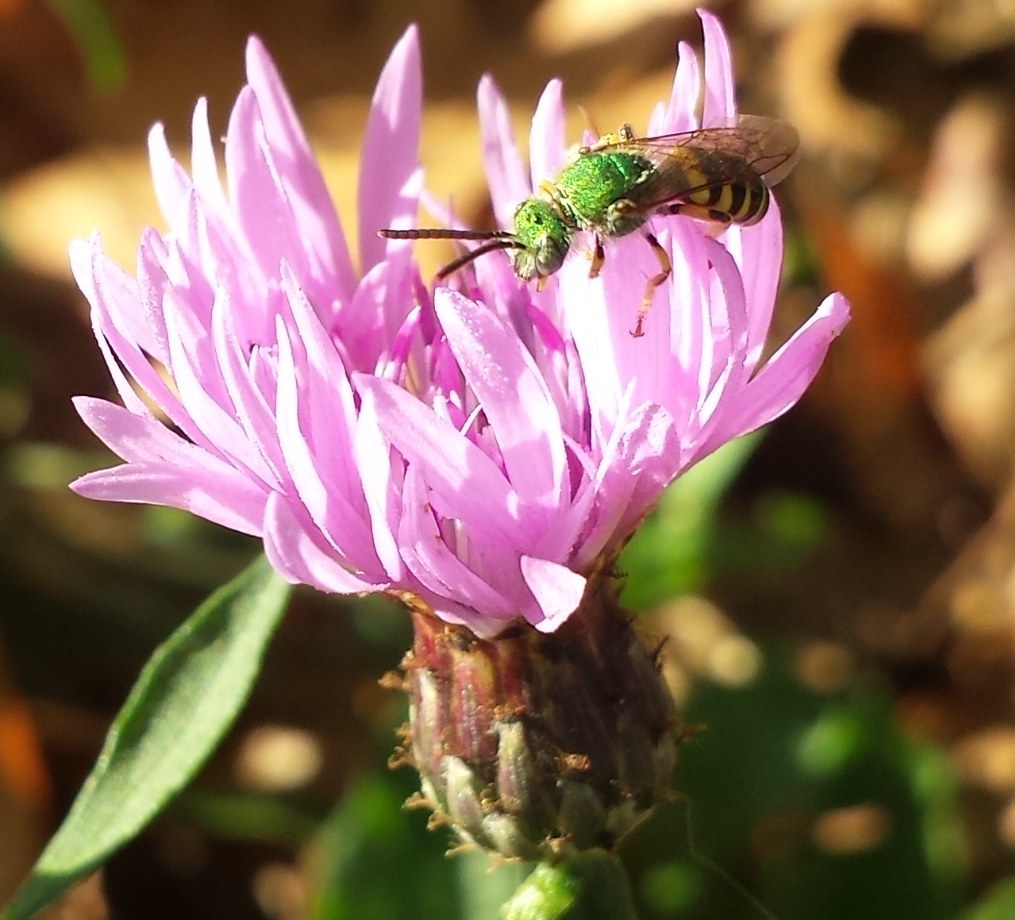
Sweat Bee
Gardens, meadows, and bare or sandy soil worldwide
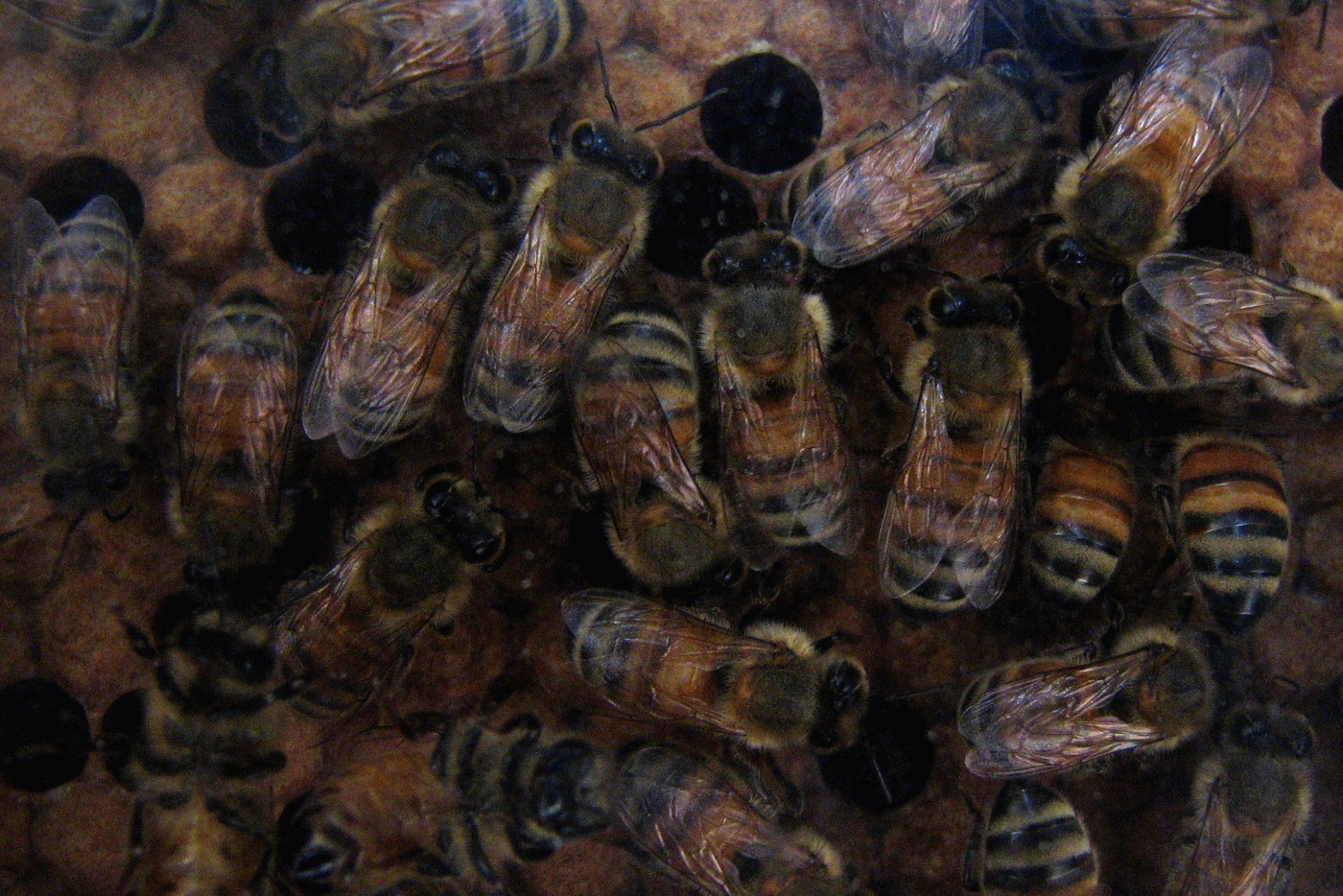
Western Honey Bee
Managed hives and wild colonies in tree cavities, worldwide in temperate and tropical climates
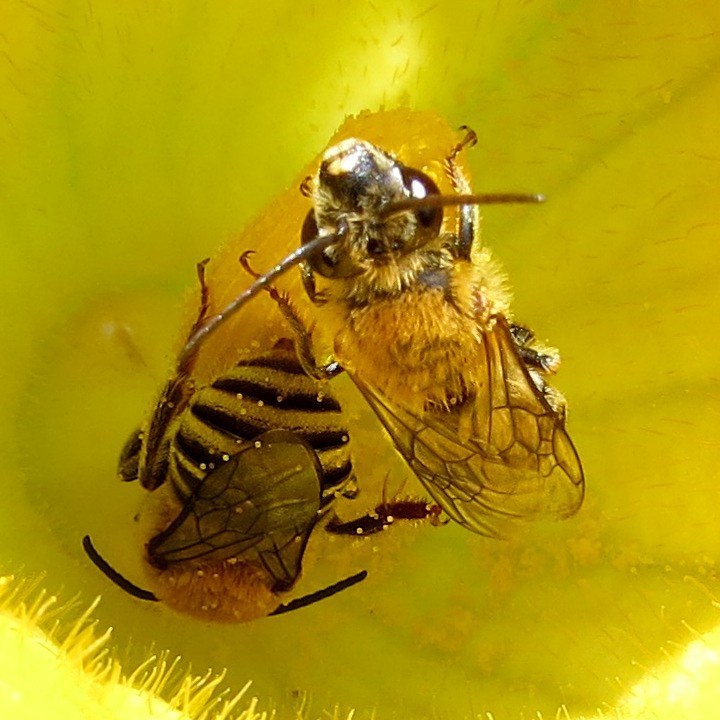
Squash Bee
Vegetable gardens and farm fields growing squash, pumpkin, and gourd plants
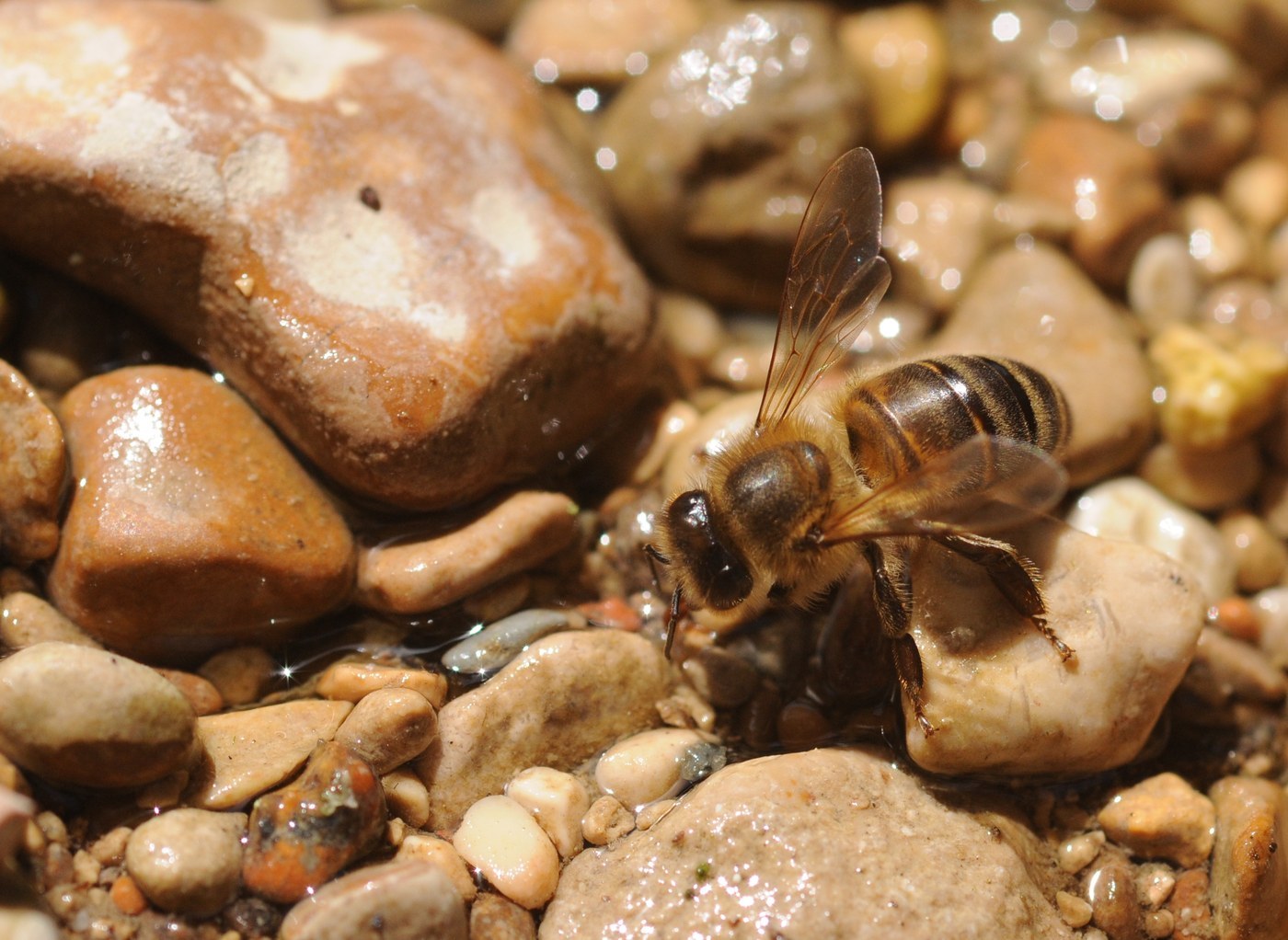
Honey Bee
Flowering meadows, gardens, orchards, and managed hives
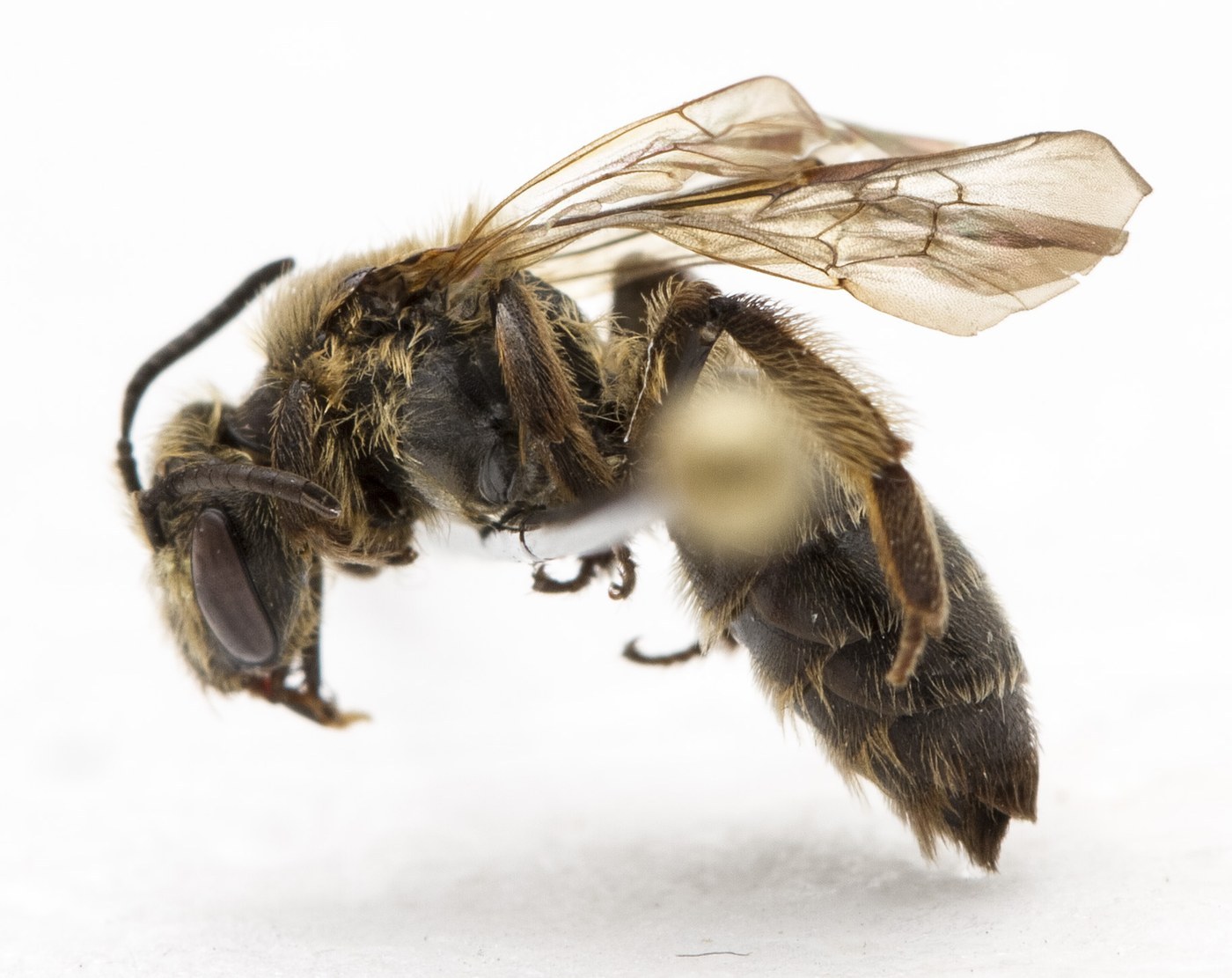
Mining Bee
Bare or sparsely vegetated soil, lawns, gardens, woodland edges
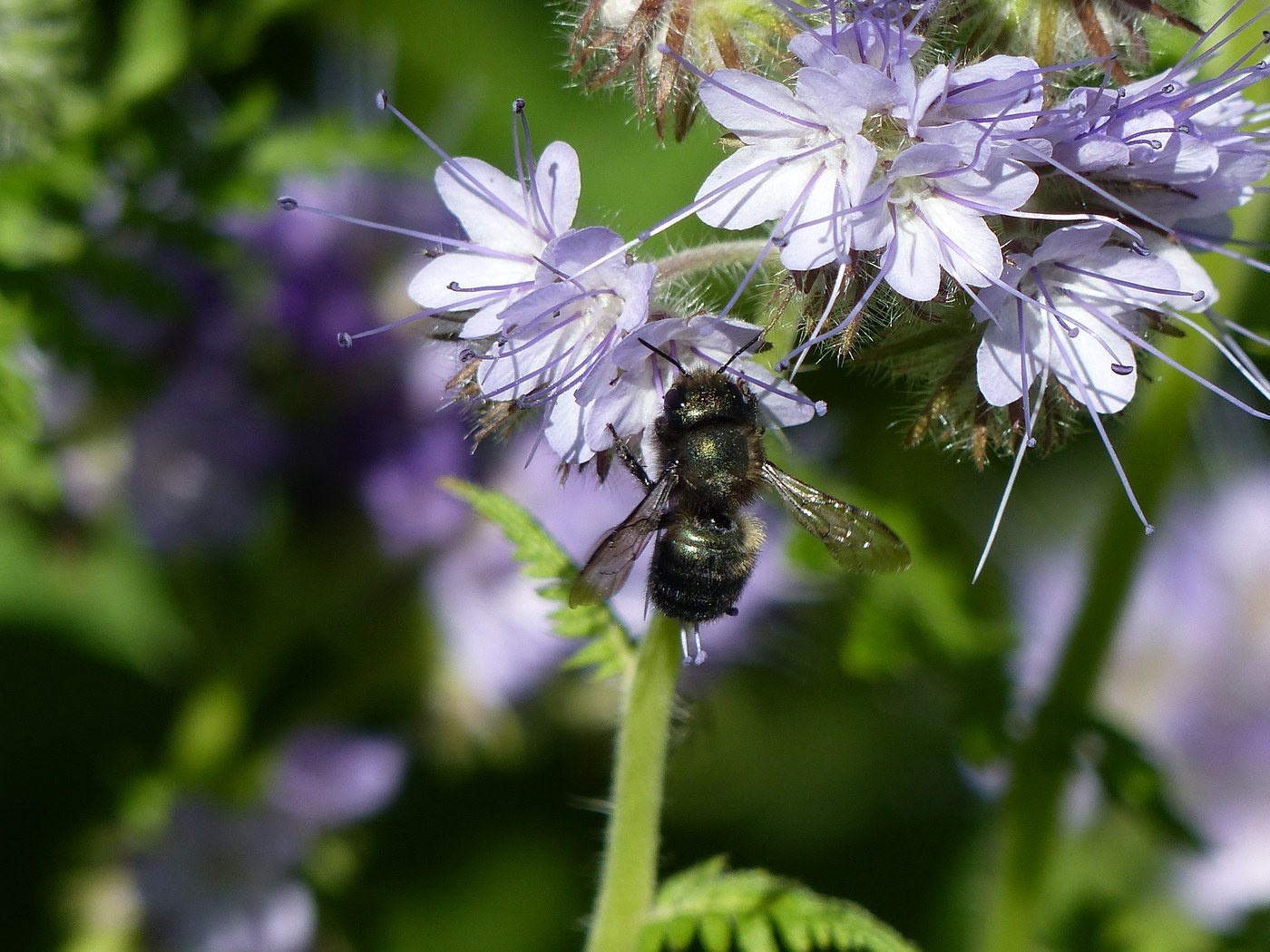
Mason Bee
Orchards, gardens, and wooded edges across temperate regions
Longhorn Bee
Prairies, meadows, gardens, sunflower and aster fields
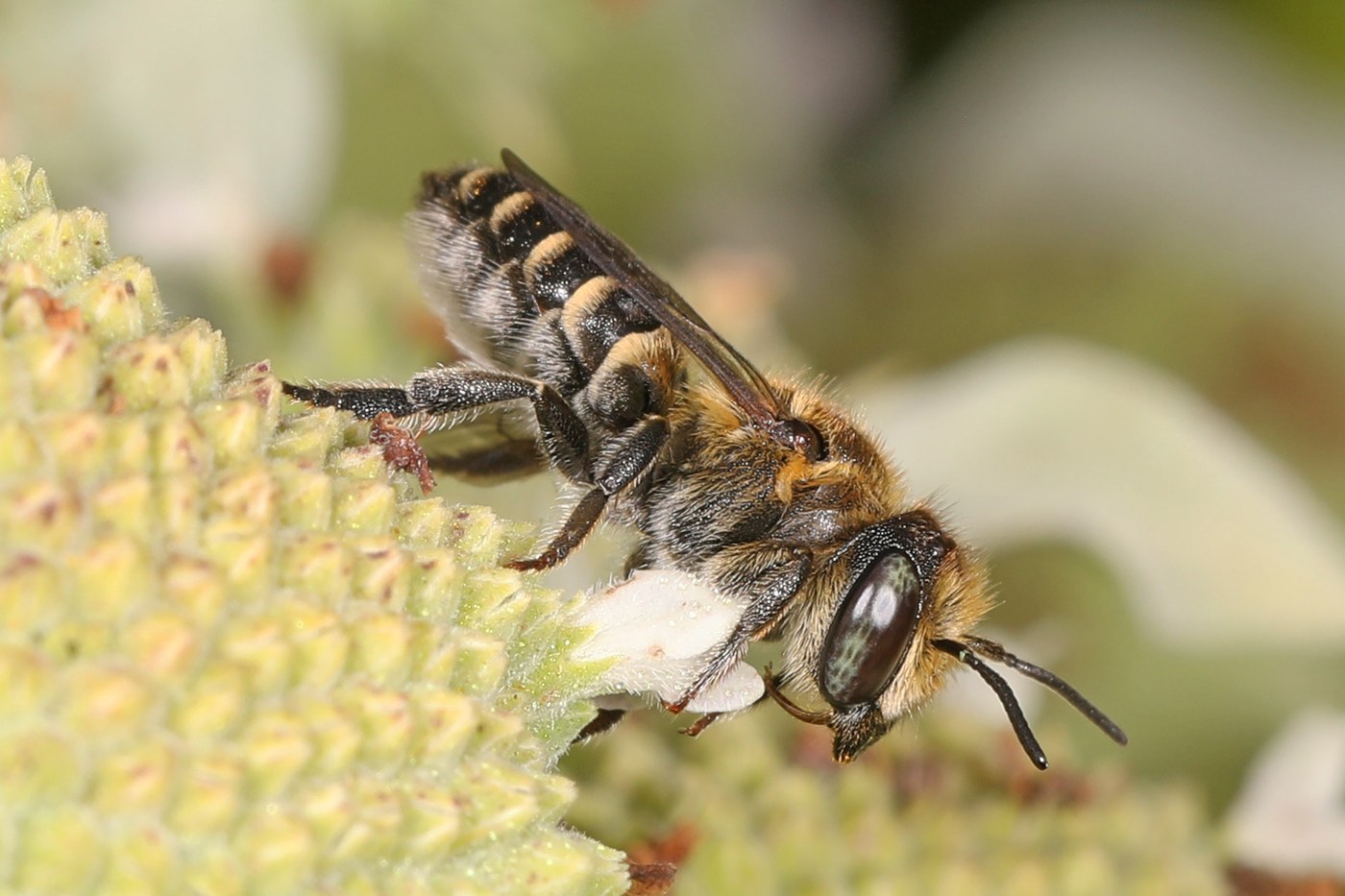
Leafcutter Bee
Gardens, meadows, and agricultural fields across temperate and subtropical regions
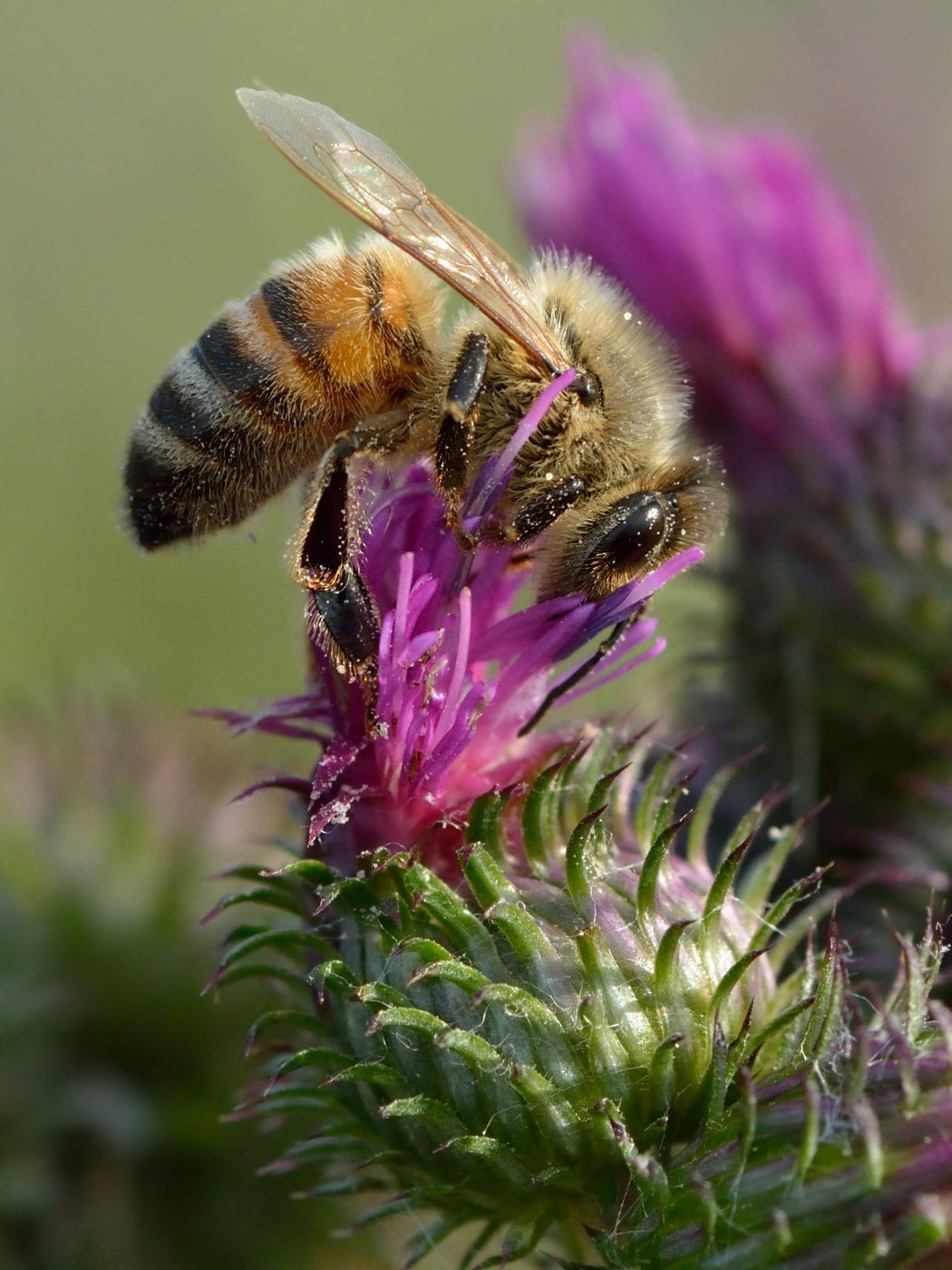
Honeybee
Managed hives, tree cavities, gardens, farmland, meadows
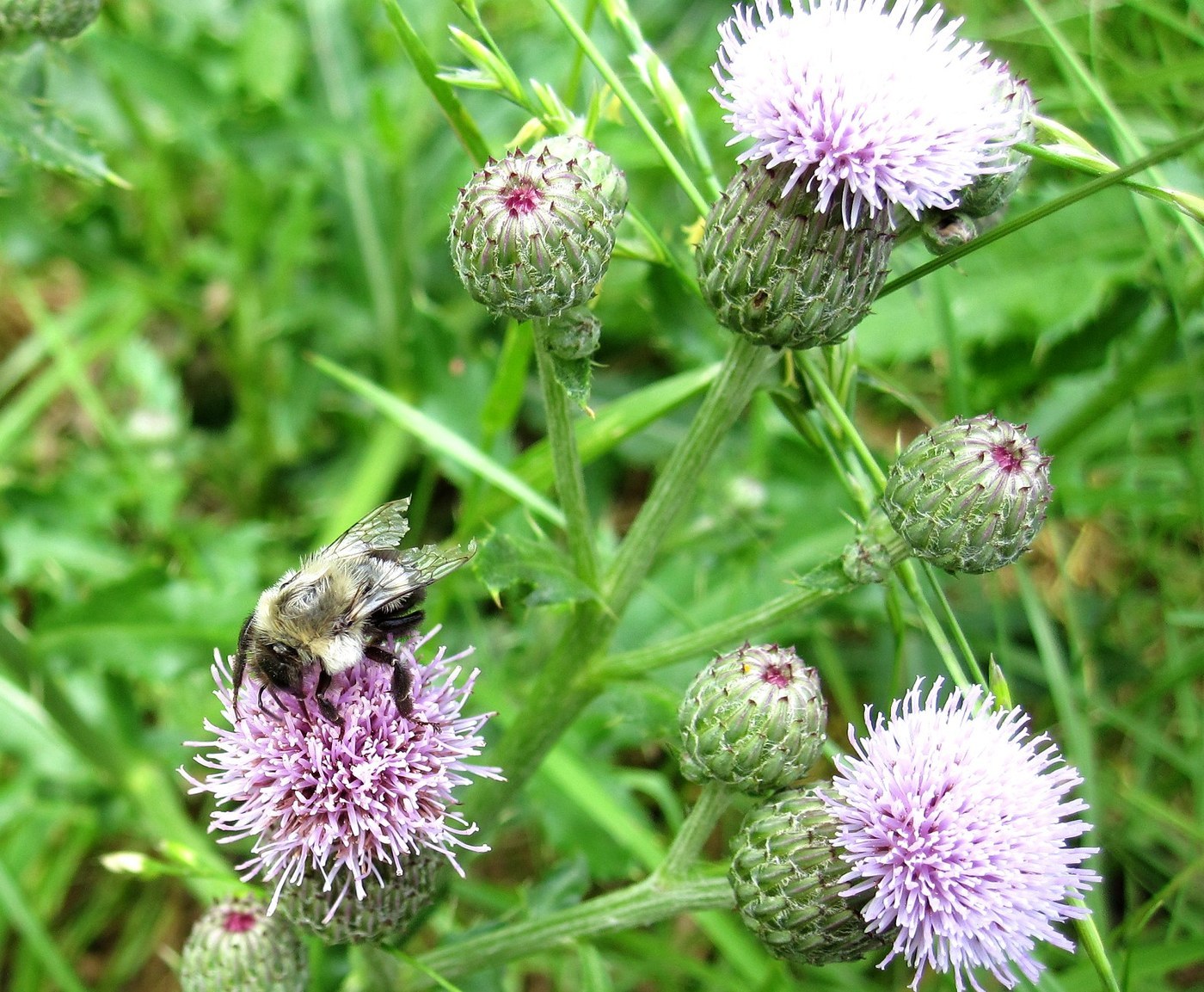
Bumblebee
Meadows, gardens, hedgerows, and open woodland edges
Bumble Bee Queen
Meadows, gardens, woodland edges; underground burrows or leaf litter for overwintering