
Rat-Tailed Maggot
Eristalis tenax
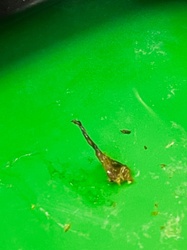
Named for its long, thin, telescoping breathing tube, the rat-tailed maggot is the aquatic larva of the drone fly, thriving in stagnant, low-oxygen water where few other insects can survive.
- Size
- Larva 12-20 mm body length, with a breathing tube that can extend several centimeters
- Habitat
- Stagnant, oxygen-poor water such as manure pools, drains, and compost
- Danger
- Harmless
Spotted a bug like this?
Identify any bug or insect from a photo, free.
Overview
The rat-tailed maggot is the larval stage of the drone fly, a hoverfly that mimics a honeybee as an adult. The larva lives fully submerged in stagnant, often foul, oxygen-depleted water such as farm slurry pits, blocked drains, waterlogged compost, and shallow puddles heavy with decaying organic matter, an environment most other aquatic insects avoid.
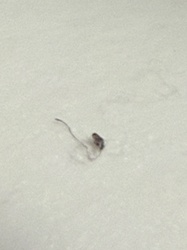
Its most distinctive feature is a long, thin, retractable breathing tube extending from the rear of the body that acts like a snorkel, allowing the larva to remain submerged while feeding while still drawing air from the surface above. This tube can telescope in length depending on how deep the larva sits in the water, giving the maggot its rat-tail-like appearance and its common name. The species has a nearly worldwide distribution due to its association with human and agricultural waste habitats.
How to Identify
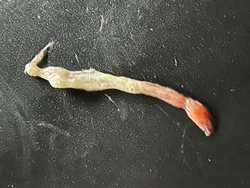
- Soft, cylindrical, grayish-brown to tan maggot-like larva, typically 12-20 mm long excluding the breathing tube
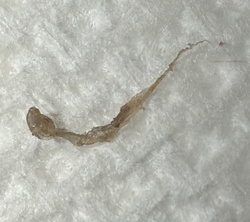
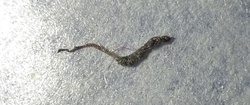
- A long, thin, telescoping tail-like breathing siphon extending from the rear of the body, which can stretch several times the length of the body
- Lacks a distinct head capsule, typical of fly larvae, with small hooked mouthparts used for filtering organic debris
- Found submerged in stagnant, nutrient-rich water rather than clean streams or ponds
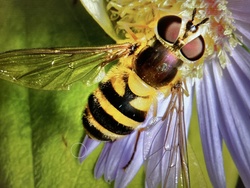
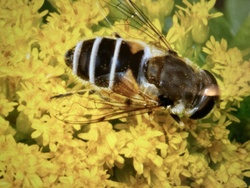
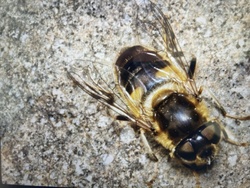
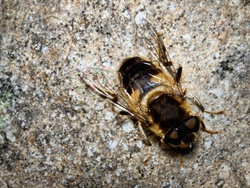
- Adult drone flies are robust, honeybee-mimicking hoverflies with large eyes and a single pair of wings, unlike true bees
Habitat & Range
Rat-tailed maggots live in still, stagnant, often polluted or nutrient-rich water low in oxygen, including manure liquid, sewage-affected pools, blocked or poorly draining ditches, and wet compost or silage. They are found nearly worldwide, thriving anywhere organic-rich standing water persists, especially around farms and disturbed habitats.
Behavior & Diet
The larvae are detritus feeders, filtering bacteria, fungi, and decaying organic particles from the water and sediment around them, a diet well suited to the nutrient-rich, low-oxygen habitats they occupy. Their breathing tube allows them to stay submerged and feeding for extended periods while still accessing atmospheric air. Adult drone flies, by contrast, visit flowers to feed on nectar and pollen and are important pollinators, illustrating how dramatically the ecological role of this species shifts between larval and adult stages.
Life Cycle
Adult female drone flies lay eggs directly on or near stagnant water rich in organic matter. The hatched larvae live and feed underwater for several weeks to months, extending their telescoping breathing tube to the surface as needed. When mature, the larva moves to drier ground near the water's edge to pupate within its own hardened, barrel-shaped larval skin. The adult drone fly emerges afterward, resembling a honeybee, and feeds on flowers before mating and laying eggs to start a new generation.
Frequently asked questions
Why is it called a rat-tailed maggot?
It has a long, thin, telescoping breathing tube at the rear of its body that resembles a rat's tail, which it extends to the water surface to draw in air while remaining submerged.
What does the rat-tailed maggot turn into?
It develops into the drone fly, a hoverfly that closely mimics the appearance of a honeybee as an adult.
Where are rat-tailed maggots usually found?
They live in stagnant, oxygen-poor water rich in organic matter, such as manure pools, blocked drains, and wet compost, rather than clean ponds or streams.
What do rat-tailed maggots eat?
They feed on bacteria, fungi, and decaying organic particles filtered from the stagnant water and sediment they inhabit.
Rat-Tailed Maggot guides
In-depth guides for identifying, understanding, and living alongside Rat-Tailed Maggot.
Rat-Tailed Maggot identified by the community
Real finds identified with Bug Identifier.

Other bugs you may enjoy
Water Strider
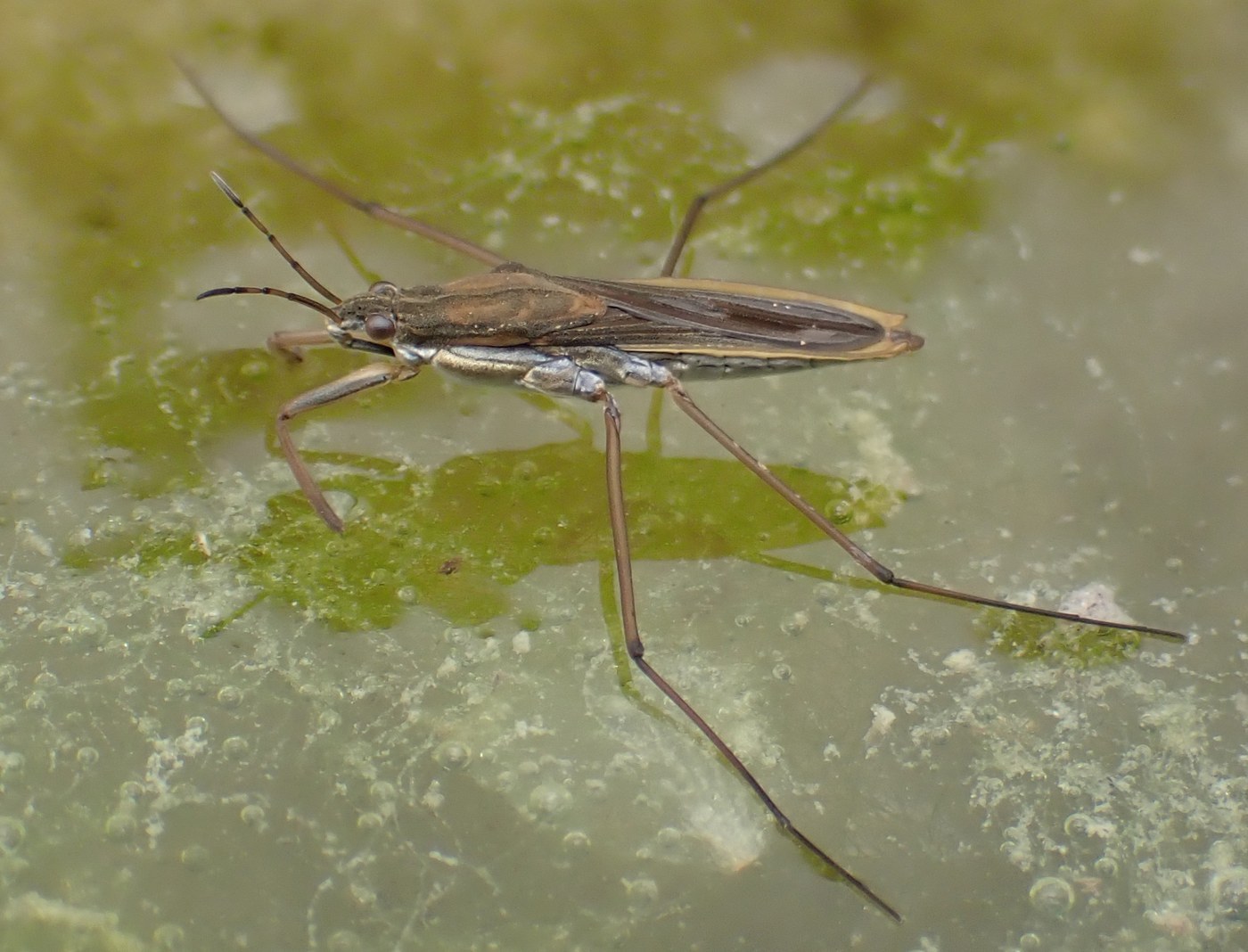
Still or slow-moving fresh water: ponds, lake edges, slow streams, puddles
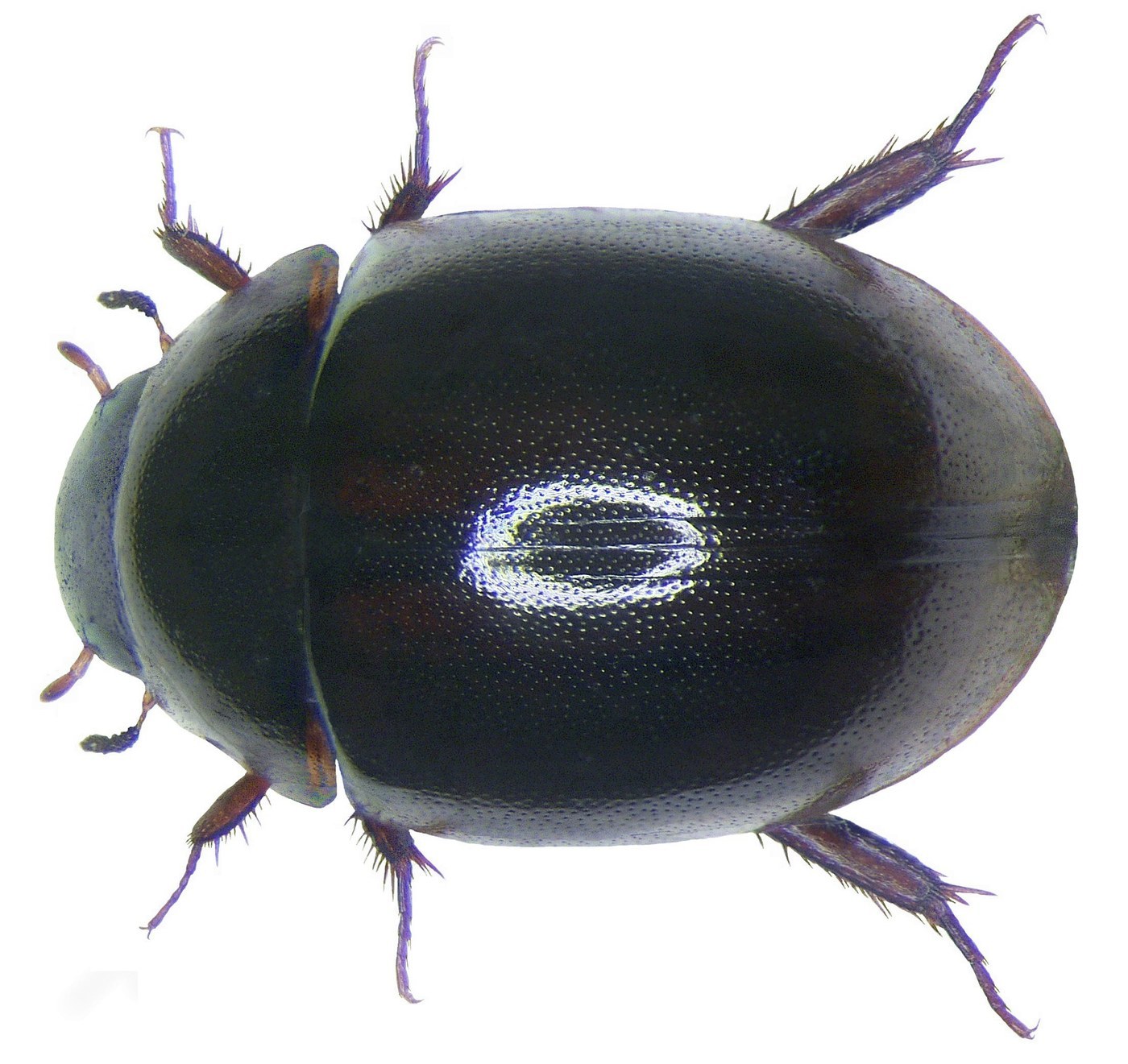
Water Beetle
Ponds, slow streams, marshes, still fresh water
Water Penny Beetle
Fast, rocky, well-oxygenated streams
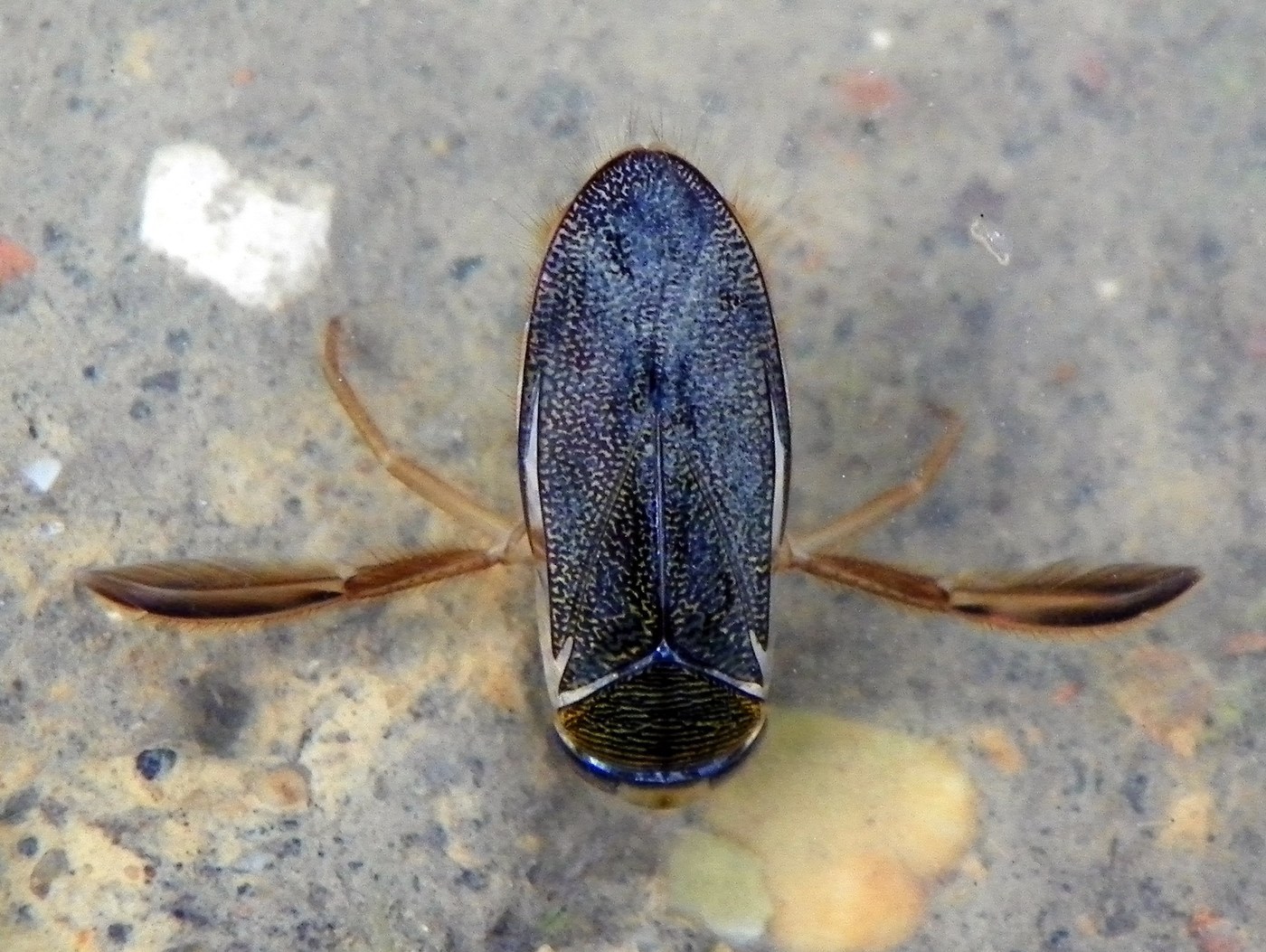
Water Boatman
Ponds, lakes, slow streams, freshwater with vegetation
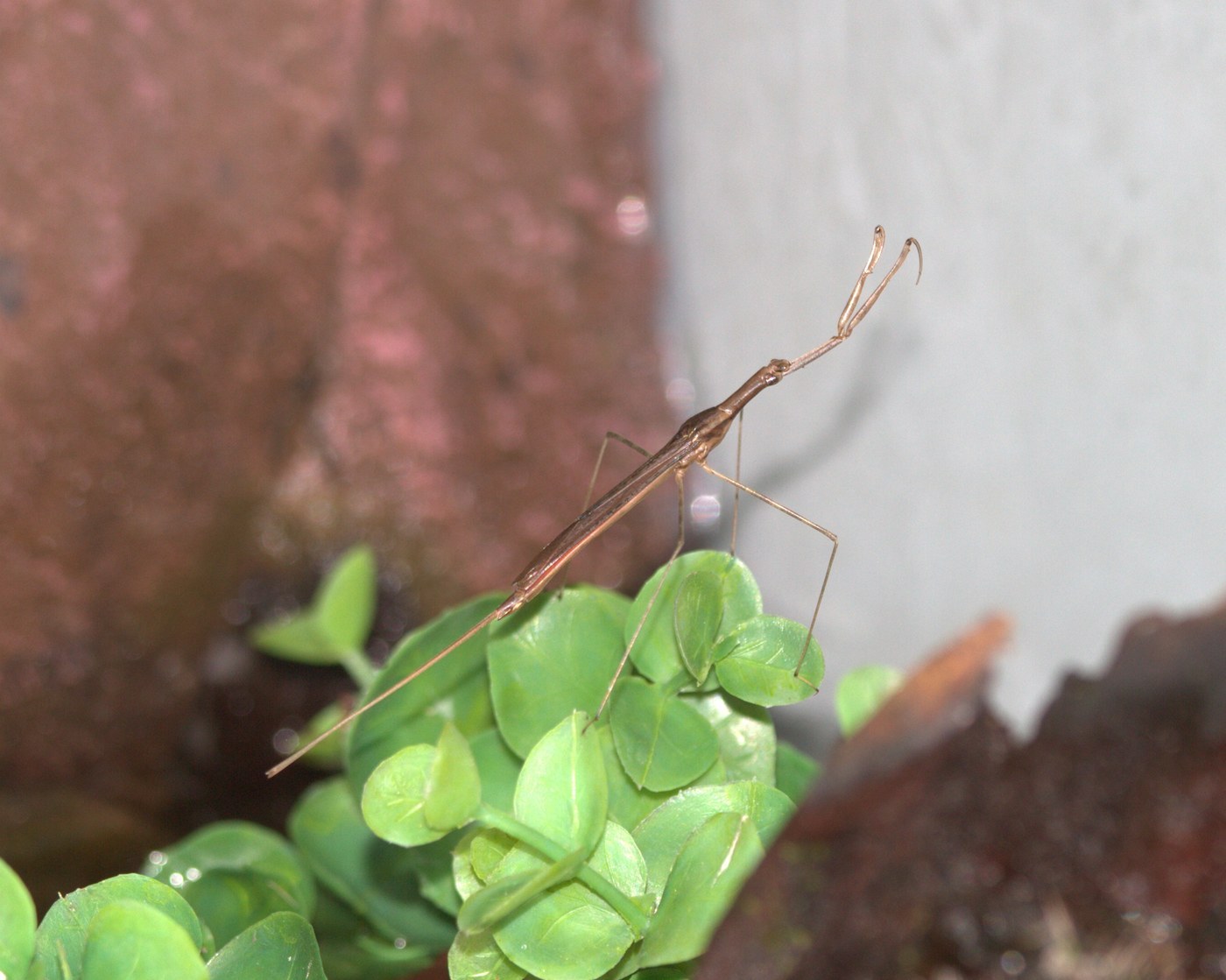
Water Scorpion
Still or slow-moving water with submerged vegetation
Stonefly
Cold, clean, well-oxygenated streams and rivers
Stonefly Nymph
Cold, fast-flowing, well-oxygenated streams
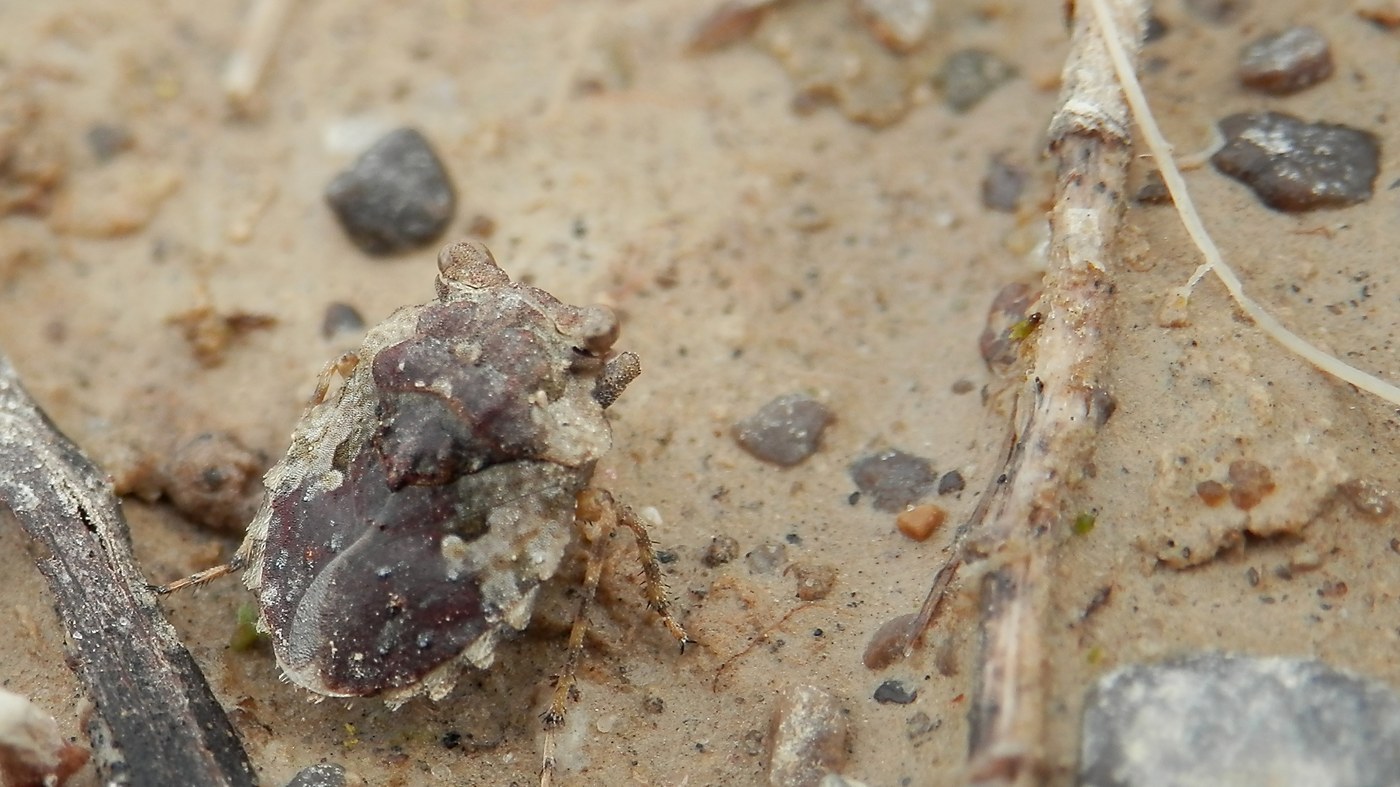
Toad Bug
Muddy or sandy shorelines of ponds, streams, and rivers
Soldier Fly Larva
Ponds, marshes, and slow streams with organic sediment
Mosquito Larva
Standing water in ponds, ditches, containers, and puddles
Whirligig Beetle
Surface of ponds, lakes, and slow streams
Predaceous Diving Beetle
Ponds, lakes, and slow-moving freshwater