
Soldier Fly Larva
Stratiomys spp.
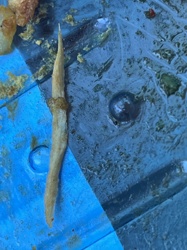
Flattened, leathery, and tapered at both ends, the soldier fly larva drifts just beneath the surface film of ponds and marshes, filtering algae and organic debris while breathing through a fringe of water-repellent hairs at its tail.
- Size
- Larva up to 2-3 cm (0.8-1.2 in) long
- Habitat
- Ponds, marshes, and slow streams with organic sediment
- Danger
- Harmless
Spotted a bug like this?
Identify any bug or insect from a photo, free.
Overview
Soldier fly larvae are the aquatic immature stage of flies in the family Stratiomyidae, many species of which develop in ponds, marshes, and slow-moving water rich in organic sediment. The larvae have a distinctive tough, leathery, segmented body that tapers toward both ends, giving them a spindle-like shape quite different from the soft, cylindrical maggots of many other fly families.
A key feature of aquatic soldier fly larvae is a fringe of water-repellent hairs surrounding the breathing spiracles at the rear of the body, which allows the larva to hang just beneath the surface film and breathe air directly while remaining mostly submerged. Larvae feed on algae, bacteria, and decaying organic matter suspended in the water, playing a role similar to other detritus-feeding aquatic insect larvae in recycling nutrients within still-water habitats.
How to Identify
- Tough, leathery, segmented body, tapering at both the head and tail ends, usually grayish, brown, or greenish
- Somewhat flattened cross-section compared to the rounder bodies of many other fly larvae
- A fringe of fine, water-repellent hairs surrounding the breathing spiracles at the rear, used to hang from the surface film
- No obvious head capsule or legs, typical of fly larvae generally
- Adults are compact, often metallic or boldly patterned flies with a broadened abdomen, sometimes mistaken for wasps
Habitat & Range
Aquatic soldier fly larvae are found in still or slow-flowing freshwater with abundant organic sediment, including ponds, marshes, ditches, and the quieter margins of streams. The group occurs on every continent except Antarctica, with species adapted to a range of freshwater and even some brackish or terrestrial decaying-matter habitats.
Behavior & Diet
Larvae are filter and detritus feeders, consuming algae, bacteria, and fine organic particles suspended in the water or settled on the bottom. By hanging from the surface film using their water-repellent tail hairs, they can breathe air while continuing to feed just below the surface. As decomposers of organic material, soldier fly larvae contribute to nutrient cycling in the still-water habitats they occupy and serve as a food source for fish, birds, and other predators.
Life Cycle
Females lay eggs on vegetation or debris at the water's edge, and the hatched larvae drop into the water to begin their aquatic development. Larvae grow through several instars over weeks to months, feeding on organic matter while periodically drawing air at the surface. When mature, many species pupate within the hardened last larval skin, either floating at the surface or in damp material at the water's edge, before emerging as winged adults that mate and lay eggs to continue the cycle.
Frequently asked questions
How does the soldier fly larva breathe underwater?
It hangs just beneath the surface film using a fringe of water-repellent hairs around its rear breathing spiracles, allowing it to draw air directly from the atmosphere while staying mostly submerged.
What do soldier fly larvae eat?
They feed on algae, bacteria, and decaying organic particles suspended in the water or settled on the bottom of ponds and marshes.
How can I recognize a soldier fly larva?
Look for a tough, leathery, flattened body tapering at both ends, quite different from the soft, rounded maggots of most other fly larvae.
What do adult soldier flies look like?
Adults are compact flies, often with a broadened, sometimes metallic or boldly marked abdomen, and are occasionally mistaken for small wasps.
Soldier Fly Larva guides
In-depth guides for identifying, understanding, and living alongside Soldier Fly Larva.
Soldier Fly Larva identified by the community
Real finds identified with Bug Identifier.
Other bugs you may enjoy
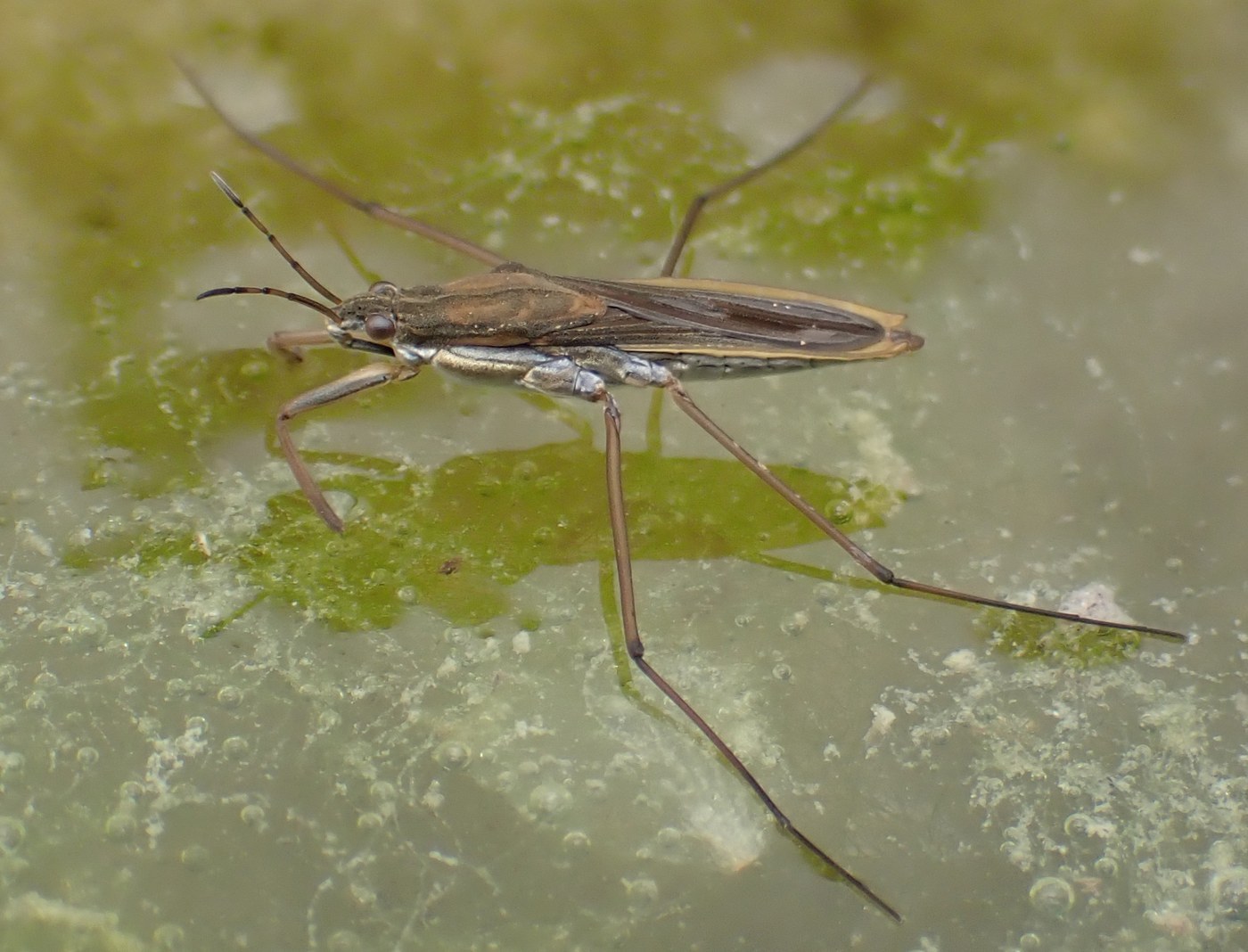
Water Strider
Still or slow-moving fresh water: ponds, lake edges, slow streams, puddles
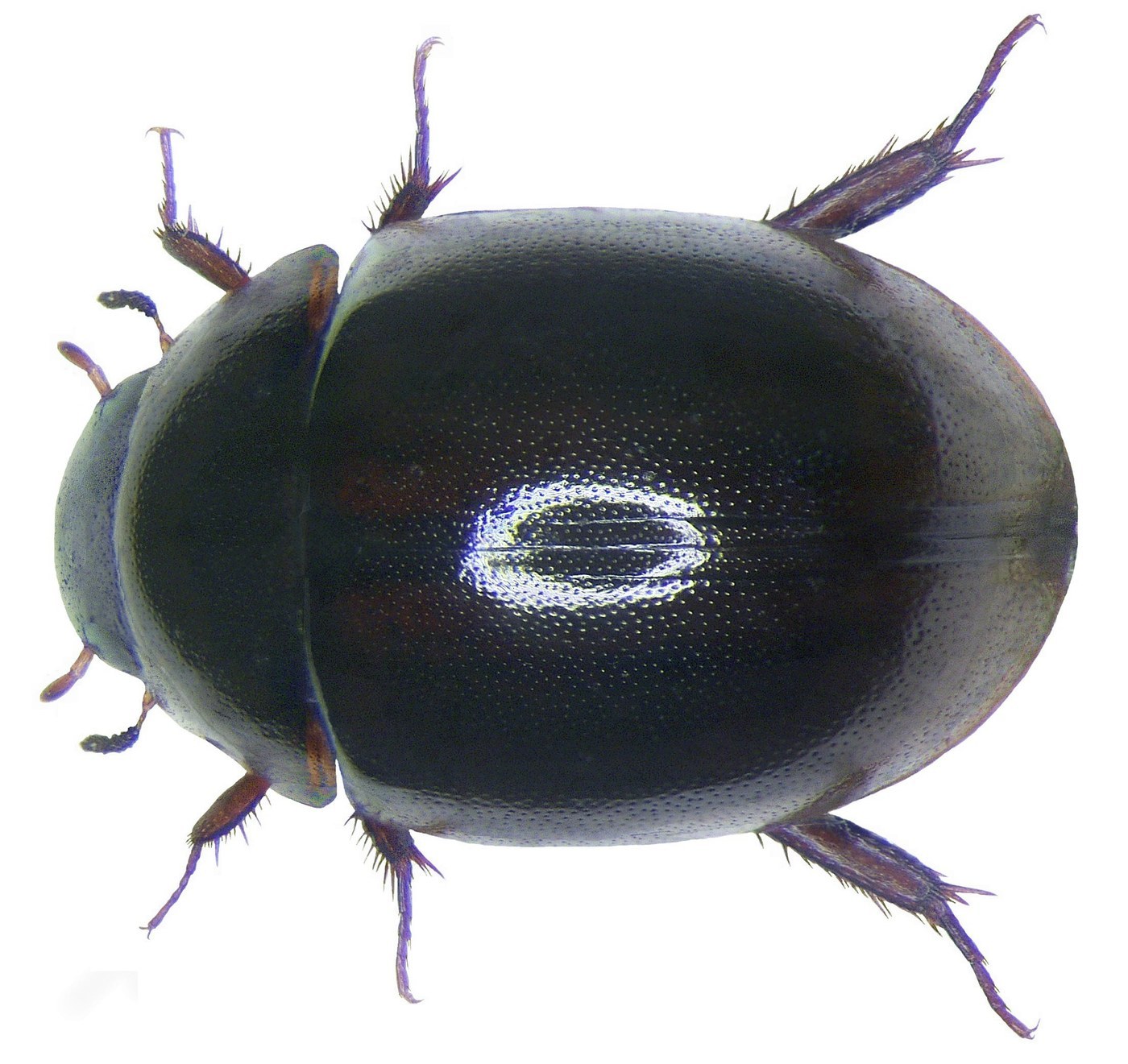
Water Beetle
Ponds, slow streams, marshes, still fresh water
Water Penny Beetle
Fast, rocky, well-oxygenated streams
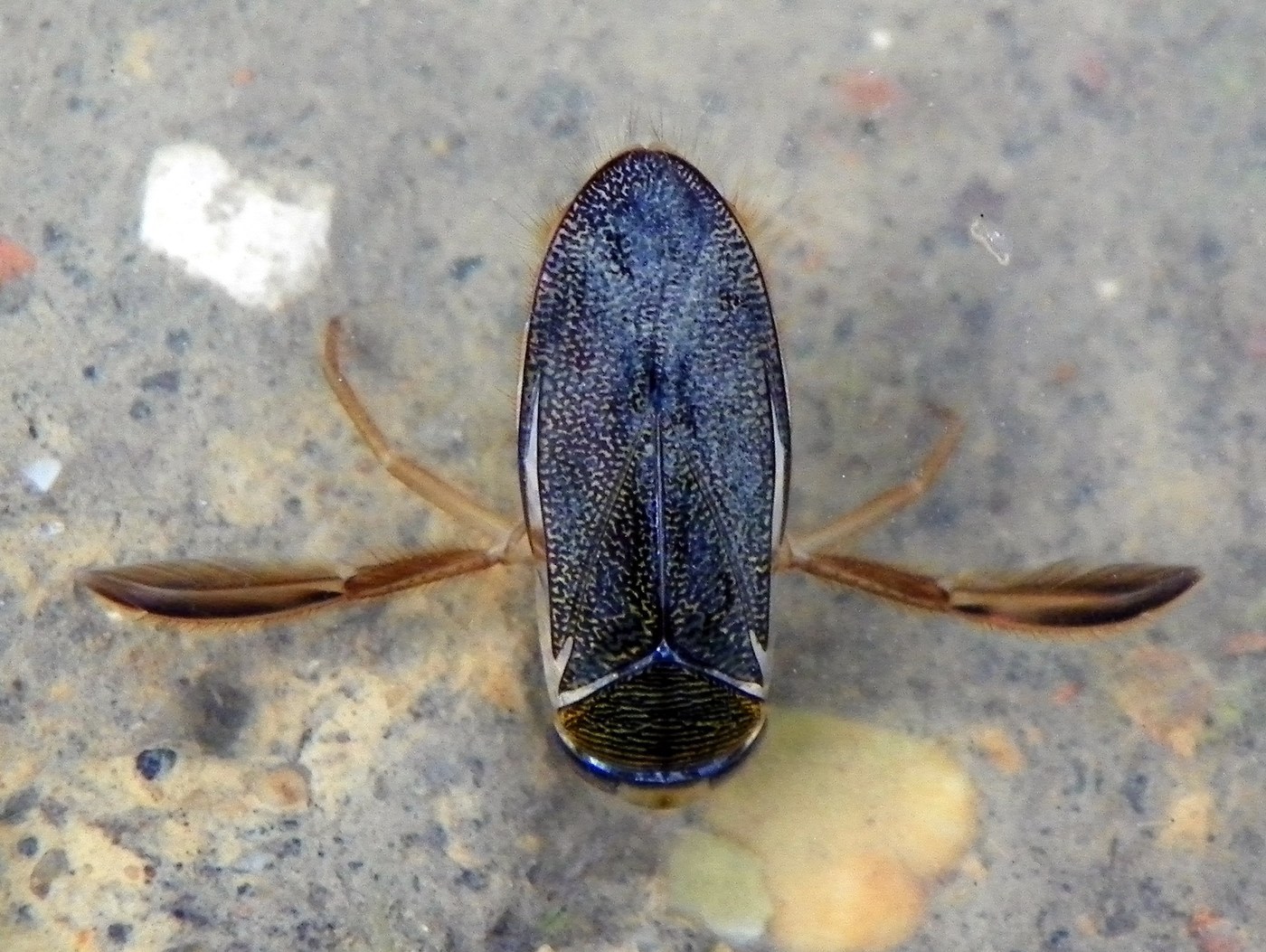
Water Boatman
Ponds, lakes, slow streams, freshwater with vegetation
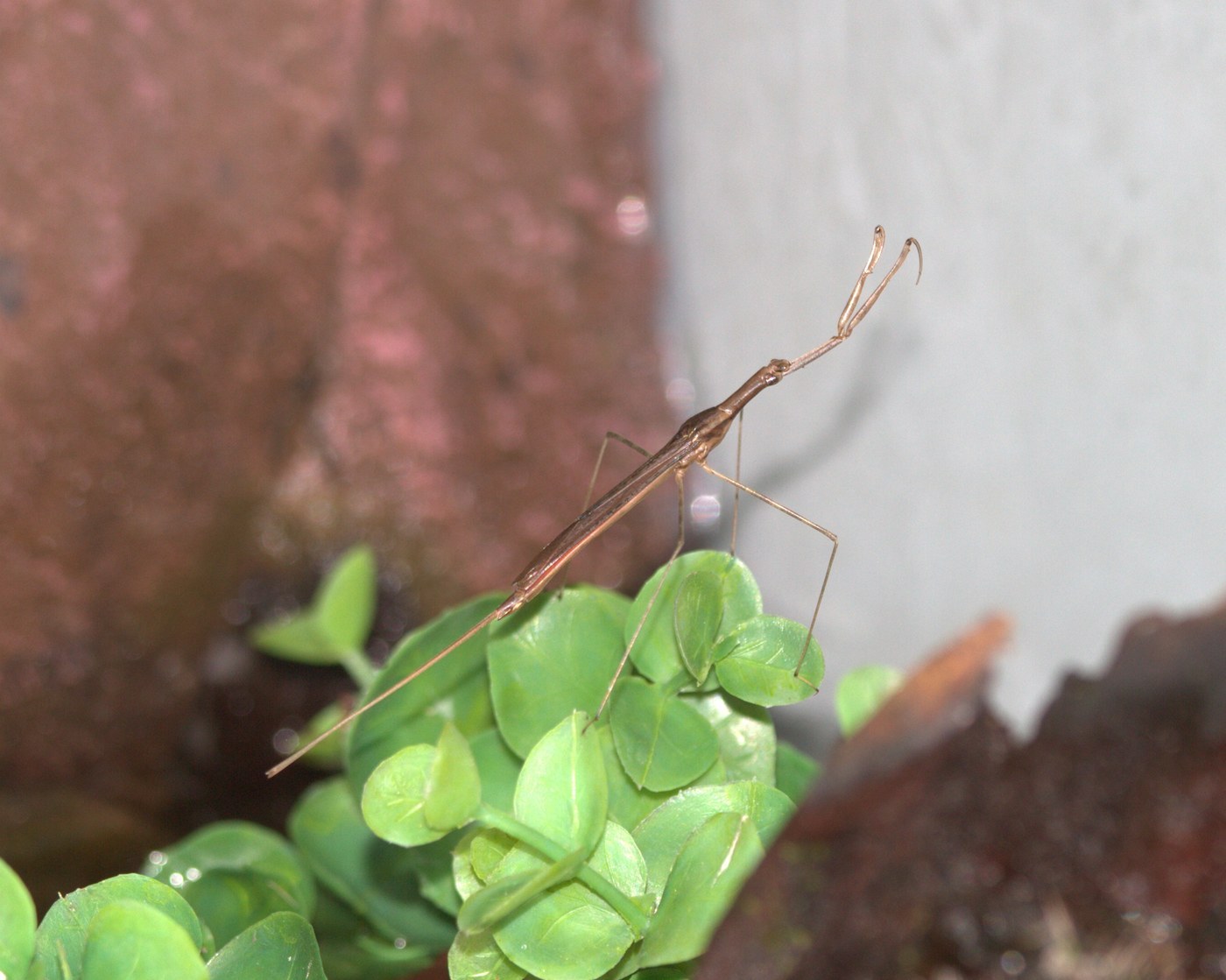
Water Scorpion
Still or slow-moving water with submerged vegetation
Stonefly
Cold, clean, well-oxygenated streams and rivers
Stonefly Nymph
Cold, fast-flowing, well-oxygenated streams
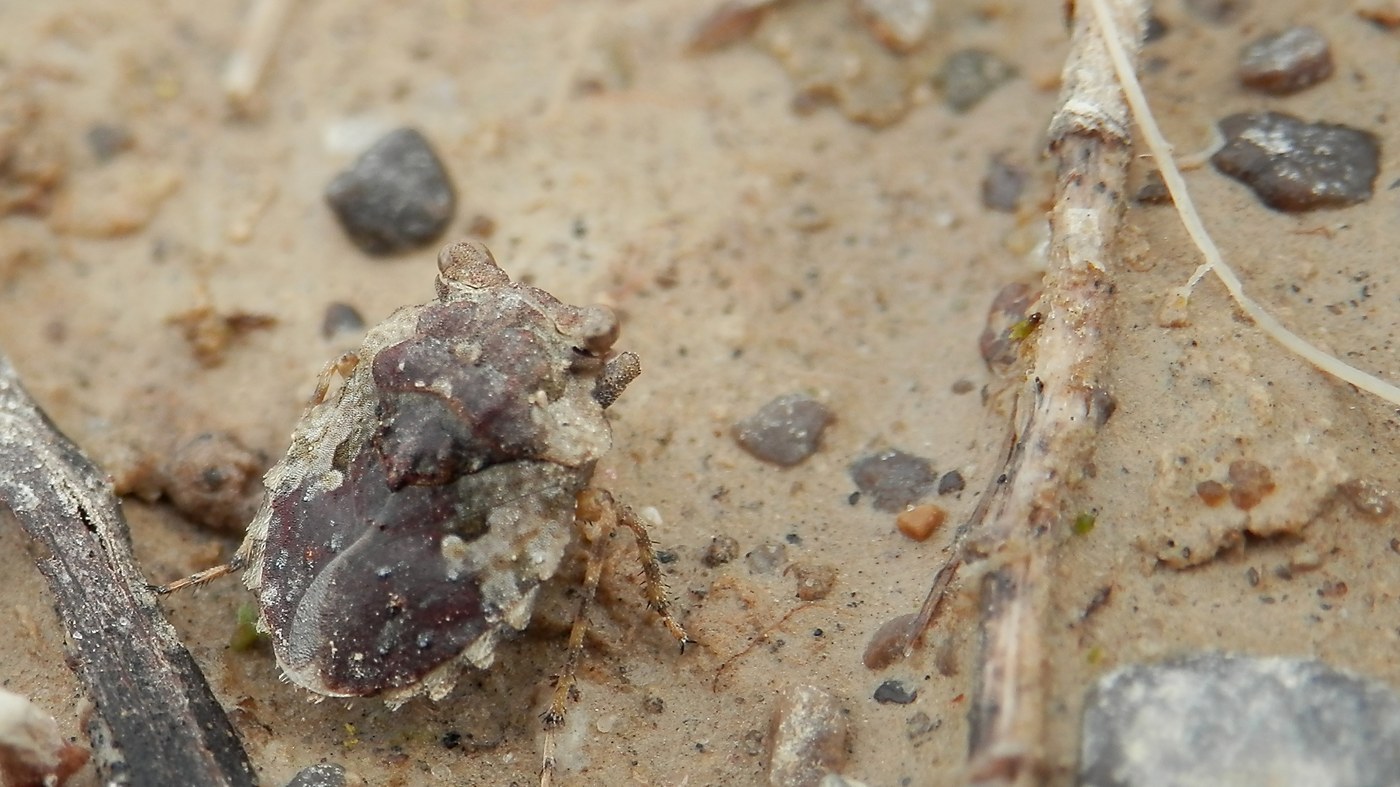
Toad Bug
Muddy or sandy shorelines of ponds, streams, and rivers
Mosquito Larva
Standing water in ponds, ditches, containers, and puddles
Whirligig Beetle
Surface of ponds, lakes, and slow streams
Rat-Tailed Maggot
Stagnant, oxygen-poor water such as manure pools, drains, and compost
Predaceous Diving Beetle
Ponds, lakes, and slow-moving freshwater