
Mosquito Larva
Culicidae spp.
A wriggling, comma-shaped aquatic larva that hangs from the water's surface to breathe before transforming into a flying adult mosquito.
- Size
- 3-15 mm
- Habitat
- Standing water in ponds, ditches, containers, and puddles
- Danger
- Nuisance pest
Spotted a bug like this?
Identify any bug or insect from a photo, free.
Overview
Mosquito larvae, often called wrigglers for their characteristic jerking swimming motion, are the aquatic immature stage of mosquitoes in the family Culicidae. Nearly every mosquito species passes through an aquatic larval stage before emerging as the familiar flying adult, making standing water essential to their development.
Larvae are legless and worm-like, with a distinct head, thorax, and segmented abdomen, and most species breathe air through a siphon tube at the tip of the abdomen that they extend to the water's surface. Some genera, such as Anopheles, lack a long siphon and instead lie flat just beneath the surface film to breathe.
Because larvae require standing or slow-moving water to develop, their presence is closely tied to any source of collected water, from natural wetlands and ponds to small artificial containers like buckets, tires, and clogged gutters.
How to Identify
- Larvae are 3-15 mm long depending on species and instar, with a distinct dark head capsule, a broader thorax, and a segmented, tapering abdomen.
- Most species have a breathing siphon at the rear of the abdomen used to draw air from the surface; Anopheles larvae lack this siphon and rest horizontally at the surface.
- Movement is a distinctive jerking, wriggling motion as the larva swims downward and then floats back up to breathe.
- Color ranges from translucent pale to brown or dark gray, often blending with the water or debris.
- Larvae are typically seen suspended just under the water surface at an angle, especially in still or stagnant water.
- Lookalikes include midge larvae, but midge larvae generally lack the visible breathing siphon and swim in a more continuous wriggling pattern along the bottom.
Habitat & Range
Mosquito larvae occur wherever water stands still long enough to complete development, typically one to two weeks depending on temperature and species. This includes natural habitats such as ponds, marshes, and slow streams, as well as temporary and artificial sources like puddles, tree holes, discarded containers, and rain barrels. They are found on every continent except Antarctica, with the greatest diversity in warm, humid climates.
Behavior & Diet
Larvae are filter feeders or grazers, consuming algae, bacteria, organic detritus, and microorganisms suspended in the water or on submerged surfaces, playing a role in breaking down organic matter in aquatic systems. They must periodically rise to the water's surface to breathe air, making them vulnerable to surface-feeding predators such as fish, aquatic beetles, and other invertebrates. Because they cannot develop without standing water, larval abundance is directly tied to rainfall patterns and the availability of water-holding habitats. Mosquito larvae and pupae are an important food source for many aquatic predators and are part of freshwater food webs before the survivors emerge as flying adults.
Life Cycle
Eggs are laid on or near standing water, either singly, in floating rafts, or on damp surfaces that will later flood, depending on the species. Larvae hatch and pass through four instars over roughly one to two weeks, growing larger with each molt while feeding on organic matter in the water. The final instar molts into a comma-shaped pupa, which does not feed but remains mobile and continues to breathe at the surface. After a few days, the pupal case splits and the adult mosquito emerges, resting on the water surface briefly before flying off; the species typically produces multiple generations through the warm season wherever suitable water persists.
Frequently asked questions
Do mosquito larvae bite?
No, larvae do not bite; biting behavior only develops in adult mosquitoes.
Why do mosquito larvae wriggle so much?
The jerking motion is how they swim, propelling themselves down and away from the surface before floating back up to breathe.
What do mosquito larvae eat?
They feed on algae, bacteria, and organic detritus suspended in the water, helping recycle nutrients in aquatic habitats.
How long does the larval stage last?
Typically about one to two weeks, though this varies with water temperature and species, before the larva pupates and emerges as an adult.
Mosquito Larva guides
In-depth guides for identifying, understanding, and living alongside Mosquito Larva.
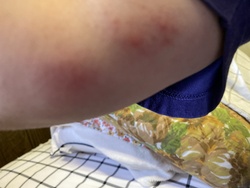
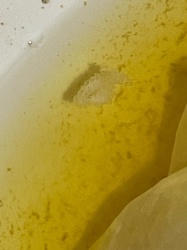
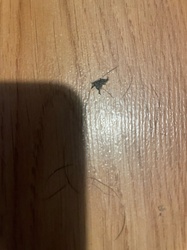
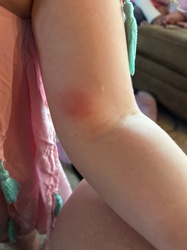
Mosquito Larva identified by the community
Real finds identified with Bug Identifier.
Other bugs you may enjoy
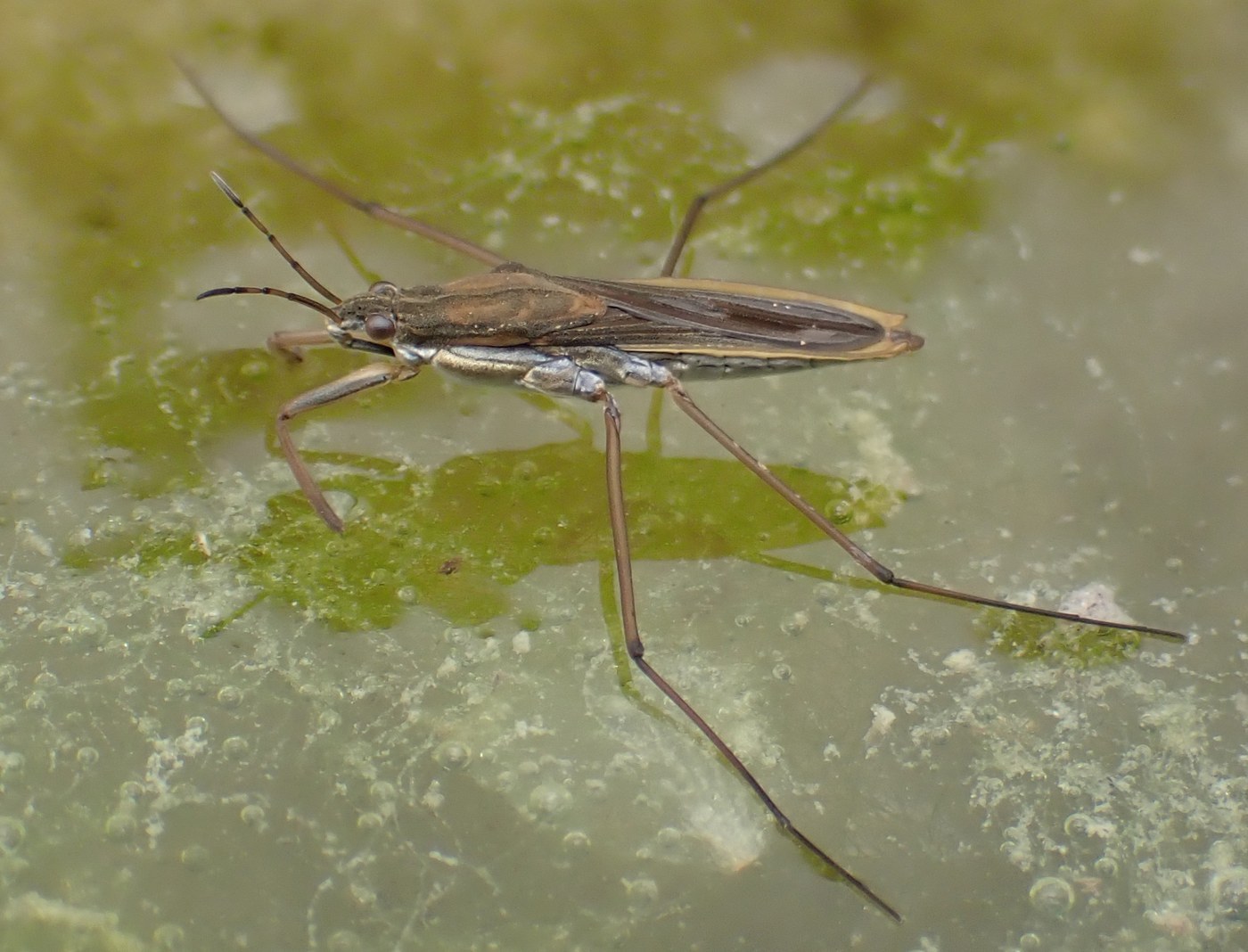
Water Strider
Still or slow-moving fresh water: ponds, lake edges, slow streams, puddles
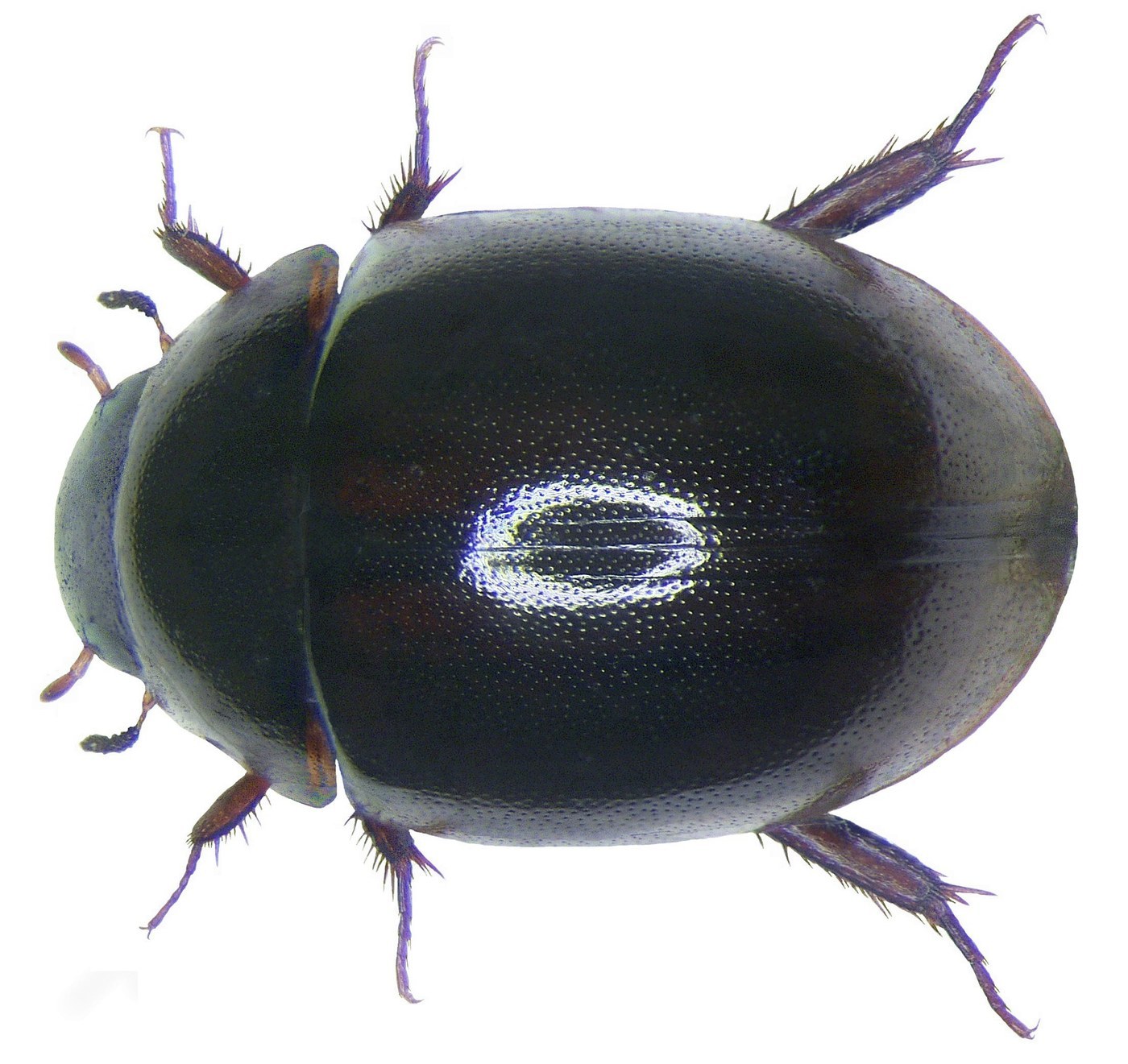
Water Beetle
Ponds, slow streams, marshes, still fresh water
Water Penny Beetle
Fast, rocky, well-oxygenated streams
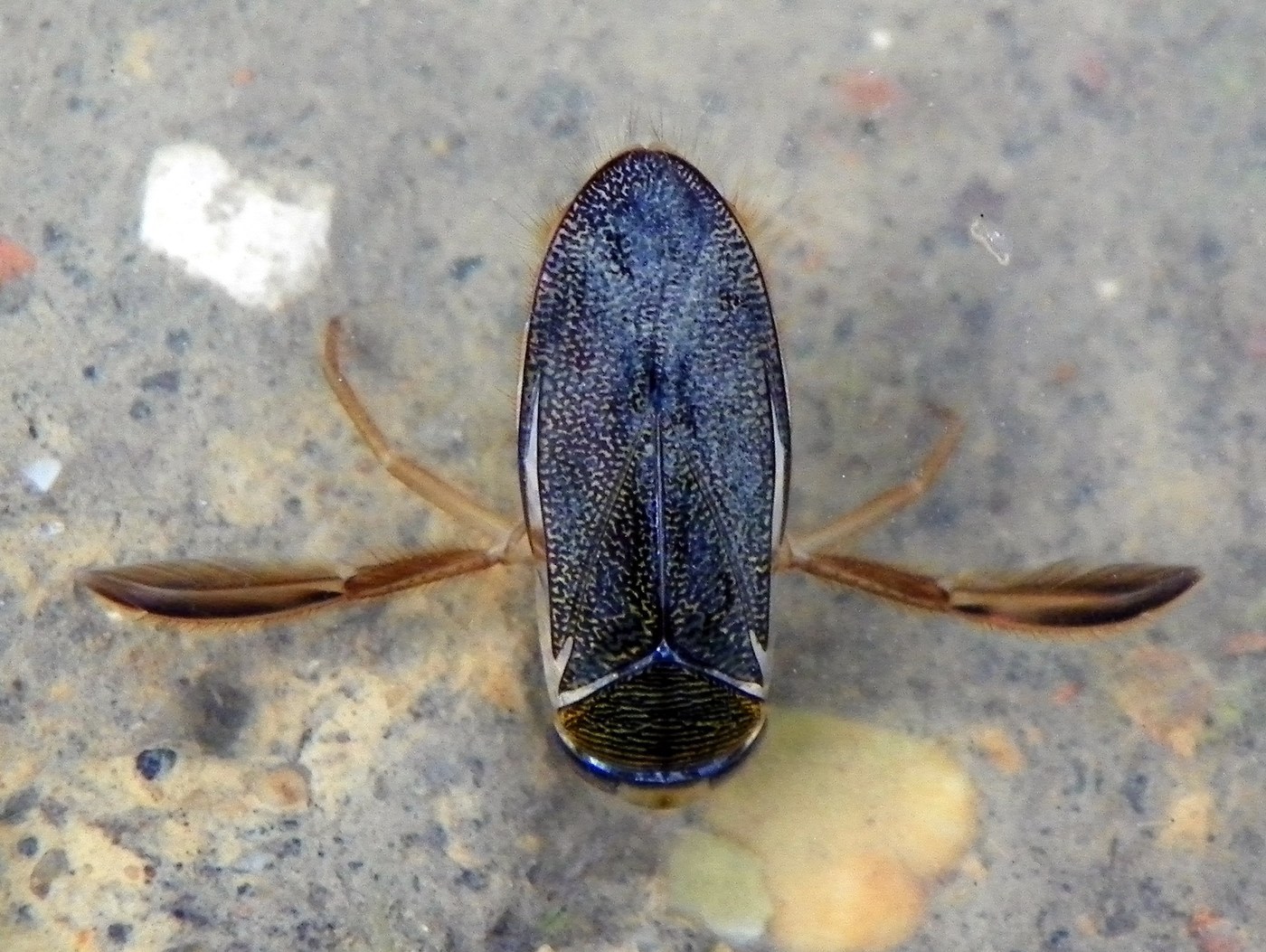
Water Boatman
Ponds, lakes, slow streams, freshwater with vegetation
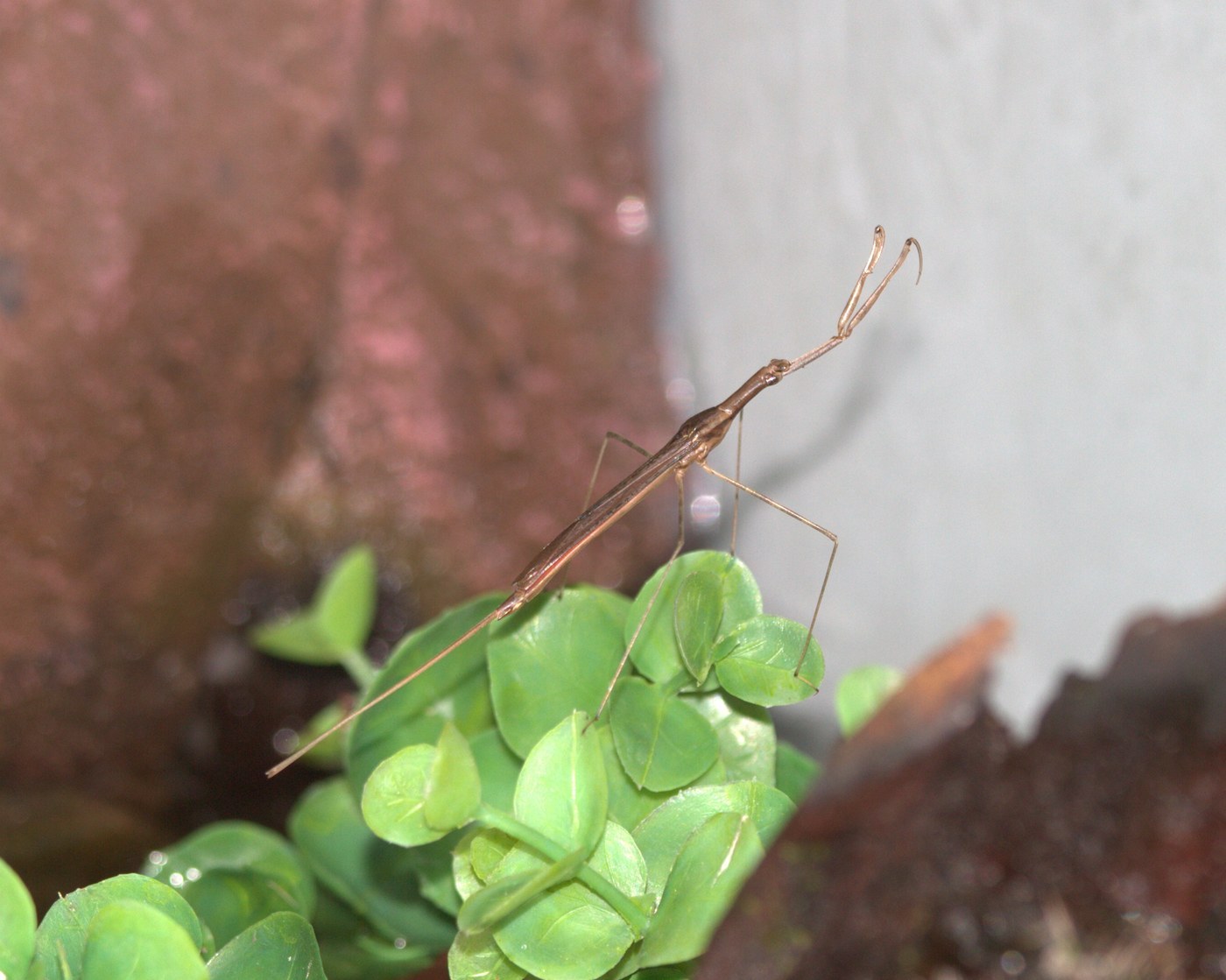
Water Scorpion
Still or slow-moving water with submerged vegetation
Stonefly
Cold, clean, well-oxygenated streams and rivers
Stonefly Nymph
Cold, fast-flowing, well-oxygenated streams
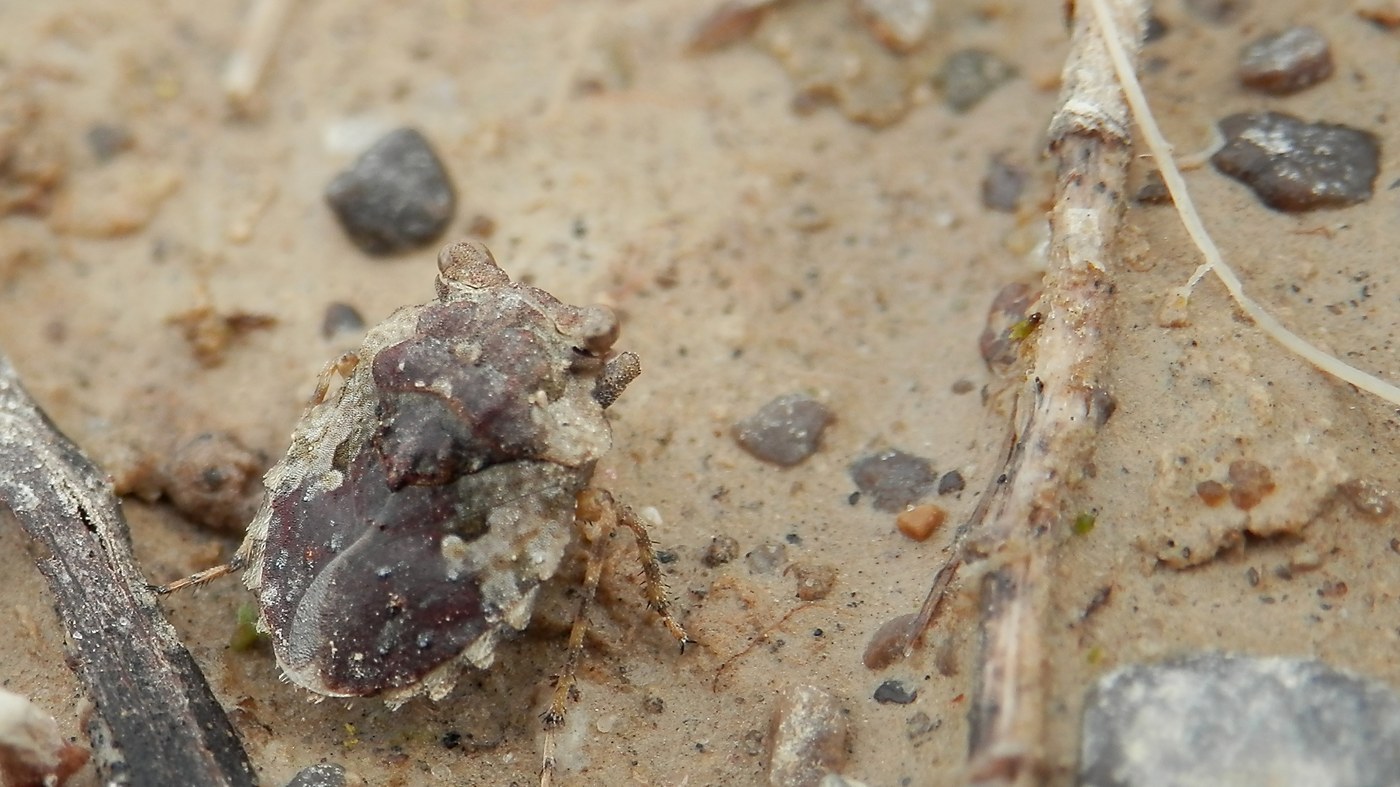
Toad Bug
Muddy or sandy shorelines of ponds, streams, and rivers
Soldier Fly Larva
Ponds, marshes, and slow streams with organic sediment
Whirligig Beetle
Surface of ponds, lakes, and slow streams
Rat-Tailed Maggot
Stagnant, oxygen-poor water such as manure pools, drains, and compost
Predaceous Diving Beetle
Ponds, lakes, and slow-moving freshwater